
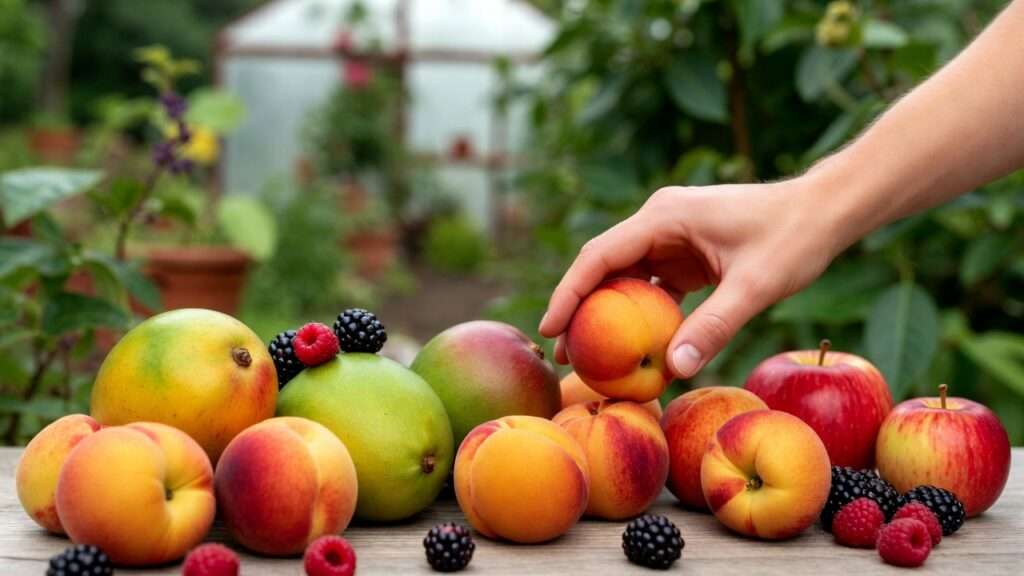
Imagine this: You’ve nurtured your backyard peach tree all season, watching those fuzzy orbs swell under the sun. Finally, harvest day arrives—but one bite reveals a mealy, bland disappointment, or worse, the fruit has already softened into mush on the branch while you waited for “just a little more color.” 😩 We’ve all been there. As a passionate plant care enthusiast and home gardener who’s tended everything from tropical mangoes in pots to classic apple orchards in temperate zones, I know the frustration of mistimed harvests all too well.
The good news? How to know when fruit is ripe doesn’t require fancy gadgets or years of trial and error. With the right sensory cues—color, feel, smell, detachment ease, and even sound—you can harvest at peak flavor, sweetness, and nutrition every time. This not only maximizes the delicious rewards from your trees and plants but also reduces waste, boosts your garden’s productivity, and ensures those homegrown fruits taste worlds better than store-bought ones.
In this in-depth guide, we’ll cover the science of ripening, universal ripeness signs every gardener should master, detailed checklists for 15+ popular home-grown fruits (from peaches to watermelons), pro techniques for perfect timing, post-harvest tips, common pitfalls to avoid, and quick-reference charts. Whether you’re growing in a Dhaka balcony garden, a suburban backyard, or a small homestead, these expert-backed strategies will help you pick with confidence. Let’s turn your home orchard into a bounty of perfectly ripe delights! 🌳✨
Understanding Fruit Ripeness: The Basics 🌱
What Actually Happens When Fruit Ripens? Fruit ripening is a fascinating biochemical process driven by hormones, enzymes, and environmental cues. As fruits mature, chlorophyll breaks down (revealing vibrant colors), starches convert to sugars (increasing sweetness), acids decrease (reducing tartness), and aromas develop through volatile compounds. A key player is ethylene—a natural gas many fruits produce to trigger and accelerate ripening.
Fruits fall into two main categories based on this behavior:
- Climacteric fruits continue ripening after harvest thanks to a dramatic ethylene surge (the “climacteric peak”). Examples include apples 🍏, bananas 🍌, peaches 🍑, pears 🍐, tomatoes 🍅, mangoes 🥭, avocados 🥑, and some plums. You can pick these slightly underripe and let them finish indoors—perfect for extending harvest windows or beating birds/pests!
- Non-climacteric fruits must ripen fully on the plant/tree; they produce little ethylene and won’t sweeten or soften much post-pick. Think strawberries 🍓, citrus 🍊, grapes 🍇, cherries 🍒, pineapples 🍍, watermelons 🍉, and most berries. Harvesting too early means sour, bland results—no second chances!
Understanding this distinction is crucial for home gardeners: it prevents disappointment (like expecting a green-picked strawberry to turn sweet on the counter) and guides your strategy for maximum flavor and yield.
The 5 Universal Signs of Ripeness Every Gardener Should Know 🔍 No matter the fruit, your five senses are your best tools. Here’s what experts (including university extension services and seasoned orchardists) look for:
- Color changes 🌈 – Watch the background/ground color (the skin away from direct sun), not just blush. Green often fades to yellow, cream, or orange as chlorophyll breaks down. For red varieties, full saturation + background shift signals readiness.
- Feel/texture 🤏 – Gentle pressure test: Ripe fruit yields slightly without being mushy. Compare to your cheek or nose for subtle give—firm for crisp apples, softer for juicy peaches.
- Smell 👃 – The stem end often releases the strongest sweet, fruity aroma when ripe. This underrated cue beats color alone—many fruits smell “like themselves” at peak!
- Ease of detachment 🌳 – A light lift, twist, or tug should release the fruit cleanly. If it clings stubbornly, wait; if it drops easily, check for overripeness.
- Sound/weight 🔊⚖️ – Heaviness indicates juiciness (melons!). A hollow thump suggests maturity in some cases.
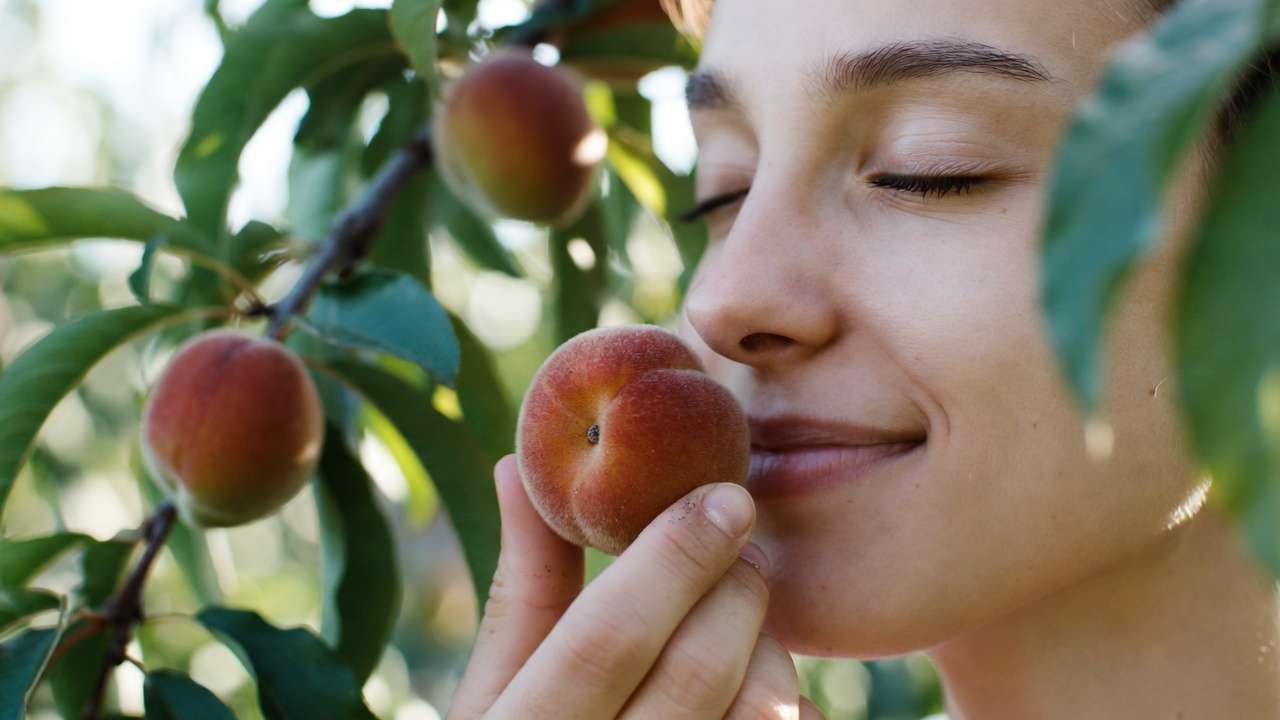
Bonus: For home use, do a small taste test on one fruit—nothing beats personal judgment for flavor preference.
Master these, and you’ll rarely go wrong!
Detailed Ripeness Guides for Popular Home Garden Fruits 🍑🍓
Tree Fruits – Stone Fruits & Pome Fruits
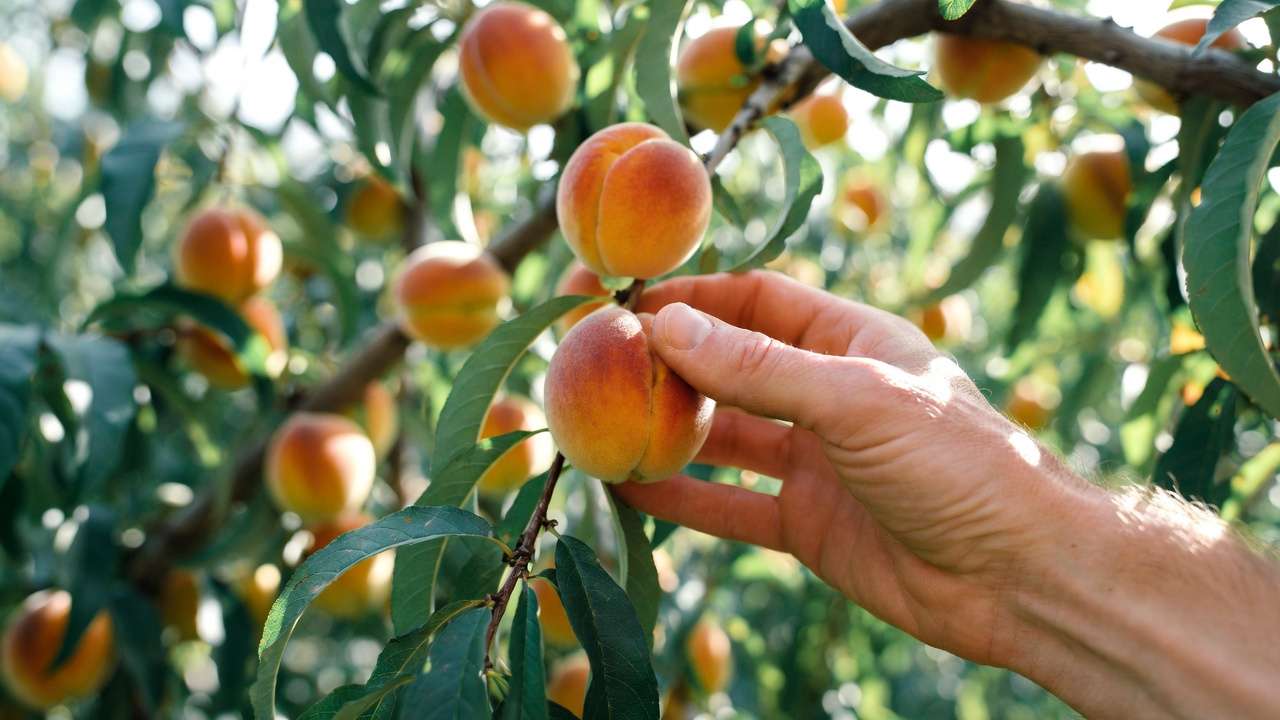
Peaches, Nectarines & Apricots 🍑 These stone fruits ripen best on the tree (climacteric but flavor peaks in-plant).
- Background color shifts from green to deep yellow/orange; rosy blush develops but isn’t the main cue.
- Gentle squeeze near stem yields slight give (like pressing your thumb into ripe flesh).
- Sweet, peachy fragrance at stem end is unmistakable.
- Fruit slips easily from branch with a gentle twist. Pro tip: Track days after full bloom (varies by variety, often 90–120 days); harvest in cool mornings for best shelf life. In warmer climates like Bangladesh, watch for rapid ripening in heat!
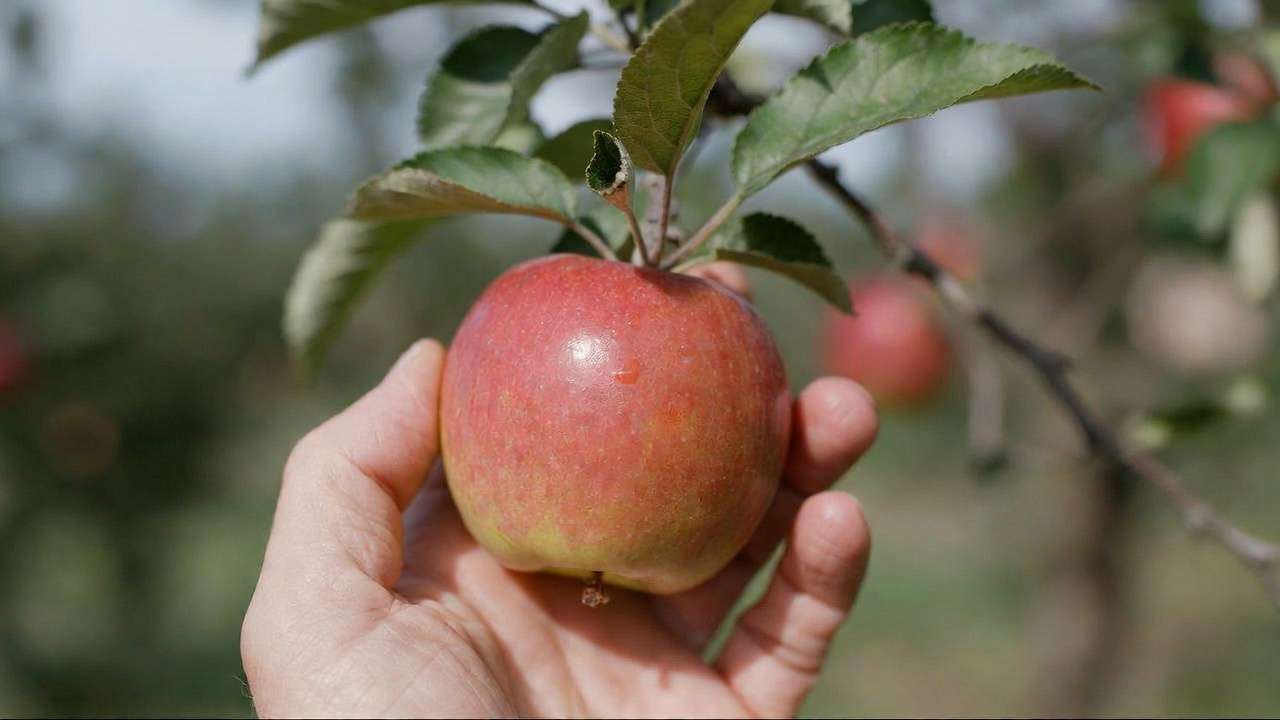
Apples 🍏 Climacteric—can ripen off-tree, but best flavor from tree-ripe.
- Ground color yellows (under red blush); seeds brown inside (cut one open to check).
- Starch test (iodine turns blue-black on unripe, clear on ripe) for precision growers.
- Firm but slight yield to pressure; easy twist-off.
- Avoid wrinkly skin (overripe).
Pears 🍐 Ripen from the inside out (climacteric).
- Background from dark green to light yellow-green.
- Neck (stem end) yields to gentle thumb pressure (unlike apples, which stay firm).
- Lift and tilt: Ripe pears snap cleanly from stem. Harvest slightly firm and ripen indoors in a bag for buttery texture.
Plums
- Skin deepens to rich purple/red/yellow; white “bloom” may fade.
- Softens to touch with sweet aroma.
- Pulls easily.
Tropical & Subtropical Fruits for Warmer Climates or Greenhouses 🌴
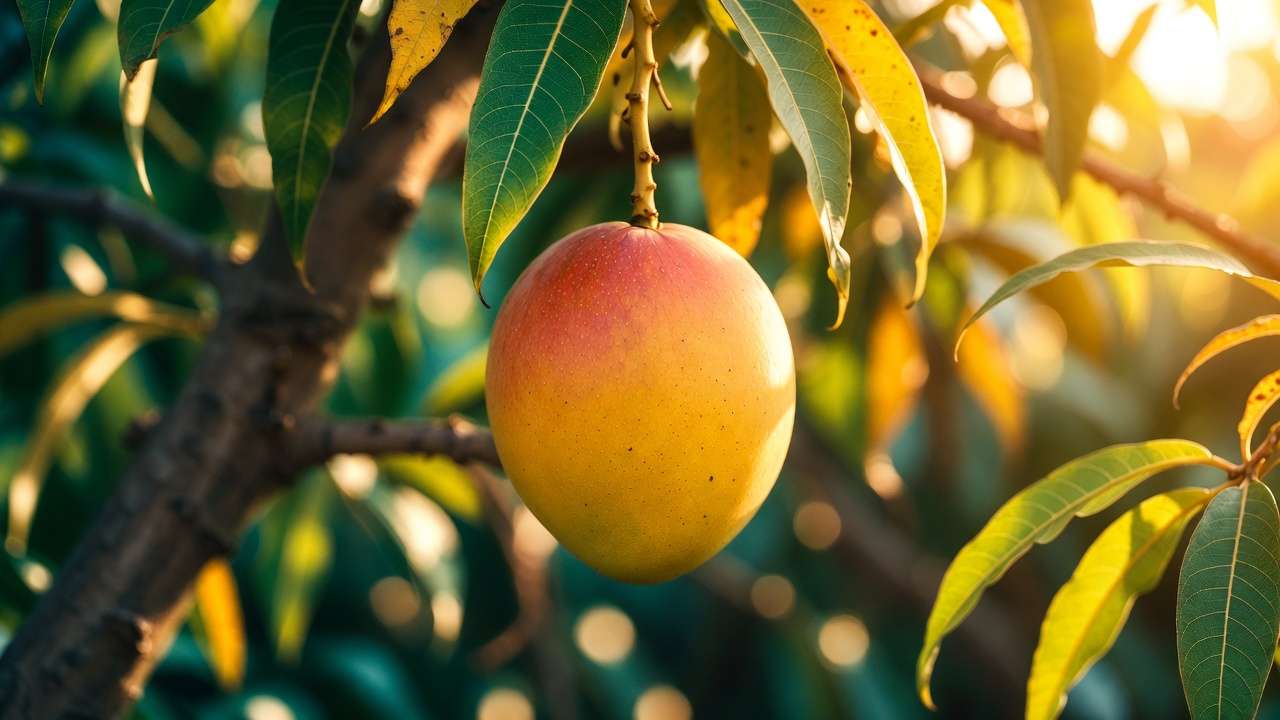
Mangoes 🥭 Climacteric—great for home pots in Dhaka!
- Skin shifts from green to yellow/red; develops fruity aroma.
- Slight give when squeezed.
- Floating test? Not reliable—focus on smell and feel.
Avocados 🥑
- Skin darkens (Hass variety turns blackish); gentle squeeze at round end yields.
- Stem nub trick: Remove—if green underneath, ripe; brown = overripe.
Bananas 🍌
- Yellow with brown spots for sweetest flavor (climacteric—ripens beautifully off-plant).
Berry Bushes & Small Fruits 🍇🍓
Strawberries, Blueberries, Raspberries Non-climacteric—must be fully ripe on plant.
- Even, deep color; plump and glossy.
- Easy detachment (no tugging).
- Birds often beat you—taste one for sweetness! 🐦
Melons & Vining Fruits 🍈
Watermelon, Cantaloupe, Honeydew Non-climacteric for most.
- Heavy for size; creamy yellow ground spot (not white).
- Sweet smell at blossom end; dull thump (hollow ring).
- Tendril near stem dries/browns.
Other Common Home Garden Favorites
- Citrus 🍊 – Full deep color + easy peel; slight give.
- Figs – Soft, drooping, neck bends easily.
- Tomatoes 🍅 – Full color + slight give; harvest early if pests threaten (climacteric).
Advanced Tips & Pro Techniques for Home Gardeners 🌟
Timing Your Harvest Like a Pro ⏰ Getting the timing right is where many home gardeners level up from good to exceptional harvests. Here are battle-tested methods used by experienced growers:
-
Use a harvest calendar based on your variety and local climate Most fruit trees and plants list “days to maturity” or “days from bloom to harvest” on nursery tags or seed packets. For example:
- Early peaches: 90–100 days after full bloom
- Mid-season apples (like Gala): 110–130 days
- Mango varieties common in Bangladesh (e.g., Langra, Fazli): 100–140 days depending on heat units
Adjust forward in hot years (Dhaka summers can push ripening 7–14 days earlier) and backward in cooler, cloudy seasons.
-
Weekly sampling routine Starting 2–3 weeks before expected readiness, taste-test one or two fruits every 3–5 days. Mark branches with colored ribbon so you sample the same tree section consistently. This builds your personal “ripeness intuition” faster than any chart.
-
Weather watching A string of hot, sunny days accelerates sugar development and ethylene production. Rain right before harvest can dilute flavor and cause cracking in stone fruits. Aim to pick during a dry spell if possible.
-
Optional precision tools for serious gardeners
- Refractometer (Brix meter): Measures sugar content in juice. Most home gardeners aim for: peaches 10–14° Brix, apples 12–16°, mangoes 15–20°. Affordable models (~$20–50) are available online.
- Penetrometer: Checks firmness (pounds pressure to penetrate). Useful for apples/pears to catch the exact softening point.
These aren’t necessary for beginners, but they remove guesswork if you grow large quantities.
What to Do After Picking – Ripening, Storing & Preserving 🛠️ Even perfect timing can be ruined by poor post-harvest handling. Here’s how to lock in flavor and extend enjoyment:
- Climacteric fruits – controlled ripening Place in a paper bag or closed cardboard box with an ethylene producer (ripe banana 🍌 or apple 🍏) at room temperature (20–25°C ideal). Check daily—most ripen in 2–7 days. Example: Greenish mangoes or firm avocados ripen beautifully this way.
- Non-climacteric fruits – immediate enjoyment or cold storage Refrigerate promptly at 0–4°C (except bananas—never refrigerate green ones or they blacken!). Strawberries last 5–7 days this way; citrus up to 4–6 weeks.
- Long-term preservation ideas for home gardeners
- Freeze: Slice peaches, mangoes, berries (flash-freeze on trays first to prevent clumping).
- Can/jam: Perfect for surplus plums, apricots, strawberries.
- Dehydrate: Mango or apple chips—sun-dry in Dhaka’s heat or use a low oven.
- Ferment: Turn overripe figs or plums into homemade vinegar or chutney.
Common Mistakes & Troubleshooting ⚠️ Avoid these frequent pitfalls that even experienced gardeners fall into:
- Picking too early – Fruit tastes sour/starchy and never reaches full sweetness (especially non-climacteric types). Solution: Wait for smell + background color shift.
- Waiting too long – Overripe fruit drops, rots, or gets bird/insect damage. Solution: Harvest in stages—pick the ripest first every 2–3 days.
- Ignoring variety differences – One peach cultivar may be soft at “tree-ripe” while another stays firm. Always note your specific variety’s traits.
- Harvesting in heat of day – Fruit wilts faster post-pick. Pick early morning when cool.
- Storing incorrectly – Refrigerating bananas, avocados, or tomatoes too soon ruins texture/flavor. Keep at room temp until ripe.
Quick Reference Charts & Visual Aids 📊 Here’s a simplified ripeness cheat sheet you can screenshot or print for your garden shed:
| Fruit | Key Color Change | Feel / Texture | Smell Cue | Detachment Test | Best Storage |
|---|---|---|---|---|---|
| Peach | Green → deep yellow/orange | Slight give near stem | Strong sweet peach | Slips easily | Room temp → fridge ripe |
| Apple | Green background → yellow | Firm with slight yield | Mild apple fragrance | Twists off | Fridge (long-term) |
| Mango | Green → yellow/red | Slight give | Fruity, tropical | Slight tug | Paper bag to ripen |
| Strawberry | Full even red | Plump, glossy | Sweet berry | Pulls easily | Fridge immediately |
| Watermelon | Creamy yellow ground spot | Heavy for size | Sweet at blossom end | Tendril dries | Cool room or fridge |
| Avocado (Hass) | Green → dark/black | Yields to gentle squeeze | Mild nutty | Stem nub green underneath | Fridge once ripe |
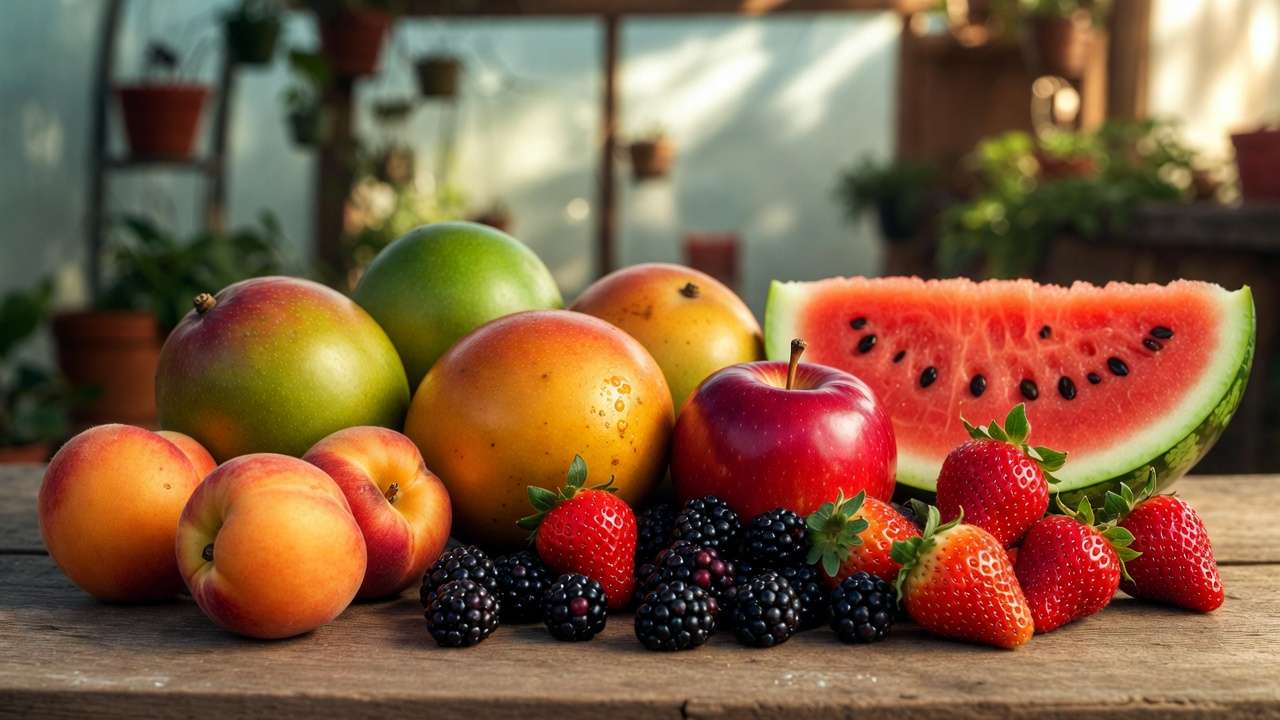
(Pro tip: Laminate this chart and keep it near your trees!)
Expert Insights & Bonus Tips from Plant Care Pros 💡
- Pruning & thinning for even ripening – Thin clusters early so remaining fruits get more sun/sugar. Prune for open canopy—better air flow reduces rot and speeds uniform ripening.
- Bird & pest protection – Netting or reflective tape works wonders once you see first color change. Harvest just before peak to beat wildlife.
- Sustainability bonus – Picking at true ripeness means higher nutrient density (more antioxidants, vitamins) and less food waste. Your home-grown fruit is often 2–4× richer in flavor compounds than commercial picks harvested underripe for shipping.
Frequently Asked Questions (FAQs) ❓
Can fruit ripen after picking? Yes for climacteric fruits (peaches, mangoes, tomatoes, bananas); no (or very minimally) for non-climacteric (strawberries, citrus, watermelon).
Why do some fruits never ripen indoors? They’re likely non-climacteric or were picked far too early before ethylene production began.
How can I speed up ripening safely? Paper bag + ripe apple/banana at room temperature. Avoid plastic bags (traps moisture → mold).
What if my fruit stays green forever? Check sunlight exposure, variety suitability for your zone, or possible nutrient deficiency (especially potassium for color development). Test soil pH if persistent.
Best time of day to harvest? Early morning after dew dries—cooler temperatures preserve firmness and flavor longer.
Conclusion: Harvest with Confidence! 🎉 Mastering how to know when fruit is ripe transforms your home gardening experience from guesswork to joyful certainty. You’ll savor sweeter peaches 🍑, juicier mangoes 🥭, crunchier apples 🍏, and more rewarding harvests season after season.
Start small: Pick one new ripeness cue (like the stem-end smell test 👃) and apply it to your next ready fruit. You’ll be amazed how quickly your senses sharpen.
Have you tried any of these signs already? Drop your best ripeness tip or your biggest “oops” harvest moment in the comments—I read and reply to every one! 🌳
For more tree care, plant health, and home orchard guides tailored to Dhaka’s climate and beyond, subscribe or bookmark the site. Your backyard bounty is waiting—now you know exactly when to claim it at its absolute peak! 🍓✨











