
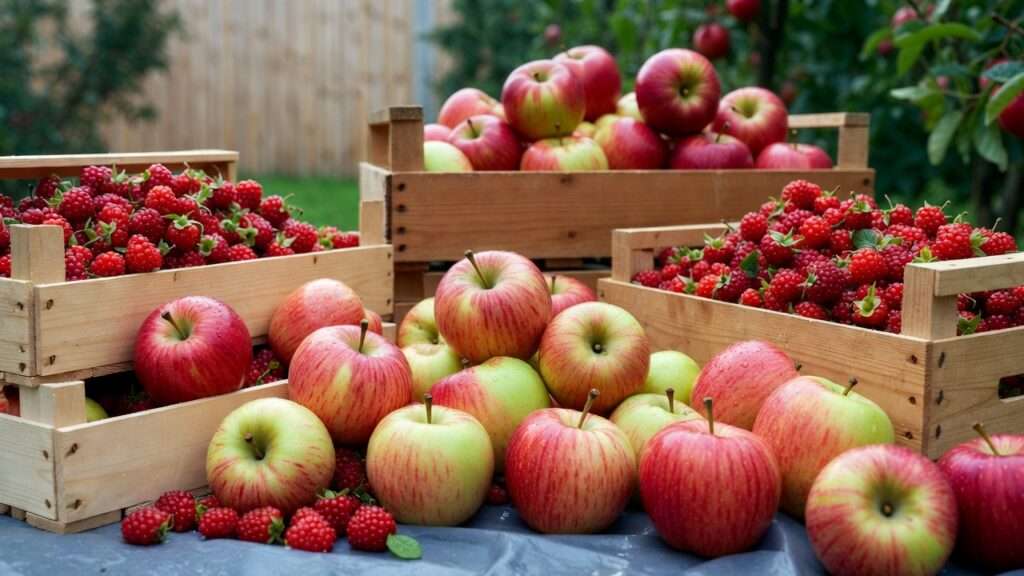
Picture this: It’s the dead of winter, snow is gently falling outside, and you reach into your cool storage space to pull out a perfectly crisp, juicy apple picked from your own backyard tree last fall. The aroma hits you first—sweet, slightly tart, unmistakably fresh. You take a bite and it’s just as delicious as the day you harvested it. 🍏✨
For home gardeners, small-scale orchard owners, and anyone who lovingly tends fruit trees and bushes, this scene isn’t a fantasy—it’s entirely achievable. Yet every year, countless homegrown apples turn mushy, pears develop brown spots, and berries spoil before you can enjoy them all. The heartbreak of watching your hard-earned harvest go to waste is real.
Storing harvested fruit long-term doesn’t have to be complicated or require expensive equipment. With the right timing, gentle handling, proper conditions, and a few proven techniques, you can extend the life of your homegrown bounty for months—even up to a full year in some cases.
In this in-depth guide, I’ll share practical, science-backed methods drawn from university extension services, experienced orchardists, and decades of hands-on homesteading knowledge. Whether you grow apples in a temperate climate, citrus in a warmer zone, or berries in containers on a balcony, you’ll find tailored advice here to minimize waste, preserve peak flavor and nutrition, and enjoy the true rewards of your gardening efforts year-round. 🌳💚
Let’s turn your seasonal abundance into lasting treasure.
Why Proper Long-Term Storage Matters for Homegrown Fruit 🏡🍐
Most supermarket fruit is picked under-ripe, treated with wax or 1-MCP (a ripening inhibitor), and stored in precisely controlled commercial facilities. Your backyard fruit, on the other hand, is usually picked at peak ripeness for maximum flavor—meaning it’s already on the fast track to ripening and eventual spoilage.
Without thoughtful storage:
- High-ethylene producers like ripe apples and pears can trigger rapid ripening (and rotting) in nearby sensitive fruits.
- Moisture loss causes shriveling and loss of crispness.
- Bruises and microscopic skin damage invite mold and bacteria.
- Incorrect temperature leads to chilling injury (pitting, browning) or accelerated decay.
When done right, proper storage delivers huge wins:
- Preserves peak nutrition — vitamins, antioxidants, and fiber stay intact far longer than with poorly handled fruit.
- Reduces household food waste — the average family throws away 20–30% of fresh produce; home storage can cut that dramatically.
- Saves money — enjoying your own harvest for months means fewer grocery store trips.
- Increases self-sufficiency — especially valuable during supply disruptions or high fruit prices.
- Maximizes garden joy — your months of pruning, watering, pest management, and harvesting pay dividends well beyond the growing season.
Key storage influencers include:
- Fruit variety (some apples store 8+ months; most peaches last only weeks even when processed)
- Harvest maturity stage
- Post-harvest handling
- Temperature (usually 30–40°F / 0–4°C ideal for many)
- Relative humidity (85–95% prevents shriveling)
- Ethylene management
- Air circulation
Master these, and you’ll dramatically extend shelf life. 🍐❄️
Step 1: Harvest at the Right Time and Handle with Care 🌱✂️
The foundation of successful long-term storage starts before the fruit even leaves the tree.
Harvest maturity vs. eating ripeness Many fruits intended for long storage should be picked at “mature but not fully ripe” stage:
- Apples — background color changes from green to yellow or cream (not full red blush), seeds turn brown, starch test shows mostly clear (iodine test optional), fruit easily separates with a gentle twist.
- Pears — still firm, skin color lightens slightly, but should be picked before they soften on the tree (most European pears ripen off-tree).
- Citrus — full color, but can often stay on tree for weeks/months in mild climates.
- Quince & persimmons — fully colored and slightly soft (non-astringent types).
Gentle harvesting techniques
- Use sharp, clean clippers or twist-and-lift motion.
- Never drop fruit into buckets—bruising starts decay instantly.
- Wear soft gloves if possible to avoid fingernail scratches.
- Harvest in cool morning hours when turgor pressure is lower (less bruising).
Immediate post-harvest handling
- Move fruit to shade immediately.
- Sort carefully: separate bruised, cracked, insect-damaged, or over-ripe fruit (use these for immediate eating, processing, or composting).
- Do NOT wash unless absolutely necessary—moisture promotes mold. If dusty, wipe gently with a dry cloth.
- Allow field heat to dissipate (1–2 days in cool shade) before moving to cold storage.
Proper handling at this stage can add weeks or months to storage life. 🍎🧺
Step 2: Understand Ideal Storage Conditions for Fruits ❄️💧
Different fruits have different “sweet spots,” but most long-keeping varieties thrive in:
- Temperature: 30–40°F (-1 to 4°C) for apples, pears, quince Slightly warmer (38–45°F / 3–7°C) for pears and some citrus to avoid chilling injury.
- Relative humidity: 85–95% (prevents shriveling without encouraging mold).
- Ethylene control: Keep high-ethylene producers (apples, pears, quince, passion fruit) separate from ethylene-sensitive produce (berries, stone fruit, leafy greens, potatoes).
- Ventilation: Gentle air movement prevents CO₂ buildup and mold, but avoid strong drafts that dry fruit.
Common home storage setups ranked by effectiveness:
- Dedicated root cellar (ideal temperature & humidity)
- Insulated garage or unheated basement corner
- Extra refrigerator set to 35–38°F with humidity drawer or damp towels
- Insulated cool box in coolest house area with damp sand/perforated bags
- Cool indoor pantry (short-term only for most fruits)
DIY humidity hacks
- Place fruit in perforated plastic bags with a damp (not wet) sponge or cloth.
- Store in boxes lined with slightly moist sawdust, sand, or sphagnum moss.
- Use newspaper or kraft paper wrapping to slow moisture loss while allowing air exchange.
Monitoring tools worth having:
- Digital thermometer/hygrometer combo (~$10–20)
- Apple ethylene test strips (optional for serious storers)
Get these conditions right, and you’re halfway to success. 🌡️💦
Best Fruits for Long-Term Storage (and How Long They Last) 📊🍏
Not all fruits are created equal when it comes to keeping quality over months. Some varieties are naturally bred (or selected over generations) for exceptional storage life thanks to thicker skins, slower respiration rates, lower ethylene production after harvest, and better resistance to fungal pathogens.
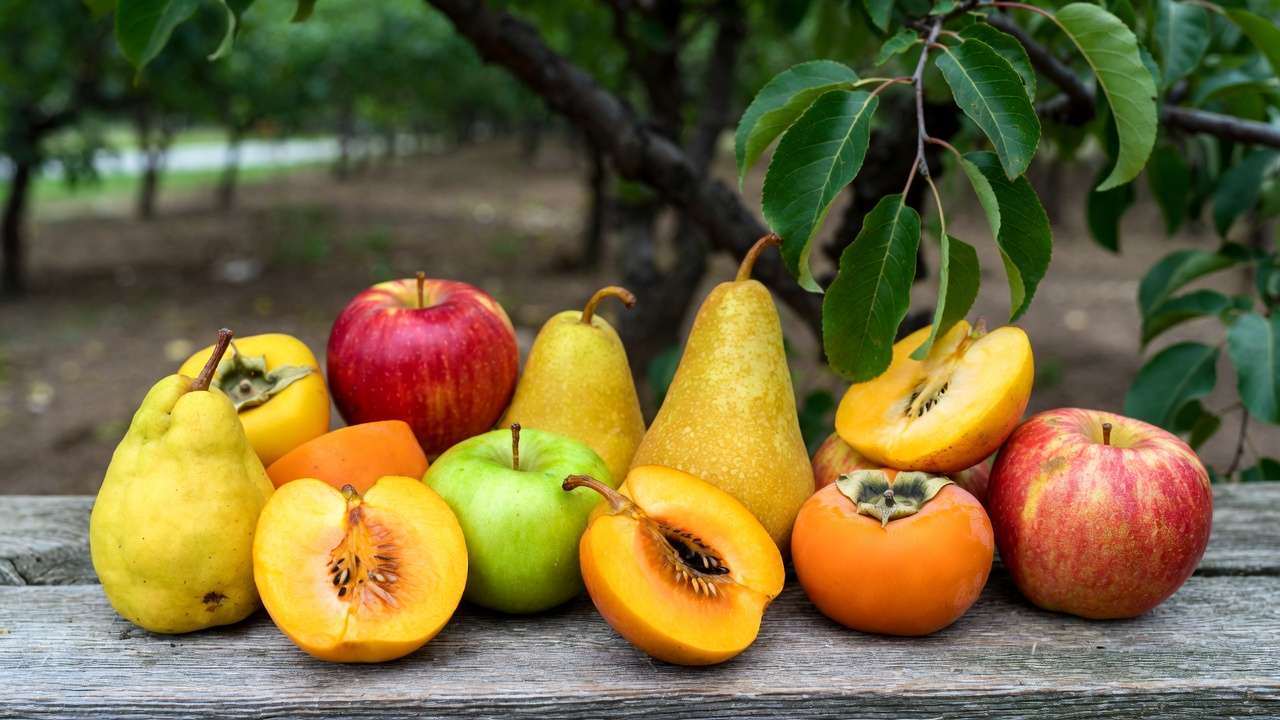
Here’s a practical breakdown of the best candidates for long-term home storage, realistic expectations, and top variety recommendations for home growers:
Apples 🍏 The undisputed champions of home storage. Many varieties can remain crisp and flavorful for 3–8 months under good conditions.
- Best long-keeping varieties: Granny Smith, Honeycrisp (surprisingly good keeper), Braeburn, Fuji, Pink Lady, Winesap, Arkansas Black, Northern Spy, Rome, GoldRush, Enterprise
- Average home storage life: 4–6 months at 32–38°F (0–3°C) and 90–95% humidity; up to 8 months for the very best varieties in near-ideal setups
- Pro tip: Late-season apples (harvested October–November in most temperate zones) store significantly longer than early varieties like Gala or McIntosh.
Pears 🍐 European pears (not Asian types) are excellent storers when picked mature-green and allowed to ripen slowly in controlled conditions.
- Best varieties: Bosc, Anjou (especially d’Anjou), Comice, Conference, Winter Nelis, Packham’s Triumph
- Average home storage life: 2–5 months at 30–36°F (-1 to 2°C) with high humidity; store slightly warmer than apples to prevent “black heart” disorder
- Key note: Pears must be ripened at room temperature after cold storage for best eating quality.
Citrus (Oranges, Lemons, Grapefruit, Tangerines) 🍊 In mild-winter climates (zones 8b+), many can stay on the tree for months. For cooler regions, indoor storage works well.
- Best for storage: Valencia oranges, navel oranges (late-season types), Eureka/Pink Eureka lemons, Ruby Red grapefruit
- Average home storage life: 4–12 weeks at 40–45°F (4–7°C) and 85–90% humidity; longer if waxed or oiled naturally
- Bonus: Citrus stores best when slightly under-ripe (full color but still firm).
Quince One of the longest-keeping fruits—almost indestructible when stored properly.
- Storage life: 3–6 months at 32–40°F
- Best use: Usually cooked (jelly, paste, poached), so minor shriveling is less noticeable.
Persimmons (Non-astringent / Fuyu types) Firm when harvested, they can keep surprisingly well.
- Storage life: 2–4 months refrigerated at 32–35°F
Other honorable mentions
- Winter squash (technically a fruit botanically) — butternut, acorn, spaghetti squash: 3–6 months at 50–55°F (cool pantry)
- Hardy kiwifruit ( Actinidia arguta ): 2–3 months refrigerated
- Asian pears: 1–3 months (shorter than European types)
Fruits that do NOT store long fresh (process them instead): Berries (strawberries, raspberries, blackberries), stone fruits (peaches, nectarines, apricots, plums), figs, most tropicals (mango, papaya, pineapple). These are best frozen, dried, canned, or turned into jam within days of harvest.
Knowing which fruits reward your storage effort helps you prioritize what to grow and how to plan your harvest. 🌟
Method 1: Fresh Cold Storage & Root Cellaring (No Processing Needed) 🌍🥶
If you want to enjoy fruit in its fresh, raw form months later, cold storage without any cooking or freezing is the gold standard for apples, pears, quince, and some citrus.
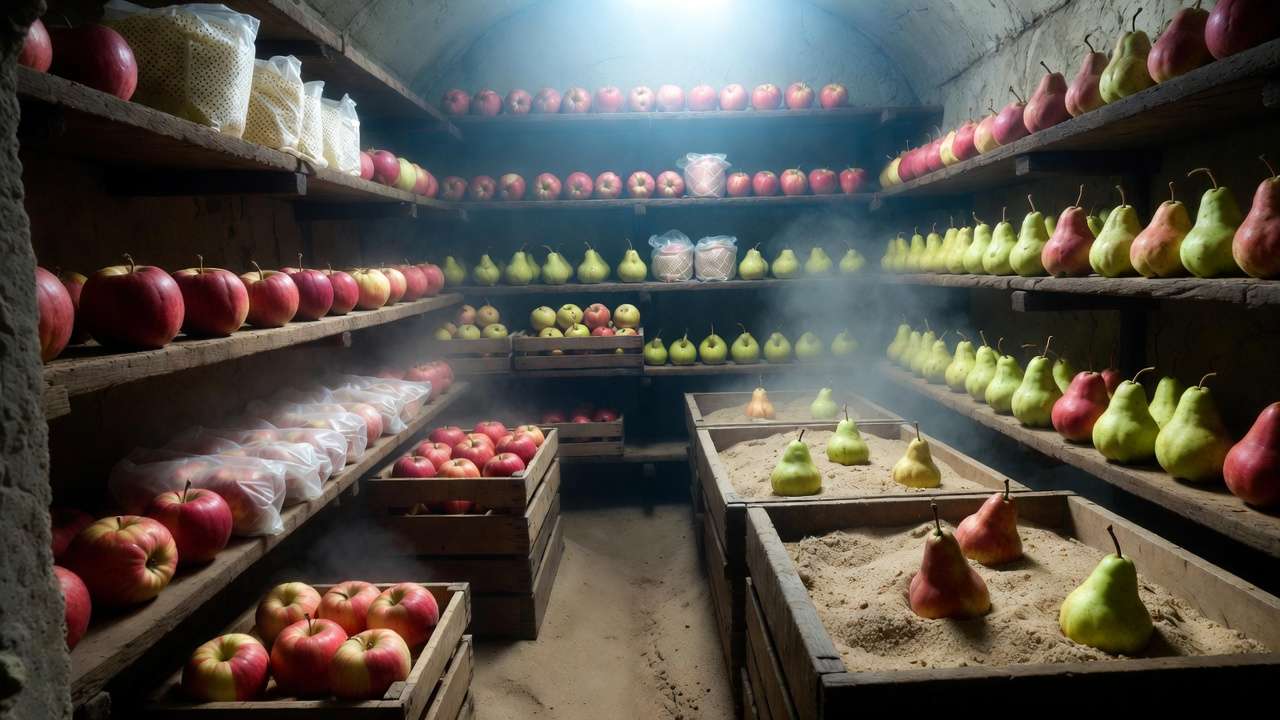
What is a root cellar—and do you need one? A root cellar is simply a space that stays naturally cool (32–55°F depending on season and location), humid, and dark year-round. Traditional ones were dug into hillsides or underground. Modern homesteaders create equivalents using:
- Unheated basement corner (often the coolest spot)
- Insulated garage or shed with temperature-controlled corner
- Buried stock tank, old freezer, or large cooler packed with straw/insulation
- Crawl space or semi-buried concrete bunker (popular in rural areas)
Ideal conditions recap
- 30–40°F for apples/quince
- 32–38°F for pears (avoid below 30°F to prevent freezing injury)
- 85–95% relative humidity
- Good (but gentle) air circulation
- Darkness (light speeds ripening/breakdown)
Proven storage techniques
- Individual wrapping — Wrap each apple or pear in newspaper, kraft paper, or paper towels. This traps ethylene close to the fruit (reducing spread) and slows moisture loss. 🍏🗞️
- Box or bin method — Layer fruit in wooden crates, plastic totes, or cardboard boxes with slightly moist materials:
- Damp (not wet) sand
- Clean sawdust or wood shavings
- Sphagnum moss
- Shredded newspaper Keep layers single or double to avoid pressure bruising.
- Perforated plastic bag method — Place 5–10 pieces in large perforated produce bags; add a damp cloth square inside. Punch extra holes if condensation builds.
- Check regularly — Every 2–4 weeks, inspect for rot. Remove any soft or moldy fruit immediately (one bad apple really can spoil the bunch!).
Urban/suburban adaptations No basement? Use:
- Extra refrigerator dedicated to fruit (set to 35–38°F; place a bowl of water or damp towel inside for humidity)
- Insulated cool box on a north-facing porch or in the coolest room
- Under-the-bed storage bins in an unheated room during winter
Realistic expectations With average home conditions: 2–4 months for good keepers. With near-ideal setup (root cellar or dedicated fridge + monitoring): 5–8+ months for top varieties.
This method preserves the fresh-eating experience better than any other—no texture change, no added sugar, just pure fruit perfection months later. ❄️🍐
Method 2: Freezing Your Harvest (Easiest Long-Term Option) 🧊🍓
Freezing is hands-down the simplest, most reliable, and most forgiving way to preserve homegrown fruit for 8–12 months (sometimes longer) with excellent flavor and nutrition retention. It’s especially perfect for fruits that don’t store well fresh—like berries, stone fruits, and tropicals—and requires minimal equipment beyond a good freezer.
Which fruits freeze best?
- Berries: strawberries, raspberries, blackberries, blueberries, gooseberries, currants
- Stone fruits: peaches, nectarines, apricots, plums, cherries
- Apples & pears (sliced or pureed)
- Mango, pineapple, kiwi, figs
- Citrus (segments or juice)
- Grapes (whole for snacking or smoothies)
Preparation steps for top quality
- Harvest at peak ripeness — Flavor won’t improve after freezing, so pick when the fruit tastes best.
- Wash gently — Rinse under cool water; for berries, use a quick dip and immediate drain to avoid waterlogging. Pat completely dry with clean towels (moisture = ice crystals = mushy texture).
- Prep as desired —
- Berries: leave whole or halve large ones
- Stone fruits: pit and slice (or leave halved)
- Apples/pears: peel (optional), core, slice ¼–½ inch thick
- Prevent browning (crucial for apples, pears, peaches, apricots, bananas)
- Soak slices for 3–5 minutes in a solution of:
- 1 tsp ascorbic acid (vitamin C powder) per 1 quart water, OR
- ¼ cup lemon juice per 1 quart water, OR
- Commercial fruit preserver (Fruit-Fresh) per package directions
- Drain well before freezing.
- Soak slices for 3–5 minutes in a solution of:
Packing methods (choose based on your use)
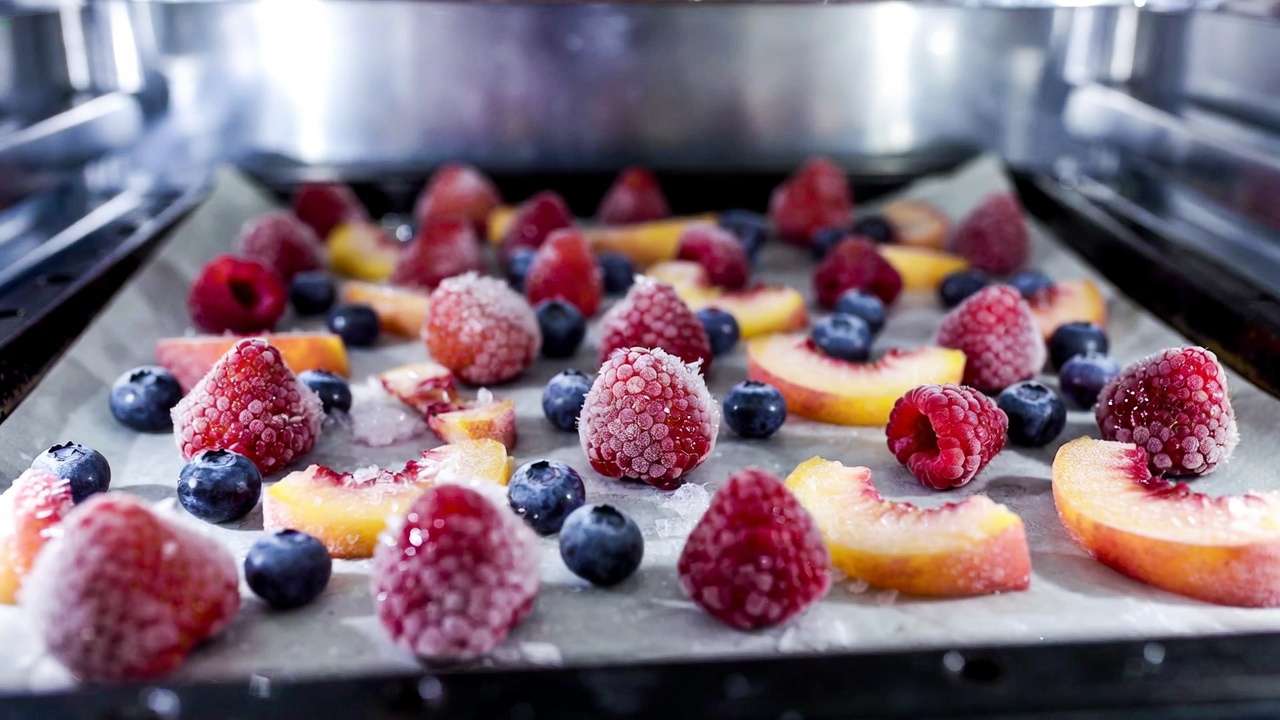
- Dry pack (no added liquid) — Best for berries, grapes, cherries
- Spread single layer on parchment-lined baking sheets.
- Flash-freeze 2–4 hours until solid.
- Transfer to freezer bags or vacuum-seal. Removes air, prevents clumping—perfect for smoothies or snacking. 🍇❄️
- Sugar pack — Great for peaches, berries, plums Mix fruit with granulated sugar (¼–½ cup per quart of fruit) and let sit 15–30 minutes until juicy. Pack into containers, leaving ½–1 inch headspace. Sugar helps maintain texture and color.
- Syrup pack — Ideal for very juicy or sliced fruits (peaches, apricots, pears) Use light (20%), medium (30%), or heavy (40–50%) sugar syrup:
- Light: 1¾ cups sugar + 4 cups water
- Medium: 2⅔ cups sugar + 4 cups water Pack fruit into jars or rigid containers, cover with cooled syrup, leave headspace.
- Pectin pack (for low-sugar fans) — Use commercial no-sugar-needed pectin or crushed unsweetened berries to create natural juice coating.
Freezing tips for success
- Cool fruit completely before packaging (warm fruit raises freezer temperature).
- Use freezer-grade bags, vacuum sealer bags, or rigid plastic/glass containers designed for freezing.
- Label everything: fruit type, variety, date, prep method.
- Freeze in small batches to maintain -0°F (-18°C) or colder.
- Keep freezer organized—rotate oldest first.
Thawing & using frozen fruit
- Best texture: thaw slowly in refrigerator overnight (for pies, baking).
- Quick use: microwave defrost or use frozen directly in smoothies, sauces, cobblers.
- Never refreeze thawed fruit unless cooked first.
Storage duration & quality notes
- 8–12 months at 0°F (-18°C) for peak quality
- Up to 18 months possible, but flavor and texture gradually decline
- Berries hold up exceptionally well; sliced peaches may soften slightly after 10+ months
Freezing turns your summer surplus into winter treats with almost no loss of garden-fresh taste. It’s beginner-friendly and incredibly versatile—your future self will thank you every time you pull out a bag of homegrown blueberries in February. 🫐❤️
Method 3: Canning, Drying, and Other Preservation Techniques 🍯🔥
When fresh storage or freezing isn’t practical—or you want shelf-stable products that don’t require electricity—canning, dehydrating, and fermenting step in as time-tested methods.
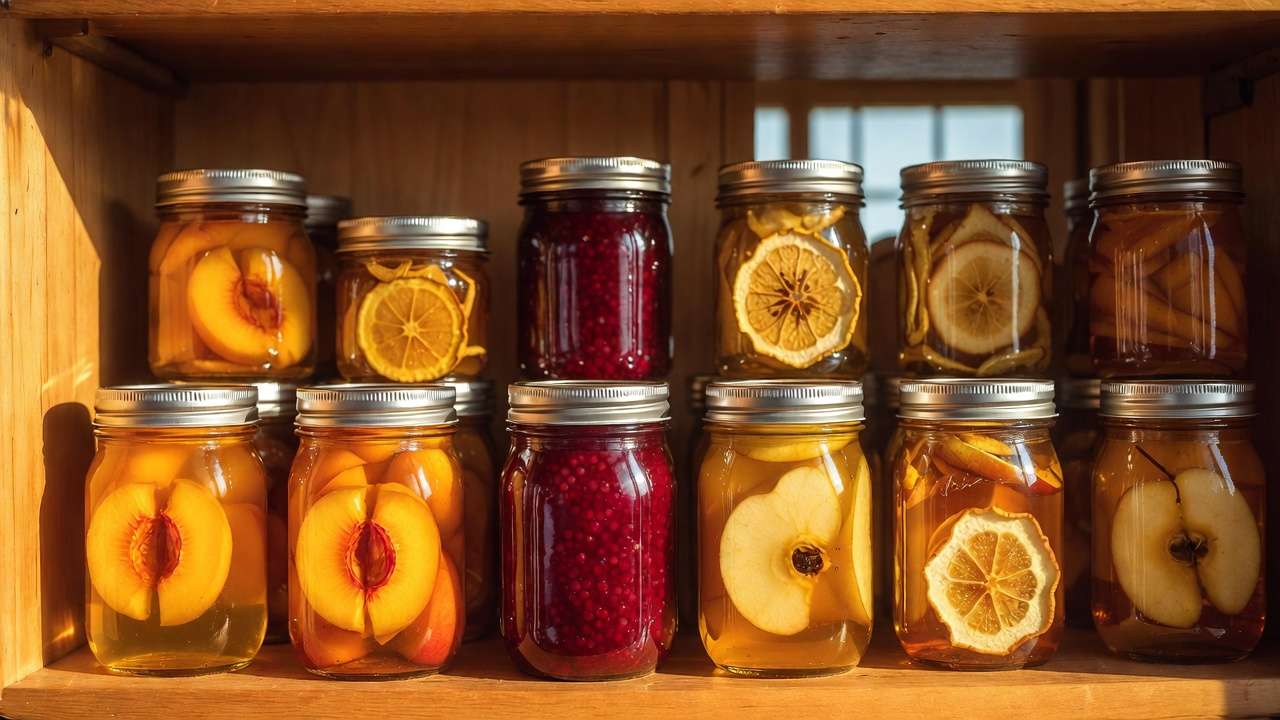
Water-bath canning (high-acid fruits) Safe for: applesauce, apple butter, jams, jellies, pie fillings, peaches in syrup, pears in syrup, berries in juice/syrup, citrus marmalade.
- Use tested recipes from trusted sources (National Center for Home Food Preservation, Ball Blue Book, university extensions).
- Equipment: large water-bath canner, jars, lids, rings, jar lifter, funnel.
- Process: fill hot jars, remove air bubbles, wipe rims, apply lids, process in boiling water for specified time (usually 10–25 minutes depending on recipe and jar size).
- Storage: cool, dark pantry shelf for 12–18 months (best quality within first year).
Pressure canning (if adding low-acid ingredients) Required only if making mixed products like fruit salsas or chutneys with vegetables/onions.
Drying / Dehydrating Excellent for apples, pears, apricots, peaches, figs, berries, grapes (into raisins), mango, pineapple.
- Methods:
- Electric food dehydrator (most consistent)
- Oven on lowest setting with door cracked
- Solar dehydrator (great in sunny climates)
- Prep: slice ¼–½ inch thick, pretreat with ascorbic acid dip if desired.
- Dry until leathery/pliable (no moisture when torn), 6–12 hours typically.
- Condition: let pieces sit in jars 4–10 days, shaking daily; freeze 48 hours to kill any insects.
- Store in airtight jars, vacuum-sealed bags, or Mylar with oxygen absorbers in cool, dark place—lasts 1–2 years or more.
- Bonus: make fruit roll-ups/leathers by pureeing and spreading thin on dehydrator sheets.
Other creative options
- Fermenting — lacto-fermented plums, cherries, or spiced fruit pickles for tangy flavor twists.
- Infusing — fruit vinegars, shrubs, or alcohol infusions (e.g., cherry brandy).
- Freezer jam — no-cook or low-cook jams using pectin designed for freezer storage (great for small batches).
These methods turn excess harvest into pantry staples that last years and add variety to your meals. Choose based on your available time, equipment, and taste preferences. 🍑🌞
Common Mistakes to Avoid (and How to Fix Them) 🚫⚠️
Even experienced gardeners can lose part of their harvest to preventable errors. Here are the most frequent pitfalls I see (and have made myself early on!) along with straightforward solutions.
- Storing damaged or over-ripe fruit with sound ones One bruised, cut, or moldy fruit releases ethylene and spores that can spoil an entire bin in weeks. Fix: Ruthlessly sort at harvest and again before final storage. Use “seconds” for immediate eating, processing, or composting. Check stored fruit every 2–4 weeks and remove anything soft or suspicious right away.
- Ignoring ethylene gas compatibility 🍏🥔 Apples, pears, quince, and ripe bananas produce high levels of ethylene, which speeds ripening (and decay) in potatoes, leafy greens, broccoli, cucumbers, avocados, and most other fruits. Fix: Store high-ethylene fruits in a separate area or container from ethylene-sensitive produce. Never store apples next to your root vegetables!
- Wrong temperature or humidity
- Too warm → rapid ripening and rot
- Too cold (below 30°F for some) → chilling injury (pitting, internal browning, off-flavors)
- Too dry → shriveling and loss of crispness
- Too wet → condensation and mold Fix: Invest in a reliable thermometer/hygrometer. Aim for 32–40°F and 85–95% humidity for most long-keepers. Use damp (not soaking) materials and perforated bags to balance moisture.
- Overcrowding containers or stacking too high Poor air circulation + pressure = faster spoilage and bruising. Fix: Keep layers shallow (no more than 2–3 deep). Leave space between boxes/crates for gentle airflow. Use slatted crates or shelves rather than solid bins.
- Forgetting to label and rotate stock You end up eating the newest fruit first and discovering spoiled older ones later. Fix: Label every container with date and variety. Follow “first in, first out” rule—use oldest stored fruit first. Keep a simple notebook or phone list of what’s in storage.
- Washing fruit before long-term fresh storage Excess surface moisture invites mold, especially in high-humidity setups. Fix: Only wipe with a dry cloth if needed. Reserve washing for right before eating or processing.
- Assuming all varieties store the same way Early apples like Gala collapse in weeks; late-season ones like GoldRush can last till spring. Fix: Research or ask your local extension service for storage performance of the specific cultivars you grow.
Avoiding these common traps can easily double your effective storage life. Small habits make a big difference! 🔍🍎
Seasonal Checklist: What to Do Month by Month 🗓️🌸
Here’s a simple seasonal roadmap (northern hemisphere temperate climate—adjust 6 months for southern hemisphere):
Late Summer / Early Fall (August–October)
- Monitor fruit for maturity signs daily.
- Harvest in cool weather, handle gently, sort meticulously.
- Set up storage space: clean, disinfect bins/crates, check temperature & humidity.
- Begin wrapping and boxing long-keepers.
- Process surplus (freeze berries, can peaches, dry apples).
Late Fall / Early Winter (November–January)
- Move fruit to final cold storage.
- Do first full inspection after 2–3 weeks.
- Use any fruit showing early softening first.
- Maintain humidity (refresh damp materials if needed).
Mid to Late Winter (February–March)
- Regular checks every 3–4 weeks.
- Enjoy your stored harvest—start with shortest keepers.
- Watch for any sudden spoilage spikes (temperature fluctuations?).
Spring (April–May)
- Finish using remaining stock before it declines.
- Clean and store equipment for next season.
- Evaluate what worked (varieties, methods) and plan improvements.
This rhythm keeps waste low and enjoyment high all year. 📅💚
Expert Insights & Pro Tips from Horticulturists 🌟📝
After years of working with home orchardists and consulting university extension trials, here are some battle-tested gems:
- Variety is king — If long storage is a goal, graft or plant proven keepers: GoldRush, Enterprise, or Arkansas Black apples; Bosc or d’Anjou pears.
- Test small batches — Every home has slightly different conditions. Store 10–20 fruits using 2–3 methods and compare results after 3 months.
- Climate adaptations — In hot/humid zones (like parts of the southern U.S. or tropical highlands), focus more on freezing, drying, and canning; fresh storage windows shrink. In very cold zones, insulated outdoor pits work wonderfully.
- Sustainable hacks — Repurpose old refrigerators as dedicated fruit fridges, use fallen leaves or straw for insulation, or create mini “cellars” with buried coolers.
- Monitor CO₂ — In very tight spaces, excess carbon dioxide can cause off-flavors. Crack a vent or add small fan if you notice musty smells.
These tweaks come from real-world feedback and can make the difference between “pretty good” and “amazingly long-lasting” results.
FAQs: Your Top Questions Answered ❓🍇
Here are the questions I hear most often from home gardeners trying to stretch their harvest. These answers draw from university extension research, experienced orchardists, and years of trial-and-error in real home settings.
1. How long can apples really last in home storage? Under average home conditions (cool basement or extra fridge at 35–40°F with decent humidity), good storage varieties like Granny Smith, Honeycrisp, Fuji, or GoldRush typically stay crisp and tasty for 3–5 months. With near-ideal setup (root cellar or dedicated controlled space at 32–36°F and 90–95% humidity), many people reliably get 6–8 months, and top varieties can push toward 9–10 months before noticeable softening or flavor fade. The key is consistent cool temperature, high humidity, individual wrapping, and regular checks. Early-season apples (Gala, McIntosh) usually max out at 1–2 months even with perfect care.
2. Can I store fruit long-term without a root cellar? Absolutely—most people don’t have a classic root cellar and still succeed. Top alternatives include:
- An extra refrigerator or chest freezer set to just above freezing (35–38°F) with a damp towel or shallow pan of water inside for humidity.
- The coolest, darkest corner of an unheated garage, basement, or enclosed porch (insulate with blankets or foam boards if needed).
- Large coolers or insulated boxes packed with damp sand/sawdust and kept in the coolest indoor spot. These setups often achieve 3–6 months for apples and pears—plenty to make a big difference.
3. What’s the best way to store berries long-term? Fresh berries (strawberries, raspberries, blackberries, blueberries) last only 3–10 days refrigerated, so long-term means processing. Freezing is easiest and best for flavor/texture: wash, dry thoroughly, flash-freeze on trays, then bag. They keep 8–12 months and work perfectly in smoothies, baking, or sauces. Other great options are making jam/jelly (water-bath canned), fruit leathers (dehydrated), or freezer jam. Avoid trying to keep them fresh beyond a couple of weeks.
4. Do different fruits need separate storage? Yes—especially to manage ethylene gas. Always keep:
- High-ethylene producers (apples, pears, quince, ripe bananas) in their own container or area.
- Ethylene-sensitive fruits (berries, stone fruits, figs, citrus to a lesser extent) away from them. Even within the same storage space, use separate crates or bags. Potatoes, onions, and leafy greens should also stay far from apples and pears to avoid sprouting or yellowing.
5. How do I know if stored fruit is still good to eat? Trust your senses:
- Smell — Fresh, fruity aroma is good; sour, musty, or fermented smell means discard.
- Appearance — Minor skin wrinkling on apples/pears is normal (just means slightly drier texture); avoid if you see mold, soft sunken spots, or dark wet areas.
- Touch — Should still feel firm with gentle pressure. Mushy or slimy = spoiled.
- Taste test — If it looks/smells okay but you’re unsure, cut away any suspect parts and taste a small piece. If flavor is off or bitter, compost it. When in doubt, discard—food safety first.
6. Will my stored fruit lose a lot of nutrients over time? Some nutrient loss occurs (especially vitamin C), but it’s gradual and much less than you might think. Properly stored apples and pears retain most of their antioxidants, fiber, and minerals for 4–6 months. Freezing preserves nutrients extremely well (often better than fresh fruit left on the counter). Canned and dried fruit retains good levels too, especially when processed soon after harvest. The biggest nutrient win is simply not letting fruit rot and go to waste!
7. Can I store mixed fruits together if I wrap them individually? Individual wrapping (newspaper or paper towels) helps a lot by containing ethylene from each fruit, but it’s still best to keep high- and low-ethylene types in separate boxes or zones. For short-to-medium term (2–3 months), careful wrapping + good ventilation often makes mixed storage workable in a pinch.
These answers should cover most real-world scenarios you’ll encounter. If your specific fruits or climate create unique challenges, feel free to share details in the comments—I’m happy to give tailored advice! 🌟
Conclusion: Enjoy Your Harvest All Year Long 🎉🥭
You’ve invested time, care, and love into growing those trees and bushes—pruning in late winter, protecting blossoms from late frosts, watering through dry spells, battling pests, and finally harvesting those beautiful fruits. With the right post-harvest techniques, that effort doesn’t end when the picking is done.
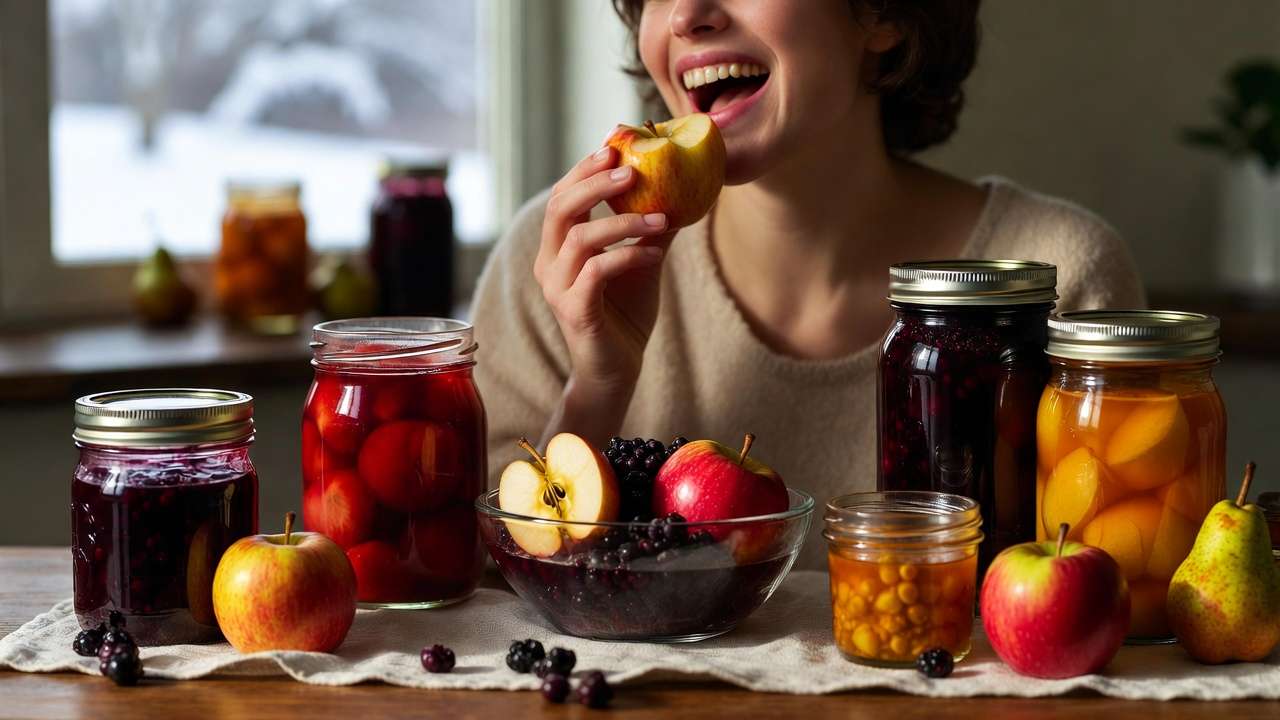
Whether you choose simple cold storage for crisp apples in February, bags of frozen summer berries for March pies, jars of golden peach jam on the pantry shelf, or trays of chewy dried apple slices for snacks, you can stretch your homegrown bounty far beyond the short harvest window.
Start small this season: pick one or two methods, try them with a portion of your crop, and track what works best in your unique space and climate. Over time, you’ll develop a system that feels effortless and delivers real abundance year-round.
Reducing waste, saving money, eating more nutritiously, and savoring the flavors of your own land for months on end—that’s the true payoff of thoughtful fruit storage.
Here’s to turning fleeting seasonal harvests into lasting joy. Happy growing, harvesting, and storing! 🌳🍎❤️











