
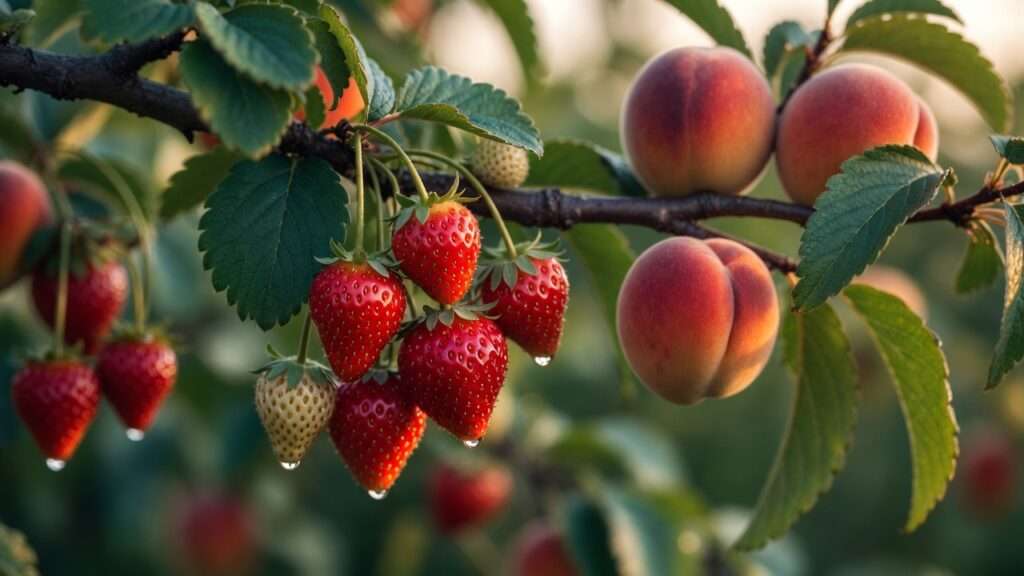
Imagine stepping into your backyard garden at dawn, the air still cool and fresh, dew glistening on the leaves. You reach for a perfectly ripe strawberry or a plump peach from your tree — and that first bite explodes with intense sweetness, crisp juiciness, and vibrant flavor that makes store-bought fruit pale in comparison. 😍 Now picture picking the same fruit in the blazing afternoon heat: it feels softer, tastes milder, and wilts faster after harvest. The difference? It’s not just luck — it’s science.
The best time of day to harvest fruit is almost always early morning, and understanding why can transform your home gardening results. As a plant care enthusiast who’s spent years guiding gardeners (especially in humid, tropical climates like Dhaka’s), I’ve seen firsthand how this simple timing tweak boosts flavor, extends shelf life, and reduces waste. In this comprehensive guide, we’ll dive deep into the plant physiology behind it, explore fruit-specific recommendations, cover rare exceptions, and share pro tips to help you harvest like an expert. Whether you’re tending a small balcony pot or a full backyard orchard, these insights will help you enjoy peak-quality fruit every time. Let’s unlock the secrets to sweeter, fresher harvests! 🌱
Why Time of Day Matters: The Science Behind Fruit Harvest Timing 🌿🔬
Fruit doesn’t just sit on the tree waiting to be picked — it’s actively changing throughout the day thanks to plant physiology. During daylight hours, photosynthesis ramps up sugar production in leaves, which gets transported to fruits. But here’s the magic: overnight, while temperatures drop and transpiration slows, plants rehydrate. Water moves back into cells, restoring turgor pressure (the internal pressure that keeps cells firm and crisp).
Starches accumulated during the day often convert to sugars at night too, peaking sweetness levels by morning. Cooler temperatures preserve delicate flavor compounds (volatiles) and enzymes responsible for aroma and taste. University extensions like Clemson and others confirm this: morning-harvested produce is crisper, juicier, and sweeter because fruits regain lost moisture overnight.
In contrast, as the sun rises and heat builds, transpiration increases — fruits lose water, turgor drops, and cells soften. Respiration accelerates, burning through sugars and causing faster flavor decline. Afternoon heat can make fruit wilt, reduce nutrient density, and shorten post-harvest life. Studies on produce show that delaying harvest until midday or later leads to quicker spoilage once picked.
Bottom line: Timing isn’t arbitrary. Harvesting when plants are at their most hydrated and metabolically balanced locks in maximum quality. This is especially crucial for home growers who want every bite to taste garden-fresh! 🍓
How Morning Harvest Locks in Peak Quality
- Higher hydration = plumper, juicier texture
- Peak sugar levels from overnight conversion = sweeter taste
- Cooler fruit temperatures preserve aroma volatiles and slow degradation
- Better nutrient retention for healthier snacking
What Happens When You Harvest Later in the Day?
- Moisture loss → softer, less crisp fruit
- Sugar breakdown via increased respiration → blander flavor
- Faster wilting and spoilage post-harvest
- In hot climates like Bangladesh, afternoon picks can lead to sunburn or sap burn in some fruits
Expert sources (e.g., The Old Farmer’s Almanac, Clemson Extension) consistently recommend early morning for peak results. 🌅
The Best Time of Day to Harvest Fruit: Early Morning Wins 🌅🍇
For the vast majority of fruits — berries, stone fruits, pome fruits, and many citrus — early morning (ideally 6–9 AM, after dew dries but before heat builds) is unbeatable. This window captures peak turgor and sugar while avoiding midday stress. In Dhaka’s humid summers, aim for just after sunrise when it’s still relatively cool (before 85°F/29°C if possible).
Benefits include:
- Maximum sweetness and aroma
- Firmer texture for better eating and storage
- Longer shelf life — fruit stays fresh days longer
- Easier picking (stems separate cleanly, less bruising)
Fruits That Shine When Picked in the Morning
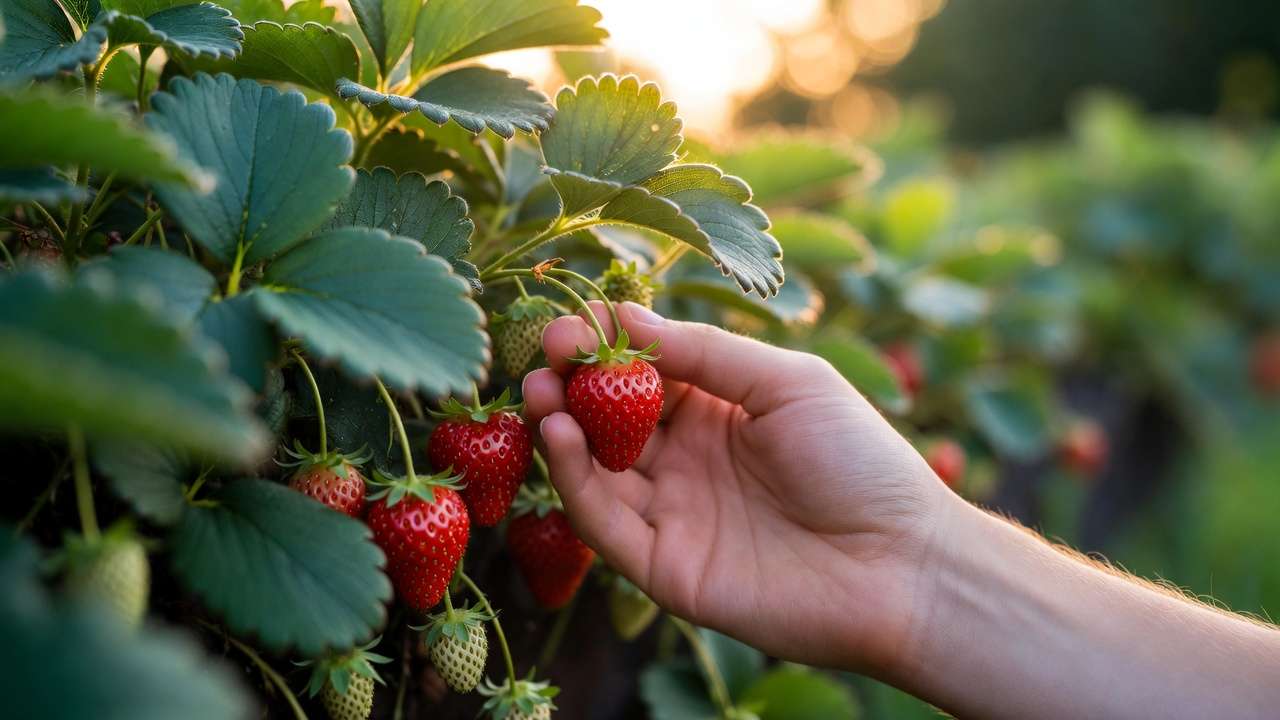
- Berries (strawberries, blueberries, raspberries): Overnight sugar accumulation makes them sweetest; heat makes them mushy fast. Pick firm and cool them immediately! 🍓
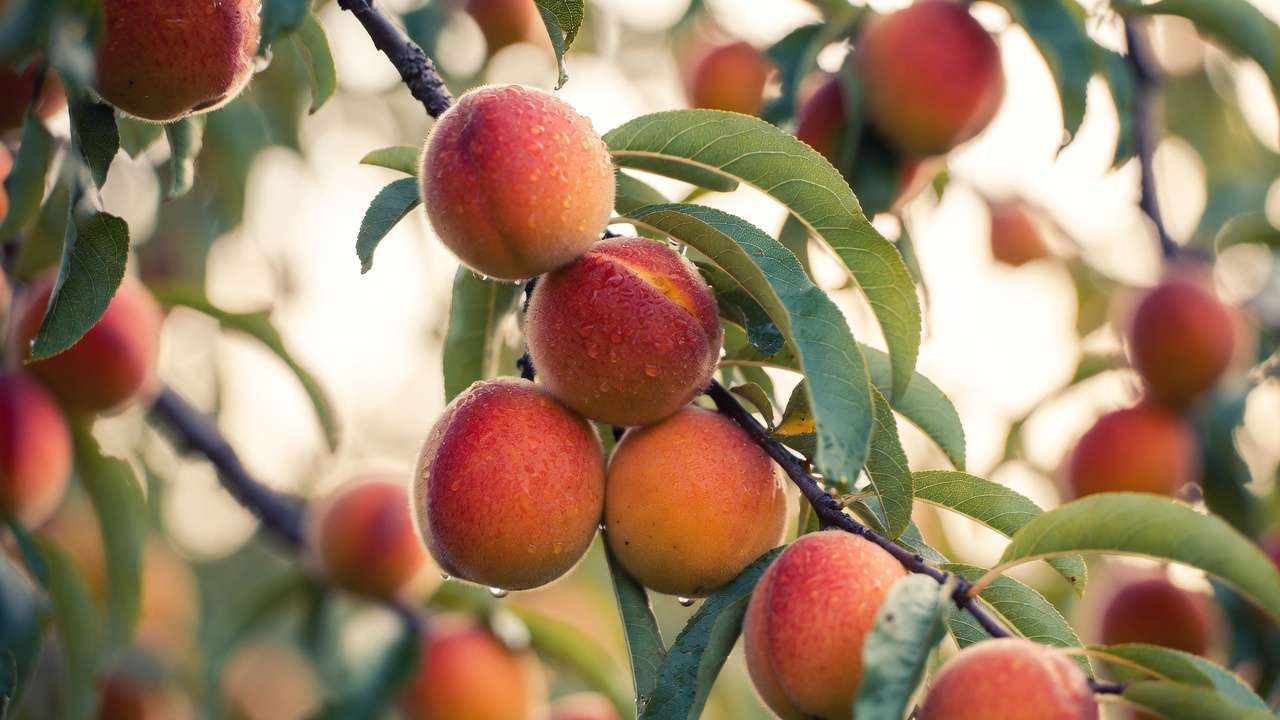
- Stone fruits (peaches, plums, apricots, nectarines): Morning picks ensure easy separation from branches and peak juiciness.
- Apples and pears: Crisp texture preserved; afternoon heat can cause mealiness. 🍏
- Citrus (oranges, lemons, limes): Juicier, less pithy — morning hydration is key.
Step-by-Step Morning Harvest Guide
- Check ripeness first: Use color, gentle squeeze, taste test, or days-from-bloom.
- Use sharp tools: Scissors or pruners prevent tearing and bruising.
- Handle gently: Support fruit with both hands; avoid squeezing.
- Harvest into shaded baskets or breathable bags.
- Cool ASAP: Move to shade or fridge to lock in quality.
Quick pro tips:
- 🌡️ Pick before temperatures climb — early is best!
- 💧 If mornings are dry, a light mist the evening before boosts turgor.
- 🧤 Wear gloves for sap-heavy fruits like mangoes.
This routine has helped countless gardeners turn average yields into exceptional ones. Try it — the flavor difference is dramatic! 😋
Exceptions: When Afternoon, Evening, or Night Might Be Better ⏰🍑
While early morning is the gold standard for most home fruit harvesting, there are a few exceptions where later in the day — or even evening — can be preferable. These cases often depend on fruit type, climate, variety, and practical factors like latex flow or sugar concentration.
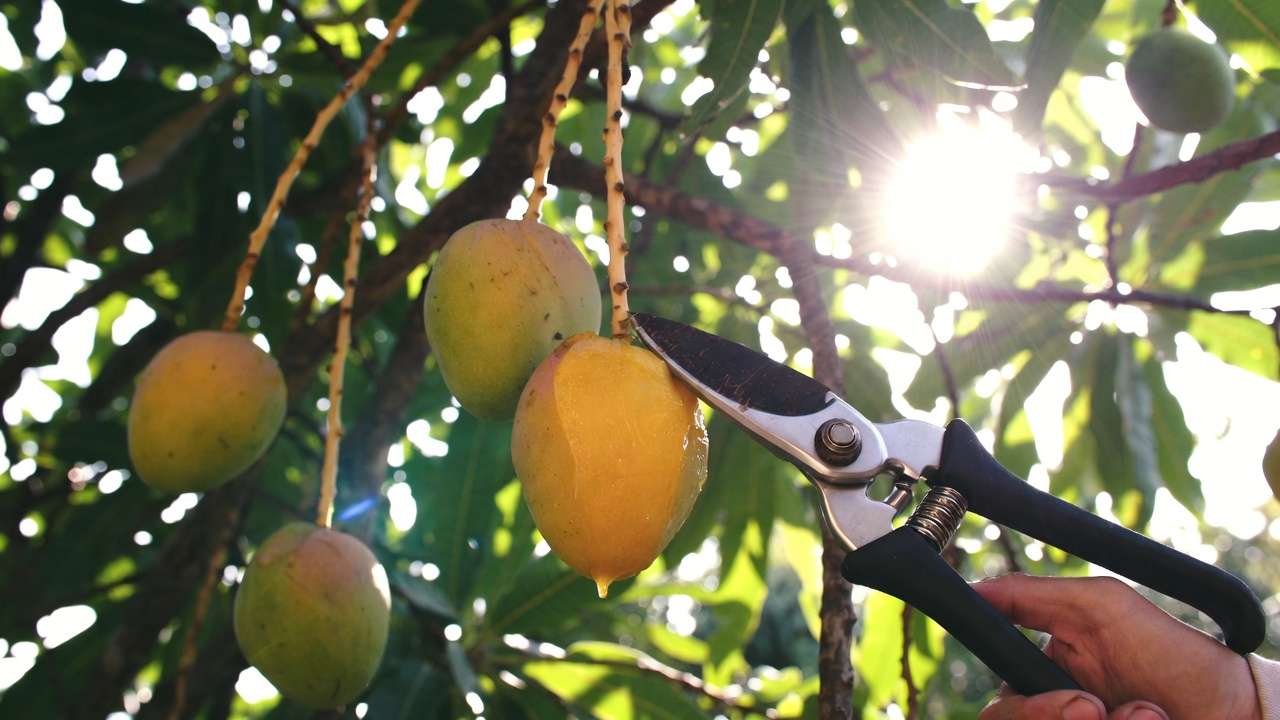
For tropical fruits like mangoes, some sources note that turgor pressure (and thus latex/sap flow) is lowest from mid-morning to mid-afternoon. Harvesting during this window reduces messy sap bleeding, which can stain fruit or irritate skin — especially relevant in humid Dhaka gardens! 🍋 Mango flavor doesn’t vary dramatically by time of day, but avoiding heavy morning sap makes afternoon picks practical for many growers.
Avocados and certain other climacteric fruits (which ripen after picking) show minimal flavor difference based on harvest time, though commercial operations sometimes pick in the afternoon for logistical reasons like immediate cooling during cooler night transport.
In rare cases, some berries or tomatoes may concentrate sugars slightly more in the heat of the afternoon, but this often comes at the cost of texture — they wilt faster and spoil sooner. For home use, the crispness and shelf-life benefits of morning usually outweigh any minor sugar gain.
In very hot, dry climates, mid-morning (after dew dries but before peak heat) can be a good compromise to avoid excess moisture promoting mold on delicate fruits. Dew-heavy picks in humid areas like Bangladesh can sometimes increase fungal risk if fruit isn’t dried quickly.
Overall, these exceptions apply to perhaps 10–20% of scenarios. For 80–90% of common home fruits (berries, apples, peaches, citrus), stick with early morning — the science and real-world results are overwhelmingly in favor! 🌞

(These images show ripe peaches on the tree in bright daylight — imagine picking them in the cool morning for that perfect juicy bite! 🍑)
Fruit-Specific Harvest Timing Recommendations 🍊🍓
Different fruits have unique cues for ripeness and respond slightly differently to time-of-day factors. Here’s a practical guide tailored for home gardeners, with emphasis on morning picks where they excel:
- Strawberries 🍓: Early morning is ideal — they reach peak sweetness overnight and stay firm before heat softens them. Pick when fully red, glossy, and easily detach. Afternoon picks turn mushy fast in warm weather.
- Blueberries & Raspberries: Morning harvest captures maximum juiciness and flavor volatiles. Look for deep color and gentle give; pick every 2–3 days in peak season.
- Apples 🍏: Morning preserves crisp texture and prevents mealiness from heat stress. Harvest when ground color shifts to yellow/creamy (under any red blush), seeds brown, and fruit twists off easily.
- Peaches, Nectarines, Plums 🍑: Early to mid-morning for best separation and juiciness. Pick when ground color turns fully yellow (ignore red blush), fruit yields to gentle pressure, and aroma is strong.
- Citrus (oranges, lemons, limes) 🍋: Morning picks are juicier due to rehydration. Fruit can hang for weeks once colored — taste-test for sweetness. In humid climates, avoid very wet mornings if mold is a concern.
- Mangoes 🥭: Mid-morning to afternoon often preferred to minimize sap flow. Harvest at mature stage (shoulder rounds out, color develops); they ripen off-tree. In Dhaka’s heat, cool immediately after picking.
- Bananas 🍌: Anytime works since they ripen post-harvest, but morning reduces bruising risk during bunch cutting.
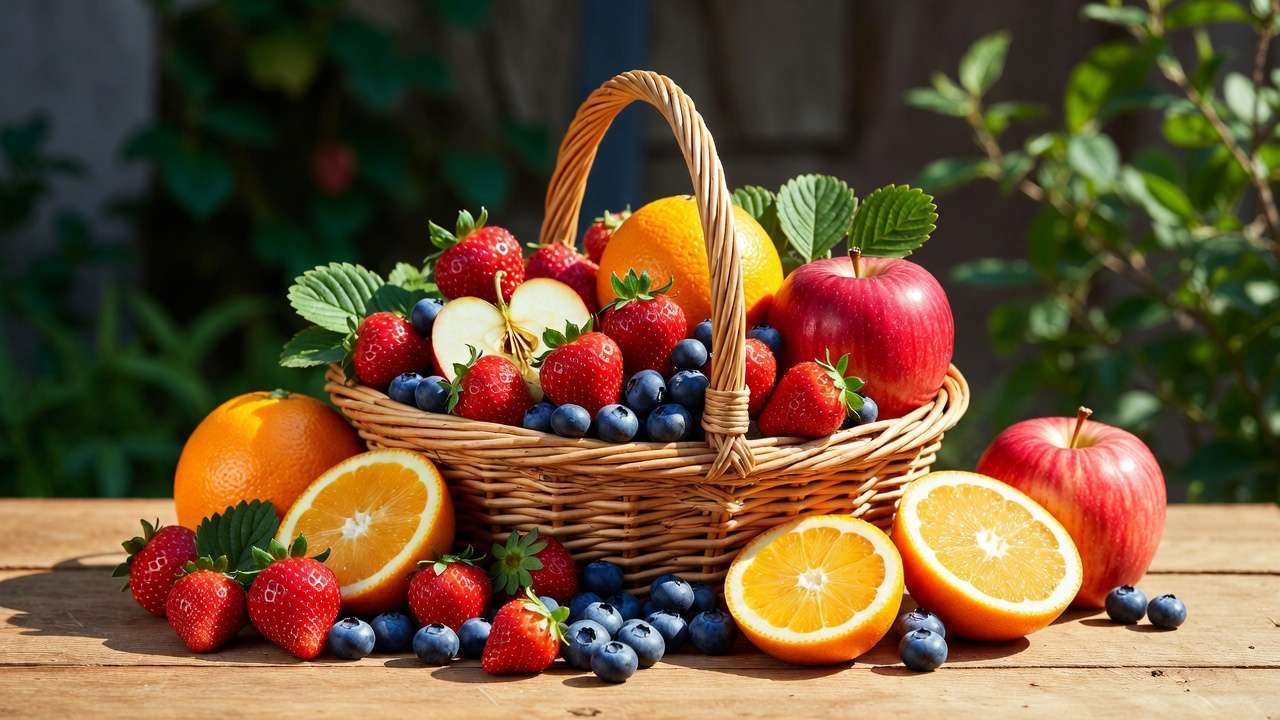
Regional note for Dhaka/Bangladesh: High humidity favors quick post-harvest cooling — shade cloth or fridge transfer is key regardless of exact time!
Use this quick-reference table (imagine it formatted nicely on your site):
| Fruit | Best Time of Day | Key Ripeness Signs | Why This Timing? |
|---|---|---|---|
| Strawberries | Early morning | Full red, glossy, firm | Peak sugar + crispness |
| Apples | Morning | Ground color yellow, easy twist-off | Prevents mealiness |
| Peaches | Early to mid-morning | Full yellow ground, yields to pressure | Juicy, clean separation |
| Citrus | Morning | Full color, taste test | Maximum juice |
| Mangoes | Mid-morning/afternoon | Mature shoulders, reduced sap | Less mess, good flavor |
These specifics help you fine-tune for your trees and get consistent, delicious results year after year. 🌴
Post-Harvest Tips to Maximize Freshness After Picking 🧊🍏
Harvesting at the right time is only half the battle — what you do next determines how long your fruit stays flavorful and fresh.
- Cool immediately: Move picks to shade or a cool spot within minutes. In Dhaka’s warmth, aim for fridge (most fruits at 32–40°F/0–4°C) or coolest room area. Berries especially hate heat!
- Handle gently: Avoid bruising — use shallow baskets, don’t stack high. Bruises accelerate spoilage.
- Sort and clean: Remove any damaged fruit to prevent ethylene spread (the ripening gas). Rinse berries only right before eating.
- Storage specifics:
- Berries: Unwashed in breathable container, fridge 3–7 days.
- Stone fruits: Ripen at room temp if needed, then fridge.
- Apples/pears: Cool storage (near 32°F) for weeks/months.
- Mangoes/avocados: Ripen at room temp, then refrigerate.
- Avoid ethylene traps: Don’t store apples/bananas with berries or greens — they speed ripening.
Quick checklist for success 😊:
- 🌡️ Cool ASAP — field heat is the enemy!
- 🛡️ Protect from sun/wind post-pick.
- 🍽️ Taste-test batches to learn your varieties.
- 📅 Harvest regularly — overripe on-tree fruit declines fast.
Follow these, and your morning harvest can last days longer with peak taste intact!
Common Mistakes to Avoid When Harvesting Fruit 🚫🍓
Even with perfect timing, small errors can sabotage your harvest quality. Here are the most common pitfalls I see among home gardeners — and how to dodge them for consistently delicious results:
- Waiting too late in the day — Picking in the afternoon heat is the #1 flavor killer. Fruit loses turgor, sugars break down, and texture suffers. Solution: Set a morning alarm or routine — even 30 minutes earlier makes a huge difference! ⏰
- Harvesting under-ripe or over-ripe fruit — Rushing to beat the heat sometimes leads to bland picks, while waiting too long causes mealy or mushy results. Always do a taste test on a sample fruit first.
- Rough handling during picking — Yanking fruit off branches bruises it instantly, inviting rot and ethylene release. Use two hands or sharp scissors/pruners for a clean cut.
- Leaving fruit in direct sun after harvest — Field heat continues to degrade quality fast. Many gardeners leave baskets in the garden while finishing other chores — big mistake in Dhaka’s climate!
- Ignoring weather conditions — Picking right after heavy rain can spread fungal spores, especially on berries. In humid Bangladesh weather, wait for drier mornings when possible.
- Overcrowding harvest containers — Stacking deep causes crushing and accelerates spoilage. Use shallow, breathable baskets or crates.
- Forgetting to cool immediately — The longer warm fruit sits, the faster quality drops. Get it into shade or the fridge within 1–2 hours max.
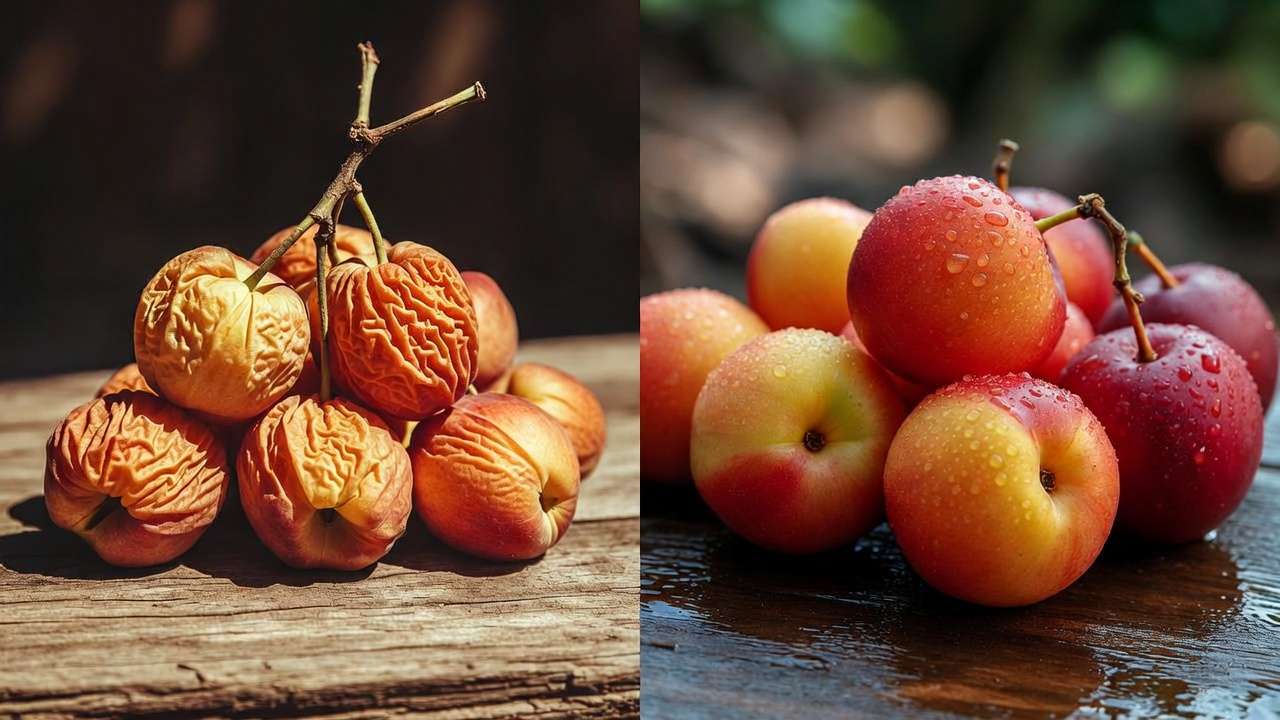
Avoid these traps, and your morning efforts will pay off with noticeably better flavor, texture, and storage life. Small habits = big rewards! 🌟
Frequently Asked Questions (FAQs) ❓🍎
Here are answers to the questions I hear most often from gardeners just like you:
Is morning always better than evening for harvesting fruit? For most common home fruits (berries, apples, peaches, citrus), yes — early morning delivers superior flavor, crispness, and shelf life. Evening can work for a few tropical fruits or when logistics demand it, but it rarely beats morning quality.
What if I can only harvest in the afternoon due to work schedule? You’ll still get good fruit, just not peak quality. Pick the coolest part of the afternoon possible (late afternoon shading helps), cool immediately, and eat or process quickly. The difference is noticeable but not disastrous — better late than never!
Does this apply to all fruit trees and plants in hot, humid climates like Dhaka? Mostly yes. High humidity and heat amplify the benefits of morning harvest because daytime moisture loss happens faster here. The main exceptions (mangoes, some avocados) still favor avoiding very early sap-heavy picks.
How much longer does morning-harvested fruit last compared to afternoon? Typically 2–7 days longer shelf life, depending on the fruit. Berries especially benefit — morning-picked strawberries can last 5–10 days in the fridge vs. 2–4 days from afternoon picks.
Is there any difference for organic vs. conventional fruit when it comes to harvest timing? The timing science is the same — plant physiology doesn’t change with growing method. Organic fruit may be more sensitive to bruising or heat stress due to thinner skins in some varieties, so morning harvest becomes even more valuable.
Can I harvest at night with artificial light? Night harvest is rare for home gardeners, but some commercial berry operations do it for cooling advantages. For backyard use, stick to morning unless you have a specific reason (e.g., avoiding daytime heat in extreme conditions).
Got more questions? Drop them in the comments — I love helping fellow plant lovers! 😊
Conclusion 🌱🍇
Timing is one of the simplest yet most powerful ways to elevate your home fruit harvest. By choosing the best time of day to harvest fruit — early morning for the vast majority of cases — you capture peak sweetness, juiciness, crisp texture, and longer freshness straight from your trees and plants.
The science is clear: overnight rehydration and sugar conversion give morning-picked fruit an unbeatable edge. Add in careful handling, immediate cooling, and fruit-specific tweaks, and you’ll enjoy garden produce that often surpasses anything from the market.
So tomorrow morning, set that alarm a little earlier, grab your basket, and head out to your garden or trees. Taste the difference for yourself — that first bite of a perfectly crisp, explosively sweet peach or strawberry will make every early rise worth it.
Your trees have been working hard all season — now it’s your turn to meet them at their best moment. Happy harvesting, Shuvo! May your Dhaka garden overflow with flavor this season and beyond. 🌞🍑











