
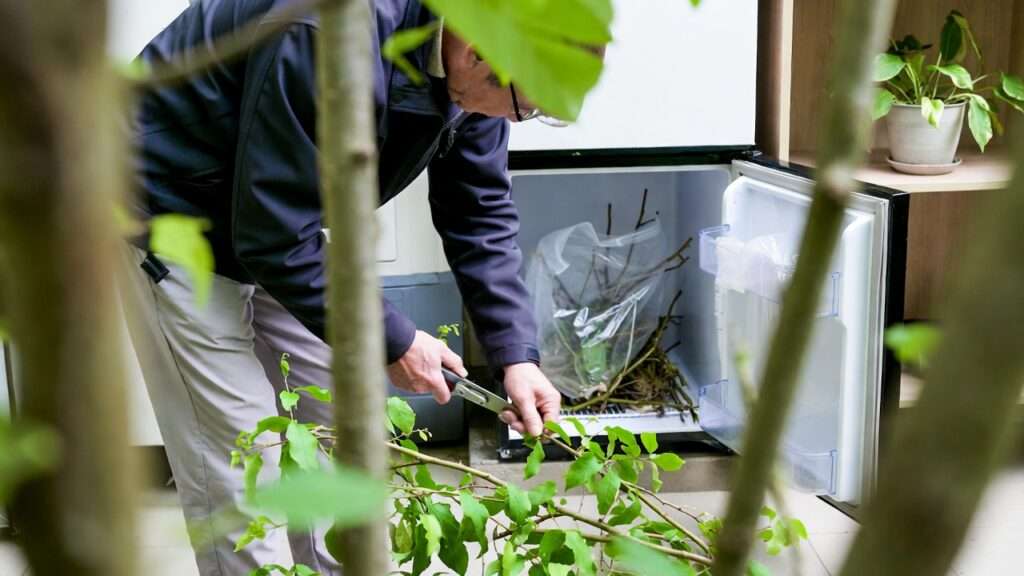
Ever dreamed of turning your backyard into a mini orchard bursting with rare apple varieties, juicy pears, or exotic plums — only to have your grafting attempts fail year after year? 😩
The harsh truth: Up to 70-80% of home grafting failures stem directly from poor scion quality — caused by improper collection timing, bad selection, or faulty storage that lets cuttings dry out, mold, sprout prematurely, or lose viability.
If you’ve ever opened your fridge to find shriveled, moldy, or sprouted scions, or watched a carefully made graft simply refuse to take, you’re not alone. But here’s the good news: With the right scion collection and storage tips, professional nursery growers and seasoned hobby grafters routinely achieve 80-90%+ success rates.
In this comprehensive guide — drawn from decades of hands-on experience in fruit tree propagation, university extension resources (like MSU and UF/IFAS), and real-world orchard practices — you’ll learn exactly how to collect healthy scion wood during dormancy, store it properly for months, and prepare it for grafting day. These methods work beautifully for apples, pears, stone fruits, nut trees, and more — even in milder subtropical climates like Khulna, Bangladesh, where dormancy windows are shorter and humidity plays a bigger role.
Whether you’re a beginner preserving a family heirloom variety or an avid propagator experimenting with rare cultivars, mastering these steps will dramatically boost your grafting success and help you build the diverse, productive tree collection you’ve always wanted. Let’s turn those frustrating failures into thriving new trees! 🌳💚
Why Proper Scion Collection and Storage Matters
Proper handling of scion wood isn’t just a “nice-to-have” — it’s the foundation of successful grafting. The scion (the upper part of the graft) carries the genetics for fruit type, flavor, disease resistance, and growth habit. If it arrives at grafting time damaged or non-viable, even perfect technique and ideal rootstock won’t save the union.
Common failure causes include:
- Desiccation (drying out) — buds shrivel and cambium dies
- Mold and rot from excess moisture
- Premature sprouting triggered by warmth or ethylene exposure
- Bud damage from freezing, poor selection, or disease
When done right, scions stay fully dormant, plump, and green under the bark — ready to form strong callus and vascular connections. Benefits include higher take rates, healthier young trees, and the joy of preserving rare or heirloom varieties that might otherwise disappear. In regions with mild winters, getting this right is especially crucial since dormancy periods are shorter.
When Is the Best Time to Collect Scion Wood? ⏰
Timing is everything in scion collection. The goal is to harvest during full dormancy — when the tree has stopped active growth, buds are tight, and sap flow is minimal.
- Ideal window: Late winter to very early spring, typically January to early March in temperate zones. In milder subtropical areas like Khulna (where winters are short and mild), aim for the coolest months — usually December to February — before any bud swell begins.
- Key signs of true dormancy: No green tissue under scratched bark, no swelling buds, leaves fully dropped, and no new growth.
- Regional adjustments: In colder climates, wait until after the harshest freezes pass (but before buds break). In warmer zones, collect earlier to beat early warming. Avoid cutting when temperatures dip below -7°C (20°F) to prevent freeze damage to fresh cuts.
- What if you miss the window? Late collection (just before bud break) risks lower viability as the tree starts mobilizing energy. Early collection (mid-fall) can work for some species but often leads to desiccation over longer storage.
Pro tip: Many experts recommend collecting as close as possible to your grafting date to minimize storage time — but always prioritize full dormancy. 🌱
How to Select the Best Scion Wood (Expert Selection Criteria)
Not all branches make good scions. Choosing wisely dramatically improves grafting success.
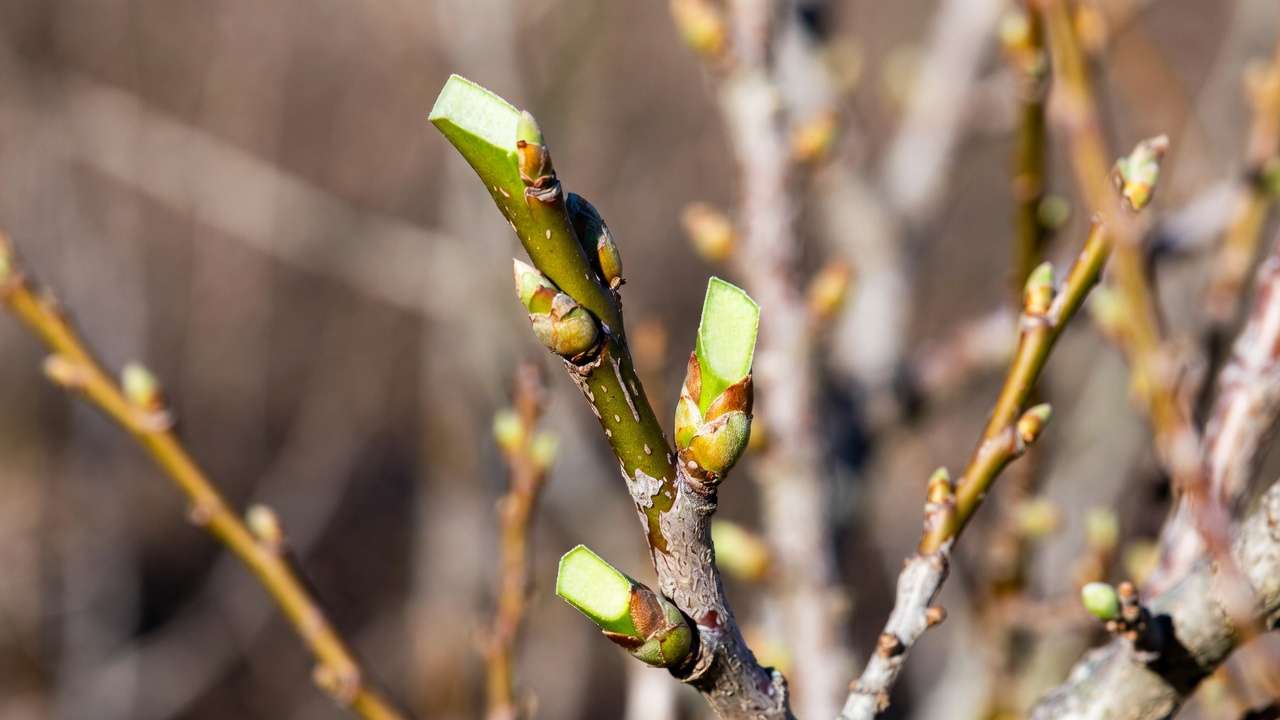
Characteristics of High-Quality Scion Wood
- Age: One-year-old wood (last season’s growth) is ideal — it’s vigorous, has the most viable buds, and matches rootstock diameter easily.
- Diameter: Pencil-thick (¼–½ inch or 6–12 mm) — perfect for most whip-and-tongue or cleft grafts. Thicker wood works but is harder to match.
- Bud type: Vegetative buds (narrow, pointed) over flower buds (plump, rounded). Avoid heavily fruiting spurs.
- Length: 12–18 inches (30–45 cm) minimum — allows trimming dried ends and provides multiple graft options. Longer (up to 36 inches) gives flexibility.
- Source tree: Healthy, vigorous, disease-free trees. Avoid old, declining, or heavily cropped trees (they produce weaker wood). Virus-tested sources are best for commercial varieties.
Where to Find the Best Shoots on the Tree
- Terminal shoots and vigorous water sprouts (upright, sun-exposed growth) are top choices — straight, strong, and bud-rich.
- Avoid shaded interior branches, weak laterals, or suckers below graft unions (they may carry rootstock traits).
- Summer pro tip: Tag or note promising branches during fruiting season for easy winter location. 🍎
Tools and Hygiene Best Practices
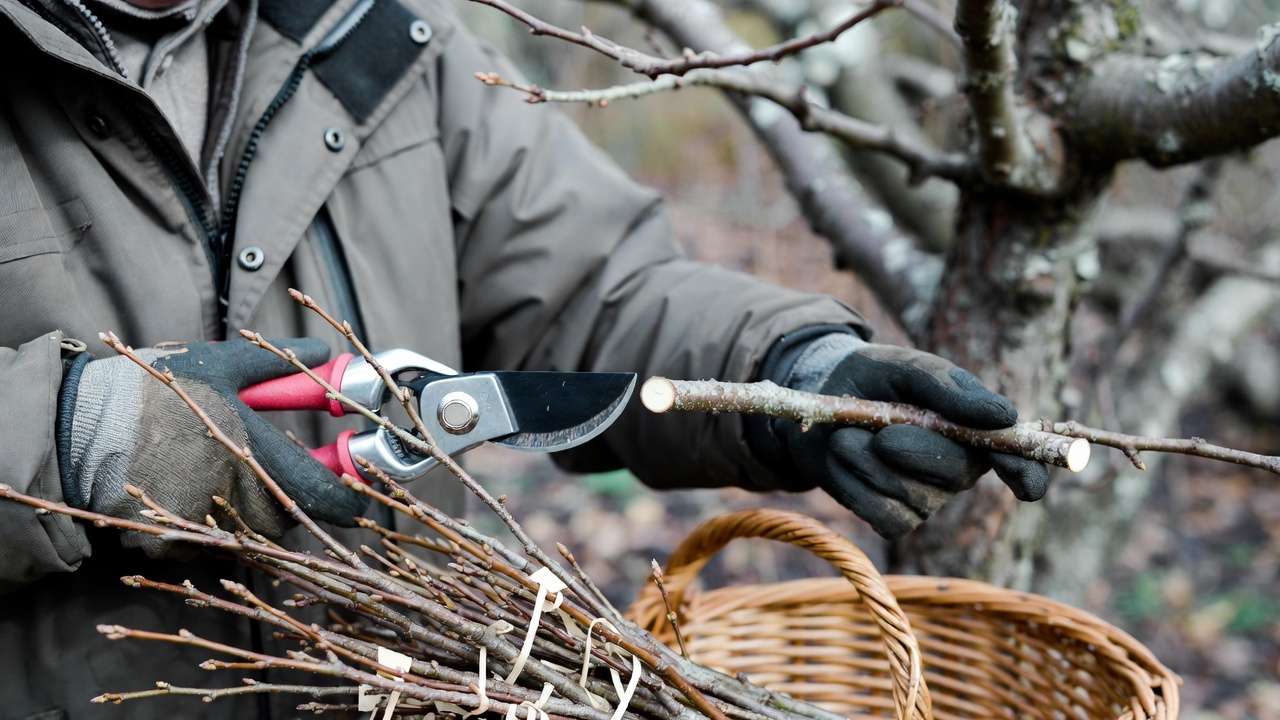
- Use sharp, high-quality bypass pruners — dull blades crush tissue.
- Sterilize tools between trees (70% alcohol wipe or 10% bleach dip) to prevent spreading viruses, fire blight, or fungal diseases. 🧼
- Label immediately! Use waterproof tags + permanent marker with variety name, collection date, and source. Lost labels = lost varieties.
Step-by-Step Guide to Collecting Scion Wood
Follow these practical steps to ensure your cuttings start with maximum viability.
- Choose the right day ☀️ Pick a dry, cool day above freezing. Avoid rainy or very windy conditions that can introduce excess moisture or damage fresh cuts. In Khulna’s mild winter (where temperatures rarely drop below 10–15°C), December to mid-February is often ideal — collect on a crisp morning before the sun heats up.
- Make clean, precise cuts ✂️ Use sharp, sterilized pruners to make a slanted cut at the top (helps water runoff and orientation) and a straight cut at the base. Cut 12–18 inches (30–45 cm) sections with at least 3–5 good buds. Leave a bit extra length so you can refresh the ends later by trimming dried tissue.
- Immediate post-cut care As soon as you cut, wrap the bundle loosely in a slightly damp (not soaking) paper towel or cloth. Place inside a plastic bag to prevent drying during transport. If collecting multiple varieties, keep them separate from the start.
- Trim and bundle at home Once home, re-trim the base if needed, remove any damaged buds or side shoots, and bundle like varieties together with rubber bands or twist ties. Label clearly: variety name, collection date, source tree (e.g., “Honeycrisp Apple – Feb 20, 2026 – Neighbor’s tree”).
- Optional protective treatments 🕯️ For extra protection against desiccation (especially useful in warmer, drier storage), dip both cut ends in melted paraffin wax, beeswax, or pruning sealant. Some growers dip in a 10% bleach solution (1 part bleach to 9 parts water) for 10–30 seconds to reduce fungal risk, then rinse and dry before waxing. This is particularly helpful when sourcing scions from unknown trees.
The Golden Rules of Scion Storage (Keep Them Alive for 3–6 Months!) ❄️
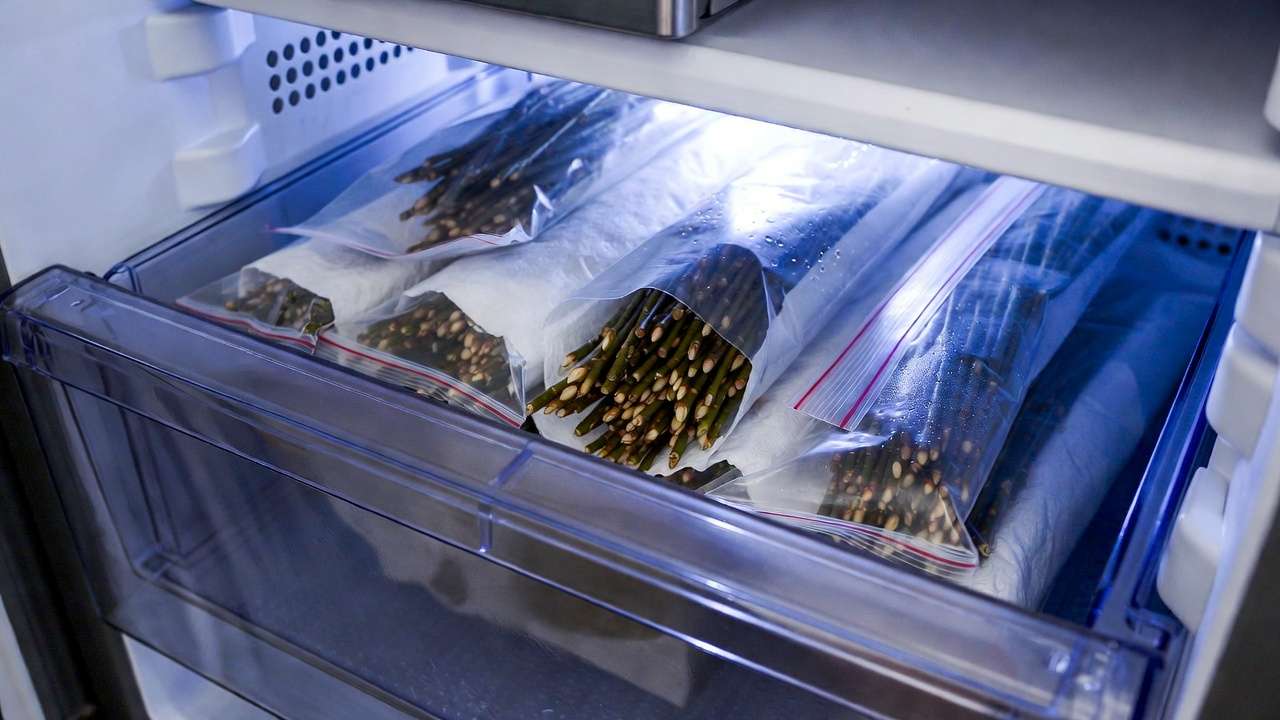
The refrigerator is your best friend here — it mimics natural cold dormancy while controlling humidity.
Ideal Storage Conditions
- Temperature: 32–40°F (0–4°C) — the vegetable crisper drawer is perfect (cooler than the main fridge compartment). Never use the freezer; ice crystals damage cell walls and kill buds.
- Humidity: High but not wet — aim for moist environment without free water pooling (prevents rot).
- Ethylene protection: Fruit like apples, pears, and bananas release ethylene gas that forces premature sprouting. Store scions in a dedicated fridge section or triple-bag them if sharing space. 🚫🍎
Proven Storage Methods Compared
Here are the most reliable techniques used by pros and extension services:
- Classic fridge method (most recommended for home growers): Wrap scions in lightly damp (wrung-out) paper towel or newspaper → place in zip-top plastic bag → seal → store flat in crisper. Check every 1–2 weeks; re-moisten towel if no condensation forms inside bag. Lasts 2–4 months reliably.
- Sphagnum moss method (excellent for longer storage): Moisten sphagnum moss slightly → wrap bundles → place in perforated or sealed bag → fridge. Moss holds moisture evenly and has natural antifungal properties. Great for 4–6+ months.
- Wax-dipped + dry storage (popular for subtropical areas): Seal ends with wax → bundle → place in dry plastic bag → store in coolest spot (fridge or unheated room at 34–45°F). Less moisture needed since wax prevents drying.
- Short-term alternatives: Shallow water in a jar (change daily) or parafilm wrap around entire scion — but these are best for 2–4 weeks only.
How Long Can Scions Really Last?
- Typical: 4–8 weeks (most home grafts happen within this window)
- With expert care: 3–6 months (many growers report success up to 6–8 months in ideal conditions)
- Viability check: Scratch bark gently — green cambium underneath means alive. Buds should stay plump and dormant (no white tips or leaves). If cambium is brown/dry or buds have pushed, discard.
In mild-winter areas like Khulna, shorter dormancy means collecting later (closer to grafting) often yields fresher scions with higher success — but proper storage still extends your window significantly.
Common Mistakes That Kill Scions (And How to Avoid Them) ⚠️
Even experienced grafters slip up — here are the top pitfalls:
- Too wet → Mold/rot: Use lightly damp (not soaking) materials; check regularly.
- Too dry → Desiccation: Always include moisture source; avoid direct fridge air blasts.
- Too warm → Premature sprouting: Keep below 40°F; never leave on counter.
- Ethylene exposure → Forced dormancy break: Triple-bag or use ethylene-absorbing packets if needed.
- Poor labeling → Wrong variety grafted: Label at collection and double-check bundles.
- Freezer damage → Cell rupture: Stick to fridge only.
- Neglecting checks → One moldy scion contaminates all: Inspect weekly; remove bad ones immediately.
Avoid these, and your success rate soars!
Expert Tips and Advanced Techniques from Pros
- Overnight rehydration soak: Before grafting, soak borderline scions in cool water 12–24 hours to plump buds.
- Fungicide dip (optional): In humid climates, a light Captan or sulfur-based fungicide soak reduces mold risk.
- Shipping/mail swaps: Wrap in damp towel + wax ends + triple-bag + cool pack → ship overnight for best viability.
- Stone fruit & nut specifics: Peaches, plums, walnuts often store shorter (2–3 months max) due to higher respiration — collect closer to graft date.
- Reviving weak scions: Trim ¼–½ inch off both ends, re-wax, re-moisten — many recover if cambium is still green.
Preparing Stored Scions for Grafting Day
After weeks or months in storage, a final preparation step ensures your scions perform at their best on grafting day. Skipping this can drop success rates significantly.
Inspect thoroughly 🔍 Remove from storage and examine each scion carefully:
-
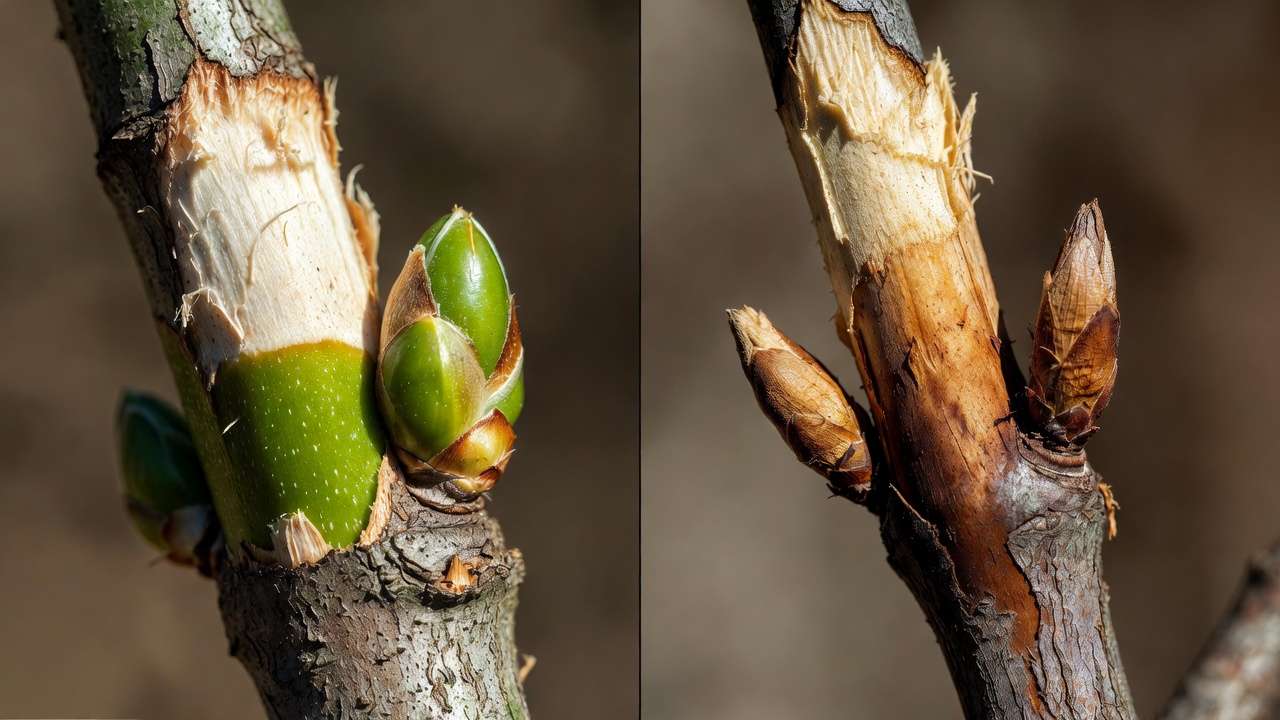
- Scratch the bark lightly with your thumbnail — fresh green cambium underneath means viable. Brown, dry, or shriveled = discard.
- Check buds: They should remain plump, tight, and dormant (no white shoot tips, swelling, or leaf emergence).
- Look for mold spots, soft areas, or unusual odors — any sign of rot means throw it away immediately to protect the rest.
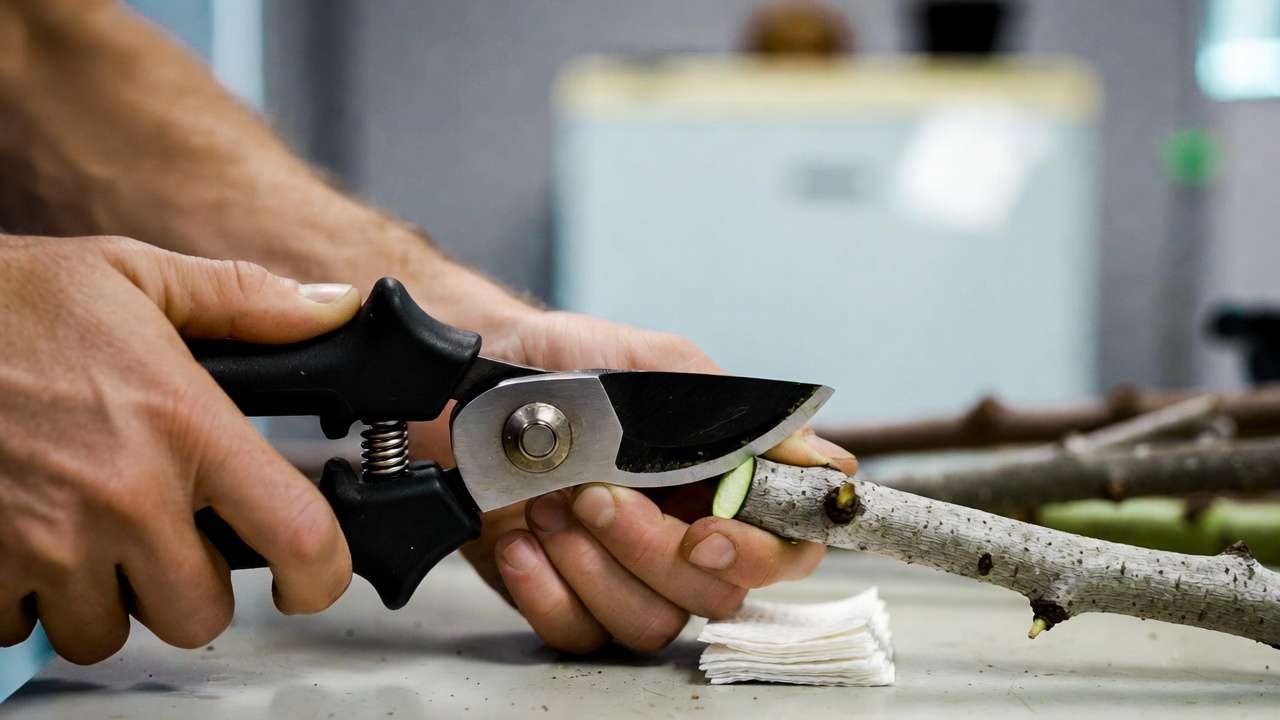
Refresh the cuts ✂️ Trim ¼–½ inch (6–12 mm) off both ends with a fresh, sterilized cut. This removes any oxidized or dried tissue and exposes fresh, living cambium — dramatically improving callus formation and union success. Always make a slanted top cut and straight base cut to maintain orientation.
Rehydrate if needed 💧 If scions feel slightly dry or bark looks wrinkled: Soak the entire bundle in cool (not cold) water for 12–24 hours. This plumps buds and restores turgor without causing rot if done just before grafting. For very dry scions, some pros do a 24-hour soak followed by 12 hours wrapped in damp towel to stabilize.
Keep cool until the knife meets the wood ❄️ After prep, wrap again in a lightly damp towel and place back in a plastic bag. Keep in the fridge or an insulated cooler with ice packs until the exact moment you make the graft. Never let scions sit at room temperature for more than 30–60 minutes — warmth triggers rapid respiration and viability loss.
Timing tip for mild climates (Khulna & similar regions) In subtropical areas with short, mild winters, many successful grafters collect scions just 2–6 weeks before grafting rather than storing for months. This minimizes storage risks and leverages naturally fresher wood. If you do store longer, extra vigilance during inspections pays off.
Bonus: Quick Troubleshooting FAQ
Here are the most common questions home grafters ask about scion handling — with clear, expert-backed answers.
Q: My scions look dry — can I save them? 🌿 A: Often yes! Trim both ends generously (up to 1 inch if needed), soak in cool water 12–24 hours, then store again in damp moss or towel. If cambium is still green after soaking, they usually recover. Success rate is high for mildly dry scions, lower if buds have shriveled completely.
Q: Is it okay to store in the freezer for short periods? A: No — avoid the freezer entirely. Even short freezes cause ice crystals to rupture cell walls, killing buds and cambium. Stick to refrigerator temperatures (32–40°F / 0–4°C) only.
Q: What if my fridge has fruit in it? A: Ethylene gas from ripening apples, pears, bananas, etc. is a major sprouting trigger. Triple-bag scions (bag inside bag inside bag) or use a dedicated mini-fridge/crisper section. Ethylene-absorbing packets (available online or from produce suppliers) also help.
Q: How do I know if scions are still viable? A: Three quick tests:
- Scratch test — green cambium = alive.
- Buds remain plump and tight (no elongation).
- Flex test — healthy scions bend without snapping; dead ones are brittle. If all three pass, graft with confidence!
Q: Can I collect scions in fall instead? A: Possible for some species (apples, pears), but riskier. Fall-collected scions store longer but often dry out more and may not hold dormancy as well. Late winter/early spring collection during full dormancy is safer and yields higher take rates in most cases.
Conclusion: Start Collecting Like a Pro Today! 🚀
Mastering scion collection and storage tips is the single biggest upgrade you can make to your grafting game. When scions arrive at the bench healthy, plump, and fully viable, your whip-and-tongue, cleft, bark, and chip grafts suddenly start taking at rates you only dreamed of — often 80–95% with good technique.
Whether you’re in Khulna grafting mangoes, citrus, or imported apple varieties onto local rootstock, or anywhere else preserving heirloom fruit trees, these methods give you control over one of the most critical (and often overlooked) steps in propagation.
Go out this dormant season, select the best wood, store it with care, and watch your new trees take root and thrive. Your future orchard — and the rare varieties you help keep alive — will thank you.
Happy collecting, happy grafting, and may every union heal strong and true! 🌳💚🍎











