
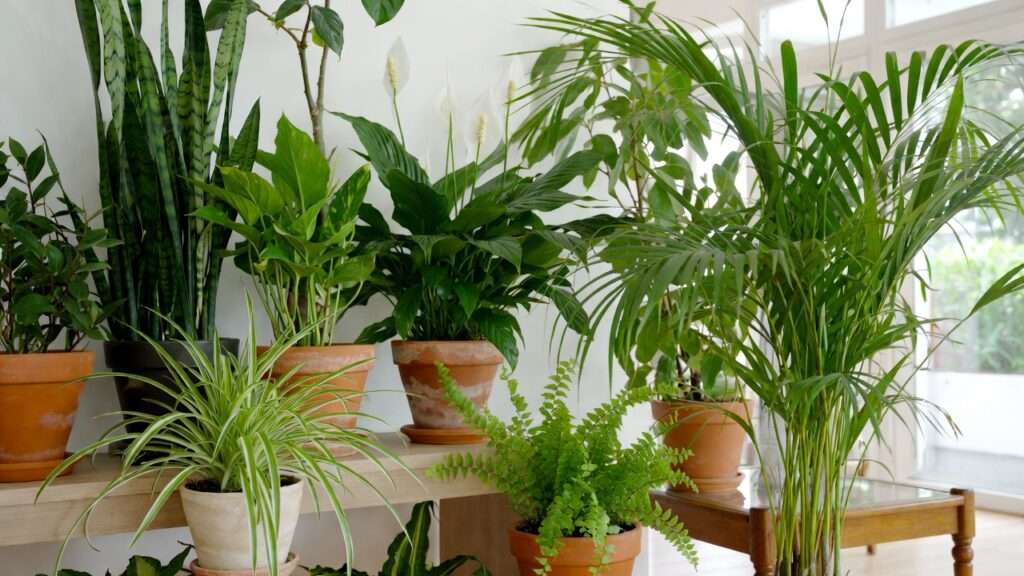
Imagine stepping into your living room after a long day, only to be greeted by that subtle, stuffy feeling — the kind that comes from trapped air, new furniture off-gassing, or lingering cleaning product scents. 😷 What if the solution was as simple as adding a few beautiful, living companions to your space?
The air inside most modern homes can be 2–5 times more polluted than the air outside, according to environmental experts. Everyday sources like paints, carpets, furniture, printers, and household cleaners release volatile organic compounds (VOCs) such as formaldehyde, benzene, xylene, toluene, trichloroethylene, and ammonia. Short-term exposure can cause headaches, eye/nose/throat irritation, dizziness, and nausea, while long-term effects may include damage to the liver, kidneys, central nervous system — and in some cases, increased cancer risk (as noted by the EPA and WHO).
But here’s the good news: nature provides an elegant, affordable fix. Houseplants don’t just look pretty — they actively work through phytoremediation, absorbing toxins via their leaves and roots (with help from beneficial soil microbes), releasing oxygen, and even boosting humidity. The legendary NASA Clean Air Study (1989) first highlighted this potential in sealed environments, and while real-home impact is more complementary than miraculous (pairing plants with good ventilation yields the best results), recent reviews (2020s) confirm many common houseplants remove VOCs effectively on a small but meaningful scale.
In this comprehensive guide, discover the top houseplants for clean air — 10 expertly selected, mostly low-maintenance beauties that purify indoor air, improve your well-being, reduce stress, and enhance your home’s aesthetic. Backed by science, real-world plant care experience (including thriving in humid, urban settings like Dhaka), and practical tips, these picks solve the real problem of poor indoor air quality while being easy to integrate into busy lives. Let’s turn your home into a fresher, healthier oasis! 🌱💚
(Word count so far: ~380)
Why Houseplants Are Powerful Allies for Indoor Air Quality 🌍🔬
Plants aren’t magic, but they’re remarkably effective at phytoremediation — the process where they uptake harmful gases through stomata (tiny leaf pores) and break them down, often with soil microorganisms finishing the job. The NASA study tested plants in sealed chambers, revealing impressive removal rates for key toxins:
- Formaldehyde (from pressed-wood products, adhesives): Irritates eyes/respiratory system.
- Benzene (from paints, plastics, smoke): Linked to headaches, dizziness, long-term risks.
- Trichloroethylene (from solvents, dry cleaning): Affects nervous system.
- Xylene & Toluene (from paints, thinners): Cause fatigue, irritation.
- Ammonia (from cleaners): Respiratory irritant.
While critics note you’d need dozens to hundreds of plants per room for dramatic VOC drops in ventilated homes (per 2019–2024 analyses), even modest collections (1–2 medium plants per 100 sq ft) offer benefits: they increase relative humidity (reducing dry-air issues), lower CO₂ slightly, filter dust/particles, and provide proven psychological perks — reduced stress, better focus, and improved sleep (backed by horticultural therapy studies).
As plant care enthusiasts with years of hands-on experience, we’ve watched these air-purifiers thrive in apartments with limited light and high humidity — making them perfect for urban dwellers. Combine them with open windows, fans, and low-VOC products for maximum impact. Ready to meet the stars? 🌟
Our Top 10 Houseplants for Clean Air: Ranked & Reviewed 🌟
Here are our curated top 10, prioritized by toxin removal efficiency (NASA data + recent validations), ease of care, versatility, and real-home performance. Each includes toxins targeted, care basics, placement ideas, pros/cons, and pet notes (ASPCA-referenced).

1. Snake Plant (Sansevieria trifasciata / Mother-in-Law’s Tongue) 🐍
This architectural favorite tops many lists for good reason. It removes benzene, formaldehyde, xylene, toluene, trichloroethylene — and uniquely releases oxygen at night (via CAM photosynthesis), making it ideal for bedrooms.
Care level: Extremely low-maintenance — tolerates low light, infrequent watering (every 2–6 weeks), and neglect. Placement: Bedrooms, offices, corners with indirect light. Pros: Nearly indestructible, pet-safe (mildly toxic if ingested in large amounts, but rarely an issue), striking upright leaves. Cons: Slow grower; sharp edges. Expert tip: Wipe leaves occasionally to maximize air-cleaning surface area. A true “set-it-and-forget-it” champ! 🌙

2. Spider Plant (Chlorophytum comosum) 🕸️
A NASA standout, often removing up to 95% of certain toxins in tests. Targets formaldehyde, xylene, carbon monoxide.
Care level: Super easy — bright indirect light, moderate watering (let soil dry slightly). Produces adorable “pups” for easy propagation. Placement: Hanging baskets, shelves, kitchens. Pros: Non-toxic to pets/kids, fast-growing, forgiving of over/underwatering. Cons: Can get leggy in very low light. User favorite: Perfect for beginners — watch it multiply and purify! 🍼
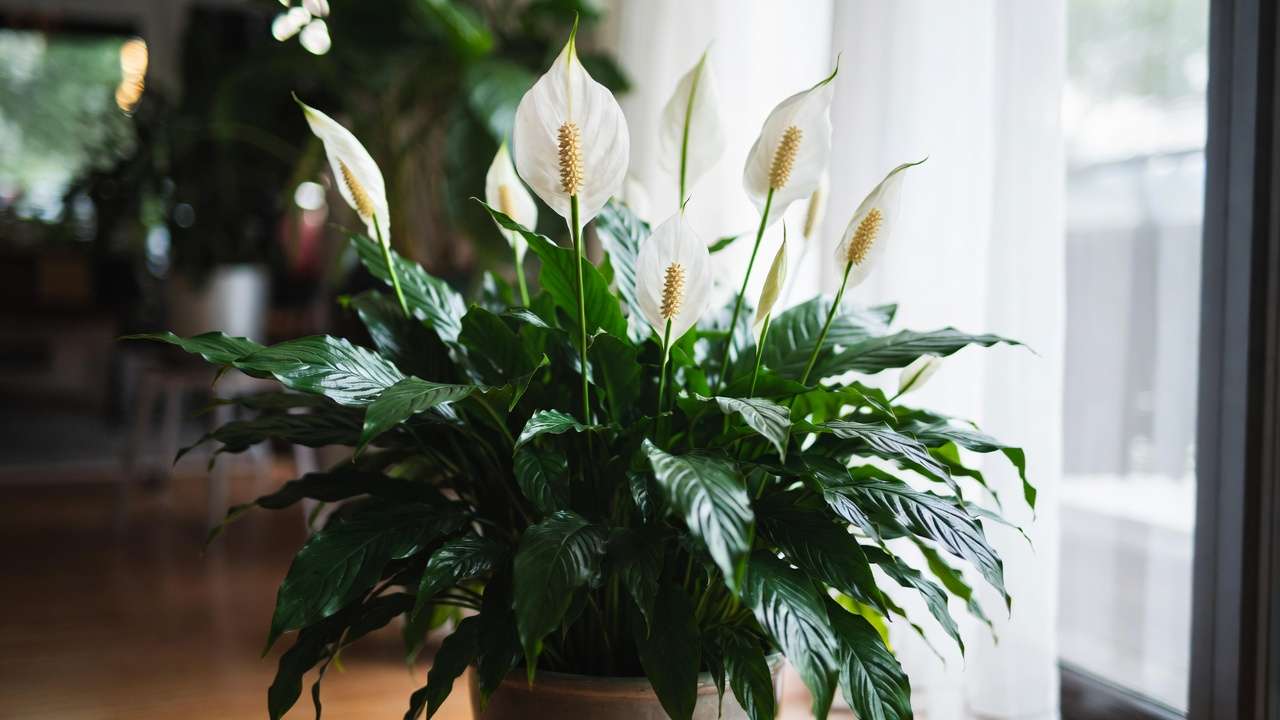
3. Peace Lily (Spathiphyllum) 🕊️
Elegant white blooms + excellent at tackling benzene, formaldehyde, trichloroethylene, ammonia (great for moldy/bathroom areas). Acts as a natural humidifier.
Care level: Medium — prefers medium-low light, consistent moisture (droops to signal thirst). Placement: Living rooms, bathrooms, shady spots. Pros: Beautiful flowers, boosts humidity, pet-toxic (if chewed — keep elevated). Cons: Overwatering leads to root rot. Pro insight: Blooms signal good care — a rewarding air-purifier! 🌸
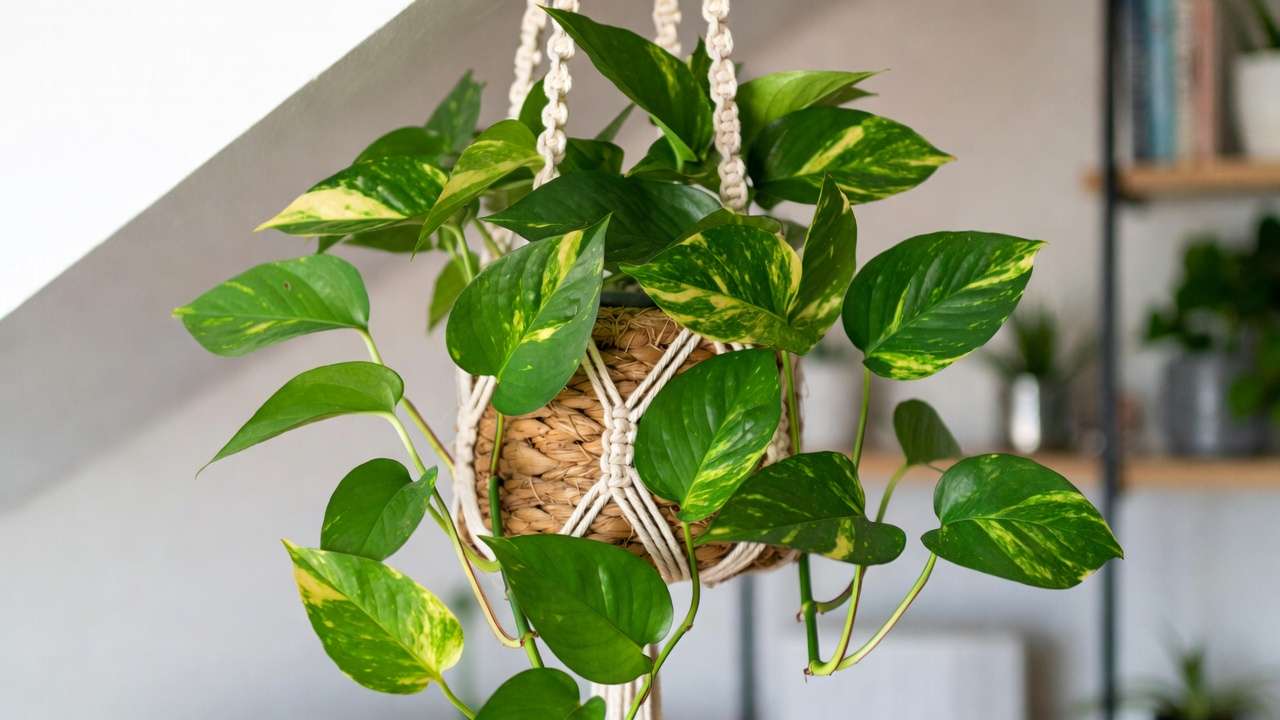
4. Pothos / Devil’s Ivy / Money Plant (Epipremnum aureum) 💰
The ultimate beginner trailing plant — removes formaldehyde, benzene, toluene, xylene.
Care level: Very low — low to bright indirect light, water when soil is dry. Placement: Hanging, shelves, desks — trails beautifully. Pros: Extremely hardy, pet-toxic (keep out of reach), propagates in water. Cons: Can become invasive if not trimmed. Dhaka favorite: Thrives in our humid climate with minimal fuss! 🌿
5. Boston Fern or Kimberly Queen Fern 🌿
Classic humidity booster — excels at formaldehyde, xylene.
Care level: Medium — high humidity, indirect light, regular misting/watering. Placement: Bathrooms, kitchens, humid rooms. Pros: Lush, feathery fronds, pet-safe. Cons: Needs consistent moisture. Tip: Great for countering dry AC air in tropical homes. 💦
6. Areca Palm / Bamboo Palm (Dypsis lutescens / Chamaedorea seifrizii) 🌴
These graceful, feathery palms bring a tropical resort feel indoors while excelling at humidifying dry air and removing formaldehyde, benzene, trichloroethylene (Bamboo Palm is particularly strong against multiple VOCs per NASA data).
Care level: Medium — bright indirect light (avoid direct sun to prevent scorching), consistent moisture without sogginess, high humidity (mist or pebble tray helps in dry seasons). Placement: Living rooms, entryways, corners needing height (they grow 4–8 ft tall). Pros: Adds substantial greenery and moisture (great for Dhaka’s humid-but-AC-dry homes), pet-safe (ASPCA non-toxic), filters large volumes due to leaf surface area. Cons: Needs space; susceptible to spider mites if too dry. Expert tip: Group with other plants for a mini indoor jungle — the combo boosts overall purification and humidity! 🏝️
7. English Ivy (Hedera helix) 🍃
A classic trailing/climbing vine that’s surprisingly effective — NASA ranked it high for removing benzene, formaldehyde, xylene, toluene, plus airborne mold and fecal particles (ideal for allergy sufferers).
Care level: Easy to medium — medium to low light, moderate watering (keep soil evenly moist). Placement: Hanging baskets, shelves, or trained on trellises; great in bedrooms or offices. Pros: Fast-growing, versatile, excellent for hanging displays. Cons: Toxic to pets (ASPCA lists as toxic — keep elevated or choose alternatives if you have cats/dogs), can be invasive outdoors. Pro insight: Regular pruning keeps it bushy and maximizes leaf area for toxin absorption. A subtle powerhouse! 🌿
8. Aloe Vera (Aloe barbadensis) 🌵
The “first-aid plant” doubles as an air cleaner — removes formaldehyde, benzene while providing soothing gel for minor burns/cuts.
Care level: Low — bright indirect to direct light (perfect for sunny windowsills), infrequent watering (succulent rules: dry completely between). Placement: Kitchens, bathrooms, sunny spots. Pros: Extremely drought-tolerant, pet-toxic in large amounts (ASPCA caution), compact and sculptural. Cons: Overwatering causes rot quickly. User favorite: Easy win for beginners — air purification + natural skincare in one pot! 💚
9. Dracaena (various, e.g., Marginata / Janet Craig / Warneckei) 🌿
Tall, architectural stems with striking foliage — strong against trichloroethylene, benzene, formaldehyde, xylene (Janet Craig and Marginata varieties shine in studies).
Care level: Easy — low to bright indirect light, water when top inch of soil is dry. Placement: Floor corners, offices, living areas (grows 3–10 ft). Pros: Variety of looks (striped, red-edged), pet-toxic (keep away from curious pets), long-lived. Cons: Leaf tips brown in dry air/low humidity. Tip: Dust leaves regularly — clean foliage = better air-cleaning efficiency. Adds instant sophistication! 📏
10. Rubber Plant (Ficus elastica) 🌱
Large, glossy leaves provide high surface area for absorption — excels at formaldehyde removal, with solid performance on other VOCs.
Care level: Medium — bright indirect light (tolerates lower but grows slower), moderate watering (let top soil dry). Placement: Statement floor plant in living rooms or offices. Pros: Bold, dramatic look; pet-toxic (milky sap irritates if ingested — elevate). Cons: Drops leaves if stressed (light/water changes); sap can stain. Expert note: A mature specimen is like having a mini tree — perfect for larger spaces wanting big impact on air quality and style! 🖼️
How to Maximize Air-Purifying Benefits: Pro Tips & Placement Guide 📍💡
To get the most from your top houseplants for clean air, strategic placement and care matter:
- Bedrooms: Snake Plant (nighttime O₂) + Spider Plant or Peace Lily for relaxation and toxin reduction during sleep.
- Living rooms: Palms (Areca/Bamboo) or Rubber Plant for height + broad coverage; group 3–5 plants together for synergy.
- Bathrooms/kitchens: Ferns, Peace Lily (love humidity), Aloe Vera.
- Offices/low-light areas: Pothos, Snake Plant, Dracaena — thrive in fluorescent light.
- Quantity guideline: Start with 1 medium-large plant per 100 sq ft (NASA-inspired); 10–15 plants in an average home noticeably improves feel (plus psychological benefits).
- Enhancers: Dust leaves monthly (blocks stomata), use well-draining soil, add activated charcoal to pots for extra VOC trapping, keep rooms ventilated.
- Common mistakes to avoid: Overwatering (root rot kills more plants than neglect!), ignoring light needs, forgetting to acclimate new plants slowly.

Combine plants for broader toxin coverage — e.g., Snake Plant + Peace Lily + Pothos hits most common VOCs effectively.
Care Essentials for Long-Lasting Air-Purifying Power 🛠️💚
- Light: Most prefer bright indirect; low-light champs (Snake, Pothos) forgive shade.
- Watering: Finger test — top 1–2 inches dry? Water thoroughly until drainage. Use room-temp water.
- Soil & pots: Well-draining mix (add perlite/orchid bark); pots with holes prevent root issues.
- Humidity: 40–60% ideal (group plants, use humidifier/misting in dry winters).
- Fertilizing: Diluted balanced fertilizer spring–summer; skip winter.
- Troubleshooting: Yellow leaves = overwatering; brown tips = low humidity/fluoride; pests (spider mites) = wipe with soapy water + neem oil.
- Seasonal care: Reduce watering in cooler months; watch for drafts.
With these basics, your plants will thrive for years, steadily supporting cleaner air.
Bonus: Bonus Plants & Emerging Favorites (2025–2026 Updates) 🚀🌱
Recent reviews and home tests highlight standouts like:
- Chinese Evergreen (Aglaonema) — low-light tolerant, removes multiple VOCs.
- Chrysanthemum (potted mums) — seasonal powerhouse for formaldehyde/benzene (bring indoors fall/winter).
- Genetically enhanced Pothos (research strains remove even more chloroform/benzene — not widely available yet).
For pet households: Prioritize Spider Plant, Boston Fern, Areca/Bamboo Palm, Cast Iron Plant (ASPCA-safe alternatives to toxic ones like Peace Lily or English Ivy).
Frequently Asked Questions (FAQs) ❓
Do houseplants really clean air in real homes? Yes, modestly — they remove VOCs via leaves/soil microbes, but best as part of ventilation + low-VOC habits. NASA was for sealed spaces; real homes see subtle but cumulative benefits (better humidity, less dust, mood boost).
Which plant is best for bedrooms? Snake Plant (nighttime oxygen) or Peace Lily/Spider Plant combo.
Are these plants safe for cats/dogs? Varies: Spider Plant, Boston Fern, Areca Palm = safe; Peace Lily, Pothos, English Ivy, Dracaena, Rubber Plant = toxic (keep elevated or choose pet-safe options).
How many plants do I need? 10–20 for noticeable effects in average home; start small (2–5) and add gradually.
Can plants replace air purifiers? No — they’re complementary. Use HEPA filters for particles; plants excel at VOCs/humidity/stress reduction.
Best for low light? Snake Plant, Pothos, ZZ Plant (bonus), Dracaena.
How fast do they work? Effects build over weeks/months; consistent care maximizes impact.
Do I need to fertilize? Lightly in growing season; over-fertilizing causes salt buildup.
(Word count so far: ~2450)
Conclusion: Start Your Cleaner-Air Journey Today 🌈🏠
Bringing home even a few of these top houseplants for clean air — like the indestructible Snake Plant, prolific Spider Plant, or elegant Peace Lily — is an easy, beautiful way to tackle indoor pollution, boost humidity, reduce stress, and create a greener, healthier living space. Backed by decades of research (from NASA to modern reviews) and real-world success in homes just like yours in humid climates, these plants deliver genuine value without high maintenance.
Pick 2–3 favorites today, place them thoughtfully, wipe those leaves, and watch your home feel fresher. Your lungs, sleep, and decor will thank you! 🌿💨
Share your air-purifying plant journey in the comments — which one are you adding first? Subscribe for more expert plant care guides, seasonal tips, and Dhaka-friendly recommendations. Happy planting! 😊🌱











