
Imagine coming home after a long day in bustling Dhaka traffic, closing the door, and feeling the air inside your apartment feel stuffy, heavy, and somehow not quite fresh. 😷 Headaches creep in, allergies flare up, and you wonder if the paint on the walls or the new furniture is quietly releasing invisible toxins. You’re not alone—millions of people in urban homes spend over 90% of their time indoors, where air can be 2–5 times more polluted than outside due to volatile organic compounds (VOCs) from everyday items like carpets, cleaners, and electronics.
Enter the snake plant (Dracaena trifasciata, formerly known as Sansevieria trifasciata), often called Mother-in-Law’s Tongue for its sharp, upright leaves. This tough, sword-like succulent has earned legendary status thanks to its impressive snake plant air cleaning benefits. In the famous 1989 NASA Clean Air Study, researchers tested houseplants in sealed chambers to mimic space station environments and found that snake plants excel at removing common indoor pollutants like formaldehyde, benzene, trichloroethylene, xylene, and toluene. 🌌
What makes it stand out? Unlike most plants that release oxygen during the day, snake plants use a special process called Crassulacean Acid Metabolism (CAM) photosynthesis, opening their stomata at night to release oxygen while you sleep—making them a favorite for bedrooms. 🛏️🌙
In this comprehensive guide, we’ll explore the real science behind these benefits, set realistic expectations (no, it’s not a miracle cure-all), share practical care tips tailored for humid, low-light Dhaka homes, compare it to other plants, and help you decide how many to add for noticeable improvements. Whether you’re battling allergies, seeking better sleep, or just want an easy-care green companion, the snake plant delivers genuine value without demanding much in return. Let’s dive in and discover why NASA spotlighted this resilient beauty! 🌱
What Is the Snake Plant? A Quick Overview 🐍
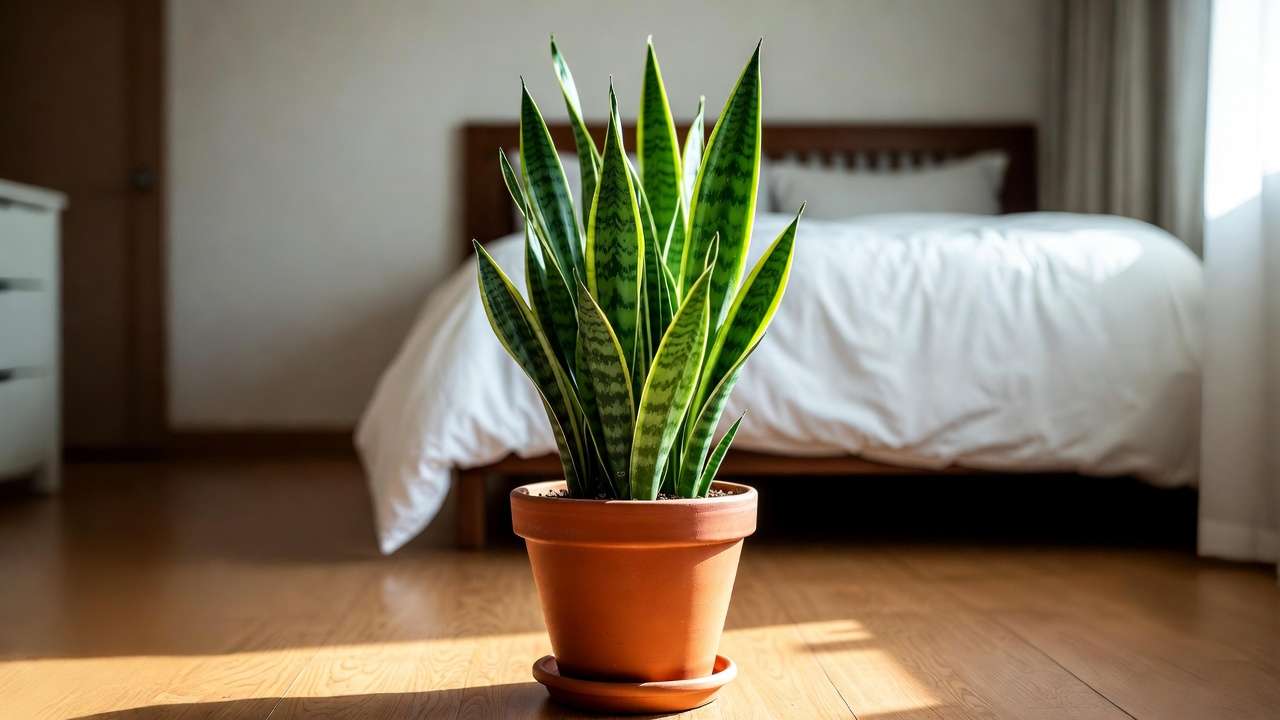
The snake plant is a hardy evergreen perennial native to tropical West Africa, where it thrives in rocky, dry conditions. Its long, stiff, sword-shaped leaves grow upright in clusters, often edged with yellow or white variegation, giving it a striking architectural look that fits modern interiors perfectly.
Common varieties include:
- Dracaena trifasciata ‘Laurentii’ — Classic green center with bright yellow margins.
- ‘Black Gold’ — Dark green with golden edges for a dramatic vibe.
- ‘Hahnii’ (Bird’s Nest) — Compact rosette form, ideal for shelves or desks.
- ‘Moonshine’ — Silvery-green leaves for a softer, luminous effect.
Once called Sansevieria, it was reclassified under Dracaena in recent botanical updates, but the nickname “snake plant” sticks because of its patterned, serpentine appearance. It’s incredibly forgiving—perfect for beginners, busy professionals, or anyone in low-light apartments common in Dhaka. It tolerates neglect, drought, and fluctuating humidity like a champ, making it a top choice for urban plant lovers. 🌿
The Science Behind Snake Plant Air Cleaning Benefits 🔬
The cornerstone of snake plant’s reputation comes from NASA’s 1989 Clean Air Study, led by Dr. B.C. Wolverton. In sealed experimental chambers, plants were exposed to specific VOCs to simulate enclosed spaces like spacecraft.
Key findings for snake plants:
- Removed significant amounts of formaldehyde (up to ~1,304 μg/h in some tests).
- Tackled benzene (~1,196 μg/h).
- Cleared trichloroethylene (~405 μg/h).
- Also effective against xylene, toluene, and nitrogen oxides (mentioned in follow-up reports).

These toxins come from common sources: formaldehyde from pressed-wood furniture and paints, benzene from tobacco smoke and plastics, trichloroethylene from dry-cleaned fabrics and adhesives.
Snake plants shine thanks to CAM photosynthesis: They store CO₂ at night when it’s cooler (reducing water loss), then convert it to energy during the day while keeping stomata closed. This means they release oxygen at night—a rare trait that improves bedroom air quality when you need it most. Studies suggest this can contribute to fresher-feeling air and potentially better sleep by maintaining a healthier CO₂-oxygen balance. 🌙💤
Bonus perks: Leaves add subtle humidity through transpiration, and roots/microbes in soil help break down pollutants further.
Busting Myths & Setting Realistic Expectations ⚖️
Viral claims like “6–8 snake plants let you survive in a sealed room” or “NASA says they’re life-saving” are false—debunked by NASA spokespeople and fact-checkers (e.g., AP 2023). The 1989 study focused on VOC removal in controlled chambers, not oxygen for human survival.
Real talk: Lab results are impressive in tiny, sealed spaces, but modern homes have ventilation, drafts, and ongoing pollutant sources. A 2019 meta-analysis and reviews (e.g., American Lung Association, Drexel University 2020) show houseplants provide modest benefits—often needing 10–100+ plants per 10 sq ft for measurable VOC drops. For snake plants specifically, effects build slowly; one or two won’t transform air overnight.
Still worthwhile? Absolutely! They offer cumulative, natural filtration, zero energy use, and aesthetic/mental health boosts. Combine with ventilation, air purifiers, and low-VOC products for best results. In humid Dhaka climates, snake plants thrive without extra effort. 🌿
Health & Wellness Benefits Beyond Air Cleaning ❤️
While the air-purifying abilities get most of the spotlight, snake plants offer several layered wellness advantages that make them especially valuable in modern urban living.
Improved Sleep Quality 🛌 The nighttime oxygen release is more than a quirky trait—it can subtly support better rest. Indoor CO₂ levels often rise at night in closed bedrooms, contributing to stuffy air and restless sleep. By releasing O₂ while you sleep, snake plants help maintain a fresher balance. Many owners report waking up feeling more refreshed after placing one or two near the bed. While not a replacement for good ventilation, this natural boost is a nice bonus—especially welcome during Dhaka’s humid, warm nights when windows stay closed to keep out mosquitoes and dust.
Allergy and Respiratory Support 🤧 Snake plants filter common airborne irritants (formaldehyde, benzene, etc.) that can trigger sneezing, itchy eyes, and congestion. Their leaves also trap dust particles naturally, and the slight humidity they add through transpiration can ease dry-air irritation in air-conditioned rooms. For people with mild allergies or asthma, combining snake plants with regular dusting and HEPA filters creates a noticeably gentler breathing environment.
Mental Health & Biophilic Benefits 🧘♀️ Bringing nature indoors reduces stress and boosts mood—backed by decades of biophilia research (e.g., studies from the University of Technology Sydney and Harvard). The snake plant’s bold, architectural form adds a calming vertical element to small apartments. Its reputation as a “never-die” plant also builds confidence for new plant parents, reducing the anxiety of killing yet another houseplant.
Pet-Friendly Considerations (with Caveats) 🐶🐱 Snake plants are generally considered low-risk indoors when placed out of reach. They contain mild saponins that can cause nausea or drooling if chewed in large amounts, but serious toxicity is rare compared to lilies or pothos. Most veterinarians list them as “mildly toxic” rather than dangerous—still, elevate pots on shelves if you have curious cats or puppies.
How Many Snake Plants Do You Need & Where to Place Them 🏠
NASA’s original guideline suggested roughly one 6–10 inch plant per 100 square feet of sealed space for meaningful VOC reduction. In real homes with ventilation, the number needed for noticeable effects is higher—experts now estimate:
- Small bedroom (100–150 sq ft): 2–4 medium plants
- Living room or open-plan area (200–400 sq ft): 4–8 plants
- Whole apartment: 10–20+ spread across rooms for cumulative benefit
Best Placement Ideas
- Bedroom nightstand or corner — Nighttime O₂ release + calming presence
- Near new furniture, painted walls, or carpets — Highest VOC sources
- Living room TV unit or bookshelf — Filters emissions from electronics
- Home office desk — Clears printer ink fumes and stress-relief vibes
- Bathroom (if bright enough) — Loves humidity, helps with moldy smells
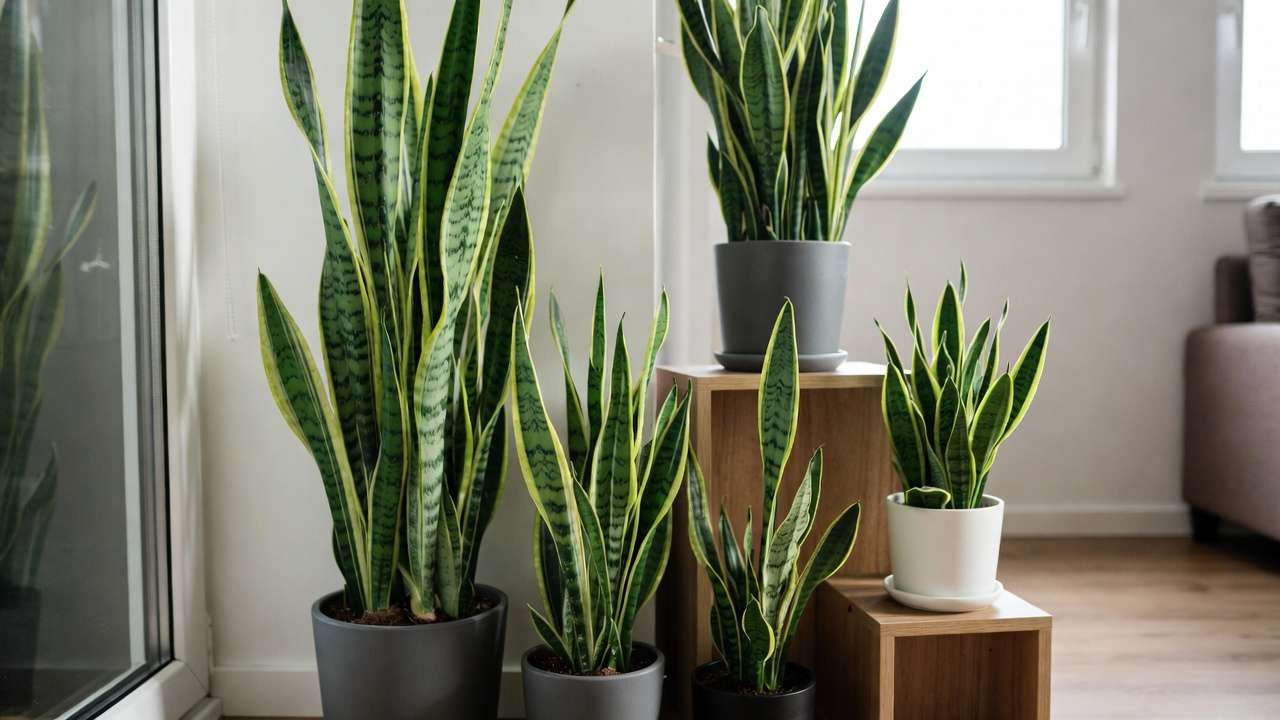
Pro tip: Group 3–5 in a corner for a mini “green wall” effect that looks intentional and maximizes air contact. Rotate plants occasionally so all sides get light and clean air. 🌱
Snake Plant Care Tips to Maximize Air Cleaning Power 🌟
Healthy, thriving plants purify air more efficiently—so here’s your Dhaka-friendly care cheat sheet:
Light ☀️ Low to bright indirect is ideal. They survive in dim corners but grow faster and clean better with morning sun or bright shade. Avoid direct midday sun to prevent leaf scorch.
Watering 💧 Every 2–6 weeks, depending on season and pot size. Let soil dry completely between waterings—overwatering causes root rot faster than anything else. In Dhaka’s humidity, you’ll likely water less often than in dry climates. Use the finger test: if the top 2–3 inches are dry, water thoroughly until it drains out the bottom.
Soil & Pot 🪴 Well-draining cactus/succulent mix or regular potting soil + 30–50% perlite/sand. Terracotta or unglazed ceramic pots are best—they wick away excess moisture.
Temperature & Humidity 🌡️ 18–27°C (perfect for Dhaka year-round). Tolerates lower temps down to ~10°C but hates cold drafts.
Fertilizing 🌱 Feed lightly once or twice during the growing season (March–September) with balanced liquid fertilizer diluted to half strength. Skip in winter.
Propagation ✂️ Super easy! Cut a healthy leaf into 5–10 cm sections, let callus for 2–3 days, then stick in moist soil. Or divide the root ball when repotting. You’ll have free new plants in 6–12 weeks.

Common Problems & Fixes
- Yellow leaves → Overwatering or poor drainage
- Soft, mushy base → Root rot (cut away rot, repot in dry soil)
- Brown tips → Low humidity or fluoride in tap water (let water sit 24 h)
- Pests (mealybugs, spider mites) → Wipe leaves with neem oil solution
Wipe leaves monthly with a damp cloth to remove dust—this alone boosts photosynthesis and air-cleaning efficiency significantly! 🧼
Comparing Snake Plant to Other Top Air-Purifying Plants 📊
When choosing houseplants for better indoor air, the snake plant often ranks near the top for its unique combo of effectiveness, toughness, and low demands. Here’s a clear comparison based on the original NASA Clean Air Study data (removal rates in sealed chambers), recent 2024–2025 reviews, and practical care factors:
| Plant | Key Toxins Removed (NASA & Recent Studies) | Nighttime O₂ Release? | Care Level | Light Needs | Best For | Notes |
|---|---|---|---|---|---|---|
| Snake Plant | Formaldehyde, benzene, trichloroethylene, xylene, toluene, nitrogen oxides | Yes (CAM photosynthesis) | Very low | Low to bright indirect | Bedrooms, low-light homes, beginners | Hardy, drought-tolerant; dust-trapping leaves |
| Spider Plant | Formaldehyde, xylene, toluene | No | Low | Moderate indirect | Hanging baskets, kids/pets | Fast-growing, produces pups easily |
| Peace Lily | Formaldehyde, benzene, trichloroethylene, ammonia, xylene | No | Moderate | Low to moderate | Living rooms, bathrooms | Adds humidity; flowers; mildly toxic if ingested |
| Pothos (Devil’s Ivy) | Formaldehyde, benzene, xylene, toluene | No | Very low | Low | Trailing, offices | Extremely forgiving; great for shelves |
| Areca Palm | Formaldehyde, xylene, toluene | No | Moderate | Bright indirect | Larger spaces | Adds tropical vibe; higher water needs |

Why snake plant often wins for many people: Its nighttime oxygen production makes it ideal for sleeping areas, and it thrives in the low-light, humid conditions common in Bangladesh homes (like Khulna’s warm, moist climate). Recent studies (e.g., 2025 research on Sansevieria in university rooms and hostels) confirm it reduces CO₂ by 10–19% and helps with TVOC/formaldehyde in real indoor settings, though effects are gradual. Peace lilies and pothos excel at broader toxin removal but need more consistent watering—snake plants forgive forgetful owners better! 🌱
Potential Drawbacks & Safety Considerations ⚠️
No plant is perfect—here’s the honest side:
- Modest real-world impact — As noted in 2025 reviews (including Drexel/Nature critiques of the original NASA hype), houseplants like snake plants provide subtle filtration in ventilated homes. They’re a supportive addition, not a full replacement for opening windows, using exhaust fans, or HEPA air purifiers.
- Mild toxicity — Saponins in leaves can irritate if chewed (nausea, drooling in pets/kids). Place high up or out of reach—most incidents are minor, but better safe!
- Dust buildup — Broad leaves collect dust quickly in urban areas. Regular wiping (monthly with a damp cloth) keeps pores open for max air-cleaning.
- Overwatering risk — Root rot is the biggest killer. Always use well-draining pots and check soil dryness.
- Not for extreme neglect — While tough, zero light or constant soggy soil will eventually stress it.
In humid Khulna, watch for fungal issues in poorly ventilated spots—good airflow helps both plant and air quality!
Real-Life Success Stories & Expert Tips 🌿
From plant communities and recent testimonials (2024–2025):
- Many owners report fresher bedrooms after adding 2–3 snake plants: “I sleep better with one on my nightstand—air feels less stuffy in the morning!” (common in Instagram/Facebook groups).
- In hostel studies (e.g., Mizoram 2024), students noted improved mood/productivity and less mold thanks to humidity regulation.
- Urban plant lovers in similar climates say: “In my small apartment, snake plants handle the heat and dust without complaint—plus, they look sleek!”
Expert insight (as a plant care specialist with years observing tropical houseplants): In Bangladesh’s variable humidity and pollution, snake plants are reliable allies. Start small (2–3 pots), wipe leaves often, and pair with ventilation for real gains. I’ve seen them thrive in low-light Dhaka/Khulna flats, turning dull spaces greener and calmer. 🌟
Conclusion 🎯
The snake plant’s air cleaning benefits—rooted in NASA’s pioneering 1989 Clean Air Study—remain relevant today. It efficiently removes VOCs like formaldehyde and benzene, uniquely releases oxygen at night, and supports wellness through better sleep, reduced allergens, and biophilic calm. Recent research (2024–2025) reaffirms modest but meaningful improvements in real rooms, especially when combined with smart habits like dusting, ventilation, and grouping plants.
While not a miracle (you’ll need several for bigger impact), it’s one of the easiest, most resilient ways to bring natural purification indoors. Perfect for beginners, busy lives, or anyone wanting healthier air without extra effort.
Ready to try? Grab 2–3 healthy snake plants from a local nursery, place them strategically, and enjoy the subtle shift toward fresher, greener living. Your home (and lungs) will thank you! 🌍💚
What are you waiting for—add a snake plant today and breathe easier tomorrow.
FAQs Section ❓
Do snake plants really purify air according to NASA? Yes—the 1989 NASA study showed they remove key toxins in sealed tests. Modern reviews confirm benefits, though scaled to real homes.
How many snake plants for a bedroom? 2–4 medium-sized for a 100–200 sq ft room to notice fresher air and nighttime O₂ boost.
Is snake plant good for allergies? Yes—it filters irritants, traps dust, and adds humidity, helping mild respiratory issues when combined with cleaning.
Can snake plants cause allergies? Rarely—pollen is minimal, but dust on leaves can trigger if not wiped. Mild sap irritation possible on skin.
How does snake plant produce oxygen at night? Via CAM photosynthesis: It takes in CO₂ at night (cooler, less water loss) and releases O₂, unlike most plants.











