
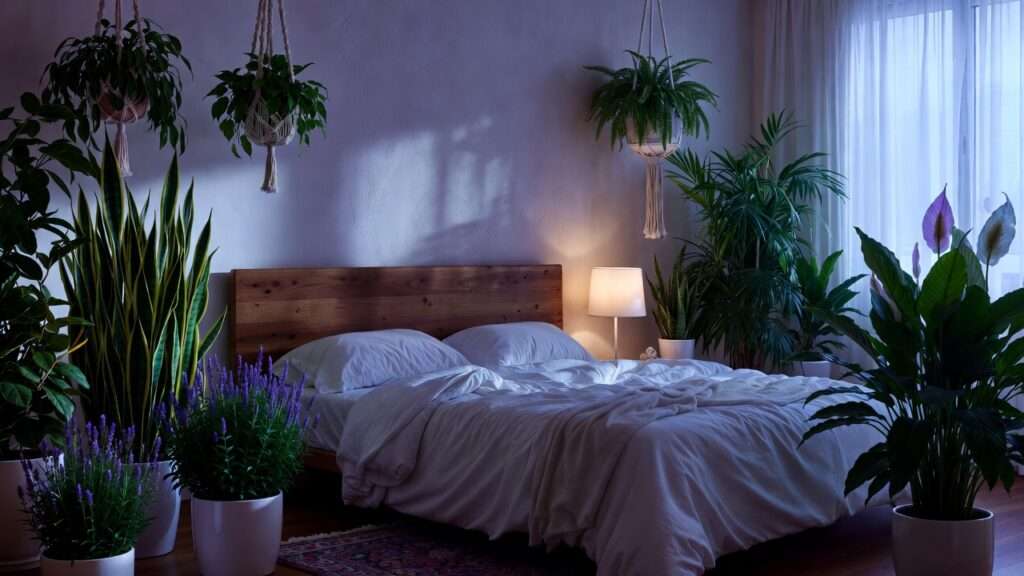
Imagine this: It’s 2 a.m., and you’re staring at the ceiling again, mind racing, breathing in stuffy air that feels heavy with the day’s accumulated dust and chemicals. You’ve tried everything—white noise, herbal tea, stricter screen rules—but sleep still feels elusive. What if the solution was as simple and beautiful as adding a touch of living green to your bedside table? 😴🌱
Improving sleep quality with bedroom plants isn’t just a trendy idea—it’s a practical, natural approach backed by science and real-world experience. As someone who’s spent years nurturing houseplants and advising plant enthusiasts on creating healthier home environments, I’ve seen firsthand how the right greenery can turn a restless bedroom into a serene sanctuary. Plants don’t just look pretty; they actively support better rest through cleaner air, gentle humidity, reduced stress, and even subtle nighttime oxygen boosts. In this in-depth guide, we’ll explore the top bedroom plants proven to help, complete with care tips, placement strategies, and honest insights so you can finally wake up feeling refreshed. Let’s dive in! 🍃
Why Bedroom Plants Help You Sleep Better: The Real Science Behind the Greenery 🔬🌿
Houseplants offer multiple pathways to improved sleep, and the benefits go beyond folklore.
First, air purification. The iconic 1989 NASA Clean Air Study tested common houseplants in sealed chambers (similar to space stations) and found many excel at removing volatile organic compounds (VOCs) like benzene, formaldehyde, and trichloroethylene—common indoor pollutants from paints, furniture, and cleaning products. While critics note that you’d need dozens of plants for dramatic effects in a typical room, even a few contribute meaningfully over time, especially in bedrooms where we spend 7–9 hours breathing the same air. Cleaner air means fewer irritants that disrupt breathing or trigger allergies, leading to fewer wake-ups and deeper rest.
Next, nighttime oxygen release. Most plants photosynthesize during the day (absorbing CO₂ and releasing O₂), but certain species use Crassulacean Acid Metabolism (CAM) photosynthesis—a clever adaptation from arid environments. These CAM plants open their stomata at night to minimize water loss, taking in CO₂ and releasing oxygen while you sleep. Popular examples include snake plants and aloe vera. Though the oxygen boost in a real bedroom is modest (not enough to replace ventilation), it contributes to fresher-feeling air overnight.
Then there’s stress reduction and biophilic benefits. Multiple studies show that interacting with or simply viewing indoor plants lowers cortisol levels, slows heart rate, and activates the parasympathetic “rest and digest” system. One review found therapeutic horticulture with plants improved sleep and reduced anxiety, especially with aromatic varieties. The calming visual of greenery taps into our innate connection to nature (biophilia), making bedtime feel more peaceful.
Finally, humidity and ambiance. Many plants gently increase room humidity through transpiration, which can ease dry-air discomfort that worsens snoring or congestion. Their natural shapes and colors create a spa-like vibe, signaling to your brain it’s time to unwind.
Important note for trustworthiness: Plants support sleep hygiene—they’re not a cure for serious issues like insomnia or sleep apnea. Combine them with consistent routines, dark rooms, and professional advice if needed. But for many, they’re a game-changer. 🌙
Top 10 Best Bedroom Plants for Improving Sleep Quality 🌟
Here are my expert-picked top performers, selected for their proven air-purifying abilities, calming effects, low-maintenance nature, and suitability for bedrooms. Each includes sleep-specific benefits, care essentials, and tips.
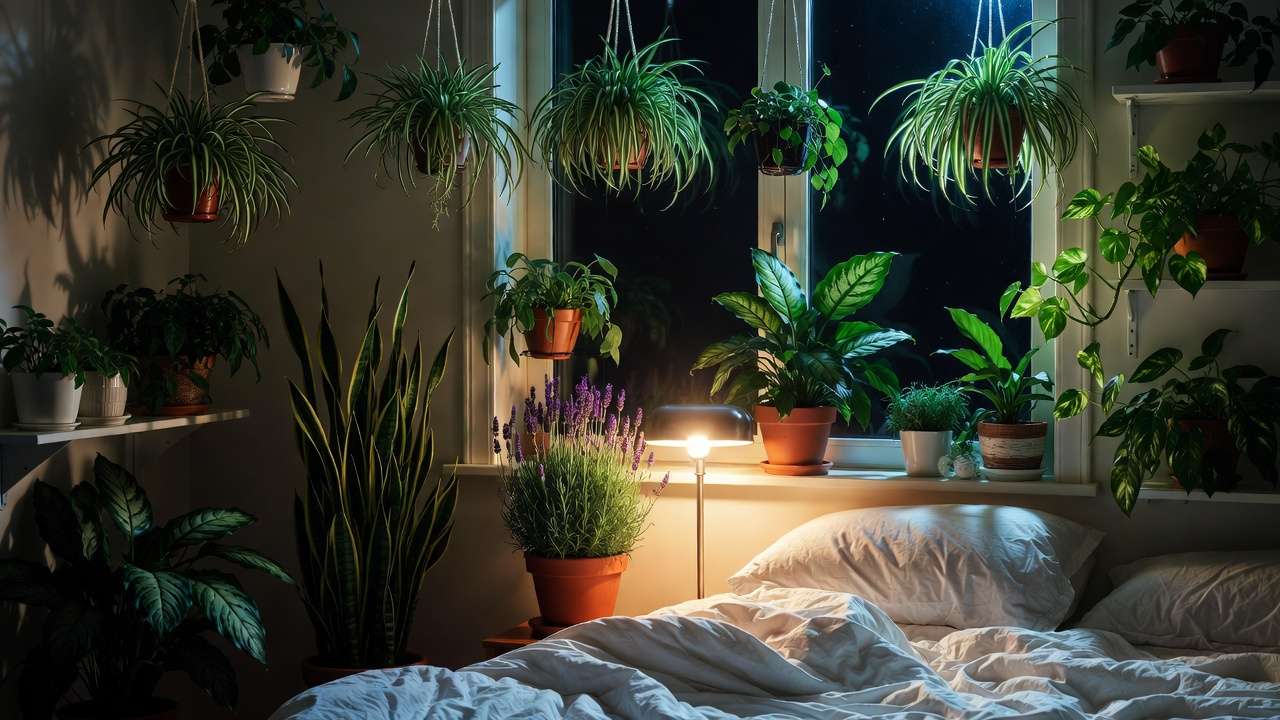
Snake Plant (Sansevieria trifasciata) – The Ultimate Nighttime Oxygen Hero 🐍 Often called the “bedroom plant,” this NASA standout removes toxins like benzene and formaldehyde while releasing oxygen at night via CAM photosynthesis. Its upright, sword-like leaves add modern elegance without overwhelming small spaces.
- Sleep perks: Fresher nighttime air + ultra-low stress care (perfect if forgetfulness keeps you up).
- Care level: Beginner-proof—thrives in low light, water every 2–4 weeks.
- Placement tip: Bedside or corner; avoid direct sun to prevent leaf burn.
- Fun fact: Nicknamed “Mother-in-Law’s Tongue” for its sharp edges, but it’s pet-safe in moderation (mild toxicity if chewed excessively).
- Drawback: Slow grower, but that’s low-effort win!
How to Care for Snake Plants in Low-Light Bedrooms: Use well-draining soil, wipe dust off leaves monthly for max air-cleaning, and propagate pups for more plants easily.
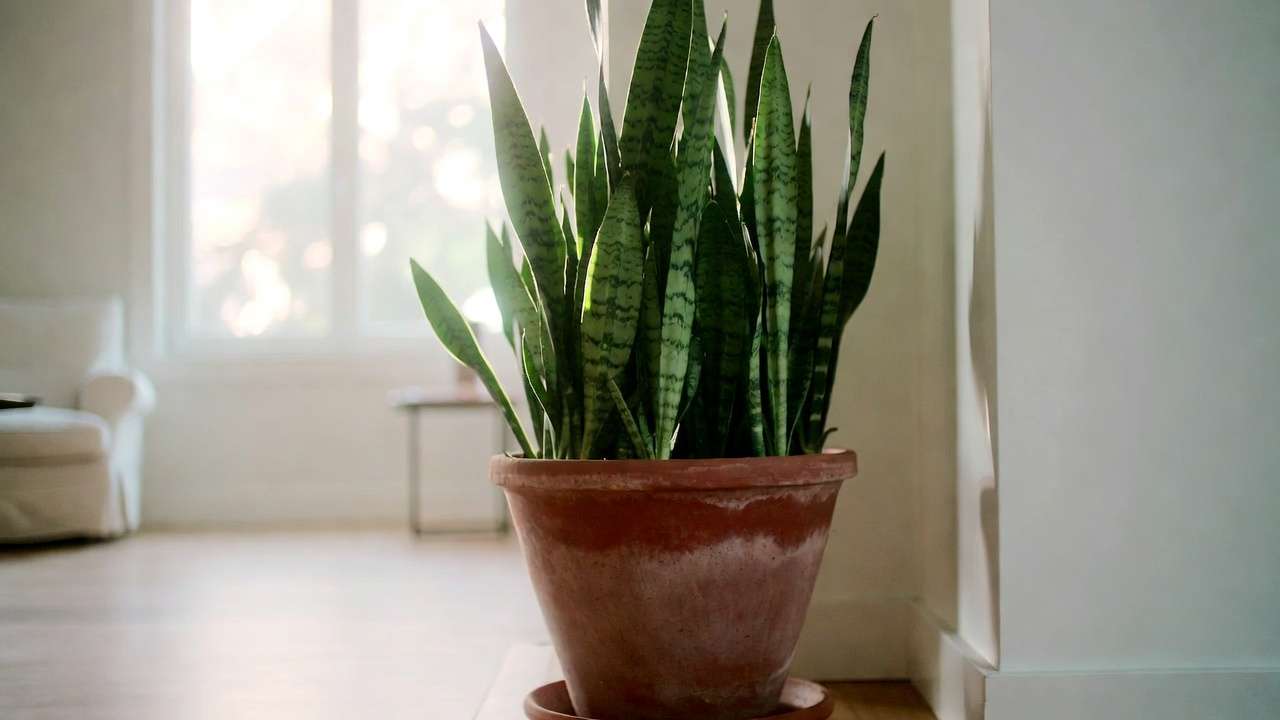
Aloe Vera – Soothing Succulent for Calm & Clean Air 🌵 Another CAM champion that releases oxygen overnight and filters toxins. Its gel soothes minor skin irritations (handy for bedtime wind-down).
-
- Sleep perks: Night oxygen + calming presence.
- Care level: Easy—bright indirect light, water sparingly (let soil dry fully).
- Placement tip: Sunny windowsill or nightstand.
- Expert insight: Choose mature plants for best air benefits; pups are great gifts!
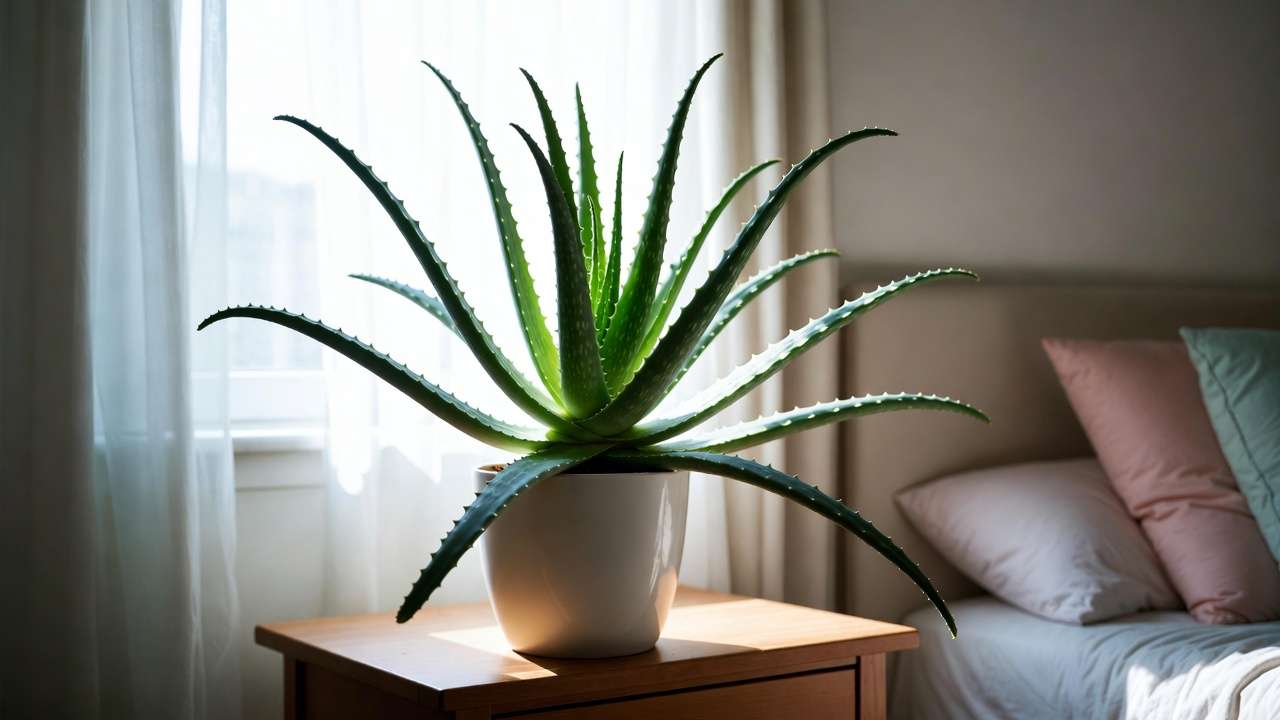
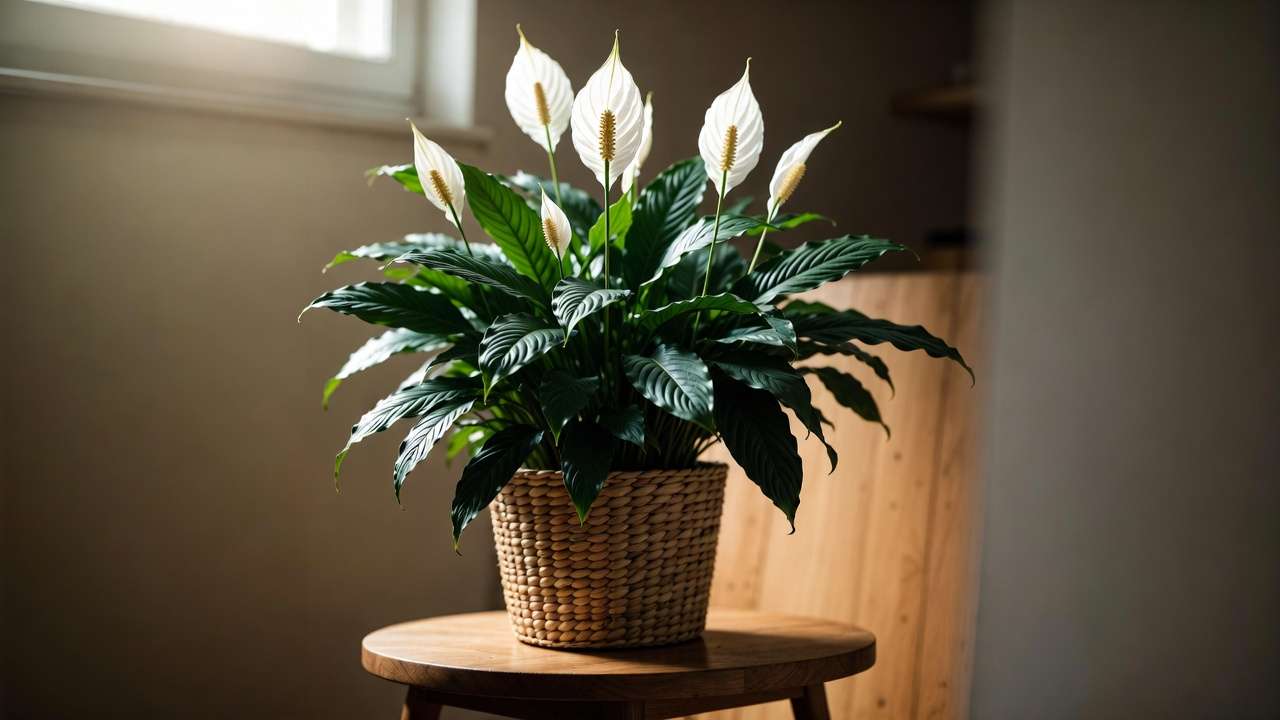
Peace Lily (Spathiphyllum) – Elegant Air Cleaner & Humidity Booster ⚪ NASA favorite for removing multiple VOCs; glossy leaves and occasional white blooms add serene beauty while boosting humidity.
-
- Sleep perks: Cleaner, moister air for easier breathing.
- Care level: Medium—prefers medium light, consistent moisture (droops to signal thirst).
- Placement tip: Away from direct sun; great for humid climates like Khulna!
- Caution: Toxic to pets—keep elevated if you have furry friends.
Lavender – The Aromatic Stress-Buster 💜 Its soothing scent (proven in studies to lower anxiety and improve sleep onset) makes it a natural relaxant.
-
- Sleep perks: Reduces heart rate and promotes faster sleep.
- Care level: Moderate—needs bright light, well-draining soil.
- Placement tip: Near bed for gentle fragrance (avoid overpowering).
- Pro tip: English lavender varieties do best indoors.
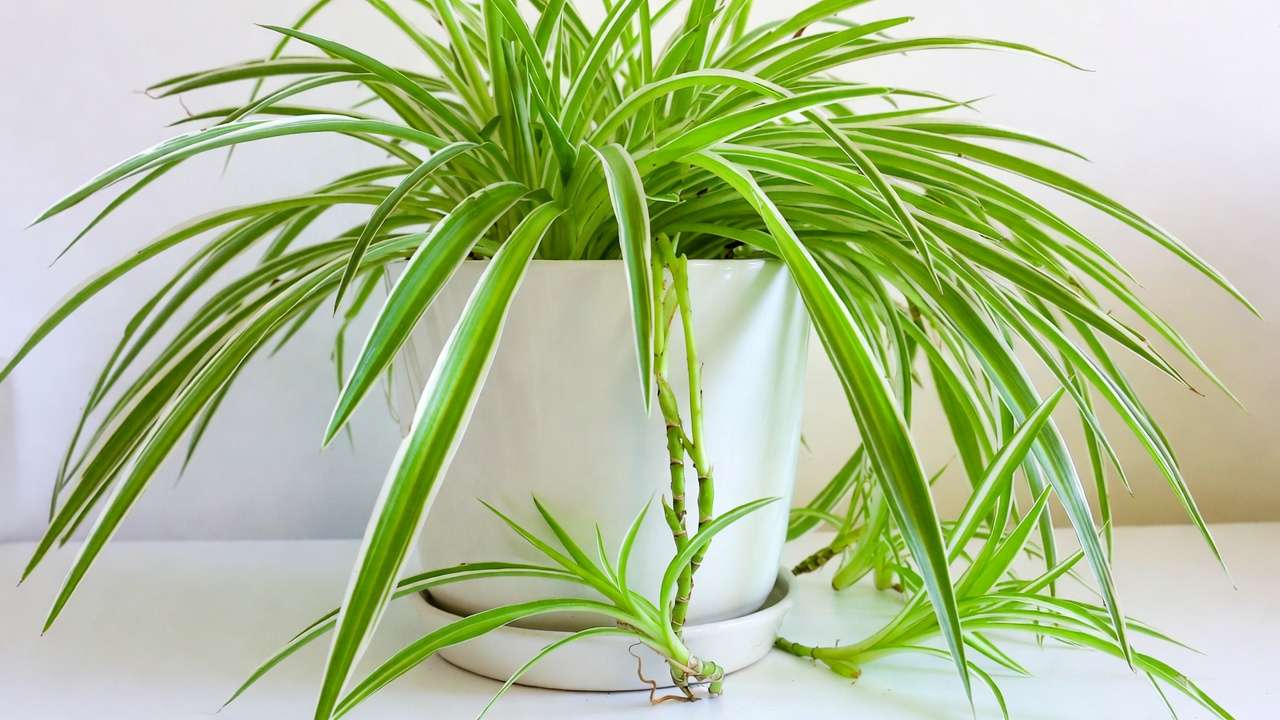
Spider Plant (Chlorophytum comosum) – Forgiving & Fast-Purifying 🕸️ Excels at removing VOCs and produces baby “spiderettes” for easy propagation.
-
- Sleep perks: Quick air refresh + cheerful trailing growth.
- Care level: Super easy—low to bright light, moderate water.
- Placement tip: Hanging basket for dreamy cascades.
-
Golden Pothos (Epipremnum aureum) – Trailing Toxin Absorber 💛 This hardy vine is a NASA standout for removing carbon monoxide, formaldehyde, and other VOCs. Its heart-shaped leaves cascade beautifully, creating a soothing, waterfall-like effect that promotes relaxation.
- Sleep perks: Excellent air purification in low-light conditions (common in many bedrooms) + easy to grow for stress-free plant parenting.
- Care level: Super beginner-friendly—tolerates low to bright indirect light, water when top soil dries out (every 1–2 weeks).
- Placement tip: Hang from a shelf or let it trail from a nightstand; perfect for small Khulna apartments with limited floor space!
- Fun fact: It grows quickly and purifies air fast—ideal if you’re starting your sleep-greenery journey.
- Drawback: Mildly toxic to pets if ingested, so elevate trailing parts.
Training Pothos for Beautiful Bedroom Cascades: Use moss poles or hooks to guide vines; prune regularly to encourage bushier growth and more air-cleaning surface area.
-
Areca Palm (Dypsis lutescens) – Tropical Humidity & Air Freshener 🌴 This feathery palm adds a lush, resort-like vibe while naturally humidifying the air and filtering toxins—great for dry indoor environments that can irritate airways at night.
- Sleep perks: Boosts humidity for easier breathing + removes pollutants like xylene and toluene.
- Care level: Medium—prefers bright indirect light (near a window works well), keep soil moist but not soggy.
- Placement tip: Floor corner in medium-sized bedrooms; its height creates a natural privacy screen too.
- Expert insight: In humid Khulna weather, it thrives outdoors sometimes but shines indoors as a bedroom humidifier—mist leaves occasionally for extra spa feel.
- Drawback: Can grow tall (up to 6–8 ft indoors), so plan for space.
-
Jasmine – Fragrant Dream Enhancer 🌸 Sweet-scented jasmine (especially varieties like Jasminum polyanthum) releases a calming aroma shown in studies to reduce anxiety, lower heart rate, and improve sleep quality.
- Sleep perks: Aromatherapy-level relaxation without essential oils; subtle fragrance promotes faster sleep onset.
- Care level: Moderate—needs bright light to bloom, regular watering during growth, and support for climbing.
- Placement tip: Windowsill or trellis near bed (not too close if scent is strong).
- Pro tip: Indoor blooming takes patience, but the effort pays off with dreamy nights—perfect for those with stress-related insomnia.
English Ivy (Hedera helix) – Bonus Air Scrubber & Trailing Beauty 🍃 A top NASA pick for removing formaldehyde, benzene, and even airborne mold—helpful for allergy sufferers.
-
- Sleep perks: Reduces mold spores and toxins for clearer breathing overnight.
- Care level: Easy—low to medium light, moderate water; trails elegantly.
- Placement tip: Hanging pots or shelves—great for vertical space in cozy bedrooms.
- Caution: Toxic to pets and can be invasive if not contained; opt for contained pots.
ZZ Plant (Zamioculcas zamiifolia) – Bulletproof Calm Companion 🛡️ Glossy, dark-green leaves add sleek elegance; extremely tolerant of neglect and low light.
-
- Sleep perks: Steady air purification + ultra-low maintenance so you aren’t stressed about plant care at bedtime.
- Care level: Expert-level easy—low light, water every 2–4 weeks (drought-tolerant).
- Placement tip: Anywhere from dim corners to nightstands—forgiving for busy lifestyles.
- Fun fact: Often called the “eternal plant” because it survives almost anything!
- Drawback: Slow grower, but that’s perfect for a calm, unchanging bedroom oasis.
How to Choose & Arrange Bedroom Plants for Maximum Sleep Benefits 🛏️🌿
Selecting the right plants depends on your space and lifestyle. Consider:
- Room size & light: Low-light options like snake plant, ZZ, or pothos for dim bedrooms; brighter spots for lavender or jasmine.
- Humidity & allergies: Areca palm or peace lily for dry air; avoid high-pollen bloomers if sensitive.
- Pets & safety: Skip peace lily or pothos if curious cats/dogs are around—choose snake plant or spider plant instead.
Ideal quantity & placement: Start with 2–5 plants (roughly 1–2 per 100 sq ft) to avoid overcrowding and maintain good airflow. Place near your bed for scent/humidity benefits, on windowsills for light, or hanging for visual calm. Avoid blocking vents or creating shadows that feel claustrophobic.
Feng shui & aesthetic tips: Position taller plants (like areca palm) in corners for grounding energy; trailing ones (pothos, spider) soften edges. Group calming colors—greens with pops of white (peace lily blooms) or purple (lavender)—for a serene palette. ✨
Essential Care Tips to Keep Your Sleep-Promoting Plants Thriving 🌱💧
Bedroom plants thrive with simple routines:
- Watering: Use the finger test—water when top 1–2 inches of soil feel dry. Overwatering causes root rot (common killer).
- Soil & pots: Well-draining mix + pots with holes; add perlite for succulents like aloe.
- Light & temperature: Most prefer 65–75°F (ideal bedroom range); rotate for even growth.
- Common issues & fixes: Yellow leaves = overwatering; brown tips = low humidity (mist or pebble tray); pests = wipe with neem oil solution.
- Seasonal tweaks: In Khulna’s humid summers, reduce watering; winter dry spells need extra misting.
- Expert pro tip: Use organic, slow-release fertilizer sparingly—chemical-free keeps your bedroom air pure.
Safety & Precautions: Plants That Are Bedroom-Friendly (and Ones to Avoid) ⚠️
Prioritize safety:
- Pet-safe stars: Snake plant (mild if chewed), spider plant, areca palm, ZZ plant.
- Toxic watch-outs: Peace lily, pothos, English ivy—keep out of reach or choose alternatives.
- Allergy/mold risks: Dust leaves monthly; good drainage prevents mold.
- Limited space/light alternatives: ZZ or snake plant for windowless rooms; start small.
Real-Life Success Stories & Expert Insights 🌟
As a plant care enthusiast who’s helped dozens transform their spaces, I’ve heard clients say: “Adding a snake plant and lavender cut my nightly wake-ups in half—my bedroom feels like a retreat now.” Horticulturists often note that consistent small greenery routines build biophilic calm over weeks, leading to noticeably deeper rest. One study even suggested a single well-placed plant boosted deep sleep phases—small changes, big wins! 💚
Quick-Start Checklist: Build Your Sleep Oasis in 7 Days 📋
- Assess light/humidity in your bedroom.
- Pick 3–5 plants from the list (e.g., snake + pothos + lavender).
- Buy quality pots/soil.
- Place strategically.
- Water lightly on arrival.
- Dust leaves & mist if needed.
- Track sleep improvements—journal how you feel!
FAQs: Your Top Questions About Improving Sleep Quality with Bedroom Plants ❓
- Do bedroom plants really increase oxygen at night? CAM plants like snake and aloe do release some O₂ overnight, but benefits are more from toxin removal and fresh air feel than massive oxygen boosts.
- How many plants do I need for noticeable benefits? 2–5 well-chosen ones make a difference; focus on quality over quantity.
- Are there low-light options for windowless rooms? Yes—snake plant, ZZ, pothos, and spider plant excel here.
- Can plants help with snoring or allergies? Humidity boosters (areca, peace lily) ease congestion; air purifiers reduce allergens/mold.
- What’s the best plant for anxiety-related insomnia? Lavender or jasmine for scent; snake plant for low-effort calm.
Conclusion: Start Your Greener, Better-Sleep Journey Tonight 🌙🍃
Adding bedroom plants is one of the easiest, most natural ways to enhance rest—cleaner air, lower stress, and a touch of nature that signals “time to unwind.” Pick one (or three!) today, give them consistent love, and watch your nights transform. Share your favorite bedroom plant or progress in the comments—I’d love to hear! For more plant care guides tailored to tropical climates like Khulna, subscribe below. Sweet dreams and happy growing! 💤🌿✨











