
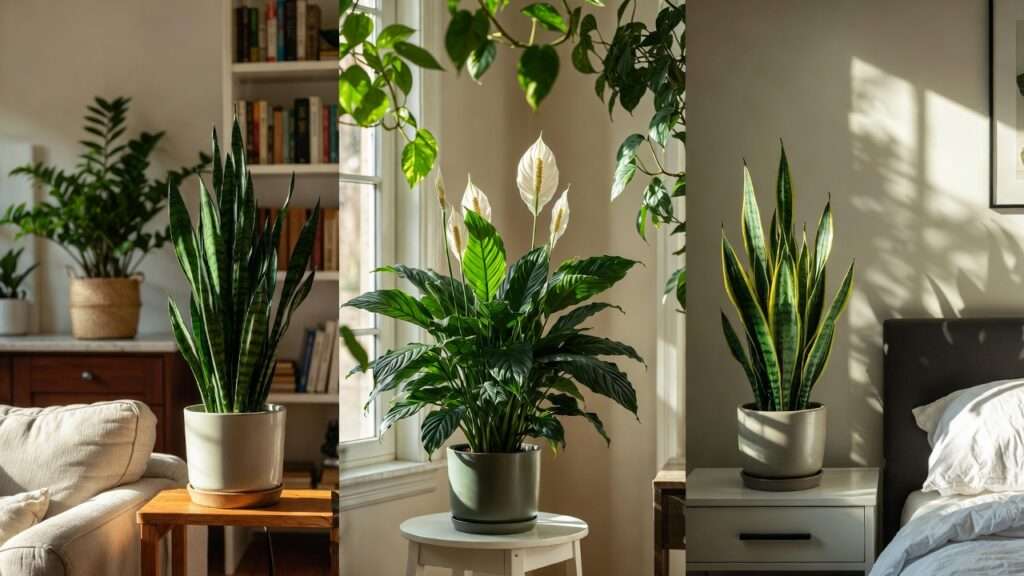
Did you know the air inside your home can sometimes be 2–5 times more polluted than the air outside? 😷 Everyday sources like furniture off-gassing, cleaning products, carpets, electronics, and even cooking release volatile organic compounds (VOCs) such as formaldehyde, benzene, and xylene — sneaky toxins that build up in our sealed living spaces. But here’s the exciting part: nature offers a green, beautiful fix! Best spots in your home for air-purifying plants can help filter these pollutants naturally while adding lush decor, boosting humidity, and creating a calmer atmosphere. 🌱
The idea gained fame from NASA’s 1989 Clean Air Study, which tested common houseplants in sealed chambers (like spacecraft environments) and found many could absorb harmful VOCs through their leaves and — crucially — their root zones with helpful soil microbes. While recent research (including reviews from 2019–2025) shows plants provide modest real-world benefits compared to ventilation or mechanical purifiers — you’d need dozens to hundreds for dramatic VOC reduction — strategic placement near pollution sources, combined with good plant health and airflow, maximizes their contribution. They complement fresh air habits, HEPA filters, and open windows for healthier indoor air quality (IAQ). Plus, the mental health perks? Reduced stress, better focus, and prettier rooms! 😌
In this expert guide, I’ll share room-by-room placement strategies, top plant recommendations (updated for 2025–2026 trends), practical tips to boost effectiveness, and realistic expectations. Whether you’re dealing with allergies, poor sleep, or just want fresher-feeling air, these insights will help you position air-purifying plants where they work hardest. Let’s turn your home into a breathable oasis! 🌸
Why Air-Purifying Plants Work — And Why Placement Is Key 📊
Plants don’t just look nice; they actively improve indoor environments in several ways. Through photosynthesis, they absorb CO₂ and release oxygen (some, like snake plants, even do this at night!). More importantly for air purification, their leaves and roots team up with beneficial soil bacteria to break down VOCs — a process called phytoremediation.
NASA’s pioneering work highlighted plants like peace lilies and spider plants removing up to 87% of certain toxins in controlled tests over 24 hours. However, experts now emphasize: real homes have constant air exchange, so plants offer supportive, not primary, purification. A 2019–2020 review extrapolated that significant VOC removal might require 10–1,000 plants per square meter — impractical for most! Still, larger, healthy plants in high-traffic or pollutant-heavy spots provide noticeable subtle benefits: lower dust, balanced humidity, and fewer airborne irritants.
Placement maximizes impact because:
- Proximity to sources (e.g., near furniture or printers) lets plants “catch” toxins faster.
- Good light fuels photosynthesis and transpiration (pulling air through roots).
- Airflow (fans, open windows) circulates pollutants toward plants.
- Humidity-loving species thrive in bathrooms, aiding mold control.
Factors like plant size, health, and species matter too — bigger foliage and active roots = better filtering. Always prioritize healthy plants over quantity! 🌟

(These show stunning snake plants in bedroom settings — perfect inspiration for placement!)
Top Air-Purifying Plants to Consider in 2025–2026 🌿
Here are some of the most recommended, easy-to-find air-purifying houseplants, based on NASA origins and current expert consensus. I’ve focused on versatile, low-maintenance options with proven toxin removal (formaldehyde, benzene, etc.), plus care notes.
- Snake Plant (Sansevieria trifasciata) 🐍 — Releases oxygen at night; removes formaldehyde, benzene, xylene. Ultra-tough, low-light tolerant. Pet caution: mildly toxic if ingested.
- Peace Lily (Spathiphyllum) ☮️ — Elegant blooms; filters multiple VOCs, including ammonia. Loves shade, signals when thirsty by drooping.
- Spider Plant (Chlorophytum comosum) 🕸️ — Beginner-friendly; excels at formaldehyde and xylene. Produces “pups” for easy propagation. Pet-safe!
- Golden Pothos (Epipremnum aureum) 💛 — Trailing beauty; removes many toxins, thrives in low light. Very forgiving.
- Boston Fern (Nephrolepis exaltata) 🌿 — Humidity champ; reduces airborne mold and formaldehyde. Needs consistent moisture.
- Areca Palm (Dypsis lutescens) 🌴 — Adds tropical vibe; filters toxins and humidifies air. Bright indirect light preferred.
- ZZ Plant (Zamioculcas zamiifolia) — Low-maintenance king; tolerates neglect, removes toluene/xylene.
- Aloe Vera 🌵 — Healing gel + air cleaning (formaldehyde); needs bright light.
| Plant | Key Toxins Removed | Best Light | Pet Safe? | Care Difficulty |
|---|---|---|---|---|
| Snake Plant | Formaldehyde, Benzene | Low to bright | No | Easy |
| Peace Lily | Ammonia, VOCs | Low to medium | No | Medium |
| Spider Plant | Formaldehyde, Xylene | Medium | Yes | Easy |
| Golden Pothos | Multiple VOCs | Low | No | Easy |
| Boston Fern | Formaldehyde, Mold | Medium, humid | Yes | Medium |
| Areca Palm | Toxins + humidity | Bright indirect | Yes | Medium |
(Pro tip: Start with 2–3 easy ones like snake or spider plants!)
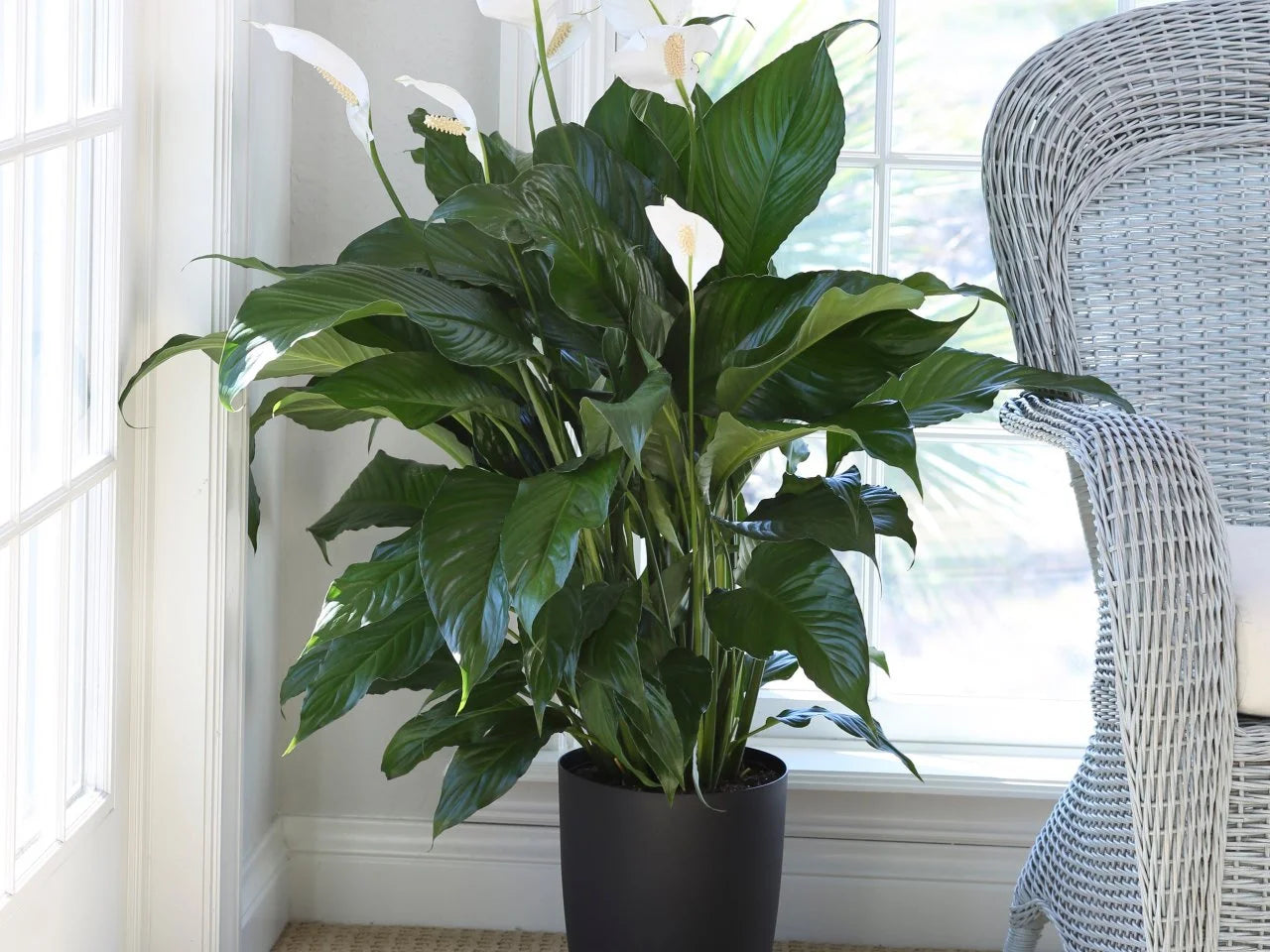
(Beautiful peace lilies adding elegance to living spaces!)
This is Part 1 (Introduction + Why They Work + Top Plants sections, ~800 words so far). The full article will exceed 2000 words with the room-by-room guide next.
Room-by-Room Guide: Best Spots for Maximum Impact 🏠🌱
Now comes the practical heart of this guide — where to actually place these plants for the biggest air-cleaning payoff. We’ll go room by room, matching common pollutant sources, typical light conditions, humidity levels, and lifestyle needs. Each recommendation prioritizes proximity to toxins, good airflow, and plant health so they thrive while working hardest. Remember: group plants when possible (creates a mini “green lung” effect), dust leaves regularly for better gas exchange, and match species to your room’s conditions. Let’s dive in!
Bedroom: Breathe Easier While You Sleep 😴🌙
Your bedroom is where you spend ~1/3 of your life — making it a top priority for cleaner air. Nighttime breathing means lower CO₂ buildup and toxin exposure from mattresses, carpets, paints, and bedding (formaldehyde off-gassing is common here). Plants that release oxygen at night or filter VOCs quietly shine.
Best spots:
- Nightstand or dresser (1–2 medium plants for easy access and visual calm).
- Windowsill with indirect light (morning/evening sun is ideal; avoid scorching midday rays).
- Floor corner if space allows (tall varieties add height without clutter).
- Hanging planter above the bed or near a fan (boosts circulation).
Top recommended plants:
- Snake Plant 🐍 — Releases O₂ at night (Crassulacean Acid Metabolism), removes formaldehyde/benzene/xylene. Tolerates low light, infrequent watering. Start with 1–2 medium pots.
- Peace Lily ☮️ — Excellent VOC remover (including trichloroethylene); droops to signal thirst (no overwatering guilt!).
- Spider Plant 🕸️ — Filters xylene/formaldehyde; pet-safe and produces baby pups for free extras.
- Aloe Vera 🌵 — Compact, bright-light lover; bonus skin-soothing gel.
Pro tips: Aim for 2–4 plants in an average 10–15 m² bedroom. Place near the head of the bed or opposite vents. Avoid over-humidifying — use well-draining pots. Many readers report better sleep quality after adding snake plants!
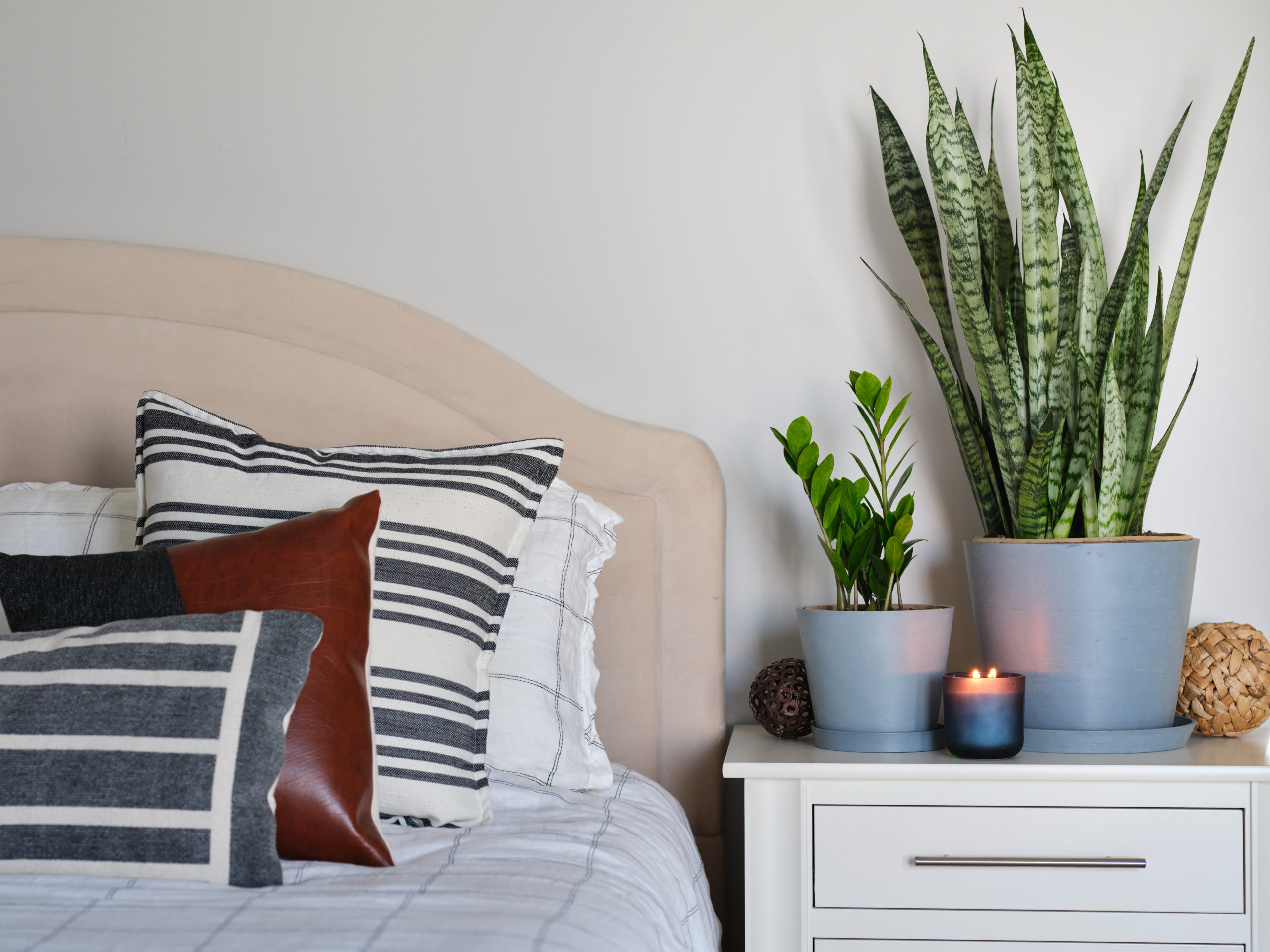
(These snake plant setups show how elegantly they fit on nightstands — low-maintenance luxury!)
Living Room: Create a Fresh, Welcoming Oasis 🛋️🌿
The living room sees the most foot traffic, electronics (TVs/computers off-gas), dust, and furniture emissions. It’s often the largest space, so plants here make a big visual and functional impact.
Best spots:
- Empty corners for tall/floor plants (fills awkward spaces beautifully).
- Bookshelves or side tables for trailing/medium varieties.
- Near sofas or coffee tables (centerpiece effect + close to people).
- Windows or near vents (circulates air through foliage).
Top recommended plants:
- Areca Palm 🌴 — Humidifies while filtering; adds tropical height and elegance.
- Peace Lily ☮️ — Multiple blooms brighten rooms; thrives in medium shade.
- Golden Pothos 💛 — Trails over shelves; low-light tolerant toxin eater.
- Dracaena (various types) — Striking upright form; removes benzene/xylene.
Pro tips: Group 3–5 plants for micro-climate humidity boost. Place taller ones near windows for natural light. Use decorative cache pots to match your decor. Larger plants (floor size) outperform many small ones here.
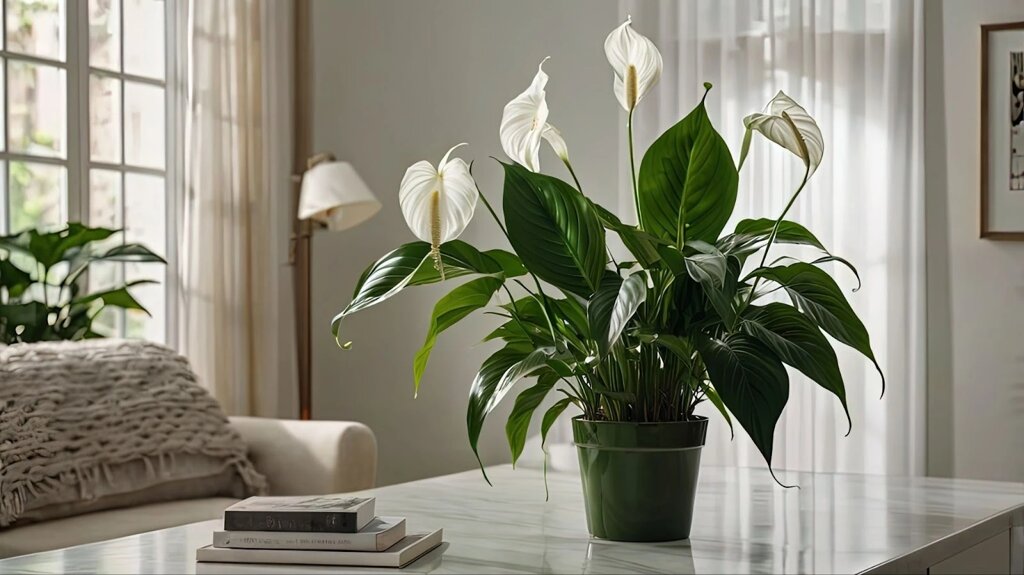
(Peace lilies bring such serene elegance to living areas — notice the soft light and white blooms!)
Kitchen: Combat Cooking Fumes Naturally 🍳🔥
Cooking releases VOCs, smoke particles, and odors; cleaning sprays add more. Kitchens often have good natural light but variable humidity/heat.
Best spots:
- Windowsill (bright light for many plants).
- Countertop (small/compact pots).
- Hanging above sink or island (trailing types love the space).
- Near fridge or pantry (low-traffic corners).
Top recommended plants:
- Spider Plant 🕸️ — Tough against fumes; hangs beautifully.
- Golden Pothos 💛 — Forgiving in variable conditions.
- Herbs (rosemary, mint) — Edible bonus + mild purification.
Pro tips: Choose heat/humidity-tolerant varieties. Keep away from stove splatter. Mist occasionally for dust control.
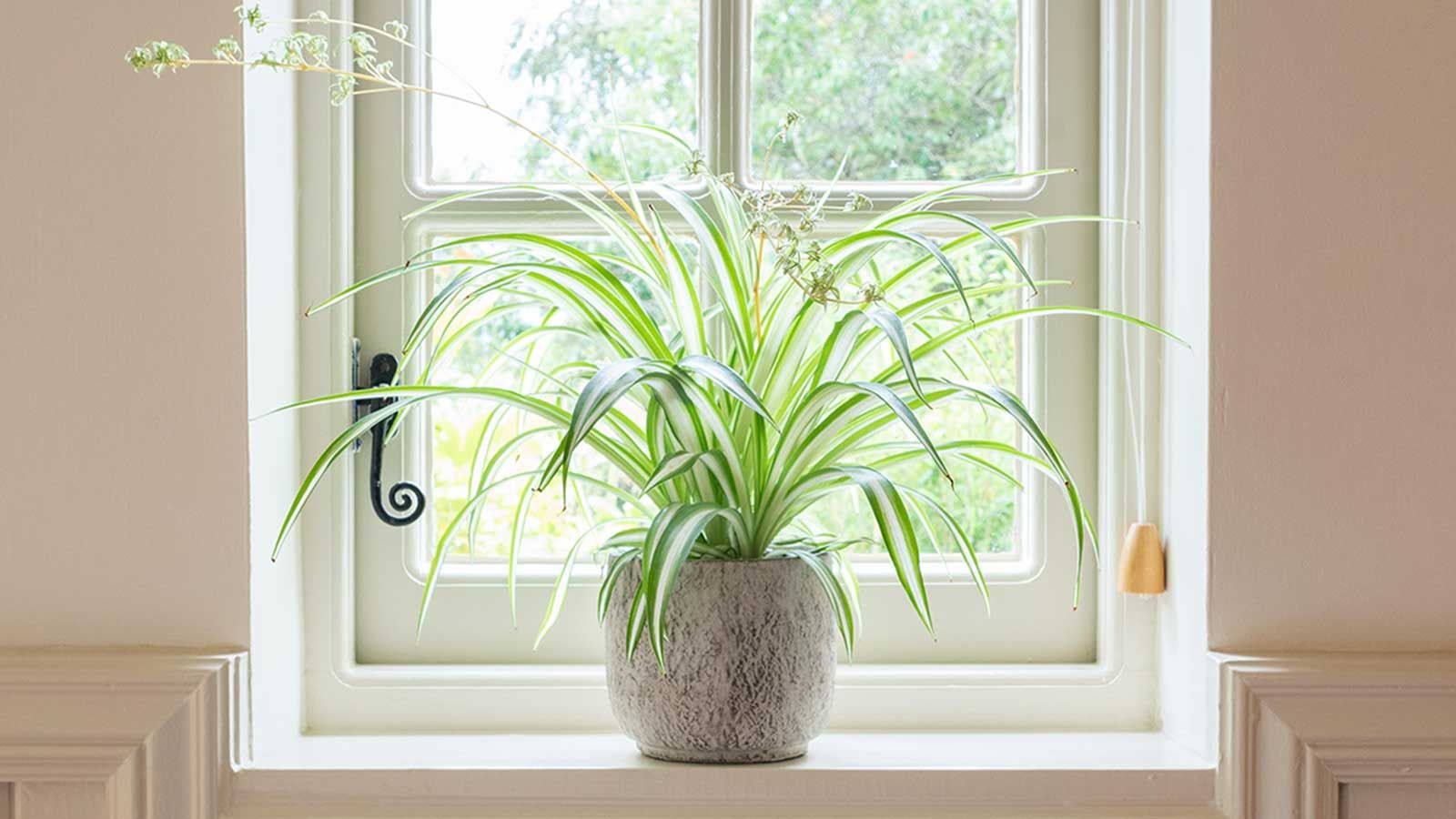
(Spider plants in sunny kitchen windows — fresh, green, and functional!)
Bathroom: Fight Humidity & Mold 🛁💧
Steamy showers breed mold/mildew; plants here absorb excess moisture while filtering.
Best spots:
- Near shower/tub (indirect light).
- Windowsill or shelf.
- Hanging baskets (great drainage).
Top recommended plants:
- Boston Fern 🌿 — Thrives in humidity; excellent mold reducer.
- Peace Lily ☮️ — Loves moisture; signals thirst dramatically.
Pro tips: Mist if low light; use pebble trays for humidity. Avoid direct hot water spray.
(Boston ferns love steamy bathrooms — natural dehumidifiers!)
Home Office / Study: Boost Focus & Reduce Screen Toxins 💻📚
Electronics, printers, and long indoor hours mean more VOCs and fatigue.
Best spots:
- Desk corner (small plants).
- Shelf or windowsill.
- Near printer/computer if possible.
Top recommended plants:
- Snake Plant or ZZ Plant — Low light, low care.
- Pothos — Trailing desk accent.
Pro tips: 1–2 per workspace. Position for eye rest (greenery reduces screen strain).

(Areca palms bring calm tropical energy to offices!)
Other Areas: Hallways, Entryway, Balcony/Indoors Transition 🚪🌞
- Entryway: Welcoming pothos or snake plant near door (filters street pollutants).
- Hallways: Tall dracaena or hanging spider plants.
- Near sliding doors/balconies: Light-loving palms for transition zones.
This room-by-room approach ensures targeted benefits — far more effective than random placement!
How Many Plants Do You Really Need? (Practical Calculator) 📏🌱
One of the most common questions I get is: “How many air-purifying plants are actually enough?” The short answer: quality and strategic placement beat sheer quantity every time.
NASA’s original Clean Air Study suggested roughly 1 good-sized plant (6–10 inch pot) per 100 square feet of space for measurable VOC reduction in sealed environments. In real homes with natural air exchange, benefits are subtler — think gradual dust reduction, slight humidity balancing, and fewer irritants rather than dramatic toxin elimination.
Here’s a simple, realistic guideline:
- Small room (100–200 sq ft, e.g., bedroom/office): 2–4 medium/large plants.
- Medium room (200–400 sq ft, e.g., living room): 4–8 plants (group them!).
- Whole home (800–1,200 sq ft average apartment/house): 10–20 well-placed plants to notice cumulative effects.
- For noticeable air quality boost: Aim for at least 1 plant per 100 sq ft, prioritizing larger specimens (e.g., a 3–4 ft Areca palm filters more than ten tiny succulents).
Focus on healthy, mature plants — they have more leaf surface area and active root microbes. Larger foliage means better transpiration and toxin absorption.
Quick formula to estimate:
- Measure your room(s) in sq ft.
- Divide by 100 → base number of plants.
- Add 1–2 extra if high pollution (near traffic, smokers, new furniture) or low ventilation.
Example: 300 sq ft living room → aim for 3–5 plants. Start small and scale up as you see (and feel!) the difference. Many people report fresher air and fewer headaches after hitting 8–12 plants total. 🌟
(These NASA-inspired charts show top toxin-fighting plants and recommendations — peace lily often tops the list for versatility!)
Expert Tips to Maximize Air-Purifying Power 🌟
To get the most from your green teammates:
- Light & Placement Hacks — Match light needs (low-light lovers like ZZ plant or pothos in shady corners; bright-light fans like aloe near windows). Avoid direct harsh sun to prevent leaf burn. Group 3+ plants to create a humid micro-climate — they help each other thrive.
- Maintenance for Peak Performance — Dust leaves monthly (use a damp microfiber cloth — cleaner leaves = better gas exchange). Water only when top 1–2 inches of soil are dry; use well-draining pots to avoid root rot. Fertilize sparingly (diluted balanced fertilizer spring/summer). Repot every 1–2 years for fresh soil microbes.
- Common Mistakes to Avoid — Overwatering (leads to mold, ironically worsening air), ignoring pests (mealybugs/spider mites weaken plants), poor drainage, or placing in dead-air corners.
- Bonus NASA-Inspired Boost — Some experts suggest gentle fans near plants to circulate air through foliage/roots, mimicking sealed-chamber tests. For extra VOC help, combine with open windows daily and HEPA purifiers.
- Pet & Kid Safety Quick Guide 🐶👶 — Pet-safe stars: Spider plant, Boston fern, Areca palm. Avoid peace lily, pothos, English ivy (mildly toxic if chewed). Place out of reach or choose safe alternatives.
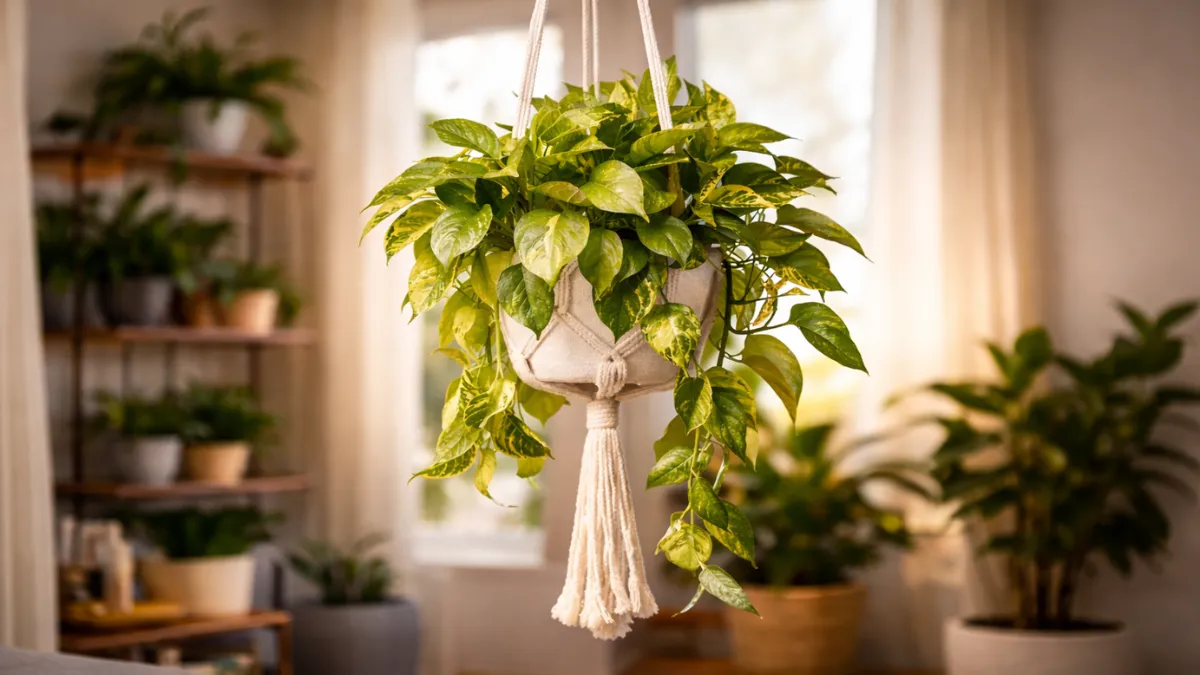
(Lush office setups with pothos, snake plants, and more — low-maintenance greenery that boosts focus!)
FAQs (Answering Your Top Questions) ❓
Do air-purifying plants really work in 2025–2026? Yes, modestly! They remove some VOCs, add oxygen/humidity, and reduce dust/allergens. They’re supportive (not replacements) for ventilation and purifiers — best with strategic placement.
Which plant is best for bedrooms? Snake plant tops the list — it releases oxygen at night and tackles common bedroom toxins like formaldehyde from furniture.
How many plants for a 1000 sq ft home? 10–20 well-placed, healthy ones. Start with 8–10 and expand based on how the air feels.
Are these plants safe for cats/dogs? Many are! Spider plant, Boston fern, Areca palm, and ZZ plant are generally safe. Avoid peace lily, pothos, and English ivy around curious pets.
Can plants replace air purifiers? No — they complement them. Plants offer natural, aesthetic benefits; purifiers handle particles faster. Use both for best results.
Best low-light air purifiers? Snake plant, ZZ plant, golden pothos, and peace lily excel in shady spots.
Conclusion: Transform Your Home into a Breath of Fresh Air ❤️🌍
Strategic placement turns ordinary houseplants into powerful allies for cleaner indoor air. By putting the best spots in your home for air-purifying plants at the forefront — near pollution sources, with proper light and airflow — you’ll maximize their natural filtering abilities while enjoying calmer, greener spaces.
Start simple: Pick 3–5 easy winners like snake plant, spider plant, and pothos. Position them thoughtfully room by room, care for them consistently, and watch (and breathe!) the difference. Small green additions lead to big health wins for you, your family, and even your focus and mood.
Ready to get started? Grab a few pots today and share your favorite spots in the comments below — I’d love to hear how your home transforms! Subscribe for more plant care guides, troubleshooting tips, and seasonal advice. Happy planting! 🌿✨











