
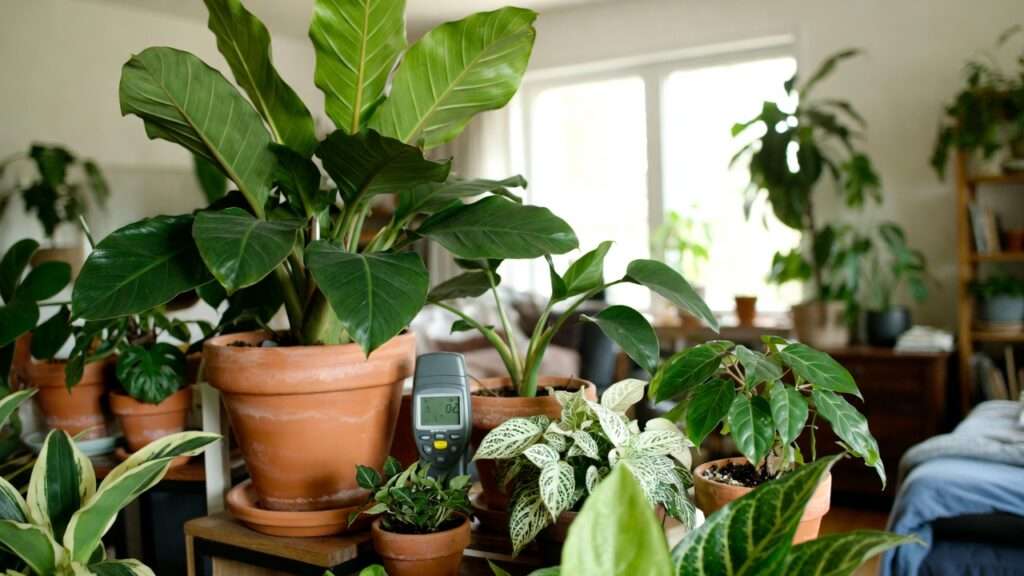
Have you ever stared at your favorite houseplant wondering why it’s suddenly dropping leaves, stretching leggy toward the window, or refusing to grow new foliage? 😩 You’re not alone—most indoor plant lovers blame watering, soil, or fertilizer first. But the real silent killer in 90% of cases? Incorrect light levels. Light is the #1 factor driving photosynthesis, the process that fuels healthy, vibrant growth in your plants.
Measuring foot-candles for plant growth gives you the precise, science-backed way to stop guessing and start optimizing. Foot-candles (ftc) measure light intensity at your plant’s level—simple, practical, and perfect for home setups. In this comprehensive guide, you’ll learn exactly what foot-candles are, why they matter more than vague terms like “bright indirect light,” how to measure them accurately (even with your phone!), interpret readings for dozens of popular plants, and fix common light problems for lush, thriving indoor greenery. By the end, you’ll have the tools to transform your space into a plant paradise. Let’s dive in! 🌱💚
Understanding Foot-Candles: The Basics 📏🔆
A foot-candle is the amount of light produced by one candle hitting a surface one foot away. It’s a unit of illuminance that’s been used in horticulture for decades because it’s straightforward and correlates well with how natural and artificial white light affects houseplants.
Outdoors, full direct sun blasts 10,000+ foot-candles at midday 🌞. Indoors? Typical bright window spots hover between 100–1,000 ftc, while shady corners might dip below 50 ftc. Many “low-light” plants survive at 50–100 ftc but truly thrive closer to 200+ ftc—explaining why your snake plant looks okay but never grows vigorously.
Why foot-candles matter for plant growth Plants use light energy for photosynthesis. Too little → slow growth, leggy stems (etiolation), pale leaves, and increased pest vulnerability. Too much → scorched tips, faded variegation, or leaf burn. Accurate measurement lets you match plants to spots perfectly, preventing these issues and saving you from replacing unhappy plants.
Foot-Candles vs. Lux vs. PPFD – Quick Breakdown 🔍
- Foot-candles (ftc) and lux measure illuminance as seen by the human eye (lux = about 10.76 ftc). They’re great for natural daylight or white LEDs in home settings—widely referenced in university extension guides (like University of Florida IFAS and Illinois Extension).
- PPFD (Photosynthetic Photon Flux Density, in μmol/m²/s) measures photons in the PAR range (400–700 nm) that plants actually use for photosynthesis. It’s more precise for grow lights.
For most indoor natural-light scenarios, foot-candles work perfectly (and apps/meters are cheaper/easier). Use PPFD for advanced LED grow setups. Pro tip: For natural/white light, PPFD ≈ 0.2 × ftc as a rough conversion.
Backed by experts: University extensions emphasize that light is often the limiting factor indoors—get this right, and everything else (watering, humidity) falls into place easier.
How to Measure Foot-Candles Accurately at Home 🛠️📱
Guessing “bright indirect” leads to disappointment. Measuring takes the mystery out!
Essential Tools for Measuring Foot-Candles
- Dedicated light meters — Best accuracy. Budget options like Uni-T UT383 (~$20–30) read in ftc/lux. Pro ones add data logging.
- Smartphone apps — Free/cheap and surprisingly good for starters. Top picks: Photone (highly accurate for PAR/illuminance, calibrated), Light Meter by Whitegoods (simple ftc mode).
- Pro tip: Avoid uncalibrated apps—test linearity by halving distance to a light source (reading should quadruple per inverse square law).
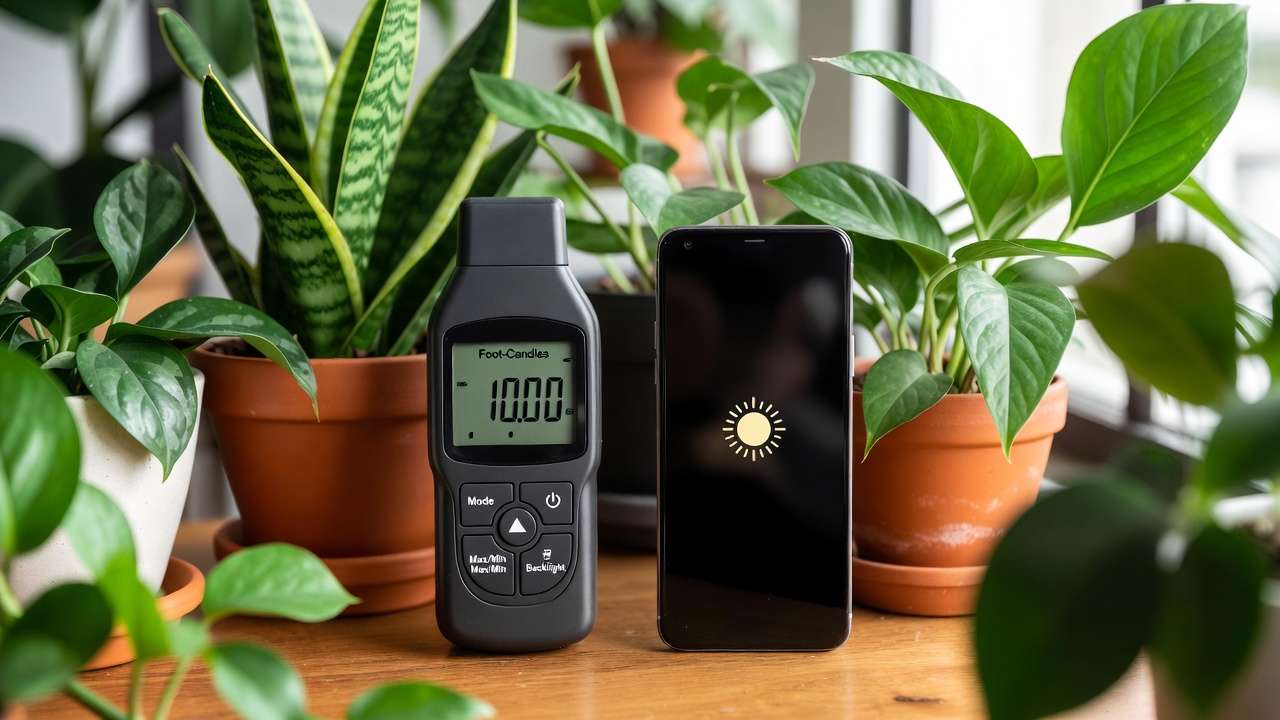
| Tool Type | Pros | Cons | Best For |
|---|---|---|---|
| Budget Digital Meter | Accurate ±5–10%, reliable | Costs $20+ | Serious plant parents |
| Photone App | PAR + ftc, calibrated, plant library | Paid upgrades for full features | Grow lights + natural |
| Basic Lux/FC App | Free, quick | Less accurate (±20–30%) | Beginners testing spots |
Step-by-Step Guide: Using a Dedicated Light Meter
- Choose midday (10 AM–2 PM) for peak natural light readings.
- Hold sensor at plant canopy level (top leaves), facing the light source.
- Take 3–5 readings across the day/week—average them.
- Measure multiple spots: near window vs. deeper in room.
- Clean sensor—dust skews results!
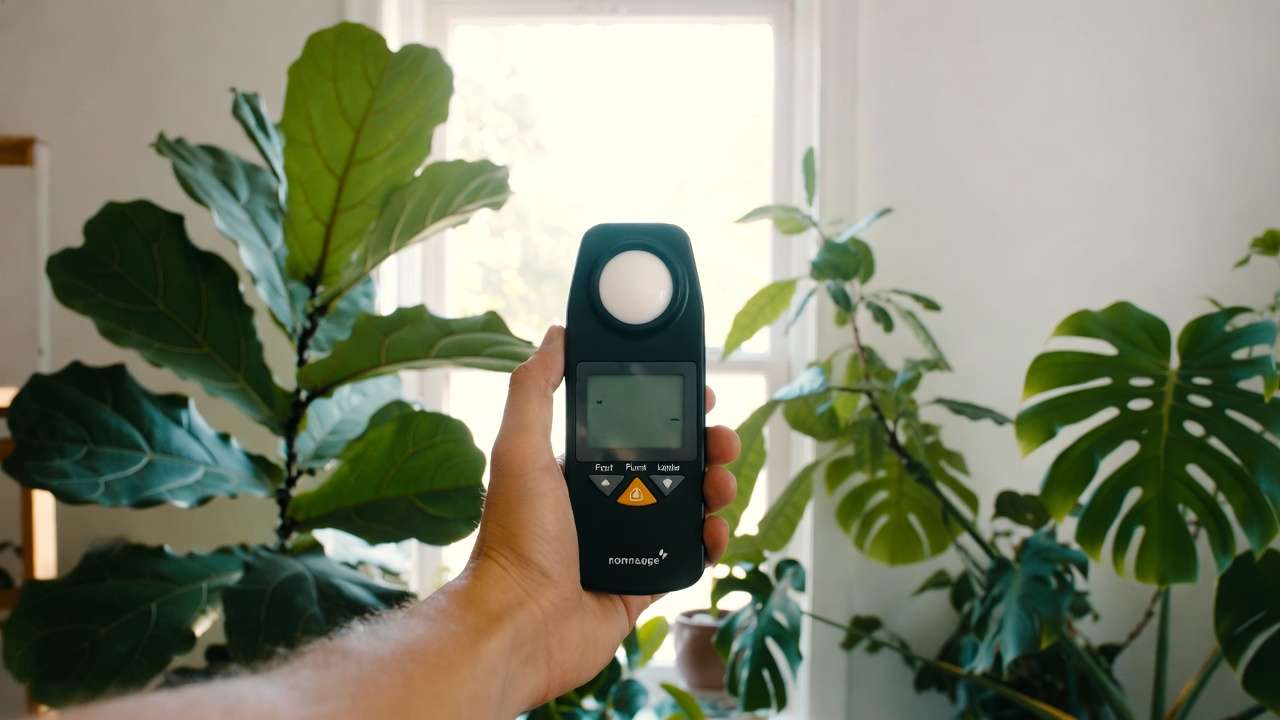
Free & Easy Smartphone Method (Photographic Light Meter Apps) 📸
Many use the “Light Meter — lux & foot-candle tool” or Photone:
- Set to foot-candles (FC) and OUTDOOR mode.
- Point camera at plant level (not directly at window/sun).
- Tap to lock reading—avoid shadows/reflections.
- For better accuracy: Use diffuser (white paper over lens) or calibrate against known source.
Limitations: Phone sensors vary; not as precise as dedicated meters under grow lights. Still, great for comparing spots!
Common Mistakes to Avoid When Measuring 😅
- Measuring at floor level instead of canopy.
- Taking single reading at one time (light changes hourly/seasonally).
- Ignoring reflections/curtains.
- Using indoor mode for natural light (over-reads).
Interpreting Your Foot-Candle Readings: What the Numbers Really Mean 🔍
General indoor categories (from extension services like UF/IFAS, UMD Extension):
- Low (25–100 ftc): Survival only—north window far back, artificial light only. Plants stretch, slow growth.
- Medium (100–500 ftc): Most forgiving houseplants thrive. East/west windows or shaded south.
- High (500–1,000 ftc): Variegated, flowering plants love it. Close to unshaded south/west windows.
- Very high (1,000+ ftc): Rare indoors without grow lights or direct sun.
Seasonal & Room Variations – Why Readings Change
Winter drops 30–50% due to shorter days/lower sun angle. South windows peak higher than north. Curtains/sheers cut 20–70%. Always measure at plant height—light falls off quickly with distance.
Foot-Candle Light Level Guide for Popular Houseplants (Ultimate Cheat Sheet) 🌱📊
Here’s a comprehensive chart based on university extensions (Illinois, Florida, Maryland) and horticultural sources—survival vs. thriving ranges:
| Plant Name | Minimum Survival (ftc) | Thriving Range (ftc) | Best Placement Example | Signs of Too Little / Too Much |
|---|---|---|---|---|
| Snake Plant (Dracaena trifasciata) | 50 | 100–500+ | North/East: 8–2 ft away | Leggy / Scorched tips |
| Pothos (Epipremnum aureum) | 50 | 100–600 | Any window: 6–2 ft | Slow growth / Faded variegation |
| ZZ Plant | 50 | 100–400 | Low-light corner | Yellow leaves / Burn |
| Monstera deliciosa | 100–200 | 300–800 | East/South: 4–6 ft | Small leaves / Leaf burn |
| Fiddle Leaf Fig (Ficus lyrata) | 200–300 | 400–1,000 | South/West: 3–6 ft | Dropping leaves / Crispy edges |
| African Violet (Saintpaulia) | 150 | 200–500 | East/West: close | No blooms / Scorched |
| Peace Lily | 100 | 200–500 | North/East | Brown tips / Wilting |
| Succulents (e.g., Echeveria) | 200 | 500–2,000+ | South: direct or grow light | Stretched / Burn |
| Philodendron (Heartleaf) | 75 | 150–600 | Medium indirect | Leggy / Yellow |
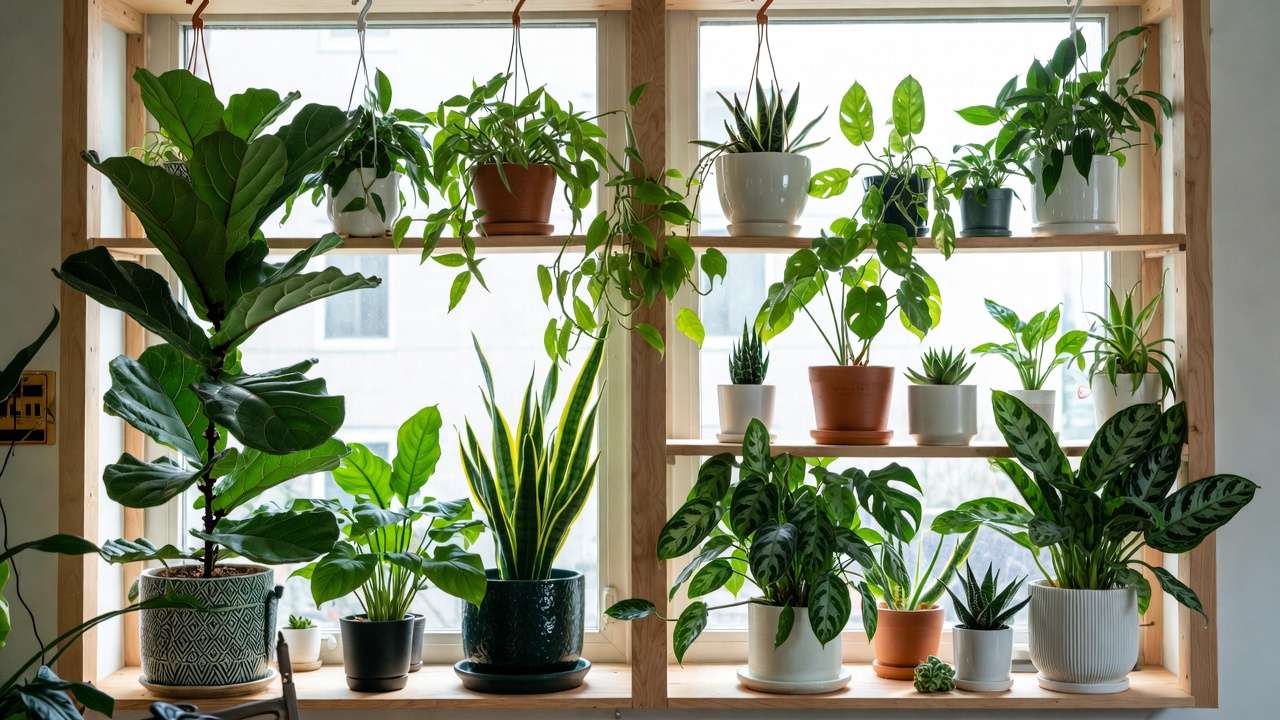
Low-Light Champions (50–250 ftc thriving): Snake Plant, ZZ, Cast Iron, Pothos. Medium-Light Sweet Spots (200–600 ftc): Monstera, Prayer Plant, Chinese Evergreen. High-Light Divas (500+ ftc): Fiddle Leaf Fig, Jade, Hibiscus, most succulents.
Optimizing Light for Better Plant Growth – Actionable Tips 🌟
Now that you can measure foot-candles accurately and know what your favorite plants actually need, let’s turn those numbers into real results. Here are proven, practical strategies to give your indoor plants the perfect light environment without major renovations or expensive setups.
How to Boost Light Levels Without Moving Everything
- Strategic Placement Tweaks Move plants closer to the brightest window (but not so close they burn). A south-facing window in the Northern Hemisphere can deliver 800–2,000 ftc right at the glass, dropping to 300–600 ftc just 3–5 feet away. Rotate pots every 1–2 weeks for even growth.
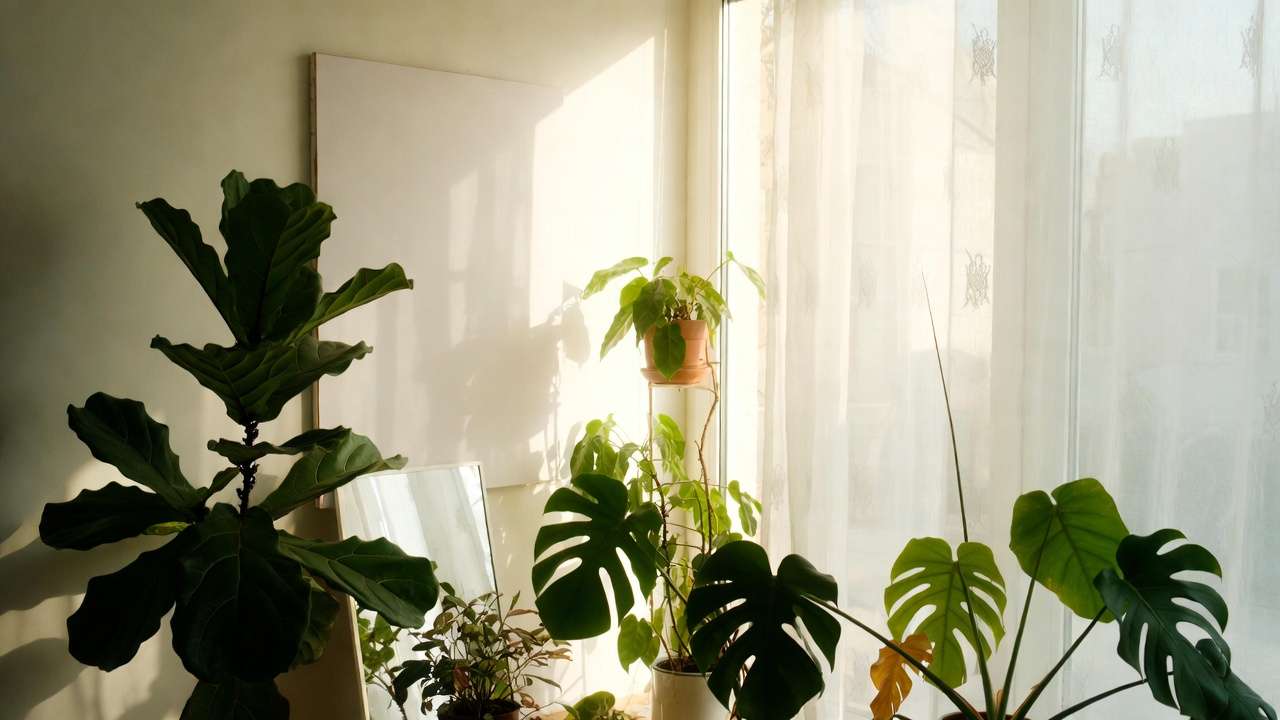
- Use Reflective Surfaces Place white poster board, mirrors, or light-colored walls behind plants to bounce extra light. Studies from horticultural research show this can increase effective foot-candles by 20–50% in dim corners.
- Sheer Curtains & Blinds Management Keep sheer curtains open during the day; they diffuse harsh direct sun while still allowing 60–80% of light through. Heavy drapes? Open them midday for peak intensity.
- Clean Windows Regularly Dust and grime on glass can cut light transmission by 10–30%. A quick monthly wipe makes a noticeable difference.
- Group Plants by Light Needs Create “light zones” in your home: high-light shelf near south window for fiddle leaf figs and succulents, medium-light corner for monsteras and pothos, low-light nook for snake plants and ZZ plants.
When & How to Use Grow Lights Effectively
When natural light consistently falls below a plant’s thriving range (especially in winter or north-facing rooms), supplemental grow lights become game-changers.
- Choosing the Right Grow Light Full-spectrum LEDs (4000–6500K color temperature) mimic daylight best. Look for ones rated in PAR or PPFD, but use this rough guide:
- 200–400 ftc equivalent → small clip-on or desk lamp (10–20W)
- 500–1,000 ftc equivalent → larger panel or bar light (30–100W)
- Distance & Duration Hang or place lights 12–24 inches above canopy (closer for low-wattage, farther for high-output to avoid burn). Run 12–16 hours per day for most houseplants. Use a simple timer for consistency.
- Foot-Candle Conversion Tip Many grow light manufacturers list “foot-candle equivalent” at certain distances. Measure with your meter after setup to confirm you’re hitting the target range.
- Signs Your Grow Light Setup Is Working New leaf growth, richer color, compact form, and (for flowering plants) buds appearing.
Troubleshooting Common Light-Related Problems
| Symptom | Likely Cause (Low Light) | Likely Cause (Too Much Light) | Quick Fix |
|---|---|---|---|
| Leggy, stretched stems | Not enough ftc | — | Move closer to window or add grow light |
| Small, pale, or yellow leaves | Insufficient light | Nutrient lockout from burn | Increase to thriving range |
| Leaf drop (especially lower) | Chronic low light | Sudden intense exposure | Gradual acclimation + correct ftc |
| Brown, crispy leaf edges/tips | — | Direct harsh sun or too-close grow light | Diffuse light, raise fixture |
| No new growth for months | Barely surviving ftc | Stress from light mismatch | Measure & adjust to optimal range |
| Faded variegation | Too little light | Excessive light bleaching | Medium-high indirect (400–700 ftc) |
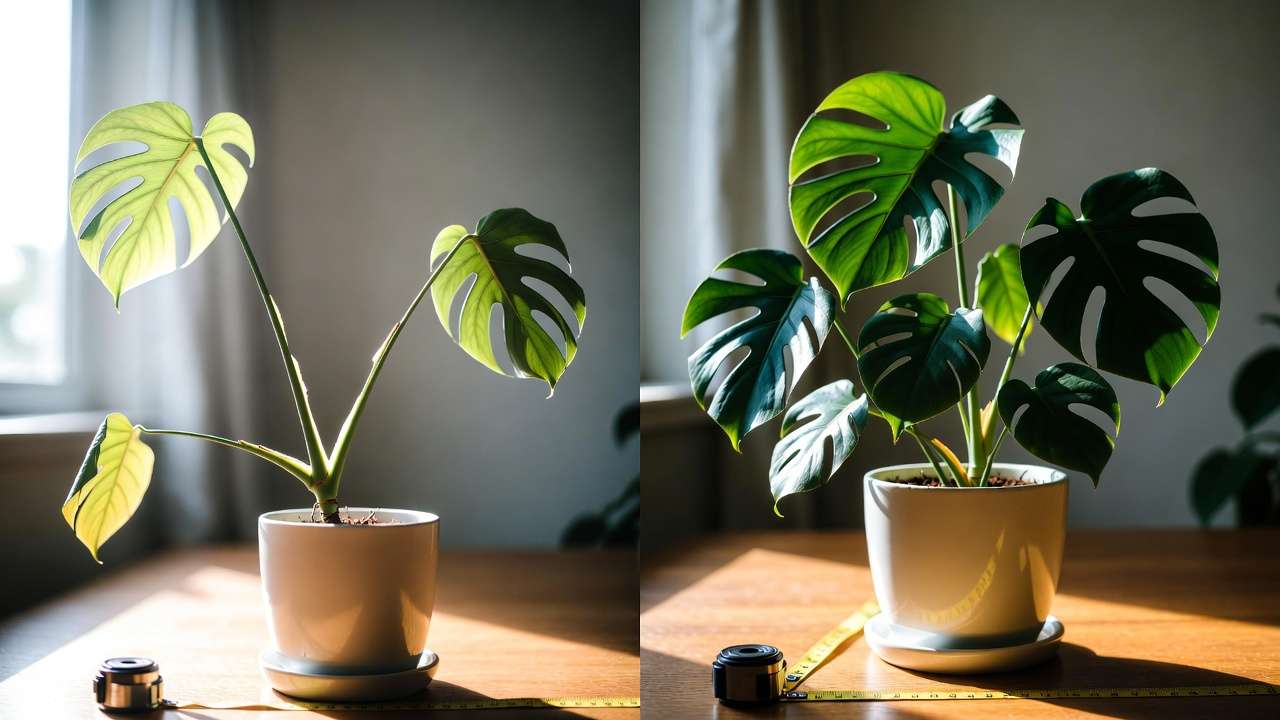
Pro tip: Always acclimate plants gradually when moving them to brighter spots—sudden jumps of 300+ ftc can shock them.
Advanced Insights: Taking It to the Next Level 🧑🔬
Expert Tips from Horticulturists & Long-Time Growers
- Seasonal Adjustments — In winter (especially in northern latitudes or places like Khulna during shorter daylight periods), aim to supplement with grow lights from November–February to maintain summer-level foot-candles.
- Measuring Under Grow Lights — Use the same meter technique, but switch the app/meter to “indoor” or “LED” mode if available for better accuracy.
- Layering Light Sources — Combine natural window light + grow light for 10–14 hour “photoperiods” to mimic tropical conditions many houseplants love.
Why Some Plants Tolerate Low Light (Quick Science Bit)
Low-light tolerant species (snake plant, ZZ, pothos) have evolved larger chloroplasts, higher chlorophyll density, and slower growth rates to capture sparse photons efficiently. High-light lovers (fiddle leaf fig, most succulents) prioritize rapid photosynthesis and have thinner leaves that need intense energy to avoid starvation. Understanding this helps you forgive a pothos for surviving in a dim hallway while still pushing it toward its thriving range for faster, fuller growth.
Frequently Asked Questions (FAQs) ❓
Can I use my phone to measure foot-candles accurately? Yes—for comparing spots and general guidance, apps like Photone or basic light meter apps are surprisingly useful (±15–25% accuracy). For precise grow-light setups, invest in a dedicated meter.
What foot-candles do succulents need? Most thrive at 500–2,000+ ftc. Indoors, place them in the brightest south-facing window or under strong grow lights 12–18 inches away.
Is 200 ftc enough for most houseplants? It’s enough for survival in many low-to-medium light species (pothos, peace lily, Chinese evergreen), but thriving usually requires 300–600+ ftc for lush growth and new leaves.
How often should I measure foot-candles? At least once per season, and whenever you move a plant or notice changes in growth/appearance. Light varies dramatically with weather, time of year, and even new curtains!
Do curtains reduce foot-candles a lot? Yes—sheer white curtains cut ~20–40%, medium drapes 50–70%, blackout curtains 90%+. Always measure after changing window treatments.
Can too much artificial light burn plants? Absolutely. Grow lights closer than recommended or too intense (especially blue-heavy LEDs) cause bleaching and crispy edges. Measure and adjust distance.
What’s the easiest way for beginners to start measuring? Download Photone (free tier), set to foot-candles + outdoor mode, and test 3–4 spots around your home at midday. Compare to the cheat sheet above.
Conclusion: Take Control of Your Plants’ Light Today! 💪🌿
Mastering measuring foot-candles for plant growth removes the biggest barrier between you and a thriving indoor jungle. No more guessing, no more mystery leaf drop—just data-driven decisions that lead to bigger leaves, faster growth, and happier plants.
Grab your phone or a simple light meter, take readings at plant level this weekend, compare them to the ranges in our cheat sheet, and make one small adjustment. You’ll likely see results within 2–4 weeks.
Your plants are counting on you—give them the light they deserve and watch your home transform into a lush, green oasis. 🌴🏡
Have you measured your space yet? Drop your favorite plant’s current foot-candle reading in the comments—I’d love to help you optimize it!











