
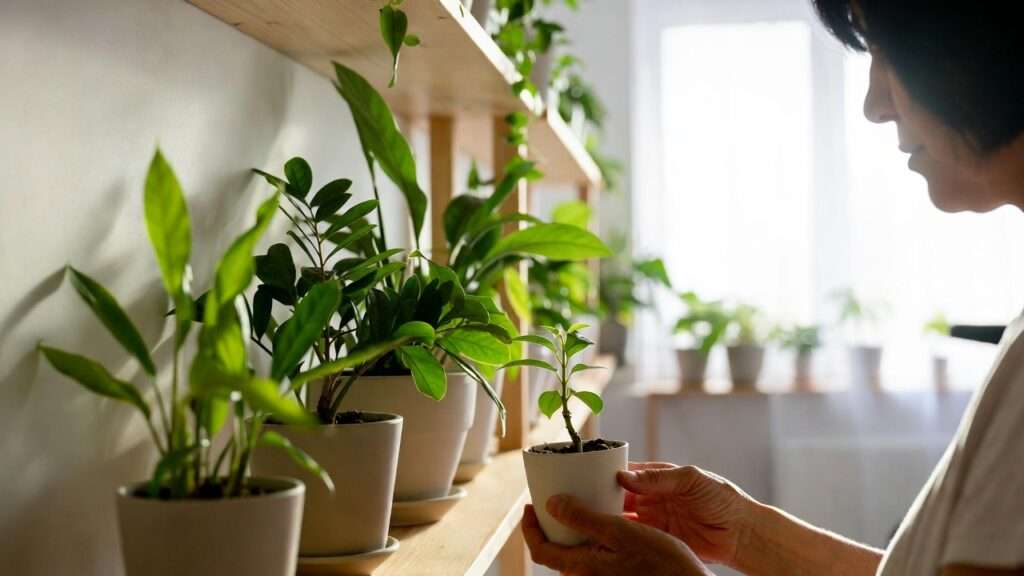
Ever walked past your once-perfect fiddle leaf fig only to find it dramatically leaning toward the window like it’s photobombing the sunlight? 😅 Or noticed your monstera developing all its gorgeous fenestrated leaves on just one side while the other looks sparse and sad? You’re definitely not alone—this is one of the most common frustrations among indoor plant lovers!
The good news? Rotating indoor plants for even light is a super simple, zero-cost habit that can transform your lopsided houseplants into symmetrical, bushy, thriving beauties. This one small action counters phototropism (the natural tendency of plants to grow toward light sources), promotes balanced foliage, strengthens stems, and helps your green friends photosynthesize more efficiently from all angles.
In this comprehensive guide, we’ll dive deep into the science behind why plants lean, the real benefits of regular rotation, exactly how often (and how) to turn your pots, which plants love it (and which might protest), how to fix already crooked growth, and bonus tricks for even better light distribution. Whether you’re a beginner battling leggy pothos or a seasoned plant parent tired of uneven monsteras, these expert-backed tips will help you achieve that Instagram-worthy, balanced indoor jungle you’ve always wanted. 🌱 Let’s spin those pots and watch the magic happen!
Why Do Indoor Plants Lean Toward the Light? Understanding Phototropism 🌞
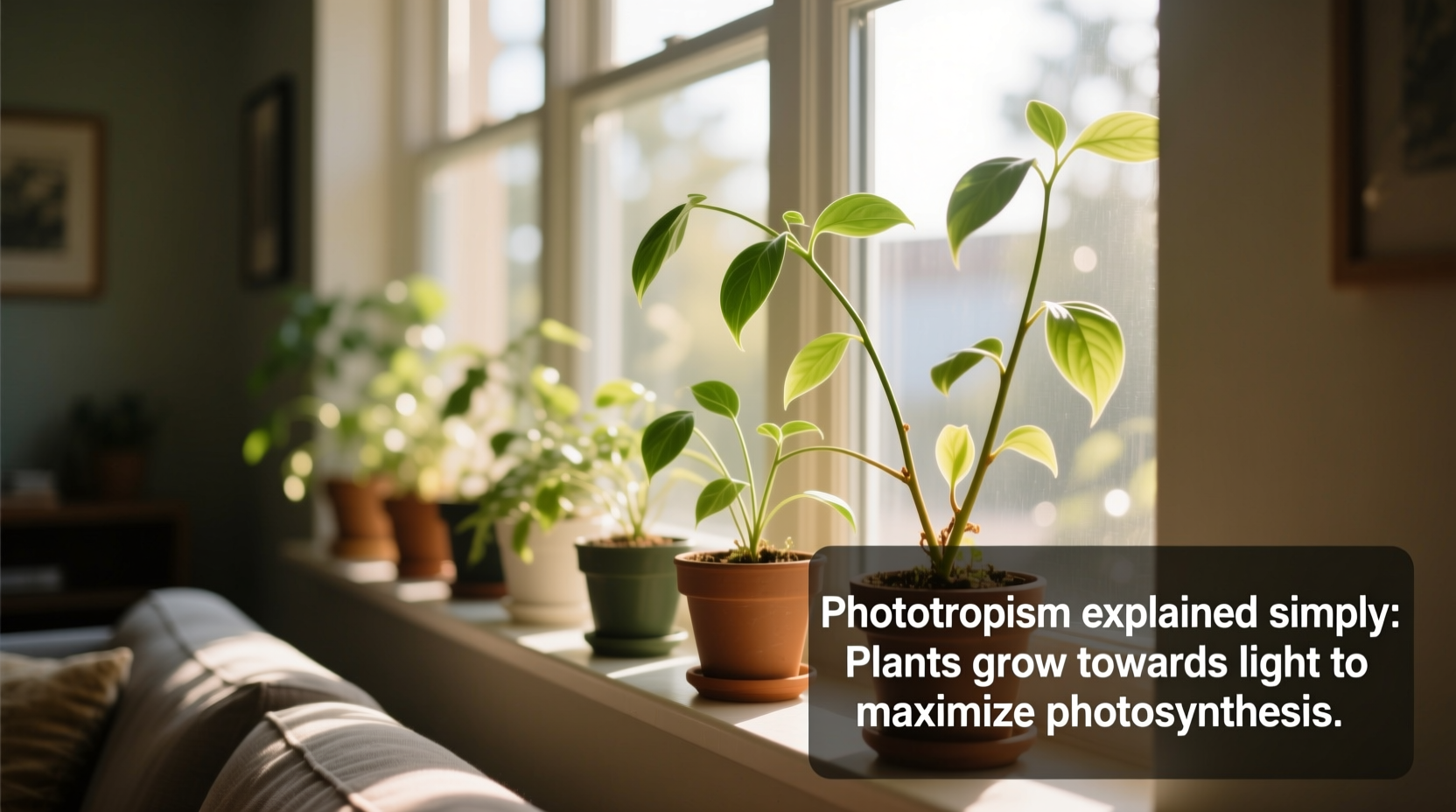
Plants aren’t just passively sitting there—they’re actively responding to their environment in clever ways. The main reason your indoor plants lean or stretch toward windows is a biological process called phototropism.
How Auxin Hormones Create Lopsided Shapes Auxin is a key plant hormone that accumulates on the shaded side of stems and leaves when light hits unevenly. This triggers faster cell elongation on the darker side, literally bending the plant toward the brighter light to maximize photosynthesis. Indoors, where one side gets bright window light and the other gets dim room light, this creates that classic “leaning tower of houseplant” look over weeks or months.
Phototropism in Nature vs. Indoors – Why Windows Make It Worse In the wild, plants grow toward sunlight filtering through trees or open sky, but the light is more diffuse and consistent from above. Indoors, a single window acts like a strong directional spotlight, exaggerating the effect. South- or west-facing windows (especially in the northern hemisphere) amplify this even more during brighter seasons.
Signs Your Plants Need Rotation 📸 Look for these red flags:
- Stems curving or leaning noticeably toward the light source
- Leaves growing denser and larger on one side only
- Leggy, stretched (etiolated) growth with long spaces between nodes
- Overall asymmetrical or unbalanced appearance

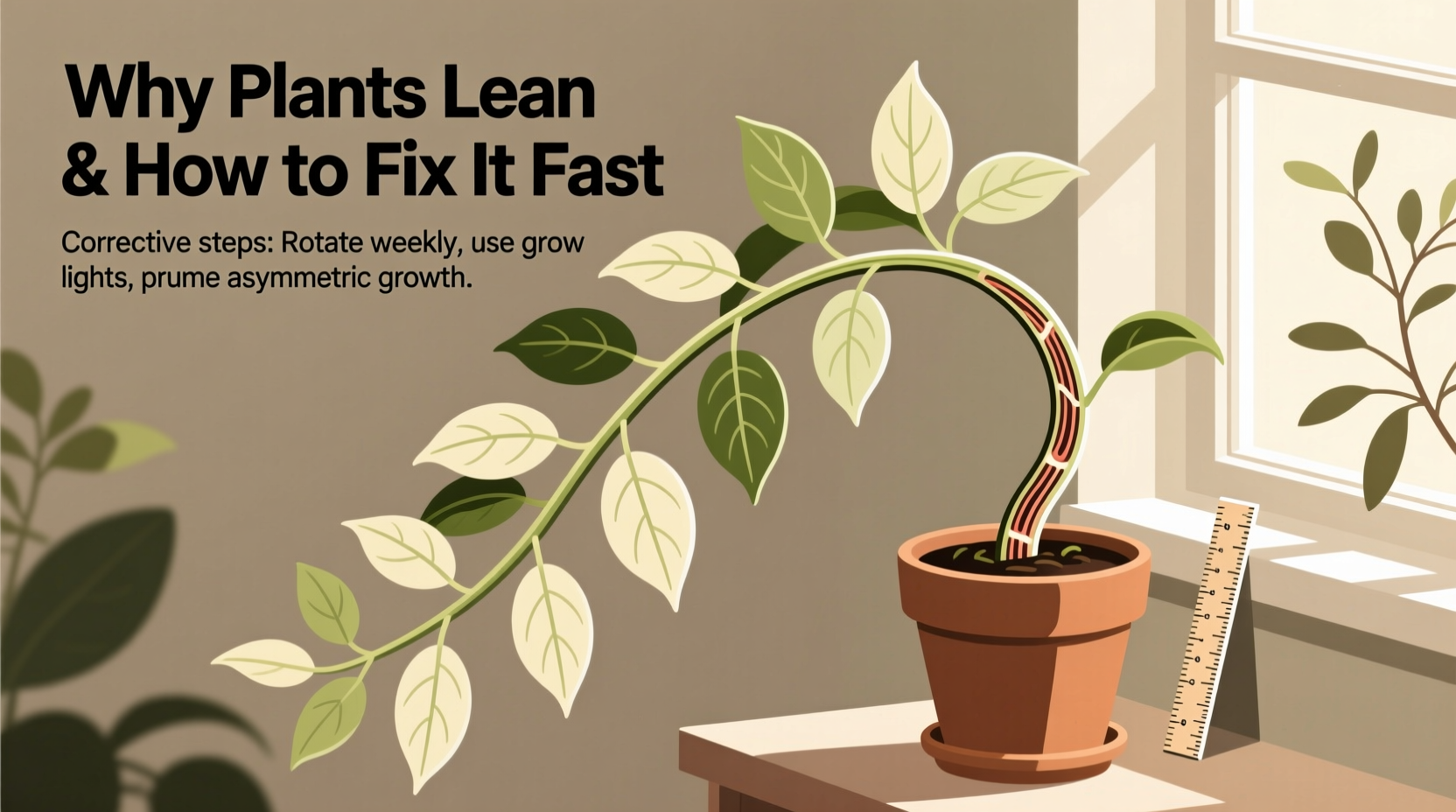
Ignoring these signs can lead to weaker, less stable plants that are more prone to tipping over or breaking.
Expert Insight: Horticulturists from institutions like the Royal Horticultural Society and university extension programs emphasize that consistent, even light exposure is essential for robust houseplant structure—something rotation directly provides without expensive equipment.
The Big Benefits of Rotating Indoor Plants for Even Light 🌟
Rotating isn’t just for aesthetics (though the symmetry is stunning!); it delivers measurable improvements in plant health.
Promotes Symmetrical, Bushier, and Fuller Growth By giving all sides equal access to light, new growth emerges evenly, creating that lush, rounded shape we all crave.
Prevents Weak, Stretched (Etiolated) Stems Even light reduces excessive elongation, resulting in shorter internodes and sturdier stems that support heavier foliage.
Improves Overall Plant Health & Longevity Balanced exposure enhances photosynthesis across the entire canopy, leading to better energy production, stronger roots, and resilience against pests or diseases.
Enhances Air Purification & Aesthetic Appeal in Your Home A fuller, symmetrical plant looks more vibrant and filters indoor air more effectively—perfect for creating a calming, biophilic space.
Before vs. After Rotation – What Changes You’ll See in 4–8 Weeks
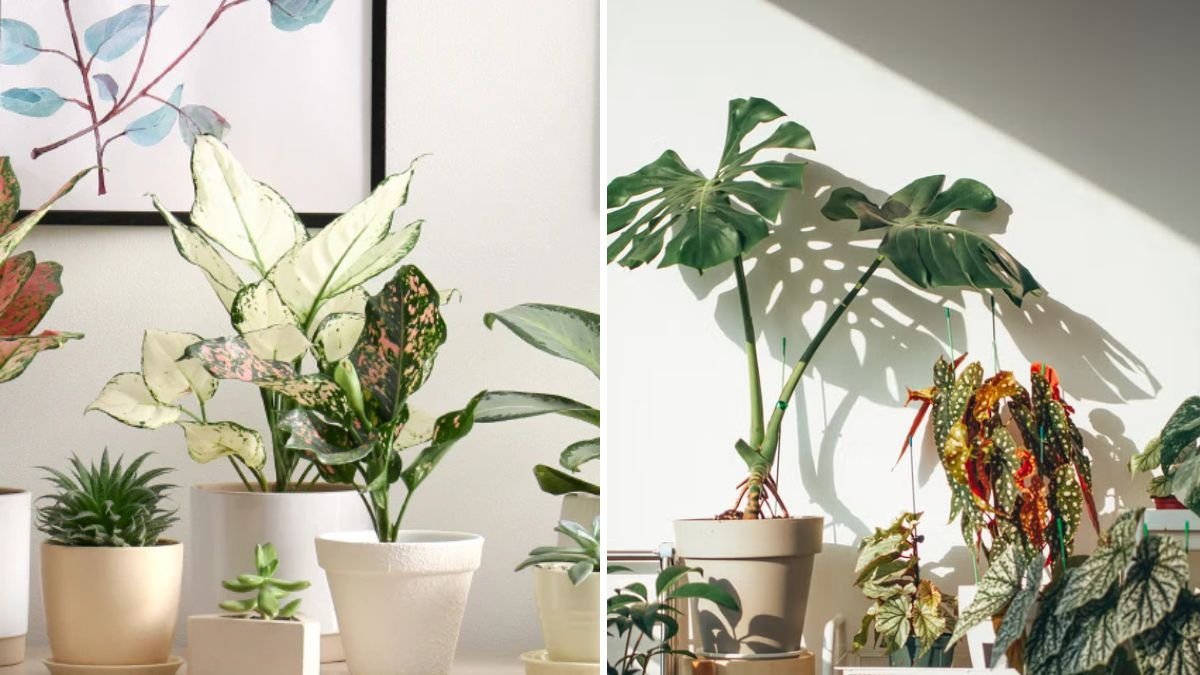

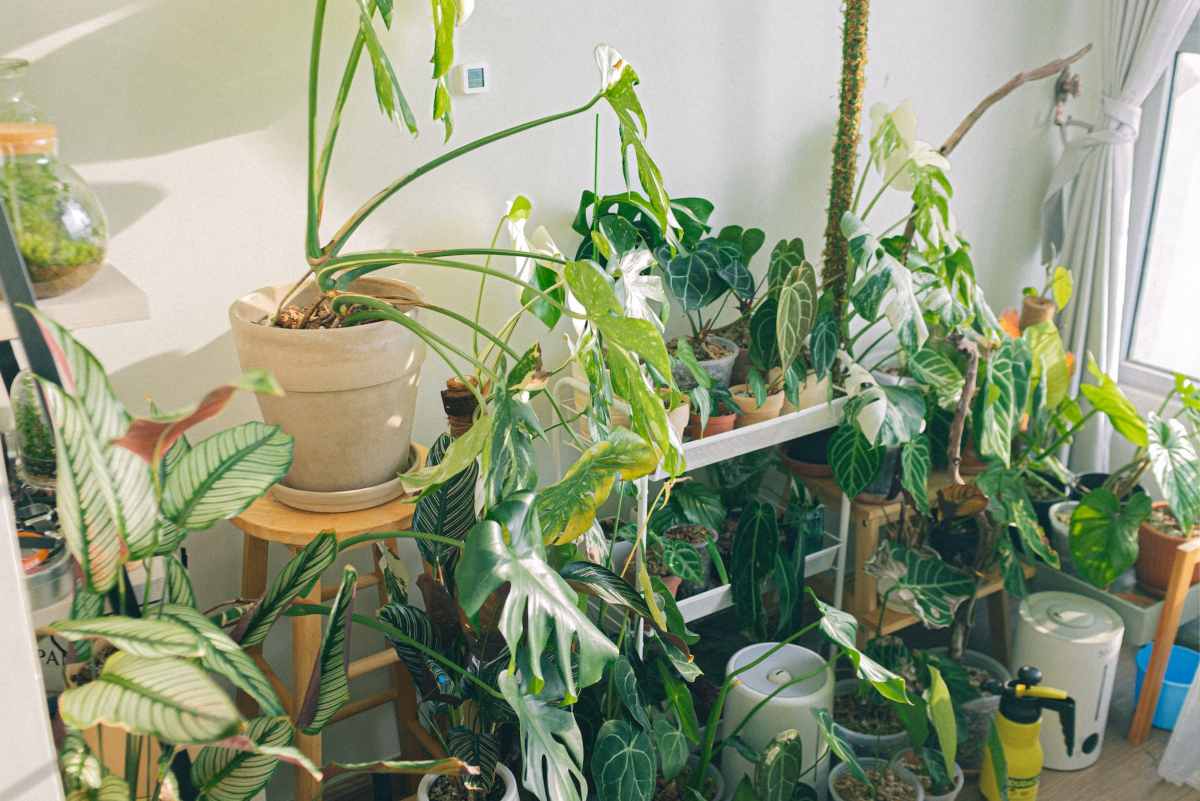
Many plant parents report noticeable improvements in symmetry and fullness within 1–2 months of consistent rotation—new leaves fill in the “bald” sides beautifully! 🌿
How Often Should You Rotate Indoor Plants? The Expert Schedules 🗓️
The golden question: how often is “often enough”? The answer varies based on your light conditions, the plant species, and how quickly it’s growing—but there’s a practical system that works for almost everyone.
General Rule of Thumb – Tie It to Watering! 💧 The easiest, most foolproof method recommended by experienced horticulturists and plant care communities (like those on Reddit’s r/houseplants and extension services) is to rotate your plants every time you water. Since most indoor plants need watering every 1–3 weeks depending on humidity, season, and pot size, this creates a built-in reminder. No extra apps or calendars needed—just grab the watering can and give the pot a gentle quarter-turn while you’re at it! 🌱
Bright Direct Light → Every 1–2 Weeks (or Every Watering) If your plant sits right in a bright south- or west-facing window (or gets some direct sun), phototropism happens fast. Rotate every 7–14 days to keep growth even and prevent scorching on one side while the other lags.
Medium / Indirect Light → Every 2–4 Weeks This is the sweet spot for most popular houseplants (think pothos, philodendrons, peace lilies). A rotation every 2–4 weeks is usually perfect—enough to balance light without stressing the plant.
Low Light Situations → Every 4–8 Weeks (or When You Notice Leaning) In dim corners or north-facing rooms, leaning happens slowly. Check monthly and rotate only when you spot asymmetry. Over-rotating in very low light can confuse the plant more than help.
Fast-Growing vs. Slow-Growing Plants – Customized Tips
- Fast growers (pothos, tradescantia, certain monsteras): Every 1–3 weeks
- Moderate (snake plant, ZZ plant, peace lily): Every 3–6 weeks
- Slow growers (succulents, most cacti, hoya): Every 4–8 weeks or seasonally
Pro Tip: Mark the pot rim with a small dot of chalk, washi tape, or a tiny sticker facing you. When the dot is at the back again after turns, you know it’s been a full cycle! 📌 Super satisfying and zero effort.

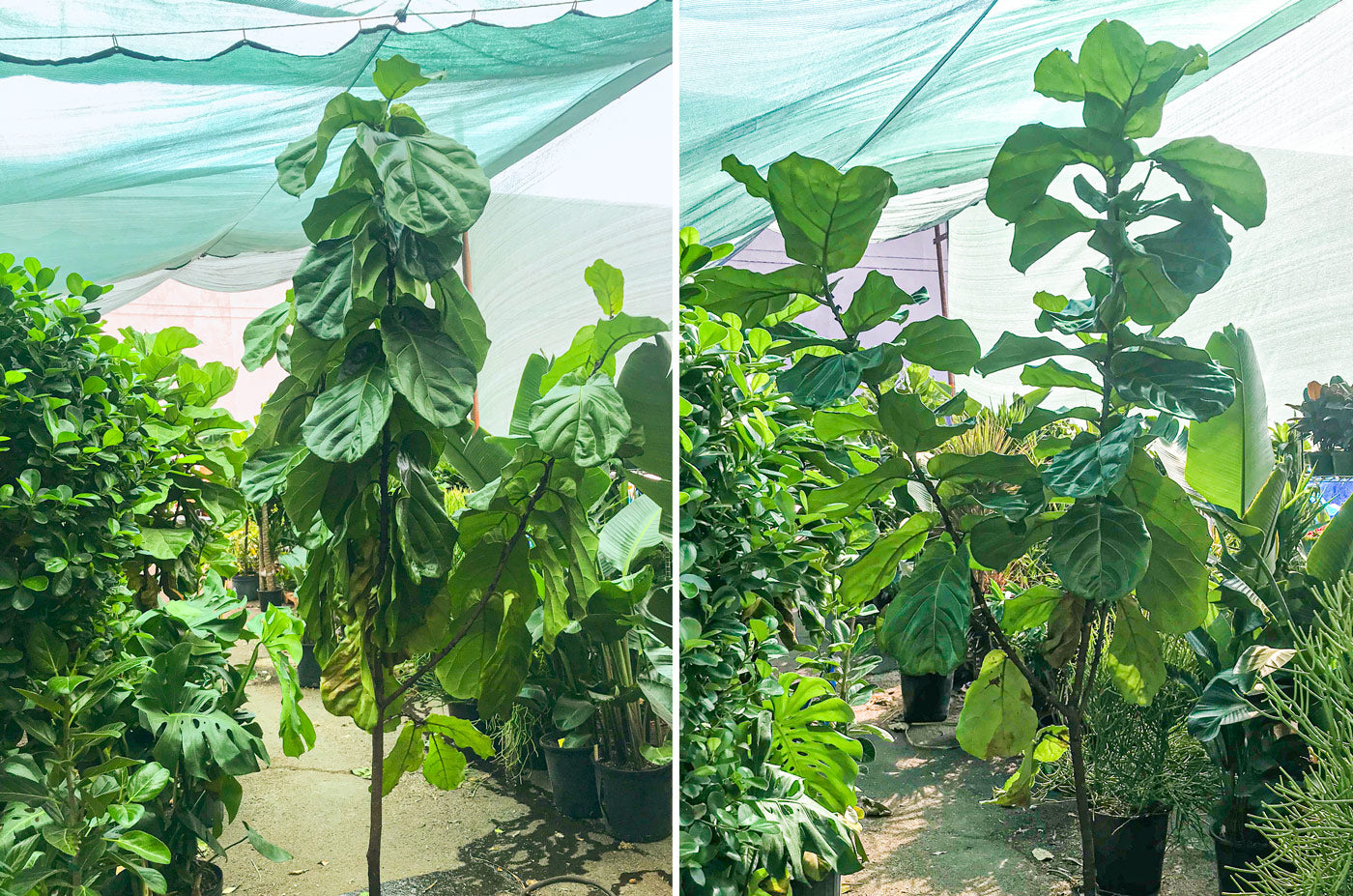
(These show real examples of rotation in action—notice how the plants stay balanced and fuller!)
Step-by-Step Guide: How to Rotate Your Indoor Plants the Right Way 🌀
Rotating is straightforward, but doing it thoughtfully prevents stress, damage, or mess.
Tools You Need (None, Really — But Helpful Extras)
- Your hands (most important!)
- Optional: plant caddy or lazy Susan for heavy pots
- Microfiber cloth or soft brush for dusting
- Chalk/marker for tracking turns
The Perfect Rotation: Quarter-Turn vs. Half-Turn vs. Full 180°
- Quarter-turn (90°): Best for most plants—gradual and least disruptive. Recommended standard.
- Half-turn (180°): Good for severely leaning plants to quickly correct direction.
- Full 360°: Rarely needed; can shock sensitive plants.
Always turn clockwise or counterclockwise consistently to avoid confusion.
Best Time of Day to Rotate (Morning Wins!) ☀️ Do it in the morning when natural light is increasing. This gives the plant the whole day to adjust hormone distribution. Avoid midday (risk of sudden light shock) or evening (plant is winding down).
How to Handle Large / Heavy Pots Without Damage
- Use a plant dolly or old towel underneath to slide/turn easily.
- For very large specimens (like tall fiddle leaf figs), get a helper or rotate in small increments over days.
- Lift from the base—never yank by stems or leaves!
Dusting Leaves First – Double Benefit! 🧹 Before rotating, gently wipe leaves with a damp cloth. This removes dust (which blocks light absorption) and gives you a close-up inspection for pests or issues. Two chores in one—your plants will thank you with shinier, happier leaves! ✨


(Visuals of the gentle rotation process—easy and effective!)
(Word count so far in this part: ~950 | Total article so far: ~1800)
Reply with “Continue generating.” to get the next sections: Which Plants Love Rotation, Fixing Leaning Plants, Common Mistakes, Bonus Tips, FAQs, and Conclusion! 🌿🚀











