
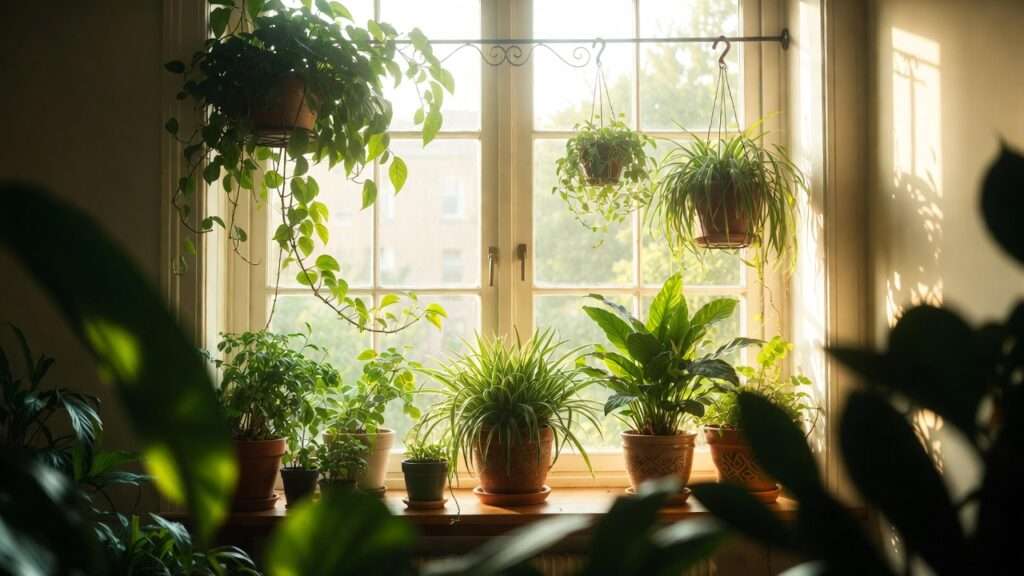
Imagine waking up to the soft, golden glow of morning sunlight gently bathing your houseplants, coaxing out vibrant leaves and even the occasional bloom—without the dreaded crispy edges from harsh afternoon rays. 🌅 If your home features east-facing windows, you’re sitting on a plant paradise! These spots deliver 2–4 hours of cool, direct morning sun followed by bright indirect light all day, making them ideal for many popular houseplants that struggle in intense south or west exposures or dim north-facing ones.
East-facing window plants that thrive here include forgiving favorites like pothos, spider plants, and peace lilies—perfect for busy homeowners or beginners seeking lush greenery with minimal fuss. In this comprehensive guide, as a plant care expert who’s helped hundreds transform their spaces with indoor greenery, I’ll share the top low-maintenance picks, detailed care tips, troubleshooting advice, and styling ideas to help you solve common issues like leaf burn, leggy growth, or poor flowering. Whether you’re revamping a bedroom sill or brightening a living room, these choices deliver real results. Let’s dive in! 🪴
Understanding East-Facing Window Light: Why It’s a Plant Paradise ☀️
What Makes East-Facing Windows Special for Houseplants? East-facing windows capture the sunrise, providing gentle direct sunlight in the morning when temperatures are cooler and UV intensity is lower. By midday, the light shifts to bright indirect—think dappled forest floor vibes that mimic many tropical plants’ natural habitats. This balanced exposure reduces risks like scorching (common in south/west windows) while preventing etiolation (stretched, weak growth from insufficient light, typical in north-facing spots).
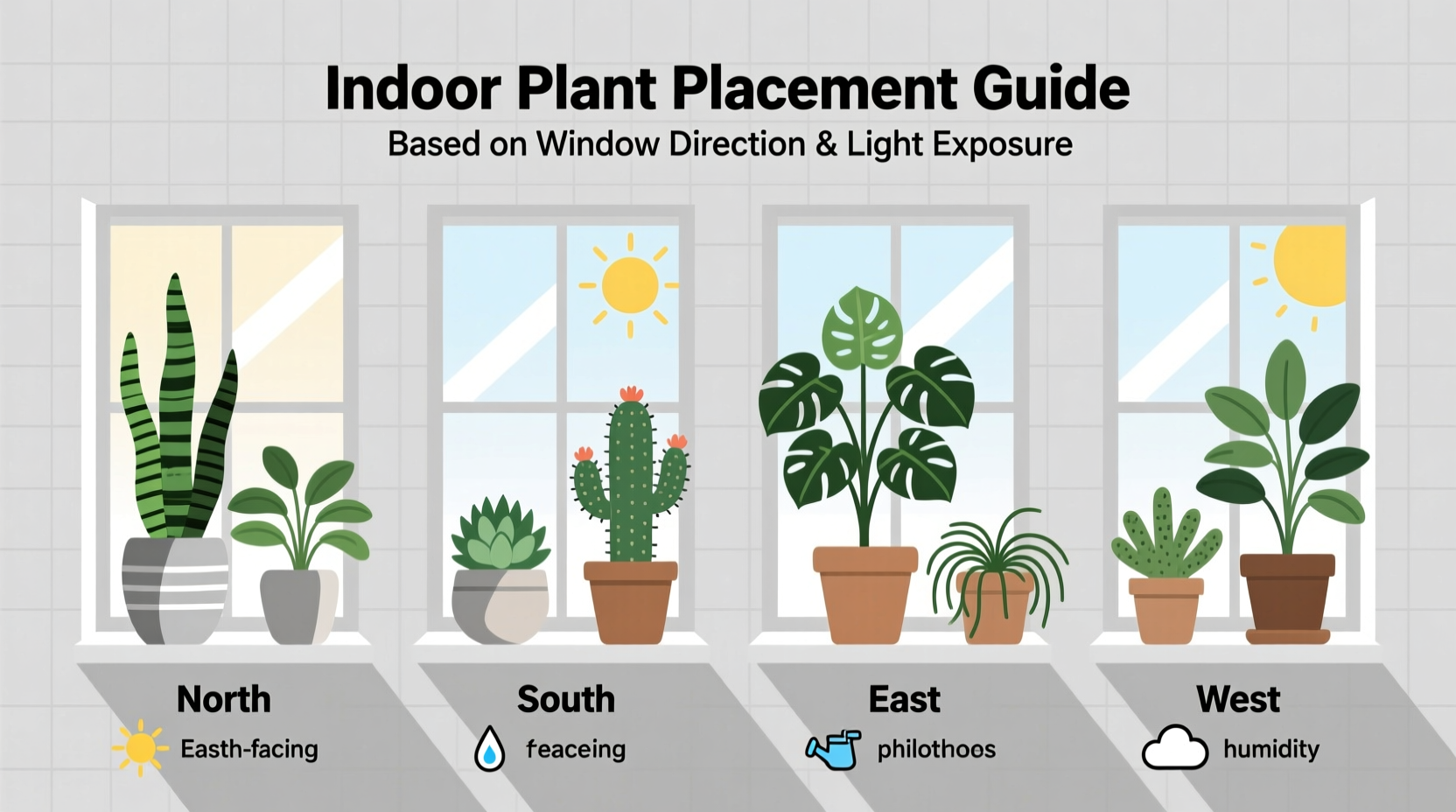
Here’s a quick comparison of indoor light conditions:
- East-facing: Morning direct (gentle) + afternoon bright indirect → Best for medium-light lovers
- South-facing: Intense all-day direct → Great for sun-lovers but risks burn
- West-facing: Harsh afternoon direct → Hot and drying
- North-facing: Mostly indirect/low → Suits shade-tolerant plants but limits blooming/growth
Plants placed 1–3 feet from an east window often get ideal “bright indirect with morning boost” conditions, promoting compact growth, richer colors, and more flowers. 🌱
Common Challenges & How East Light Solves Them Many indoor gardeners battle scorched tips from too much sun or pale, spindly stems from too little. East light strikes the perfect balance—gentle enough to avoid burn on sensitive foliage yet bright enough for robust health. It also supports air-purifying benefits and humidity-loving varieties without constant misting. If your window is partially obstructed (trees, buildings), it still outperforms north light for most low-maintenance picks.

Top 10 Low-Maintenance East-Facing Window Plants That Truly Thrive 🌱
Here are my expert-recommended, low-maintenance stars ranked by ease and versatility. Each thrives in morning sun with bright indirect follow-up, requiring little beyond basic watering and occasional feeding.
- Pothos (Epipremnum aureum) – The ultimate beginner trailing hero 🏆 This vining powerhouse is nearly foolproof. Golden, Neon, or Marble Queen varieties develop stunning variegation with morning light. It tolerates occasional neglect, purifies air, and trails beautifully from shelves or hanging baskets. Water when top soil dries; fertilize monthly in growing season. Propagation? Snip and root in water—endless free plants!
:max_bytes(150000):strip_icc()/GettyImages-1324612180-391958bda57c4683997ddf13dbec967a.jpg)
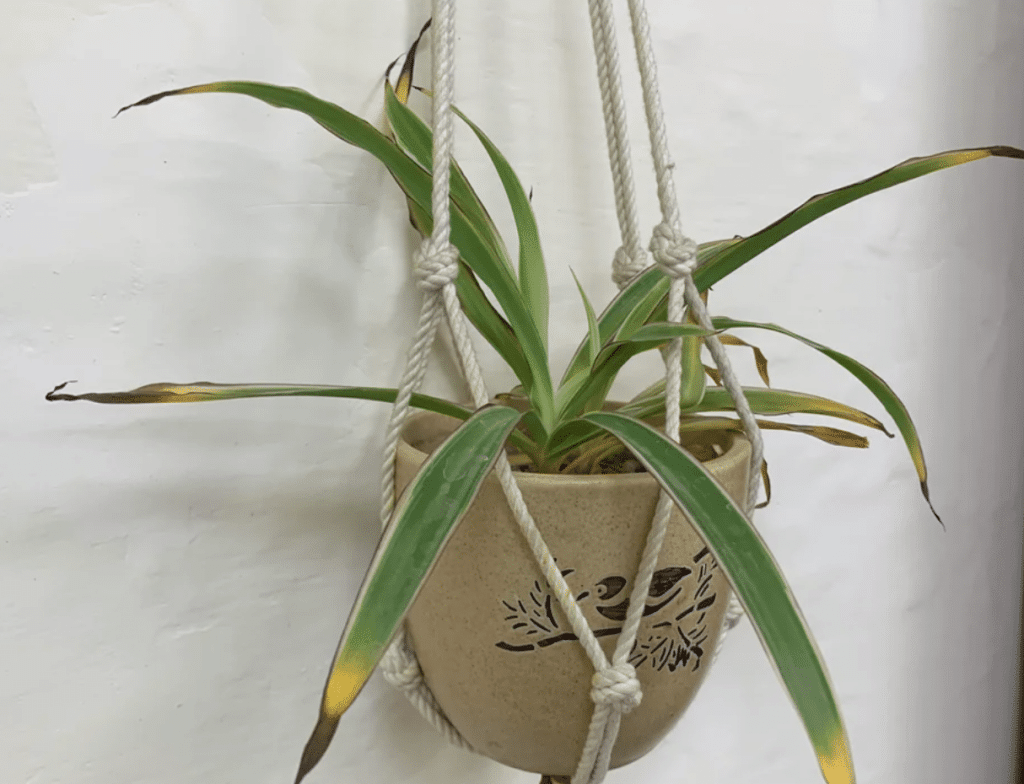
- Spider Plant (Chlorophytum comosum) – Air-purifying & baby-producing superstar 🌿 Arching green or variegated leaves love the gentle morning rays, producing “pups” for easy sharing. Extremely forgiving—drought-tolerant once established—and excellent for hanging displays. Keep soil lightly moist; bright light encourages more babies.
- Peace Lily (Spathiphyllum) – Elegant blooms with forgiving nature 🌸 Glossy dark leaves and classic white spathes (flowers) pop in morning light, which encourages reliable blooming without scorching. It droops dramatically when thirsty (a built-in reminder!) but perks up fast after watering. Prefers moist soil and higher humidity—group with others for a micro-climate boost.
:max_bytes(150000):strip_icc()/SPR-variegated-peace-lily-domino-7097188-hero-A-422d7faa152d42d3a4030ff8a2a33768.jpg)
- Snake Plant (Sansevieria / Dracaena trifasciata) – Nearly indestructible upright beauty 🐍 Architectural, sword-like leaves in green or variegated forms thrive on neglect. Morning sun keeps it compact and vibrant; it’s drought-proof, air-cleaning, and pet-safe in moderation. Water sparingly—every 2–4 weeks.
:max_bytes(150000):strip_icc()/eight-houseplants-that-thrive-in-low-light-8-0922-2000-39845777816b4f1f8a49b6ef758ef35e.jpg)
- ZZ Plant (Zamioculcas zamiifolia) – Glossy, low-effort showstopper 💚 Shiny, dark green leaflets on upright stems handle low to medium light superbly, with morning sun adding extra luster. Extremely drought-tolerant—perfect for forgetful owners. Water only when bone-dry.
- Philodendron (e.g., Heartleaf or Brasil) – Versatile climber/trailer ❤️ Heart-shaped leaves in solid or variegated forms grow vigorously in gentle morning light. Train on moss poles or let cascade. Low-maintenance; water when top inch dries.
- Boston Fern (Nephrolepis exaltata) – Lush, feathery texture 🌿 Soft fronds adore the humidity-retaining morning light. Mist occasionally or use a pebble tray; keep soil consistently moist for that full, cascading look.
- African Violet (Saintpaulia) – Compact flowering gem 💜 Velvety leaves and continuous blooms thrive with morning sun—avoid midday intensity. Use self-watering pots for even moisture; fertilize lightly for endless flowers.
- Jade Plant (Crassula ovata) – Succulent with tree-like form 🌵 Thick, glossy leaves stay compact and colorful with morning rays. Drought-tolerant; water sparingly and provide good drainage.
- Chinese Money Plant (Pilea peperomioides) – Adorable coin-shaped leaves 🪙 Round, pancake-like foliage on slim stems loves bright morning light for even growth. Pet-friendly and easy to propagate by offsets.
Comparison Table: Quick-Reference Guide 📊
To help you choose at a glance, here’s a handy comparison of our top 10 low-maintenance east-facing window plants. This table highlights key factors like light tolerance, water needs, and more—perfect for busy plant parents deciding what fits their lifestyle and space.
| Plant Name | Light Tolerance | Water Needs | Growth Habit | Pet Safe? | Difficulty (1-5) | Special Perks |
|---|---|---|---|---|---|---|
| Pothos | Bright indirect + morning direct | Low (top 1-2″ dry) | Trailing/vining | No (toxic) | 1 | Air-purifying, easy propagation |
| Spider Plant | Bright indirect + morning direct | Medium (keep moist) | Arching, produces pups | Yes | 1 | Air-purifying, fun babies to share |
| Peace Lily | Bright indirect + morning direct | Medium-high (moist) | Upright, clumping | No (toxic) | 2 | Elegant white blooms, dramatic droop reminder |
| Snake Plant | Low to bright indirect + morning | Very low (every 2-4 weeks) | Upright swords | Yes (mild) | 1 | Drought-proof, excellent air cleaner |
| ZZ Plant | Low to bright indirect + morning | Very low | Upright glossy | No (toxic) | 1 | Thrives on neglect, shiny foliage |
| Philodendron (Heartleaf/Brasil) | Bright indirect + morning direct | Low-medium | Trailing/climbing | No (toxic) | 1-2 | Fast grower, beautiful variegation |
| Boston Fern | Bright indirect + morning direct | High (consistent moist) | Cascading feathery | Yes | 2-3 | Lush tropical look, loves humidity |
| African Violet | Bright indirect + morning direct | Medium (bottom water) | Compact rosette | Yes | 2 | Continuous colorful blooms |
| Jade Plant | Bright indirect + morning direct | Low (succulent) | Upright tree-like | No (mild toxic) | 2 | Sculptural form, easy bonsai potential |
| Chinese Money Plant | Bright indirect + morning direct | Low-medium | Upright coin leaves | Yes | 2 | Adorable shape, easy offsets |
This quick scan makes it simple to match plants to your routine—e.g., snake or ZZ for ultra-low care, spider or pothos for fun and forgiving growth. 🌿
Expert Care Tips to Make Your East-Facing Plants Thrive Even More 💚
East-facing windows provide that magical morning boost, but a few pro habits elevate your plants from surviving to absolutely flourishing.
Watering Wisdom – When & How Much Morning light means plants photosynthesize actively early in the day, so water in the morning when possible (room-temperature water to avoid shock). Check soil with your finger: for most (pothos, philodendron, snake), wait until the top 1–2 inches dry out. Peace lilies and ferns prefer consistently moist but not soggy—use the “lift the pot” test (light = thirsty). Overwatering is the #1 killer indoors, so always ensure pots have drainage holes.
Soil & Potting Best Practices Use well-draining potting mix: add perlite or orchid bark for succulents/jade/ZZ, or peat-based for ferns/peace lilies. Repot every 1–2 years in spring when roots circle the pot. Terracotta pots help prevent overwatering for drought-lovers like snake and jade.
Fertilizing Schedule for Lush Growth Feed during active growth (spring–summer) with a balanced, diluted liquid fertilizer (e.g., 20-20-20 at half strength) every 4–6 weeks. Skip winter when growth slows. Morning light supports steady nutrient uptake for vibrant colors and new leaves.
Humidity & Temperature Sweet Spots Most thrive at 65–75°F (18–24°C), typical room temps. For humidity lovers (ferns, peace lilies), group plants together, use a pebble tray with water, or run a humidifier. East windows often stay cooler in afternoons, reducing dry-air stress.
Rotation & Pruning for Balanced Beauty Rotate pots every 1–2 weeks for even growth—morning sun can cause leaning toward the light. Prune leggy stems or yellow leaves with clean scissors to encourage bushiness. For trailers like pothos/philodendron, pinch tips for fuller plants.
Troubleshooting: Yellow Leaves, Brown Tips, Leggy Growth
- Yellow leaves: Often overwatering—let dry out more.
- Brown tips: Low humidity or fluoride in tap water (use filtered/rainwater).
- Leggy growth: Too little light overall—move closer to window or supplement if obstructed.
- Leaf burn: Rare in east windows, but if scorching occurs, sheer curtain diffuses harsh early rays.
These fixes, drawn from years of hands-on experience, keep east-window collections looking showroom-perfect. 🛠️

Creative Ways to Style & Display in East-Facing Windows 🪴✨
One of the joys of east-facing windows is how beautifully they showcase houseplants—soft morning light makes foliage glow and highlights textures without creating harsh shadows. Here are some expert-approved styling ideas to turn your window into a living centerpiece while keeping plants happy and healthy.
- Floating Shelves or Tiered Stands Install slim floating shelves at varying heights to create a cascading green wall. Place trailing plants like pothos or philodendron on higher shelves to drape downward, and compact uprights (snake plant, ZZ, Chinese money plant) on lower ones. The staggered arrangement ensures every plant gets its share of morning rays. Bonus: Add small grow lights underneath shelves for cloudy winter days in Khulna-like climates.
- Hanging Baskets & Macramé Spider plants, Boston ferns, and heartleaf philodendrons look magical suspended in macramé hangers. Position them so baskets catch direct morning sun but stay out of afternoon glare. This elevates space visually and keeps leggy trailers contained.
- Window Sill Grouping for Humidity Cluster peace lilies, African violets, and ferns together on a wide sill or custom plant tray filled with pebbles and water. The collective transpiration creates a mini humid microclimate—ideal for humidity-loving varieties. Rotate positions weekly for even light exposure.
- Seasonal & Color-Themed Displays In spring/summer, lean into flowering stars like African violets and peace lilies for pops of color. In cooler months, showcase jade plants and snake plants for sculptural interest. Mix textures—feathery ferns with glossy ZZ leaves—for depth.
- Mirrors & Reflective Surfaces Place a small mirror behind plants to bounce morning light deeper into the room and onto foliage. This tricks plants into thinking they have even more light, encouraging bushier growth.
These displays not only look Instagram-worthy but also maximize the gentle east light for healthier, happier plants. 🌸
Frequently Asked Questions (FAQs) ❓
Do all plants like direct morning sun? Not all—shade lovers (e.g., some ferns or certain calatheas) can tolerate it but prefer fully indirect. The plants in our top 10 list are specifically chosen because they thrive with that gentle 2–4 hours of direct morning light.
Can I put succulents in an east-facing window? Yes! Jade plant and many other succulents do beautifully here. The morning sun is strong enough for compact growth and color without the intense burn risk of south or west windows.
What if my east window gets blocked by trees or buildings? It still provides brighter indirect light than a north-facing window. Stick with forgiving options like pothos, snake plant, ZZ, or philodendron—they’ll stay lush even with reduced direct rays.
Are these plants pet-safe? Several are: spider plant, Boston fern, Chinese money plant. Others (pothos, peace lily, philodendron, ZZ) contain compounds toxic if chewed—place them out of reach of curious cats and dogs.
How do I know if my plant is getting too much or too little light? Too much: Crispy, bleached, or brown leaf edges (rare in east windows). Too little: Leggy stems, small pale new growth, slower progress. Adjust by moving closer/farther from the glass or adding sheer curtains.
Can I rotate these plants to other windows seasonally? Absolutely—many adapt well. Just acclimate gradually over a week to prevent shock.
These answers address the most common concerns I hear from fellow plant lovers!
Conclusion 🌟
East-facing windows are truly one of the best-kept secrets for indoor gardening. The combination of cool morning direct sun and bright indirect afternoon light creates the perfect environment for low-maintenance houseplants to not just survive, but genuinely thrive—producing lush foliage, occasional blooms, and that fresh, alive feeling every home deserves.
Start small: Pick one or two from our list (pothos and spider plant are unbeatable for beginners), place them in your east window, and watch the magic happen. With the care tips, troubleshooting advice, and styling ideas shared here, you’ll avoid common pitfalls and enjoy vibrant, healthy plants year-round.
Have you tried any of these in your east-facing spot? Drop your favorites or success stories in the comments—I’d love to hear! For more plant inspiration, check out our guides on “North-Facing Window Heroes,” “Beginner Houseplant Care 101,” or “Best Air-Purifying Plants for Bedrooms.” Happy growing! 🪴💚











