
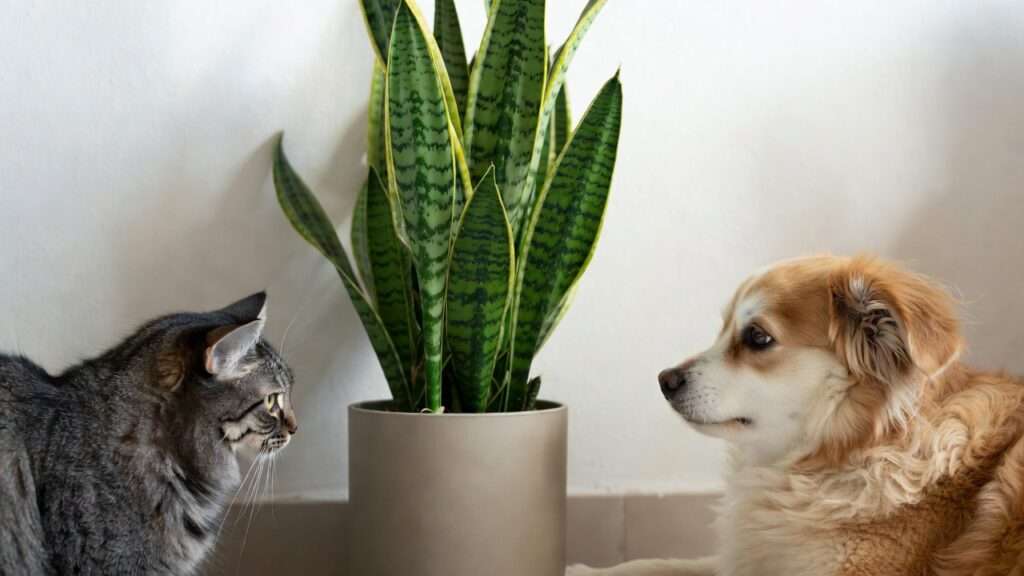
Imagine this: You’re relaxing on the couch after a long day, your snake plant standing tall and proud in the corner like a silent guardian of your home’s air quality. Its striking, sword-like leaves add that perfect touch of modern greenery. Then, your curious cat leaps onto the shelf for a closer inspection—or worse, your playful puppy decides it’s snack time. 😿🐕 Suddenly, that peaceful scene turns into worry: Are snake plants safe for pets?
If you’re a plant lover who also shares your home with furry family members, this question likely keeps you up at night. Snake plants (Sansevieria trifasciata, also known as Mother-in-Law’s Tongue or Good Luck Plant) are incredibly popular houseplants—low-maintenance, drought-tolerant, and excellent at purifying indoor air. But pet safety is non-negotiable. The short answer? No, snake plants are not safe for pets. According to the ASPCA and Pet Poison Helpline, they are mildly toxic to both cats and dogs due to saponins, natural compounds that can cause gastrointestinal upset.
In this comprehensive guide, we’ll dive deep into the facts, symptoms to watch for, real risks, practical ways to keep your snake plants if you must, and the best pet-safe alternatives. Whether you’re double-checking before bringing one home or troubleshooting a nibble incident, we’ve got you covered with expert-backed advice to help you create a lush, pet-friendly indoor jungle. Let’s keep your home green and your pets happy! 🌱❤️
:max_bytes(150000):strip_icc()/snake-plant-care-overview-1902772-01-11ddab561e604bd086b4fd6bfa6305f3.jpg)
What Exactly Is a Snake Plant? (Quick Overview for Context)
Snake plants belong to the Dracaena family (formerly classified as Sansevieria trifasciata). These hardy perennials feature upright, stiff, variegated leaves in shades of green with yellow edges—perfect for adding architectural interest to any room.
Scientific Name and Common Names
- Botanical name: Dracaena trifasciata (updated from Sansevieria trifasciata in 2017)
- Popular nicknames: Snake plant 🐍, Mother-in-Law’s Tongue, Good Luck Plant, Golden Bird’s Nest
Why Snake Plants Are So Popular Among Plant Lovers
These plants thrive in low to bright indirect light, need watering only every 2–6 weeks, and are nearly indestructible—ideal for beginners and busy households. They’re also renowned for air-purifying qualities, removing toxins like formaldehyde and benzene from indoor spaces. No wonder they’re a staple in modern homes!
Quick Care Recap
- Light: Low to bright indirect (tolerates neglect!)
- Water: Allow soil to dry completely between waterings
- Soil: Well-draining cactus mix
- Temperature: 60–85°F (15–29°C) Pro tip: Overwatering is the #1 killer—err on the dry side! 🌵
Are Snake Plants Toxic to Pets? The Official Verdict
ASPCA Classification – Straight from the Experts
The American Society for the Prevention of Cruelty to Animals (ASPCA) clearly lists snake plants as toxic to dogs and cats. The toxic principle? Saponins, soap-like compounds that act as a natural defense against pests. When ingested, they irritate the digestive tract.
The Pet Poison Helpline echoes this: Ingestion typically causes gastrointestinal signs like drooling, vomiting, and diarrhea.
Toxicity Level: Mild to Moderate – Not Usually Deadly
Good news: Snake plant toxicity is rarely life-threatening. Most cases result in temporary discomfort rather than severe organ damage (unlike highly toxic plants like lilies for cats or sago palms for dogs). However, severity depends on the amount ingested, pet size, age, and health.
What Makes Snake Plants Toxic? (Saponins Explained)
Saponins create a foaming action in the stomach and intestines, leading to irritation, inflammation, and upset. In rare cases with large amounts, they can cause more systemic effects like ruptured red blood cells (hemolysis) in dogs.
Symptoms of Snake Plant Toxicity in Cats and Dogs
Watch closely if your pet chews on a snake plant—symptoms usually appear within a few hours.
Common Signs in Cats 😿
- Excessive drooling or foaming at the mouth
- Vomiting
- Diarrhea
- Loss of appetite
- Lethargy or depression
- Dilated pupils (in some cases)
- Oral irritation or swelling
Common Signs in Dogs 🐶
- Hypersalivation/drooling
- Nausea and vomiting
- Diarrhea
- Lethargy
- Incoordination (rare)
- Dilated pupils
How Much Is Too Much? Factors That Influence Severity
- Small nibble: Often just mild GI upset
- Large ingestion: More intense symptoms
- Small pets (e.g., Chihuahuas or kittens): Higher risk due to body weight
- Pre-existing conditions: Sensitive stomachs worsen effects
When to Call the Vet or Poison Control Immediately 🚨
Contact your vet or one of these hotlines right away if symptoms appear:
- ASPCA Animal Poison Control: (888) 426-4435 (may have fee)
- Pet Poison Helpline: (855) 764-7661 Monitor for 24–48 hours; most resolve with supportive care like fluids or anti-nausea meds.
:max_bytes(150000):strip_icc()/cat-safe-indoor-plants-GettyImages-1459758772-24585da66ed24923b5889eb6eeae1038.jpg)
Real-Life Cases and What Pet Owners Experience
While snake plant toxicity is generally mild, real incidents happen more often than you might think—especially with curious cats who love batting at dangling leaves or exploratory puppies who chew everything in sight. 😿🐕
Veterinary reports and pet owner forums (backed by sources like the ASPCA and Pet Poison Helpline) show that most cases involve mild gastrointestinal upset that resolves within 12–48 hours with basic home care or a quick vet visit. For example:
- A common scenario: A young cat nibbles a lower leaf → excessive drooling and one or two episodes of vomiting → pet recovers fully after withholding food briefly and offering water.
- In dogs: Larger breeds might ingest more material, leading to diarrhea for a day or two, but rarely require hospitalization unless dehydration sets in.
Veterinarians emphasize that severe complications are uncommon. Unlike true emergencies (e.g., lily ingestion in cats causing acute kidney failure), snake plant cases are typically managed supportively—no specific antidote exists, but the body clears the saponins naturally.
Expert insight: Dr. Tina Wismer, a veterinary toxicologist with the ASPCA Animal Poison Control Center, notes in various resources that “most pets who ingest small amounts of snake plant recover without intervention beyond monitoring.” This consistency across 2024–2026 veterinary updates reinforces the mild classification.
Still, every pet is different—senior animals, those with sensitive stomachs, or small breeds warrant extra caution. If in doubt after an incident, err on the side of calling a professional. Peace of mind is priceless! ❤️
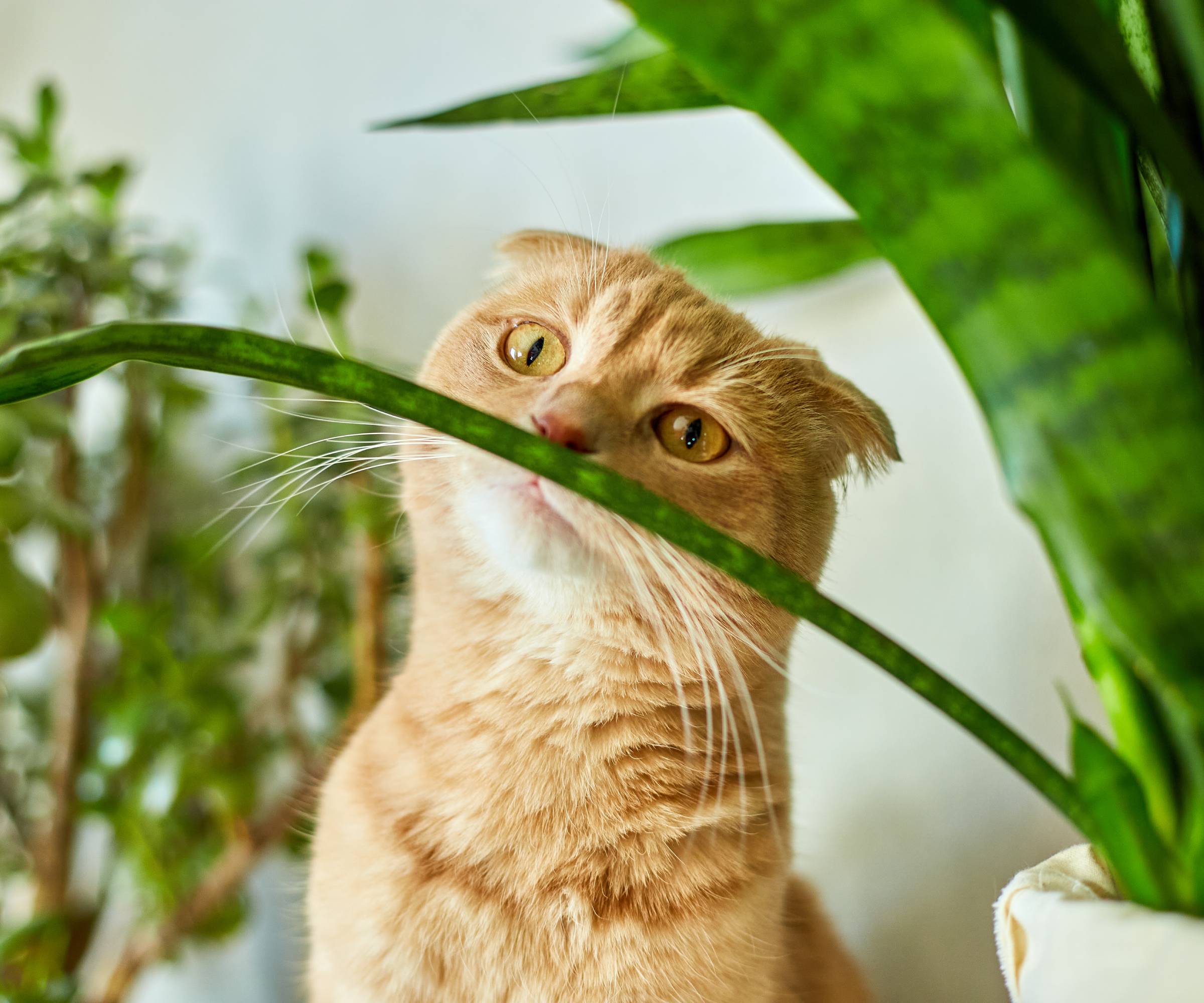
How to Keep Snake Plants If You Have Pets (Practical Safety Tips)
Love your snake plants too much to give them up? Many pet owners successfully coexist with them using smart strategies. Here’s how to minimize risk while keeping your green friends thriving. 🌱🛡️
Placement Ideas to Minimize Risk
- Elevate them high: Place on tall shelves, bookcases, or plant stands well out of jumping reach (cats can leap surprisingly far—aim for 5–6 feet or more!).
- Hang them up: Use macramé hangers or ceiling hooks for trailing varieties (though snake plants are upright, some cultivars have a slight arch).
- Dedicated plant zones: Create a pet-free room or sunroom with baby gates if possible.

Deterrent Methods That Actually Work
- Natural repellents: Spray leaves with diluted citrus essential oil (cats hate the smell) or commercial bitter apple spray.
- Physical barriers: Surround pots with aluminum foil, double-sided tape, or spiky plastic mats—pets dislike the texture under paws.
- Motion-activated deterrents: Small air puff devices or ultrasonic repellents can train curious pets to stay away.
Training and Distraction Techniques for Curious Pets
- Offer safe alternatives: Grow cat grass, wheatgrass, or pet-safe chew toys to redirect chewing instincts.
- Positive reinforcement: Reward ignoring the plant with treats and playtime.
- Supervise introductions: When adding new plants, watch interactions closely the first few weeks.
With consistency, many pets learn to leave them alone. It’s all about creating boundaries while keeping your home beautiful! ✨
The Best Pet-Safe Alternatives to Snake Plants
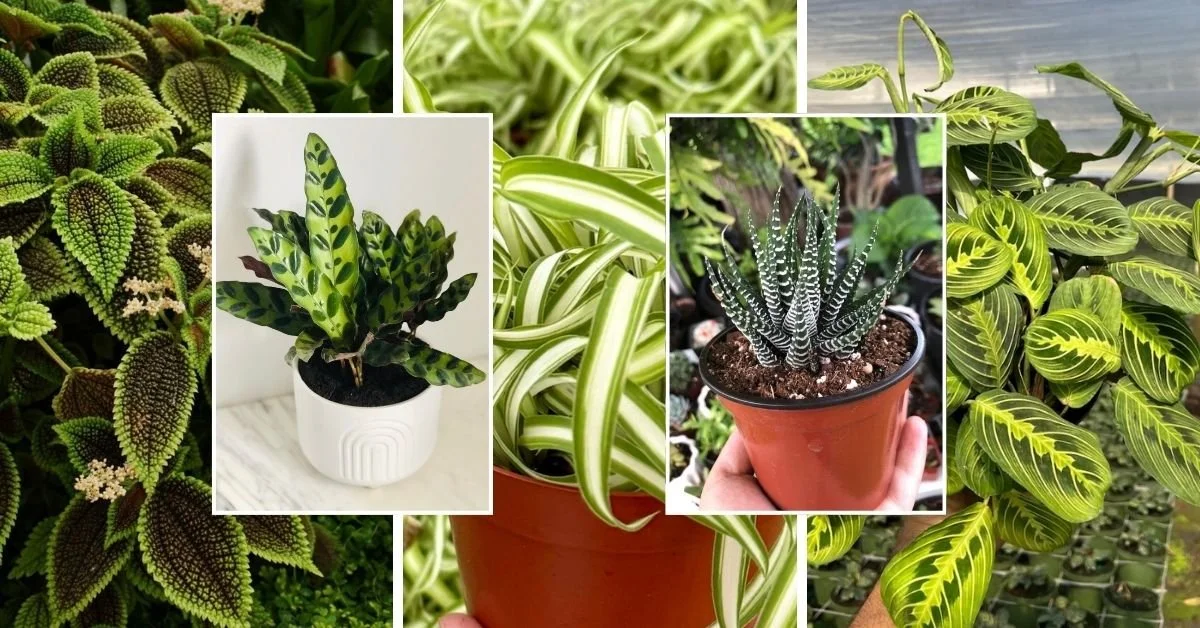
The easiest way to enjoy upright, architectural foliage without worry? Swap to these ASPCA-approved, pet-safe houseplants that mimic the snake plant’s vibe. Here are the top recommendations:
Top Low-Maintenance, Similar-Looking Options
- Cast Iron Plant (Aspidistra elatior) 💪: Tough as nails, dark green upright leaves, thrives in low light—perfect snake plant stand-in.
- Parlor Palm (Chamaedorea elegans) or Kentia Palm: Tall, feathery fronds for that vertical drama; very pet-friendly.
- Haworthia (various species): Small, rosette succulents with striped patterns—cute and compact.
Air-Purifying Pet-Friendly Favorites
- Spider Plant (Chlorophytum comosum): Long, arching leaves; cats often nibble harmlessly (it’s even mildly stimulating for them!).
- Boston Fern: Lush, cascading fronds; loves humidity.
- Chinese Money Plant (Pilea peperomioides): Round pancake leaves on slender stems—adorable and safe.
- Prayer Plant (Maranta leuconeura): Folding leaves that “pray” at night—fun and non-toxic.
Quick Comparison Table
| Plant | Look-Alike to Snake? | Light Needs | Pet Safety (ASPCA) | Care Level |
|---|---|---|---|---|
| Cast Iron Plant | Yes (upright leaves) | Low–medium | Safe | Very easy |
| Parlor Palm | Moderate (tall) | Low–bright indirect | Safe | Easy |
| Spider Plant | No (arching) | Medium–bright | Safe | Easy |
| Haworthia | Moderate (striped) | Bright indirect | Safe | Easy |
| Prayer Plant | No (colorful) | Medium–bright | Safe | Moderate |
These swaps let you maintain air quality and style without the toxicity worry. Many are even more forgiving in certain conditions!
Frequently Asked Questions (FAQ)
Are baby snake plants less toxic? No—all parts of the plant contain saponins, though smaller plants have less material overall.
Can snake plants hurt humans too? Rarely—mild mouth/throat irritation if chewed, but they’re generally safe around children and adults.
What if my pet only chewed but didn’t swallow? Still monitor for drooling or irritation; saponins can affect even small contact.
Are all varieties of Sansevieria toxic? Yes—most cultivars (e.g., ‘Moonshine’, ‘Black Gold’) share the same mild toxicity.
How do I propagate snake plants safely around pets? Do it in a pet-free area; keep cuttings elevated until rooted and potted securely.
Final Thoughts – Building a Pet-Friendly Plant Paradise
Snake plants are stunning and resilient, but they’re not the safest choice for homes with cats or dogs. The mild toxicity from saponins can cause uncomfortable (though usually short-lived) symptoms, so prevention or switching to pet-safe alternatives is often the wisest path.
You can have both a lush indoor garden and happy, healthy pets—elevate risky plants, use deterrents, or embrace non-toxic beauties like spider plants and cast iron plants. Your home will feel greener and more peaceful for everyone. 🌿🐾
Which pet-safe plant are you adding next? Drop a comment below or share your own experiences—we love hearing from fellow plant + pet parents!











