
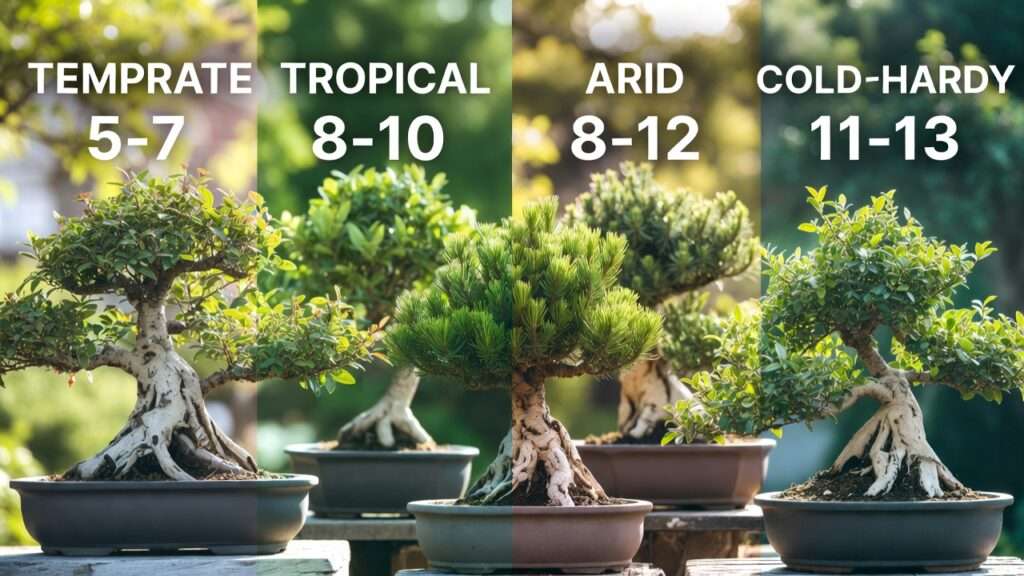
Have you ever brought home a gorgeous bonsai, only to watch it struggle and fade despite your best care efforts? 😔 If this sounds familiar, you’re not alone. The number one reason bonsai trees fail — especially for beginners and seasoned enthusiasts alike — is selecting bonsai species for your climate without proper matching. A tropical Ficus might thrive in humid warmth but suffer in cold winters, while a hardy Japanese Black Pine could freeze in a pot without protection.
In this comprehensive ultimate guide, we’ll dive deep into choosing the right bonsai species tailored to your local environment. Drawing from years of hands-on experience growing hundreds of trees across various zones, expert insights from renowned bonsai communities, and up-to-date hardiness data, you’ll learn how to build a resilient collection that not only survives but flourishes year after year. Whether you’re in a freezing temperate zone, scorching desert, or steamy tropics, this skyscraper resource covers detailed recommendations, protection strategies, common pitfalls, and pro tips to solve the real problem: mismatched species leading to dead or weak trees. Let’s turn your bonsai dreams into thriving reality! 🌿✨
Why Climate Matching Is the Make-or-Break Factor in Bonsai Success
Climate isn’t just about temperature — it’s the foundation of bonsai health. In nature, trees adapt to their native conditions over centuries. Bonsai, grown in shallow pots, amplify every environmental stress: roots freeze faster in winter, dry out quicker in heat, and crave specific humidity levels.
Key differences include:
- Indoor “tropical” bonsai vs. true outdoor hardy species — Many “indoor” labels are misleading; most tropicals need bright light and humidity, not low-light house corners.
- Container effects on hardiness ❄️ — Roots in pots are 1-2 zones less hardy than in-ground trees due to exposure.
- Dormancy, heat stress, humidity, and seasons — Temperate species require winter chill for bud set; tropicals hate cold snaps. Ignoring these leads to leaf drop, root rot, weak ramification, or outright death.
Matching species prevents these issues and rewards you with vibrant growth, beautiful seasonal changes, and easier styling.

(These stunning Japanese Maple bonsai showcase the vibrant autumn colors possible in well-matched temperate climates! 🍁)
How to Determine Your Local Climate and Hardiness Zone
Start with the latest USDA Plant Hardiness Zone Map (updated 2023), based on 30-year averages of minimum winter temperatures. It’s more detailed than ever, using data from over 13,000 stations.
Quick steps:
- Visit planthardiness.ars.usda.gov and enter your zip code.
- Note your zone (e.g., 5b = -15°F to -10°F average low).
- For international readers, use equivalents like EU hardiness or local agricultural maps.
Go beyond zones:
- Microclimates — Urban heat islands warm cities 1-2 zones; coastal areas moderate extremes; mountains drop temps fast.
- Humidity, rainfall, wind, altitude — Arid zones need drought-tolerant species; high-rain areas risk root rot.
- Tools: Apps like PlantSnap, local nursery advice, or weather stations for precise data.
Pro tip: For bonsai pots, treat your zone as 1-2 colder for safety. 🌡️
Key Bonsai Climate Categories and Their Ideal Species
Temperate Climates (Zones 4–7) – Cold Winters, Distinct Seasons ❄️🍂
These zones feature true seasons — perfect for deciduous and coniferous bonsai that need dormancy.
Top recommendations:
- Japanese Maple (Acer palmatum) — Iconic fall color, delicate leaves; thrives with winter chill.
- Juniper (Juniperus spp.) — Tough evergreen, excellent for classic styles; wind-resistant.
- Chinese Elm (Ulmus parvifolia) — Forgiving beginner tree, great back-budding.
- Hornbeam (Carpinus betulus) — Superb ramification and bark texture.
- European Beech (Fagus sylvatica) — Smooth gray bark, beautiful spring flush.
- Japanese Black Pine (Pinus thunbergii) — Classic, rugged styling potential.
Winter protection: Use cold frames, bubble wrap, mulch, or unheated garages to shield roots from freeze-thaw cycles. Keep soil barely moist during dormancy.
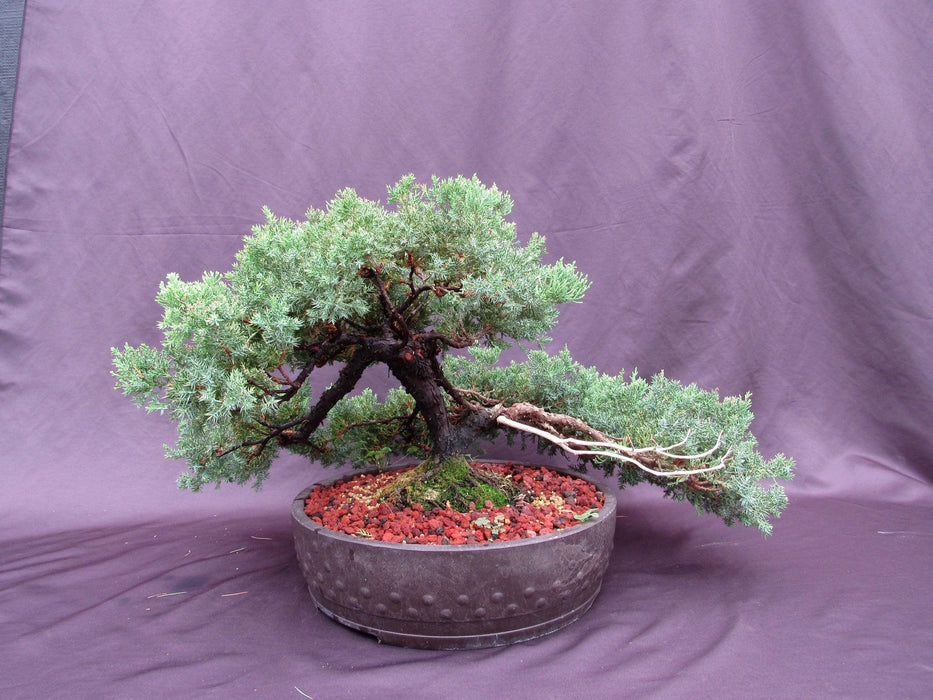
(Classic Juniper bonsai — a hardy favorite for temperate outdoor growing! 🌲)
Mediterranean / Warm-Temperate Climates (Zones 8–9) – Mild Winters, Hot Dry Summers ☀️
Mild winters allow evergreens; summers demand drought tolerance and heat resistance.
Ideal species:
- Olive (Olea europaea) — Ancient, gnarled trunks; loves sun and dry conditions.
- Trident Maple (Acer buergerianum) — Vibrant fall hues, more heat-tolerant than Japanese Maple.
- Aleppo Pine (Pinus halepensis) — Drought-hardy pine for rugged styles.
- Boxwood (Buxus spp.) — Dense foliage, perfect for formal upright.
Pro tips: Use shade cloth in peak summer; mulch to retain moisture; water deeply but infrequently. 💧
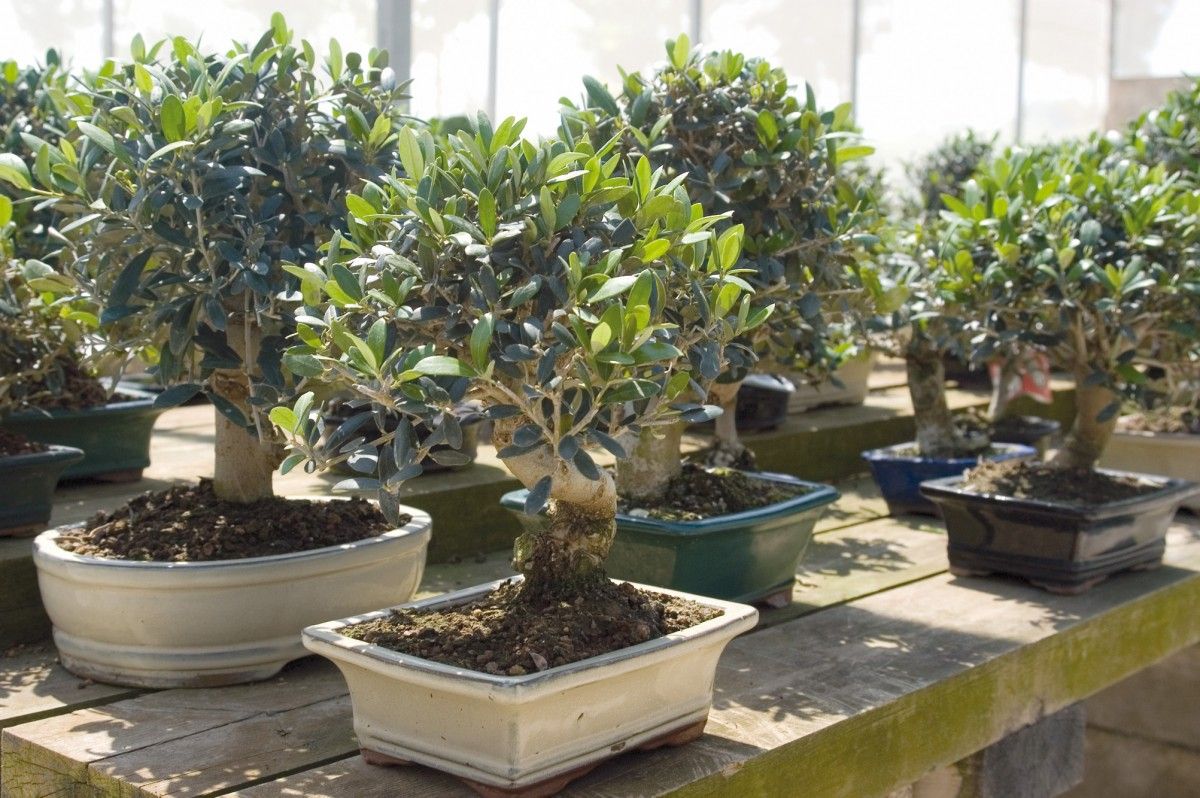
(Olive bonsai exemplify Mediterranean resilience with their sculptural trunks! 🫒)
Tropical & Subtropical Climates (Zones 10+) – Warm Year-Round, High Humidity 🌴💦
No harsh winters mean year-round growth; focus on humidity and light.
Star species:
- Ficus (Ficus retusa, benjamina, microcarpa) — Adaptable, aerial roots, forgiving.
- Jade (Portulacaria afra or Crassula ovata) — Succulent, drought-tolerant.
- Bougainvillea — Explosive colorful bracts.
- Brazilian Rain Tree (Pithecellobium tortum / Chloroleucon tortum) — Dramatic leaf movement.
- Fukien Tea (Carmona microphylla) — Tiny leaves, small flowers.
Manage heavy rain with excellent drainage; use grow lights indoors if needed. 🪴

(Ficus bonsai — the go-to for tropical and indoor growers worldwide! 🌿)
Arid & Desert Climates – Extreme Heat, Low Humidity 🏜️
In hot, dry regions with intense sun, low rainfall, and often alkaline soils, bonsai success hinges on selecting ultra-drought-tolerant species that handle dehydration without losing vigor. Many traditional favorites struggle here, but the right choices develop beautiful, rugged character over time.
Standout species:
- Juniper varieties (especially Juniperus procumbens ‘Nana’ or Juniperus chinensis) — Extremely resilient, love full sun, and develop thick, textured bark in arid conditions.
- Olive (Olea europaea) — Thrives in heat and poor soil; produces gnarled trunks and small silvery leaves that scream “ancient desert survivor.”
- Pistacia lentiscus (Mastic tree) — Tough Mediterranean native with tiny leaves and excellent drought tolerance.
- Portulacaria afra (Elephant Bush) — Succulent-like, stores water in stems; perfect for semi-arid setups and forgiving of dry spells.
Essential strategies:
- Use inorganic, well-draining soil mixes with high pumice or akadama to prevent root rot from occasional heavy watering.
- Provide afternoon shade cloth (30-50% shade) during peak summer to avoid scorching.
- Water deeply but infrequently — let the top soil dry out completely between waterings.
- Mist foliage early morning for humidity bursts without encouraging fungal issues.
These adaptations turn challenging climates into opportunities for unique, character-filled bonsai! 🌵
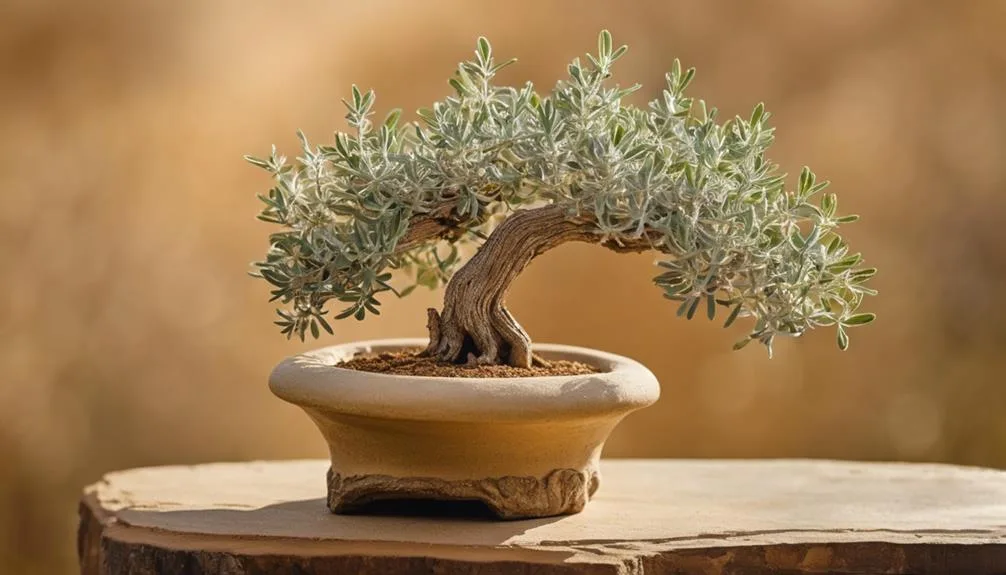
(Thriving Juniper and drought-tolerant bonsai in desert-like settings — proof that the right species conquers extreme dryness! 🌞)
Cold & Extreme Hardy Climates (Zones 3–5) – Harsh Winters
For areas with brutal freezes, heavy snow, and short growing seasons, prioritize species with proven cold hardiness well beyond your zone rating to account for pot exposure.
Ultra-cold-tolerant picks:
- Larch (Larix decidua or Larix laricina) — Deciduous conifer with stunning golden autumn needles; handles -40°F+ with ease.
- Spruce (Picea spp., like Picea glauca) — Compact needles, dense branching; excellent for formal styles.
- Amur Maple (Acer ginnala) — Extremely hardy, vibrant red fall color, and small leaves.
- Native yamadori species (e.g., local pines, maples, or elms collected ethically) — Already adapted to your exact conditions for superior resilience.
Overwintering essentials: Bury pots in the ground up to the rim, use deep mulch, or place in a cold frame/greenhouse. Avoid warm indoor overwintering — it breaks dormancy prematurely.
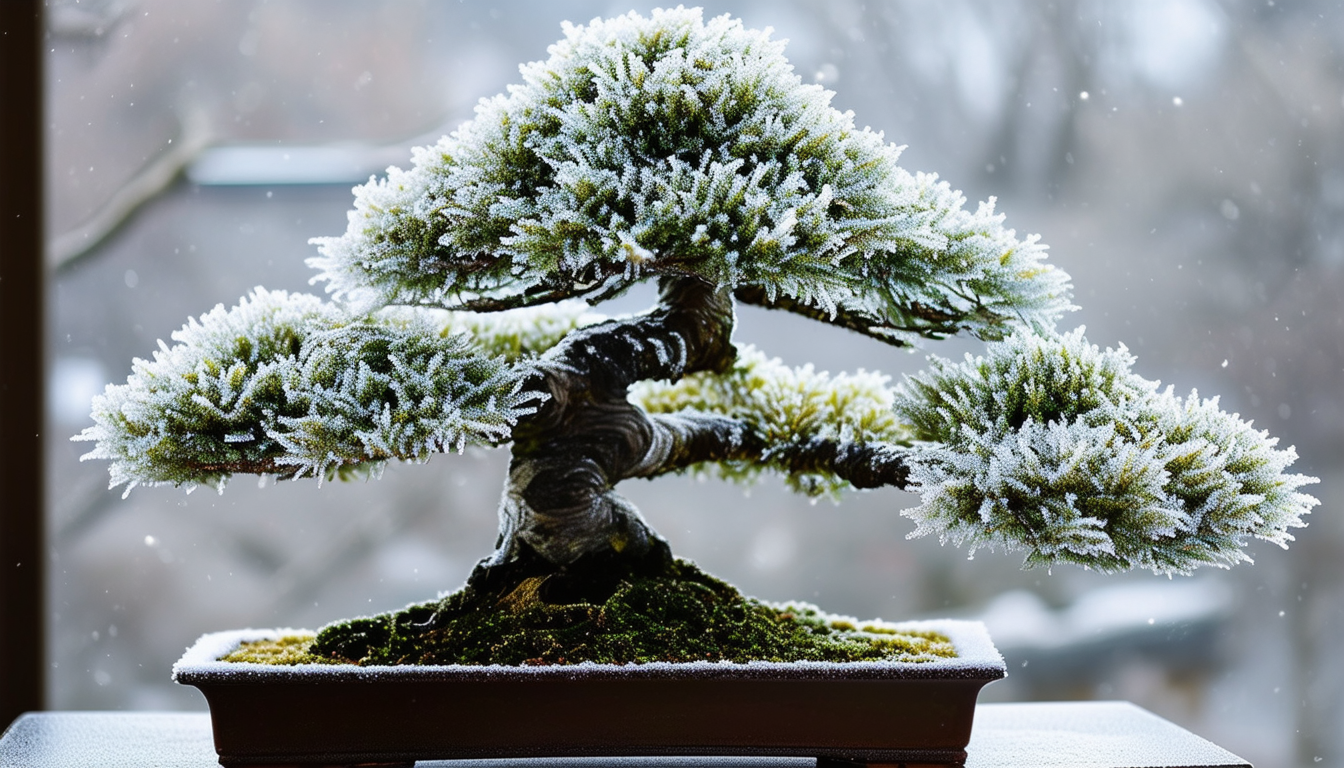
(Snow-covered hardy bonsai like Larch and Spruce demonstrate true winter resilience in cold zones! ❄️🌲)
Step-by-Step Process for Selecting Your Perfect Bonsai Species
Follow this proven workflow to make smart, long-term choices:
- Identify your USDA zone and microclimate — Use tools mentioned earlier; note extremes like wind or humidity.
- Decide indoor vs. outdoor lifestyle — Outdoor = temperate/hardy species; indoor/bright window = tropicals with supplemental lighting.
- Prioritize beginner-friendly vs. advanced — Beginners: Chinese Elm, Ficus, Juniper. Advanced: Pines, Maples for styling challenges.
- Match aesthetics — Want fall color? Go deciduous. Evergreen structure? Conifers. Flowers? Bougainvillea or Fukien Tea.
- Source locally adapted stock — Buy from regional nurseries, bonsai clubs, or pre-bonsai; avoid mass-market “gift” trees often mismatched.
- Test small — Start with 2–3 species; observe how they perform in your exact setup before expanding.
This methodical approach minimizes failures and maximizes enjoyment. 📋
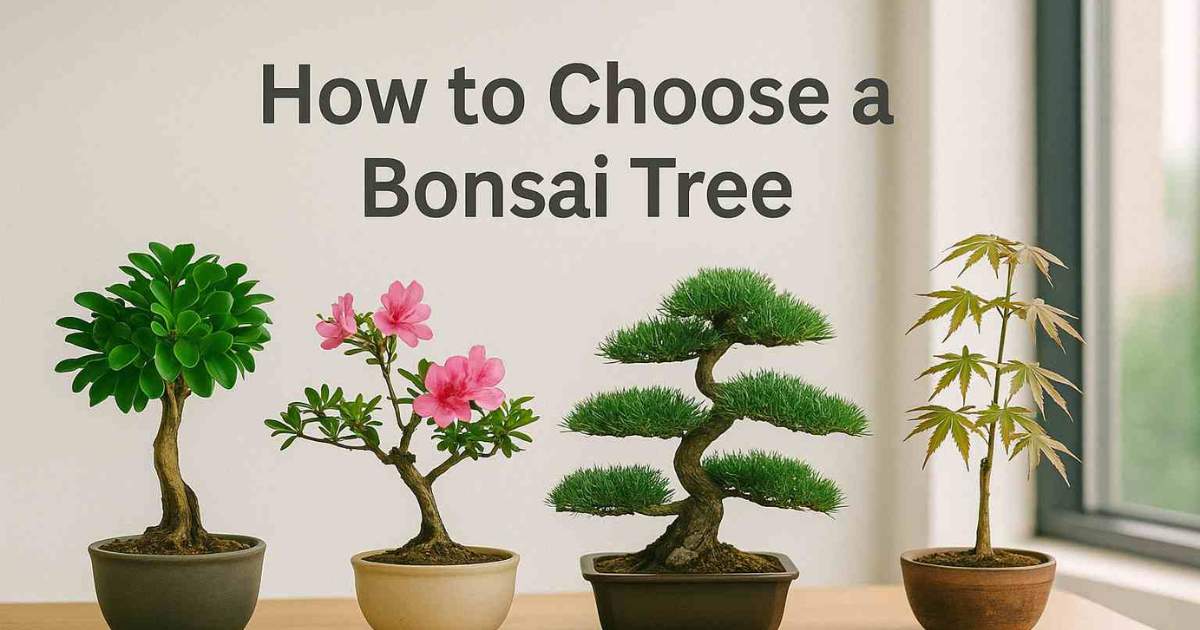
(Visual progression of bonsai growth and selection — from young stock to mature beauty! 🌱➡️🌳)
Common Mistakes When Selecting Bonsai for Your Climate (And How to Avoid Them)
Even experienced growers slip up — here are the biggest pitfalls:
- Treating all “indoor bonsai” the same — Most tropicals need high light/humidity; low-light apartments kill them slowly. Solution: Use full-spectrum grow lights.
- Ignoring dormancy needs for temperate species — Keeping Japanese Maples warm year-round prevents proper bud set. Solution: Provide true winter rest outdoors or protected.
- Overlooking wind, sun exposure, or pot freeze risks — Exposed roots crack in freeze-thaw. Solution: Shelter pots and use insulating materials.
- Buying trendy species without checking hardiness — Instagram-famous tropicals die in cold zones. Solution: Always cross-reference zone data.
Avoid these, and your success rate skyrockets! 🚫🌿

(Struggling or reviving bonsai often trace back to climate mismatches — learn from these common issues! ⚠️)
Expert Insights & Pro Tips from Experienced Bonsai Growers
From decades in the hobby and club mentorship:
- Borderline species (e.g., Trident Maple in zone 7) succeed with micro-protection like windbreaks or heated mats.
- Regional favorites: In humid subtropics, Serissa or Schefflera shine; in continental cold, natives outperform imports.
- Seasonal tweaks: Adjust wiring timing (spring for most), repotting (pre-dormancy), and fertilizing (heavy in growing season, light/none in winter).
- Community wisdom: Join local bonsai societies — they share climate-specific hacks no generic guide covers.
These insider tips elevate your practice from good to exceptional. 👨🌾
FAQs About Selecting Bonsai Species for Your Climate
Can I grow temperate bonsai indoors? Rarely long-term — most need natural dormancy and cold. Use bright grow lights as a supplement, but outdoor is best.
What’s the easiest species for hot/humid areas? Ficus microcarpa or retusa — ultra-adaptable and forgiving of indoor/outdoor swings.
How do I overwinter bonsai in pots? Insulate with mulch, bury pots, or use cold frames; keep soil moist but not wet.
Are there good bonsai for apartments with no outdoor space? Yes! Tropicals like Ficus, Jade, or Fukien Tea under strong lights thrive indoors year-round.
What if my climate is changing due to global warming? 🌍 Shift toward more heat-tolerant species gradually; add shade/watering as summers intensify. Monitor zone map updates.
Conclusion: Start Your Climate-Smart Bonsai Journey Today
Selecting bonsai species for your climate isn’t just a step — it’s the single most important decision for long-term success. By matching trees to your local conditions, you’ll avoid heartbreak, enjoy healthier growth, and create miniature landscapes that reflect your environment beautifully.
Whether you’re nurturing a frost-kissed Juniper in winter or a sun-loving Olive in summer heat, the right choices lead to thriving, rewarding bonsai. 🌳❤️
What’s your hardiness zone, and which species are you excited to try? Drop a comment below — let’s share tips and build the ultimate community resource!
Happy bonsai growing! 🌿✂️✨











