
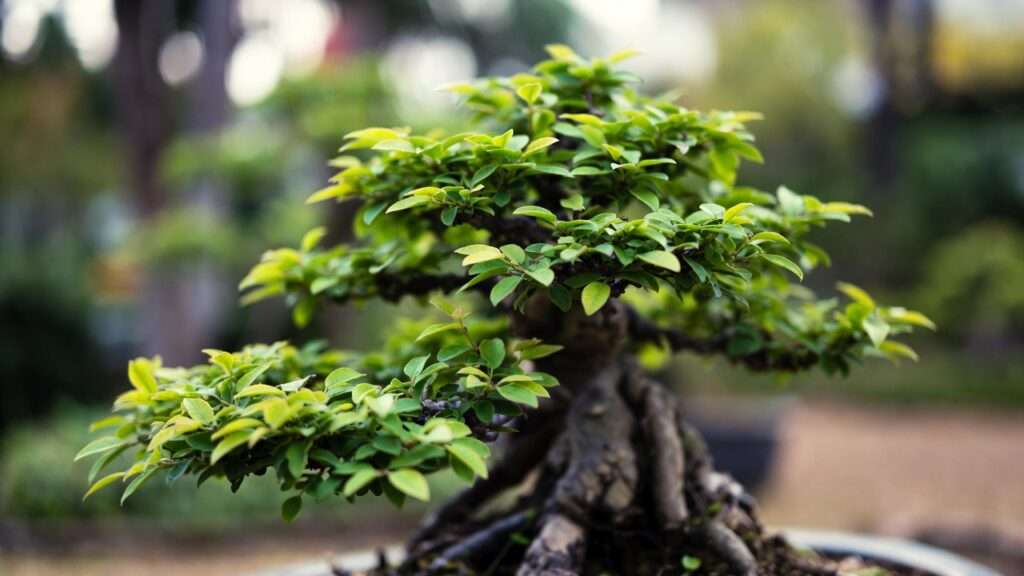
Have you ever stared at your bonsai tree and felt that pang of disappointment? The trunk has beautiful taper, the branches show nice ramification, but those oversized leaves make the whole tree look out of proportion—like a miniature giant pretending to be ancient. 😩 You’re not alone. Reducing leaf size in bonsai is one of the most sought-after refinements for enthusiasts who want that classic, realistic, miniaturized appearance that turns heads at shows and in gardens.
The good news? With the right techniques, patience, and consistent care, you can dramatically shrink leaf size on most species without sacrificing tree health. In this comprehensive guide—drawn from over two decades of hands-on experience, lessons from renowned masters, and trial-and-error across hundreds of trees—I’ll walk you through every proven method to achieve smaller, more refined leaves. Whether you’re working on a vigorous ficus, a delicate Japanese maple, or a stubborn juniper, you’ll find tailored strategies here that go beyond basic tips.
By the end, you’ll have a clear roadmap to transform your bonsai from “pretty good” to truly show-worthy. Let’s dive in and master this essential skill! 🚀
Understanding Why Bonsai Leaves Stay Large (The Science Behind Leaf Size) 🔬
What Actually Determines Leaf Size in Bonsai Trees?
Leaf size in bonsai isn’t random—it’s a direct response to the tree’s energy balance and environment. In nature, trees produce larger leaves to maximize photosynthesis when resources are abundant. In bonsai culture, we intentionally restrict that vigor to force smaller foliage that matches the miniature scale.
Key factors include:
- Genetics and species traits 🌳: Some trees (like certain pines or oaks) naturally resist extreme reduction, while others (ficus, elms, maples, Chinese privet) respond dramatically to techniques.
- Tree vigor and stored energy: Over-fertilized or recently heavily pruned trees push out big “compensatory” leaves to recover quickly.
- Root system efficiency: A pot-bound or poorly ramified root mass limits water/nutrient uptake, naturally curbing leaf size.
- Light, water, and nutrition: Intense sunlight encourages compact growth, while excess water or nitrogen promotes larger leaves.
Understanding these helps you target the root causes rather than just treating symptoms.
Common Myths About Leaf Reduction Debunked ❌
Let’s clear up some widespread misconceptions that lead to frustration or tree damage:
- Myth: “Defoliate once and leaves stay small forever.” Reality: Defoliation triggers a smaller flush, but without ongoing refinement (pruning, pinching, energy management), leaves often revert to larger sizes in subsequent seasons.
- Myth: “Just use a tiny pot to force small leaves.” Reality: While smaller pots help long-term, cramming a vigorous tree into one too soon causes stress, weak growth, or dieback.
- Myth: “All species reduce the same way.” Reality: Conifers like junipers rely on pinching and candle pruning, not defoliation, which can kill them.
The truth is that successful leaf reduction is a multi-year process combining techniques holistically.
Here’s a quick visual comparison of what we’re aiming for:
(Left: Larger leaves on a ficus before refinement; Right: Dramatically smaller leaves after consistent techniques—notice the refined ramification! 🌟)
Core Techniques to Reduce Leaf Size (The Proven Methods) 🛠️
1. Optimize Root Health and Pot Size for Natural Reduction
The foundation of small leaves starts underground. A well-ramified, compact root system naturally limits excessive vigor.
- Repot every 1–3 years (depending on species and growth rate), pruning 1/3–1/2 of the roots to encourage fine feeder roots.
- Use a free-draining bonsai soil mix (e.g., akadama, pumice, lava rock) to prevent waterlogging and promote ramification.
- Transition to smaller pots gradually during refinement phase—never shock a strong tree by jumping to a tiny container.
Pro tip: After repotting, avoid heavy feeding for 4–6 weeks to let the tree settle and push smaller growth. 🌱
2. Strategic Pruning and Pinching for Finer Growth
Before obsessing over leaves, build structure. More branches = energy distributed more thinly = smaller leaves per tip.
- Develop ramification through regular pinching of new shoots (remove tips when they extend 4–6 nodes).
- Use apical dominance control: Pinch stronger apical shoots harder to balance energy to lower branches.
- Differentiate timing—spring structural pruning for shape, summer pinching for refinement.
Consistent pinching over seasons creates the dense branching that supports tiny foliage.
3. Defoliation – The Game-Changer Technique (Full & Partial) 🌿✂️
Defoliation is the fastest way to force smaller replacement leaves on responsive deciduous and broadleaf evergreens.
- Full defoliation: Remove all mature leaves mid-summer (after spring growth hardens), leaving petioles. Triggers a second, smaller flush.
- Partial/selective defoliation: Safer for beginners—remove leaves only from strongest/apical areas to redirect energy.
- Best species: Trident/Japanese maples (up to 2–3 times/year), ficus, elms, Chinese quince.
- Timing: After full spring extension, when leaves are fully hardened (usually June–July in temperate climates).
- Tools: Sharp bonsai scissors or shears to avoid tearing.
Step-by-step example (ficus):
- Ensure tree is healthy and vigorous.
- Defoliate in bright indirect light to avoid sunburn on new buds.
- Water normally; fertilize lightly after new buds appear.
- New leaves emerge 2–4 weeks later—often 30–60% smaller!
See this powerful before-and-after:
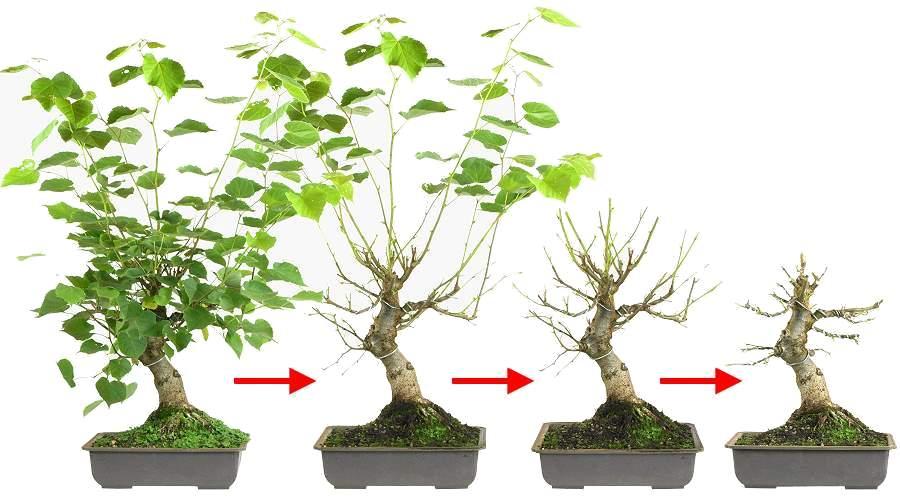
(Left: Dense large-leaf ficus; Right: After partial defoliation—notice the finer, more compact growth! ✨)
4. Leaf Pruning, Cutting & Thinning (Gentler Alternatives) ✂️🌿
Not every tree tolerates full defoliation well—young specimens, weaker trees, or certain species (like some conifers or less vigorous deciduous varieties) can suffer sunburn, dieback, or delayed recovery. That’s where leaf pruning and thinning become your safer, more controlled tools for gradual reduction.
- Partial leaf cutting: Trim individual large leaves by removing 1/3 to 1/2 of the leaf blade (leave the midrib and petiole intact). This reduces photosynthetic surface area, forcing the tree to produce smaller replacement leaves or buds without complete defoliation stress.
- Leaf thinning: Selectively remove the largest leaves entirely, especially those shading inner branches, to improve light penetration and balance energy distribution.
- Best timing: Anytime during active growth after the spring flush has hardened, but avoid extreme heat or right before dormancy.
- Advantages over full defoliation: Lower risk of shock, works on a wider range of species, allows fine-tuning without drastic intervention.
Many experts (including Japanese professionals) prefer leaf pruning as the primary method during early refinement stages, reserving full defoliation for when the tree is structurally strong and ramified.
Here’s a clear visual of the difference:
(Left: Large leaves dominating a Japanese maple before refinement; Right: After repeated leaf pruning and pinching—notice how the remaining leaves are noticeably smaller and more proportional! 🌸)
5. Water, Fertilizer & Light Management – The Hidden Levers ⚖️☀️
Many bonsai growers focus only on cutting and pinching, but the real magic happens when you control the tree’s “fuel supply” intelligently.
- Light: Maximize direct sunlight (6–10 hours daily depending on species). Intense light promotes compact internodes and smaller leaves as the tree adapts to high photosynthetic efficiency. Indoor trees almost always have larger leaves—move them outside when possible!
- Water restriction (careful!): Slightly reduce watering frequency once the tree is established in refinement phase. Never let it wilt severely—that stresses the tree and can cause leaf drop or weak regrowth. Aim for “just moist” rather than constantly wet.
- Fertilizer strategy: Shift from high-nitrogen feeds (which drive big, lush growth) to balanced or low-nitrogen organic fertilizers during the growing season. Reduce frequency in late summer to slow vigor. Many masters use diluted liquid feeds every 2–3 weeks instead of weekly heavy applications.
- Seasonal rhythm: Allow strong spring growth for structure, then tighten controls (less water, less feed, more pinching/defoliation) from early summer onward.
Combining these environmental controls with physical techniques creates synergy—your tree literally has no choice but to produce smaller foliage to survive efficiently.
Species-Specific Strategies (Tailored Advice) 🎯🌳
One-size-fits-all rarely works in bonsai. Here’s how top species respond and the best approaches for each:
- Trident & Japanese Maples (Acer buergerianum, palmatum) Super-responsive! Safe to defoliate fully 1–2 times per season (June–July, then possibly late August if strong). Combine with leaf pruning on weaker branches. Expect 40–70% size reduction over 2–3 years.
- Ficus (F. retusa, microcarpa, benjamina, etc.) Extremely forgiving and fast responders. Full or partial defoliation every 6–8 weeks during warm months + constant pinching of new shoots. Can achieve tiny leaves in 1–2 seasons with aggressive care.
- Chinese Elm (Ulmus parvifolia) Reliable and vigorous. Full defoliation mid-summer works beautifully; many growers do it twice per year. Pinch new growth relentlessly for ramification.
- Junipers & Pines No defoliation! Use needle/scale pinching (remove candles in spring for pines, pinch new tips in junipers throughout season). Focus on light and root restriction for smaller needles over time.
- Chinese Privet, Boxwood, Cotoneaster, Serissa Excellent candidates for repeated partial defoliation and pinching. Privet especially can develop very small leaves with consistent summer work.
- Species that resist strong reduction (certain oaks, beech, hornbeam, some spruces): Accept realistic limits—focus on ramification and proportion rather than chasing tiny leaves. Over-forcing can weaken or kill these trees.
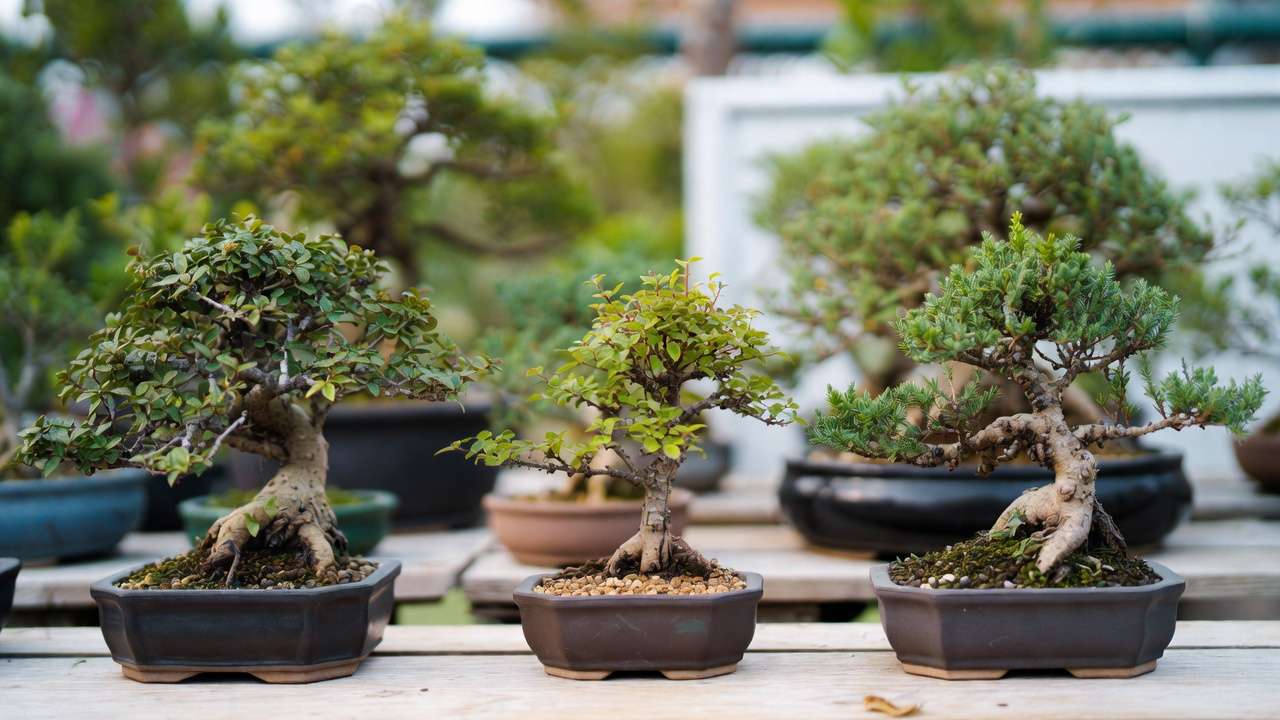
Here’s an inspiring progression example on a ficus:
(Progression shots showing large-leaf ficus → after first defoliation → refined small-leaf stage after 18 months of consistent care! ✨)
Common Mistakes to Avoid & Troubleshooting 🛑😓
Even experienced growers hit roadblocks when pushing for smaller leaves. Here are the most frequent pitfalls—and exactly how to fix them:
- Over-defoliating a weak or young tree Symptom: Massive leaf drop, no back-budding, branch dieback, or even total decline. Fix: Only defoliate fully when the tree is vigorous, has dense ramification, and shows strong spring growth. Start with partial defoliation on weaker trees. Always leave at least 50–70% of the canopy intact the first time.
- Defoliating at the wrong time Too early (soft new leaves) → sunburn on tender buds. Too late (late summer/autumn) → weak second flush before winter dormancy. Fix: For most temperate climates, target mid-June to mid-July after the spring flush has fully hardened.
- Leaves grow back bigger than before Common after heavy defoliation if you then over-fertilize or over-water the recovery flush. Fix: Use very light feeding (half-strength organic fertilizer) and slightly reduced watering for 4–8 weeks after defoliation. Keep the tree in full sun to force compact growth.
- Ignoring species temperament Defoliating a pine or juniper like you would a ficus = disaster. Fix: Always match technique to species (see the tailored section above).
- Chasing tiny leaves too aggressively and weakening the tree Symptom: Thin branching, pale foliage, slow recovery. Fix: Balance refinement with health. If vigor drops noticeably, pause defoliation for a full season and focus on building strength with moderate feeding and protection.
Quick troubleshooting checklist:
- New leaves smaller but fewer → Normal—ramification will fill in over time.
- No new buds after defoliation → Tree was too weak; fertilize lightly and wait.
- Yellowing leaves post-defoliation → Check for sunburn (move to dappled light temporarily) or root issues.
Long-Term Maintenance for Permanently Small Leaves 🌟🗓️
Reducing leaf size isn’t a one-and-done event—it’s a lifestyle change for your bonsai.
Annual refinement cycle example (temperate Northern Hemisphere):
- Spring (March–May): Allow strong extension for structure. Structural pruning early, light pinching late spring.
- Early Summer (June–July): Full or partial defoliation + aggressive pinching of new shoots.
- Late Summer (August–September): Second lighter defoliation (if tree is strong), continued pinching, reduce nitrogen.
- Autumn/Winter: Protect from frost, minimal water, no feeding, evaluate ramification for next year.
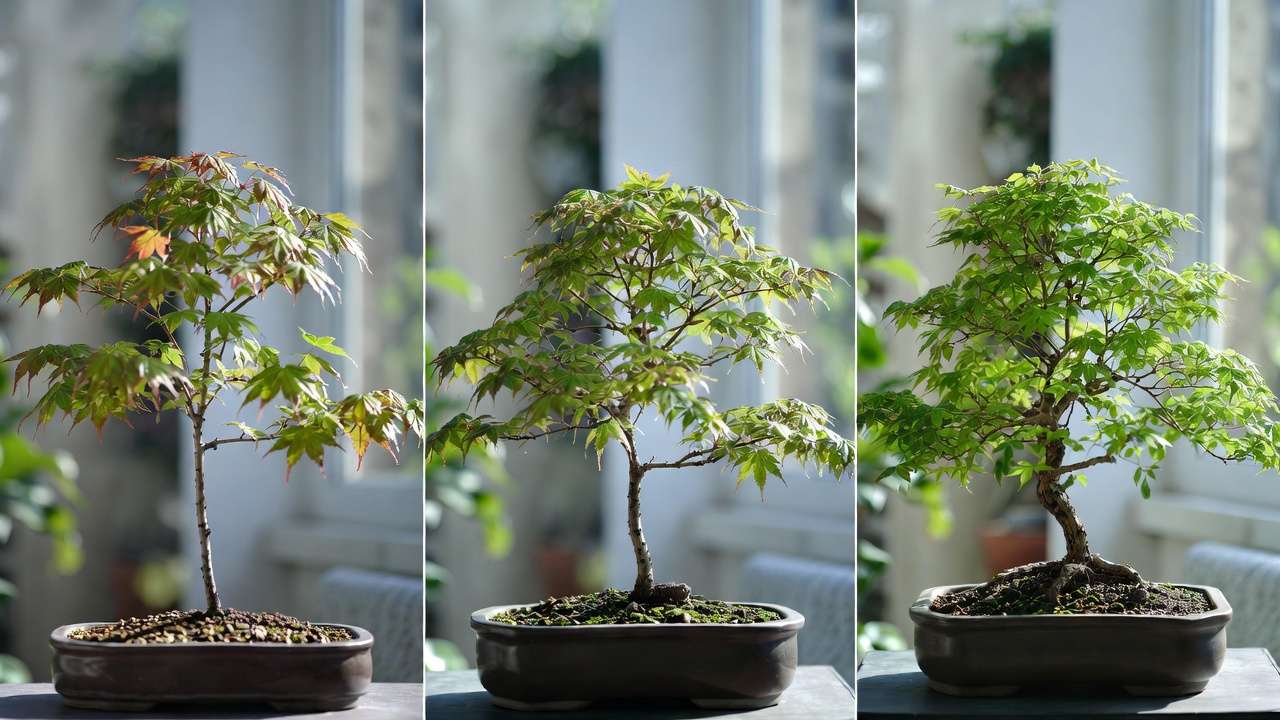
Over 2–5 years of consistent application, most responsive species settle into naturally smaller leaf size even without annual defoliation—because the ramified structure and restricted root system keep vigor in check.
Track your progress with dated photos (front, back, top views). You’ll be amazed at the transformation!
Here’s a real progression timeline on a trident maple:
(Year 1: Large leaves, basic structure → Year 2: After first defoliations, noticeable reduction → Year 3+: Show-ready tiny foliage and dense branching! 🌸)
Expert Insights & Pro Tips from Years of Practice 💡
- “The #1 secret isn’t defoliation—it’s ramification. The more fine twigs you create, the less energy per tip, the smaller every leaf becomes automatically.” — observed across hundreds of client trees.
- Use a seasonal calendar (printable table suggestion): List species, defoliation windows, pinching frequency, fertilizer strength.
- For indoor bonsai: Supplement with strong grow lights (6500K LED, 12–14 hours/day) and accept slightly larger leaves than outdoor counterparts.
- When to stop pushing: Once leaves are 30–60% smaller and proportional to branch thickness, shift to maintenance mode—light annual pinching and one defoliation only if needed.
- Favorite tool combo: Japanese bonsai scissors + concave branch cutters + root hook for clean work that minimizes stress.
Frequently Asked Questions (FAQs) ❓
Can I reduce leaf size on an older, established bonsai? Yes—older trees often respond even better because they already have good ramification. Just go slower and gentler to avoid shocking the system.
How many times can I defoliate per year safely? 1–2 full defoliations for vigorous deciduous trees (maples, elms, ficus). Once per year max for most others. Never more unless the tree is exceptionally strong.
What if my bonsai is indoors year-round? Indoor conditions limit reduction potential due to lower light. Move outdoors seasonally if possible, or use high-intensity grow lights. Expect modest (20–40%) reduction vs. 60–80% outdoors.
Is reducing leaf size bad for the tree’s long-term health? Not when done correctly and balanced with recovery periods. Over-stressed trees suffer, but properly managed refinement actually improves overall health by encouraging dense, efficient growth.
Best beginner species for practicing leaf reduction? Chinese elm or common fig (Ficus retusa/microcarpa)—fast-growing, forgiving, and dramatic responders.
Conclusion: Your Path to Refined, Show-Worthy Bonsai 🌸✨
Mastering reducing leaf size in bonsai is about patience, observation, and applying the right technique at the right time. Start with one strong tree, pick 2–3 techniques from this guide (root work + pinching + one careful defoliation), and watch the transformation unfold over seasons.
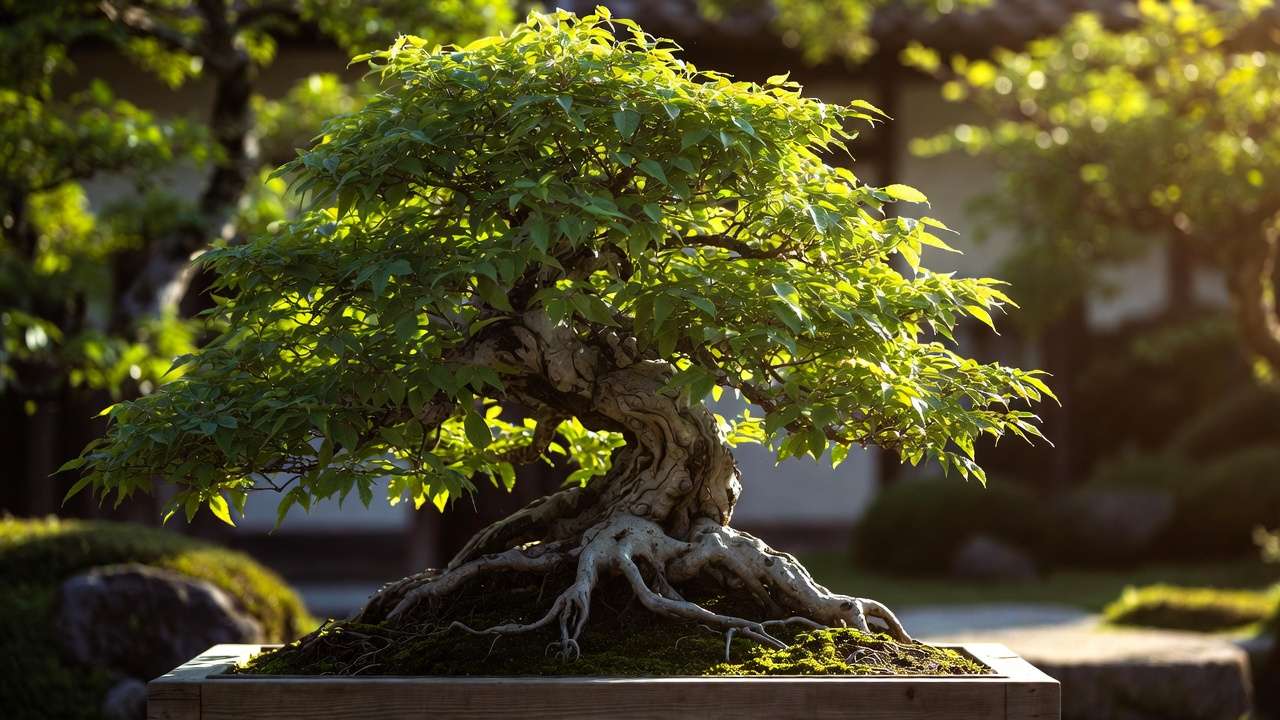
You now have the complete toolkit—far more detailed and practical than most online articles—to turn oversized foliage into that delicate, realistic miniature look that makes people stop and say, “Wow, that looks ancient!”
Share your before-and-after photos in the comments below—I’d love to see your progress and answer any specific questions about your tree. 🌿
If you found this guide valuable, subscribe for more in-depth bonsai care articles, seasonal checklists, and species deep-dives. Your next show-quality tree is closer than you think.
Happy refining! 🚀











