
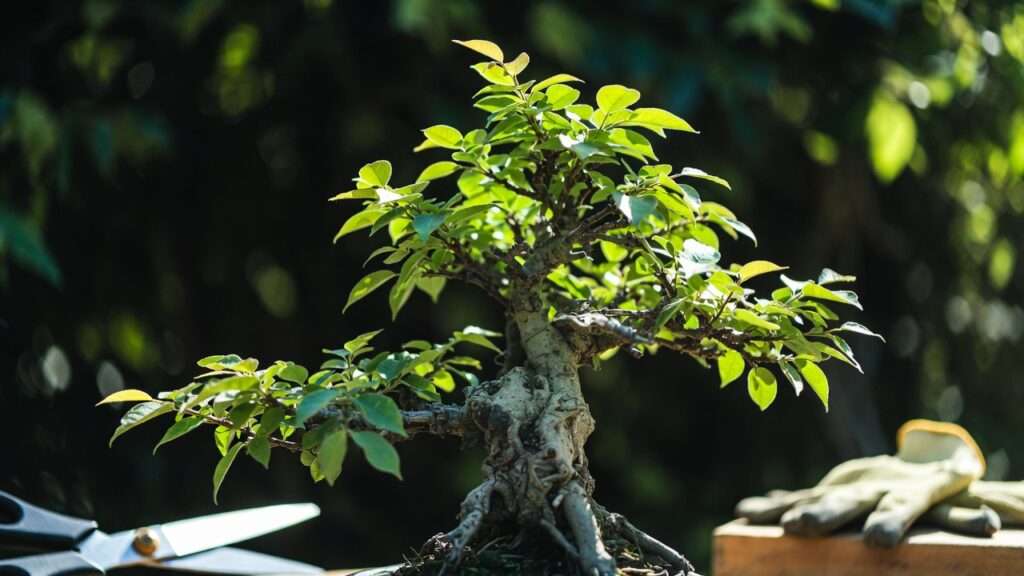
Imagine standing in front of your favorite bonsai or backyard fruit tree, frustrated by oversized leaves that hide the delicate branching beneath, block sunlight from inner growth, or make the plant look leggy and unbalanced. Now picture gently removing just the right amount of foliage to reveal stunning ramification, smaller and more refined leaves, and a vibrant, healthy structure that turns heads. That’s the magic of defoliation done correctly — and it’s a game-changer for plant enthusiasts everywhere! 😍
Best practices for defoliation techniques involve strategic, thoughtful leaf removal to redirect the plant’s energy, improve light penetration and airflow, encourage back-budding, and achieve that coveted compact, artistic appearance — whether you’re refining a Japanese maple bonsai, balancing an ornamental tree, or reviving an overgrown houseplant like a ficus. When performed with care and knowledge, this advanced pruning method transforms plants without causing undue stress or damage.
As someone who’s spent over 15 years working with bonsai clubs, maintaining public gardens, and advising indoor plant lovers across various climates, I’ve seen firsthand how improper defoliation can lead to weakened trees or dieback… and how expert application creates masterpieces. In this comprehensive guide, we’ll cover everything you need to know: the science behind it, perfect timing, proven techniques, species-specific advice, recovery protocols, and common pitfalls to avoid. By the end, you’ll feel confident applying these methods safely and effectively. Let’s dive in! 🌱
What Is Defoliation and Why Use It? 🤔🌳
Defoliation is the intentional removal of leaves (or parts of leaves) from a plant during its active growing season. Unlike standard pruning, which focuses on branches or shoots, defoliation targets foliage to manipulate how the plant allocates its stored energy and hormones.
The science in simple terms: Leaves are the plant’s solar panels — they photosynthesize to produce sugars and energy. When you remove a significant portion strategically, the tree or plant must respond by pushing new buds (often from dormant points) to replace lost foliage. These new leaves tend to emerge smaller, more compact, and in greater density because the plant redistributes resources more evenly across weaker areas. This process also boosts auxin and cytokinin balance, promoting lateral branching (ramification) and reducing apical dominance.
Key benefits include:
- Smaller leaf size — Essential for bonsai aesthetics and proportional scaling 🍃
- Improved ramification and twig density — Creating fuller, more intricate branch structures
- Better light penetration and airflow — Reducing fungal risks like powdery mildew or black spot in dense canopies
- Energy rebalancing — Strong apical growth gets tempered, allowing lower and inner branches to strengthen
- Enhanced overall health and vigor — Healthier plants resist pests and diseases better when light and air circulate freely
Defoliation vs. Regular Pruning vs. Thinning Regular pruning removes branches to shape structure. Thinning reduces canopy density by selectively removing leaves or small shoots for light/air. Defoliation is more aggressive and seasonal — it’s a targeted reset for refinement, not maintenance.

(These show classic before-and-after examples of Japanese maple defoliation — notice the dramatic reduction in leaf size and denser branching!)
When Should You Defoliate? Timing Is Everything ⏰
Timing is the single most important factor in successful defoliation. Do it too early, and the plant may not have enough stored energy; too late, and new growth won’t harden before dormancy.
General best window: Mid-growing season, typically late spring to midsummer (May–July in temperate climates), after the first flush of leaves has fully hardened but while the plant is still vigorously growing.
Species-specific timing examples:
- Deciduous bonsai (Japanese maple, trident maple, Chinese elm, beech): Early to mid-June, once spring leaves are mature. Many experts do a partial defoliation in June and a lighter one in July/August if needed 🌸
- Tropical/subtropical species (ficus, jade, serissa): Almost year-round in warm climates, but best spring–early summer for strongest response
- Fruit/ornamental trees (apple, cherry, crabapple): Light partial defoliation in early summer to open canopy for fruit ripening and disease prevention
- Houseplants (fiddle leaf fig, monstera, schefflera): Spring to early summer when light is increasing and growth is active
Signs your plant is ready:
- Vigorous, healthy new growth completed
- Leaves fully expanded and darkened
- No signs of stress, pests, or recent repotting (wait 4–6 weeks post-repot)
When NOT to defoliate:
- Weak, undernourished, or newly acquired plants
- Conifers/evergreens (they rarely respond well; needle plucking is different)
- Late summer/fall — new growth won’t harden before winter
- During extreme heat, drought, or disease
Types of Defoliation Techniques 📊
Not all defoliation is the same — choose based on your plant’s vigor and goals.
Full/Complete Defoliation Remove every leaf, often used on very strong deciduous bonsai (e.g., maples) to force the smallest possible second flush. High risk — only for healthy, well-fed specimens.
Partial Defoliation (safest and most recommended) Remove 60–90% of leaves, focusing on the outer canopy and strongest shoots. Leave inner and shaded leaves intact to maintain energy production. Ideal for beginners and most applications.
Selective/Targeted Defoliation Remove leaves only from over-vigorous apical/strong branches to redirect energy to weaker inner or lower areas. Great for balancing asymmetry.
Leaf Thinning Remove a portion of leaves per shoot (e.g., every other leaf) without stripping entirely. Gentlest method — perfect for houseplants or mild refinement.
(Example of a beautifully ramified deciduous bonsai after partial defoliation — notice the even, dense foliage!)
Step-by-Step Guide: How to Defoliate Safely ✂️
- Prepare your tools — Sharp concave cutters for branches, fine leaf scissors or tweezers for petioles, clean gloves, and disinfectant (alcohol wipes). Dull tools tear and invite disease! 🔧

(Recommended bonsai tools: concave cutters for clean cuts, scissors for precision.)
- Health check — Ensure the plant is pest-free, well-watered, and fertilized recently.
- Assess vigor — Identify strong (apex, outer) vs. weak (inner, lower) areas.
- Execute:
- Start at the top/strongest growth.
- Cut leaves at the middle of the petiole (leave a small stub to protect axillary buds) — never pull or tear! ❌
- Work methodically section by section.
- Combine with light shoot pruning if needed for shaping.
- Document — Take before photos to track progress.
Species spotlight examples:
- Japanese maple bonsai: Partial outer defoliation in June → stunning small red leaves in second flush.
- Ficus retusa/indoor bonsai: Light partial every 6–8 weeks in growing season.
- Fiddle leaf fig: Minimal targeted removal of lower/blocking leaves for light.

(Close-up technique shots and post-defoliation ficus showing improved structure!)
Aftercare and Recovery Tips for Optimal Recovery 🌱💚
Defoliation is a stress event for any plant — even when done perfectly. The key to success lies in thoughtful aftercare that minimizes shock, prevents sunburn, supports rapid regrowth, and ensures the new flush hardens properly before cooler weather or dormancy.
Immediate steps (first 1–2 days):
- Move the plant to a shaded or semi-shaded location (50–70% shade cloth works wonders for bonsai and outdoor trees). Direct sun on freshly defoliated leaves can cause severe scorching within hours ☀️❌
- Mist lightly once or twice daily if humidity is low, but avoid soaking the soil — overwatering stressed plants invites root rot.
Watering adjustments:
- Reduce watering frequency slightly for the first 7–10 days (the plant transpires far less without leaves). Let the top 1–2 cm of soil dry out before watering again.
- Use room-temperature, pH-balanced water (rainwater or dechlorinated tap water is ideal).
- Resume normal watering as new buds swell and leaves begin to emerge.
Fertilizing strategy:
- Hold off on high-nitrogen fertilizers for 2–3 weeks — fresh growth needs balanced nutrition, not a nitrogen push that could produce weak, leggy shoots.
- After 2–3 weeks (or when new leaves are 1/3 expanded), resume a balanced, organic liquid fertilizer at ½ strength every 7–10 days.
- Many bonsai enthusiasts switch to higher-phosphorus/potassium formulas during recovery to strengthen roots and new wood.
Monitoring and training new growth:
- Watch for new buds appearing in 10–30 days (faster in tropicals, slower in temperate deciduous species).
- Once new shoots reach 3–5 nodes, pinch or prune tips to encourage even ramification and prevent one branch from dominating again.
- If you wired branches earlier in the season, this is an excellent time to adjust wiring while new growth is flexible.
Expected recovery timeline (varies by species and climate):
- Tropicals/houseplants (ficus, jade): New flush in 2–4 weeks
- Deciduous bonsai (maple, elm): 3–6 weeks for full leaf-out
- Ornamental trees: 4–8 weeks, with best aesthetic improvement visible by late summer/fall
Pro tip: Keep a simple journal or phone photos every week. Tracking progress helps you refine timing and intensity for future seasons — and it’s incredibly satisfying to see the transformation! 📸
(Recovery progression: 2 weeks post-defoliation vs. 6 weeks — smaller, denser foliage and vibrant color!)
Common Mistakes and How to Avoid Them ⚠️
Even experienced growers make these errors — learn from them so you don’t have to!
- Over-defoliating weak or young plants Symptom: Sparse regrowth, branch dieback, or plant death. Fix: Always start conservatively (30–50% leaf removal) on weaker specimens or first-timers. Build confidence gradually.
- Defoliating at the wrong time Too early → not enough stored energy. Too late → new growth freezes or sunburns. Fix: Stick to species-specific calendars and only defoliate vigorous, healthy plants.
- Pulling or tearing leaves instead of cutting This damages axillary buds and invites pathogens. Fix: Use sharp scissors and cut cleanly in the petiole middle — leave a tiny stub.
- Exposing to full sun immediately Classic rookie mistake — scorched new buds look awful and set back recovery months. Fix: 2–4 weeks of bright, indirect light or shade cloth.
- Ignoring aftercare entirely No shade + irregular watering = stress spiral. Fix: Treat post-defoliation like post-repotting — baby the plant for a month.
- Defoliating conifers or needle evergreens the same way Most conifers suffer badly from full defoliation. Fix: Use candle pinching or selective needle plucking instead — very different technique.
Expert Insights and Real-World Examples 📸
After decades of trial (and some error!), here are my favorite pro-level tips:
- Balance is everything: Always leave some leaves on weak branches — even if it’s just a few. They keep those areas alive and growing while strong areas are defoliated.
- Combine techniques: Defoliation + structural pruning + wiring in the same season creates exponential refinement. Do structural work first, defoliate 2–4 weeks later.
- Climate matters: In hot, humid tropical regions (like parts of South Asia 🌴), you can defoliate ficus or serissa multiple times per year. In cooler temperate zones, limit to 1–2 sessions max.
- Soil and root health first: A plant in compacted or nutrient-poor soil won’t respond well. Ensure excellent drainage, mycorrhizal fungi, and regular root pruning in bonsai.
Mini case study 1: Japanese Maple Bonsai Transformation Started with large, coarse spring leaves hiding poor ramification. Partial defoliation in mid-June + light tip pruning → second flush produced tiny, deep-red leaves and 30% more twig density by September. Total process: 3 months from “meh” to show-quality.
Mini case study 2: Overgrown Indoor Ficus Client’s 10-year-old ficus was bushy but leggy with huge leaves blocking light to lower branches. Targeted defoliation of upper/outer canopy every 8 weeks (3 rounds total) + brighter location → compact, full appearance restored without repotting stress.
Frequently Asked Questions (FAQs) ❓
Is defoliation safe for beginners? 🌟 Yes — if you start with partial or thinning methods on vigorous houseplants or forgiving species like Chinese elm or ficus. Avoid full defoliation until you’ve practiced a few times.
Can I defoliate conifers or evergreens? Rarely and never fully. Juniper, pine, and spruce respond better to candle pinching or selective needle removal in spring.
What if my plant doesn’t push new growth after defoliation? Possible causes: too weak beforehand, over-defoliated, poor aftercare, or wrong timing. Give it 6–8 weeks in optimal conditions; if no buds, fertilize lightly and wait — sometimes recovery is slow.
How often can I defoliate the same plant? Most deciduous bonsai: 1–2 times per growing season. Tropicals/houseplants: every 6–12 weeks if vigorous. Never more than the plant can handle without stress signs.
What’s different for indoor vs. outdoor plants? Indoors: lower light means slower recovery — use grow lights if possible. Outdoors: watch for sudden weather changes (heat waves, storms). Both benefit hugely from consistent humidity and protection from intense midday sun.
Conclusion 🎯
Defoliation, when guided by best practices for defoliation techniques, is one of the most powerful tools in a plant lover’s arsenal. It lets you sculpt healthier, more beautiful, and artistically refined plants and trees — from petite bonsai masterpieces to thriving backyard specimens and lush indoor greenery.
The secret isn’t aggression — it’s precision, timing, respect for the plant’s vigor, and diligent aftercare. Start small: choose a healthy, strong-growing plant this season, try a gentle partial defoliation, follow the recovery steps religiously, and watch the magic unfold.
Your plants will thank you with smaller leaves, denser branching, better health, and that “wow” factor every gardener craves. Have you tried defoliation before? Drop your experiences, species, or questions in the comments — I’d love to help refine your approach! 🌿✨
Happy growing, and here’s to healthier, more beautiful plants in your care!











