
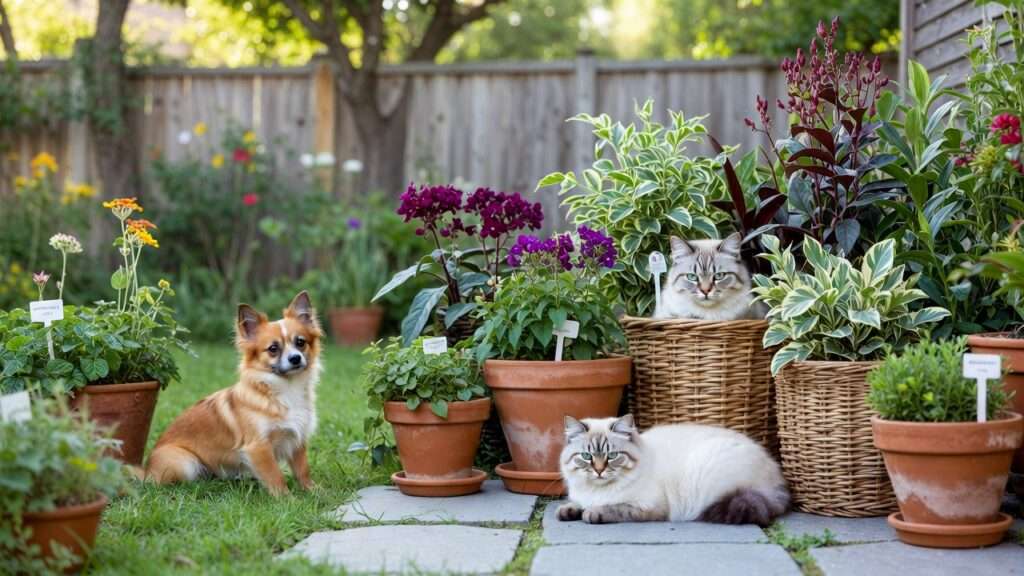
Picture this: You step into your cozy living room, surrounded by vibrant green houseplants you’ve lovingly nurtured, only to spot your curious cat batting at a dangling pothos leaf or your energetic dog sniffing suspiciously at a fallen sago palm seed in the yard 😱. In an instant, that beautiful foliage turns into a potential hazard. Plant poisoning is one of the most common yet preventable emergencies pet owners face—lilies alone can cause fatal kidney failure in cats within hours, while sago palms rank high among deadly threats to dogs.
If you’re a plant enthusiast who also shares your home with furry family members, the question “how to keep poisonous plants away from animals” is more than a search query—it’s a real safety concern. This in-depth guide draws from trusted veterinary resources like the ASPCA Animal Poison Control Center, extension services, and years of practical plant care experience to help you create a lush, pet-safe environment. We’ll cover identification, prevention strategies, safe alternatives, and emergency steps so you can enjoy both your greenery and your pets without worry. Let’s turn potential danger into peaceful coexistence! ❤️🌱
Why Poisonous Plants Are a Real Danger to Pets
Plant toxicity isn’t just a minor annoyance—it’s a serious health risk that sends thousands of pets to emergency vets annually. According to ASPCA data and veterinary reports, inquiries about toxic plants make up a significant portion of poison control calls, with common house and garden varieties topping the lists.
Common symptoms of plant poisoning in dogs and cats 🐕🐈 include:
- Excessive drooling or foaming at the mouth
- Vomiting and diarrhea (sometimes bloody)
- Loss of appetite, lethargy, or depression
- Tremors, seizures, or difficulty breathing in severe cases
- Oral irritation (pawing at the mouth, swelling) from calcium oxalate crystals
Ingestion often happens innocently: cats groom pollen off their fur after brushing a lily, dogs chew on fallen bulbs during yard play, or curious puppies nibble houseplant leaves out of boredom. Severity varies—mild cases cause temporary GI upset, but others lead to organ failure or death. For example, true lilies (Lilium spp.) are extremely toxic to cats, even in tiny amounts like pollen or water from the vase, potentially causing acute kidney failure. Sago palms (Cycas revoluta) affect dogs severely, with seeds containing cycasin that damages the liver.
Differences exist across animals: Cats are more sensitive to lilies and oxalate plants; dogs often ingest larger quantities of outdoor toxic species like azaleas; rabbits and birds face risks from similar houseplants but with unique symptoms like respiratory issues. Livestock (horses, goats) encounter outdoor threats like yew or oleander. Understanding these risks empowers you to act preventively.
Top Toxic Plants Every Pet Owner Should Know (With Visual Warnings) ☠️
Knowledge is your first line of defense. The ASPCA maintains an extensive toxic and non-toxic plants database—always cross-reference before bringing home new greenery.
Most Dangerous Houseplants and Indoor Threats
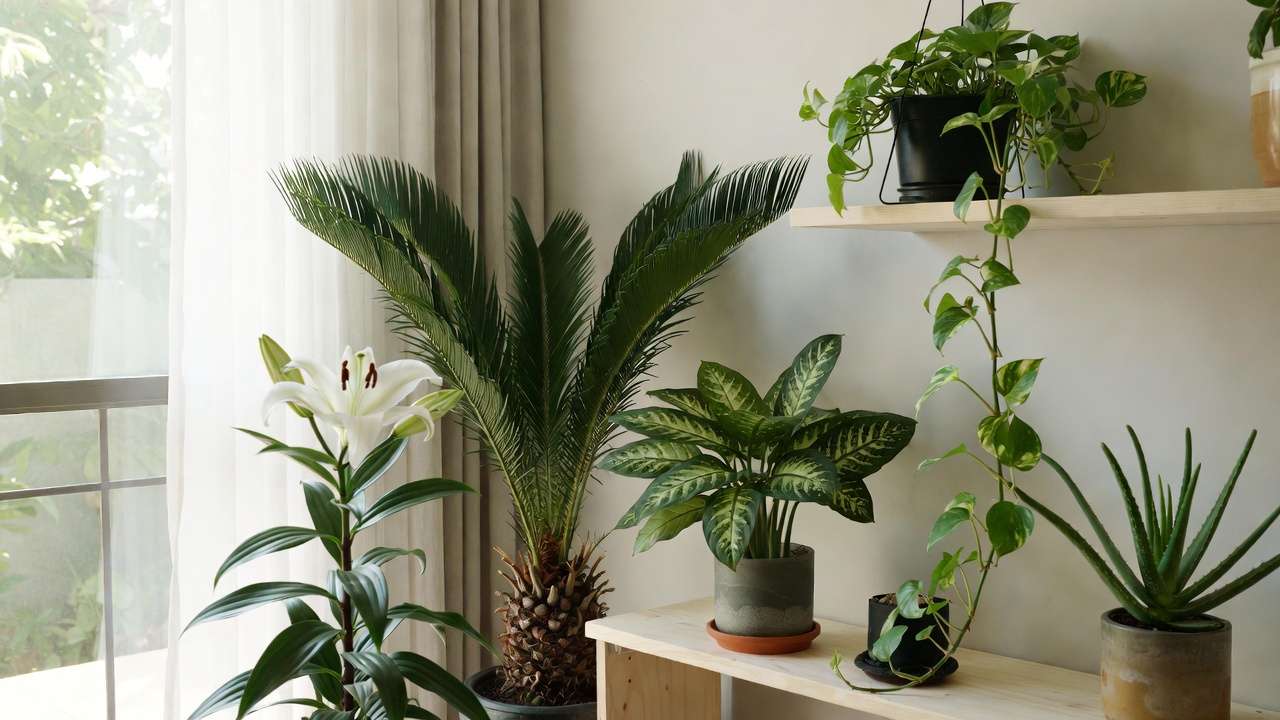
- Lilies (Easter, Asiatic, daylilies, etc.): Extremely toxic to cats—can cause fatal kidney failure. Even grooming pollen off fur is dangerous 🌸
- Sago Palm: Seeds are most toxic; causes liver failure, vomiting, seizures in dogs (and sometimes cats)
- Philodendron, Pothos (Devil’s Ivy), Dieffenbachia: Contain insoluble calcium oxalate crystals leading to intense oral burning, swelling, drooling
- Aloe Vera: Causes vomiting, diarrhea, tremors
- Snake Plant (Mother-in-Law’s Tongue): Mild to moderate GI upset
- Others: ZZ Plant (Zamioculcas zamiifolia), Peace Lily, Oleander (highly toxic indoors/outdoors)
Common Outdoor and Garden Poisonous Plants 🌳
- Azaleas and Rhododendrons: Grayanotoxins cause vomiting, diarrhea, cardiac issues
- Tulips, Daffodils, Hyacinths: Bulbs highly toxic—GI distress, convulsions
- Autumn Crocus, Amaryllis: Severe vomiting, organ damage
- Yew, Oleander, Castor Bean: Extremely dangerous; cardiac or multi-organ failure
Here’s a quick-reference table for common ones:
| Plant | Toxicity Level | Primary Affected Animals | Key Symptoms |
|---|---|---|---|
| Lilies | Severe (cats) | Cats | Kidney failure, vomiting |
| Sago Palm | Severe | Dogs | Liver failure, seizures |
| Philodendron/Pothos | Moderate | Dogs & Cats | Oral irritation, drooling |
| Azaleas/Rhododendrons | Severe | All | GI upset, heart issues |
| Tulip/Daffodil Bulbs | Moderate-Severe | Dogs & Cats | Vomiting, depression |
(Pro tip: Bookmark the ASPCA list and check photos—varieties can look similar!)
How to Identify If Your Plants Are Toxic
Before purchasing or planting, perform a quick check:
- Search the plant’s common and scientific name on the ASPCA toxic plants list.
- Look for warnings on tags or from reputable nurseries.
- Use apps or databases from veterinary sources for instant verification.
If exposure occurs, watch for signs your pet has been exposed 🚨: sudden vomiting, lethargy, unusual behavior. Never wait—contact a vet or the ASPCA Poison Control Hotline (888-426-4435) immediately. Avoid home remedies like inducing vomiting unless advised, as it can worsen some poisonings.
Proven Strategies to Keep Poisonous Plants Away from Animals 🛡️
Prevention beats reaction every time. Combine multiple layers for best results.
Physical Barriers and Placement Tips
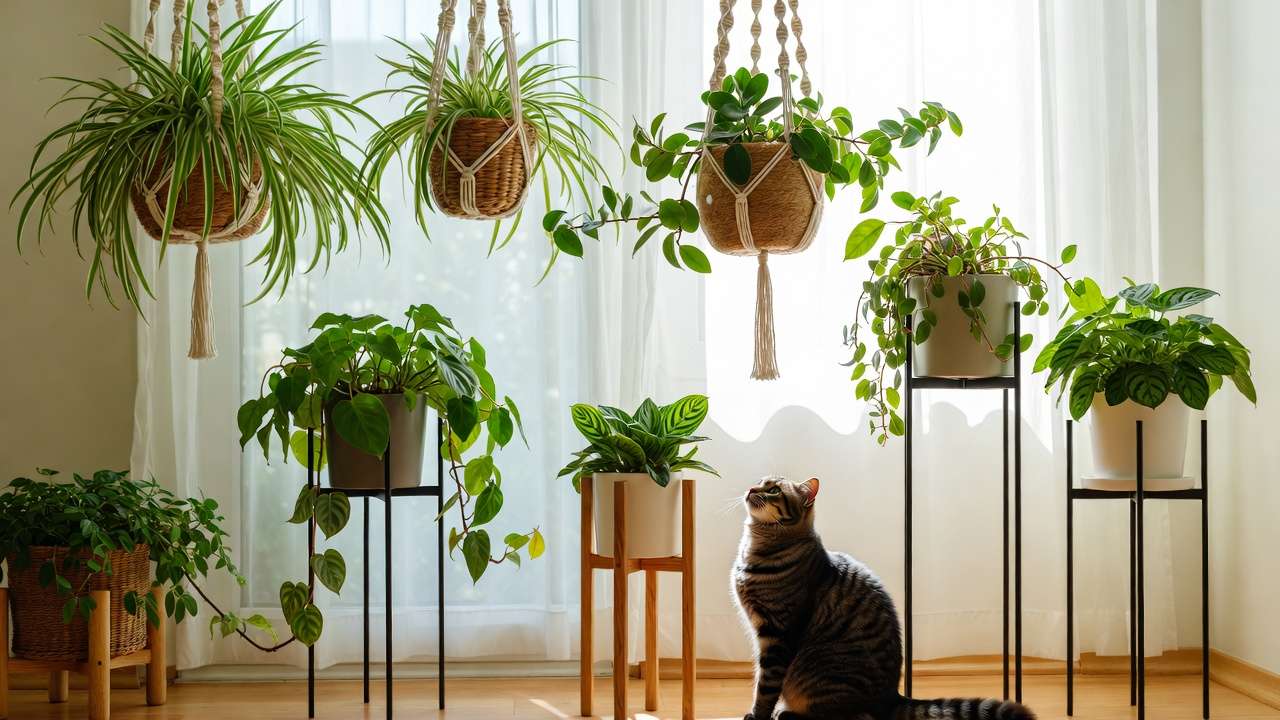
- Elevate houseplants using sturdy hanging baskets, tall plant stands, or high shelves—out of jumping reach for cats and counter-surfing dogs.
- Create pet-free zones: Close doors to plant rooms or use baby gates.
- For outdoors: Install fencing around garden beds, use raised containers, or apply pet-safe rock mulch to deter digging.
- Bitter-tasting pet-safe sprays (available commercially) on leaves for extra deterrence.
Natural and Safe Deterrents 🌿 Cats especially dislike citrus scents 🍋—try this easy DIY spray:
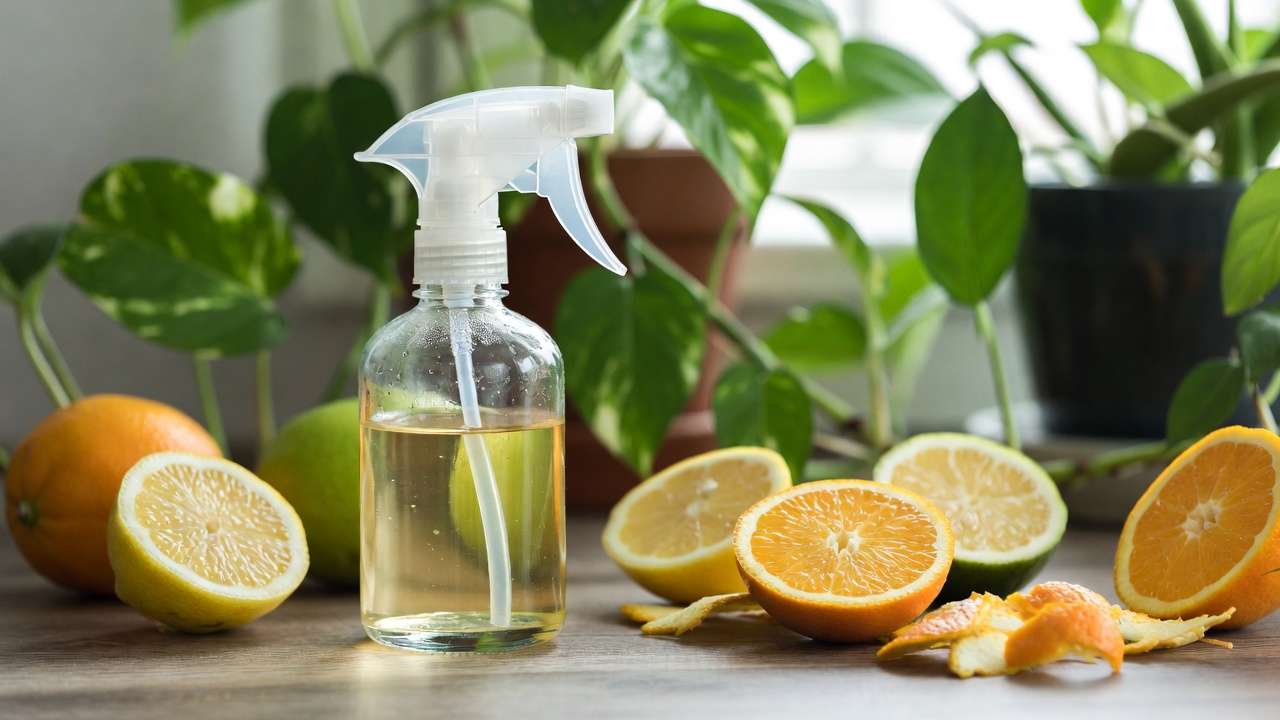
- Boil 2 cups water with peels from 1-2 lemons/oranges for 20 minutes.
- Cool, strain, add to a spray bottle, and mist plants (test on a leaf first). Reapply after watering. Other options: Motion-activated air puff devices, double-sided tape on shelves, or aluminum foil around bases (the crinkle scares some pets). Provide cat grass or wheatgrass pots as a safe nibbling alternative to redirect curiosity.
Training and Behavioral Solutions 🐾 Use positive reinforcement: Reward ignoring plants with treats or play. Increase enrichment with puzzle toys, scratching posts, or interactive feeders to curb boredom chewing. Puppy- and kitten-proof during exploratory phases—supervise closely and redirect gently.
Long-Term Prevention for Gardeners 🌻 Design pet-proof zones: Group toxic plants in inaccessible areas. Clean up fallen debris (seeds, bulbs) regularly. Stay seasonal-aware—spring bulbs and holiday poinsettias pose extra risks 🎄.
Switch to Pet-Safe Plant Alternatives (The Fun Part!) 🌟
Ditch the danger without sacrificing beauty! These ASPCA-approved non-toxic options thrive in homes and gardens.
Best Non-Toxic Houseplants for Pet Owners
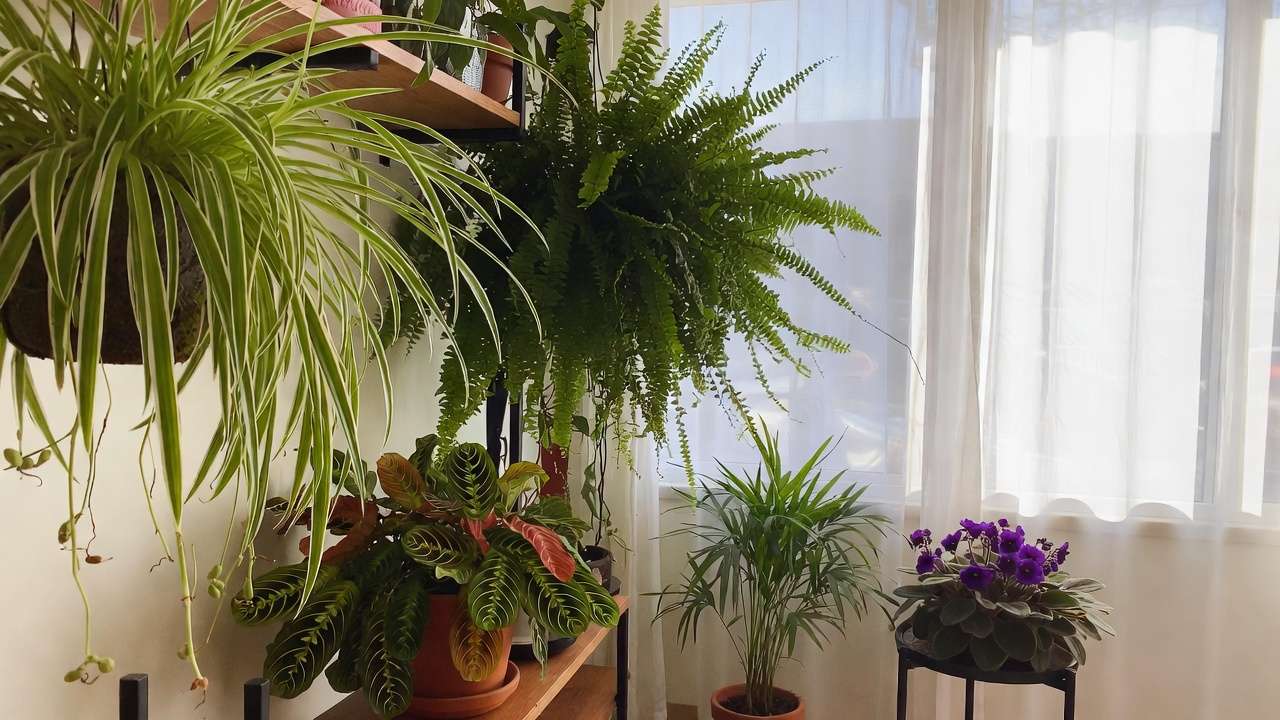
- Spider Plant (Chlorophytum comosum): Air-purifying, easy, trailing fun—cats love batting the babies!
- Boston Fern (Nephrolepis exaltata): Lush, humid-loving, soft fronds.
- Prayer Plant (Maranta leuconeura): Colorful leaves that “pray” at night.
- African Violet (Saintpaulia spp.): Compact bloomer, low-light friendly.
- Peperomia varieties, Hoya, Areca Palm, Bamboo Palm, Phalaenopsis Orchids: Elegant and safe.
- Succulents like Haworthia or Echeveria (avoid aloe or jade).
Gorgeous Pet-Friendly Outdoor Options
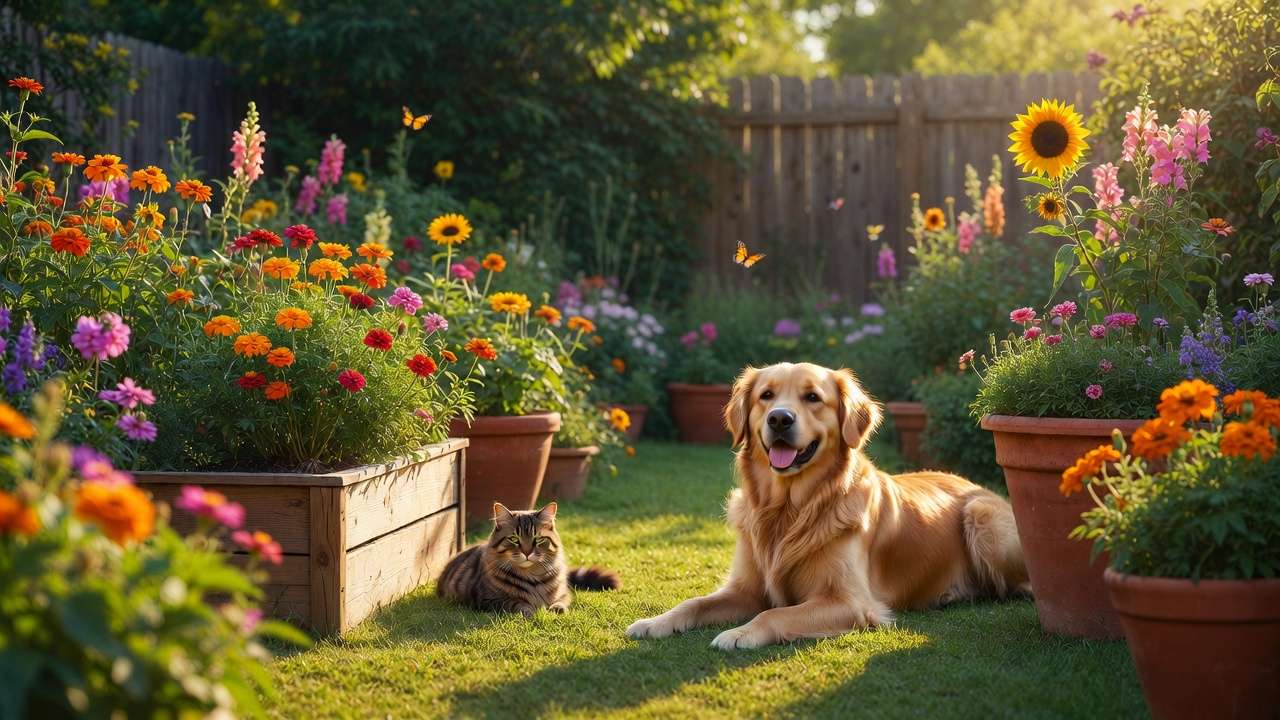
- Marigolds, Zinnias, Snapdragons: Bright annuals.
- Sunflowers, Roses (remove thorns), Basil/Mint/Herbs: Edible and aromatic.
- Safe shrubs: Jasmine, Lilac (non-toxic varieties).
These alternatives not only look stunning but offer air purification, humidity benefits, and easy care—perfect for your plant-loving lifestyle.
To help visualize some safe swaps:
(Here I’d insert images of safe plants like spider plant, Boston fern, and African violet for visual appeal—cute and green! 🌿)
What to Do in a Plant Poisoning Emergency
Act fast:
- Remove your pet from the plant.
- Note what was ingested (take a photo if possible).
- Call your vet or ASPCA hotline (888-426-4435) immediately—have credit card ready for possible fees.
- Avoid forcing vomiting or giving milk/home remedies unless instructed. Prevention mindset: Regular plant audits keep risks low.
Expert Insights and Pro Tips from Plant & Pet Specialists
Veterinarians emphasize: “Most poisonings are preventable with smart placement and alternatives.” Common mistakes include underestimating pollen risks or holiday plants. Seasonal tip: Swap lilies for pet-safe roses during Easter. Bonus: Pet-safe gardening boosts biodiversity and reduces chemical use—win-win for eco-conscious owners!
Frequently Asked Questions (FAQs) ❓
- Are all ferns safe for pets? Most like Boston Fern are, but check specifics.
- Can I keep toxic plants if I hang them high? Yes, often effective for cats/dogs, but diligent supervision helps.
- What’s the most toxic plant for cats/dogs? Lilies for cats; sago palm for dogs.
- How do I make my own deterrent spray? See citrus recipe above—simple and effective!
- Are outdoor livestock at similar risk? Yes—horses, rabbits face yew, oleander dangers; fence accordingly.
Conclusion: Enjoy Plants and Pets Safely Forever
You don’t have to choose between a verdant home and happy, healthy pets. By identifying threats, using barriers and deterrents, and embracing pet-safe alternatives, you create harmony. Your green thumb can thrive alongside wagging tails and purring companions. Share your pet-safe setups in the comments—I’d love to hear your tips! 💚🐾











