
Imagine watching your beautiful Japanese maple bonsai push out weak, leggy shoots in spring—or worse, seeing branches die back entirely—because it missed its vital winter rest. 😔 This heartbreaking issue plagues many bonsai enthusiasts who mistakenly treat temperate species like indoor houseplants, bringing them into warm living rooms “to protect them from the cold.” The truth is, temperate bonsai require a proper winter dormancy period to recharge, conserve energy, and emerge vigorous next season. Without it, trees weaken over time, lose ramification quality, and may not survive long-term.
Winter dormancy needs for temperate bonsai involve providing the right cold exposure—typically 600–1200+ chill hours below about 45°F (7°C)—while protecting shallow roots from extreme freezes and desiccation. In this comprehensive guide, we’ll cover the science behind dormancy, species-specific requirements, step-by-step protection methods, common pitfalls (and fixes), and how to ensure a smooth spring awakening. Whether you’re in a cold zone 5 or milder zone 8, you’ll learn exactly how to meet these needs so your pines, maples, junipers, and elms thrive for years. Let’s dive in and give your trees the healthy winter sleep they crave! 🌱❄️

What Is Winter Dormancy and Why Do Temperate Bonsai Need It? ❄️🛌
Winter dormancy is a natural physiological state where temperate woody plants dramatically slow their metabolism in response to shorter days and cooler temperatures. It’s not true “sleep,” but a survival strategy: photosynthesis halts, growth stops, and the tree conserves stored carbohydrates while protecting delicate tissues from freezing damage. For bonsai, this period is non-negotiable—temperate species evolved in seasonal climates where cold winters trigger hormone resets for strong bud formation and root health in spring.
Biologically, dormancy allows trees to:
- Conserve energy — Stored starches remain intact instead of being wasted on futile growth in low-light conditions. 🔋
- Regulate hormones — Auxins and gibberellins balance for proper branching and flowering next year.
- Protect against extremes — Cell fluids concentrate with sugars and proteins as natural antifreeze.
Skipping or interrupting dormancy (e.g., by keeping trees too warm) leads to serious consequences: etiolated weak growth, reduced back-budding, poor ramification, increased pest vulnerability, and gradual decline. Over 2–3 seasons, trees can die from accumulated stress. In contrast, tropical bonsai like Ficus or Jade stay active year-round and suffer in cold, highlighting why species classification matters. 🌴 vs. 🍁
Many beginners overlook this because they see evergreens like junipers looking “alive” with needles, but even they need this rest for needle retention and vigor.
Understanding Chill Hours and Temperature Requirements for Temperate Bonsai 🌡️
Chill hours (or chill units) measure the cumulative cold exposure needed to break endo-dormancy—the deep rest phase. Most temperate bonsai require 600–1200+ hours below ~45°F (7°C), with the most effective range being 32–45°F (0–7°C). Temperatures below 32°F count less or not at all for some models, while above 60°F can negate accumulated chill (negative units!).
Roots are especially vulnerable in shallow bonsai pots—they freeze faster than branches and suffer freeze-thaw cycles that rupture cells. Ideal dormancy keeps soil around 33–40°F: cold enough for rest, but not lethally freezing.
General guidelines:
- Ideal range — 32–40°F (0–4°C) for steady, even dormancy.
- Safe lows — Hardy species tolerate -10°F to -20°F (-23°C to -29°C) briefly with root protection.
- Danger zones — Prolonged below -10°F without insulation kills roots; above 50°F prematurely breaks dormancy, leading to weak buds.
Use a soil thermometer or high/low digital thermometer to monitor—consistency prevents stress.
Common Temperate Bonsai Species and Their Specific Dormancy Needs 🌳
Different species vary in hardiness and chill requirements. Here’s a practical breakdown:
- Japanese Maple (Acer palmatum) 🍁 — Needs 800–1200 chill hours. Sensitive to freeze-thaw; protect roots below 20°F (-7°C). Early bud break once chill met—very quick to wake!
- Pines (e.g., Japanese Black Pine, White Pine) 🌲 — Hardy; often 800–1000+ hours. Tolerate -20°F with mulch; excellent needle health requires full dormancy.
- Junipers (e.g., Shimpaku, Procumbens) 🌿 — Extremely hardy; minimal chill specifics but need cold to avoid desiccation. Wind protection key.
- Elms (Chinese Elm, Field Elm) 🌳 — 600–1000 hours; beginner-friendly; moderately hardy.
- Larch, Spruce, Yew 🌲 — Ultra-hardy; can handle severe cold with basic shelter.
Quick-reference table (imagine this as formatted in the full article):
| Species | Approx. Chill Hours | Min Temp Tolerance (with protection) | Protection Level |
|---|---|---|---|
| Japanese Maple | 800–1200 | 20°F (-7°C) roots | High |
| Black Pine | 800–1200+ | -20°F (-29°C) | Medium |
| Juniper | Variable | -20°F+ | Low-Medium |
| Chinese Elm | 600–1000 | -10°F (-23°C) | Medium |
Tailor to your local climate for best results! ⭐

Step-by-Step Guide: How to Provide Proper Winter Dormancy ❄️🛠️
Now comes the practical part—how to actually deliver the cold rest your temperate bonsai need without risking damage. Follow these steps tailored to your USDA hardiness zone (or equivalent) for reliable success.
Step 1: Prepare in Fall (Hardening Off – Late September to November) 🍂 Allow trees to naturally acclimate.
- Gradually reduce watering as days shorten—soil should dry slightly more between waterings to encourage dormancy hormones.
- Stop all fertilizing by early fall (August/September in northern zones) so trees store energy rather than push growth.
- Expose to the first few light frosts (around 28–32°F / -2–0°C). This “cold trigger” sets deeper, more uniform dormancy. Pro tip: Don’t rush protection—premature covering delays chill accumulation. 🌬️
Step 2: Choose Protection Method by Climate/Zone 🏠 Your local winter severity dictates the best setup.
- Mild winters (USDA zones 8–9, e.g., coastal areas with rare freezes): Place pots on the ground (insulates better than benches), heap 4–6 inches of mulch (pine bark, leaves, straw) around and over pots. Add windbreaks like burlap screens or evergreen hedges. Most hardy species (junipers, pines) need little else.
- Moderate to cold winters (zones 5–7, typical for much of North America/Europe): Best options include:
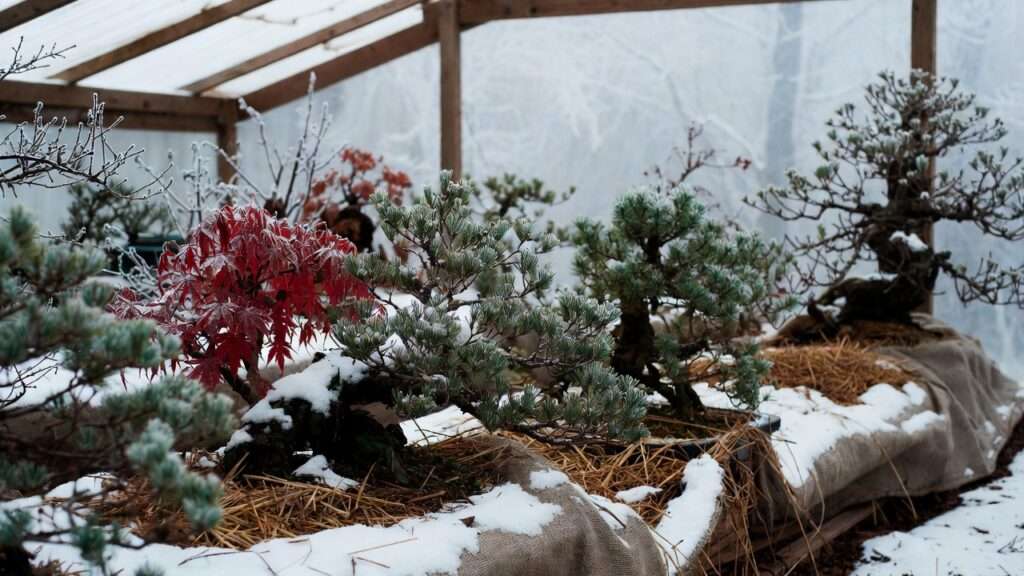
- Cold frame or mini greenhouse — Unheated, ventilated structure keeps temps 5–10°F warmer than outside air while blocking wind/desiccation.
- Unheated garage/shed — Ideal if temps stay 25–45°F; open door on sunny days for light/air.
- Buried in-ground or mulch pit — Dig a trench, bury pots up to rim, cover with leaves/straw/mulch mound. Excellent root insulation.
- Insulated bubble wrap + tarp — Wrap pots individually, group together, cover with frost cloth.
- Extreme cold (zones 4 & below, or harsh continental winters): Use a cold frame with extra insulation (straw bales around sides) or, for small collections, a non-freezing indoor spot like an unheated basement/garage corner. Avoid home fridges long-term (dries air, no light).

Step 3: Insulate Roots Properly 🪴 Roots freeze first—protect them!
- Bury pots in mulch/soil/leaves so only trunk/nebari shows.
- Use foam boards or bubble wrap under/around pots if above ground.
- Elevate slightly off frozen ground with bricks to prevent cracking pots.
- Add anti-desiccation spray (wilt-pruf) to needles of evergreens before cold sets in.
Step 4: Watering & Humidity During Dormancy 💧 Watering mistakes kill more bonsai in winter than cold itself!
- Water only when soil thaws and top inch dries out—usually every 2–4 weeks.
- Use room-temperature water to avoid shocking roots.
- Never water frozen soil (it can’t absorb).
- Maintain slight humidity in enclosed spaces (e.g., occasional mist in garage if very dry). Check weekly with a finger or moisture meter.
Step 5: Monitor & Adjust Throughout Winter 📅
- Install a min/max thermometer in pot area—record highs/lows.
- Watch for early bud swell (move to cooler spot if >50°F for days).
- Protect from rodents (wire mesh, repellents).
- On sunny winter days >40°F, provide ventilation to prevent mold/heat buildup.
These methods ensure chill hours accumulate safely while roots stay protected. 🌟
Common Mistakes to Avoid (and How to Fix Them) 🚫
Even experienced growers slip up—here are the top pitfalls:
- Mistake #1: Bringing temperate bonsai indoors to a warm room. Fix: Keep them cold! Warmth breaks dormancy early, causing weak, stretched growth and eventual decline. Move to proper cold spot immediately.
- Mistake #2: Overwatering in winter. Fix: Let soil dry more; root rot thrives in cold, wet conditions.
- Mistake #3: No root insulation in freezing temps. Fix: Bury or heavily mulch pots—roots die at -10°F unprotected.
- Mistake #4: Ignoring species needs (e.g., treating maples like hardy junipers). Fix: Reference species chart; maples need extra root care.
- Mistake #5: Bright, warm window placement. Fix: Prefer shaded/cool spots—light without cold triggers bad growth.
Avoid these, and your trees stay robust. ⚠️
Spring Transition: Waking Up Your Bonsai Safely 🌷
As days lengthen (late February–April depending on zone):
- Gradually expose to more light/sun over 1–2 weeks—avoid sudden full sun.
- Increase watering as buds swell; resume light fertilizing (half-strength) only after leaves emerge.
- Prune/repot if needed during early bud break for maples/pines.
- Watch for healthy signs: plump buds, no major dieback, strong new growth.
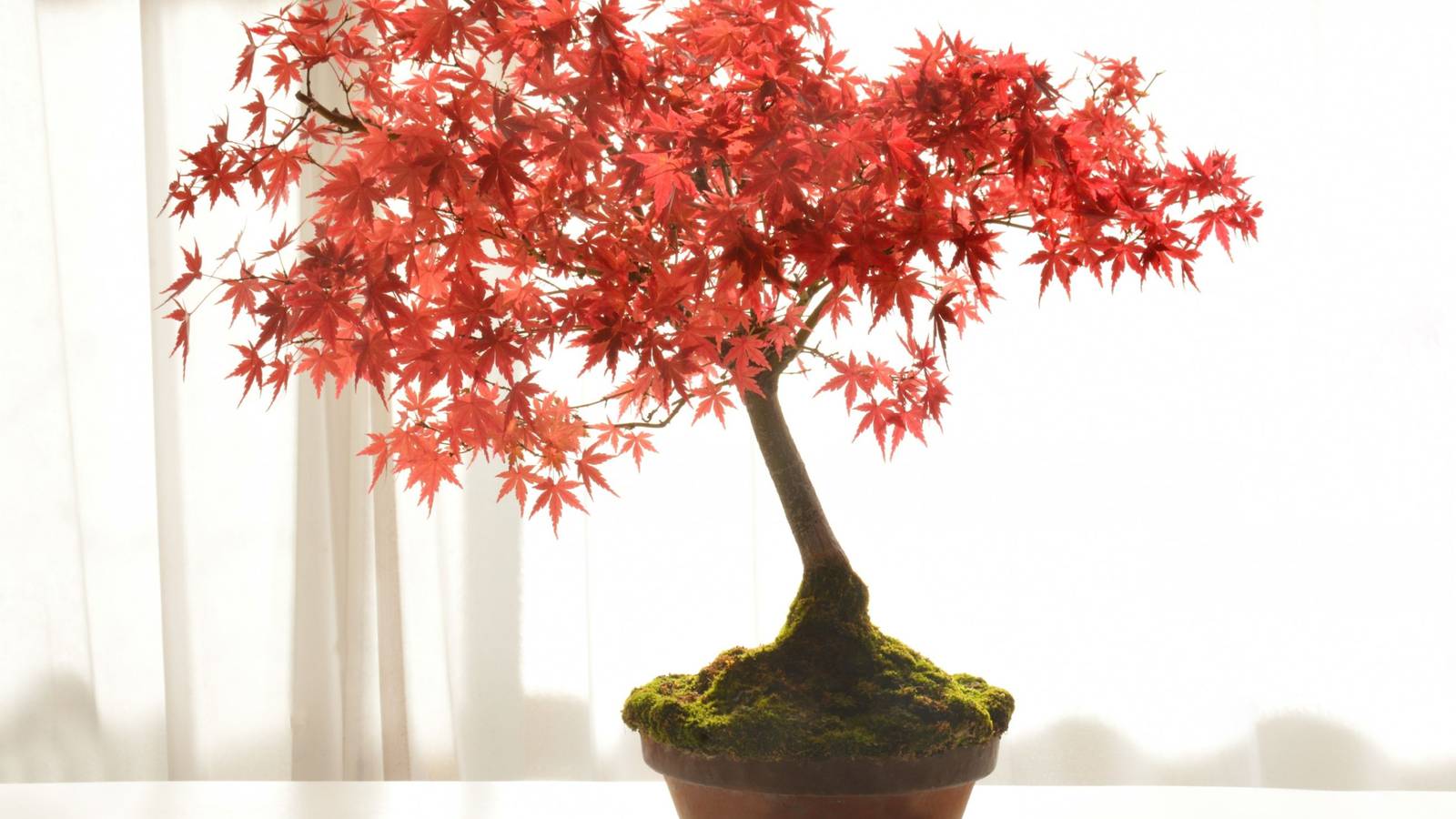
A proper dormancy shows in vibrant spring color and vigor!
Expert Tips & Insights from Seasoned Bonsai Growers 🌟
After 15+ years growing temperate bonsai in varied climates:
- “Expose to first frosts—it triggers stronger dormancy than artificial chill.”
- Use soil thermometers religiously—air temp ≠ root temp.
- Mulch + burlap wind barriers = game-changer for evergreens against desiccation.
- In marginal zones, combine cold frame + mulch pit for zero losses.
- Patience pays: Trees that get full dormancy develop finer ramification and better nebari over time.
FAQs About Winter Dormancy for Temperate Bonsai ❓
Do temperate bonsai need light during dormancy? Minimal—bright indirect is fine, but darkness (e.g., garage) works well. They aren’t photosynthesizing much anyway.
Can I use a refrigerator? Yes for small trees/collections, but only 35–40°F, 6–12 weeks minimum, with high humidity (damp towel). Not ideal long-term.
What if my winters are too mild (rarely below 45°F)? Supplement with artificial chill (cold room/fridge) or accept slightly reduced vigor. Some growers move south temporarily!
Is snow good or bad for bonsai? Great natural insulator—leave light snow cover on mulch; heavy wet snow can break branches (brush off).
How do I know dormancy is complete? Buds swell naturally in spring; forced warmth earlier causes weak growth.
More questions? Drop them in comments!
Conclusion: Give Your Bonsai the Rest They Deserve 🌿💤
Proper winter dormancy needs for temperate bonsai aren’t optional—they’re the foundation of long-term health, beauty, and resilience. By providing consistent cold, root protection, minimal water, and species-aware care, you’ll see stronger buds, better branching, and vibrant growth season after season.
Assess your setup today: Check your zone, gather mulch/thermometers, and plan protection. Your trees will reward you with years of stunning miniature landscapes! 🌸
Thanks for reading—happy overwintering, and may your bonsai thrive! ❄️🌱











