
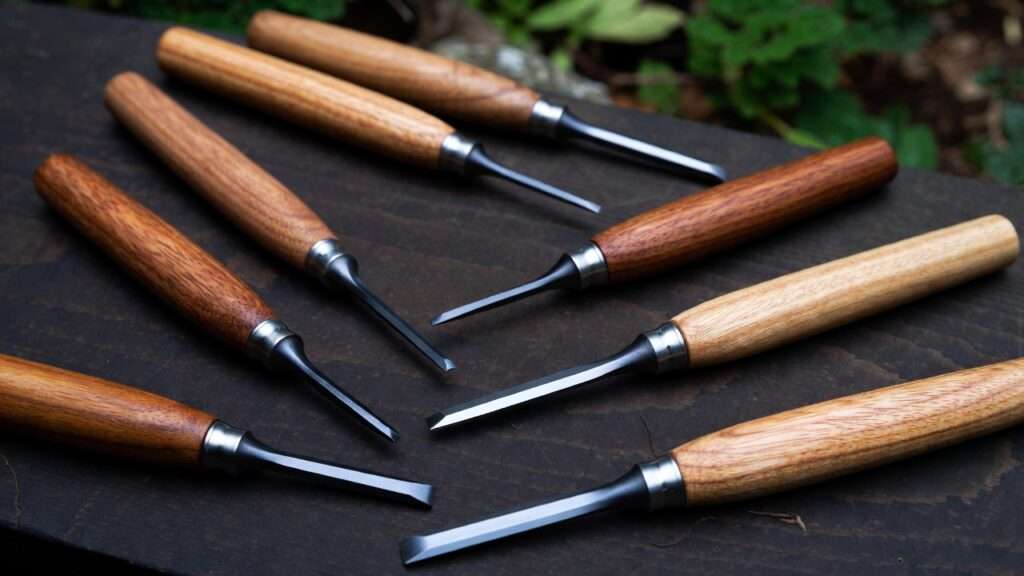
Have you ever stared at a world-class bonsai display — perhaps a rugged juniper or ancient pine — and felt mesmerized by the dramatic, weathered deadwood twisting along the trunk like scars from centuries of storms? That aged, authentic look doesn’t happen by accident. It comes from skillful advanced trunk carving, using the right tools to sculpt jin (dead branches), shari (barkless trunk strips), and even uro (hollowed cavities) without harming the living tree.
But here’s the real challenge: many enthusiasts start with basic knives or pliers, only to end up with unnatural grooves, torn fibers, slow-healing wounds, or worse — rot and dieback. The good news? Investing in quality advanced trunk carving tools changes everything. These specialized implements give you precision control, natural textures, and faster, safer results.
In this comprehensive guide (backed by years of hands-on bonsai styling and insights from top artists), we’ll explore the best tools for 2025–2026, step-by-step techniques, species-specific tips, and pro secrets to help you create gallery-worthy deadwood. Whether you’re refining a shohin juniper or adding character to a larger pine, you’ll walk away ready to elevate your bonsai artistry safely and beautifully. Let’s dive in! ✂️🔥
Why Advanced Trunk Carving Matters in Bonsai
Deadwood features like jin and shari are more than decoration — they’re storytelling elements that convey age, hardship, and resilience, mimicking trees in the wild 🌿. A well-executed shari follows the natural flow of live veins, creating contrast between vibrant bark and silvery, weathered wood. Jin adds dramatic twists and splits to branches, evoking lightning strikes or wind damage.
Proper carving doesn’t just look good; it promotes tree health. Removing dead tissue cleanly prevents fungal entry points and encourages callus roll-over. Done wrong (over-carving, straight unnatural lines, or damaging cambium), it risks infection, dieback, or an artificial appearance that screams “human-made.” 😅
Advanced tools solve these issues by offering better control than generic wood-carving sets. Timing matters too: conifers like junipers and pines respond best in late winter/early spring when sap flow is low; deciduous species (maples, elms) heal faster in active growth periods.

(Here are stunning examples of natural deadwood inspiration — notice how the textures follow the tree’s grain for realism!)
Understanding Deadwood Styles: Jin, Shari & Uro
- Jin — Stripped, twisted dead branches. Ideal for dramatic accents on conifers with fibrous wood.
- Shari — Vertical or diagonal barkless trunk sections, often mimicking age or lightning. Keep live veins intact for sap flow.
- Uro — Hollowed trunk cavities adding depth and interest, common on old collected yamadori trees.
Aesthetic rule: Always follow nature — avoid perfect symmetry, straight lines, or uniform width. Let the tree’s natural taper and fiber direction guide your design for believable realism. 🌳
Essential Advanced Trunk Carving Tools Overview
Hand tools excel for precision and control, especially on smaller trees or delicate work. Power tools speed up material removal on larger trunks but require caution to prevent overheating or tearing.
Key features to prioritize:
- High-carbon or stainless steel for edge retention
- Ergonomic grips to reduce fatigue
- Rust-resistant coatings
- Sharp, replaceable tips for detail work ⚡🔧
Top Hand Carving Tools (Precision & Control)
- Jin Pliers / Wire Pliers — The cornerstone for jin creation. These crush branch ends and pull fibers in natural bundles. Look for curved jaws (better reach) and serrated tips for grip.

(Close-ups of curved jin pliers — notice the angled jaws perfect for tight trunk areas!)
- Specialized Jin Knives & Chisels
- Curved Jin Chisel: Great for scooping and following contours.
- Spear Shaped Jin Chisel: Excellent for deep grooves and splitting.
- Triangle Double-Edge Jin Knife: Versatile for outlining shari edges and fine detail.
- 2-in-1 Jin Knife + Sickle: Compact for shohin bonsai.
- Burin / Graving Tools — Fine detail grooves and aged fissures.
- Bonsai Carving Knives — All-purpose for bark removal and light shaping.
- Nibblers / Loop Carvers — Rapid, controlled removal for larger deadwood. These bite-sized “nibbles” prevent over-cutting.
Power Tools for Efficient Advanced Work
- Rotary Tools (Dremel-style) — With carving burrs and ball bits for texturing.

(Using a Dremel with carving burr — ideal for smoothing and detailing shari!)
- Die Grinders / Mini Grinders — More power for deep hollowing.
- Arbortech Attachments — Aggressive contouring and sanding.
- Flex Shaft Tools — Precision in confined trunk spaces.
Tool Maintenance & Safety Essentials
Sharpen hand tools regularly with whetstones (keep chisels slightly dull for lifting fibers without cutting too deeply). Clean after use, oil carbon steel to prevent rust, and store in dry cases.
Always wear gloves, safety glasses, and a dust mask — wood chips fly! Apply lime sulfur post-carving to bleach and preserve deadwood while deterring pests. 🛡️
Step-by-Step Guide: Creating Stunning Trunk Deadwood
Follow this proven process to achieve natural-looking, healthy deadwood. Always work slowly — it’s easier to remove more material later than to fix over-carving! ✂️
- Planning Your Design Sketch the desired jin and shari on paper or directly on the bark with a marker. Study the tree’s natural fiber direction and live veins (the green cambium strips that carry sap). Mark areas to keep alive and avoid carving into them. Inspiration: mimic lightning strikes, wind erosion, or old breaks. 🌿
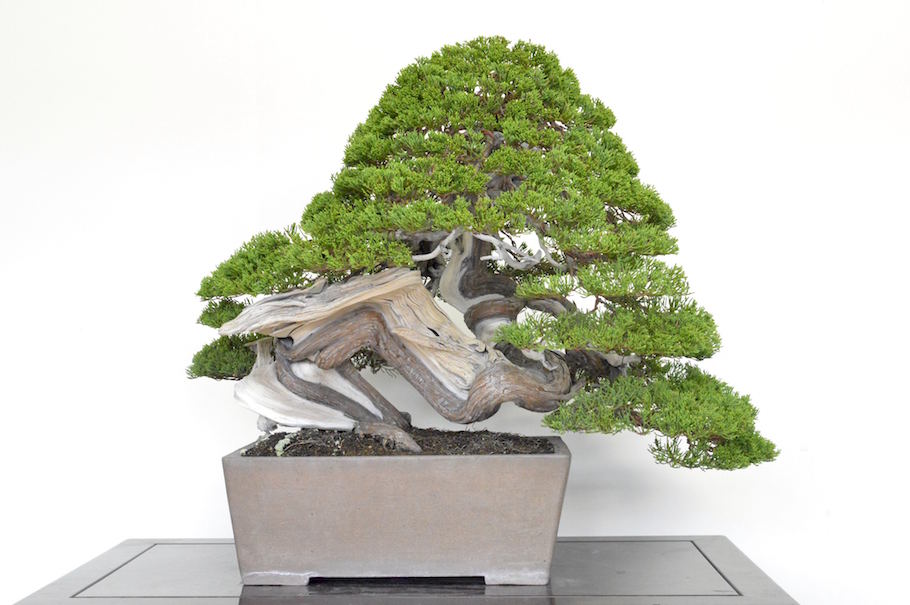
(Beautiful examples of mature bonsai with flowing, realistic jin and shari — notice how deadwood twists naturally around live veins!)
- Bark Removal & Initial Jin Creation Use jin pliers to gently crush and twist dead or dying branches into fibrous strands. For shari, carefully peel bark with a curved jin chisel or knife, exposing the wood underneath. Start from the top down to follow gravity and natural flow. Keep cuts irregular and tapered.
- Refining Jin Fibers for Realism Pull and separate fibers with pliers to create thin, wispy strands that look aged by weather. Avoid uniform thickness — vary lengths and add small splits for character. Use a burin or fine knife to carve subtle grooves and fissures that mimic natural cracking. 😌

(Hands-on process shots: carving shari on a juniper trunk — see the gradual reveal of textured deadwood!)
- Carving Shari on the Trunk Outline the shari border with a sharp knife, then remove wood in thin layers using chisels or nibblers. Always leave a thin strip of live cambium along the edges to promote healing callus. For deeper shari, switch to power tools at low speed to avoid burning the wood.
- Hollowing & Texturing (Uro & Grooves) Use ball burrs or spear chisels to hollow small cavities (uro) for added depth. Add random grooves and pits with rotary tools or burins to simulate rot and age. Keep hollows shallow on smaller trees to prevent weakening the structure.
- Final Cleanup & Bleaching with Lime Sulfur Sand lightly with fine grit (if needed) to smooth rough edges. Clean debris, then apply lime sulfur (diluted 1:1 with water for first coat) to bleach the deadwood white-gray and preserve it against insects/fungi. Multiple coats deepen the color over time.
(Another inspiring mature deadwood display — perfect natural contrast!)
- Aftercare Place the tree in partial shade for 4–6 weeks. Mist live edges to encourage callus roll-over. Monitor for signs of rot (soft spots, blackening) and treat promptly with fungicide if needed. Fertilize lightly to support healing. 🌱
Tool Recommendations: Best Picks for 2025–2026
Based on durability, user feedback from bonsai forums, and real-world performance:
- Best Overall Hand Tool Set — Wazakura Japan Jin & Shari Carving Collection 🌟 (High-carbon steel, excellent edge retention, ergonomic handles — a favorite among pros).

(Iconic Wazakura jin tools — beautifully crafted and razor-sharp!)
- Best Budget Precision Option — Eastern Leaf / Tinyroots Burin Tools (Affordable yet precise for detail work).
- Best Power Tool Starter — Dremel 4000 + Bonsai-Specific Burr Set (Versatile speeds, reliable for beginners transitioning to power).
- Premium Pro Choice — Ryunga or Joshua Roth advanced carving knives (Superb balance and sharpness for large trunks).

(Ryunga chisel set — classic Japanese craftsmanship!)
- Must-Have Nibbler — Stainless steel bonsai nibblers (Fast, clean bites without tearing).
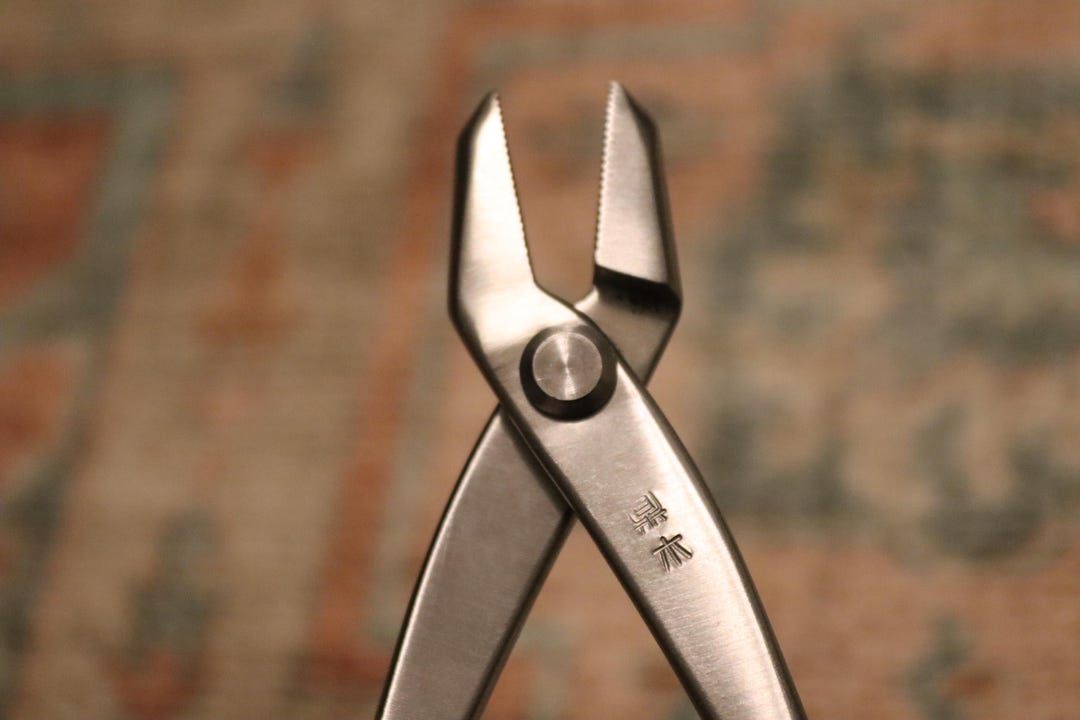
(Close-up of high-quality jin pliers — serrated jaws grip fibers perfectly!)
Pro Tips & Expert Insights from Experienced Bonsai Artists
- Japanese masters twist fibers rather than cut them straight — creates ultra-natural jin.
- For junipers: aggressive shari works well due to fibrous wood; for maples: keep carving minimal to avoid dieback.
- Combine hand tools for refinement + power for bulk removal — best of both worlds.
- Gallery transformations:

(Before-and-after magic: plain trunks turned into dramatic, aged masterpieces!)
Troubleshooting Common Trunk Carving Problems
- Uneven appearance — Fix by adding more random grooves/fissures.
- Rot after carving — Caused by poor cleaning or wet conditions; apply lime sulfur sooner and improve airflow.
- Tools dulling fast — Hone on 1000–3000 grit stones regularly.
- Over-carving live tissue — Allow callus to form; use cut paste on wounds if needed.
Frequently Asked Questions (FAQs) ❓
- What’s the difference between jin pliers and regular pliers? Jin pliers have curved, serrated jaws designed to crush and pull fibers without cutting cleanly.
- Can beginners use power tools for trunk carving? Start with hand tools first — power tools are great but require practice to avoid mistakes.
- How long does carved deadwood take to stabilize? 1–3 years for full callus roll-over and color settling.
- Is lime sulfur necessary? Highly recommended for preservation; alternatives like wood bleach exist but are less effective long-term.
- Best time of year to carve? Late winter/early spring for conifers; active growth for deciduous.
- How to store carving chisels? Clean, oil lightly, and keep in a dry tool roll.
Conclusion
Mastering advanced trunk carving tools transforms your bonsai from ordinary to extraordinary — giving your trees that timeless, storybook character while keeping them healthy and vibrant. Start with a solid hand tool set like Wazakura, practice on less valuable trees, and always let nature guide your hand.
The journey of deadwood creation is as rewarding as the final result. Grab your tools, take your time, and watch your bonsai come alive with age and personality! 🌳🔥











