
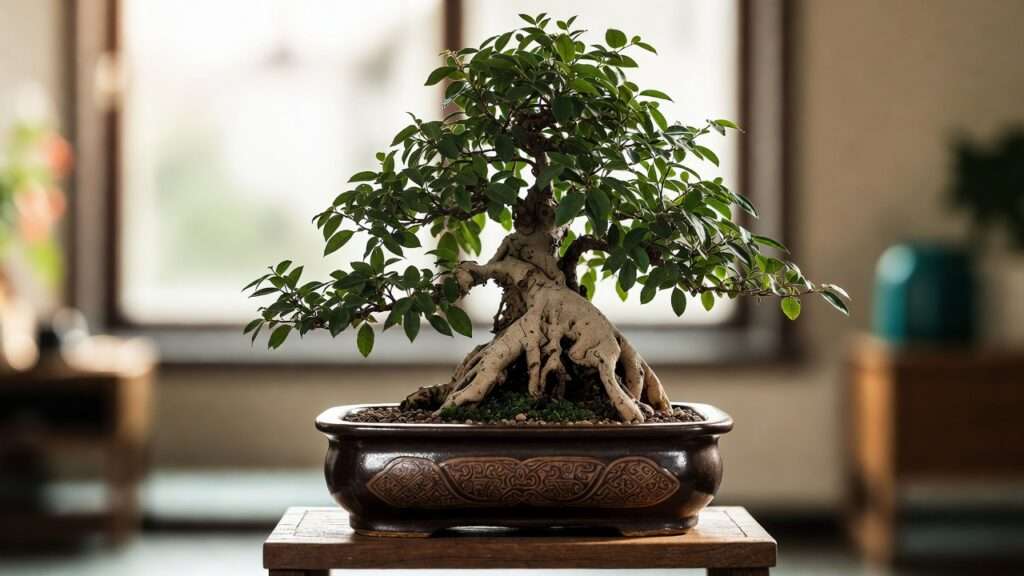
Imagine stepping into a quiet corner of your home where a single bonsai commands attention — its ancient trunk twists gracefully, delicate branches reach outward like brushstrokes on canvas, and the pot beneath it frames the entire scene like a perfectly chosen frame for a masterpiece painting 🖼️. That moment of awe? It’s not just about the tree; it’s about how the bonsai pot selection for artistic display transforms your living sculpture into something truly breathtaking.
Many bonsai enthusiasts spend years nurturing trunk taper, refining branches, and developing nebari (surface roots), only to feel something is “off” when they place their tree on display. The culprit is often the pot — too shiny, too large, too mismatched in style or color. The right container doesn’t just hold soil and roots; it enhances balance, guides the viewer’s eye, emphasizes the tree’s personality, and evokes emotion, whether serene calm or rugged strength.
In this comprehensive guide, we’ll dive deep into proven principles from traditional Japanese bonsai masters, contemporary artists, and my own 15+ years of styling, exhibiting, and teaching bonsai. You’ll learn exactly how to choose (or repot into) pots that make your tree look gallery-worthy, solving the common frustration of “my bonsai looks good… but not amazing on display.” Let’s turn your tree into living art that stops people in their tracks 🌟.

Why the Pot Matters More Than You Think for Artistic Display 🪴
The pot is often called the “silent partner” in bonsai composition. While the tree is the star, the container provides context, proportion, and emotional tone. A mismatched pot can make even a well-developed bonsai appear awkward or unfinished — hiding nebari, disrupting visual flow, or clashing with foliage color.
Functionally, bonsai pots must have excellent drainage, sufficient depth for roots, and unglazed interiors to prevent root circling. But for artistic display, we go beyond basics: the pot must complement the tree’s “gender” (masculine/feminine aesthetic), echo its natural habitat, and create harmony in shape, size, color, and texture.
Poor choices flatten drama — a delicate flowering tree in a heavy, angular pot feels forced, while a rugged pine in a dainty glazed bowl looks comical. The right pot? It amplifies every strength: nebari spreads proudly, trunk movement feels dynamic, and negative space breathes elegance.
Before-and-after examples show the difference instantly: a juniper that looked “okay” in a generic plastic training pot becomes a dramatic statement in a deep, unglazed drum pot. This is the transformation we’re chasing 🎨.
Core Principles of Bonsai Pot Selection for Maximum Aesthetic Impact 📏🎨
Understanding Masculine vs. Feminine Pots ♂️♀️
Bonsai aesthetics borrow the concept of “gender” from traditional Japanese design — not biological, but visual personality.
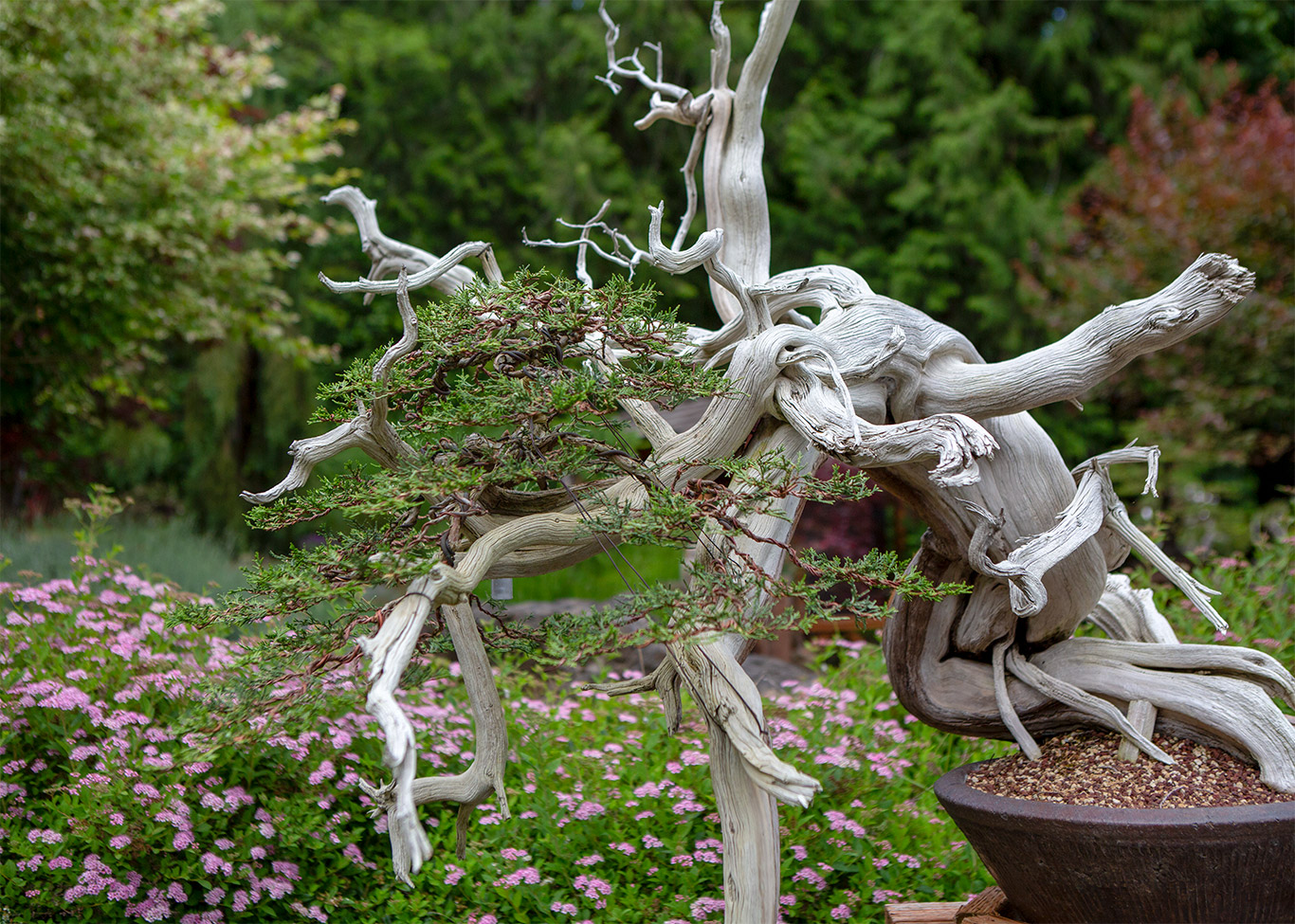
- Masculine pots feature sharp angles, thick lips, deep profiles, and sturdy feet. They suit rugged species like pines, junipers, larches, or old collected yamadori with thick trunks and dramatic deadwood. These pots convey strength and age.
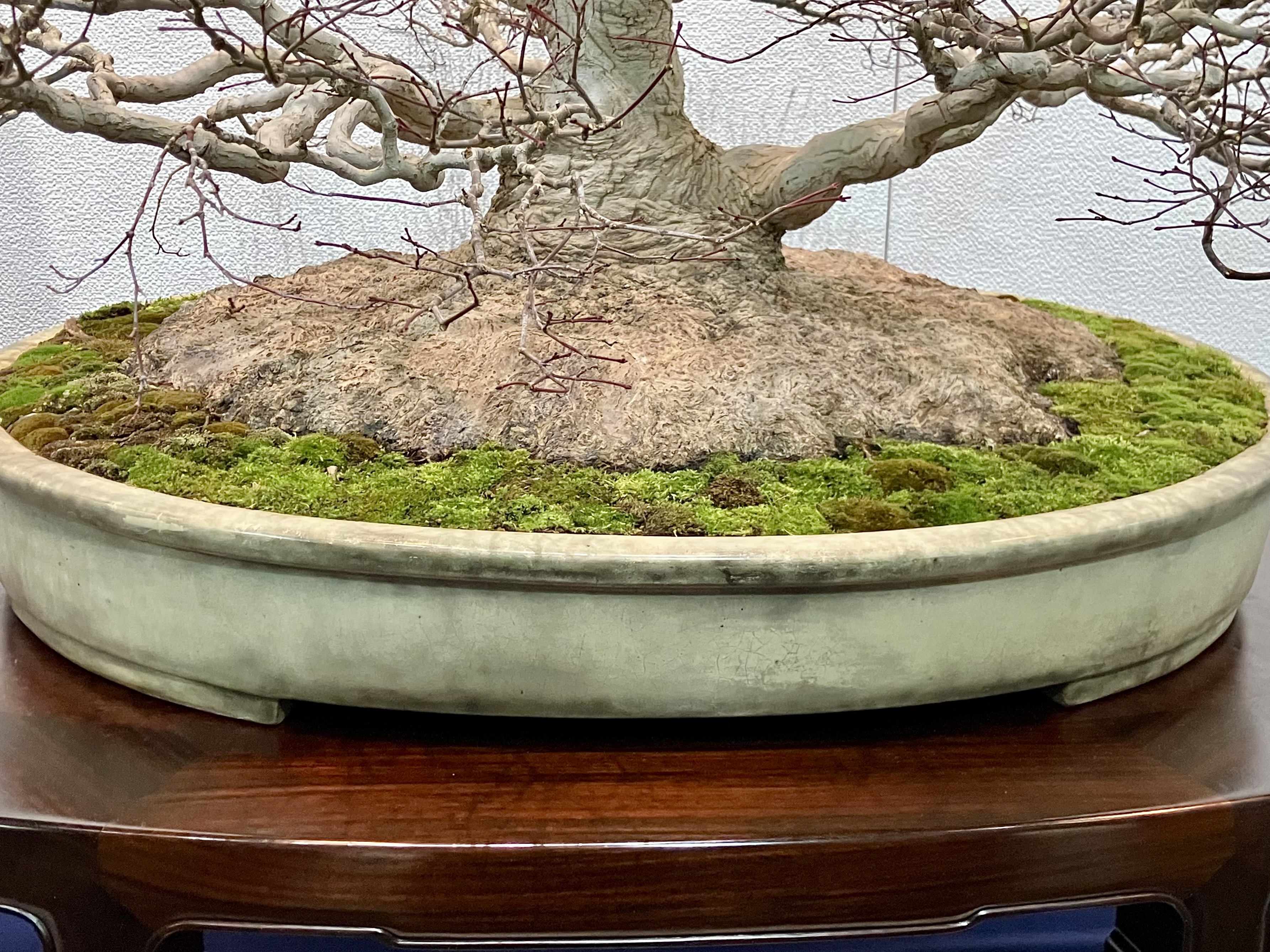
- Feminine pots are softer: rounded edges, shallow depth, gentle curves, low feet. Perfect for graceful trees like maples, flowering quince, azaleas, or young tridents with smooth bark and refined branching.
- Androgynous/neutral pots (round, oval, or simple drum shapes) offer versatility when you’re unsure or want timeless appeal.
The key rule: Match the pot’s energy to the tree’s. A mismatch creates visual dissonance; harmony creates instant “wow.”
Size & Proportion Rules – The Golden Guidelines 📐
Proportion is non-negotiable for artistic impact:
- Depth should roughly equal the trunk’s caliper (width) just above the nebari.
- Length (for rectangular/oval) ≈ 2/3 the tree’s height, or matching the canopy’s widest spread.
- Width allows space for nebari to flare without crowding, but not so much that the tree looks lost.
Common mistakes:
- Too big: Tree appears dwarfed, loses presence.
- Too small: Looks unstable, cramped roots distract.
- Exceptions: Cascade styles need deeper pots to accommodate downward growth; literati (bunjin) often use tiny pots for exaggerated elegance.
Always visualize from front and side — the pot should feel balanced, never overpowering or underwhelming.
Advanced Tips for Elevating Artistic Display Beyond the Pot ✨🖼️
Once you’ve nailed the perfect pot, a few finishing touches can push your bonsai from “very nice” to “museum-quality display.”
- Pairing with the ideal stand (dai) — The stand is the second frame. Choose one slightly smaller than the pot’s footprint, offset slightly to one side (never centered — it creates dynamic tension). Wood tone should complement (not match exactly) the pot color. For masculine pots, dark-stained hardwood; for feminine, lighter or natural finish. Height: Stand should raise the pot so the nebari sits at comfortable eye level when viewed seated.
- Background and lighting considerations — Neutral walls (off-white, soft gray, or tokonoma-style alcove) let the tree shine. Avoid busy patterns or bright colors behind it. Natural window light is best; supplement with soft, diffused LED grow lights angled to highlight trunk texture and branch pads without harsh shadows.
- Seasonal pot rotation — Many advanced enthusiasts keep 2–3 display pots per tree. Switch for spring (brighter glaze to echo new growth), autumn (warm earth tones for fall color), or winter (deep unglazed for stark elegance). This keeps your display fresh and showcases different facets of the tree’s personality.
- Repotting for display-ready roots — Time your next repot to refine nebari spread. Gently tease roots outward during repotting so they flare dramatically over the pot rim — this single technique can double the visual impact of even a modest tree.
These small refinements compound dramatically. A well-potted, well-staged bonsai draws the eye for minutes instead of seconds.
Common Mistakes to Avoid in Bonsai Pot Selection ❌🚫
Even experienced growers fall into these traps — learn from them so you don’t have to:
- Hiding the nebari — Choosing a pot too deep or with high lips that bury surface roots. Always ensure at least 60–70% of the nebari remains proudly visible.
- Following trends over harmony — Buying the “popular” brightly glazed pot everyone is using on social media, even when it clashes with your tree’s quiet dignity.
- Ignoring drainage and root health for looks — A gorgeous pot with tiny or poorly placed drainage holes will eventually kill your tree. Artistic display means nothing if the bonsai dies.
- Rushing the decision — Buying online without seeing the tree in the pot first (or at least mocking it up with cardboard cutouts). Always do the “gut check” test in person.
- Over-decorating — Adding figurines, moss balls, or excessive ground cover in the pot. Keep it minimalist — the tree and pot together should tell the story.
Avoid these, and you’ll leapfrog years of trial-and-error frustration.
Frequently Asked Questions (FAQs) ❓🌱
What if I can’t find the “perfect” pot right away? Be patient. Many serious bonsai artists wait months or even years for the right container. In the meantime, keep your tree in a plain training pot and focus on branch refinement. The search becomes part of the artistic journey.
Can I use non-traditional containers for artistic effect? Yes — with caution. Antique stoneware bowls, hand-thrown studio ceramics, or even repurposed high-quality planters can work beautifully if they meet proportion, drainage, and harmony rules. Just avoid anything mass-produced or plastic-looking.
How do I know if a pot is high-quality and worth the investment? Look for: thick, even walls; clean, crisp feet; smooth (not gritty) interior; multiple large drainage holes; maker’s mark or origin (Tokoname, Seto, Chinese Yixing-style, or reputable studio artists). Tap it — high-fired pots have a clear, ringing sound.
Should beginners start with unglazed pots? Absolutely recommended. Unglazed pots are forgiving, develop beautiful patina over time, and don’t compete with the tree visually. They’re also usually more affordable while teaching proportion and style matching.
What are budget-friendly ways to get stunning display pots? Start with mid-range Tokoname or Chinese imports from reputable bonsai suppliers (avoid the cheapest e-commerce lots). Attend local bonsai club sales or shows — vendors often sell high-quality used pots at great prices. Over time, invest in one or two premium pieces as your skills and collection grow.
Conclusion: Transform Your Bonsai into Living Art Today 🌳❤️
Bonsai pot selection for artistic display is far more than a technical decision — it’s the final brushstroke that completes your living masterpiece. When shape, size, color, texture, and personality align perfectly, your tree stops being just a plant and becomes a quiet, powerful story told in wood, leaf, and clay.
You now have the complete toolkit: core principles rooted in decades of Japanese tradition and modern practice, a clear step-by-step process, real-world examples, expert-level refinements, and warnings about the most common pitfalls. The next time you stand in front of your bonsai, you’ll see it with fresh eyes — and hopefully feel that instant “this is it” spark of satisfaction.
Your action steps are simple:
- Pull out your favorite (or most frustrating) bonsai today.
- Run it through the checklist.
- Start hunting for that transformative pot — whether it’s already in your collection or waiting to be discovered.
When you finally repot and place it on display, the difference will be undeniable. Your tree won’t just sit there — it will command attention, quiet the room, and remind everyone who sees it of nature’s quiet majesty.
Happy pot hunting, and may your bonsai always find the frame it deserves 🌟.
Feel free to bookmark this guide, come back before every repotting season, and — if you’d like — share your before-and-after photos in the comments or on social media. I’d love to see how these principles transform your trees!











