
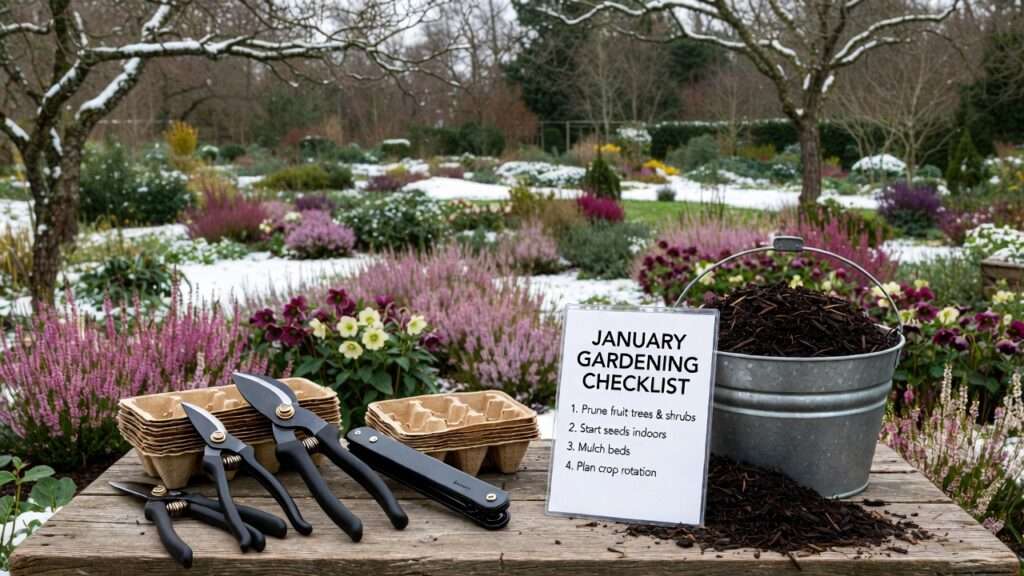
Imagine this: It’s early spring, and while your neighbors are just starting to think about gardening, your yard is already bursting with vibrant greens, healthy young seedlings thriving, and fruit trees shaped perfectly for a bumper harvest. 🌸 No frantic last-minute planting, no winter damage surprises, and no missed opportunities — all because you took a few smart, strategic steps in January. ❄️➡️🌿
If you’re like most plant and tree enthusiasts, January feels like a “quiet” month — the garden is dormant (or semi-dormant), holidays are over, and it’s easy to put things off. But this is exactly why January gardening checklist time is golden: it’s your chance to plan, protect, prune, and prepare so your plants and trees explode with growth when warmer weather arrives. Whether you’re in a colder climate dealing with frost protection or a milder/subtropical area like Dhaka, Bangladesh (USDA zones 10-11 equivalent, with mild winters around 15-25°C/59-77°F), January sets the foundation for a healthier, more productive garden all year.
In this comprehensive guide, we’ll cover everything from soil prep and tree pruning to seed starting and eco-friendly practices. As a dedicated plant and tree care expert with years of hands-on experience across diverse climates — including tropical and subtropical regions — I’ve seen how these January actions prevent common problems like weak roots, pest outbreaks, and poor yields. Let’s turn the new year into your garden’s best one yet! 🚀
Why January Matters for Your Plants and Trees 🌟
January acts as a “bridge month” between winter dormancy and spring awakening. In colder zones, plants conserve energy; in warmer/subtropical areas (like Dhaka’s mild, dry winter), many plants stay semi-active or even grow steadily.
Key benefits of acting now:
- Stronger foundations — Early planning and amendments lead to better nutrient uptake and root development.
- Pest and disease prevention — Dormant-season pruning and cleanup reduce overwintering pests.
- Earlier harvests — Starting seeds indoors or direct sowing cool-season crops gives you weeks ahead.
- Tree health boost — Winter pruning (when sap flow is low) promotes vigorous spring growth without stressing the tree.
Pro tip: Always adapt to your local microclimate. In Dhaka and similar subtropical zones, January often brings cool nights (down to 10-15°C) but plenty of sunny days — perfect for winter veggies and light tree maintenance, but watch for occasional fog or rare frost. 🌡️
1. Planning and Preparation: Lay the Foundation for a Bountiful Year 📅
Start with reflection — grab a notebook or garden journal and review last year’s wins and challenges. What thrived? What struggled (pests, poor soil, overcrowding)? This simple step prevents repeating mistakes.
- Create or update your garden map — Sketch beds, tree locations (consider future shade from growing trees), sun patterns, and irrigation zones.
- Set SMART goals — Specific, Measurable, Achievable, Relevant, Time-bound. Examples: “Plant 3 mango or jackfruit trees,” “Go fully organic with compost teas,” or “Harvest 50kg of winter greens.”
- Order seeds and supplies early — Popular January orders include heat-tolerant varieties for subtropical gardeners (e.g., local Bangladeshi okra, brinjal/eggplant hybrids, or chillies). Check reputable sources for disease-resistant seeds.
- Inventory tools and materials — Sharpen pruners, clean pots, stock organic fertilizers, and mulch.
This planning phase alone can save hours later and boost your confidence as a gardener! 🗒️
2. Soil and Site Care: Build Healthy Foundations 🪴
Healthy soil = thriving plants and trees. January is ideal for testing and amending before growth ramps up.
- Soil testing — Collect samples (avoid wet soil) and test pH/nutrients. Most veggies prefer 6.0-7.0; trees like slightly acidic for fruiting types (e.g., citrus, mango). In Dhaka’s often clay-heavy soil, add organic matter to improve drainage.
- Amend with compost or well-rotted manure — Spread 2-5 cm layer and lightly fork in. This boosts microbial life and water retention.
- Refresh mulch — Add 5-10 cm of organic mulch (straw, leaves, or coconut coir in tropical areas) around trees and beds to insulate roots, suppress weeds, and retain moisture.
- Fix drainage issues — In rainy-prone spots, create raised beds or swales.
Expert insight: In subtropical climates, January’s cooler temps make soil amendments settle nicely before summer heat stresses plants. 🌍
(Image suggestion: A lush winter garden bed with fresh mulch around young trees and veggies — vibrant greens against brown mulch for visual appeal!)
3. Tree Care Essentials: Prune, Protect, and Plant 💪🌳
Trees benefit hugely from January attention — especially in mild winters where they’re not fully dormant.
- Winter pruning for deciduous and fruit trees — Remove dead, diseased, crossing, or damaged branches. For fruit trees (apple, peach, mango in subtropics), open the canopy for better air circulation and light. Use clean, sharp tools; make cuts just outside the branch collar. Avoid heavy pruning on spring bloomers (e.g., cherry, magnolia). In subtropical areas like Dhaka, light shaping of mango, guava, or jackfruit prevents overcrowding and improves fruit quality.
- Inspect for damage — Check for cracks from cold (rare in mild zones), pest signs, or fungal issues. Treat early.
- Protect young trees — Wrap trunks with breathable material against sunscald or rodents; check stakes for stability.
- Plant bare-root or container trees — In zones 9-11/subtropical, January is prime for planting fruit trees (mango, citrus, lychee) while soil is workable and temps mild.
Common mistake to avoid: Over-pruning — remove no more than 20-25% of canopy to prevent stress.
(Image: Proper pruning cut on a fruit tree branch, showing clean cut and branch collar — educational close-up!)
4. Plant Protection: Safeguard Against Winter Challenges ❄️🛡️
Even in mild winters, protection pays off.
- Frost and cold snap monitoring — In Dhaka, rare dips below 10°C can harm tender plants; use row covers, cloches, or old sheets for veggies/young trees.
- Houseplant care — Check for pests (spider mites, mealybugs) due to dry indoor air; increase humidity with trays of water.
- Rodent and animal protection — Use hardware cloth around tree bases or natural repellents.
- Debris cleanup — Remove fallen leaves/fruit to prevent fungal diseases like anthracnose in humid subtropics.
These steps keep your investment safe through the season! 🛡️
5. Seed Starting and Indoor Gardening: Get a Head Start Indoors 🌱🏠
One of the biggest advantages of January gardening is getting a jump on the growing season by starting seeds indoors. This is especially valuable in cooler climates, but even in mild subtropical areas like Dhaka, it allows you to grow heat-loving crops earlier and extend your harvest window.
Why start now? Many warm-season vegetables (tomatoes, peppers, eggplants) need 8–12 weeks before transplanting outdoors. Starting in January means sturdy seedlings ready by March/April — avoiding the rush later.
What to start in January (zone-adapted):
- Cooler zones (7–9) — Tomatoes, peppers, eggplants, broccoli, cabbage, cauliflower, onions from seed.
- Mild/subtropical zones (like Dhaka, 10–11 equivalent) — Start heat-lovers earlier (brinjal/eggplant, chilli varieties, tomatoes, okra, bitter gourd) plus herbs and fast greens.
Step-by-step setup guide:
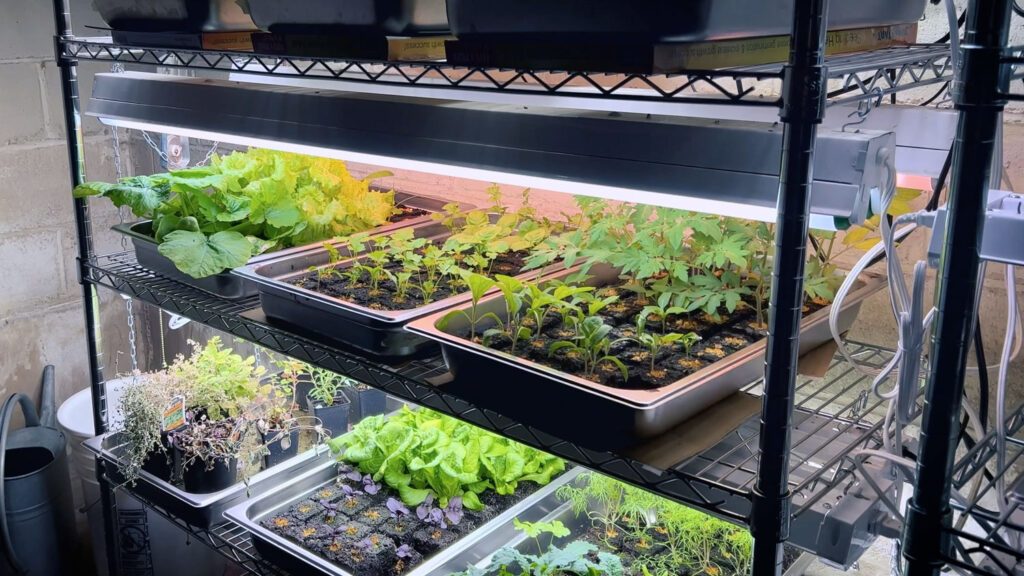
- Choose a bright, warm spot (south-facing window or use grow lights).
- Use seed-starting mix (sterile, light, well-draining — avoid garden soil).
- Sow seeds at the recommended depth (usually 2× seed width).
- Keep soil moist (not soggy) with a spray bottle; use a humidity dome or plastic cover until germination.
- Provide 14–16 hours of light daily with LED grow lights if natural light is low.
- Maintain 20–25°C (68–77°F) for most seeds; use a heat mat if needed.
Bonus for subtropical gardeners: In Dhaka’s mild January, you can also grow microgreens (radish, mustard, coriander) on windowsills for fresh winter salads, or start ginger/turmeric rhizomes in pots for steady supply.
Common pitfalls to avoid:
- Overwatering → leads to damping-off fungus.
- Insufficient light → leggy, weak seedlings.
- Starting too early without enough light/heat → poor results.
(Image: Indoor seed starting setup with grow lights and trays of vibrant lettuce and vegetable seedlings — perfect inspiration for your January project!)
6. What to Plant in January: Direct Sow, Transplant, and Harvest 🌿
Depending on your climate, January offers planting opportunities — especially in milder areas.
Direct sow (cool-season crops that tolerate light frost):
- Leafy greens: Spinach, kale, Swiss chard, lettuce, mustard greens, arugula.
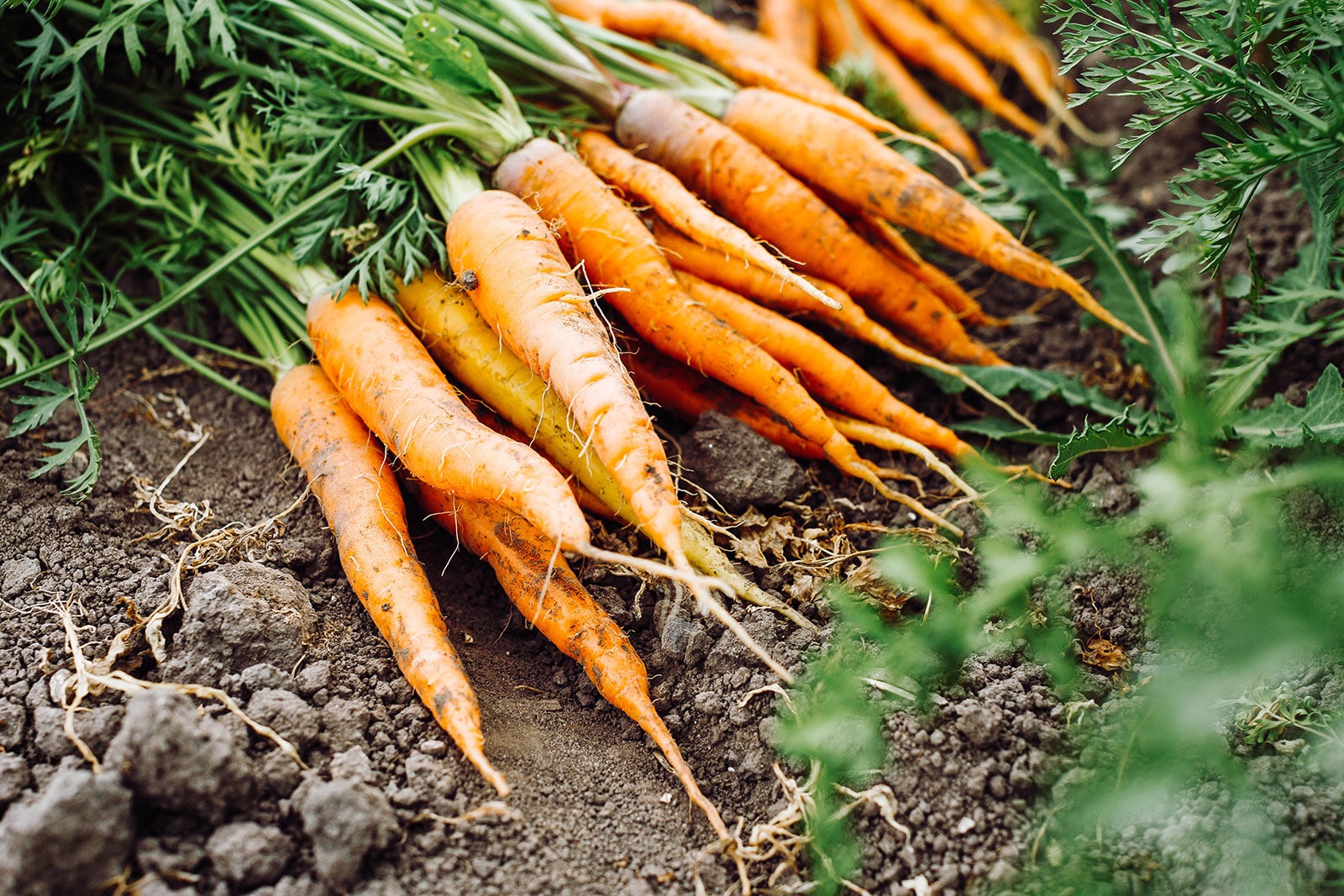
- Root veggies: Carrots, beets, radishes, turnips.
- Peas and broad beans (in sheltered spots).
- In subtropical Dhaka-like climates: Continue sowing coriander, spinach, radish, fenugreek (methi), and winter onions.
Transplant or plant:
- Garlic sets, onion sets, shallots (if not already done).
- Perennial herbs (mint, oregano, thyme).
- In zones 9+, roses, strawberries, and some fruit bushes.
Harvest now:
- Overwintered crops like kale, leeks, Brussels sprouts, parsnips (sweeter after frost).
- In mild winters: Ongoing picks of cabbage family greens, carrots stored in ground.
Subtropical bonus: Harvest winter veggies like cauliflower, cabbage, carrots, and beetroot; maintain papaya, banana, and ginger plants with light feeding.
(Image: Freshly harvested winter carrots and other cool-season root vegetables straight from the garden bed — showing the rewards of January care!)
7. Maintenance Tasks: Keep Everything Thriving 🔧
Don’t neglect ongoing care — small January efforts prevent big spring problems.
- Tool maintenance — Clean, oil, and sharpen pruners, loppers, and spades to prevent disease spread.
- Watering wisely — Water deeply but infrequently (once every 7–14 days in cold/dry weather); check soil moisture 5–10 cm down. In subtropical dry winters, water trees/shrubs every 10 days if no rain.
- Fertilizing — Apply slow-release organic fertilizer or compost tea to perennials, fruit trees, and established beds. Avoid high-nitrogen on dormant plants.
- Pest and disease scouting — Look for scale on trees, aphids on greens; use neem oil or insecticidal soap early.
These habits build resilience year-round! 🛠️
8. Sustainable and Eco-Friendly Tips: Garden with the Planet in Mind ♻️
January is perfect for building green habits that benefit your garden and the environment.
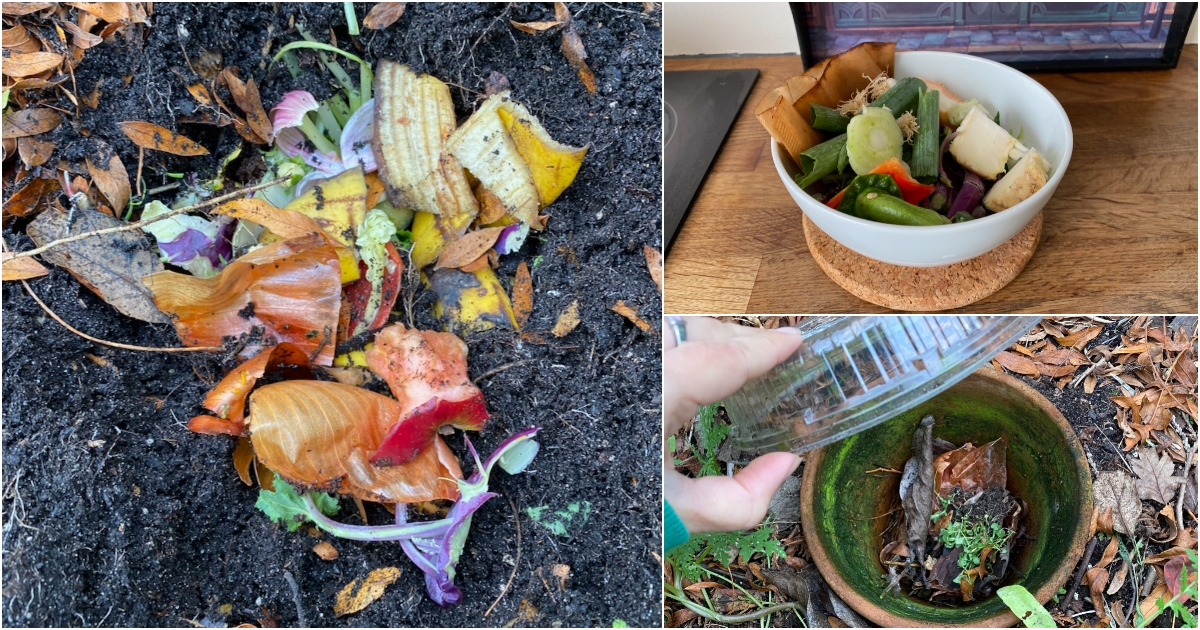
- Start or maintain composting — Layer kitchen scraps (veggie peels, eggshells, coffee grounds) with browns (dry leaves, cardboard). Turn occasionally for faster breakdown.
- Water conservation — Install rain barrels or use greywater (from veggie rinse) for outdoor plants. Mulch heavily to reduce evaporation.
- Pollinator planning — Order native flower seeds (marigold, sunflower, zinnia) to plant later; plan bee-friendly trees/shrubs.
- Go chemical-free — Use companion planting (marigolds deter nematodes), beneficial insects, and homemade sprays (garlic-chilli).
(Image: Kitchen scraps being added to an outdoor compost pile — simple, sustainable January gardening in action!)
Expert Insights and Common Mistakes to Avoid ⚠️
From years of experience:
- Pruning insight — Always prune on dry days; never in freezing weather (can cause dieback). Cut at 45° angles away from buds.
- Biggest mistakes — Ignoring soil tests (leads to nutrient imbalances), pruning too much (stresses trees), or starting seeds without adequate light (weak plants).
- Dhaka-specific tip — Watch for foggy mornings encouraging fungal issues — ensure good airflow around plants.
Seasonal Visual Ideas: Inspire Your Space 📸
Force branches (forsythia, quince) indoors for early blooms. Plant winter-interest evergreens or colorful stems (dogwood, willow) for beauty now.
(Image: Houseplant on a pebble tray boosting humidity during dry winter months — great for indoor plant care in January!)

FAQs: Quick Answers to Common January Gardening Questions ❓
Q: Can I prune my mango tree in January? A: Yes, in subtropical climates like Dhaka — light shaping/pruning is ideal now while dormant/semi-dormant. Avoid heavy cuts.
Q: What if we get unexpected frost? A: Cover tender plants with frost cloth, old sheets, or cloches overnight; water soil beforehand for insulation.
Q: Best trees to plant now? A: Bare-root fruit trees (mango, citrus, guava in mild zones) or container evergreens.
Q: How to start seeds without fancy equipment? A: Use recycled containers, sunny windowsills, and DIY lights (LED shop lights work great on a budget).
Conclusion: Your January Action Plan – Start Today! 🎯
Here’s your quick printable checklist summary:
- Plan & map your garden 📅
- Test & amend soil 🪴
- Prune & protect trees 🌳
- Safeguard plants ❄️
- Start seeds indoors 🌱
- Plant/harvest seasonally 🌿
- Maintain tools & watering 🔧
- Add sustainable practices ♻️
Small, consistent January efforts deliver massive spring and summer rewards — healthier plants, stronger trees, earlier harvests, and a more enjoyable garden. You’ve got this! 🌟
Bookmark this guide, share your progress in the comments, and subscribe for monthly checklists tailored to plant and tree care lovers everywhere — including our friends in subtropical regions like Dhaka. Happy gardening in the new year! 🚀🌿











