
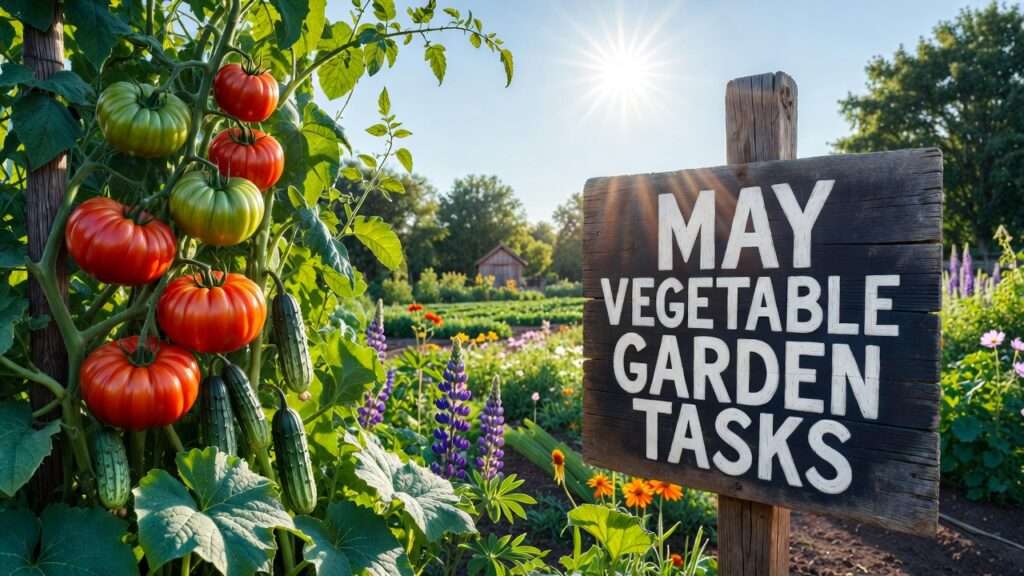
May is that magical month when your vegetable garden truly wakes up! The days stretch longer, the soil warms under the sun, and the promise of juicy tomatoes 🍅, crisp cucumbers 🥒, and sweet corn 🌽 feels tantalizingly close. If you’re like most home gardeners, you’re probably buzzing with excitement—but also a bit overwhelmed. What exactly should you be doing right now? Miss a key task, and you could face leggy transplants, pest invasions, or disappointing yields later in summer.
May vegetable garden tasks are all about timing: finishing up cool-season crops, planting heat-loving favorites at peak conditions, prepping soil for maximum health, and staying ahead of early pests and weeds. As a horticulturist with over 15 years of experience guiding gardeners across USDA zones (from frosty northern spots to milder southern ones), I’ve seen how nailing these May steps transforms average gardens into productive havens. This complete guide goes beyond basic checklists—it’s packed with zone-specific tips, pro techniques, organic strategies, and troubleshooting to help you maximize your space for a bountiful harvest. Whether you’re in Zone 5 dealing with late frosts or Zone 8 already enjoying warm nights, you’ll find actionable advice here.
Grab your coffee ☕, a notebook, and let’s dive in—your summer salads, salsas, and stir-fries depend on what you do this month!

Understanding Your May Gardening Window – Why Timing Matters 🌡️
Timing is everything in vegetable gardening, and May sits right in the sweet spot for most of the Northern Hemisphere. Your last spring frost date determines when it’s truly safe to plant tender crops without risking damage.
- Zones 3–4 (colder northern areas): Last frost often lingers into mid-to-late May (May 14–June 4 on average). Focus on hardy transplants like potatoes, peas, and kale early, then warm-season crops later.
- Zones 5–6: Typically frost-free by mid-May (April 15–May 15). This is prime time for tomatoes, peppers, and squash.
- Zones 7–9 (warmer regions): Frost danger usually passes by early May (March–April). You can plant heat-lovers aggressively.
To check your exact dates, use tools like the Old Farmer’s Almanac frost date calculator or USDA zone map—enter your ZIP code for precision. Soil temperature is just as crucial: most warm-season veggies need 60–65°F (15–18°C) at planting depth. Use a soil thermometer (cheap and essential!) to confirm.
Pro tip: If a late frost threatens, cover tender plants with frost blankets, cloches, or even overturned buckets overnight ❄️. This simple step has saved countless tomato crops in my experience!
Preparing Your Vegetable Garden for May Success 🛠️
Before planting, set your garden up for thriving plants all season.
Soil and Bed Prep Tasks 🌿
Start with a soil test (kits from garden centers or extension services) to check pH (aim for 6.0–7.0 for most veggies) and nutrients. Amend as needed:
- Add 2–3 inches of compost or well-rotted manure to boost organic matter and microbial life.
- Incorporate balanced organic fertilizer (like 4-4-4) if soil is depleted.
- Turn beds lightly to aerate without disrupting structure—avoid over-tilling to preserve beneficial fungi.
Mulch is your May MVP: Apply 2–3 inches of organic mulch (straw, shredded leaves, or grass clippings) after planting to retain moisture, suppress weeds, and regulate soil temperature.

Tool and Supply Checklist 🔧
Stock up now to avoid mid-season rushes:
- Sturdy trowel, hoe, pruners, stakes/trellises
- Row covers for pest protection
- Organic neem oil, insecticidal soap, companion plants (marigolds 🌼)
- Drip irrigation or soaker hoses for efficient watering
Essential Planting Tasks in May – Get Those Crops In! 🌿
May is planting month! Focus on direct sowing and transplanting once frost risk passes and soil warms.
Direct Sowing Warm-Season Favorites
These thrive when planted directly:
- Beans (bush and pole), corn, cucumbers, squash, pumpkins, melons 🍉
- Succession plant every 2–3 weeks for continuous harvest—e.g., sow beans in batches until early July.
- Spacing tip: Follow seed packet guidelines, but add 10–20% extra room in dense beds for airflow.
Transplanting Heat-Lovers
Tomatoes, peppers, eggplant love May warmth:
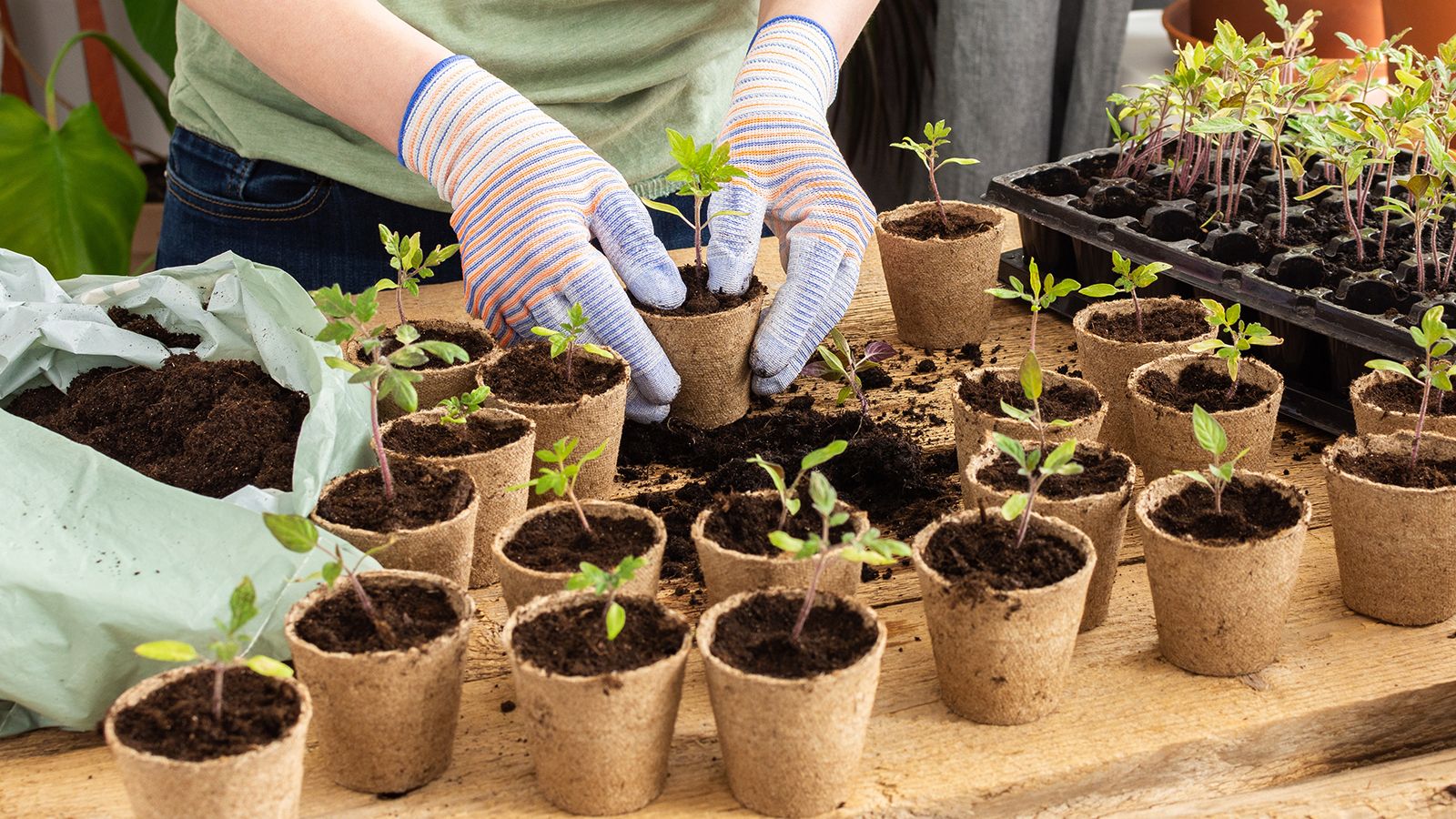
- Harden off indoor starts for 7–10 days (gradually expose to outdoors).
- Plant tomatoes deeply (bury up to first leaves) for stronger roots.
- Space 18–36 inches apart; use cages or stakes immediately.
Late Cool-Season Crops & Succession Planting
Extend spring harvests:
- Sow more lettuce, radishes, carrots, beets.
- Interplant fast-growers (radishes) with slower ones (carrots) to maximize space.
What NOT to Plant Yet 🚫
Hold off on super-tender crops like okra or sweet potatoes if soil is below 70°F.
Caring for Existing Crops – Keep Spring Growth Thriving 🌱
Your early spring plantings (peas, lettuce, radishes, spinach, carrots, beets, potatoes) are likely growing strong by May. Now’s the time to nurture them for maximum production before heat sets in.
- Thinning Seedlings: Overcrowded plants compete for light, water, and nutrients, leading to smaller roots or heads. Thin carrots and beets to 2–3 inches apart, radishes to 1–2 inches. Snip (don’t pull) extras at soil level to avoid disturbing neighbors. This simple step can double your harvest size!
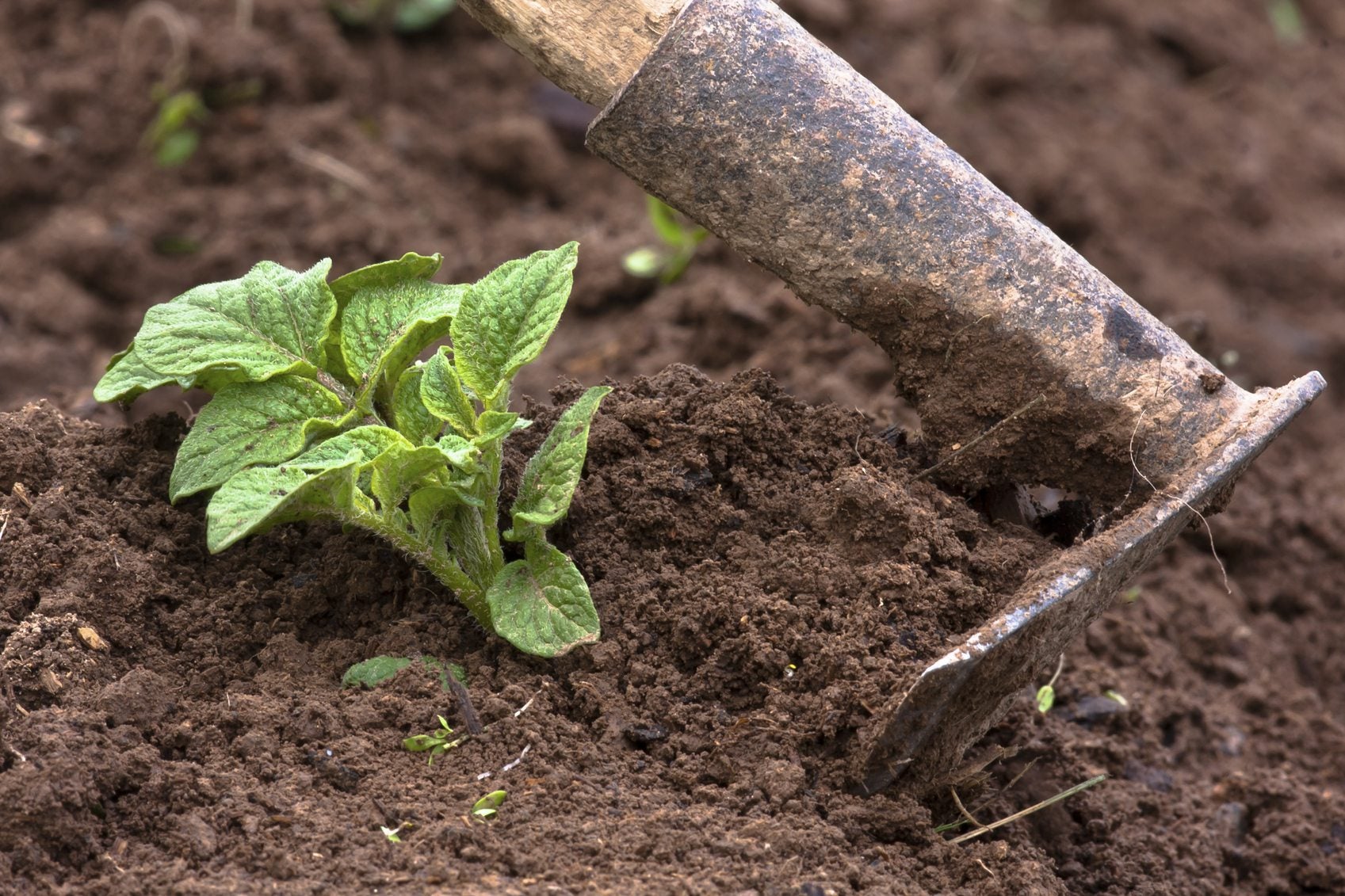
- Hilling Potatoes 🥔: As potato plants reach 6–8 inches tall, mound soil or mulch around stems, leaving just the top leaves exposed. This prevents tubers from greening in sunlight and encourages more spuds to form underground. Hill again every 2–3 weeks as plants grow. Use loose soil or straw for best results.
- Supporting Climbing Crops: Tie peas and early beans to trellises or stakes. This improves airflow, reduces disease, and makes harvesting easier.
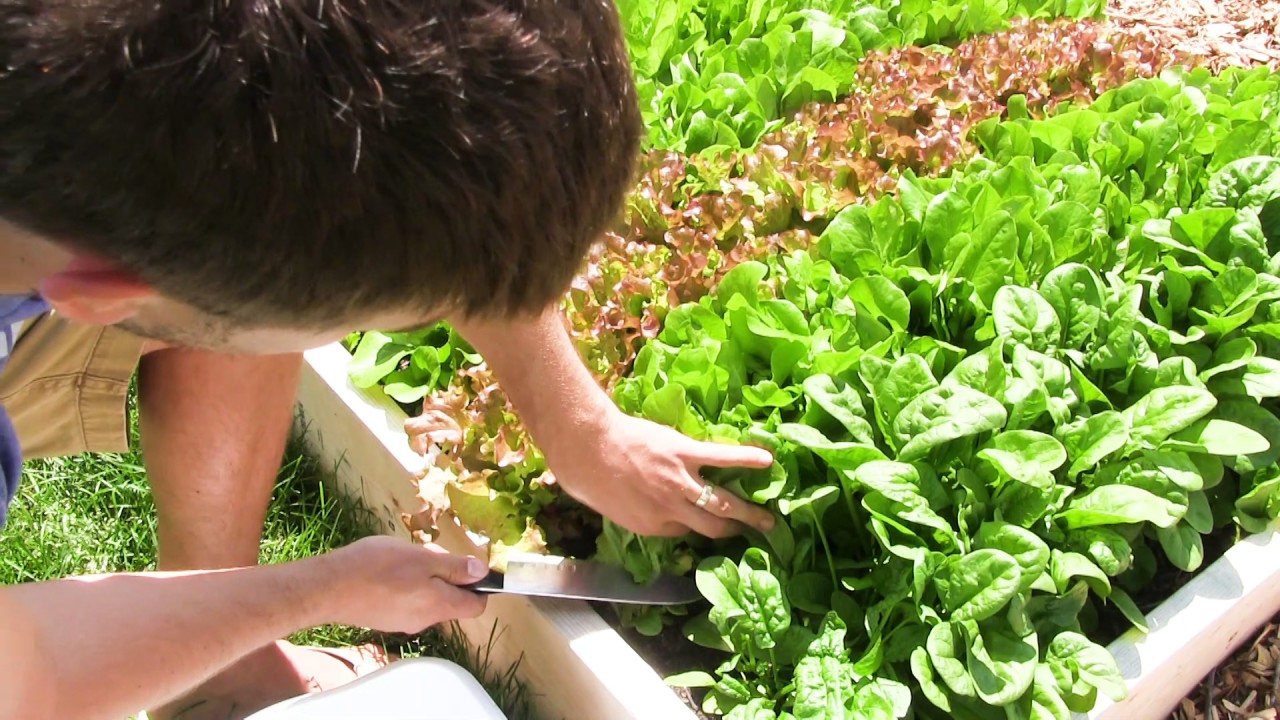
- Harvesting Early Crops: Pick lettuce, spinach, and radishes regularly to encourage regrowth. Use the cut-and-come-again method: Harvest outer leaves, leaving the central growing point intact. You can get 3–5 cuts from a single planting!
Watering, Feeding, and Mulching Mastery 💧
Consistent care prevents stress as temperatures rise.
- Watering Rules: Aim for 1–1.5 inches per week (more in sandy soils or hot spells). Water deeply at the base early morning to minimize evaporation and fungal issues. Use soaker hoses or drip lines for efficiency—avoid overhead sprinkling on tomatoes/peppers to prevent blight.
- Organic Feeding Schedule: Side-dress with compost, aged manure, or balanced organic fertilizer (e.g., fish emulsion or 5-5-5) around plants. For heavy feeders like corn and tomatoes, apply every 3–4 weeks. Compost tea (steep compost in water) provides a quick nutrient boost.
- Mulching Benefits: After watering, apply 2–3 inches of organic mulch (straw, shredded leaves, grass clippings—no fresh clippings if treated). This conserves moisture, suppresses weeds, moderates soil temperature, and adds nutrients as it breaks down.
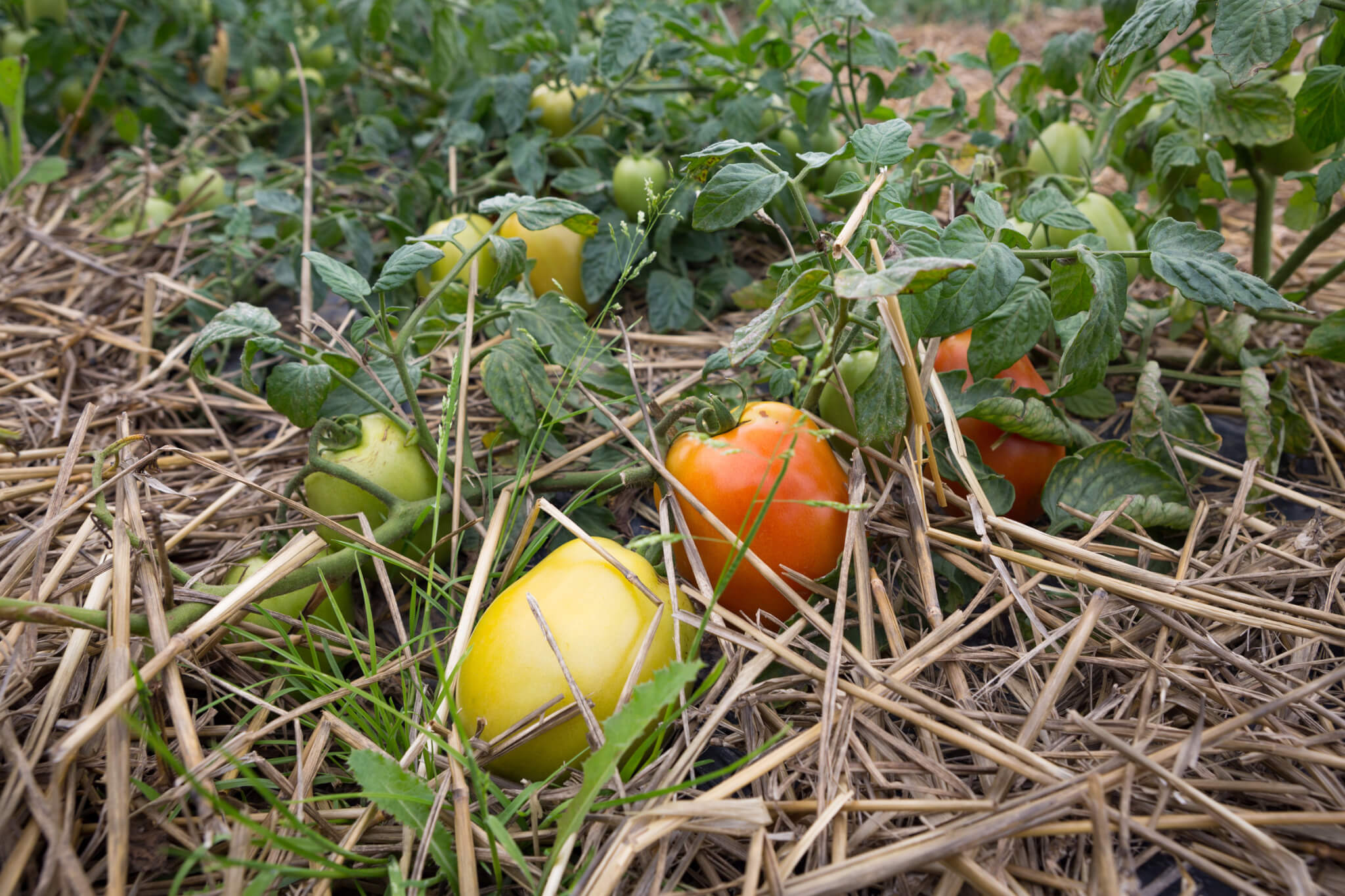
Pro tip: Keep mulch 1–2 inches away from stems to prevent rot.
Pest and Disease Prevention – Stay Ahead in May 🛡️
May brings the first waves of pests—catch them early for organic success.
- Common Threats:
- Aphids: Clusters on new growth; they suck sap and spread viruses.
- Cutworms: Chew seedlings at soil level overnight.
- Flea beetles: Tiny holes in leaves of brassicas/eggplant.
- Powdery mildew: White powder on squash/cucumbers in humid conditions.
- Organic Controls:
- Blast aphids with strong water spray; introduce ladybugs (natural predators!).
- Use row covers on young plants to block insects.
- Neem oil or insecticidal soap sprays (apply evenings).
- Companion planting: Marigolds deter nematodes and some beetles; nasturtiums trap aphids.

Daily scouting (flip leaves, check stems) is your best defense—early detection prevents outbreaks.
Weeding and Maintenance Routines 🧹
Weeds steal resources—stay vigilant!
- Hand-pull or hoe young weeds before they seed.
- Mulch heavily to smother future sprouts.
- Weekly 15-minute walk-throughs keep the garden tidy and let you spot issues fast.
Advanced Tips for Bigger Yields – Expert-Level Strategies 📈
Once you’ve got the basics covered, these pro techniques can push your May vegetable garden to the next level and significantly increase production.
- Smart Companion Planting Combos 🌼 Plant marigolds around tomatoes and peppers to repel root-knot nematodes and some beetles. Nasturtiums act as trap crops for aphids—plant them near cucumbers and squash so pests attack the flowers instead of your veggies. Basil planted near tomatoes improves flavor (anecdotal but widely reported by gardeners) and repels flies and mosquitoes. Dill and fennel attract beneficial predatory wasps that eat caterpillars.
- Boosting Pollinators for Better Fruit Set 🐝 Many May-planted crops (cucumbers, squash, melons, beans) depend on bees for pollination. Add quick-blooming flowers like zinnias, cosmos, sunflowers, or borage around the edges of beds or in containers. These provide nectar and pollen when vegetable flowers are just starting. Avoid pesticides during bloom time—even organic ones can harm pollinators.
- Succession and Intercropping Mastery Succession planting keeps harvests coming: After harvesting early radishes or lettuce, immediately sow more seeds or transplant baby greens. Intercropping examples for May: – Plant fast-maturing radishes between slow-growing tomato transplants. – Sow bush beans between rows of sweet corn (the classic “Three Sisters” companion method—add winter squash later). – Lettuce or spinach under taller brassicas or pole beans for shade protection as summer heats up.
- Vertical Gardening for Small Spaces Use trellises, A-frames, or cages for pole beans, cucumbers, indeterminate tomatoes, and even some squash varieties. This saves ground space, improves airflow (reducing disease), and makes harvesting easier. Install supports right at planting time to avoid root disturbance later.
Troubleshooting Common May Garden Problems ⚠️
Even experienced gardeners hit bumps—here are the most frequent May issues and proven fixes:
- Leggy or Stretched Transplants Cause: Insufficient light indoors or delayed planting. Fix: Bury stems deeply (especially tomatoes), provide support stakes immediately, and ensure full sun (6–8+ hours daily).
- Slow Germination of Warm-Season Seeds Cause: Soil still too cool (<60°F). Fix: Use black plastic mulch to warm soil faster, or start seeds indoors and transplant once conditions improve. Water consistently but avoid overwatering.
- Bolting in Cool-Season Crops (lettuce, spinach, radishes turning bitter and flowering) Cause: Rising temperatures and longer days trigger bolting. Fix: Harvest early, provide afternoon shade cloth if possible, and succession-plant heat-tolerant varieties (e.g., ‘Summer Crisp’ lettuces).
- Seedling Wilting or Cut at Base Cause: Cutworms or damping-off fungus. Fix: Place cardboard or foil collars around stems at soil level for cutworms. Improve drainage and avoid overwatering for damping-off.
- Yellowing Leaves on New Transplants Cause: Transplant shock, nutrient deficiency, or over/under watering. Fix: Water deeply but infrequently, apply diluted fish emulsion, and mulch to stabilize conditions.
Monthly May Vegetable Garden Checklist – Printable Version ✅
Here’s your at-a-glance master list. Print it, check off tasks, and adjust based on your USDA zone.
Early May Priorities
- Test/amend soil and add compost 🌿
- Harden off and transplant tomatoes, peppers, eggplant
- Direct sow beans, corn, cucumbers, squash, melons
- Hill potatoes and support peas/beans
- Apply first mulch layer
Mid-May Priorities
- Thin seedlings (carrots, beets, radishes)
- Side-dress heavy feeders with organic fertilizer
- Install trellises and row covers as needed
- Start scouting for aphids, cutworms, flea beetles daily
- Harvest outer leaves of lettuce/spinach
Late May Priorities
- Succession sow more greens, radishes, bush beans
- Plant late cool-season crops if space allows
- Deep water consistently (1–1.5 inches/week)
- Add companion flowers for pollinators 🐝
- Reapply mulch where needed
Zone Adjustments Quick-Guide
- Zones 3–5: Protect transplants from late frosts ❄️
- Zones 6–7: Full steam ahead on warm-season planting
- Zones 8+: Focus on heat-tolerant varieties and heavy mulching
FAQs: Your May Vegetable Garden Questions Answered ❓
Q: Is it too late to plant tomatoes in late May? A: Not at all in most zones! As long as soil is warm and frost risk has passed, late May transplants often catch up quickly and produce well into fall.
Q: How deep should I plant potatoes? A: Plant seed potatoes 4–6 inches deep, then hill soil up as stems grow until mounds are 10–12 inches high.
Q: What if a late frost is forecast after I’ve planted? A: Cover tender plants overnight with frost blankets, old sheets, or cloches. Water soil well the day before (wet soil holds heat better).
Q: Can I still plant cool-season crops in May? A: Yes—choose bolt-resistant varieties and provide shade as temperatures rise. Many gardeners get a second wave of lettuce, radishes, and greens.
Q: Why are my cucumber seedlings wilting? A: Likely cutworms or damping-off. Check stems at soil level and improve drainage/airflow.
Q: How often should I fertilize in May? A: Side-dress once at planting/transplanting, then again in 3–4 weeks for heavy feeders. Use organic options to avoid burning roots.
Q: Do I need to water every day now? A: No—deep, infrequent watering (1–2 times per week) encourages strong roots. Check soil moisture 4–6 inches down.
Q: What’s the best mulch for vegetable gardens? A: Organic choices like straw, shredded leaves, or untreated grass clippings work best. They break down to feed soil over time.
Final Thoughts & Next Steps for Summer Success 🌞
Congratulations—you’ve just laid the foundation for one of the most productive vegetable seasons yet! By tackling these essential May vegetable garden tasks with intention, you’re setting up strong roots, healthy plants, and continuous harvests through summer and into fall. Your efforts now mean jars of pickles 🥒, fresh garden salsa 🍅🌶️, roasted zucchini dinners, and the simple joy of picking dinner straight from the backyard.
Bookmark this guide, take progress photos, and share your wins in the comments—I love hearing how your garden grows! 🌱 Subscribe or check back soon for the June edition: peak-season maintenance, pest battles, and harvesting at its finest.
Happy gardening, and here’s to a bountiful summer harvest! 🥗🌽🥕











