
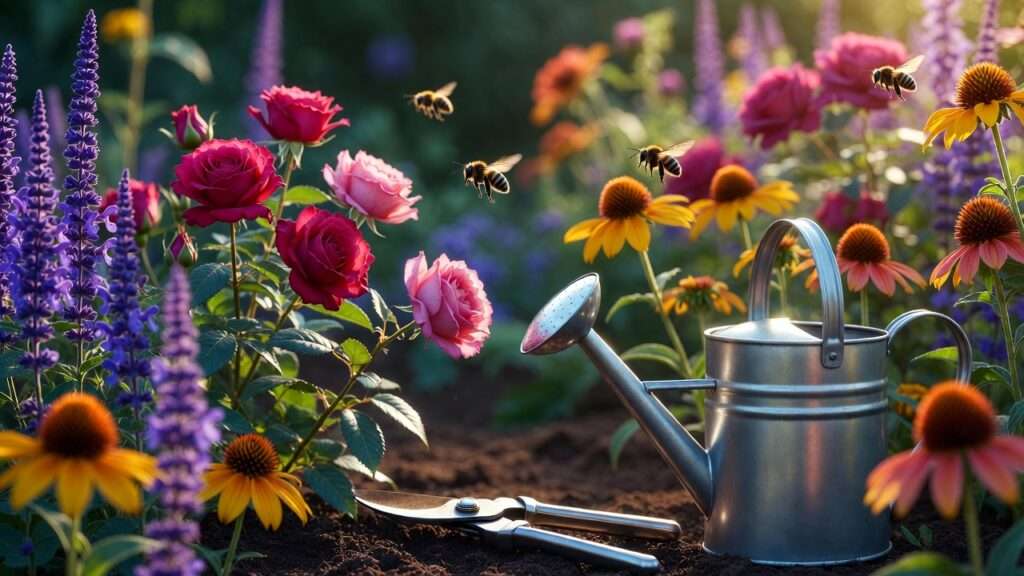
Imagine stepping into your garden on a warm June morning, greeted by endless waves of vibrant color — roses in full blush, coneflowers buzzing with bees, and salvia spiking purple fireworks — all holding strong through the coming summer heat. 🌞 But without the right care right now, that dream can quickly turn to wilted disappointment.
June is the pivotal transition month for flower beds: spring’s gentle growth gives way to summer’s intensity, with longer days, rising temperatures, and thirsty plants. This June flower bed maintenance schedule is your complete, expert-backed roadmap to deep watering, smart mulching, strategic deadheading, pest patrols, and more — ensuring your perennials 🌷, annuals 🌼, and mixed borders stay lush, healthy, and blooming nonstop into fall.
Drawing from university extension guidelines, master gardener practices, and years of real-world gardening in varied climates (USDA zones 4–9), this guide goes beyond basic tips to deliver skyscraper-level detail: week-by-week timing, zone adjustments, pro hacks, and mistake-proof advice. Let’s turn potential stress into thriving success! 💪
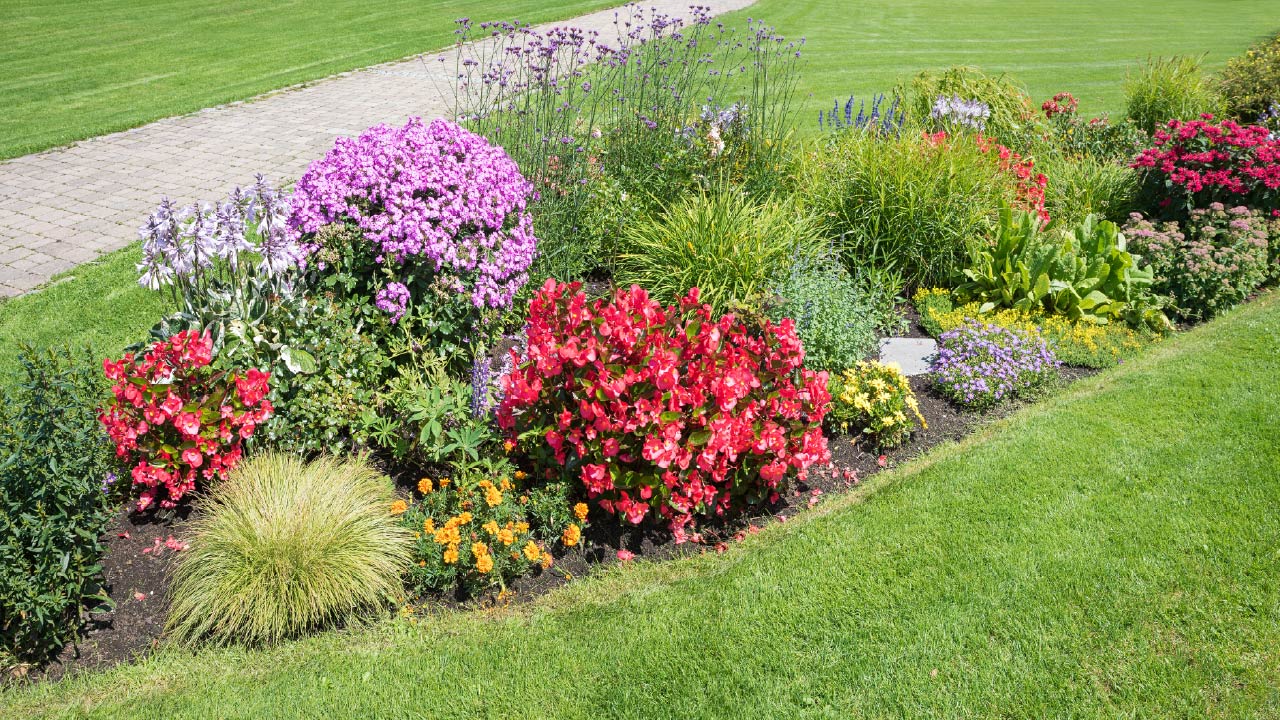
Why June Is Make-or-Break Month for Flower Beds
June marks the true start of summer stress for most gardens. Soil temperatures have warmed enough for rapid root activity, but evaporation skyrockets as days lengthen and heat builds. Early heat waves can dry out shallow roots fast, while heavy spring rains may have left compacted soil prone to weeds and disease. 🌡️
Key challenges this month include:
- Moisture demands surge for blooming plants
- Pests like aphids and spider mites explode in warm weather
- Diseases such as powdery mildew thrive in humid mornings
- Spring bloomers finish, leaving leggy foliage or seed heads
- Tall perennials flop without support
Addressing these proactively prevents cascading problems later. Consistent care now builds resilience, conserves water, reduces future weeding, and maximizes flower production. Skipping steps? You risk stressed, sparse beds by August. Let’s fix that with a structured plan! 📅
Preparation: Assess & Prep Your Flower Beds Before Diving In (Early June)
Before jumping into tasks, spend 15–30 minutes on a thorough assessment — this small investment saves hours later.
Step 1 – Quick Bed Walkthrough & Health Check Walk your beds early morning when issues are clearest. Look for:
- Winter dieback or heaving roots
- Yellowing leaves (nutrient issues or overwatering)
- Spots, powdery coating, or wilting (disease/pest flags) 🐛
- Crowded clumps or bare patches needing division/filling
- Soil moisture: Dig 4–6 inches with your finger — if dry, prioritize watering.
Pro tip: Take quick photos for comparison later in the season — it’s motivating to see progress! 📸
Step 2 – Gather Your June Maintenance Tools & Supplies Stock up now to avoid mid-task trips to the store:
- Sharp bypass pruners or secateurs ✂️ (for clean cuts)
- Hand hoe or weeder for precision weed removal
- Watering wand with gentle shower head or soaker hoses
- Thick gloves, knee pad, and bucket for clippings
- Organic mulch (aged bark, shredded leaves, straw — 2–3 bags per 100 sq ft)
- Balanced slow-release fertilizer (e.g., 10-10-10 or organic perennial formula)
- Plant stakes, tomato cages, or hoop supports
- Neem oil, insecticidal soap, or horticultural oil for early pest control
Having everything ready keeps momentum high and makes the work enjoyable. 🌿
Core June Flower Bed Maintenance Tasks – Your Weekly Checklist
Break the month into focused phases for manageable progress. Adjust slightly based on your local weather — if heat arrives early, bump up watering and mulching.
Week 1–2 Focus: Clean Up & Protect (Foundation Building)
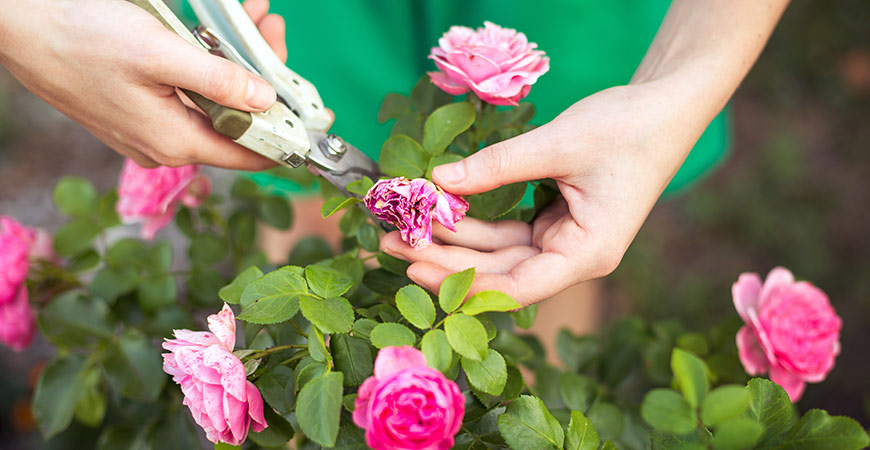
Deadhead Religiously for Nonstop Blooms 🌺 Deadheading — removing faded flowers — is the single best way to extend blooming. It stops energy going to seed production and redirects it to new buds and roots.
- Target plants: Roses, salvia, geraniums, petunias, coreopsis, daylilies, zinnias, marigolds
- Technique: Snip just above the first set of healthy leaves or a leaf node below the spent bloom. For cluster bloomers (e.g., salvia), cut the entire stem back to a strong side shoot when 70% faded.
- Frequency: Every 3–5 days during peak bloom — it takes just minutes but yields weeks more color!
Studies from extension services show regular deadheading can increase flower count by 30–50% on repeat bloomers.
Weed Aggressively Before They Seed Weeds steal water, nutrients, and light. In June, young ones grow fast — pull them before they flower and drop thousands of seeds.
- Best method: Hand-pull after rain or watering (roots come easier), or shallow-hoe on dry days.
- Avoid deep digging near perennials to prevent root disturbance.
- Bonus: Add pulled weeds (no seeds) to compost pile for free nutrients.
Apply or Refresh Mulch Layer 🌿 Mulch is your summer armor: it cools soil by 10–20°F, retains moisture (reducing watering by up to 50%), suppresses weeds, and feeds soil as it breaks down.
- Depth: 2–3 inches organic material (avoid fresh wood chips that rob nitrogen).
- Placement: Cover soil evenly, but keep 1–2 inches clear around stems/crowns to prevent rot.
- Timing: Early June before heat locks in benefits — refresh thin spots mid-month.
Favorite options: Shredded hardwood bark, pine needles (for acid-loving plants like azaleas), or untreated grass clippings.
Week 2–3 Focus: Water Wisely & Feed Strategically 💧
Deep, Infrequent Watering Schedule Proper watering is the cornerstone of summer survival for flower beds. In June, as temperatures climb and evapotranspiration increases, shallow daily sprinkles do more harm than good — they encourage weak surface roots and fungal issues.
Instead, aim for deep, infrequent sessions that soak the soil 8–12 inches deep, promoting strong, drought-resistant root systems.
- Frequency: 1–1.5 inches of water per week total (split into 1–2 sessions). Increase to twice weekly during heat waves above 85°F (29°C).
- Best time: Early morning (5–9 AM) — allows foliage to dry before night, reducing powdery mildew and other diseases. Avoid evenings or midday (high evaporation).
- How to measure: Place a rain gauge or tuna can in the bed; stop when it collects 1 inch.
- Tools for efficiency: Soaker hoses, drip irrigation, or a watering wand on shower setting. These deliver water directly to roots, saving 30–50% compared to overhead sprinklers.
In humid regions like many transitional zones, err on the dry side to prevent rot; in drier areas, monitor wilting leaves as an early stress signal.

Fertilize for Peak Summer Performance June feeding fuels explosive growth and flower production without creating soft, pest-prone tissue.
- Type: Use a balanced slow-release organic fertilizer (e.g., 10-10-10, 5-10-10 for bloom-focused, or rose/perennial blends). Avoid high-nitrogen formulas late in the month.
- Application: Side-dress around the drip line (not touching stems) — scratch lightly into soil, then water in. For containers or poor soils, use a diluted liquid feed every 10–14 days.
- Heavy feeders to prioritize: Daylilies, coneflowers (Echinacea), phlox, rudbeckia, coreopsis, dahlias, and annuals like zinnias.
- Light feeders/skip if healthy: Lavender, yarrow, sedum — they prefer lean conditions.
Always water first if soil is dry, and never fertilize stressed plants — it can burn roots.
:max_bytes(150000):strip_icc()/GettyImages-2254065914-2a73e920680c4d6eaa16442894ae134c.jpg)
Week 3–4 Focus: Support, Prune & Divide
Stake & Support Floppy Plants Rapid June growth often leads to heavy flower heads flopping — staking early prevents damage and keeps displays tidy and accessible to pollinators.
- Plants needing support: Peonies (after buds show color), delphiniums, tall lilies, dahlias, hollyhocks, foxgloves, monkshood.
- Methods:
- Grow-through hoops for bushy perennials (place early).
- Bamboo stakes or linkable metal supports for single stems — tie loosely with soft twine or plant ties.
- Tomato cages flipped upside down work great for mid-height plants.
- Timing: Install when plants are 12–18 inches tall — much easier than rescuing collapsed stems later!
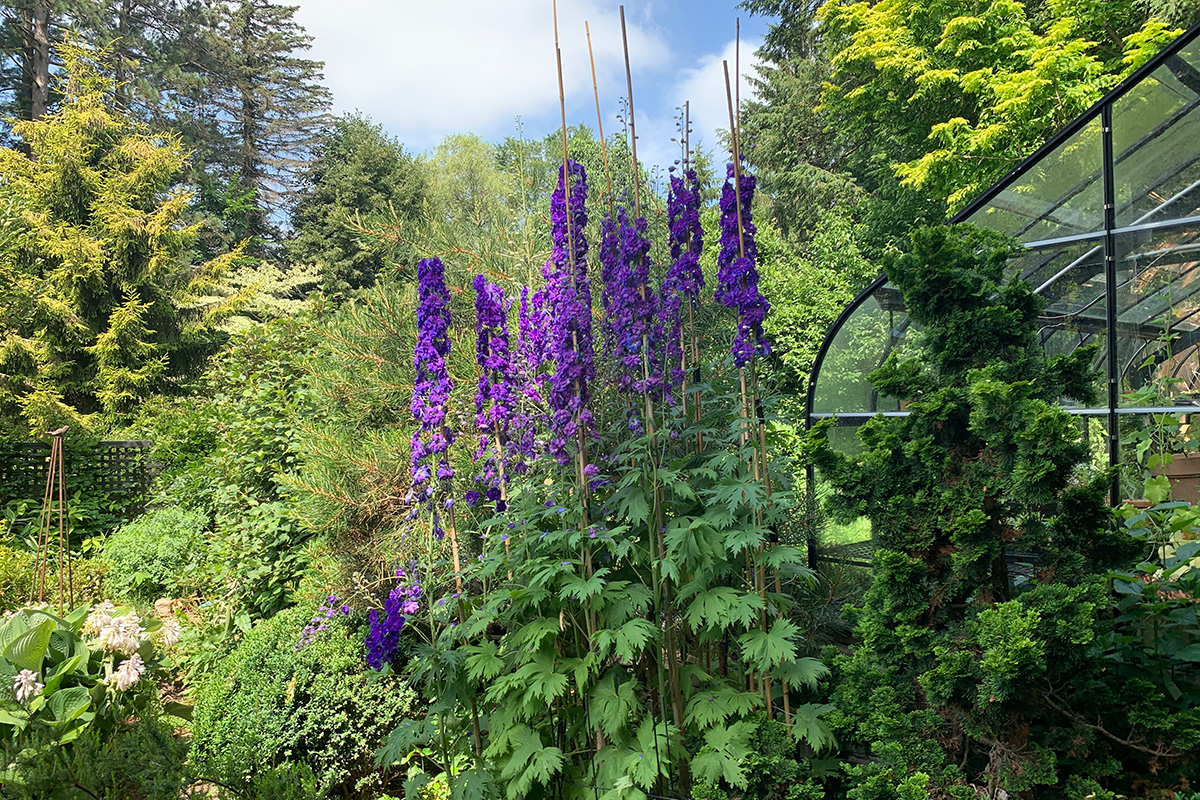
Prune Spring-Flowering Perennials & Shrubs Many early bloomers look ragged by mid-June — a strategic trim refreshes them and often encourages a second flush.
- Cut back by 1/3 to 1/2: Bleeding heart, lungwort (Pulmonaria), Oriental poppy foliage (turns brown), catmint (Nepeta), hardy geraniums.
- Shear annuals like sweet alyssum or lobelia if leggy for bushier regrowth.
- For shrubs: Finish pruning spring bloomers (lilac, weigela, mock orange, deutzia) immediately after flowering — next year’s buds form soon after.
Divide & Replant Early-Blooming Perennials June is ideal for dividing overcrowded clumps of spring bloomers while they’re still actively growing.
- Best candidates: Bearded iris (after bloom), peonies (wait until foliage is mature), primroses, daylilies (if crowded), hostas.
- Technique: Dig up clump, shake off soil, use sharp spade or knife to divide into sections with roots and 3–5 shoots each. Replant at same depth with compost, water deeply, and mulch.
- Benefit: Revitalizes old plants, fills gaps, and prevents center die-out.
Ongoing June Tasks – Monitor & Maintain All Month
Pest & Disease Patrol 🕵️♀️ Warm, humid June weather triggers pest surges — early detection is key to avoiding major damage.
- Common threats:
- Aphids (clusters on new growth, especially roses)
- Spider mites (fine webbing, stippled leaves)
- Powdery mildew (white coating on leaves)
- Japanese beetles (skeletonized leaves)
- Organic controls: Strong water blast for aphids/mites, neem oil or insecticidal soap sprays (evenings), hand-pick beetles into soapy water. Introduce ladybugs or lacewings for natural predation.
- Prevention: Good airflow (space plants), avoid overhead watering, remove debris. Scout every 3–4 days — catch issues small!

Cut Flowers for Indoor Enjoyment Harvest blooms regularly — it encourages more production and brings the garden indoors!
- Best time: Morning after dew dries, stems fully hydrated.
- Technique: Cut above a leaf node or bud for branching. Strip lower leaves, place in cool water with floral preservative.
- Pro tip: Zinnias, cosmos, salvia, yarrow, and rudbeckia last longest as cut flowers.
Succession Planting for Continuous Color Don’t let gaps appear — sow or plant quick growers mid-June for late-summer/fall interest.
- Direct sow: Zinnias, cosmos, marigolds, sunflowers (heat-tolerant varieties).
- Transplant: Heat-loving annuals like lantana, pentas, or angelonia.
- Fill bare spots with nursery pots of calibrachoa, verbena, or portulaca for instant color.
Zone-Specific Adjustments for Your June Flower Bed Schedule
Gardening conditions vary dramatically across regions in June, so fine-tune the schedule to match your local climate. Here are tailored recommendations for the most common zones gardeners reference.
Northern Zones (USDA 4–6) ❄️→🌞 In cooler northern areas, true summer heat often doesn’t arrive until late June or July. Focus on:
- Building soil warmth and moisture reserves now — mulch heavily and water deeply to prepare for hotter weeks ahead.
- Planting late-season perennials and heat-tolerant annuals (e.g., Russian sage, black-eyed Susan, blanket flower) that will peak in July–September.
- Prioritizing deadheading and light fertilizing; pest pressure is usually lower until mid-summer.
- Watch for cool, wet spells that can encourage slugs — use organic slug baits or copper tape around pots if needed.
Southern Zones (USDA 7–9 and warmer) 🔥 Heat and humidity arrive early and intensely in the South. Survival depends on proactive moisture and shade management.
- Increase watering frequency immediately — many beds need 1.5–2 inches per week by mid-June.
- Use thicker mulch layers (3–4 inches) and consider light afternoon shade cloth for delicate plants (impatiens, begonias, lobelia).
- Fertilize lightly and more frequently with liquid feeds to compensate for heavy leaching from frequent rains or irrigation.
- Intensify pest patrols — spider mites, whiteflies, and fungal diseases explode in high heat/humidity. Spray neem prophylactically on susceptible plants like roses and phlox.
- Cut back spring bloomers aggressively and succession-plant heat-lovers (gaura, lantana, pentas, zinnias) for continuous summer color.
Transitional Zones (Most Readers – USDA 6–7) You get the best (and worst) of both worlds — warm days but occasional cool snaps. Balance the schedule:
- Follow the core weekly checklist closely, but monitor weather forecasts daily.
- Ramp up watering and mulch as soon as the first 85°F+ (29°C+) days hit.
- Be extra vigilant about powdery mildew on phlox, bee balm, and zinnias — ensure excellent air circulation.
Pro Tips & Expert Insights from Years in the Garden
After decades of trial, error, and observation in home gardens and demonstration plots, here are some battle-tested extras that elevate results:
- Compost tea boost 🍵 — Brew aerated compost tea (1:10 compost-to-water ratio, bubbled 24–48 hours) and apply as a foliar/feed every 10–14 days. It delivers microbes, nutrients, and natural disease suppression.
- Companion planting hack 🐞 — Interplant strongly scented marigolds, nasturtiums, alliums, or catmint throughout beds. They repel aphids, whiteflies, and some beetles naturally while attracting beneficial insects.
- Eco-friendly mulch alternatives — Pine needles for acid-loving plants (azaleas, blueberries, hydrangeas), cocoa hulls for a rich smell (but avoid if you have pets), or free local arborist chips (aged 6+ months).
- Rainwater collection — Set up barrels now. Plants prefer slightly acidic rainwater over chlorinated tap water, and it saves money during dry spells.
- Morning vs. evening chores — Do deadheading, pruning, and fertilizing in the morning when plants are turgid. Save weeding and mulching for cooler evenings to reduce plant stress.
- Color echo trick — When succession planting, choose late-summer annuals in colors that echo your June peaks (e.g., orange zinnias to follow early orange daylilies) for seamless seasonal flow.
Common June Flower Bed Mistakes to Avoid
Even experienced gardeners slip up — here are the top pitfalls and how to dodge them:
- Overwatering → Leads to root rot, especially in heavy clay soils. Always check soil 4–6 inches deep before watering.
- Fertilizing too late or too heavily → Creates soft, sappy growth that attracts pests and flops in wind. Stick to balanced, slow-release types and taper off by late June.
- Ignoring early pest signs → A few aphids today become an infestation tomorrow. Inspect undersides of leaves regularly.
- Mulching too thin or too close to stems → Thin mulch = weeds win; piled against crowns = rot city.
- Deadheading too aggressively on single-bloom perennials → Don’t remove spent flowers on peonies, iris, or poppies if you want seed heads for winter interest or wildlife.
- Planting tender annuals too early in cool zones → Wait until soil is consistently 60°F+ (15°C+) to avoid stunted growth.
Frequently Asked Questions (FAQs)
How often should I water flower beds in June? Aim for 1–1.5 inches per week, delivered deeply 1–2 times. Adjust up during heat waves and down during rainy periods. Always water early morning.
When is the best time to deadhead? Every 3–5 days during peak bloom. Do it as soon as flowers fade to keep energy flowing to new buds. Morning is ideal.
Can I still plant annuals in mid-June? Yes! Heat-tolerant varieties (zinnias, cosmos, marigolds, sunflowers, lantana, pentas) thrive when planted now and will bloom until frost in most zones.
What’s the best mulch for flower beds? Organic shredded hardwood bark, aged pine bark, or straw. They break down slowly, retain moisture well, and look tidy. Avoid fresh wood chips or dyed mulches.
How do I know if my plants need fertilizer? Signs include pale lower leaves, slow growth, small/few flowers. Healthy, vigorously growing plants in good soil often don’t need extra feeding in June.
Conclusion: Set Your Flower Beds Up for Summer Success
By dedicating just a few focused hours each week to this June flower bed maintenance schedule, you’re investing in months of effortless beauty ahead. Deep roots, clean beds, supported stems, and proactive pest control now mean less stress, fewer problems, and dramatically more blooms later — even when July and August turn brutal. 🌈
Your garden isn’t just surviving summer — it’s thriving, feeding pollinators, delighting you every morning, and probably earning compliments from every neighbor who walks by.
So grab those pruners, fill the watering can, put on your favorite playlist, and get outside. The reward is worth every minute.
We’d love to hear how your June garden is shaping up — drop a comment with your biggest win or toughest challenge this month! Happy gardening, and here’s to a spectacular summer of color! 🌻✨











