
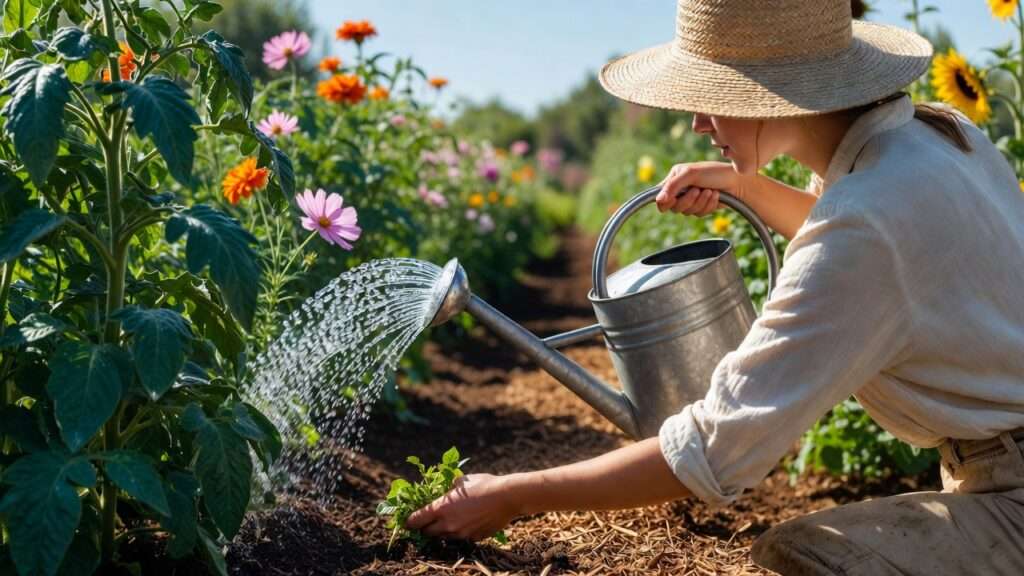
Picture this: It’s mid-July, the sun is blazing, your garden beds look parched, leaves are wilting by afternoon, and weeds are popping up faster than you can say “summer survival.” 😓 If you’re like most gardeners, you’ve probably watched helplessly as heat stress turns vibrant plants into sad, droopy versions of themselves while aggressive weeds steal precious moisture and nutrients. The good news? With the right July watering and weeding tips, you can turn things around quickly—saving water, reducing plant stress, and keeping your lawn, flowers, veggies, shrubs, and trees lush and healthy through the hottest weeks ahead. 💪
In this comprehensive guide, we’ll dive deep into proven strategies based on horticultural best practices from university extensions, experienced gardeners, and real-world field knowledge. Whether you’re dealing with scorching dry spells or humid heat waves, these actionable tips will help you solve the biggest summer garden challenges: dehydration, shallow roots, weed invasions, and wasted effort. Let’s keep your plants thriving! 🌿
Why July Is the Toughest Month for Watering and Weeding 🌡️🪴
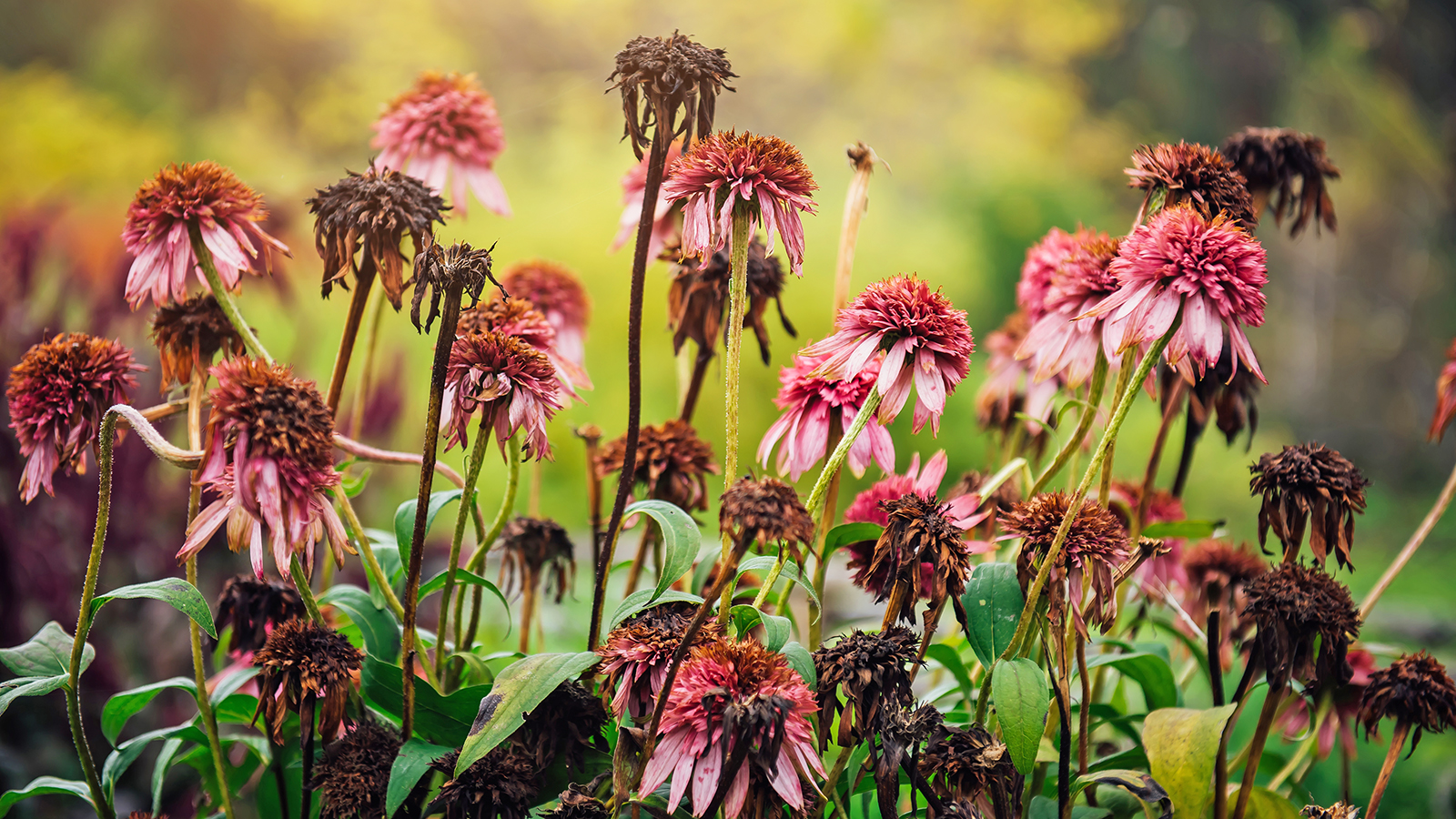
July marks peak summer stress for most plants. High temperatures, intense sun, and low humidity cause evapotranspiration rates to skyrocket—meaning soil moisture evaporates twice or three times faster than in spring. Plants lose water through leaves rapidly, and without consistent deep hydration, roots stay shallow, making them vulnerable to drought.
Weeds explode in July too: Warm soil temperatures trigger massive germination, and fast-growing invaders like crabgrass, purslane, and pigweed compete aggressively for limited water and nutrients—sometimes stealing up to 50% of what your desired plants need. Common trouble signs include afternoon wilting (even if soil looks damp on top), yellowing lower leaves, stunted growth, leaf scorch on trees, or thick weed mats choking beds.
The harsh truth? Inconsistent watering causes more plant deaths than actual drought. But with smart July watering and weeding tips, you can build resilience and cut maintenance time dramatically. 🌱
Understanding Plant Water Needs in July Heat – The Science Behind Smart Watering 💦🔬
Not all plants drink the same! Water needs vary by type, age, soil, and exposure:
- Vegetables & annuals (like tomatoes, peppers): High demand for consistent moisture—especially during fruit set—to prevent blossom-end rot and cracking. 🥕🍅
- Perennials & shrubs: Moderate needs once established; focus on root zone.
- Trees: Established ones are drought-tolerant but young or newly planted need frequent deep soaks.
- Containers: Dry out fastest—daily checks essential on 90°F+ days. 🪴
Key science: Deep roots = resilient plants. Shallow, frequent watering keeps roots near the surface, where heat bakes them. Aim for moisture penetration to 6–12 inches (deeper for trees). Soil type matters—clay holds water longer, sandy drains fast.
Signs of thirst: Wilting leaves, leaf curl/roll, dull color, or soil dry 2–4 inches down (use finger test or screwdriver probe). Overwatering? Soggy soil, yellow leaves from root rot, fungal issues. Balance is key! ⚖️
Best Times and Techniques for July Watering ⏰🚿
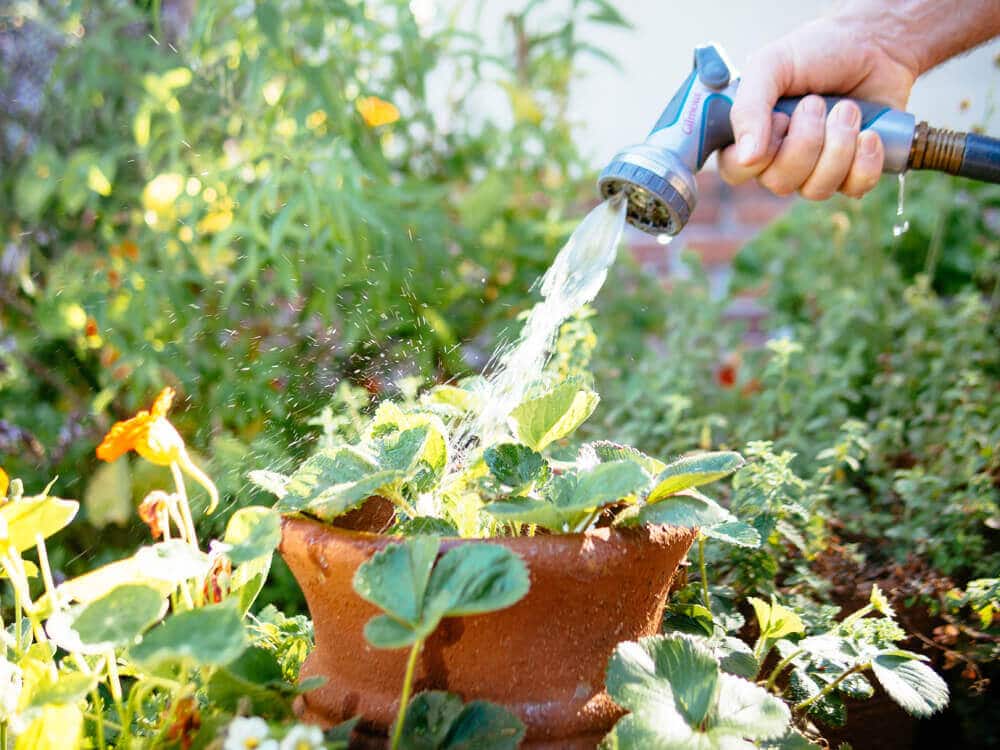
Early morning (5–9 AM) is ideal — plants hydrate before peak heat, evaporation is minimal (up to 50% less loss), and foliage dries quickly to prevent disease. 🌅 Late afternoon/early evening works as second-best, but avoid night watering (promotes fungi).
Rule of thumb: Deep, infrequent watering — 1–1.5 inches per session, 2–3 times/week (adjust for rain). Measure with a rain gauge, tuna can, or simple can test: Run water until 1 inch collects.
How-to for different plants:
- Vegetables & annuals: Consistent 1 inch/week; more in heat waves for fruiting crops.
- Perennials & shrubs: Soak root zone thoroughly.
- Trees: Slow, deep basin watering—especially young ones (10–15 gallons 2–3x/week if no rain). Create a soil berm around the drip line for pooling. 🌳
- Containers: Check daily; water until it drains out bottom.
Pro tip: Water at the base, not overhead—avoids leaf burn and disease. 💧
Water-Saving Tools and Methods Every Gardener Should Use 🛠️💧
Efficiency saves time, money, and resources:
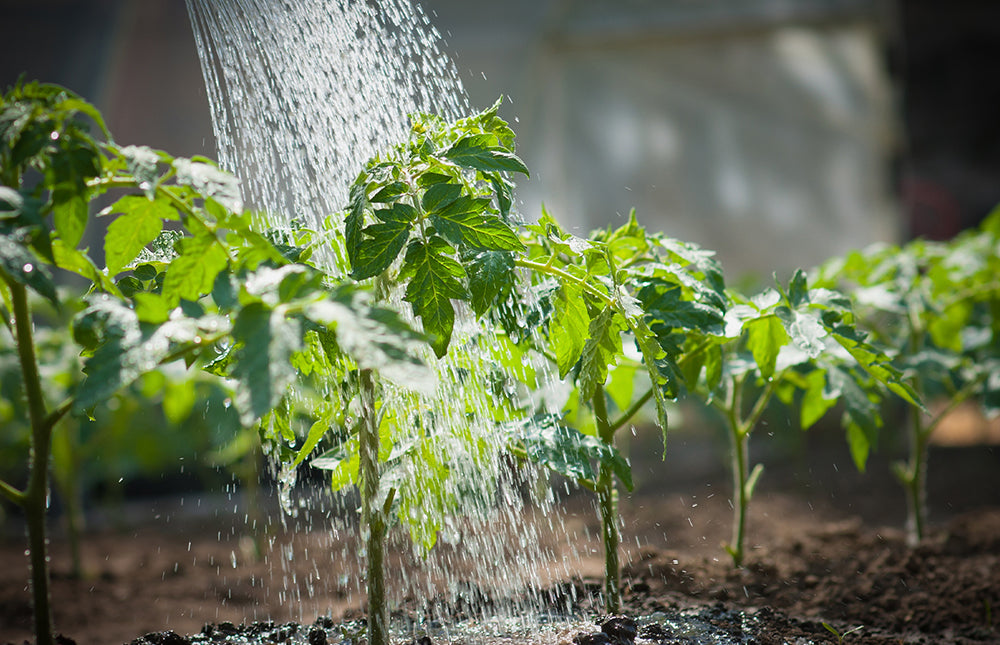
- Drip irrigation & soaker hoses — deliver water directly to roots; top choice for minimal evaporation.
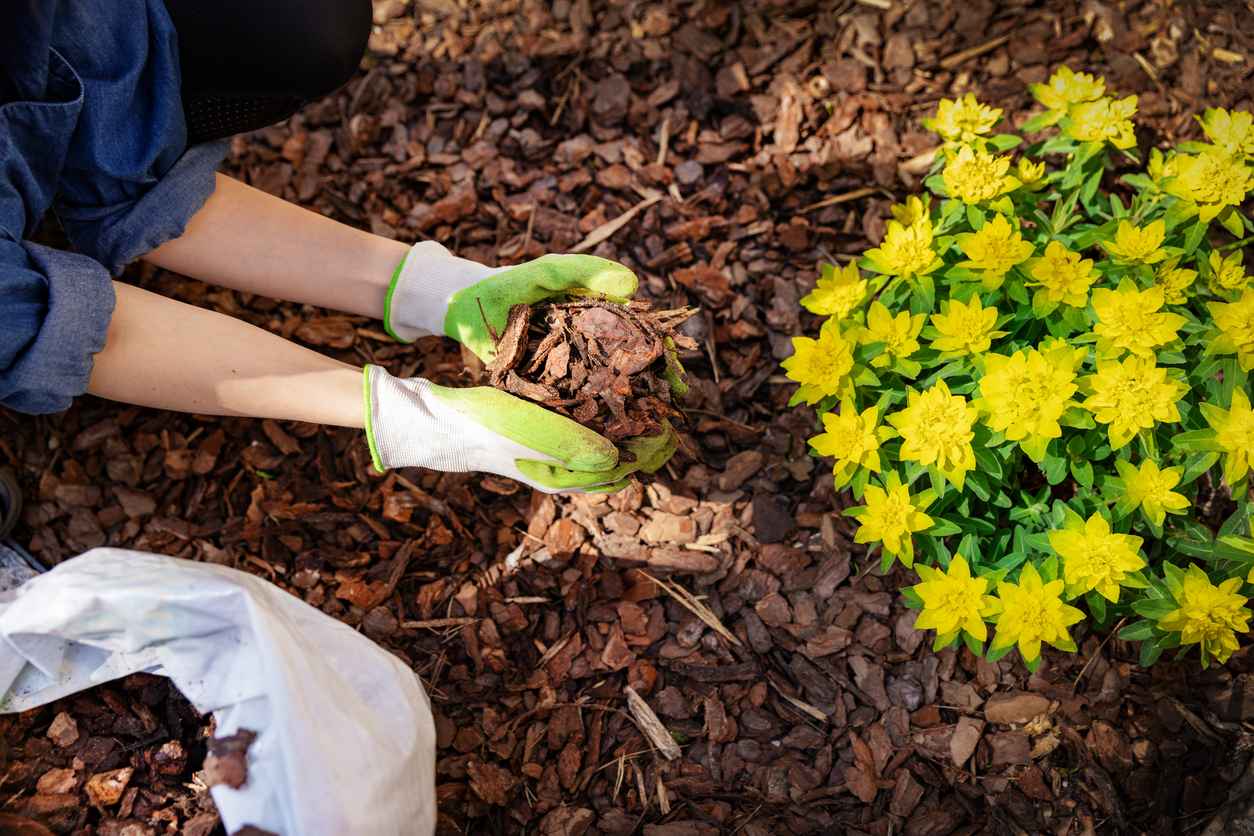
- Mulching magic — Apply 2–4 inches of organic mulch (wood chips, straw, compost). Reduces evaporation by up to 70%, cools soil, and suppresses weeds! 🌿
- Smart timers & rain sensors — Automate but override during rain.
- Greywater options — Safe for ornamentals (avoid edibles); use laundry or shower water cautiously.
These tools turn high-maintenance summer care into sustainable success. ♻️
Common July Watering Mistakes (And How to Fix Them Forever!) 🚫💦
- Too shallow/frequent: Fix → Switch to deep sessions; encourages strong roots.
- Midday sprinkling: Fix → Morning only; cuts loss dramatically.
- Ignoring new plants/trees: Fix → Prioritize them; they need extra until established.
- Set-it-and-forget-it: Fix → Check soil weekly; adjust for weather.
- Overwatering cool spells: Fix → Finger test always!
Avoid these, and watch stress vanish. 😌
Mastering July Weeding: Stop Weeds Before They Steal Your Summer! 🛑🌿
Weeds don’t just look messy—they’re thieves! In July’s warm soil and lingering moisture from occasional rains (or your watering), annual weeds germinate and grow at lightning speed. Species like crabgrass, purslane, spurge, and lambsquarters can double in size weekly, outcompeting your plants for water, light, and nutrients.
Prevention beats cure every time:
- Maintain a thick mulch layer (2–4 inches) — it blocks sunlight from weed seeds and keeps soil cooler. Organic options like wood chips, straw, or shredded leaves work best and break down to feed soil over time. 🌱
- Plant densely to shade out weed seedlings.
- Consider organic pre-emergents (like corn gluten meal) applied early in the season for extra control.
When weeds appear, act fast:
- Best weeding times: Right after deep watering or rain when soil is soft—roots slide out easier with less effort. Early morning or late evening avoids peak heat and sunburn risk for you! 😎
- Tools that save your back: Long-handled stirrup hoe for slicing weeds at soil level, stand-up weed pullers (like Fiskars or Grandpa’s Weeder), sturdy gloves, and a comfortable kneeler pad.
- Technique tips:
- Pull young weeds before they flower and set seed (one plant can produce thousands!).
- Get the whole root—especially for taproots like dandelions.
- For large patches, solarize with clear plastic in hot sun for 4–6 weeks (kills seeds and roots without chemicals).
- Spot-treat stubborn perennials with vinegar-based solutions or boiling water (carefully, away from desired plants).
Consistent weeding + mulching can cut your weeding time by 70–80% after the first few weeks. Stay ahead, and your garden stays beautiful!
Integrated Watering + Weeding Strategy: Your Weekly July Routine 📅✨
Combine tasks for maximum efficiency and healthier plants. Here’s a realistic 7-day plan (adjust for your garden size and weather):
- Day 1 (Deep Water Day): Early morning – Check soil moisture. Water deeply (1–1.5 inches). While soil is moist, weed beds—pulls are effortless!
- Day 2–3: Spot-check containers and new plants; light watering if needed. Pull any new weed seedlings.
- Day 4: Mulch refresh—top up thin spots. Quick weed patrol.
- Day 5–6: Monitor for heat stress; provide shade cloth if temps exceed 95°F. Weed while cool.
- Day 7: Rest or light maintenance. Reassess soil with finger test before next deep water.
Pro tip: Always water first → weed second → mulch third. This sequence maximizes moisture retention and minimizes weed regrowth.

Special Considerations for Trees in July Heat 🌳🔥
Trees often suffer silently in summer. Established shade trees are fairly resilient, but young, newly planted, or shallow-rooted species show stress quickly.
- Signs of drought: Leaf scorch (browned edges), wilting, early leaf drop, or sparse canopy.
- Watering for trees: Use a slow hose or soaker at the drip line (outer edge of branches). Young trees need 10–20 gallons 2–3 times/week if no rain. Build a 3–4 inch soil berm to create a watering basin.
- Mulch rings: Apply 2–4 inches of mulch in a 3–6 ft diameter circle around the base—but never pile against the trunk (no “mulch volcanoes”!).
- When to worry: Persistent scorch or branch dieback—consult a certified arborist for root issues or disease.
Proper July tree care prevents long-term decline and ensures they thrive for decades.

Bonus: Regional July Adjustments & Heat Wave Survival Hacks 🌍🔥
- Humid regions (e.g., Southeast US, parts of South Asia): Focus more on fungal prevention—water early, ensure good airflow.
- Dry/arid climates (e.g., Southwest, parts of Australia): Increase frequency slightly but keep deep; prioritize drip systems.
- Variable/temperate zones: Rely heavily on soil checks—rain can be unpredictable.
- Extreme heat waves (>100°F for days): Temporary shade cloth (30–50% shade), anti-transpirant sprays (reduces leaf water loss), move pots to shade, and mist foliage lightly in evenings.
These tweaks make the difference between survival and thriving! 🌡️
Expert Insights & Quick-Reference Tips 🌟
Here are 15 battle-tested pro tips:
- 🌱 Mulch is your #1 summer ally—never skip it!
- 💧 Water deeply to train roots downward.
- 🕒 Morning watering = happiest plants.
- 🪴 Containers may need twice-daily checks in 95°F+ heat.
- 🌳 Trees need slow soaks—rushing wastes water.
- 🛑 Weed before they seed—one plant = thousands more!
- ♻️ Collect rainwater when possible.
- 🔍 Always do the finger test—don’t guess!
- 🚫 Avoid overhead watering on veggies to prevent disease.
- 🧤 Invest in good tools—you’ll use them for years.
- 📏 1 inch of water = tuna-can depth test.
- 🌿 Organic mulch feeds soil microbes too.
- 🔥 Shade new transplants during heat peaks.
- 🐛 Watch for pests—stressed plants attract them.
- 🎯 Consistency beats perfection every time.
Frequently Asked Questions (FAQs) ❓
Here are answers to the most common questions gardeners ask about July watering and weeding tips during the peak summer months:
1. How much water do tomatoes (or other heavy-fruiting vegetables) need in July? Tomatoes typically need 1.5–2 inches of water per week in hot, dry conditions—more if temperatures regularly exceed 95°F (35°C). Keep soil consistently moist (not soggy) to the depth of 6–8 inches to support fruit development and prevent cracking or blossom-end rot. Deep watering 2–3 times per week works better than daily shallow sprinkles. 🥫🍅
2. Is it okay to water plants at night during extreme heat? It’s better than letting them suffer severe wilting, but not ideal. Night watering keeps foliage wet for longer, increasing the risk of fungal diseases (powdery mildew, blight). If you must water late, aim for early evening so leaves can dry before full darkness. Early morning remains the gold standard. 🌙🚫
3. What’s the best mulch for July weed control and water retention? Organic mulches win here:
- Wood chips or shredded bark (great for trees and shrubs)
- Straw or hay (excellent for vegetable beds)
- Shredded leaves or compost (adds nutrients as it breaks down) Avoid fine-textured mulches like fresh grass clippings in thick layers—they can mat and block water. Aim for 2–4 inches, refreshed as needed. 🌿🪵
4. How can I quickly revive heat-stressed plants in July?
- Water deeply right away (early morning).
- Apply a temporary shade cloth or move potted plants to partial shade.
- Mist foliage lightly in the evening (not midday).
- Trim off severely scorched leaves to reduce transpiration stress.
- Apply a seaweed-based liquid fertilizer to support recovery. Most plants bounce back within 3–7 days with consistent care. 🌱✨
5. When should I stop weeding in the summer? Never completely stop—but you can dramatically reduce effort once you’ve gained control. After 2–4 weeks of consistent pulling + thick mulching, new weed seedlings appear far less often. Shift to “maintenance mode”: quick patrols every 5–7 days instead of full sessions. Prevention is your long-term friend! 🛑
6. Are there any drought-tolerant plants that still need extra July attention? Yes—even many “drought-tolerant” species (lavender, sedum, yarrow) appreciate a deep drink during prolonged heat waves, especially if newly planted. Established natives usually need the least supplemental water, but young perennials and trees always deserve priority. 🌵
7. Can I use tap water that’s been sitting out, or should I worry about chlorine? Most garden plants tolerate chlorinated tap water fine. Letting it sit in a watering can for 24 hours allows chlorine to dissipate if you’re concerned (especially for acid-loving plants or seedlings). Rainwater or collected greywater (from rinse cycles) is excellent when available. 💧
Conclusion: Enjoy a Lush, Low-Stress Garden All Summer Long! 🎉🌿
July doesn’t have to mean wilted leaves, cracked soil, and endless weeding battles. By following these July watering and weeding tips—deep morning watering, heavy mulching, timely weed removal while soil is moist, and smart adjustments for your plants and region—you can keep your entire garden (from delicate annuals to majestic trees) thriving even when the thermometer climbs.
Key takeaways to remember:
- Water deeply and early to build resilient roots 💦
- Mulch generously to lock in moisture and block weeds 🌱
- Weed consistently while it’s easy—prevention saves hours later 🛑
- Check soil before watering—don’t guess! 🔍
- Give young trees and containers extra love during heat peaks 🌳🪴
Start implementing just one or two of these strategies this week and you’ll already notice healthier plants, fewer weeds, and more time to enjoy your garden instead of fighting it. Summer gardening can be joyful, not stressful!
Have you tried any of these techniques already? Which tip are you most excited to put into action? Drop a comment below—I’d love to hear how your garden is doing this July! And if you found this guide helpful, subscribe for more seasonal plant care advice so you’re always one step ahead. 🌸
Happy gardening—stay cool and keep those roots happy! ☀️🌿











