
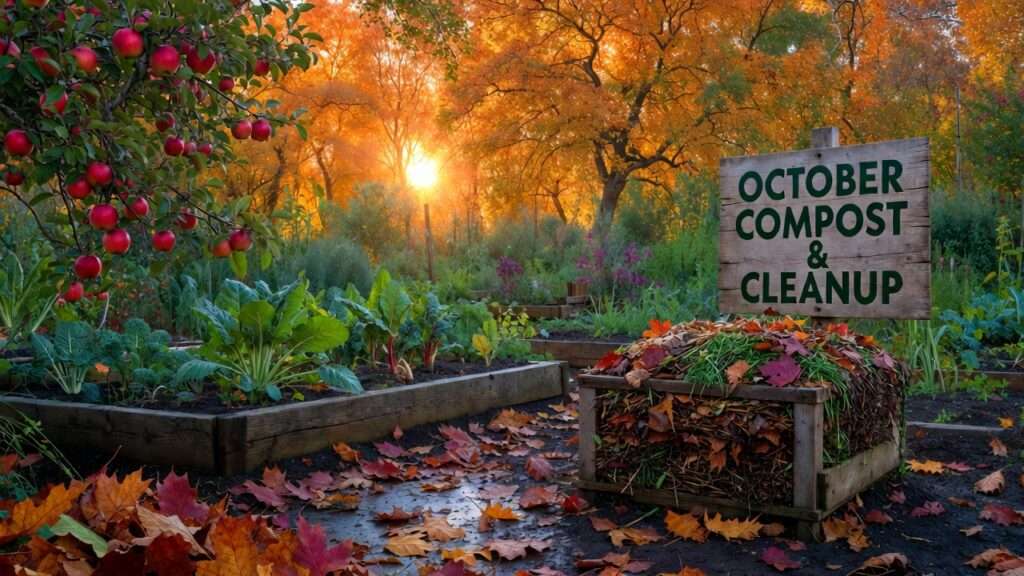
Imagine stepping into your garden in late October: vibrant red and golden leaves blanket every surface, spent tomato vines lean wearily, and last summer’s flower beds look a little sad and overgrown. It’s easy to feel overwhelmed by the mess — but what if that “mess” is actually free treasure? 🌟 Right now, in October, your yard is handing you the perfect ingredients to create nutrient-rich compost that will feed your plants and trees all the way through next spring and beyond.
October composting and cleanup isn’t just about tidying up before winter — it’s one of the smartest, most sustainable investments you can make for long-term plant and tree health. By turning fallen leaves, chopped stems, and other fall debris into “black gold,” you build richer soil structure, boost beneficial microbes, prevent pest and disease carryover, and give roots the slow-release nutrition they crave. In this comprehensive guide, we’ll walk you through every step — from smart cleanup decisions to building a high-performance compost pile — so your garden emerges stronger next season. Let’s transform that autumn chaos into spring glory! 🌱

Why Fall (Especially October) Is Prime Time for Composting & Cleanup 🍁⏰
Fall offers unique advantages that make October the ideal window for both cleanup and composting:
- Abundant “browns”: Deciduous trees drop millions of carbon-rich leaves — the backbone of any good compost pile.
- Cooler temperatures: Decomposition slows just enough for steady, odor-free breakdown without summer’s heat speeding things too fast or causing smells.
- Pest & disease interruption: First frosts kill many annual pests and fungal spores, so removing diseased material now prevents overwintering.
- Soil microbes still active: Earthworms, bacteria, and fungi remain busy, ready to incorporate fresh organic matter before the ground freezes (or in milder climates like parts of Bangladesh, stays workable longer).
- Preparation for spring: Adding compost now protects roots from winter temperature swings, improves drainage, and starts nutrient cycling early.
For trees especially, fall soil enrichment supports mycorrhizal fungi networks — the underground “internet” that helps trees absorb water and nutrients more efficiently. Studies from university extension services show that gardens receiving regular fall compost applications often need 30–50% less supplemental fertilizer the following year. That’s real savings and healthier plants! 🌳
Step-by-Step October Garden Cleanup Checklist 🧹🍃
A thorough yet thoughtful cleanup sets the stage for successful composting. Here’s the expert-recommended sequence:
- Walk-through inspection — Spend 30 minutes touring your garden. Note diseased plants (black spots, powdery mildew, blight), heavy weed patches, and any young trees needing extra protection.
- Clear spent annuals & vegetables — Gently pull tomatoes, beans, zinnias, etc. Shake soil back into beds to retain microbes. Chop tops into 4–6 inch pieces for faster composting 🌽.
- Selective perennial & shrub care — Cut back dead foliage on daylilies, hostas, and sedum, but leave 6–12 inches for winter interest and insect habitat. Avoid heavy pruning on spring-flowering shrubs (lilac, forsythia) — wait until after bloom.
- Tree & large shrub maintenance — Remove only broken, crossing, or diseased branches. Leave small fallen twigs — they add structure to compost piles.
- Lawn & leaf strategy — Rake leaves from lawn areas to prevent smothering grass. Use a mulching mower to shred and return some to the lawn (great for soil health). Collect the rest for composting.
- Final weed patrol — Pull annual weeds before they set seed. Perennial weeds like dandelions can go in the trash if seeding.
- Tool & pot cleanup — Scrub pots with soapy water + bleach solution (1:10), sharpen pruners, and store everything dry to prevent rust 🔧.
Pro eco-tip 💚: Don’t aim for a perfectly bare garden — leave some leaf litter under trees and in corners. Beneficial insects (ladybugs, lacewings, solitary bees) overwinter in this “mess,” boosting next year’s natural pest control.

What to Compost vs. What to Trash: Smart Sorting Rules ⚖️
Not everything belongs in the pile. Here’s the golden rule list:
Compost these (safe & beneficial):
- Fallen leaves (all types — even walnut leaves in moderation)
- Chopped healthy stems & spent flowers
- Non-diseased vegetable tops & fruit scraps
- Grass clippings (thin layers to avoid matting)
- Small, shredded prunings (<½ inch diameter)
- Coffee grounds, eggshells, cardboard (plain, torn)
Trash or dispose separately:
- Diseased plants (blight, rust, powdery mildew — spores can survive composting)
- Invasive weeds with mature seeds
- Meat, dairy, oils, pet waste (attract rodents & pathogens)
- Chemically treated wood or glossy paper
- Large diseased branches (better to burn or municipal disposal in many areas)
Myth-buster: “Everything organic can be composted” — unfortunately no. High-heat industrial facilities can handle more, but home piles rarely reach sustained 140–160°F needed to kill tough pathogens.

Building the Perfect October Compost Pile (or Bin) 🪴🍂
Now that your cleanup materials are sorted, it’s time to build a compost system that thrives in cooler fall weather. A well-constructed pile heats up nicely in October, then continues slow decomposition through winter — perfect for Dhaka’s mild winters or similar subtropical climates where freezing is rare.
Choose your system (pick based on space and effort level):
- Tumbler bin — Great for small yards; easy turning speeds breakdown (ready in 2–4 months with good management).
- Three-bin system — Ideal for larger gardens; allows rotating stages (active → maturing → finished).
- Wire or Geobin cage — Low-cost, perfect for massive leaf hauls in October.
- Sheet composting / lasagna method — No bin needed; layer directly on beds for in-place decomposition 🌱.
Ideal size & location: Aim for at least 3 ft × 3 ft × 3 ft (1 cubic meter) — smaller piles lose heat quickly. Place in partial shade (morning sun is fine) but accessible for turning. Good drainage prevents sogginess during monsoon remnants or winter rain.
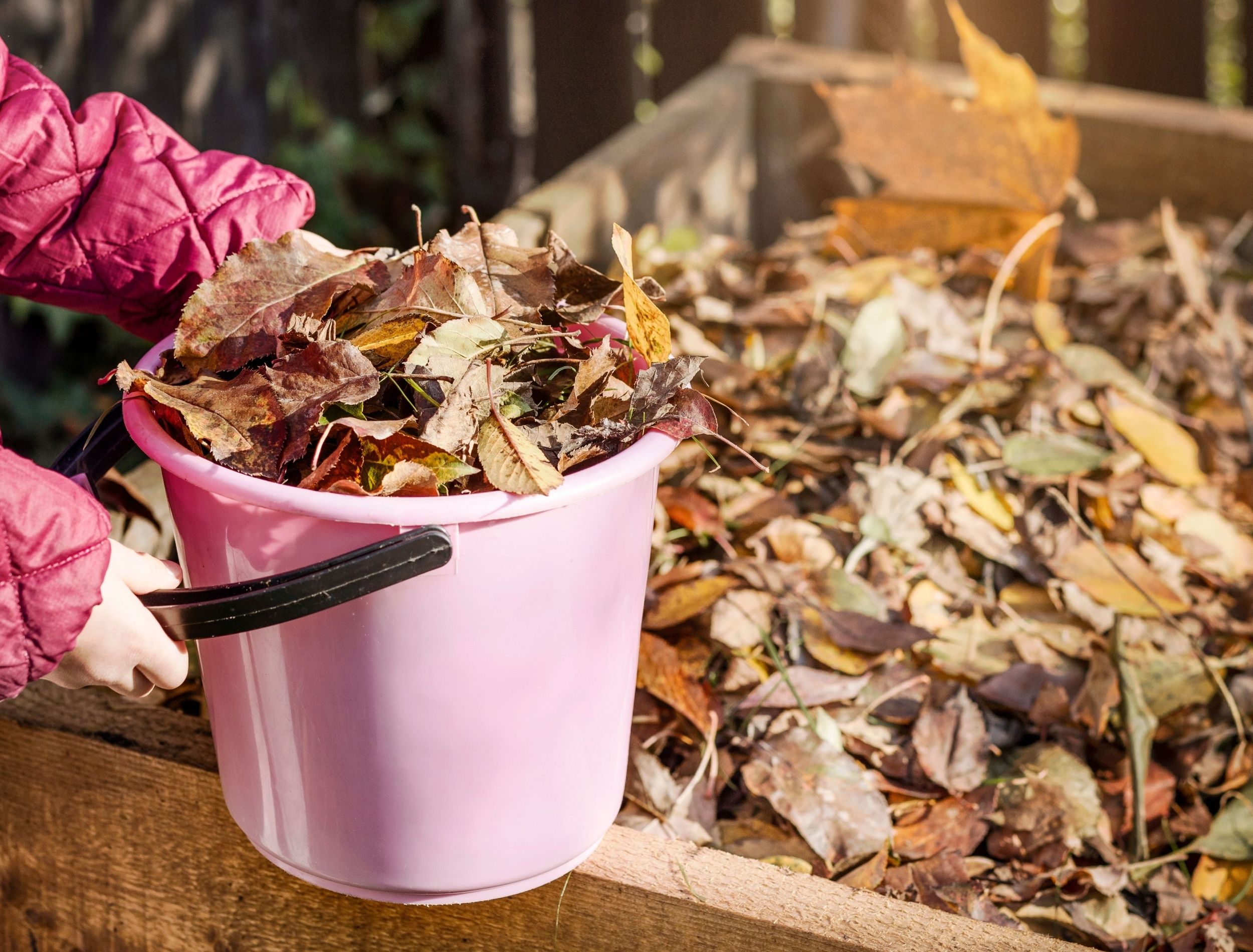
Layering recipe for fast, balanced compost: Follow the classic carbon:nitrogen (C:N) ratio of ~25–30:1.
- Browns (carbon-rich, slow to break down): 2–3 parts — shredded fall leaves (best October star!), dry grass, small twigs, shredded cardboard, straw.
- Greens (nitrogen-rich, quick energy): 1 part — kitchen scraps (veggie peels, coffee grounds), fresh clippings, chopped healthy plant tops.
- Start with a 4–6 inch brown base for airflow, then alternate layers. Sprinkle a handful of garden soil or finished compost between layers to introduce microbes.
Shredding power 🍃: Whole leaves mat and decompose slowly (1–2 years). Run over them with a lawn mower or use a leaf shredder — increases surface area dramatically and speeds breakdown by 5–10×.
Moisture & aeration:
- Pile should feel like a wrung-out sponge (50–60% moisture). In dry October spells, water lightly.
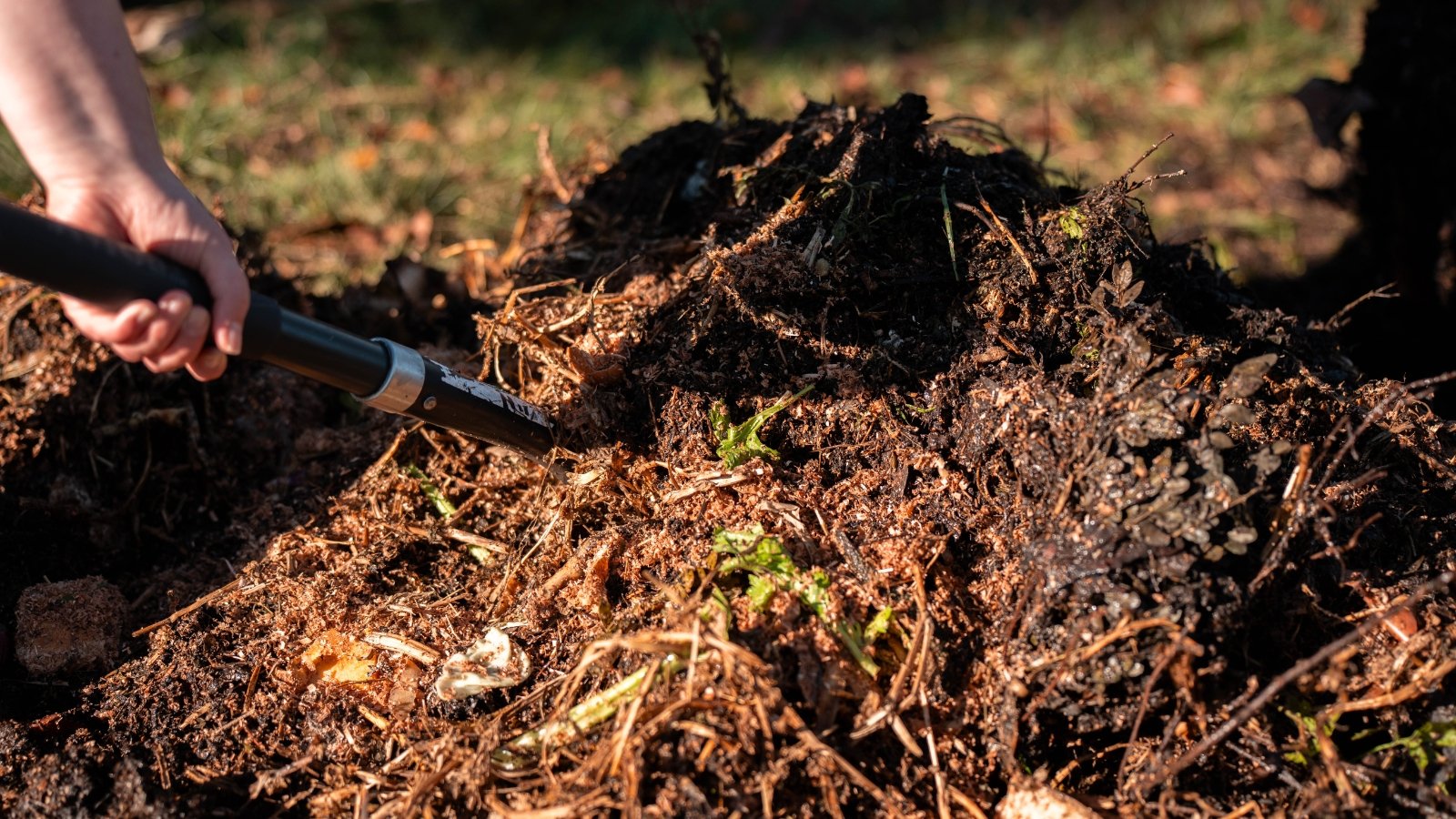
- Aerate by turning weekly with a pitchfork (or poke holes with a rod) — oxygen fuels aerobic bacteria and prevents stink.
:strip_icc()/compost-pile-rake-86cd59eb-8dac48cb789444edb109016d843b7743.jpg)
Cold-weather adaptations (especially useful if nights dip cooler):
- Insulate sides with straw bales or extra leaves.
- Bury a few buckets of hot kitchen scraps in the center to jumpstart heat.
- In subtropical areas like Dhaka, piles rarely freeze — they just slow down until warmer spring days kick decomposition back into gear.
Advanced Composting Techniques for October Gold ✨
Leaf mold mastery — the slow, fungal-powered method trees adore: Pile shredded leaves alone in a bin or cage, moisten, and wait 12–24 months. The result is dark, crumbly, soil-like material rich in humus — excellent for improving clay soils, mulching acid-loving plants (azaleas, blueberries), and boosting tree root health. No turning needed!
:max_bytes(150000):strip_icc()/making-and-using-leaf-mold-2539475-hero-0e3423fc99324eb1a57fe4d99afdff16.jpg)
Trench or sheet composting — direct-to-garden convenience: Dig shallow trenches in empty beds or around trees, bury greens/browns, cover with soil. Or layer cardboard → greens → browns directly on beds and top with mulch. Worms and microbes do the work — no pile to manage.
Boosters for richer compost:
- Aged manure or worm castings (nitrogen kick).
- Crushed eggshells (calcium, prevents blossom-end rot).
- Comfrey or nettles (dynamic accumulators pulling up potassium).
- Avoid overdoing citrus peels or lots of coffee grounds — they can acidify too much.
Winter survival tip: Even if activity slows, the pile continues fungal breakdown. Come spring, you’ll have partially matured “gold” ready to use.
Using Your “New” Compost: Immediate & Long-Term Applications for Plants & Trees 🌳🍁
Don’t wait for “perfect” black gold — use what’s ready now!
- Top-dress beds & tree circles: Spread 1–2 inches around perennials, shrubs, and tree drip lines (keep off trunks to prevent rot). This insulates roots from temperature swings, suppresses weeds, and feeds slowly.
- Mulch with semi-finished material: Partially broken leaves make excellent winter mulch — 2–4 inches thick retains moisture and protects shallow roots.
- Spring prep preview: Mix finished compost into planting holes next season for explosive growth. Trees especially benefit — enhanced mycorrhizal activity improves drought resistance and nutrient uptake.
- Potting mix amendment: Blend 20–30% compost with garden soil and sand for homemade potting mix.
Common Mistakes to Avoid & Troubleshooting Tips 🚫🔧
Even experienced gardeners hit snags with fall composting — here are the most common pitfalls and how to fix them quickly:
- Mistake #1: Too many leaves, not enough greens Symptom: Pile stays cool, turns into a slow-matting leaf blanket, takes 2+ years to break down. Fix: Shred leaves finely and mix in 1 part green material for every 3–4 parts browns. Add kitchen scraps, coffee grounds, or fresh lawn clippings to kickstart microbial activity.
- Mistake #2: Pile too wet or anaerobic (smells like rotten eggs) Symptom: Foul ammonia or sulfur odor, slimy texture. Fix: Turn the pile immediately to introduce oxygen. Add dry browns (shredded cardboard, straw, extra leaves) and cover during heavy rain. In Dhaka’s humid climate, this is extra common — keep turning every 7–10 days.
- Mistake #3: Pile too dry or not heating up Symptom: No warmth when you dig in, decomposition stalls. Fix: Water until sponge consistency, then mix in more greens or a shovelful of fresh soil/compost to reintroduce microbes. Bulk up the pile if it’s smaller than 1 cubic meter.
- Mistake #4: Over-cleaning the garden Symptom: Loss of beneficial insects, exposed soil erodes, birds miss food sources. Fix: Leave leaf litter under trees/shrubs, standing seed heads on perennials, and small brush piles in corners — nature’s winter hotels for ladybugs, lacewings, and solitary bees.
- Mistake #5: Adding diseased material anyway Symptom: Re-infection next season (especially tomato blight, rose black spot). Fix: Bag and dispose of suspect material. If you’re unsure, err on the side of caution — home piles rarely sustain 140–160°F long enough to kill tough fungal spores.
Quick troubleshooting cheat sheet:
- Pile not hot after 5–7 days? → Add greens + water + turn
- Attracting flies/rodents? → Bury food scraps deeper, avoid meat/dairy
- Too acidic (for acid-sensitive plants later)? → Balance with crushed eggshells or wood ash (sparingly)
Bonus: Plant & Tree Care Extras to Do in October 🌸🪴
While you’re already outside with your rake and pitchfork, knock out these high-impact tasks to maximize next season’s success:
- Divide overcrowded perennials — Hostas, daylilies, iris, ornamental grasses. Replant divisions immediately with a handful of fresh compost in the hole.
- Plant spring bulbs — Tulips, daffodils, hyacinths, alliums. October is prime planting time in most zones — bulbs establish roots before winter.
- Protect young trees — Wrap trunks of newly planted or thin-barked trees (mango, young neem, citrus in Dhaka-area gardens) with tree guards or burlap to prevent sunscald and rodent damage.
- Mulch everything — After top-dressing with compost, add 2–4 inches of shredded leaves, straw, or wood chips around trees, shrubs, and beds (keep mulch 2–3 inches away from trunks/stems).
- Soil test if you haven’t recently — Fall is ideal; send a sample now so amendments (lime, sulfur, organic fertilizers) arrive before spring planting.
- Sow quick cover crops — In empty veggie beds, broadcast clover, field peas, oats, or mustard. They prevent erosion, fix nitrogen, and suppress weeds — till or chop them in early spring.
These small October actions compound into dramatically healthier, more resilient plants and trees next year. 🌳
FAQs: Your October Composting & Cleanup Questions Answered ❓
Can I compost diseased plants? Usually no — especially for blights, rusts, powdery mildew, or clubroot. Spores survive typical home composting temperatures. Bag and dispose or burn (where permitted). Exception: If disease is very minor and pile will get very hot, some gardeners risk it — but better safe than sorry.
How long until my compost is ready? Hot, actively turned piles: 3–6 months for usable material. Cold, low-maintenance leaf piles: 9–24 months for true leaf mold. In Dhaka’s warm climate, expect faster results than in colder regions.
What if I have way too many leaves? Make dedicated leaf mold bins, use shredded leaves as mulch now, mow some back into the lawn, or check if your local municipality collects leaves for community composting programs.
Is composting worth it in a small balcony/urban yard? Absolutely! Use a small tumbler, bokashi bucket, or trench method directly in pots. Even 1–2 cubic feet of finished compost makes a big difference for container plants and small trees.
Best beginner tools for October composting?
- Garden fork or pitchfork for turning
- Leaf shredder or mulching mower
- Wire bin or cheap Geobin
- Moisture meter (optional but helpful)
- Wheelbarrow for moving materials
Conclusion: Your October Effort = Next Year’s Garden Glory 🎉🌿
October composting and cleanup might feel like extra work when the days are getting shorter — but think of it as planting invisible seeds for next year’s success. Every wheelbarrow of shredded leaves, every balanced layer in your pile, every thoughtful top-dressing around your favorite mango tree or rose bush is building richer soil, stronger roots, and a more vibrant, resilient garden.
By turning fall debris into nutrient-rich gold, you’re not just tidying up — you’re closing the loop, feeding the soil food web, reducing waste, and saving money on fertilizers and soil amendments. Your plants, your trees, the pollinators, and even the planet will thank you come spring.
So grab that rake, start your pile, and enjoy the satisfaction of knowing you’ve turned seasonal chaos into long-term abundance. Happy composting — and here’s to your most beautiful garden yet! 🍁











