
Imagine stepping into your garden next spring to find lush, ready-to-bloom soil—free of weeds, pests, and the chaos of last year’s debris—while your neighbors are still digging through matted leaves and stubborn roots. That’s the magic of proper winterizing annual flower beds! As the growing season winds down and frost nips at the petals, taking a few thoughtful steps now saves hours (and headaches) come spring. Skipping this prep often leads to overwintering pests like aphids or fungal spores, nutrient-depleted soil, and a delayed planting schedule. But with the right fall cleanup, you’ll nurture richer soil, suppress weeds naturally, and set the stage for vibrant blooms. 🌱
In this comprehensive guide, we’ll walk through every essential step based on proven horticultural practices from university extensions and experienced gardeners. Whether you’re in a cold USDA zone with heavy snow or a milder area, these tips focus on removing spent annuals, boosting soil health, and applying protective mulch. Let’s put your annual flower beds to bed properly so they wake up ready to shine! Ready to get started? Grab your gloves—your future self (and your flowers) will thank you. 😊
Understanding Annual Flower Beds vs. Perennials in Fall Cleanup 🌼
Annual flowers—like petunias, marigolds, zinnias, and impatiens—complete their entire life cycle in one season. They bloom spectacularly, set seed, and then die off naturally with the first hard frost. Unlike perennials (which regrow from roots year after year), annuals don’t need protection over winter; leaving them in place actually invites trouble.
Why full removal matters for annuals:
- Dead annual tissue becomes a cozy hideout for pests (slugs, aphids, spider mites) and diseases (powdery mildew, botrytis).
- Decomposing stems can harbor fungal spores that splash back onto new plants in spring.
- Roots left behind compete with next year’s plantings and can compact soil.
Quick comparison:
- Annuals: Pull completely (roots included) → compost healthy parts, discard diseased.
- Perennials: Cut back foliage to 2–6 inches (depending on variety), leave roots intact, mulch around crowns.
Many gardeners mistakenly treat annual beds like perennial ones, leaving “winter interest.” But for pure annual flower beds, thorough cleanup is key to preventing recurring issues. This one distinction makes your spring start smoother and healthier! 🛡️
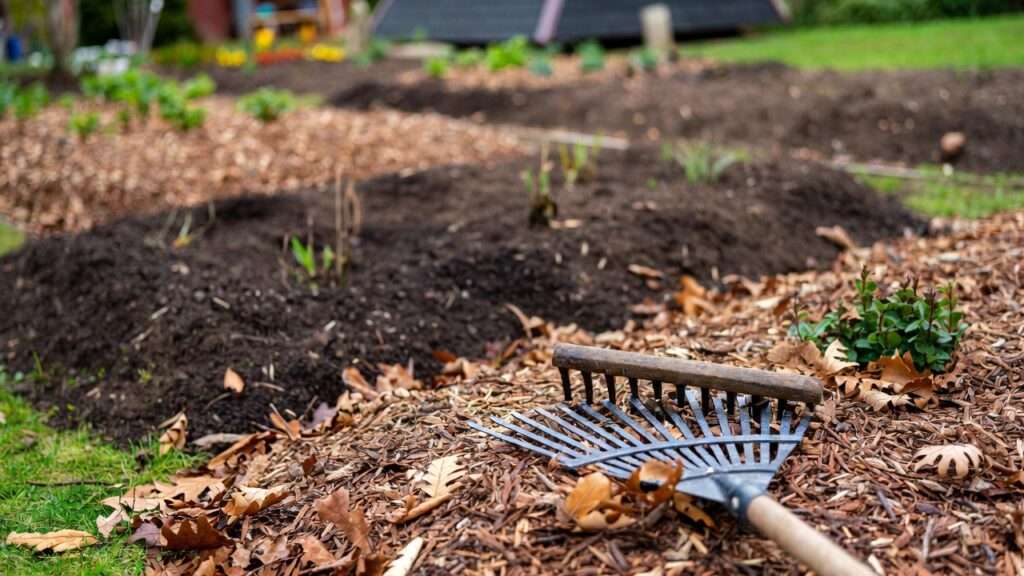
(Here’s a visual of fall garden cleanup in action—removing spent annuals for a clean slate! 🌿)
When to Start Winterizing: Timing Is Everything ⏰
Timing your winterizing annual flower beds prevents wasted effort and maximizes benefits. The golden window? After the first hard frost (when temperatures drop to 28°F/-2°C or lower, killing tender foliage) but before the ground freezes solid.
Key signs your beds are ready:
- Plants blacken, wilt, or turn mushy.
- No new growth appears even on warm days.
- Frost dates have passed (check your local USDA zone via almanac.com or extension services).
Regional tips:
- Colder zones (3–5): Start soon after first frost—mulch heavily before deep freezes.
- Moderate zones (6–8): You have a bit more flexibility, but aim for late fall.
- Milder zones (9+): Focus more on soil amendment than heavy protection.
Tools & supplies checklist 🛠️:
- Sturdy gloves and pruners
- Wheelbarrow or tarp for debris
- Garden fork or shovel
- Compost bin (hot compost ideal)
- Soil test kit (optional but recommended)
- Mulch (straw, shredded leaves, etc.)
- Rake and hoe for weeding
Act within 1–2 weeks post-frost for best results—your soil will thank you with better structure over winter. ❄️
Step 1: Remove Spent Annuals Completely (The Most Critical Step) 🧹
This is non-negotiable for healthy annual flower beds. Pulling everything out eliminates pest and disease reservoirs.
Why pull roots and all?
- Many pests overwinter in stems/roots.
- Diseased material spreads via wind/rain splash in spring.
How-to guide:
- Wait for post-frost dieback—plants pull easier when dry.
- Grasp at base and gently tug; use a fork for stubborn roots.
- Shake off soil; compost clean material in a hot pile (140°F+ kills pathogens).
- Bag and discard any diseased (black spots, moldy stems) plants—don’t compost!
Pro tip: If birds love seed heads, leave a few temporarily for wildlife, then remove before heavy snow. This balances cleanup with eco-support. 🐦

(Example of cutting back in fall—similar technique for annual removal! ✂️)
Many gardeners report 50% fewer pest issues next season after thorough removal. It’s the foundation of great fall garden cleanup!
Step 2: Thorough Weeding – Say Goodbye to Winter Survivors 🌱🚫
Weeds don’t take winters off—they germinate early or overwinter as rosettes. Tackling them now prevents a spring takeover.
Common culprits:
- Chickweed, henbit, deadnettle, winter annuals.
- Perennial weeds like dandelions or bindweed.
Effective methods (eco-friendly preferred):
- Hand-pull when soil is moist—get the whole root.
- Use a hoe for surface weeds.
- Avoid broad-spectrum herbicides in flower beds to protect pollinators and soil microbes.
Why fall weeding wins: Weeds are smaller/less established; removing them before mulch stops seed production and spring explosions.
Combine with Step 1 for efficiency—clear beds completely first. Your future weeding time drops dramatically! 🌟
Step 3: Soil Health Boost – Feed Your Beds for Next Year’s Blooms 🍂
Healthy soil = thriving flowers. Fall is prime time to amend since winter microbes break down organics slowly.
Recommended actions:
- Test soil pH/nutrients (kits from garden centers or extensions).
- Add 2–4 inches of organic matter: compost, aged manure, leaf mold.
- Lightly work in (no deep tilling—disrupts structure).
- No-dig fans: Top-dress and let worms do the mixing.
Benefits:
- Improves drainage/structure.
- Feeds beneficial microbes/fungi over winter.
- Releases nutrients gradually for spring roots.
Avoid fresh manure (burns roots) or high-nitrogen fertilizer (encourages tender growth vulnerable to freeze). This step turns average soil into gold! 🪴
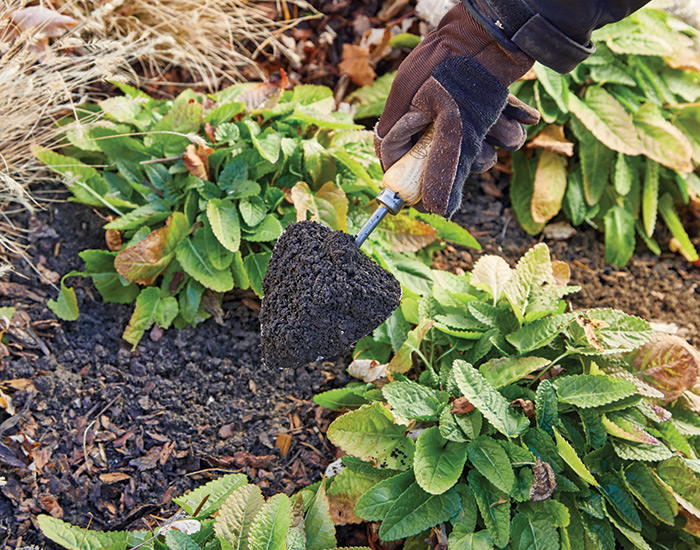
(Adding compost to beds—perfect fall soil prep! 🌱)
Step 4: Mulching Magic – The Ultimate Winter Blanket 🛡️🍂
Mulch is your garden’s cozy winter coat! After cleaning up spent annuals, weeding, and amending the soil, applying a layer of mulch seals in all that good work. It insulates roots from freeze-thaw cycles, retains moisture during dry spells, suppresses weed seeds, and prevents soil erosion from winter rains or wind.
Best mulch types for annual flower beds:
- Shredded leaves (free and fantastic—run them over with a mower first to speed decomposition) 🌿
- Straw (weed-free, light, and excellent insulator)
- Pine needles (great for acid-loving plants, though most annuals are fine)
- Shredded bark or wood chips (long-lasting, attractive look)
- Avoid: Fresh grass clippings (can mat and heat up), black plastic (blocks air/water), or dyed mulches (potential chemicals).
Ideal application:
- Depth: 2–4 inches (thicker in zones 3–5, lighter in zones 7+).
- When: After first light frost but before ground freezes—typically late fall.
- How: Spread evenly over the entire bed, keeping it 1–2 inches away from any nearby perennial crowns or structures (to prevent rot).
Benefits backed by experience: University extension services (like those from Penn State and University of Minnesota) consistently show mulched beds experience less soil compaction, better microbial activity, and up to 30–50% fewer spring weeds. In my years working with home gardeners, those who mulch properly report earlier, more vigorous blooms the following season.
Common mistakes to avoid ⚠️:
- Applying too early (traps heat, encourages rot).
- Piling against stems or “volcano mulching” (creates moisture-trapping mounds that rot crowns—stick to the “donut” shape instead!).
- Using too thin a layer (won’t suppress weeds effectively).
Here are some inspiring visuals of properly mulched beds:
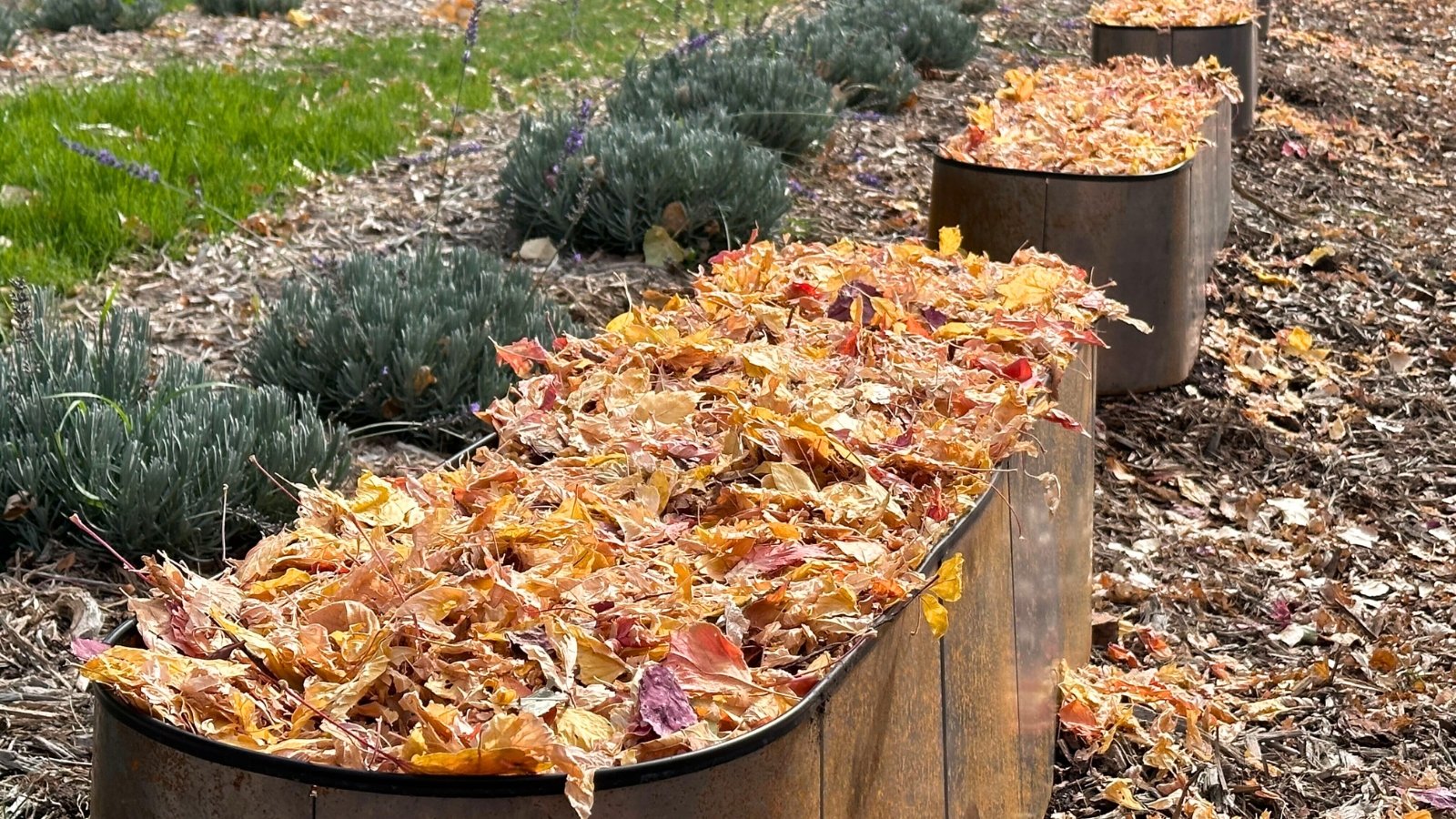
(Beautiful examples of shredded leaf and straw mulch transforming beds for winter!)
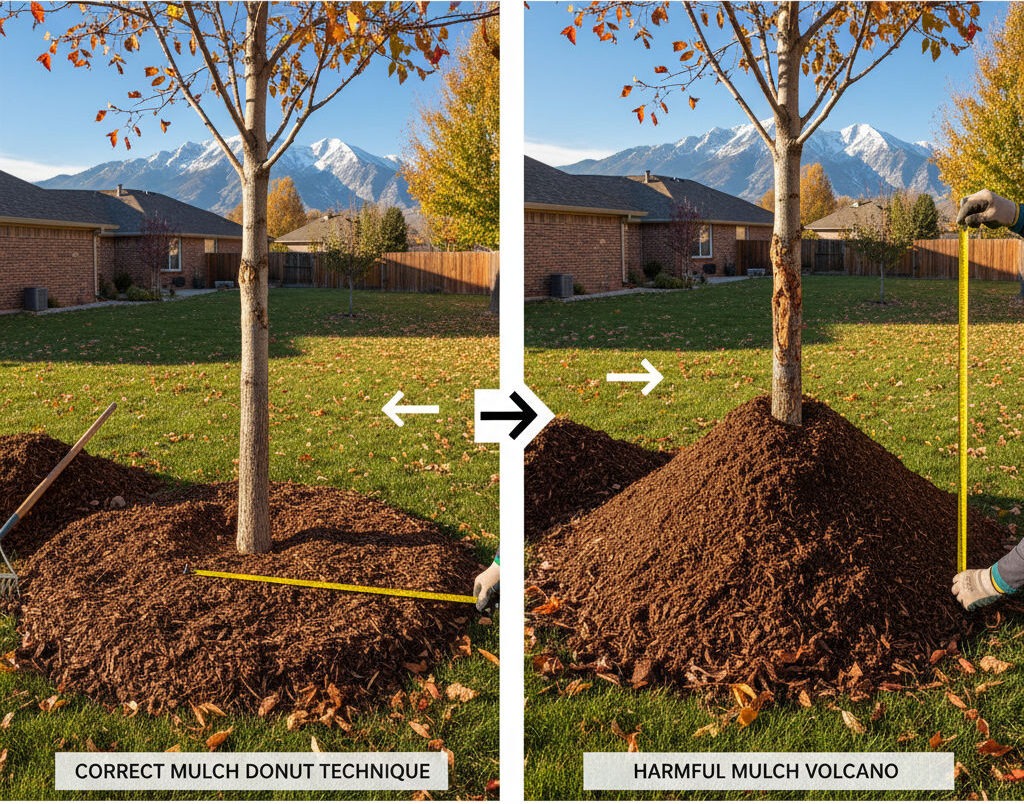
(See the difference: proper “donut” mulching vs. harmful volcano style—always keep mulch away from stems!)
Step 5: Extra Protection & Smart Prep for Spring 🌱
A few final touches ensure your beds emerge strong in spring.
- Last watering: If soil is dry before freeze-up, give a deep soak—frozen soil can’t absorb winter moisture well.
- Edging beds: Use a half-moon edger to create crisp borders; this prevents lawn grass from creeping in and gives a tidy look year-round.
- Optional advanced step: For bare beds, sow a winter cover crop like winter rye or crimson clover (in zones 5+). These prevent erosion, add nitrogen, and suppress weeds—till under in early spring.
- Protect structures: Move pots, stakes, or tools indoors; check nearby fences/trellises for winter wind damage.
These small efforts compound into big spring wins—less cleanup, healthier starts, and more time planting! 😊
Common Mistakes Gardeners Make When Winterizing Annual Beds (And How to Avoid Them) ⚠️
Even seasoned gardeners slip up—here are the top pitfalls I’ve seen repeatedly:
- Leaving debris behind → Harbors pests/diseases. Solution: Thorough removal as in Step 1.
- Over-mulching or piling against plants → Causes rot. Solution: Stick to 2–4 inches, donut style.
- Skipping weeding → Spring weed explosion. Solution: Weed before mulching.
- Adding high-nitrogen fertilizer in fall → Promotes tender growth that freezes. Solution: Focus on organics/compost only.
- Ignoring soil testing → Missed pH imbalances. Solution: Quick home test every 2–3 years.
- Mulching too early → Traps heat/moisture. Solution: Wait for frost.
Real gardener story: One client skipped root removal on marigolds—next spring, aphid infestations hit hard. After full cleanup + mulch the following fall, zero issues. Lessons like these make the process worthwhile!
Zone-Specific Adjustments: Tailor Winterizing to Your Climate 🌍
Gardening varies by region—adjust these steps accordingly:
- USDA Zones 3–5 (harsh winters): Use 4–6 inches mulch, consider windbreaks (burlap screens), prioritize shredded leaves/straw for insulation.
- Zones 6–8 (moderate): Standard 2–4 inches works well; focus on soil amendment and thorough cleanup.
- Zones 9+ (mild winters): Lighter mulch (1–2 inches), emphasize compost for nutrient boost; some annuals may reseed naturally.
Check your exact first/frost dates via local extension offices or tools like the Old Farmer’s Almanac for precision.
Bonus: Eco-Friendly & Pollinator-Friendly Winterizing Tips 🐝
You can winterize responsibly while supporting wildlife:
- Compost healthy debris in a hot pile to kill pathogens—creates black gold for next year.
- Leave a small “messy” corner elsewhere in the yard (not in annual beds) with stems/seed heads for overwintering beneficial insects and birds.
- Source sustainable mulch: Use fallen leaves from your yard, buy straw from local farms, or opt for certified organic products.
- Avoid synthetic mulches or chemical treatments—let nature’s cycle work for you.
These choices build a healthier ecosystem long-term.
FAQs: Your Winterizing Annual Flower Beds Questions Answered ❓
Here are the most common questions I receive from gardeners just like you when preparing their annual beds for winter. These answers draw from university extension recommendations, Master Gardener programs, and real-world experience across different climates.
1. Do I really need to pull annuals completely, or can I just cut them back at ground level? Yes, you should pull them out—roots and all. Cutting at the surface leaves root systems that can harbor pests, diseases, and even fungal spores. Full removal (especially for plants like petunias, zinnias, and marigolds) drastically reduces problems next spring. If the plants are very small or the soil is frozen, cutting is better than nothing—but aim for complete removal whenever possible.
2. What’s the best mulch for annual flower beds? Shredded fall leaves (free and nutrient-rich), clean straw, or pine needles top the list for most gardeners. Shredded leaves break down over winter to feed soil microbes, while straw provides excellent insulation without compacting. Avoid fresh grass clippings (they mat and can heat up) and anything treated with dyes or chemicals. Aim for 2–4 inches depending on your zone.
3. Should I add fertilizer when winterizing annual flower beds? No high-nitrogen synthetic fertilizer in fall! It encourages tender new growth that gets damaged by freezes. Instead, focus on slow-release organic matter: compost, well-rotted manure, or leaf mold. These feed soil biology over winter and release nutrients gradually for spring roots. If a soil test shows severe deficiency, use a balanced organic fertilizer very sparingly—but most beds benefit more from compost alone.
4. What should I do with diseased plants during fall cleanup? Bag and discard them in household trash—do NOT compost diseased material. Pathogens like powdery mildew, botrytis, or verticillium wilt can survive composting temperatures in home piles. Healthy green debris can go into a hot compost pile (140°F+ kills most issues), but when in doubt, trash it to protect next year’s flowers.
5. When can I start planting again in spring after winterizing? It depends on your last frost date and soil temperature. Once soil warms to 50–55°F (usually 2–4 weeks after your average last frost), you can safely plant most annuals. Mulched beds often warm up faster and dry out sooner than bare soil, giving you an earlier start. Check local frost dates and use a soil thermometer for precision.
6. Can I leave some annuals to self-seed over winter? Yes, but selectively—and not in the main bed if you want a clean slate. Plants like cosmos, calendula, or nasturtiums often self-seed successfully in zones 6+. Let a small patch stand, then remove the rest. In colder zones (5 and below), self-seeding is less reliable, so plan to replant anyway.
7. Is it okay to winterize if I still have a few blooms? If frost hasn’t hit yet, enjoy those last flowers! Once a killing frost blackens foliage, it’s time to start. You can stagger the process: remove tender annuals first, leave hardier ones a bit longer for pollinators, then finish cleanup before deep freeze.
These answers help solve the most frequent pain points gardeners face during fall prep. If your specific situation isn’t covered, feel free to share more details in the comments! 🌸
Conclusion: Enjoy the Rewards of a Well-Winterized Garden Next Spring 🎉
Winterizing annual flower beds isn’t just busywork—it’s an investment in easier, more beautiful gardening next year. By removing spent plants, clearing weeds, enriching soil with organics, blanketing with mulch, and adding a few protective touches, you:
- Prevent pest and disease carryover
- Build healthier, more fertile soil
- Slash spring weeding and cleanup time
- Set the stage for earlier, stronger, more vibrant blooms
Come March or April, while others are still battling last year’s mess, you’ll be planting in clean, nutrient-rich beds that practically beg for new flowers. Gardening is a cycle, and giving your annual beds this thoughtful send-off ensures the next chapter is even more rewarding.
So this weekend, set aside an afternoon, grab your tools, and give your flower beds the care they deserve. You’ll feel the satisfaction of a job well done—and next spring, you’ll see (and smell!) the results. 🌷❄️
Happy gardening, and here’s to a spectacular 2026 bloom season! If you try these steps, I’d love to hear how it goes—drop a comment with your before-and-after photos or any tips you’ve discovered along the way. 🌟











