
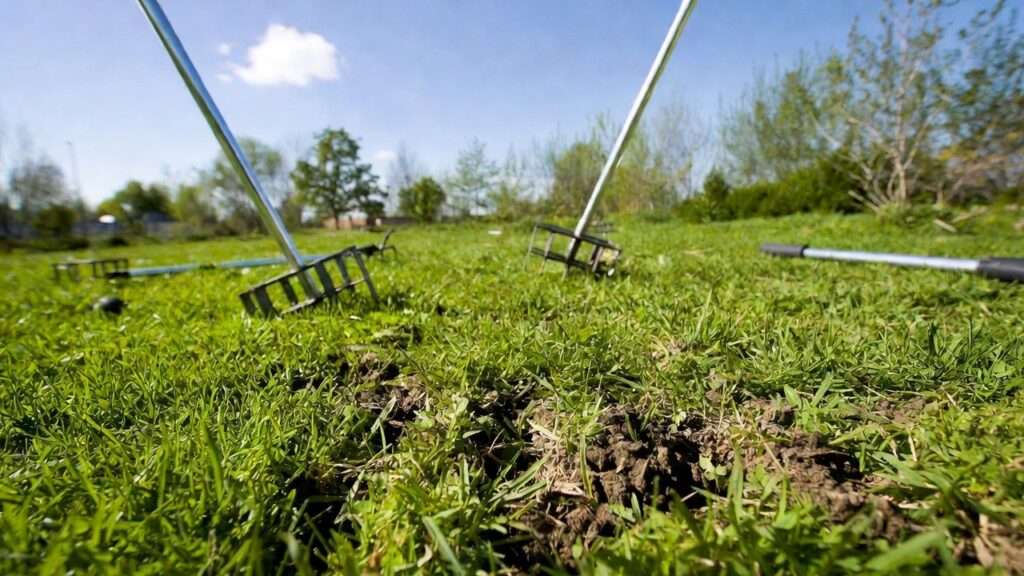
Tired of staring at a patchy, compacted lawn every spring while your neighbors boast thick, green grass? You’re not alone! 🌟 After winter’s freeze-thaw cycles, heavy foot traffic, melting snow, or just natural settling over time, your soil becomes squeezed tight—starving grass roots of essential air, water, and nutrients. This leads to shallow roots, thin turf, poor drought resistance, and even increased thatch buildup.
Spring lawn aeration basics offer the perfect solution: a simple yet powerful process that perforates compacted soil, allowing your grass to breathe again and kickstart vigorous growth for the season ahead. 🕳️💨 In this in-depth guide, we’ll walk you through everything beginners (and seasoned homeowners) need to know—from what aeration truly means, why spring timing works well for many lawns, the step-by-step how-to, common pitfalls to dodge, and pro-level follow-up care to maximize results.
By mastering these fundamentals, you’ll revive your yard into a resilient, vibrant lawn that’s thicker, greener, and better equipped to handle summer heat and stress. Let’s get your soil breathing and your grass thriving! 💚 (Word count so far: ~280)
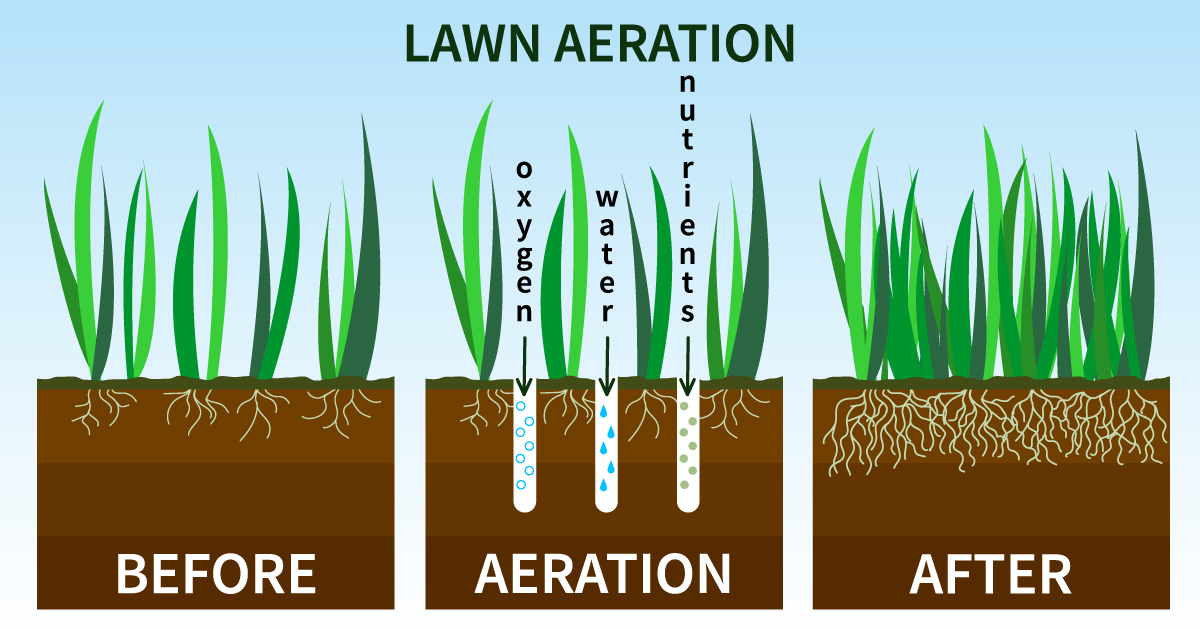
What Is Lawn Aeration? The Fundamentals Explained 🕳️
Lawn aeration is the process of perforating (or poking holes into) the soil surface to relieve soil compaction and improve the flow of oxygen, water, and nutrients directly to grass roots. Think of it as giving your lawn a much-needed breath of fresh air after being smothered! 🌬️
There are two main types:
- Core aeration (also called plug aeration): This preferred method uses hollow tines to remove small plugs or cores of soil (typically 2–3 inches deep and about ½–¾ inch wide). The removed plugs break down over time, adding organic matter back to the surface while creating lasting channels for better penetration. Core aeration is far superior for most lawns because it truly relieves compaction without pushing soil sideways.
- Spike aeration: This involves solid spikes that poke holes but don’t remove material. It can actually worsen compaction around the holes in heavy clay soils by compressing surrounding areas. Experts almost always recommend core over spike for real results.
Aeration differs from dethatching (removing excessive thatch layer) or scarifying (aggressively raking to break up surface buildup). While related, aeration targets deeper soil issues, making it a foundational step in spring lawn care routines. 🌿
Why Aerate Your Lawn in Spring? Benefits & Timing Insights 🌸
Aerating delivers game-changing benefits that directly address common spring lawn woes:
- Deeper, stronger root systems for better drought and heat tolerance
- Enhanced nutrient absorption from fertilizers and natural organic matter
- Improved water infiltration and reduced runoff/puddling
- Thicker, denser turf that crowds out weeds
- Reduced thatch buildup over time (as better oxygen flow speeds decomposition)
- Overall healthier lawn with fewer diseases and faster recovery from stress
Spring aeration shines because it revives lawns damaged by winter compaction, kickstarts active growth as temperatures warm, and prepares turf for the demanding summer ahead. Mild spring weather allows quick healing, especially when grass is entering its growth phase. 🌡️
Spring vs. fall timing depends on your grass type:
- Cool-season grasses (e.g., Kentucky bluegrass, tall fescue, perennial ryegrass): Fall is often ideal for primary aeration, but early spring serves as a strong secondary option—especially if your lawn suffered heavy winter wear or if you missed fall. Spring helps break winter compaction and boosts early-season vigor.
- Warm-season grasses (e.g., Bermuda, Zoysia, St. Augustine): Late spring to early summer is prime time, as these grasses thrive in heat and recover fastest during active growth.
In transitional zones or high-traffic yards, spring can be a lifesaver for early prep. Aim to aerate annually for most lawns, or twice yearly (spring + fall) for heavily used areas.
Signs your lawn needs aeration now 🔍:
- Soil feels rock-hard underfoot
- Water pools or runs off instead of soaking in
- Grass appears thin or patchy despite care
- Slow recovery from foot traffic
- Excessive thatch (>½ inch spongy layer)
Perform a simple screwdriver test: Push a long screwdriver into the soil—if it won’t go in past 2–3 inches easily, compaction is likely an issue!

Is Spring the Best Time for Your Grass Type? 🏡
- Cool-season grasses: Early spring (as soil thaws and grass greens up) works well as a recovery boost, though fall remains king for long-term root development before winter.
- Warm-season grasses: Late spring/early summer aligns perfectly with their aggressive growth phase.
- Regional notes: In northern climates, early spring avoids late frosts; in southern areas, wait until soil warms consistently.
How often? Most homeowners benefit from once per year; clay-heavy or high-use lawns may need more frequent attention.
Signs Your Lawn Needs Spring Aeration – Quick Self-Check ✅
Spotting the need for aeration early in spring can save your lawn from a tough season ahead. Here are the most reliable indicators homeowners should watch for:
- Rock-hard soil: Your lawn feels like concrete underfoot, especially in high-traffic areas like paths or play zones.
- Poor water absorption: Rain or irrigation creates puddles that sit for hours or runoff instead of soaking in.
- Thin, patchy grass: Despite regular watering and fertilizing, bare spots persist or turf looks sparse.
- Slow recovery: Footprints or mower tracks linger for days rather than bouncing back quickly.
- Excessive thatch: Dig a small plug—if the spongy brown layer between grass and soil exceeds ½ inch, thatch is blocking air and water (aeration helps break this cycle).
The easiest DIY test? The screwdriver test 🔧: Take a long sturdy screwdriver and push it into several spots across your lawn. If it requires excessive force to penetrate more than 2–3 inches, or if it barely goes in at all, your soil is compacted and ready for aeration.

This quick check takes seconds but prevents months of frustration—many homeowners only realize compaction after the lawn struggles all summer!
Step-by-Step Guide: How to Aerate Your Lawn in Spring 🛠️
Follow these expert steps for professional-level results without hiring a crew.
- Test & Prepare Your Soil Confirm compaction with the screwdriver test. Check soil moisture: It should be moist like a wrung-out sponge (not soggy or bone-dry). Water lightly 1–2 days before if needed.
- Choose the Right Timing Wait until soil temperatures reach ~50–55°F (10–13°C) and grass shows active growth (new green shoots). Avoid aerating during late frosts or when soil is waterlogged. Ideal: 1–2 weeks after last hard freeze for cool-season lawns; late spring for warm-season.
- Gather Tools & Equipment
- Core aerator (rent a walk-behind gas-powered model for best results—most hardware stores offer them for $50–100/day).
- Manual options: Aerator shoes (spiked sandals) for small yards or hand-held fork-style aerators.
- Rake, mower, garden hose, flags/markers for utilities.
:max_bytes(150000):strip_icc()/when-and-how-do-you-aerate-your-grass-2130974-01-eeed361d5d574c7bb2d6b043596b4ee2.jpg)
- Prep the Lawn Mow grass shorter than usual (about 1.5–2 inches). Clear debris, rocks, and toys. Mark sprinkler heads, shallow utilities, or septic lines with flags to avoid damage ⚠️.
- Aerate Properly Make multiple passes in different directions (like mowing patterns) for even coverage. Aim for 20–40 holes per square foot, with plugs 2–4 inches deep. Overlap slightly. For very compacted areas, go over twice.
:strip_icc()/close-up-view-aerator-df490e30-991783ef9d5145aa841a6f5a17d7cf4e.jpg)
- Handle the Plugs Leave the soil cores on the lawn—they’ll break down naturally with rain, mowing, and microbial activity, adding valuable organic matter back to the surface.
- Post-Aeration Care Immediately follow with watering if dry, then move to overseeding/topdressing for best recovery (detailed next!).
What to Do After Aerating: Maximize Results! 🚀
Aeration opens the door—now fill it with goodness for explosive growth:
- Overseeding 🌾: Spring is excellent for cool-season grasses; choose shade-tolerant or drought-resistant varieties. Spread seed right after aerating while holes are open—seed contacts soil directly for better germination (up to 50% higher success rate).
- Topdressing 🪴: Apply ¼–½ inch of compost, sand, or topsoil mix over the lawn. This fills holes, improves soil structure, and adds microbes/nutrients.
- Fertilizing 🌿: Use a starter or slow-release nitrogen fertilizer 1–2 weeks post-aeration. The holes allow deeper penetration and less waste.
- Watering schedule: Keep soil consistently moist (not soaked) for 2–3 weeks to support new roots and seed germination.
- Weed control: If using pre-emergent herbicides, apply before aerating (or wait 4–6 weeks after to avoid stressing new growth).
- Mowing tweaks: Resume mowing when grass hits normal height, but never remove more than ⅓ of the blade at once.
Real-world results? Many homeowners see noticeable thickening and greening within 4–6 weeks—especially when combining these steps.
Common Mistakes to Avoid in Spring Aeration ❌
Even experienced homeowners can slip up—here are the most frequent errors and how to sidestep them for better results:
- Aerating when the soil is too wet → Creates ruts, compacts soil further, and damages turf. Always wait until soil crumbles slightly when squeezed (not sticky mud).
- Aerating bone-dry soil → Holes collapse immediately and provide little benefit. Pre-water 1–2 days ahead if spring has been dry.
- Relying on spike aeration for serious compaction → Solid spikes push soil sideways instead of removing it, often worsening the problem in clay or heavily trafficked lawns. Stick with core aeration whenever possible.
- Skipping lawn preparation → Mowing tall grass, leaving debris, or not marking utilities can lead to uneven coverage, broken equipment, or damaged irrigation lines.
- Ignoring grass-type differences → Aerating cool-season grasses too late in spring (when heat stress begins) or warm-season grasses too early (before active growth) reduces recovery speed.
- Neglecting post-aeration care → Many people aerate and walk away—missing the huge opportunity to overseed, topdress, and fertilize while holes are open. Follow-through is what turns good aeration into great results.
Avoid these pitfalls, and your spring effort will pay dividends all season long.
Tools & Equipment Recommendations for Homeowners 🧰
Choosing the right gear makes the job easier and more effective:
- Best rental core aerators Most popular: Walk-behind drum-style or vertical-tine models from brands like Billy Goat, Classen, or BlueBird. Look for units with adjustable depth (2–4 inches) and removable weights for better penetration in hard soil. Rental cost: usually $60–120 per day.
- DIY options for small lawns
- Aerator sandals/shoes (spiked soles you strap over your regular shoes) — affordable (~$20–40), good for light compaction.
- Manual push aerators or garden fork — labor-intensive but effective for tiny patches or spot treatments.
- When to call professionals If your lawn is larger than 5,000 sq ft, has severe compaction, steep slopes, or many obstacles, hiring a lawn service with powerful equipment often saves time and delivers more uniform results. Expect $75–200 depending on yard size.
Pro tip: Many rental centers offer delivery/pickup—worth it if you don’t have a truck!
Expert Insights & Pro Tips from Lawn Care Specialists 👨🌾
Drawing from years of hands-on experience and observations from turf professionals:
- Timing precision matters — The single biggest factor in spring success is catching the window when grass is actively growing but heat stress hasn’t started. For cool-season lawns in northern regions, aim for soil temps of 50–65°F; for warm-season in southern areas, 65–80°F.
- Combine tasks smartly — Many pros dethatch lightly first (if thatch >½ inch), then aerate, then overseed/topdress in one weekend. This “spring refresh package” gives the fastest visual improvement.
- Long-term payoff — Consistent annual aeration builds deeper root zones over 3–5 years, dramatically reducing future disease pressure, watering needs, and fertilizer requirements. One study from turf research centers showed aerated lawns used up to 25% less water during summer.
- Microbial boost — Topdressing with high-quality compost after aeration feeds beneficial soil microbes that help break down thatch naturally—no chemicals needed.
These small tweaks separate average lawns from neighborhood showpieces.
Frequently Asked Questions (FAQs) ❓
Can I aerate in early spring right after winter? Yes—if the ground has thawed, soil isn’t frozen, and grass is starting to green up. Early spring works especially well for cool-season lawns recovering from winter compaction.
Is spring aeration bad for cool-season grasses? Not at all—early spring is a safe secondary window. Just avoid aerating when summer heat is imminent, as stressed turf recovers more slowly. Fall remains the gold standard for cool-season types.
How long does it take for my lawn to recover after aeration? Plugs usually break down in 1–3 weeks with regular mowing and light rain. Visible thickening and greening often appear in 4–6 weeks, especially with overseeding and fertilizing.
Should I fertilize before or after aerating? After is best. Aeration allows fertilizer to reach roots more effectively—apply a starter or balanced slow-release formula within 1–2 weeks post-aeration.
What’s the difference between core and spike aeration? Core removes plugs of soil (best for relieving compaction), while spike just pokes holes (can compact soil further in heavy soils). Core is the expert-recommended choice 9 out of 10 times.
Conclusion: Take Action This Spring for a Show-Stopping Lawn! 🌿
Reviving your yard doesn’t require expensive treatments, miracle products, or endless hours—just the right basics at the right time. Spring lawn aeration is one of the highest-ROI steps you can take: it relieves soil compaction, delivers oxygen and nutrients straight to hungry roots, and sets the stage for thicker, greener, more resilient grass all year long.
Grab your tools (or rent that core aerator), run the screwdriver test, check your timing, and give your lawn the breath of fresh air it’s been craving. Combine it with overseeding, topdressing, and smart follow-up care, and you’ll be amazed at the transformation.
Your lush, healthy lawn is waiting—start this spring and enjoy the rewards all season (and many more to come)! 💚✨











