
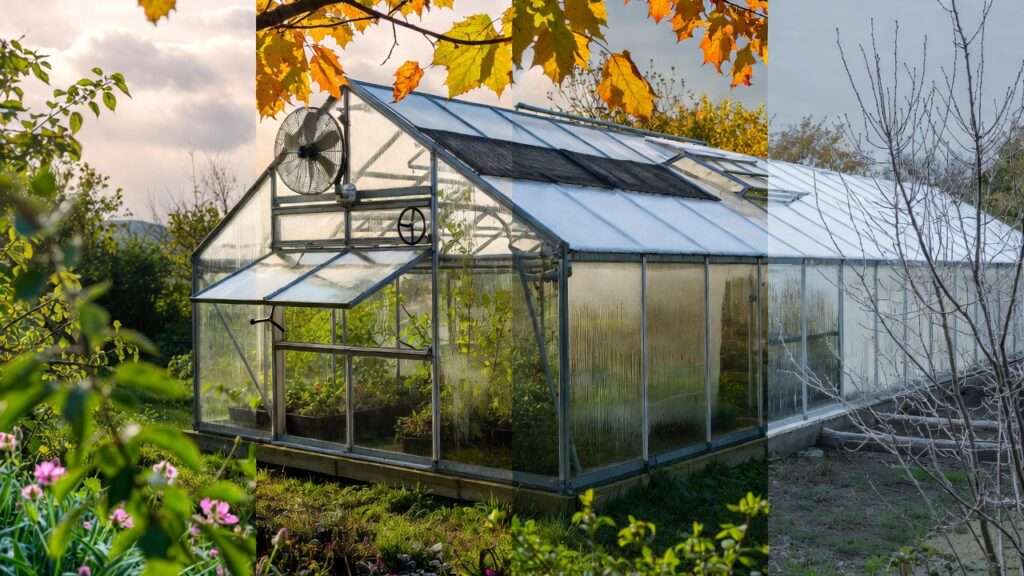
Imagine walking into your greenhouse on a blazing summer afternoon to find your prized tomato plants wilting, leaves scorched, and the air thick with heat — or stepping in during a chilly winter morning only to discover condensation dripping everywhere and powdery mildew starting to creep across your seedlings. 😩 These all-too-common scenarios happen when ventilation doesn’t adapt to the seasons. Proper seasonal greenhouse ventilation changes are the key to maintaining ideal temperature, humidity, and fresh air exchange, preventing stress, diseases, and poor growth while maximizing yields year-round.
As a plant care expert with over a decade of hands-on experience managing home and small-scale greenhouses — including vegetables, flowers, and young trees — I’ve witnessed firsthand how simple, timely adjustments transform struggling setups into thriving ecosystems. Backed by recommendations from university extensions like UMass Amherst, Purdue, and others, this comprehensive guide covers everything you need to know. Whether you’re a hobby gardener in a variable climate or growing for abundance, mastering these changes will give your plants the healthiest environment possible. Let’s dive in! 💚

Why Seasonal Greenhouse Ventilation Changes Matter 🌡️💨
Ventilation isn’t just about opening a window — it’s a dynamic process that regulates temperature, controls relative humidity, supplies CO₂ for photosynthesis, reduces pest and disease pressure, and promotes strong stems through gentle air movement.
Ignoring seasonal shifts leads to serious issues:
- Summer overheating causes heat stress, blossom drop in tomatoes/peppers, reduced fruit set, and leaf burn.
- Winter high humidity fosters fungal diseases like botrytis (gray mold), powdery mildew, and damping-off in seedlings — often when condensation forms on cold surfaces.
- Spring/fall transitions bring sudden spikes or drops, stressing young plants or newly hardened-off seedlings.
The rewards of smart changes? Healthier foliage, vigorous growth, higher yields (up to 20-30% in some crops), fewer pests, and lower energy costs for heating/cooling. University research shows that maintaining proper air exchange prevents humidity-related losses and keeps temperatures within optimal ranges (typically 70-85°F daytime for most plants, avoiding extremes).
Key influencing factors include your local climate, greenhouse orientation (east-west ridge for better wind capture), crop types (high-transpiring veggies need more summer flow), and structure size. In tropical or humid areas, humidity control takes priority; in temperate zones, temperature swings demand flexibility.
Understanding Greenhouse Ventilation Basics 🔍
Before seasonal tweaks, grasp the fundamentals.
Types of Ventilation Systems
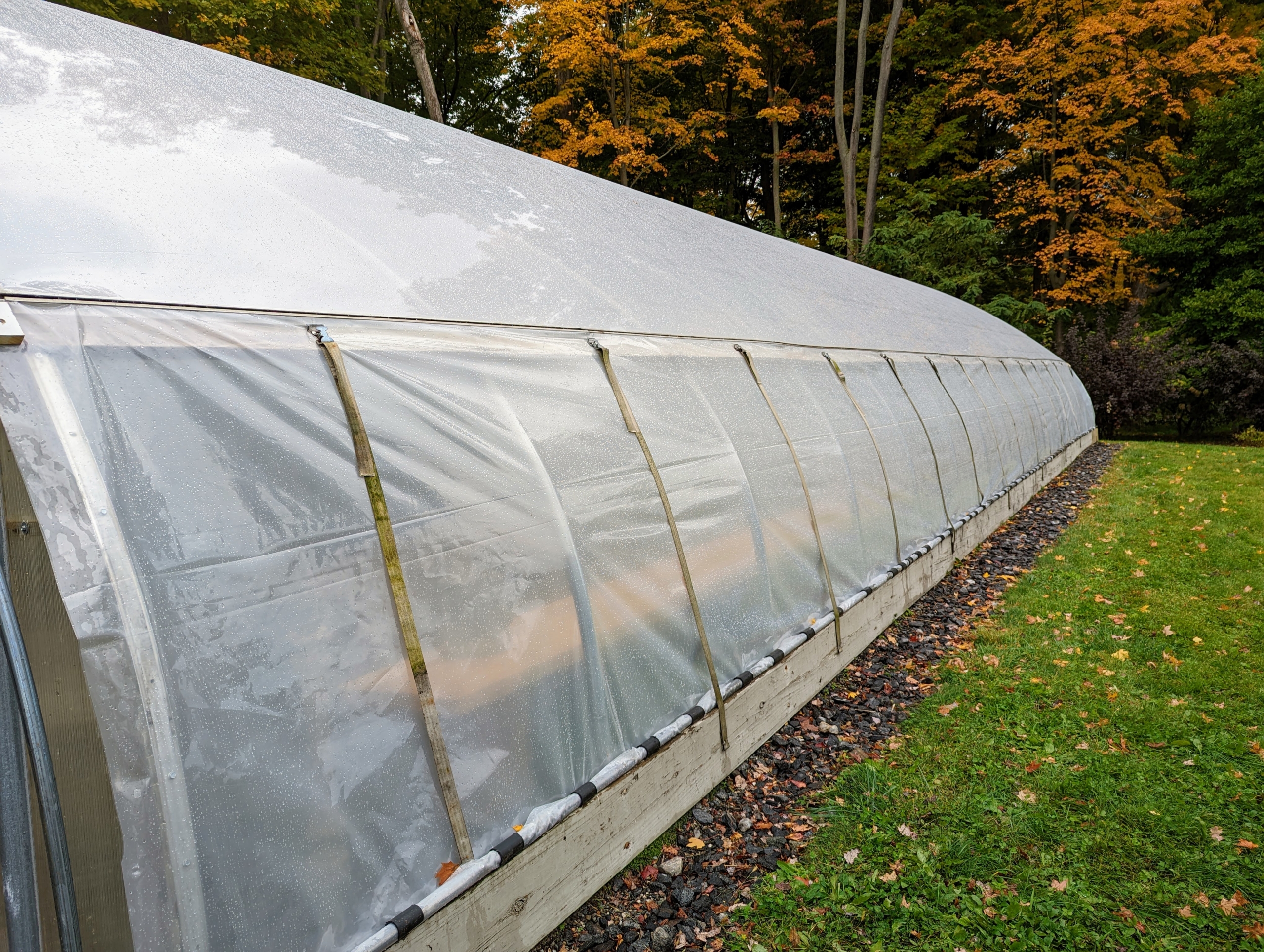
- Natural (passive): Relies on wind and buoyancy (hot air rises). Includes roof vents (ridge), side vents (louvers or roll-up sides), doors. Best for mild conditions and energy savings — wind at 2-3 mph can drive 80%+ of exchange.
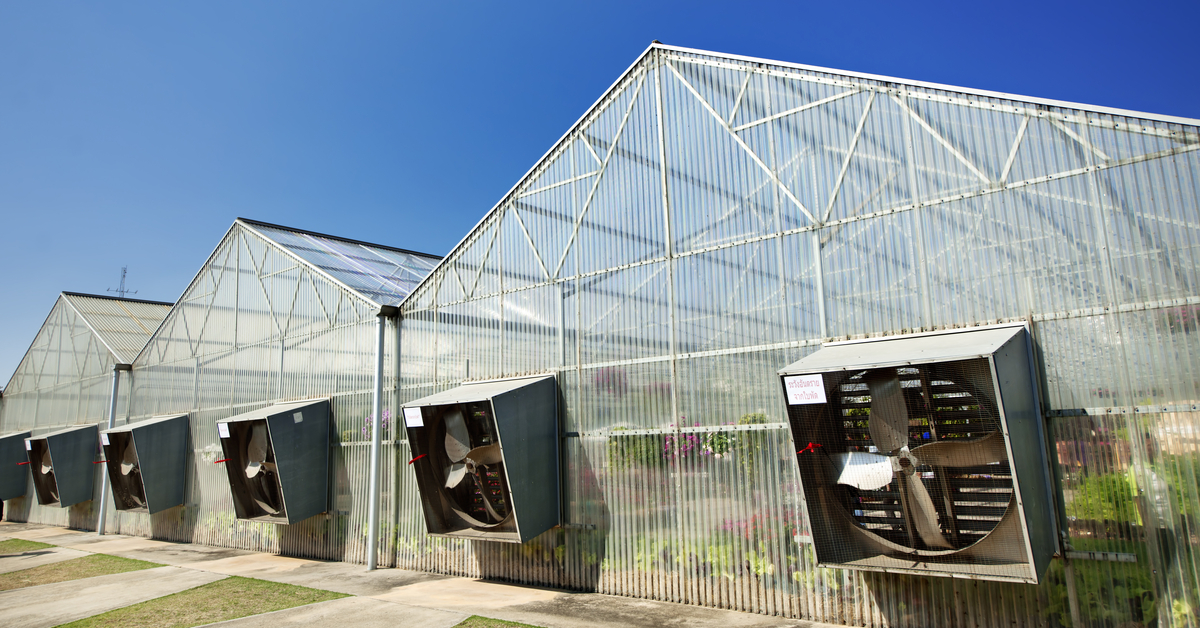
- Mechanical (active): Uses fans for reliable control. Exhaust fans pull hot/humid air out; intake shutters allow fresh air in. Horizontal Air Flow (HAF) fans circulate air evenly, preventing hot/cold spots.
- Hybrid: Combine both — passive for most days, fans for extremes.
Core Principles
The stack effect (warm air rises out roof vents, cool air enters low) and wind-driven flow power natural ventilation. Aim for balanced vent areas: combined sidewall + ridge vents at 15-20% of floor area for effective exchange.
Air exchange rates vary seasonally:
- Summer: 1 air change per minute (or 60 per hour) to cap temps ~8-10°F above outside.
- Winter: 2-3 air changes per hour to manage humidity without excessive heat loss.
- Spring/Fall: Intermediate, based on daily conditions.
Even distribution avoids dead zones — HAF fans help here.
Seasonal Greenhouse Ventilation Changes: Detailed Adjustments by Season 🍂☀️❄️
Spring: Transition and Growth Preparation 🌸
Spring brings warming days and variable nights — focus on gradual acclimation and preventing heat spikes during sunny spells.
Goals: Harden off seedlings, promote even growth, avoid cold drafts on tender plants.
Adjustments:
- Open roof/side vents early (mid-morning) as temps rise above 70°F; close partially at night.
- Use max-min thermometers to monitor — vent when inside hits 75-80°F.
- Add light shading if needed; introduce HAF fans for uniform CO₂ and airflow.
- “Burp” the greenhouse: Briefly open doors/vents on mild days to refresh air without shocking plants.
Pro tip: Start seedlings in propagation areas with minimal vents, gradually increasing exposure.
Summer: Maximum Cooling & Heat Management 🔥
Summer demands aggressive ventilation to combat solar gain and high transpiration.
Challenges: Temps soaring 20-40°F+ above outside, wilting, reduced pollination.
Essential changes:
- Maximize openings: Full roof vents, roll-up sides/doors wide open during peak heat.
- Run exhaust fans for 1+ air change/minute; pair with intake for cross-flow.
- Integrate shade cloth (30-50% density) to block direct sun; add evaporative cooling (wet pads + fans) in dry climates.
- Schedule: Vent heavily midday, reduce evenings to retain warmth.
- Monitor humidity — high levels with heat stress plants further.
Common mistakes: Closing vents too early (trapping heat), poor fan placement causing uneven cooling.

Fall: Balancing Cooling and Humidity Control 🍁
As days shorten and nights cool, fall is a transitional season where over-ventilating can drop temperatures too quickly, while under-ventilating traps rising humidity from decreasing transpiration and soil evaporation.
Goals: Maintain mild daytime warmth, reduce condensation risks as humidity climbs, prepare plants for winter hardening.
Adjustments:
- Gradually reduce vent openings — start with 25-50% of summer levels, closing earlier in the afternoon.
- Prioritize circulation with HAF fans to keep air moving and prevent moisture pockets.
- Open vents briefly midday when outside temps are warmer than inside to exchange humid air.
- Monitor closely — aim for relative humidity 50-70% to avoid mold while preventing excessive drying.
- Integrate light frost protection: Close vents fully before cold fronts, use row covers inside for tender crops.
Pro tip: Fall is perfect for testing and calibrating automatic systems before winter demands precision.
Winter: Minimal Ventilation for Humidity & Disease Prevention ❄️
Winter ventilation is all about compromise: retain precious heat while removing excess moisture that leads to condensation, dripping, and fungal outbreaks.
Goals: Keep humidity below 80-85% (ideally 60-75%), supply minimal fresh air, avoid cold drafts directly on plants.
Changes:
- Limit to “burping” — open vents or doors for 10-30 minutes midday on sunny, milder days when inside temp exceeds 50-55°F.
- Use low-speed exhaust fans for 2-3 air changes per hour; run HAF fans continuously at low speed for uniform conditions.
- Install thermal curtains, bubble wrap insulation, or energy screens at night to minimize heat loss.
- Combine with root-zone heating (soil cables, hot water pipes) so plants stay warm even if air cools slightly during brief venting.
- In very cold climates (like parts of temperate zones), prioritize humidity control over temperature — better slightly cooler and drier than warm and damp.
Expert note: Many growers lose more plants to winter humidity diseases than to cold itself. Consistent low-level air movement is your best defense. ❄️

Tools and Technologies for Smarter Seasonal Ventilation Changes 🛠️
Manual venting works for small setups, but tools make seasonal changes reliable and effortless.
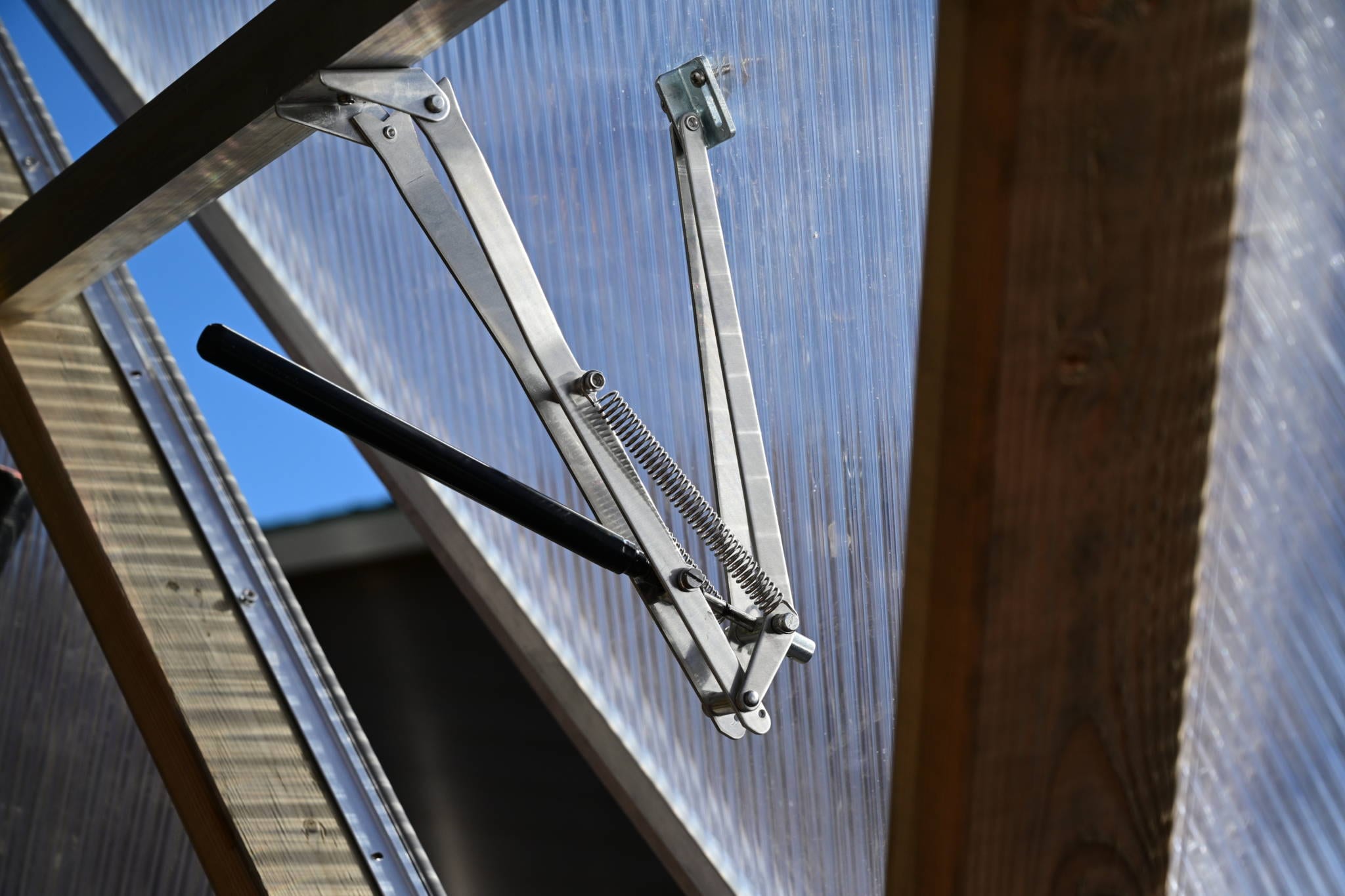
- Automatic vent openers: Wax-cylinder or thermal piston types expand/contract with temperature — set to open at 70-75°F, close below 60°F. Solar-powered, no electricity needed.
- Thermostats & smart controllers: Electric thermostats trigger fans/vents at set points; advanced WiFi systems (e.g., Inkbird, Govee) allow remote monitoring via app — perfect for busy gardeners.
- Fans sizing & placement: Calculate CFM (cubic feet per minute) needed: Greenhouse volume × desired air changes per hour ÷ 60. Place exhaust high, intake low; HAF fans every 30-50 ft along length for horizontal flow.
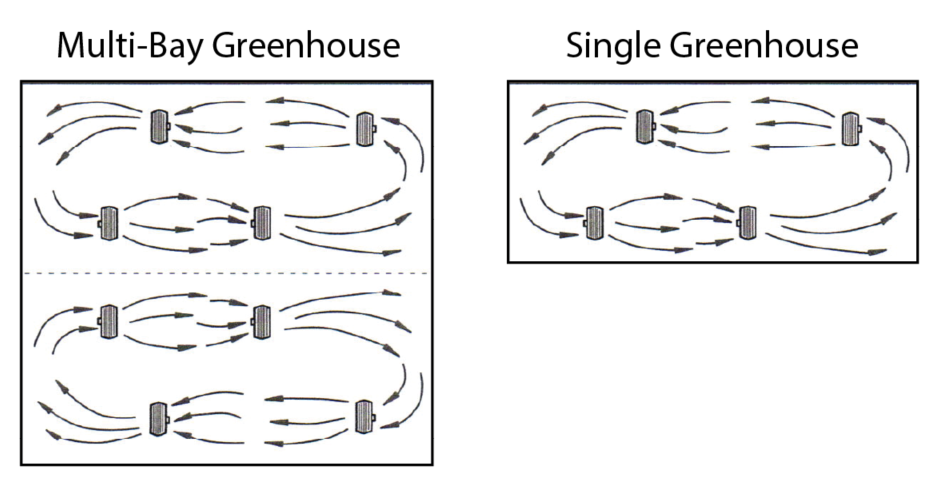
- Add-ons: Shade cloths (seasonal swap), misting/fogging for evaporative cooling, CO₂ generators tied to vent cycles.
- Budget vs. premium: Start with $20-50 wax openers and basic fans; upgrade to automated systems ($200+) for ROI in plant health and time saved.
Monitoring and Troubleshooting Common Issues ⚠️
You can’t manage what you don’t measure.
Essential tools:
- Max-min thermometer & digital hygrometer (track daily extremes).
- Infrared thermometer for spotting hot/cold spots.
- Basic anemometer to check airflow.
Signs of trouble & fixes:
- Leaf tip burn / wilting → Increase summer ventilation or add shade.
- Powdery mildew / botrytis → Boost winter air exchange, lower humidity.
- Leggy seedlings → Improve even airflow with HAF fans.
- Condensation dripping → Brief midday burping + circulation.
Create seasonal checklists:
- Spring: Calibrate auto-openers, clean vents/fans.
- Summer: Test full exhaust, check shade integrity.
- Fall: Adjust thresholds downward.
- Winter: Insulate, verify low-speed fan operation.

Crop-Specific Ventilation Tips for Plant & Tree Care Lovers 🌳🥕
- Vegetables (tomatoes, cucumbers, peppers): High summer demand (fans + shade); winter humidity control critical to prevent blight.
- Flowers & ornamentals (petunias, geraniums): Sensitive to high humidity — prioritize circulation year-round.
- Young trees & perennials (propagation): Gentle spring/summer flow for hardening; minimal winter drafts to protect roots.
- Seedlings vs. mature: Seedlings need steadier, gentler air; mature plants tolerate (and benefit from) stronger summer exchanges.
Energy Efficiency and Sustainability Bonus ♻️
Smart seasonal changes cut costs: Proper summer venting reduces AC/fan runtime; winter minimal venting preserves heat. Prioritize natural/passive methods, add solar fans, and use recycled materials for insulation. Long-term, automation pays for itself in healthier plants and lower bills.
Expert Insights & Real-World Case Studies 📚
From university extensions (e.g., Rutgers, UMass): Over-ventilating in winter causes more losses than under-ventilating if humidity is managed. In my experience, a 10×10 ft hobby greenhouse went from chronic mildew issues to near-zero disease after adding HAF fans and winter burping routine — yields doubled in subsequent seasons.
Common pitfall: Relying solely on manual vents — life gets busy, and forgetting to close at night costs heat.
Success story: A reader in a similar climate transformed their struggling setup by implementing seasonal checklists and basic automation — now grows year-round greens and starts tree seedlings successfully.
Frequently Asked Questions (FAQs) ❓
How often should I open vents in different seasons? Summer: Daily full opening + fans. Winter: 2-4 brief sessions/week on mild days.
What’s the ideal air exchange rate? Summer: 1 change/minute. Winter: 2-3/hour. Adjust based on crop and weather.
Can I use fans in winter? Yes — low-speed circulation fans are essential; exhaust only briefly.
How do I prevent frost damage while ventilating? Vent only when safe (midday warmth); use thermal mass (water barrels) and close early.
Best budget ventilation upgrades? Wax auto-openers ($30-50 each), clip-on HAF fans ($50-100), digital hygrometer ($15).
Conclusion: Master Your Greenhouse Climate Today! 🚀
Seasonal greenhouse ventilation changes aren’t optional — they’re the foundation of year-round plant health, disease prevention, and abundant growth. By adapting naturally or mechanically to spring’s awakening, summer’s intensity, fall’s balance, and winter’s conservation, you’ll create an environment where your vegetables, flowers, and young trees thrive.
Start small: Pick one adjustment this week (perhaps adding a hygrometer or testing burping), track the difference, and build from there. Your plants will thank you with stronger stems, vibrant leaves, and bigger harvests. 🌟
Have you tried any of these tweaks? Share your greenhouse wins or challenges in the comments — let’s grow better together! 💚











