
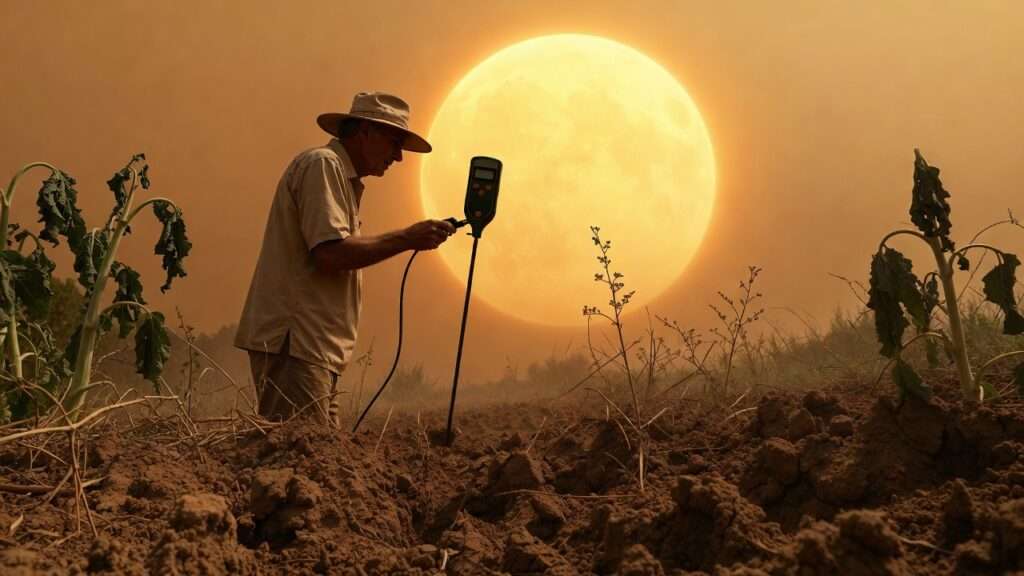
Picture this: It’s the peak of a relentless heat spell in your garden. The sun beats down mercilessly, temperatures soar above 35°C (95°F), and your once-vibrant tomato plants or young shade tree starts wilting dramatically by midday. 😓 You’ve watered recently—or so you thought—but the leaves droop, edges brown, and growth stalls. Sound familiar? Many gardeners panic and overwater, only to cause root rot, or hold back too long, leading to permanent stress or even plant loss.
Detecting soil moisture during heat spells is the key skill that separates thriving gardens from struggling ones. In extreme heat, evaporation rates skyrocket, plants transpire more aggressively, and soil can dry out unevenly and rapidly—sometimes within days. Guessing based on surface appearance or the calendar often fails, leading to drought damage in trees (like leaf scorch or branch dieback) or garden plants (stunted veggies, flower drop).
As a horticulture enthusiast with years of hands-on experience caring for diverse gardens in hot climates (including tropical and subtropical zones like those in South Asia), I’ve seen how precise moisture checks prevent disaster. Drawing from university extension guidelines, peer-reviewed studies on evapotranspiration, and real-world trials, this in-depth guide equips you with every reliable method—from free DIY tricks to pro tools. You’ll learn to monitor root-zone moisture accurately, avoid common pitfalls, and build heat-resilient gardens. Let’s keep your plants and trees hydrated and happy through the hottest spells! 💧🌳
Why Soil Moisture Detection Matters More During Heat Spells 🔥
Heatwaves don’t just feel brutal—they transform your soil’s behavior. High air temperatures boost evapotranspiration (the combined loss of water from soil evaporation and plant transpiration), often doubling or tripling normal rates. Research shows plants can lose 20–50% more water on days over 32°C (90°F), and soil near the surface dries fastest in sandy or loamy types.
Visual signs like wilting appear too late—by then, plants are already stressed, photosynthesis drops, and roots suffer. For trees especially, shallow checks miss deeper dry zones, leading to long-term decline. Accurate detection lets you water deeply and infrequently, encouraging robust roots that better withstand future heat. Benefits include:
- Reduced drought stress and wilting
- Water savings (avoid wasteful surface sprinkling)
- Healthier plants with stronger disease/pest resistance
- Better fruit/flower production in veggies and ornamentals
In prolonged spells, consistent monitoring can be a lifesaver—studies on heat-drought interactions show dry soils amplify temperature extremes via positive feedback loops, but proactive moisture management breaks that cycle. 🌡️
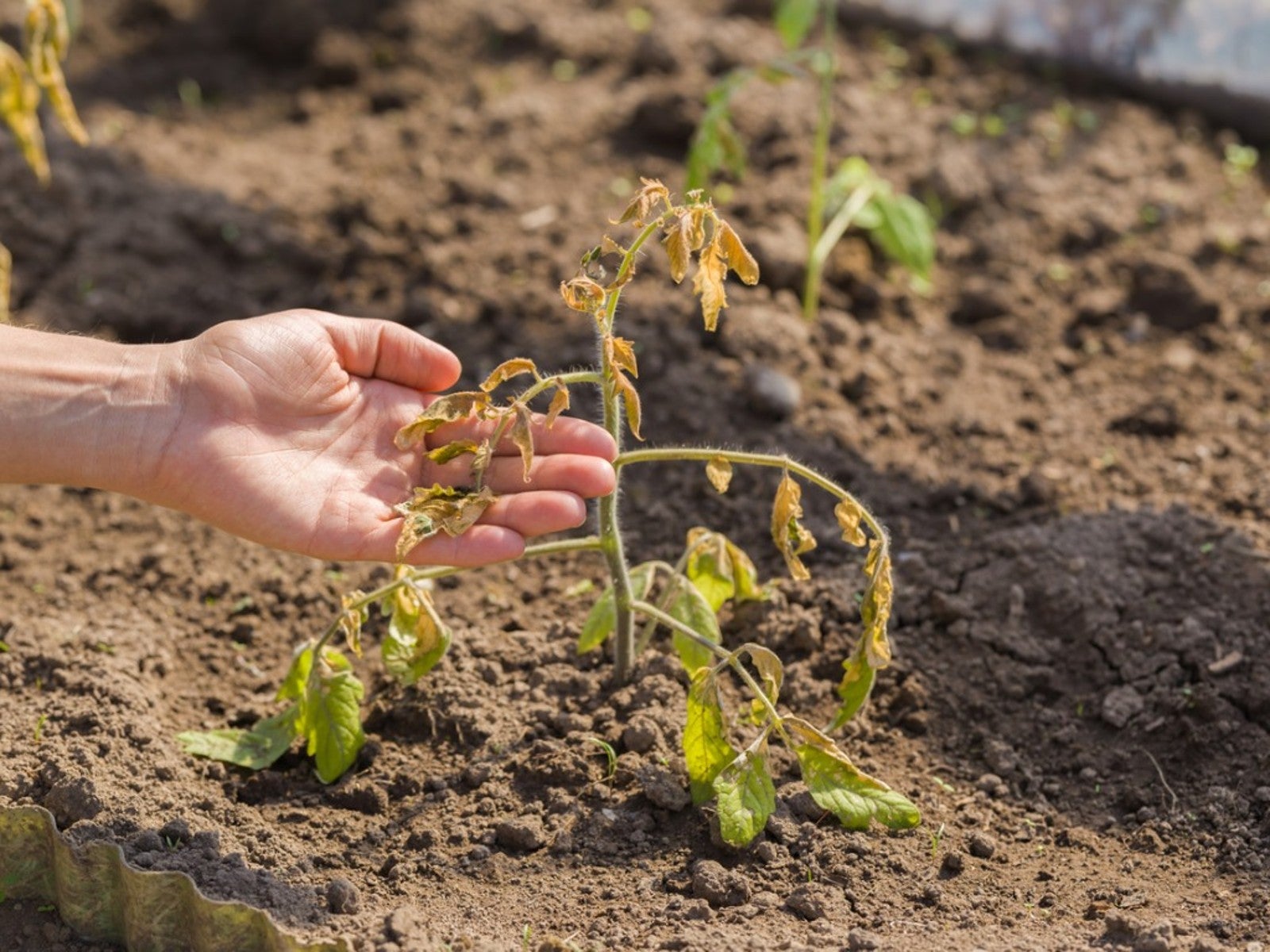
(These images show classic heat stress wilting in plants—notice how leaves curl and brown when moisture is critically low.)
Understanding Soil Moisture Basics for Hot Conditions
What “Dry” Really Means in Heat
Soil isn’t uniformly wet or dry—field capacity (after drainage) holds ideal moisture for roots, while wilting point leaves plants unable to extract water. In heat, sandy soils drain fast (check every 2–3 days), clay holds longer but cracks when dry, limiting penetration.
Always check at root depth: annuals/veggies 4–6 inches, perennials 6–10 inches, trees 8–18 inches near the drip line (outer canopy edge). Critical threshold? When soil feels dry 4+ inches down, most plants need water urgently.
How Heat Spells Accelerate Drying
Evapotranspiration spikes with temperature, low humidity, and wind. Mulch slows surface evaporation, shade reduces it, but exposed beds dry quickest. Best check time: early morning before peak heat—afternoon readings can mislead due to temporary surface dryness.
Simple, No-Cost Methods to Detect Soil Moisture (Beginner-Friendly) 🌟
Start here—no fancy gear needed, yet incredibly reliable for daily use.
The Classic Finger Test (Most Reliable Everyday Method) 👆
This timeless technique, endorsed by extension services worldwide, gives direct feel for root-zone conditions.
- Remove mulch or surface debris.
- Insert your index finger (or a stick) 2–4 inches deep (deeper for trees).
- Feel: Dry/crumbly + clean finger = water now! Moist/clingy = hold off. Soggy = too wet, risk rot.
Check multiple spots—drip line for trees, around base for pots/plants. Do it daily in extreme heat (>32°C).
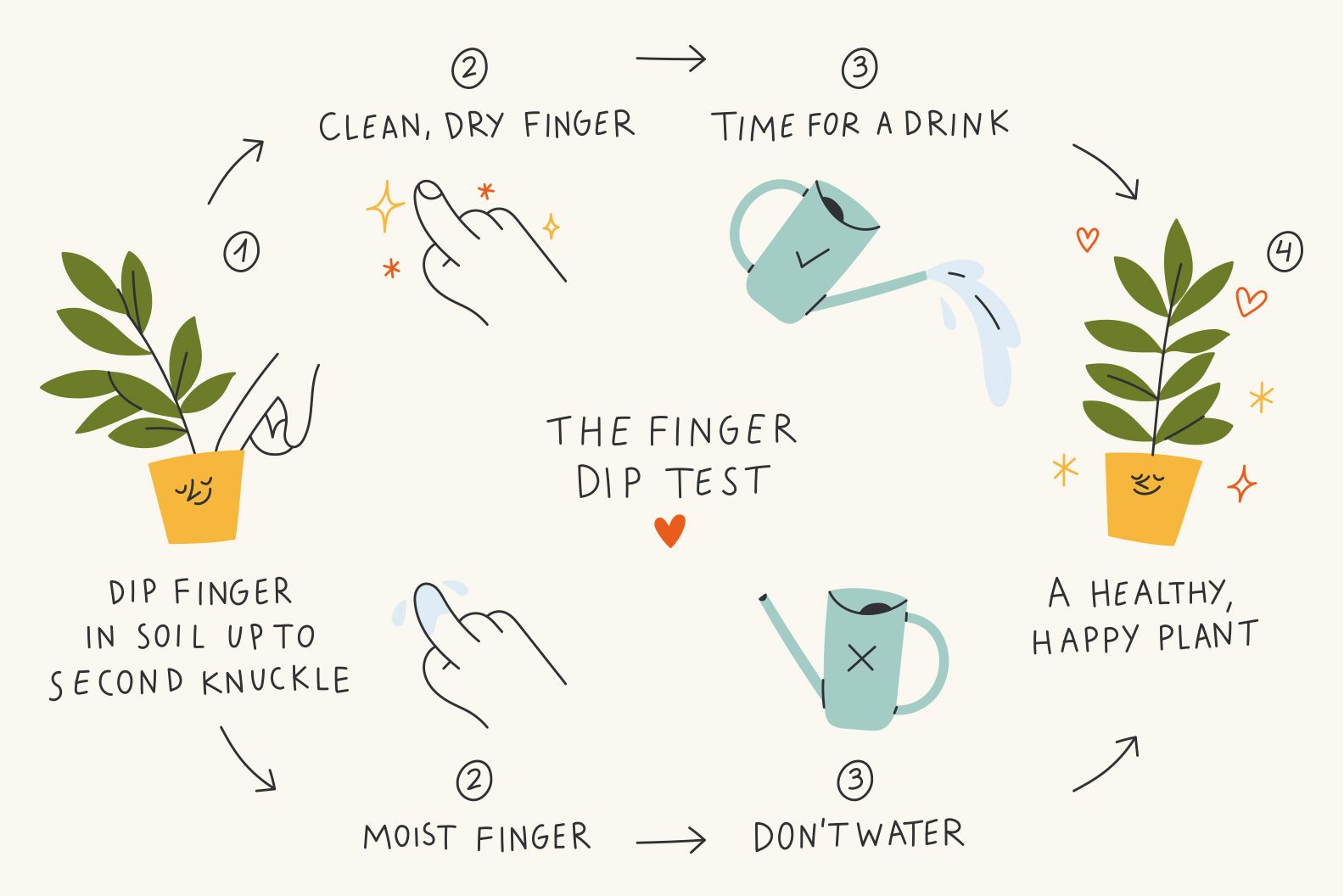
(These visuals illustrate the finger dip test perfectly—dry finger means time to water!)
Screwdriver or Trowel Probe Test 🔧
Push a long screwdriver or metal rod into soil. Easy glide = moist; hard resistance = dry. For trees, aim 12+ inches—mud on tool means good penetration. Great for large areas during heatwaves.
Visual & Plant Observation Cues
- Light-colored, dusty, cracked soil = dry.
- Lift pots—if super light, water ASAP.
- Early wilting (recovers at night) signals emerging stress—don’t wait for permanent damage.
These low-tech methods solve the core problem: knowing exactly when roots need relief in scorching conditions.
Advanced Tools for Precise Monitoring (Recommended for Serious Gardeners) 📏💚
While the finger test and probe methods work wonders for most home gardeners, investing in tools elevates accuracy—especially during extended heat spells when small differences in moisture can mean the difference between thriving and struggling plants.
Soil Moisture Meters (Analog & Digital)
These handheld devices measure soil electrical resistance or capacitance to indicate moisture levels. Long-probe versions (10–12 inches) are ideal for reaching tree root zones.
- How they work: Insert the probe, read the dial/ digital display (usually color-coded: red = dry, green = moist, blue = wet).
- Best picks for heat spells: Look for models with stainless steel probes to resist corrosion in hot, dry soil. Popular reliable options include XLUX or Moistenland long-probe meters.
- Calibration & tips: Test in known wet/dry soil first. Avoid leaving probes in constantly—clean after use to prevent false readings from mineral buildup. In very hot weather, some cheap meters can give erratic results due to temperature interference, so cross-check with finger test occasionally.
:max_bytes(150000):strip_icc()/spr-moistenland-store-soil-moisture-meter-after-alyssa-biondo-04c-cac3e99a1aac43f5b8e19ee817497c75.jpeg)
(These show classic analog and digital soil moisture meters in action—notice the clear “dry/moist/wet” zones for quick decisions!)
Tensiometers & Advanced Probes
Tensiometers measure soil water tension (how tightly water is held), telling you exactly when plants start to struggle—more precise than percentage-based meters for professional-level care.
- Insert the porous cup into the root zone; vacuum gauge reads in centibars (cb) or millibars (mbar).
- Ideal range in heat: 10–80 cb for most plants (higher = drier, plants work harder). Above 100–150 cb signals stress.
- Great for veggies, fruit trees, or natives in prolonged dry heat.
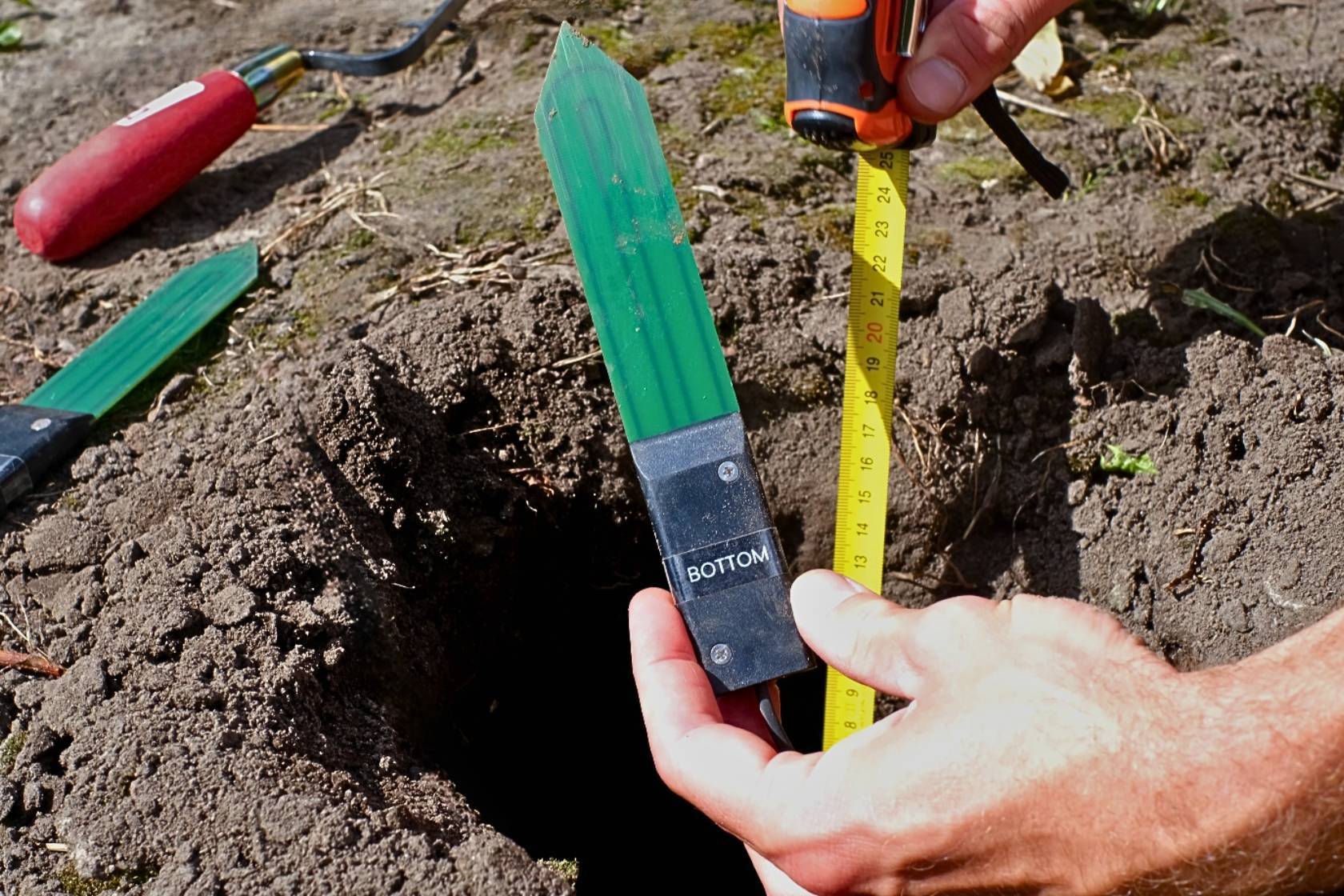
(Visuals of tensiometers and their readings—see how they show the “moist” sweet spot vs. emerging dryness.)
Smart Tech & Apps
Modern wireless sensors connect via Bluetooth/WiFi to your phone, sending real-time alerts when moisture drops critically—perfect for busy gardeners or multiple trees during heatwaves.
- Examples: Capacitive sensors with app integration (e.g., models compatible with Smart Life/Tuya or dedicated garden apps) track moisture, temperature, and sometimes light/fertility.
- Benefits: Predictive alerts based on weather forecasts, multi-sensor setups for large gardens, historical data to spot patterns.
- Pro tip: Place sensors at different depths/root zones for comprehensive monitoring.

(These smart sensors display app readouts—super handy for getting notifications before wilting starts!)
Special Considerations for Trees During Heat Spells 🌳🔥
Trees deserve extra attention—their root systems are deeper and more extensive than garden plants, so surface checks often mislead.
- Depth matters: Check 8–18 inches deep (use long probes or dig small test holes if needed). Young/transplanted trees need shallower but more frequent monitoring.
- Drip line is key: Test moisture around the outer edge of the canopy (drip line), where feeder roots concentrate—not near the trunk. Water there to encourage wide, deep roots.

(Diagrams clearly show the ideal watering zone at the drip line—far from the trunk to avoid rot!)
- Young vs. established: New trees (under 3–5 years) have limited roots—check more often and water deeply (slow soak 20–30 minutes). Mature trees can tolerate short dry spells but suffer in prolonged heat.
- Mulch impact: A 2–4 inch layer of organic mulch (wood chips, bark) dramatically slows evaporation and stabilizes soil temperature. Always keep mulch away from the trunk (volcano mulching causes harm). Check under mulch for true moisture levels.
(Beautiful examples of proper donut-shaped mulch rings—keeps moisture in and weeds out!)
When & How Often to Check During Heat Spells ⏰🌡️
Timing is everything when temperatures climb and humidity drops. In Dhaka and similar hot, humid climates, heat spells often arrive with little warning—sudden spikes to 35–40°C (95–104°F) combined with dry winds can dry soil surprisingly fast, even after recent rain.
- Daily checks during extreme heat (>32–35°C / 90–95°F+): Finger test or probe every morning for high-water-need plants (tomatoes, cucumbers, young trees, container plants).
- Every 2–3 days for established perennials, natives, or mulched beds—unless wilting appears earlier.
- Morning is best: Soil is cooler, less evaporation has occurred, and readings reflect true root-zone status. Afternoon checks can show misleading surface dryness while deeper layers still hold moisture.
- Adjust by plant type:
- Vegetables & annual flowers: Check daily in peak heat—many wilt quickly.
- Drought-tolerant shrubs/trees (neem, mango once established, bougainvillea): Every 3–5 days.
- Lawns & groundcovers: Watch for footprint marks that stay visible → immediate water need.
Quick morning checklist:
- Feel air temperature & humidity (apps or thermometer help predict drying rate).
- Check 3–5 spots per plant/tree.
- Note recent rain/wind—strong breezes accelerate drying even on cloudy days.
- Observe plant behavior: Slight midday droop that recovers by evening = borderline; persistent wilt = urgent.
Following this routine prevents both drought stress and wasteful overwatering—critical in regions facing increasing heatwave frequency.
Common Mistakes & Troubleshooting 🚫💧
Even experienced gardeners slip up during heat stress. Here are the most frequent errors and how to fix them:
- Relying only on surface soil → Top 1–2 inches dry quickly in heat, but roots live deeper. Always probe 4+ inches (deeper for trees).
- Trusting cheap meters blindly in very hot/dry soil → Some resistance-based meters give false “wet” readings when soil is bone-dry and dusty. Cross-verify with finger or screwdriver test.
- Ignoring soil type → Sandy soils need twice-weekly checks; heavy clay can stay wet at depth while surface cracks. Know your garden’s texture.
- Watering too shallow or too frequently → Light sprinkles encourage weak surface roots. Aim for deep soaking (soil wet to 8–12 inches) every time you water.
- Forgetting recent rain or irrigation → A short shower may wet surface only—check deeper before assuming plants are fine.
- Mulch misplacement → Piling mulch against trunks invites rot and pests. Maintain a 5–10 cm (2–4 inch) “donut” gap around tree bases.
Quick fix: Build the habit of recording checks (notebook or phone note) for a week—you’ll quickly spot patterns specific to your microclimate.
Bonus: Expert Tips to Conserve Moisture & Reduce Checking Frequency 💡🌿
Smart water management means fewer stress-filled days and less daily monitoring.
- Mulch like a pro: Apply 5–10 cm (2–4 inches) of organic mulch (coconut coir, wood chips, dried leaves) after watering. Reduces evaporation by up to 70% and moderates soil temperature. Refresh annually.
- Deep, infrequent watering: Soak slowly (drip hose or soaker hose) for 30–60 minutes to reach deep roots. Water early morning to minimize loss.
- Create microclimates: Use shade cloth (30–50% shade) over tender veggies, plant windbreaks (tall grasses or hedges), or group thirsty plants together for targeted watering.
- Improve soil structure: Add compost yearly—increases water-holding capacity without waterlogging.
- Choose resilient varieties: In heat-prone areas, prioritize heat- and drought-tolerant cultivars (e.g., cherry tomatoes over beefsteak, native trees over exotics).
Implementing even 2–3 of these can cut watering frequency by 30–50% while keeping plants vigorous.
Real-Life Examples & Case Studies 🌱📖
- Young mango tree during a 12-day 38°C+ spell (common in Dhaka summers): Initial finger checks at drip line showed dry at 10 inches by day 4. Deep soaking every 3 days + thick mulch ring kept leaves green—no leaf scorch. Neighbor’s tree (no monitoring) lost 40% of new growth.
- Container herb garden rescue: Basil and mint in pots lightened dramatically by afternoon. Switching to daily lift test + morning finger probe prevented total collapse; smart sensor later confirmed when pots hit critical dryness.
- Tomato bed turnaround: Surface looked moist, but 6-inch probe revealed dry pockets. Adjusted to targeted deep watering → production doubled compared to previous heatwave year.
These stories show consistent detection turns potential losses into successes.
FAQs ❓
How deep should I check soil moisture for trees in heat? 8–18 inches near the drip line. Young trees: 6–10 inches. Use long probes or dig small test holes if needed.
Can I trust soil moisture meters in very hot weather? Mostly yes, but cross-check with finger test. Cheap resistance meters can misread in extremely dry, hot soil—opt for capacitance or tensiometer types for reliability.
What’s the fastest way to detect dry soil without tools? The finger test (2–4 inches deep) or screwdriver probe—both take under 30 seconds and are highly accurate.
How does mulch affect soil moisture detection? It slows drying dramatically. Always check beneath the mulch layer for the true moisture level at root depth.
Signs my plants are stressed even if soil seems moist? Wilting despite moist soil can indicate root rot (from prior overwatering), compacted soil, disease, or heat scald. Inspect roots if possible and improve drainage/aeration.
Conclusion: Take Control & Protect Your Garden Oasis 🌿✨
Heat spells don’t have to spell disaster for your plants and trees. By mastering detecting soil moisture during heat spells—starting with the simple finger test, scaling up to probes and smart sensors when needed, and layering on conservation tactics—you gain the power to keep roots happy, leaves green, and gardens resilient even in the toughest conditions.
Start today: Grab a stick or your finger, head out early tomorrow morning, and check a few key spots. You’ll be amazed how quickly this small habit prevents big problems.
Have you battled a heatwave recently? Which method saved your plants? Drop your experience in the comments—I read and reply to every one! 🌱💬











