
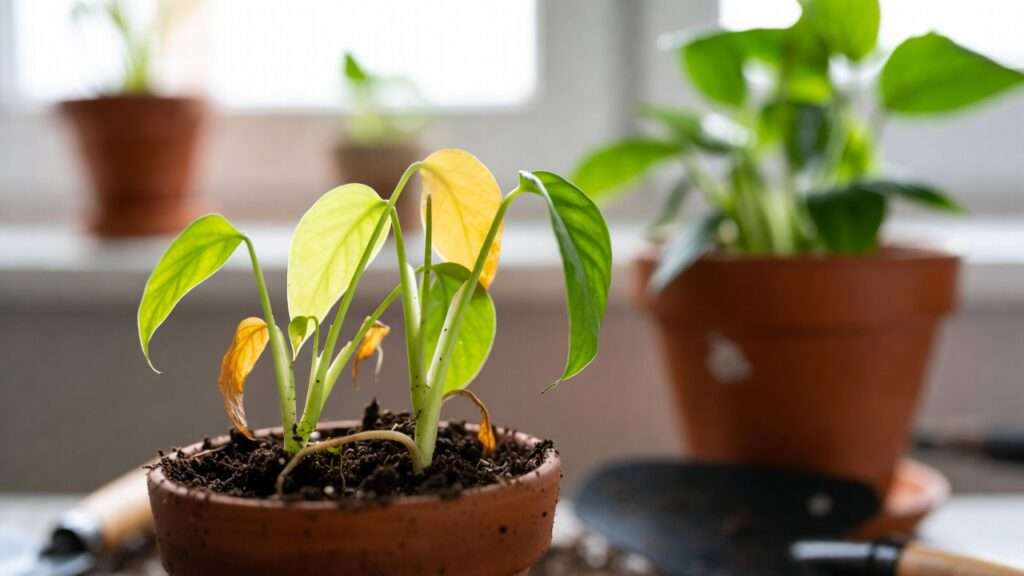
Ever looked at your favorite houseplant and thought, “Why is it wilting when I’ve been so attentive with water?” 😩 If you’re a caring plant parent who waters regularly out of love, you’re not alone — overwatering is the number one killer of indoor plants, often more common than underwatering! Many well-meaning houseplant owners accidentally drown their green companions because the symptoms can mimic thirst or other issues like low light. In this in-depth guide, you’ll discover how to know if you’re overwatering houseplants through 7 unmistakable signs, learn to tell it apart from underwatering, get step-by-step rescue plans, and master prevention tips backed by horticultural experts from university extensions and botanical gardens. Spot these issues early, and you can save your plants from dreaded root rot and bring them back to thriving health! 🌱🚀
(Quick fact: Overwatering is frequently cited as the leading cause of houseplant death by experts, including sources like university extension services and plant care professionals — it creates soggy soil that suffocates roots and invites fungal diseases.)
Why Overwatering Happens (And Why It’s So Tricky) 🧐
Overwatering doesn’t always mean dumping too much water at once — it’s usually about watering too frequently, leaving soil constantly wet. Roots need oxygen as much as water; excess moisture fills soil pores, cutting off air supply and leading to anaerobic conditions where harmful fungi thrive, causing root rot.
Common myths debunked:
- “More water = healthier plant” ❌ — Plants aren’t like us; they can’t tell you when enough is enough!
- “Wilting always means thirst” ❌ — Overwatered plants wilt too because damaged roots can’t absorb water.
Risk factors include:
- Heavy, poorly draining potting soil
- Pots without drainage holes
- High humidity or low light (slower evaporation)
- Seasonal changes (less need in winter ❄️)
- Beginner enthusiasm or “helicopter parenting” — checking daily and watering on schedule instead of need.
Plants in no-drainage decorative pots or oversized containers are especially vulnerable, as water pools at the bottom.
The 7 Clear Signs You’re Overwatering Houseplants
Here are the most reliable indicators, drawn from expert observations (like those from University of Maryland Extension and Missouri Botanical Garden). Catch them early for the best recovery chances!
Sign #1: Yellowing Leaves (Especially Lower or Older Ones) 🌼 One of the earliest and most common clues is leaves turning yellow, starting from the bottom or older foliage and moving upward. Why? Excess water causes nutrient lockout (roots can’t uptake essentials like iron) and breaks down chlorophyll.
The leaves feel soft and limp, unlike the crispy, brown edges from underwatering or sunburn. If you see this combined with moist soil, overwatering is likely the culprit.

Sign #2: Wilting or Droopy Leaves Despite Wet Soil 😢 The classic overwatering paradox: Your plant looks thirsty and droops dramatically, but the soil is soggy! Damaged roots can’t pull up water, so the plant wilts even when “drenched.”
Touch the leaves — they’re soft and mushy, not dry/crisp. This is a red flag to stop watering immediately.
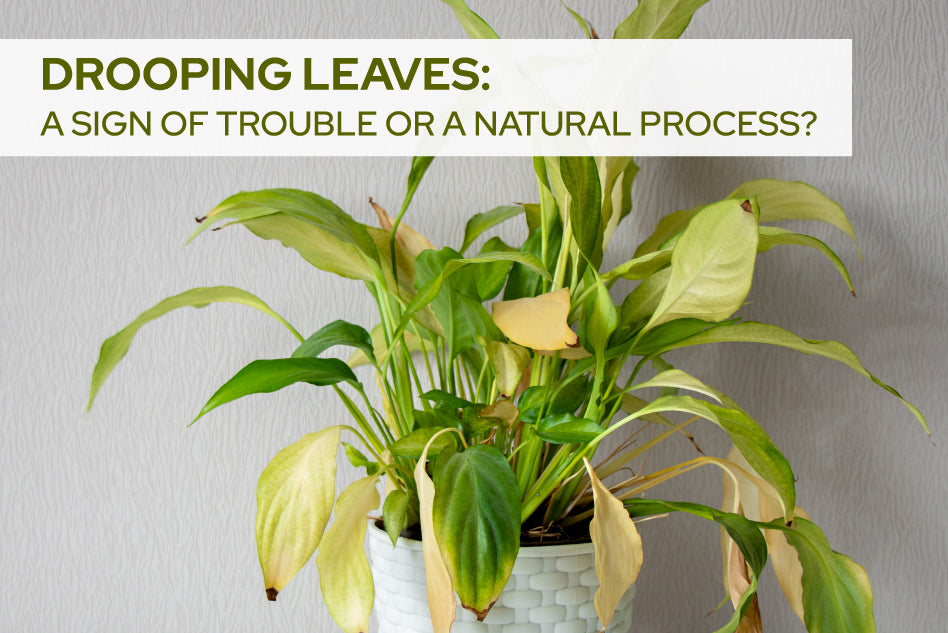
Sign #3: Leaves Dropping (Old AND New) 🍂 Unlike normal shedding (a few old leaves), overwatering causes simultaneous drop of green, yellow, and brown leaves — both mature and new growth. The plant sheds to reduce transpiration stress from failing roots.
Sign #4: Mushy or Soft Stems/Base (Crown Rot Indicator) ⚠️ Gently squeeze the stem near the soil line — if it’s brown, black, or mushy (like overripe fruit), crown rot has set in from prolonged wetness. You might notice a rotten, foul odor from the soil too — that’s anaerobic bacteria at work!
Sign #5: Edema (Blisters, Bumps, or Corky Spots on Leaves) 🫧 This definitive sign appears as water-soaked blisters or raised, corky/scabby spots on leaves (often undersides). Excess water pressure bursts plant cells, common in succulents, pothos, and philodendrons during high humidity + overwatering.

Sign #6: Mold, Fungus Gnats, or Algae on Soil Surface 🪰🍄 Fuzzy white/gray mold, green algae, or tiny flying gnats? Soggy soil is their paradise. Fungus gnats lay eggs in constantly moist topsoil — adults are annoying, but larvae damage roots.
:max_bytes(150000):strip_icc()/GettyImages-1248697271-e8da4b21941c45109ca5c12f0cca5a30.jpg)
Sign #7: Stunted Growth, No New Leaves, or Overall Decline 📉 Even with good light and occasional fertilizer, growth halts — no new shoots, tiny leaves, or general fading. Roots are compromised, so the plant can’t access nutrients or water properly.
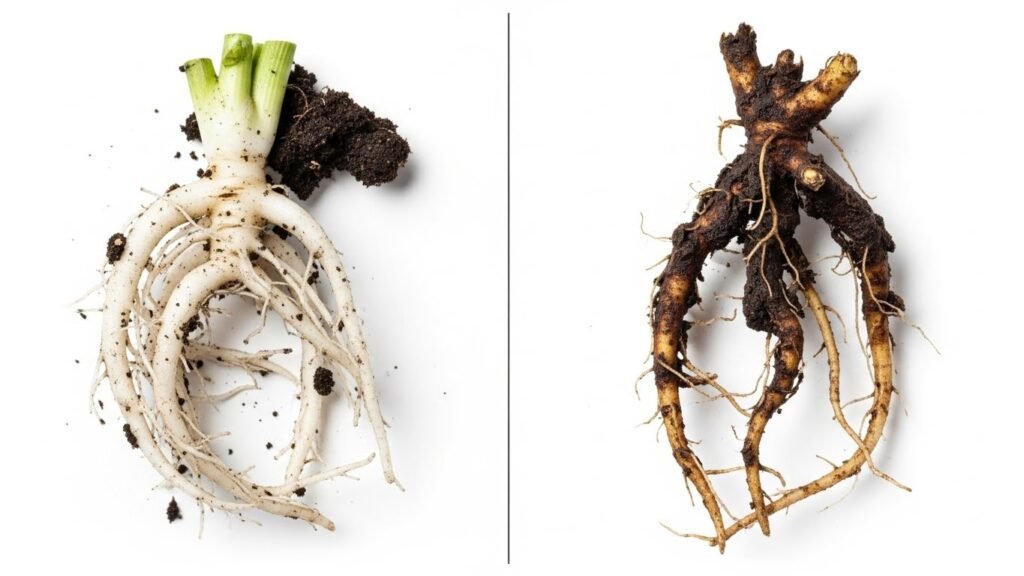
To confirm: Gently unpot and check roots — healthy ones are white/firm; overwatered are brown/black/mushy/slimy with bad smell.

Overwatering vs. Underwatering: Quick Comparison Chart ⚖️
To make diagnosis easier, here’s a side-by-side reference table (perfect for bookmarking!):
| Sign | Overwatering | Underwatering |
|---|---|---|
| Leaf texture | Soft, limp, mushy | Dry, crispy, brittle |
| Leaf color | Yellow (starting lower/old leaves) | Brown tips/edges, curling up |
| Wilting | Droopy even when soil is wet | Droopy when soil is bone-dry |
| Soil feel (2-3″ down) | Soggy, heavy, stays wet long | Dry, light, pulls away from pot |
| Leaf drop | Old + new leaves drop together | Mostly older leaves drop gradually |
| Growth | Stunted, no new growth | Slow but possible new growth if fixed |
| Other clues | Mold/gnats, edema, mushy stems | Crispy edges, soil shrinkage |
Pro tip: Always do the finger test or use a skewer — poke 2–3 inches into the soil. If it comes out wet or muddy, hold off on water! 🌡️
How to Confirm Overwatering (Diagnostic Steps) 🔍
Don’t guess — verify with these expert-recommended checks:
- The Finger Test — Stick your finger (or a chopstick) 2–3 inches down. Wet? Wait. Dry? Consider watering.
- Pot Weight Lift — Lift the pot; a heavy, waterlogged one feels noticeably heavier than when dry.
- Unpot & Root Inspection (Step-by-Step Safe Guide)
- Gently tip the plant out (support the base).
- Brush away soil to expose roots.
- Healthy roots = white, firm, plump.
- Overwatered roots = brown/black, mushy, slimy, foul-smelling (rotten odor = root rot advanced). If roots look bad, proceed to rescue steps below!
- Smell Test — Sniff near the soil or roots — a sour, rotten egg smell signals anaerobic bacteria from excess moisture.
What to Do If You’ve Been Overwatering (Rescue & Recovery Guide) 🛠️💚
Good news: Many plants bounce back if you act fast!
Step 1: Stop Watering Immediately! — Let the soil dry out completely (this may take 7–14 days depending on pot size and environment).
Step 2: Improve Drainage & Aerate Soil
- Move to a brighter, warmer spot (more light/evaporation helps).
- Poke holes in soil with a chopstick to increase airflow.
- Remove any saucer water that collects underneath.
Step 3: Repotting Guide for Severe Cases
- Tools needed: Fresh well-draining potting mix (e.g., add perlite, orchid bark, or pumice for aeration), new pot with drainage holes (same size or slightly smaller), clean scissors, gloves.
- Gently remove plant, rinse roots under lukewarm water.
- Trim away all mushy/brown/black roots with sterilized scissors (cut until you see healthy white tissue).
- Dust cuts with cinnamon powder (natural antifungal) or let air-dry 1–2 hours.
- Repot in fresh, airy mix — don’t pack tightly.
- Water sparingly after repotting (only moisten, not soak).
Step 4: Trim Damaged Leaves/Stems — Remove yellow/mushy foliage to reduce stress and prevent disease spread.
Step 5: When & How to Resume Watering
- Wait until top 2 inches are dry.
- Use room-temperature water (avoid cold shocks).
- Bottom-water if possible to encourage deep roots.
Revival Timeline (what to expect):
- Week 1–2: No new growth, focus on drying out.
- Week 3–4: Possible new firm leaves if roots recover.
- 1–3 months: Full rebound with proper care! Patience is key 🌱
Prevention: How to Water Houseplants the Right Way (Expert Tips) 🌟
Master these habits from university extension pros (e.g., UMN, Missouri Botanical Garden):
- Golden Rule — Water only when the top 1–2 inches of soil feel dry (use finger or moisture meter). Exceptions: Peace lilies like moist; succulents need fully dry.
- Best Tools —
- Moisture meters (cheap & reliable — insert & read).
- Self-watering pots (great for forgetful folks, but monitor to avoid constant wetness).
- Seasonal Adjustments — Cut back in winter (plants are dormant, evaporation slows ❄️). Increase in spring/summer growth spurts.
- Ideal Potting Mix & Drainage — Use mixes with perlite/vermiculite for aeration. Always choose pots with holes — no exceptions!
- Watering Schedule Cheat Sheet (popular plants):
- Snake plant/Zz plant: Every 2–4 weeks
- Pothos/Monstera: Every 7–10 days
- Peace lily: When leaves droop slightly (they forgive!)
- Succulents: Every 2–3 weeks, fully dry between
Bonus: Plant-Specific Overwatering Warnings ⚠️
Some houseplants are extra sensitive:
- Peace lilies, pothos, ZZ plants, ferns — Love moisture but hate soggy roots; show yellowing fast.
- Succulents & cacti — Extremely low tolerance; edema and rot appear quickly — water sparingly!
Common Mistakes Plant Parents Make (And How to Avoid Them) 🙅♀️
- Watering on a calendar vs. checking soil needs
- Leaving water in decorative saucers (traps moisture)
- Repotting into dramatically larger pots (holds excess water)
- Using garden soil (compacts & retains too much water)
FAQs About Overwatering Houseplants ❓
Can overwatered plants recover fully? Yes — especially if caught early and roots are trimmed/repotted properly. Many bounce back stronger!
How long does root rot take to kill a plant? Varies: Mild cases weeks to months; severe/advanced rot can kill in 1–4 weeks if untreated.
Is yellowing always overwatering? No — could be nutrient deficiency, pests, or natural aging — but combined with wet soil, overwatering tops the list.
What if my plant has BOTH over- and underwatering signs? Often from root damage: Roots can’t uptake water → wilting despite wet soil. Treat as overwatering first.
Best moisture meter recommendations? Affordable options like XLUX or Gouevn (digital, no batteries needed for basic models) — reliable for consistent checks.
Conclusion (Call to Action + Encouragement) 🌿💚
You’ve now got the full toolkit to spot how to know if you’re overwatering houseplants — those 7 clear signs, diagnostics, rescues, and prevention strategies will help your indoor jungle thrive instead of survive! Overwatering is super common, but it’s also one of the easiest issues to fix once you know what to look for.
Go check your plants right now — feel that soil, inspect those leaves, and give them the perfect drink (or none!) they truly need. Your leafy friends will thank you with lush new growth! 🌱✨
Share your before-and-after revival stories in the comments below — we’d love to hear your wins. Happy plant parenting! 💚











