
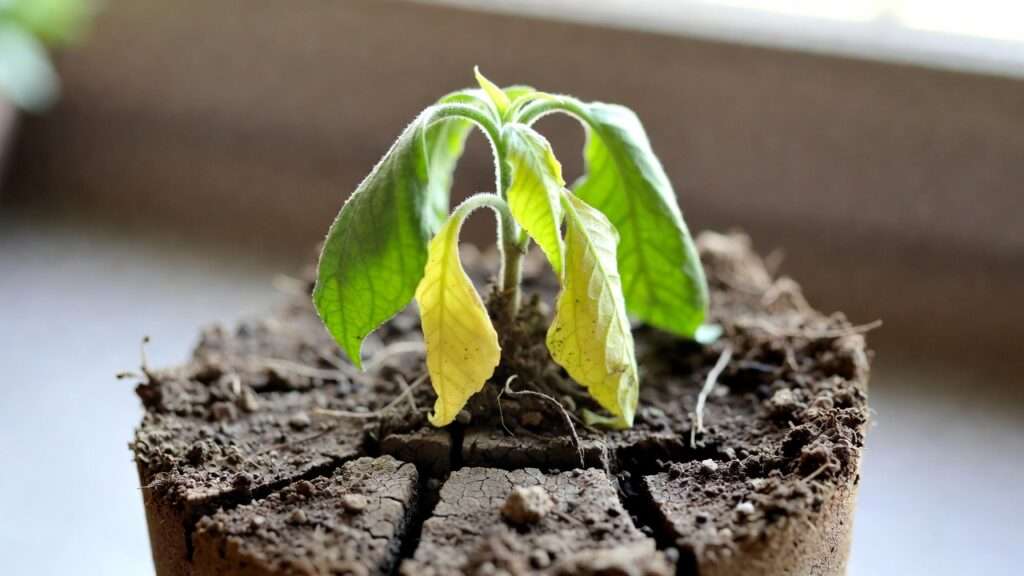
Have you ever poured water onto your favorite houseplant, only to watch it bead up like mercury on a table and rush straight out the drainage holes—leaving the soil bone-dry underneath? 😩 If your plant looks wilted, droopy, or just generally unhappy despite your best watering efforts, you’re likely dealing with hydrophobic soil—the frustrating situation where your plant’s soil won’t absorb water anymore.
This common issue affects millions of indoor gardeners, especially those using peat-based or coco coir potting mixes that dry out completely. In dry climates like Dhaka’s humid-yet-variable weather (with indoor AC or fans speeding up evaporation), it hits even harder. The good news? It’s fixable—often in under an hour—and preventable with a few smart habits.
In this in-depth guide, I’ll walk you through exactly why this happens (backed by plant science and expert sources like UC Master Gardeners and experienced horticulturists), proven step-by-step fixes from quick 5-minute tricks to full revivals, and long-term prevention strategies to keep your green friends thriving. Let’s get your plant drinking happily again—fast! 🌱

What Is Hydrophobic Soil and Why Does It Happen? 🤔
Hydrophobic soil (literally “water-fearing”) is potting mix that repels moisture instead of soaking it up. When severely dry, organic components like peat moss or aged coco coir develop a waxy, water-resistant coating on soil particles—often from dead microbial life or decomposed residues. Water can’t penetrate, so roots stay thirsty even after “watering.”
This is especially common in potted plants and indoor trees because:
- Peat moss or coco coir-based mixes dry out completely and become notoriously hard to re-wet (a paradox—peat holds tons of water when moist but turns hydrophobic when bone-dry).
- Extended dry periods from vacations, forgetful watering, low indoor humidity, or hot/dry seasons cause beneficial bacteria, fungi, and microbes to die off, worsening the waxy buildup.
- Salt/mineral accumulation from tap water or over-fertilizing creates crusty layers that repel water further.
- Compaction over time reduces pore spaces, making absorption even tougher.
- Naturally sandy or low-organic mixes lack moisture-retaining humus.
Signs you’ve got hydrophobic soil include:
- Water pooling on the surface or running straight through without soaking in
- Topsoil looks damp, but a finger poke reveals dry layers below
- The pot feels surprisingly light despite recent watering
- Plant shows classic underwatering symptoms: curling/wilting leaves, yellowing, crispy edges
Don’t confuse this with root rot (soggy, smelly soil) or poor drainage (constant wetness). Hydrophobic soil starves roots of water while the excess runs away unused.

Step-by-Step Fixes: How to Rehydrate Your Soil Fast 💦
The key is breaking surface tension and encouraging slow, even absorption. Start with the gentlest methods and escalate if needed.
Quick Fixes (Try These First!) ⚡
1. Bottom Watering – The Gold Standard Method 🌊 This is the most reliable, root-safe way endorsed by houseplant experts and UC Master Gardeners. It lets capillary action pull water up from below, bypassing the repellent surface.
Steps:
- Fill a sink, bucket, or tray with room-temperature (or slightly warm) water—enough to submerge the pot halfway to three-quarters (avoid covering the soil line to prevent stem rot).
- Place your plant in the water and let it soak 30 minutes to 2 hours (or until bubbles stop rising and the top soil feels moist).
- Remove, let excess drain fully (15–30 minutes), then return to its spot.
- Pro tip: Weigh the pot before and after—if it’s much heavier, success! For floating pots, add a clean rock on top.
Many plants revive visibly within days—leaves perk up as roots finally drink.
:max_bytes(150000):strip_icc()/GettyImages-1186947443-9f149554de454d8bb9ad5e905ab23dfd.jpg)
2. Slow Top Watering with a Surfactant Trick 🧼 If bottom watering isn’t practical, reduce surface tension with a tiny helper.
- Mix 1–2 drops of mild, unscented dish soap (like basic Dawn, no antibacterial types) into 1 liter of lukewarm water—this acts as a natural surfactant to help water penetrate.
- Water very slowly in small amounts, letting it absorb gradually (use a watering can with a fine rose or even a squeeze bottle).
- Poke gentle holes with a chopstick or skewer to create channels without damaging roots.
Note: Use dish soap sparingly and not repeatedly—it’s safe occasionally but can build up over time.
3. Warm Water Soak for Stubborn Cases 🔥 Warm (not hot!) water activates residual wetting agents in many commercial mixes and softens the waxy coating faster.
Combine with bottom watering for extra power.
Advanced Recovery When Quick Fixes Aren’t Enough 🛠️
If the soil stays stubbornly dry after 1–2 attempts:
- Gentle Aeration: Use a chopstick to poke small holes across the surface and sides to improve penetration—be careful around roots.
- Full Repotting Rescue: Sometimes the mix is too far gone.
- Remove the plant, gently rinse roots under lukewarm water to remove old mix.
- Trim any dry/dead roots.
- Repot in fresh, pre-moistened mix (more on ideal blends below).
- Water thoroughly after repotting.
- Commercial or Natural Wetting Agents: Products like soil surfactants (e.g., Yucca extract-based) or DIY options (diluted aloe vera gel) help long-term.
Natural & Organic Long-Term Amendments 🌱
Rebuild moisture retention naturally:
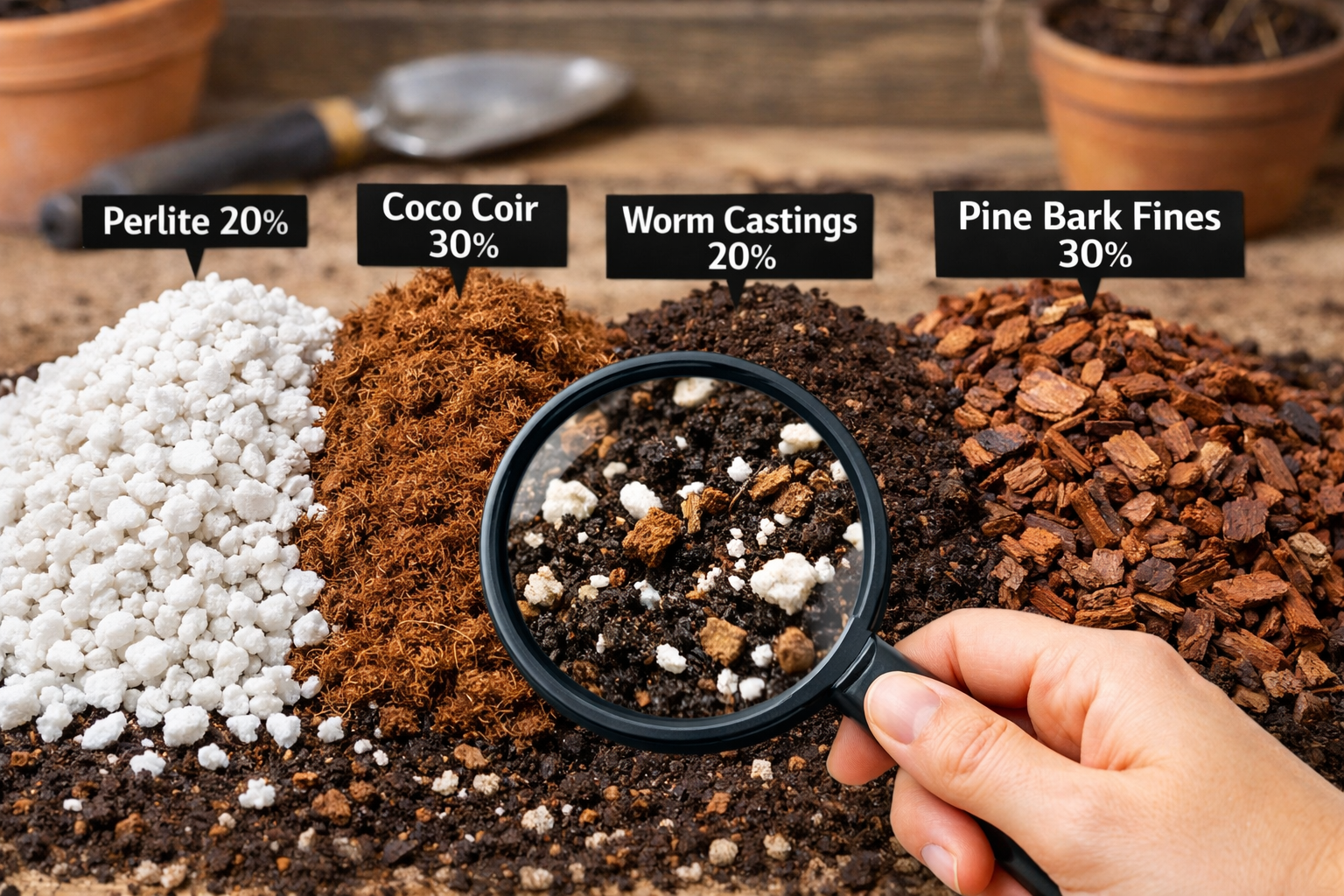
- Mix in worm castings (20–30%)—they introduce microbes that prevent future hydrophobia.
- Add coco coir or compost for better structure (peat-free options are more forgiving).
- Top with mulch like orchid bark or sphagnum moss to reduce evaporation.
Prevention: Keep Your Plant Soil from Going Hydrophobic Again 🛡️
Once you’ve revived your plant, the real win is making sure this never happens again. Hydrophobic soil is almost always a symptom of inconsistent moisture management—especially in peat-heavy or coco coir mixes that are super common in commercial potting soils. Here’s how to stay ahead of it in Dhaka’s warm, sometimes dry indoor environments (where fans, AC, and seasonal humidity swings play a big role).
- Water proactively, not reactively — Check soil moisture weekly with the finger test (stick your finger 2–3 inches deep) or invest in a reliable moisture meter. Water when the top 1–2 inches feel dry, but never let it go completely bone-dry. This prevents the waxy coating from forming in the first place.
- Boost ambient humidity — Many tropical houseplants (like peace lilies, monstera, or fiddle leaf figs) suffer faster drying in low-humidity homes. Use a pebble tray filled with water (pot sits on top, not in), a room humidifier, or group plants together to create a micro-humid zone. In Dhaka’s dry winter months, this can make a huge difference! 🌫️
- Choose forgiving soil mixes — Switch to or amend with:
- Coco coir + perlite + worm castings (great peat-free alternative)
- Potting soil with added vermiculite or orchid bark for better structure
- Pre-moistened mixes designed for indoor plants Avoid pure peat-based soils unless you commit to never letting them dry out fully.
- Fertilize smartly — Over-fertilizing with synthetic products builds up salts that worsen hydrophobia. Use diluted, organic options (like worm castings tea) and flush the soil monthly with plain water to leach excess minerals.
- Seasonal adjustments — In hot summers, check more often (heat + low humidity = faster drying). In cooler, drier winters with heaters running, mist leaves and bottom-water more frequently.
Consistency is key—treat watering like a gentle routine, not a rescue mission. Your plants will reward you with lush, happy growth! 🌿

Common Mistakes to Avoid ❌
Even experienced plant parents slip up here—avoid these pitfalls to keep your soil absorbent:
- Aggressive top-watering — Pouring too fast creates channels and runoff, leaving the core dry. Always go slow or switch to bottom watering.
- Ignoring subtle early signs — Slight wilting or lighter pot weight means trouble brewing—don’t wait for full droop.
- Using straight tap water repeatedly — Hard water (common in many areas) leaves mineral deposits. Let tap water sit 24 hours or use filtered/rainwater.
- Repotting into the same bad mix — If the old soil was hydrophobic, fresh identical mix can repeat the problem quickly. Amend or change it.
- Over-relying on dish soap — Fine for one-off fixes, but frequent use can disrupt soil biology over time.
Steer clear and your plants stay resilient.
Real-Life Examples & Case Studies 📸
Let’s look at two common scenarios many readers face:
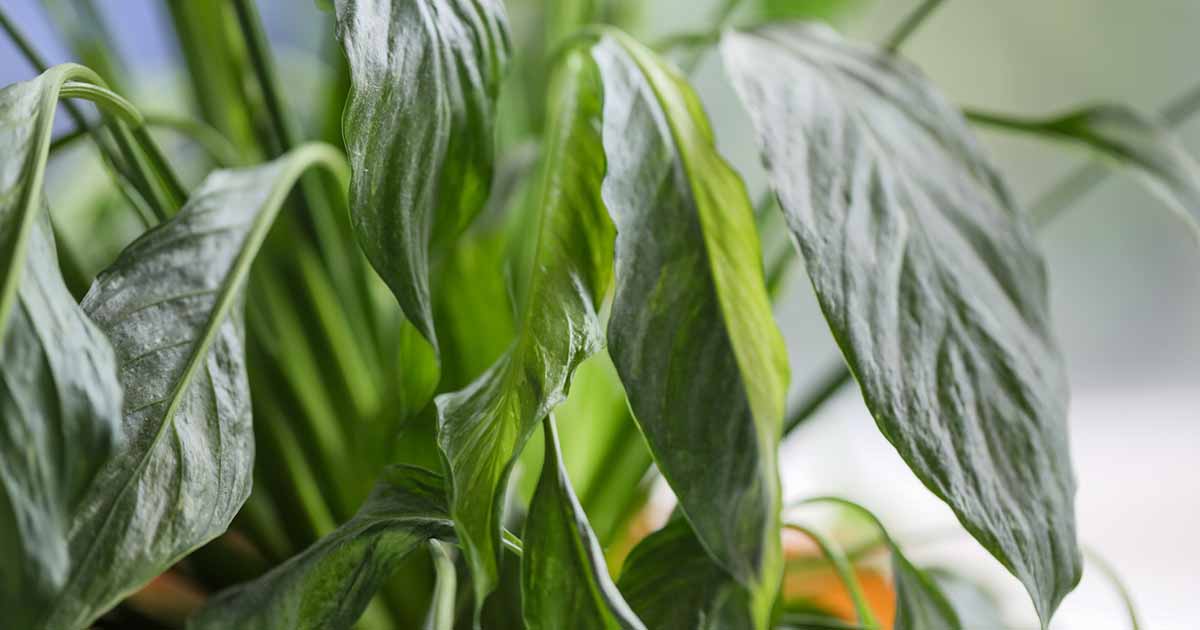
Example 1: Peace Lily Revival 🌸 A reader in a similar humid-but-dry-indoor setup had a peace lily with drooping, yellowing leaves despite “regular” watering. Water beaded on top and ran out fast. We recommended a 1.5-hour bottom soak in lukewarm water + 1 drop dish soap. Within 48 hours, leaves perked up noticeably. After switching to a coco coir-based mix and pebble tray, no more issues—even through Dhaka’s hot spells.
Example 2: Fiddle Leaf Fig Rescue 🪴 Fiddle leaf figs are notorious for this—big leaves demand consistent moisture, but their soil often goes hydrophobic. One large specimen had crispy brown edges and a super-light pot. Quick fix: bottom watering + gentle aeration with a chopstick. For long-term health, repotted into a well-aerated mix with 30% worm castings. New growth appeared within weeks, and the plant stabilized beautifully.
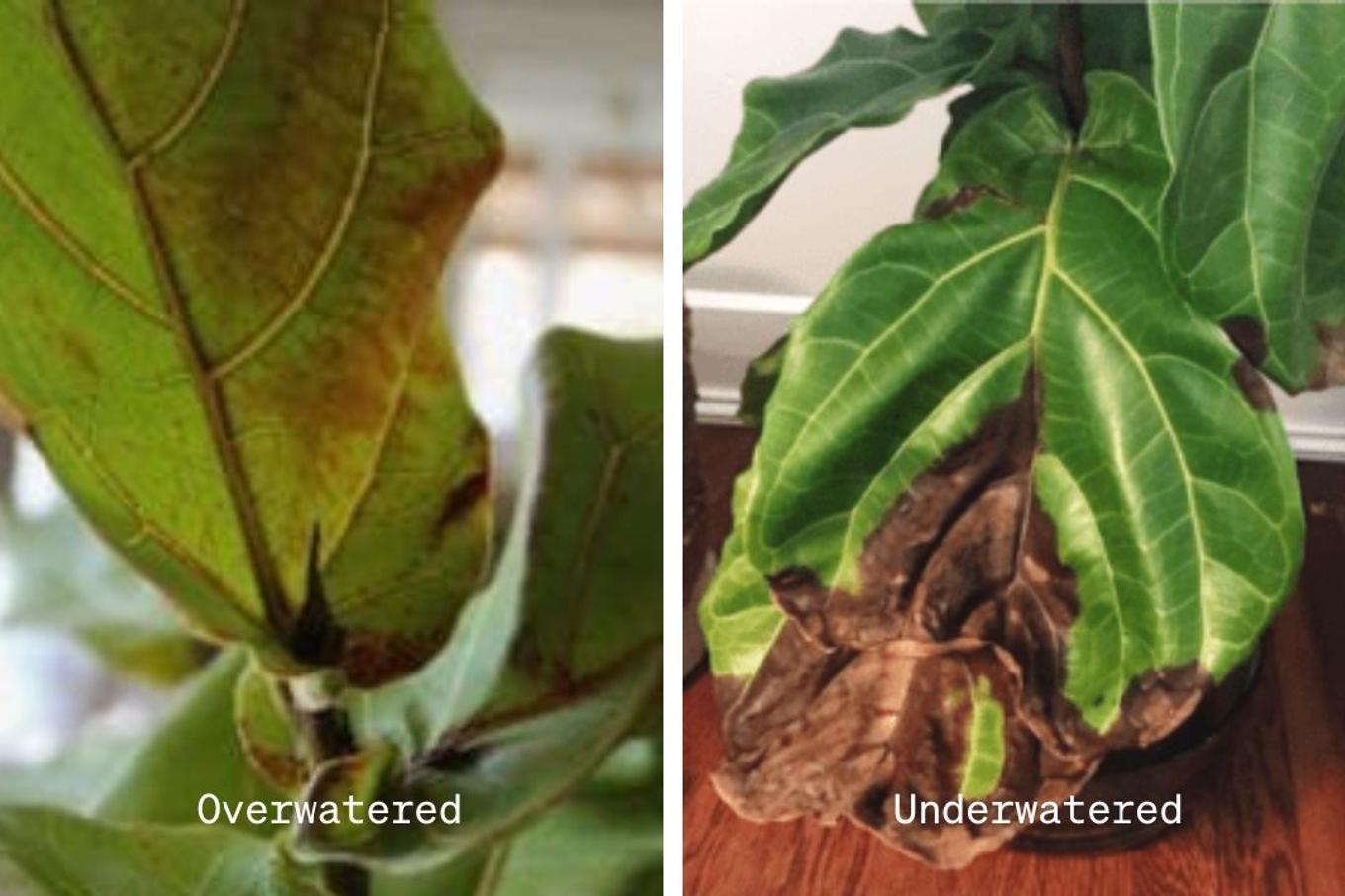
These real recoveries show: most plants bounce back if you act quickly and prevent recurrence.
Frequently Asked Questions (FAQ) ❓
Why does my brand-new potting soil repel water too? Some commercial mixes are overly dry from storage/shipping. Pre-moisten thoroughly before planting, or soak the whole bag in water first.
Is dish soap safe for plants long-term? Occasional use (1–2 drops per liter) is generally safe as a wetting agent, but avoid antibacterial soaps and don’t make it a habit—opt for natural alternatives like yucca extract if needed often.
Can hydrophobic soil kill my plant? Yes, if ignored long enough—roots dehydrate, leading to permanent damage or death. But most recover fully with prompt rehydration.
How long does it take to fix? Quick fixes show improvement in 1–3 days (perkier leaves). Full soil recovery (especially after repotting) takes 1–4 weeks as roots re-establish.
What’s the difference between hydrophobic soil and overwatering/root rot? Hydrophobic = dry, repelling soil with underwatered symptoms. Root rot = soggy, smelly soil with yellow/mushy roots from too much water sitting.
Best soil mixes to prevent this forever? Try: 50% coco coir, 30% perlite/pumice, 20% worm castings or compost. Peat-free, moisture-retentive, and microbe-friendly.
Conclusion 🎉
Dealing with soil that won’t absorb water is incredibly frustrating—but now you have the full toolkit: spot the signs early, revive with bottom watering (your new best friend!), amend naturally, and prevent with consistent care. Whether it’s a thirsty peace lily, a dramatic fiddle leaf fig, or any potted green buddy, these science-backed steps will bring them back to vibrant life.
Grab that bucket or tray today and give your plant the drink it deserves! Your green friends are counting on you. 💚
Have you battled hydrophobic soil before? Drop your plant type, what worked (or didn’t), or any questions in the comments—I read and reply to every one. Subscribe for more practical plant care tips tailored to indoor growing in climates like ours, and share this guide with a fellow plant lover who needs it!
Happy planting, and here’s to lush, hydrated roots forever! 🪴🌱











