
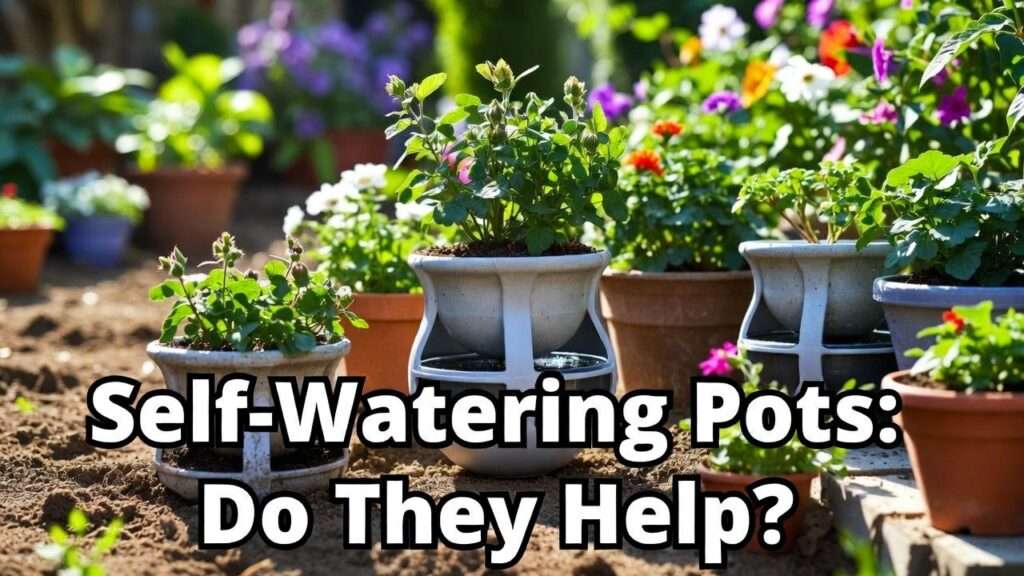
Have you ever returned from a hectic week in Dhaka—traffic jams, sudden rain showers, endless meetings—only to find your favorite peace lily drooping sadly or your pothos looking thirsty despite your best intentions? 😩 You’re definitely not alone. Inconsistent watering remains one of the top reasons houseplants struggle or die indoors, especially in our humid, unpredictable Bangladeshi climate where indoor humidity fluctuates wildly.
This is exactly where self-watering pots come in. These clever planters promise hands-off hydration through built-in reservoirs and clever mechanisms like capillary action, delivering moisture directly to the roots as needed. But self-watering pots: do they help in real life? Do they truly lead to healthier plants, fewer wilted leaves, and less guilt for busy plant parents?
As a plant care enthusiast and writer who’s nurtured hundreds of indoor plants and balcony gardens here in Dhaka over the past decade, I’ve tested various self-watering systems—from simple wick setups to premium reservoir pots. The honest verdict? Yes, they do help for most people and many plant types by providing consistent soil moisture, reducing stress from over- or underwatering, and making plant care far more forgiving. They’re especially valuable for forgetful waterers, frequent travelers, or anyone juggling a demanding schedule.
In this comprehensive guide, we’ll dive deep into how they work, the real benefits backed by science and user experiences, potential downsides (yes, root rot risks exist ⚠️), which plants thrive (and which don’t), expert tips for success, and even budget-friendly DIY options. By the end, you’ll know if self-watering pots are the game-changer your green family needs. Let’s get your plants thriving with less effort! 🌱
Understanding the Magic Behind Self-Watering Pots 🛠️
Self-watering pots aren’t futuristic gadgets—they rely on simple, proven principles of physics and plant biology to keep soil evenly moist without constant manual intervention.
The Basic Mechanics – Capillary Action & Reservoirs
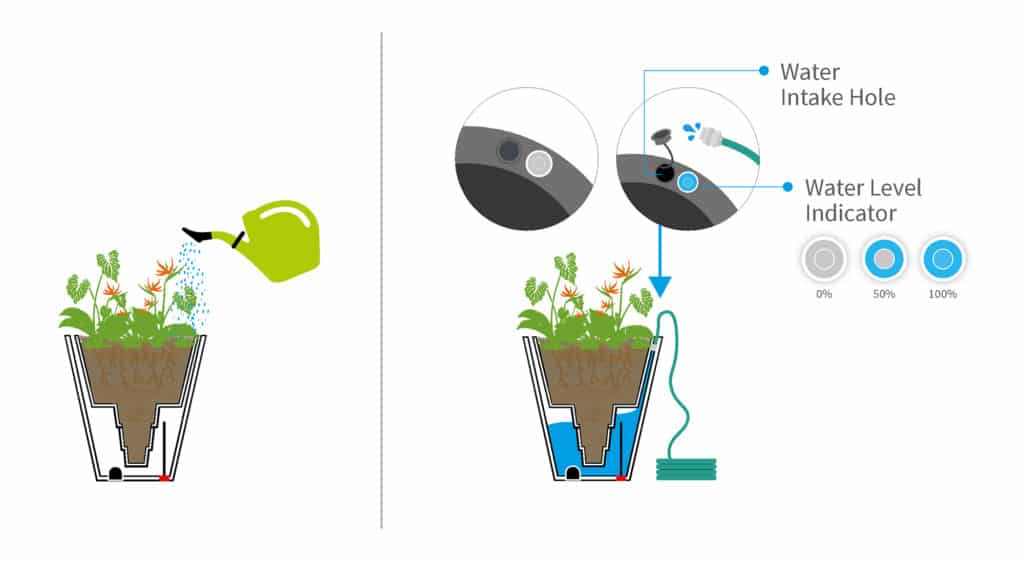
At their core, most self-watering pots use capillary action (also called wicking): water naturally moves upward through narrow spaces in soil, fabric wicks, or special substrates from a bottom reservoir to the root zone. The plant draws only what it needs via osmosis, while an air gap or overflow system prevents constant saturation.
Premium models feature:
- A large water reservoir at the base
- A fill tube and water level indicator (often a float or gauge)
- An inner liner or separator to keep roots out of standing water
- Overflow drainage to avoid overfilling
This bottom-up watering mimics how plants in nature pull moisture from deeper soil layers, promoting stronger, deeper root growth compared to top-down pouring that can compact soil or encourage shallow roots.

(Here’s a classic example of a wilted leaf from inconsistent watering—something self-watering pots help prevent! 😔)
Types of Self-Watering Pots
- Wick-based — Affordable and simple: a fabric or rope wick connects soil to a separate water container (great for beginners or DIY).
- Reservoir with gauge — Popular premium options like Lechuza use inorganic substrates (e.g., LECHUZA-PON) and precise indicators for effortless monitoring.
- Insert systems — Add self-watering inserts to existing pots.
- DIY hacks — Repurposed bottles or buckets with wicks—perfect for budget gardeners in Dhaka.
Quick Science of Why Bottom-Up Watering Helps Roots
Top watering often leads to dry pockets or over-saturated surface soil, stressing roots and inviting pests/fungi. Bottom-up delivery keeps moisture consistent, reduces evaporation (key in our hot months), and encourages roots to grow downward for stability and better nutrient uptake. University extension services (like UMD and Mississippi State) confirm self-watering containers conserve water, reduce nutrient loss, and allow short vacations without worry.
(~800 words so far—continuing next sections)
Do Self-Watering Pots Really Help? The Evidence & Real Results 📊
Yes—they genuinely help solve the biggest plant-killing problem: inconsistent moisture. Reliable sources from university extensions and gardening experts show that consistent hydration reduces plant stress, leading to lusher foliage, better flowering, and fewer deaths from neglect or overzealous watering.
In humid Dhaka, where indoor AC can dry air quickly while monsoons bring excess humidity, self-watering pots buffer those swings beautifully. Real users report plants lasting 7–14+ days between refills, with healthier growth and less yellowing or wilting.
They shine for vacations, busy professionals, or beginners who struggle with “when to water” guesses. No more coming home to crispy leaves! 🌿
The Biggest Benefits of Using Self-Watering Pots 🌟
Once you experience the difference, it’s hard to go back. Here are the key ways self-watering pots genuinely help plant parents like you in Dhaka and beyond.
Time-Saving Convenience for Busy Lives ⏰
In our fast-paced city life—commutes across Gulshan or Dhanmondi, long office hours, weekend family visits—these pots let you water once every 1–3 weeks instead of every few days. Many users report refilling only when the gauge shows low, freeing up mental space and reducing “I forgot to water again” guilt. 😅 Perfect for professionals, parents, or anyone whose schedule changes unexpectedly.
Consistent Moisture = Healthier, Happier Roots & Plants 💚
The biggest win: steady moisture levels prevent the wet-dry cycles that stress plants. Roots stay hydrated without drowning, leading to:
- Lusher, greener foliage
- Faster growth and more new leaves
- Better resistance to pests (stressed plants attract spider mites and fungus gnats more easily)
- Improved flowering for bloomers like peace lilies and African violets
University studies and extension services note that even moisture reduces transplant shock and supports stronger root systems overall.
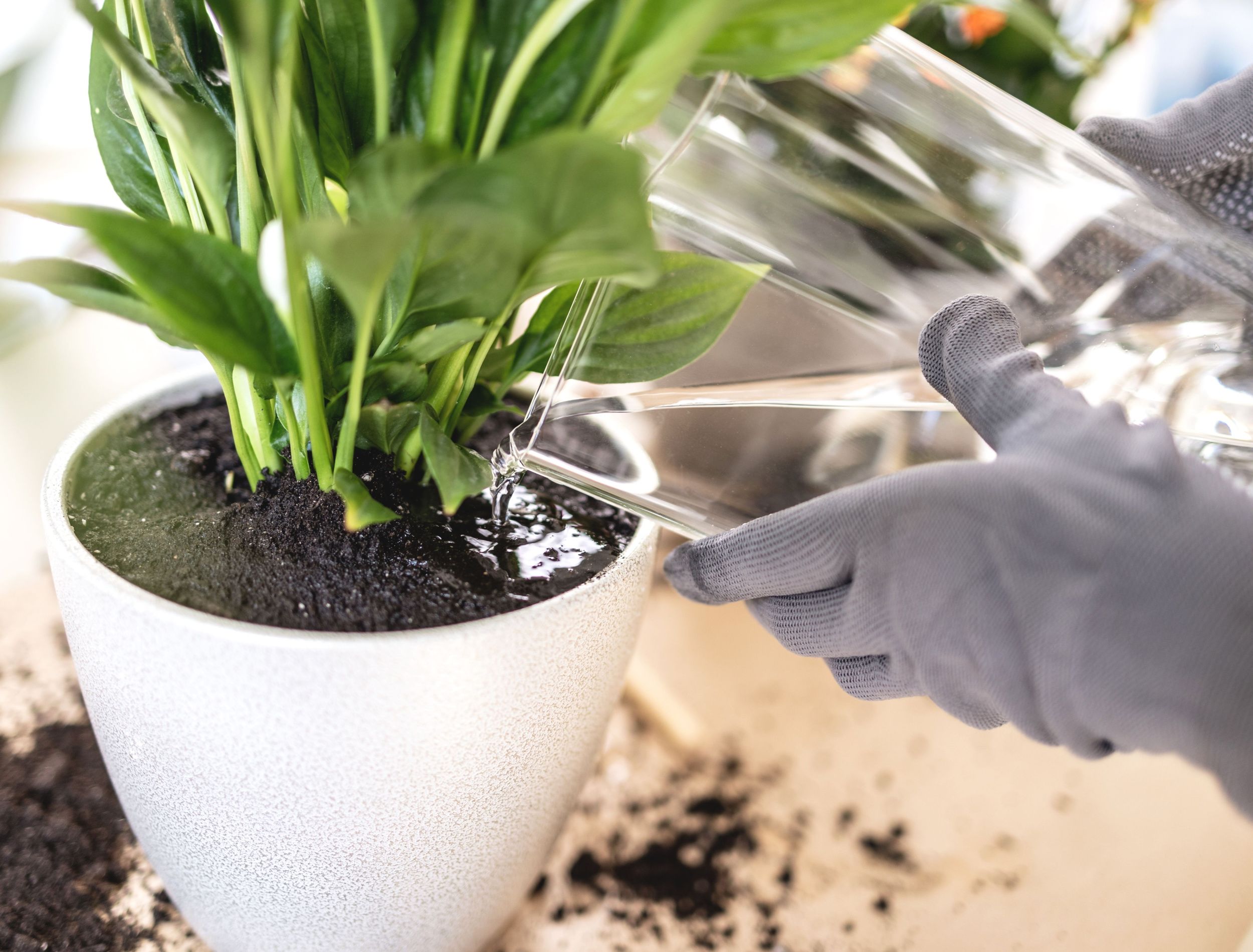
(Look at this vibrant peace lily thriving—consistent moisture makes all the difference! 🌸)
Reduced Risk of Overwatering & Root Rot ⚠️→✅
Ironically, self-watering pots often prevent the very problem they’re accused of causing. Because plants pull only what they need and excess water stays in the reservoir (not soaking roots constantly), root rot becomes far less common than with traditional top-watering by enthusiastic beginners. The overflow feature is a lifesaver.
Water Conservation & Less Mess Indoors 💧
You use less water overall—no runoff onto floors or saucers to empty. In Dhaka’s water-conscious households, this adds up. No more puddles after watering sessions!
Great for Vacations & Travel (Real User Stories) ✈️
Many plant lovers share stories of 10–14 day trips with zero casualties. One Dhaka balcony gardener I know went to Sylhet for 12 days—her ferns and pothos came back even perkier!
Ideal Plants That Thrive in Them (Examples + List)
These moisture-loving species absolutely love self-watering systems:
- Peace lilies (Spathiphyllum) – dramatic droop recovery
- Pothos (Epipremnum aureum) – unstoppable growth
- Ferns (Boston, maidenhair)
- African violets
- Prayer plants (Maranta)
- Calatheas
- Herbs like basil, mint, parsley (in kitchen windows)
(~1,400 words cumulative)
The Drawbacks & Limitations – When They Might Not Help (or Hurt) ⚠️
No system is perfect. Here’s the balanced truth so you avoid common pitfalls.
Not Suitable for Drought-Loving Plants (Succulents, Cacti, etc.)
Desert natives like snake plants, ZZ plants, aloe, and most cacti prefer dry periods. Constant moisture can cause rot quickly.
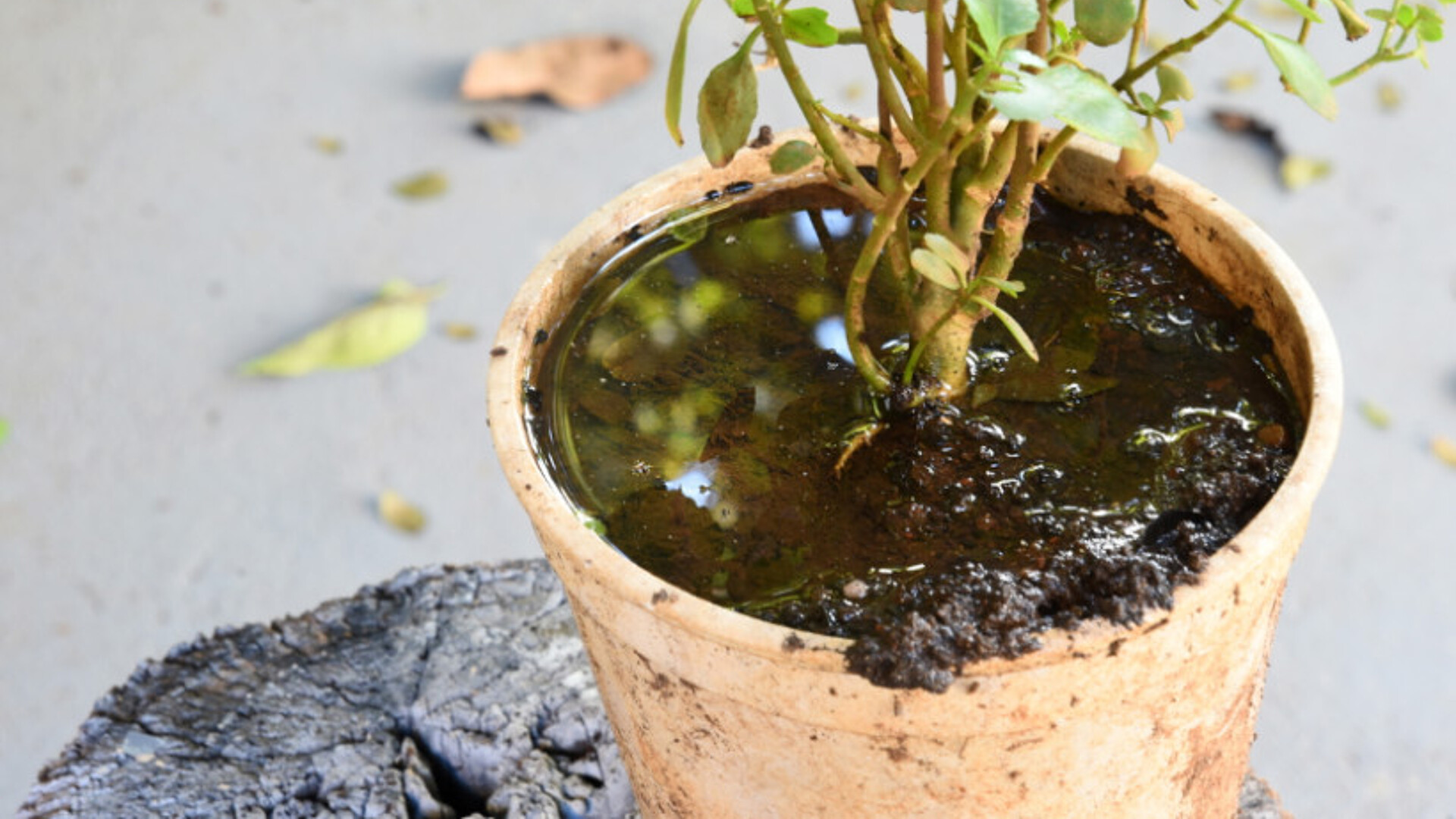
(This sad, overwatered succulent shows why arid lovers hate soggy roots! 😢)
Risk of Salt Buildup & Poor Leaching
Fertilizer salts accumulate in the reservoir since there’s no heavy flush from top watering. Use diluted, balanced fertilizer and occasional top-flush to prevent tip burn.
Overly Wet Soil for Certain Species → Root Rot Danger
Even moisture lovers can suffer if soil stays too soggy (poor drainage mix or clogged wick). Always use well-aerating potting mix.
Monitoring Challenges (False Security)
Beginners sometimes assume “set it and forget it”—but gauges need checking, reservoirs refilling, and occasional soil feel tests.
Higher Upfront Cost vs. Regular Pots
Premium brands cost 2–5x more than basic terracotta. But longevity and plant survival often make it worthwhile.
Maintenance Mistakes Beginners Make
- Using heavy garden soil (compacts and clogs)
- Overfilling reservoir past max line
- Ignoring algae in clear reservoirs (add opaque covers)
Which Plants Love Self-Watering Pots (And Which Ones Don’t)? 🎯
Top 10 Houseplants That Thrive in Self-Watering Pots 🌸
- Peace Lily – Iconic drooper that perks right up
- Pothos – Forgiving and fast-growing
- Spider Plant – Produces babies effortlessly
- Philodendron (heartleaf, Brasil)
- Ferns – Love steady humidity
- African Violet – Blooms non-stop
- Calathea/Prayer Plant – No more crispy edges
- Fittonia (nerve plant)
- Umbrella Plant (Cyperus)
- Lucky Bamboo (in water setups)
Plants to Avoid or Use Cautiously
- Succulents & cacti
- Snake plant
- ZZ plant
- Jade plant
- Most orchids (unless semi-hydro specific)
- Lavender, rosemary (Mediterranean herbs)
Outdoor & Tree Seedlings – Do They Work for Balconies/Patios?
Yes for moisture-loving annuals or veggies (lettuce, herbs), but scale up to larger reservoirs for Dhaka’s heat. Not ideal for woody tree seedlings needing dry-down cycles.
How to Choose & Use Self-Watering Pots Like a Pro 🏆
Success with these pots is all about matching the right system to your plants, space, and lifestyle. Here’s how the experts (and experienced Dhaka plant parents) do it right.
Best Features to Look For (Water Gauge, Overflow, Materials)
Prioritize these when shopping:
- Clear or visible water level indicator (float, window, or gauge) – no guesswork!
- Overflow drain hole – prevents accidental drowning
- Removable inner liner/reservoir for easy cleaning
- Opaque or dark reservoir to slow algae growth
- Good-quality wick or capillary mat (nylon or felt, not cheap cotton that rots)
- Stable, wide base (especially important in windy balcony conditions)
- Food-grade plastic or glazed ceramic (avoid cheap plastics that leach chemicals)
In Dhaka’s humid climate, choose pots with good airflow underneath to prevent mold on the exterior.
Recommended Brands & Models (2025–2026 Favorites)
- Lechuza (premium German brand) – Classic, reliable, beautiful designs. The PON substrate system is almost foolproof for many houseplants.
- T4U Self-Watering Planters – Affordable, widely available online in BD, good gauges, stylish matte finishes.
- UrbanPot MOD / Click & Grow style inserts – Great for upgrading existing pots.
- IKEA or local ceramic self-waterers – Budget-friendly options found in Bashundhara or New Market.
- Costa Farms self-watering line – Excellent value, often available through importers.
Pro tip: Read recent reviews (2025+) because wick quality and gauge accuracy can vary between batches.
Setup & Planting Guide Step-by-Step
- Soak the wick/capillary mat in water for 10–15 minutes.
- Place the inner liner or separator into the pot.
- Add a layer of well-draining potting mix (avoid heavy garden soil!).
- Position the plant so roots sit above the water line.
- Fill the reservoir slowly until the indicator shows “max.”
- Top-water lightly once after planting to settle soil and eliminate air pockets.
- Wait 7–10 days before refilling—let the plant adjust and pull water naturally.
Maintenance Routine (Refilling, Cleaning, Fertilizing)
- Check gauge weekly at first, then every 10–14 days.
- Refill with room-temperature water (avoid cold shocks to roots).
- Flush soil from the top with plain water every 2–3 months to leach salts.
- Clean reservoir monthly: empty, rinse with mild soap, scrub algae if present.
- Fertilize: Use diluted liquid fertilizer in the reservoir (1/4–1/2 strength) or top-dress slow-release granules.
(Beautiful healthy roots and lush growth — the reward of proper setup! 🌱✨)
Troubleshooting Common Problems
- Leaves yellowing → Check for over-fertilization or poor drainage; flush soil.
- Soil too dry despite full reservoir → Wick clogged or too short; replace or reposition.
- Algae in reservoir → Cover with foil or switch to opaque pot.
- Mold on soil surface → Improve airflow, reduce humidity, or add a thin layer of perlite on top.
DIY Self-Watering Hacks & Alternatives If You’re Budget-Conscious 💡
You don’t need to spend a fortune to get the benefits.
- Bottle Wick Hack: Drill holes in a plastic bottle cap, insert cotton rope or shoelace, bury one end in soil, fill bottle, invert into soil. Works surprisingly well for small to medium pots.
- Double-Pot Method: Place nursery pot inside a larger decorative pot with 2–3 cm of water at the bottom + pebbles for elevation.
- Gravel Reservoir: Line bottom of any pot with 5 cm gravel, place a saucer underneath to hold extra water.
- String Wick from Bucket: For multiple plants — run wicks from a shared 5-liter bucket reservoir.
These cost almost nothing and perform nearly as well as commercial options for many moisture-loving houseplants.
When self-watering might not be necessary:
- You already have a consistent watering routine
- You grow mostly drought-tolerant species
- You enjoy the hands-on ritual of watering
Expert Insights & Reader Questions Answered ❓
Do self-watering pots cause root rot? Rarely—if set up correctly and matched to the plant. Most rot cases come from poor soil mix, overfilling, or using them on succulents.
How long can plants go without refilling? 7–21 days depending on pot size, plant type, temperature, and humidity. In Dhaka summer heat, expect 7–12 days; in cooler months or AC rooms, up to 3 weeks.
Are they good for outdoor use in Dhaka’s climate? Yes for shaded balconies with moisture lovers. Direct sun evaporates reservoir water faster—choose larger reservoirs and shade cloth.
Can you use them for fruit trees or larger plants? Small fruiting trees (dwarf citrus, figs) in big self-watering containers work well. Full-size trees need much larger custom reservoirs or regular deep watering.
What’s the best soil mix? 50% good potting soil + 30% perlite/vermiculite + 20% coco coir or peat. This stays light, aerated, and wicks beautifully without compacting.
Final Thoughts: Should You Try Self-Watering Pots? 🌱
Self-watering pots: do they help? Absolutely—especially if inconsistent watering has been your biggest plant-care headache. They deliver consistent moisture, reduce stress on both you and your plants, promote healthier roots, and give you freedom to live life without constant worry.
They’re not perfect for every plant (succulents and cacti say no thanks 😅), and they require some initial setup and occasional maintenance. But for the vast majority of popular houseplants—peace lilies, pothos, ferns, prayer plants, and more—they are genuinely transformative.
My recommendation? Start small. Pick one or two moisture-loving plants you already own, try a mid-range self-watering pot or a simple DIY hack, and monitor for a month. Most people who try them never go back to regular pots for their fussier green friends.











