
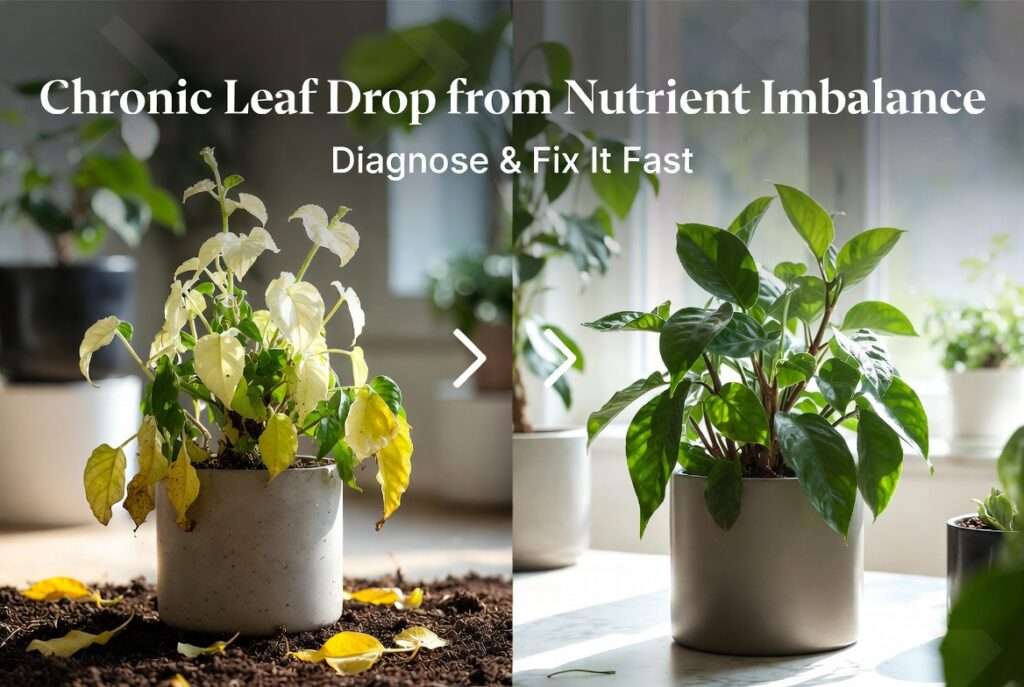
Nothing is more frustrating for a plant lover than watching your cherished fiddle-leaf fig, lush monstera, or beloved backyard maple shed leaves week after week — even when you’re watering, lighting, and caring for it “perfectly.” 😔 If the leaf drop feels endless and relentless, chronic leaf drop from nutrient imbalance is often the hidden culprit.
Unlike sudden issues from pests or overwatering, this problem builds gradually as your plant struggles to access essential nutrients, triggering a survival response where it drops older leaves to conserve energy. The good news? With the right diagnosis and targeted fixes, most plants recover beautifully within weeks, sprouting fresh, vibrant foliage again. 🌱
In this comprehensive guide, you’ll learn exactly how to identify chronic leaf drop from nutrient imbalance, distinguish it from other common causes, correct specific deficiencies (macronutrients and micronutrients), and prevent it from returning. Whether you grow houseplants indoors or nurture trees and shrubs outdoors, these expert-backed strategies will help you restore plant health and keep your green friends thriving for years to come.
Let’s dive in and bring your plants back to life! 🪴
Understanding Nutrient Imbalance in Plants 🧪
Nutrient imbalance occurs when a plant cannot absorb the right amounts of essential elements it needs for healthy growth, photosynthesis, and resilience. This can stem from depleted soil, incorrect soil pH (which locks nutrients away), over- or under-fertilizing, poor root health, or environmental stresses that impair uptake.
Plants require 17 essential nutrients, divided into macronutrients (needed in larger quantities: Nitrogen (N), Phosphorus (P), Potassium (K), Calcium (Ca), Magnesium (Mg), Sulfur (S)) and micronutrients (trace amounts: Iron (Fe), Manganese (Mn), Zinc (Zn), Copper (Cu), Boron (B), Molybdenum (Mo), Chlorine (Cl), and others). Carbon, hydrogen, and oxygen come from air and water.
When imbalance happens, plants often exhibit chronic leaf drop as a protective mechanism. They sacrifice older leaves to redirect limited resources to new growth or vital functions. This creates a vicious cycle: fewer leaves mean less photosynthesis, which weakens the plant further and leads to more drop. 🌿
Why does this lead to ongoing leaf loss? Mobile nutrients (like N, P, K, Mg) are relocated from older leaves to younger ones during shortages, causing the bottom or older foliage to yellow and drop first. Immobile nutrients (like Ca, Fe) show symptoms in new growth. Over time, without correction, the entire plant can look sparse and unhealthy.
Common triggers include:
- Potting soil that has leached nutrients over months of watering.
- Garden soil that’s naturally poor or compacted.
- pH extremes (below 5.5 or above 7.5) that make nutrients unavailable.
- Heavy use of one fertilizer type without balanced micronutrients.
- Root damage from overwatering or poor drainage, limiting uptake.
Understanding these basics is the first step toward solving chronic leaf drop from nutrient imbalance for good.
Common Nutrient Deficiencies That Trigger Leaf Drop 🔍
Accurate identification is key. Here’s a detailed breakdown of the most frequent culprits behind chronic leaf drop, with clear symptoms. These draw from university extension resources for reliability.
Nitrogen (N) Deficiency – “The Yellowing Old Leaves” 🍂
Nitrogen fuels leafy green growth and chlorophyll production. A shortage causes older leaves to turn uniformly pale yellow or light green, starting from the bottom. Leaves may appear smaller, growth slows dramatically, and premature drop follows as the plant reallocates N to new shoots.
Affected plants: Leafy houseplants (pothos, philodendron), fast-growing trees, and vegetables. Why it happens: Depleted soil after heavy growth seasons or frequent watering that flushes nutrients.
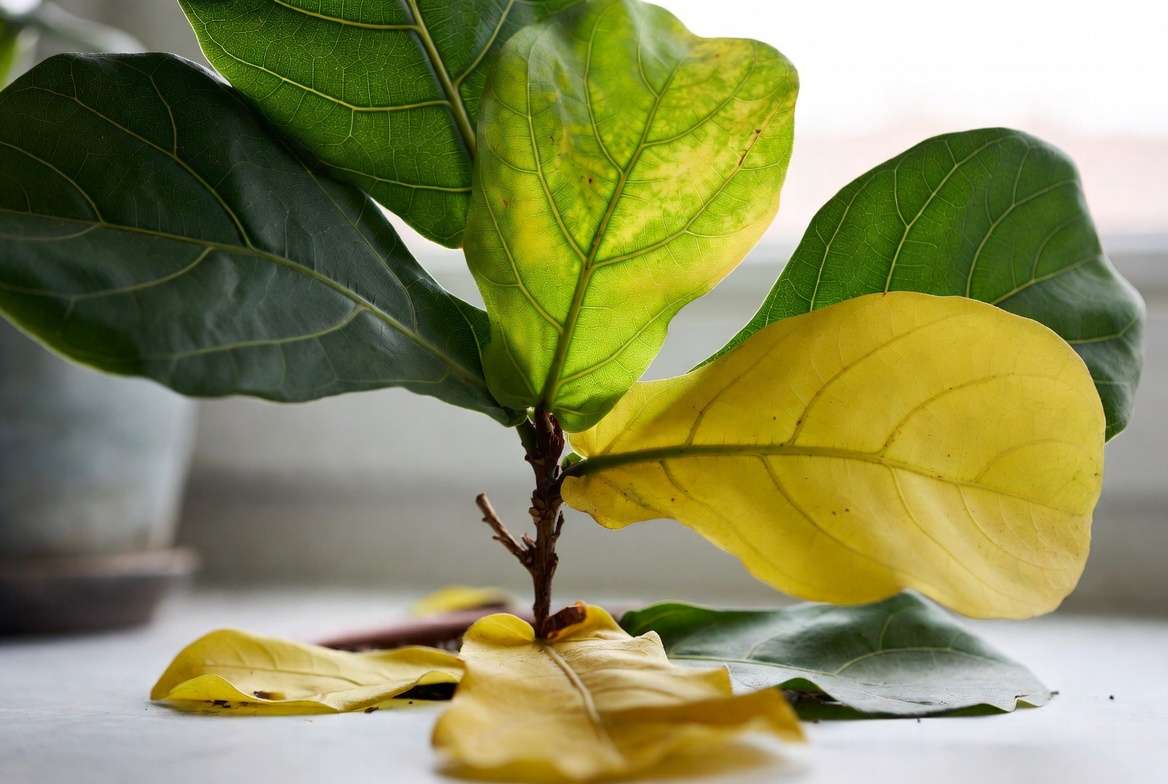
Magnesium (Mg) Deficiency – “Interveinal Chlorosis & Brittle Leaves”
Magnesium sits at the center of the chlorophyll molecule, so deficiency hits photosynthesis hard. Classic signs include yellowing between the veins (interveinal chlorosis) on older leaves, sometimes with reddish-brown tints. Leaves become thin and brittle, then drop early. Common in tomatoes, roses, rhododendrons, citrus trees, and many indoor plants.
Pro tip: Overuse of high-potassium fertilizers can worsen Mg uptake, as plants prioritize K.
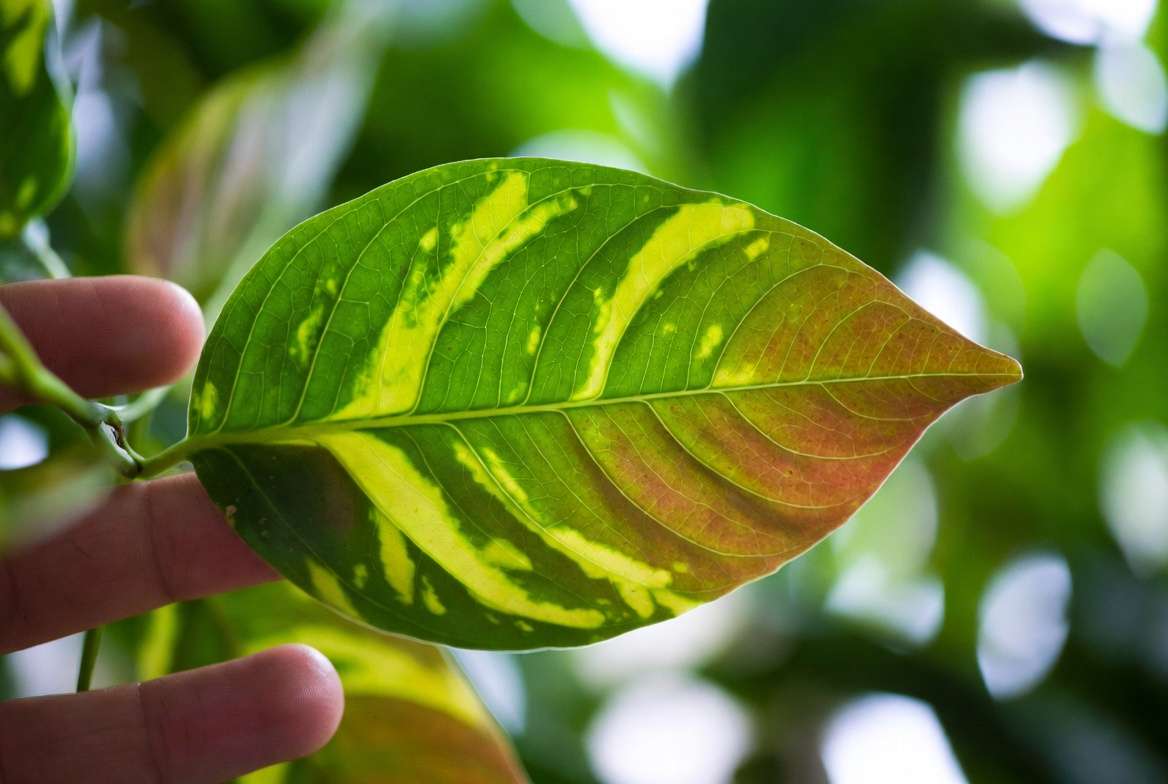
Potassium (K) Deficiency – “Burnt Edges & Weak Stems” 🔥
Potassium strengthens cell walls, regulates water, and boosts disease resistance. Symptoms start on older leaves with scorched or brown margins and tips, yellowing between veins, and weak, floppy stems. Leaves may curl or look “burnt,” and drop increases under stress.
Affected plants: Fruiting trees (apples, citrus), roses, and many houseplants.
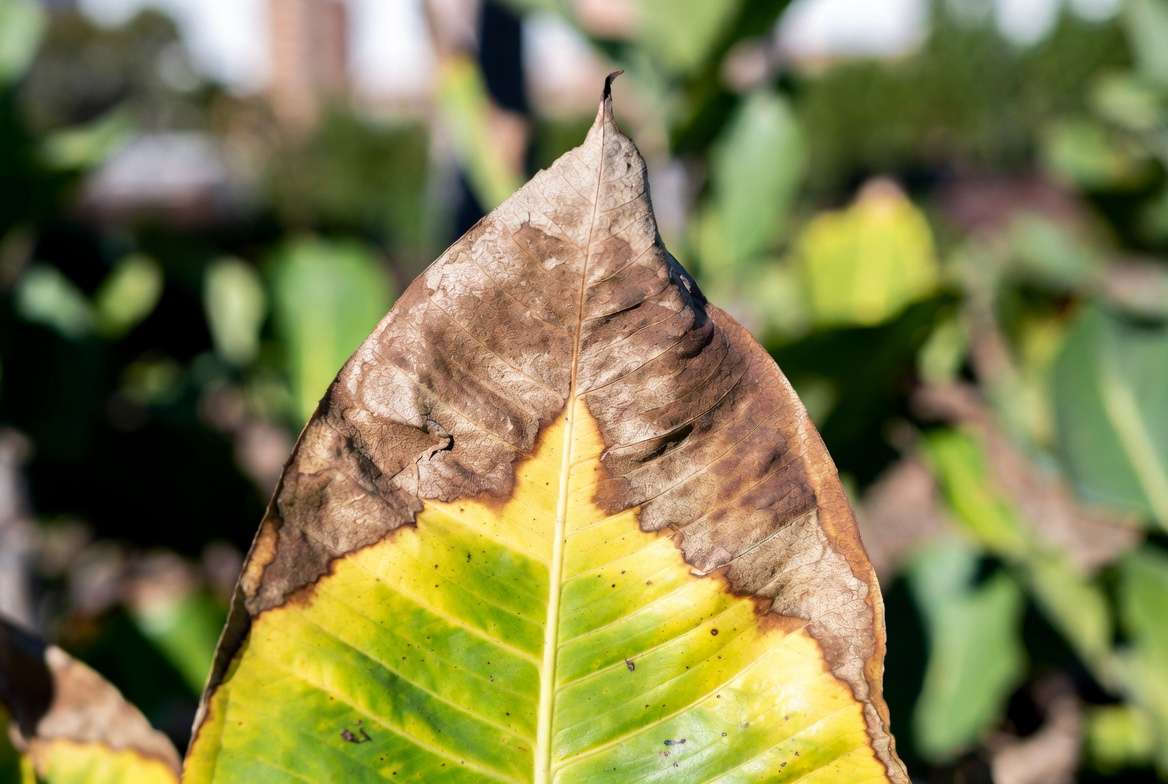
Calcium (Ca) Deficiency – “Distorted New Growth & Tip Burn”
Calcium is vital for cell wall structure and new growth. Because it’s immobile, symptoms appear on young leaves and tips: distorted, cupped, or irregularly shaped foliage, tip burn, and blossom-end rot in fruiting plants. Chronic cases lead to weak roots and increased leaf drop.
Common in: Tomatoes, peppers, and container-grown trees.
Iron (Fe) Deficiency – “Yellow New Leaves with Green Veins”
Iron is essential for chlorophyll formation. Look for interveinal chlorosis on the youngest leaves (bright yellow with dark green veins), while older leaves stay green. Severe cases cause stunted growth and leaf drop. Highly common in alkaline soils or overwatered pots where roots can’t access Fe.
Affected plants: Acid-loving species like gardenias, azaleas, citrus, and maples.
Other Micronutrients (Manganese, Zinc, etc.)
- Manganese (Mn): Similar to iron but with smaller dead spots; affects young leaves.
- Zinc (Zn): Rosetted (bunched) small leaves, yellowing between veins on new growth.
- Sulfur (S): Uniform yellowing on young leaves (looks like N deficiency but starts at the top).
Helpful Comparison Table (great for quick reference):
| Nutrient | Affected Leaves | Key Symptoms | Common Plants Affected |
|---|---|---|---|
| Nitrogen (N) | Older | Uniform yellowing, stunted growth | Pothos, leafy trees |
| Magnesium (Mg) | Older | Interveinal yellowing, brittle | Roses, tomatoes, rhododendrons |
| Potassium (K) | Older | Burnt edges, weak stems | Fruit trees, roses |
| Calcium (Ca) | New | Distorted tips, blossom end rot | Tomatoes, container plants |
| Iron (Fe) | New | Yellow with green veins | Gardenias, citrus, maples |
(Insert image here: Side-by-side photos of healthy vs. deficient leaves for Nitrogen, Magnesium, and Iron deficiencies — e.g., uniform yellow older leaf, interveinal chlorosis, and new-leaf yellowing with green veins. Use clear, labeled close-ups for visual learning.)
These visual cues, combined with your plant’s history, help pinpoint the issue faster than guesswork.
How to Accurately Diagnose Nutrient Imbalance vs. Other Causes 🕵️♀️
Visual symptoms alone aren’t foolproof — many look similar to overwatering, low light, pests, or temperature stress. Follow this expert step-by-step process for reliable diagnosis:
- Observe patterns: Note which leaves drop first (older vs. new) and the exact discoloration pattern. Mobile nutrient issues hit older leaves; immobile ones hit new growth.
- Rule out non-nutrient factors: Check for pests (underside inspection), root rot (mushy roots), underwatering (crispy leaves), or low light (leggy growth toward windows).
- Test soil at home: Use a cheap pH and moisture meter. Most plants prefer pH 6.0–7.0. Extreme pH locks out nutrients even if they’re present in the soil.
- Consider professional testing: For stubborn cases, send soil and leaf tissue samples to a university extension lab. This confirms exact levels and rules out toxicities.
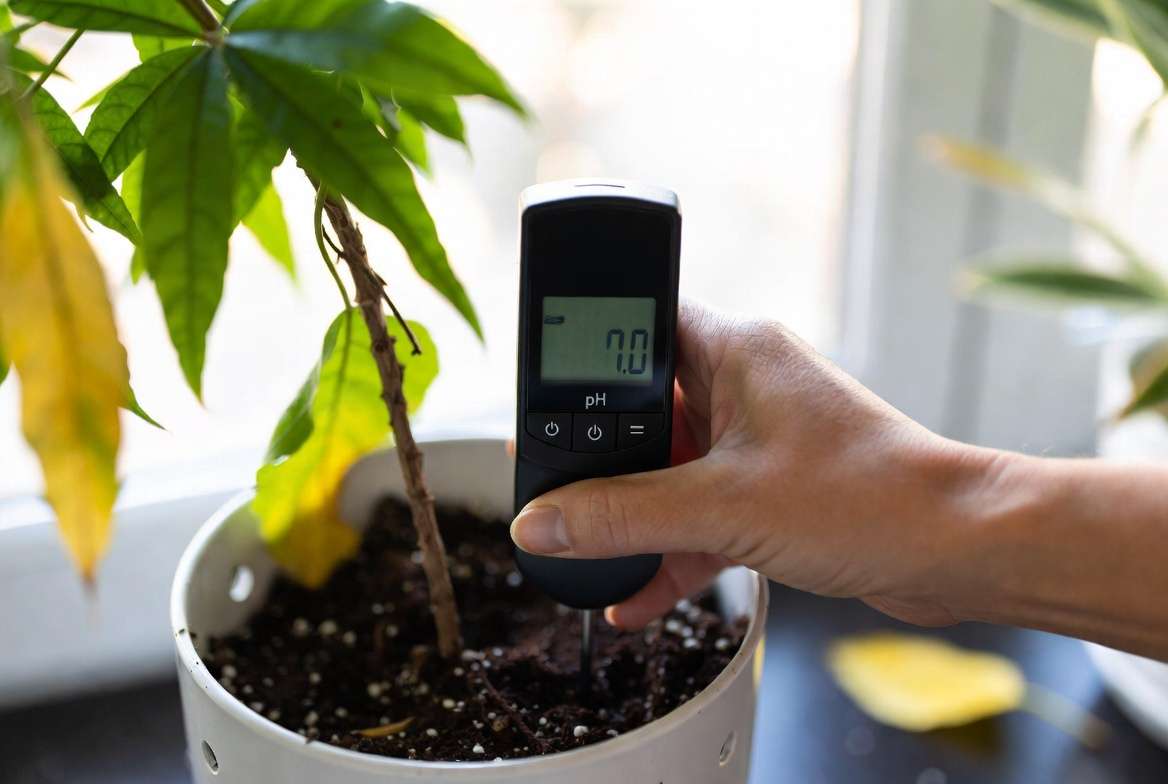
Red flags it’s NOT (only) nutrients:
- Sudden mass drop after moving the plant → transplant shock.
- Yellowing with wet, smelly soil → overwatering/root rot.
- Sticky leaves or webs → pests.
- All-over wilting in dry soil → underwatering.
Expert Insight: University extensions emphasize that soil pH dramatically affects nutrient availability. For example, at pH above 7.5, iron, manganese, and zinc become unavailable, mimicking deficiencies even when levels are adequate. Always address pH first if tests show extremes.
(Insert image here: Infographic showing nutrient availability chart across pH levels — wide bars at 6–7.5, narrowing at extremes. Or a simple soil testing kit in use.)
Fixing Chronic Leaf Drop from Nutrient Imbalance – Fast & Safe Solutions ⚡
Once diagnosed, act quickly but gently to avoid shocking the plant.
Immediate Short-Term Fixes
- Flush the soil: For potted plants, run water through the pot for 5–10 minutes to remove excess salts or built-up fertilizer that can cause imbalance. Let it drain fully.
- Foliar sprays for quick relief: Leaves absorb nutrients faster than roots. Use diluted solutions like:
- Chelated iron spray for Fe deficiency (follow label).
- Epsom salt (magnesium sulfate) at 1–2 tbsp per gallon of water for Mg issues — apply in early morning or evening. Note: Use only if confirmed deficient; excess can build salts.
- Monitor for improvement in 7–14 days.
Long-Term Soil and Fertilizer Corrections
- Choose a balanced fertilizer with NPK plus micronutrients. For foliage houseplants, opt for higher nitrogen (e.g., 20-10-20). For flowering or fruiting, balanced or bloom formulas.
- Organic options (gentler and soil-building): Compost, worm castings, seaweed extract, or fish emulsion. These improve soil biology and long-term nutrient availability.
- Repot houseplants: Refresh with quality, well-draining mix every 1–2 years. Add slow-release granules for steady feeding.
- For outdoor trees/shrubs: Apply slow-release granular fertilizer in early spring, followed by organic mulch (2–3 inches) to retain moisture and feed soil microbes. Avoid piling mulch against the trunk.
Adjusting Soil pH the Right Way
- Too acidic (low pH): Add garden lime or dolomite lime (supplies Ca + Mg too).
- Too alkaline (high pH): Use elemental sulfur or acidifying fertilizers. For containers, repot with acidic mix for acid-lovers.
- Changes take weeks — retest after 4–6 weeks.
Recovery Timeline 🌱
- Week 1: Stop drop, new growth may still look pale.
- Weeks 2–4: Greening up, fewer drops.
- Month 2+: Full recovery with lush foliage if conditions stay optimal.
(Insert image here: Before-and-after photos of a recovering plant, e.g., yellowing fiddle-leaf fig vs. vibrant green after correction. Or step-by-step foliar spray application.)
Plant-Specific Recovery Guides 🪴
- Houseplants (Fiddle Leaf Fig, Monstera, Peace Lily, Pothos): Use well-balanced liquid fertilizer every 2–4 weeks in growing season. Maintain pH 6.0–6.5.
- Outdoor Trees & Shrubs (Maple, Citrus, Fruit Trees, Evergreens): Soil test annually. Mulch heavily and fertilize based on test results. Acid-loving trees may need sulfur yearly.
- Special note for acid-loving vs. alkaline-tolerant plants — match amendments carefully.
Prevention: Keep Your Plants Happy Long-Term 💪
Prevention beats cure every time! Build these habits:
- Seasonal fertilizing schedule: Feed actively growing plants (spring–fall for most). Reduce or stop in winter when light is low.
- Best watering routines: Water thoroughly but only when the top 1–2 inches of soil is dry. Use room-temperature water.
- Monitoring tools: Invest in a moisture meter, pH kit, and EC (electrical conductivity) meter for pros.
- Healthy soil biology: Add mycorrhizal inoculants and compost to encourage beneficial microbes that unlock nutrients.
- Expert checklist:
- Test soil pH and nutrients yearly.
- Rotate fertilizer types if using synthetics.
- Avoid “more is better” — follow labels strictly.
- Group plants with similar needs.
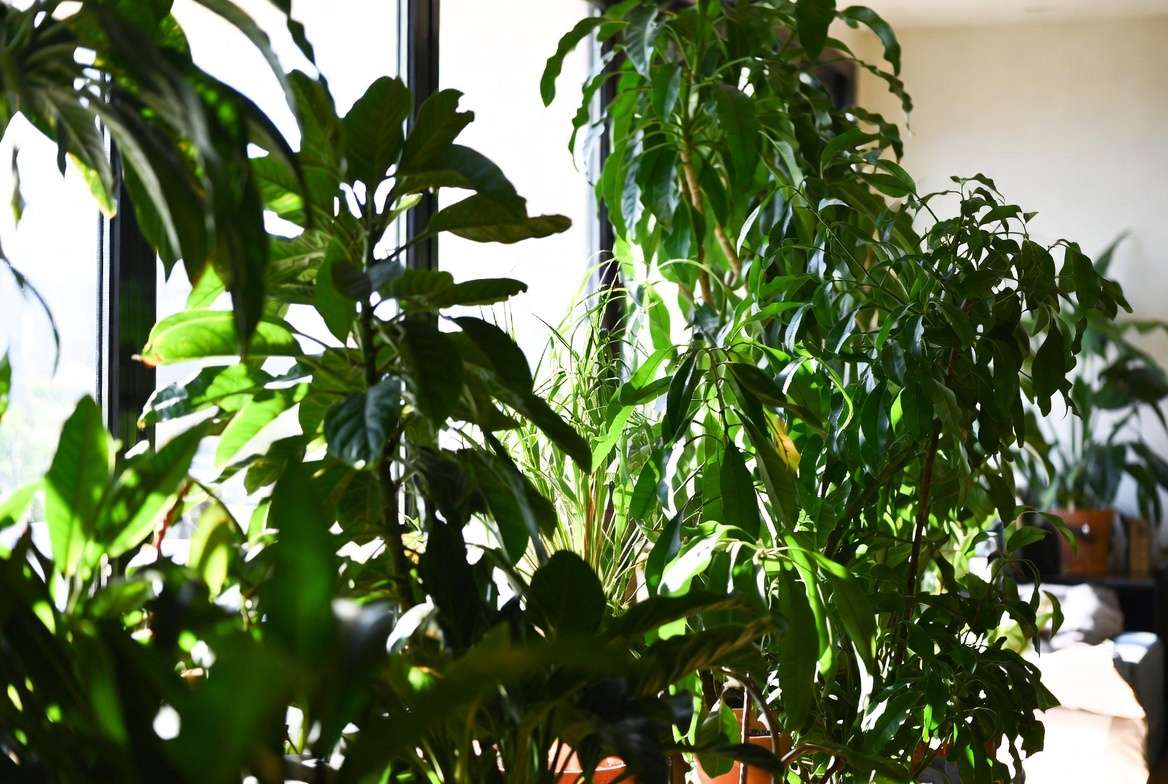
(Insert image here: Beautiful thriving indoor plant collection or healthy tree in garden, with mulch and proper spacing.)
Common Mistakes to Avoid ❌
- Over-fertilizing: Causes salt buildup, root burn, and ironically more leaf drop. “More is better” is a myth!
- Ignoring pH: Nutrients can be present but unavailable.
- Wrong timing or type: Feeding dormant plants or using bloom formula on foliage plants.
- Skipping diagnosis: Treating symptoms without knowing the cause wastes time and money.
Frequently Asked Questions (FAQs) ❓
Can nutrient imbalance cause leaf drop in winter? Yes — reduced light slows growth, but imbalances still trigger drop. Reduce feeding and ensure proper pH.
How long does it take for a plant to recover? Usually 2–6 weeks for visible improvement, full recovery in 1–3 months with consistent care.
Is it safe to use Epsom salt on all plants? Only if magnesium deficiency is confirmed. It’s pH-neutral but excess salts can harm sensitive plants.
What’s the best fertilizer for preventing chronic leaf drop? A balanced, slow-release or organic option with micronutrients, matched to your plant type and soil test.
Can I fix it without soil testing? Yes for mild cases using visual cues and foliar fixes, but testing gives precise, long-term results.
(Additional FAQs can expand on specific plants, organic vs. synthetic, etc.)
Conclusion: Bring Your Plants Back to Life 🌳
Chronic leaf drop from nutrient imbalance doesn’t have to be a recurring heartbreak. By understanding the causes, spotting symptoms early, diagnosing accurately, and applying targeted fixes while preventing future issues, you can turn struggling plants into thriving ones full of lush greenery.
Remember: Healthy soil + right pH + balanced nutrition = resilient plants that resist stress better. Your fiddle-leaf fig, monstera, or favorite tree deserves that vibrant life — and now you have the tools to deliver it.
Have you dealt with chronic leaf drop before? Share your plant’s story or before-and-after photos in the comments! Save or pin this guide for future reference, and check out my other articles on best organic fertilizers for houseplants or how to test soil pH at home for even more plant-care wisdom.
Happy growing! 🌿🪴 If your plant still needs help, feel free to describe its symptoms — I’m here to guide you.











