
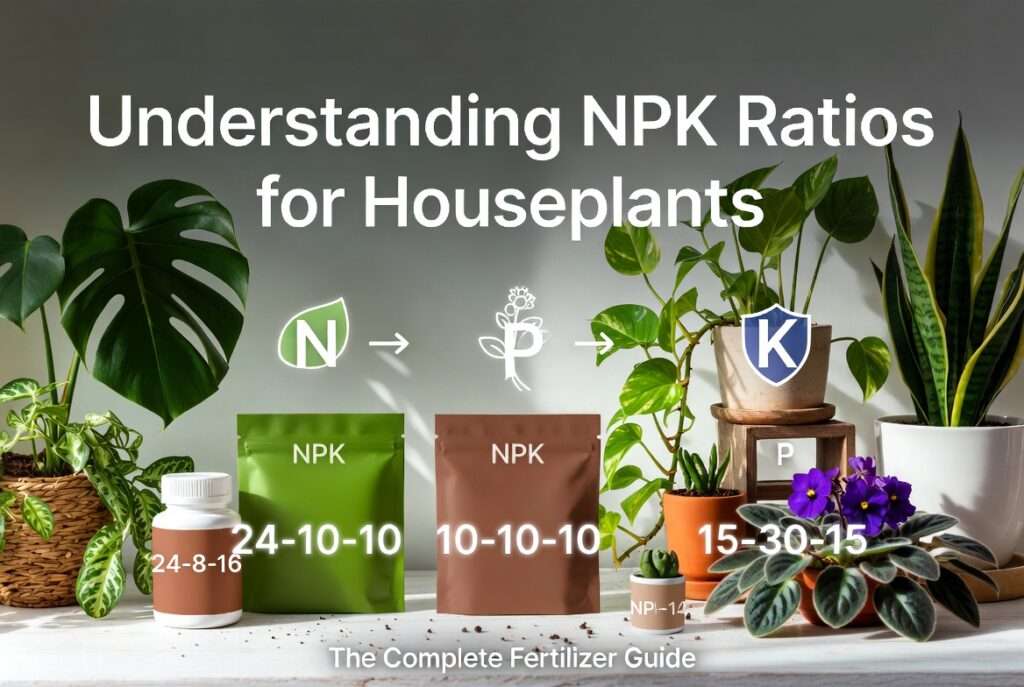
Imagine walking into your living room and noticing your beloved Monstera looking leggy with pale leaves, your African Violet stubbornly refusing to bloom despite perfect lighting, or your trusty Pothos developing yellow edges that just won’t go away. 😩 You’ve watered correctly, given it bright indirect light, and even repotted last season — yet something is still missing.
The culprit is often hidden in plain sight on that bottle of fertilizer you bought: those mysterious three numbers like 10-10-10 or 24-8-16. Understanding NPK ratios for houseplants is the game-changing skill that separates struggling indoor gardens from lush, vibrant jungles.
In this complete guide, we’ll decode exactly what NPK means, why the ratio matters more than the brand, how to match the right fertilizer to your specific plants, and how to avoid the common mistakes that silently damage roots and foliage. Whether you’re a beginner with your first snake plant or a seasoned collector with dozens of tropicals, you’ll finish this article confident enough to read any fertilizer label and create a custom feeding plan that makes your houseplants thrive. 🪴
What Does NPK Stand For? Breaking Down the Three Magic Numbers 🧪
Every fertilizer label features three prominent numbers separated by dashes — the NPK ratio. These represent the percentage by weight of the three primary macronutrients plants need in the largest quantities:
- Nitrogen (N) — the first number
- Phosphorus (P) — the second number (actually listed as available phosphate, P₂O₅)
- Potassium (K) — the third number (listed as soluble potash, K₂O)
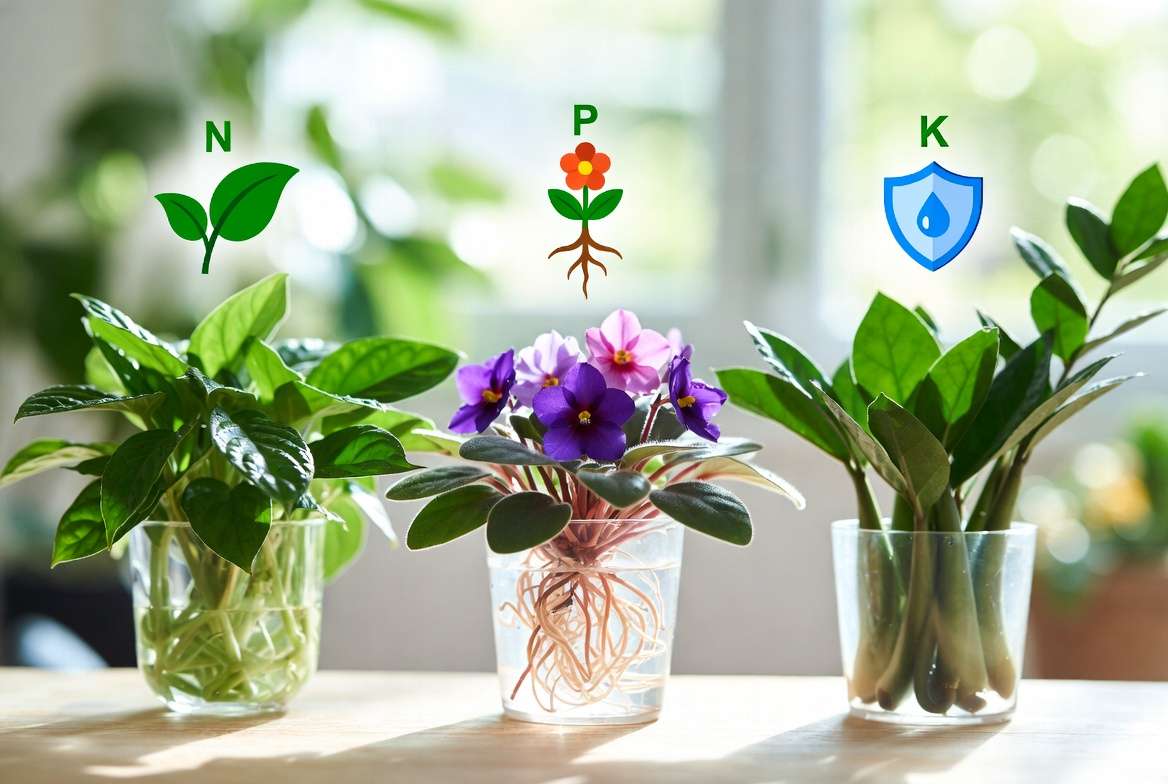
The remaining percentage on the label consists of filler material, secondary nutrients, and micronutrients.
H3: Nitrogen (N) – The Leafy Growth Booster 🌿 Nitrogen is the key building block for chlorophyll, the green pigment that powers photosynthesis. It drives vigorous vegetative growth, resulting in bigger, deeper-green leaves and stronger stems.
Deficiency signs: Older leaves turn pale yellow first (chlorosis), growth slows dramatically, and plants look spindly. Excess signs: Dark green leaves but weak stems, delayed flowering, and increased susceptibility to pests.
Foliage-heavy houseplants love a higher first number.
H3: Phosphorus (P) – The Root and Bloom Champion 🌸 Phosphorus supports energy transfer (ATP), strong root development, and flower/fruit production. It’s especially important during blooming or when establishing new plants.
Deficiency signs: Older leaves develop a dark green to purplish tint, flowering is reduced or absent, and new growth appears stunted. Excess signs: Can interfere with uptake of iron, zinc, and other micronutrients, leading to yellowing between veins.
Blooming houseplants benefit from a higher middle number during their flowering season.
H3: Potassium (K) – The All-Rounder for Health and Resilience 💪 Potassium regulates water movement, strengthens cell walls, improves disease resistance, and helps plants handle environmental stress like low humidity, temperature fluctuations, or inconsistent watering.
Deficiency signs: Brown, crispy edges or tips on older leaves (marginal scorch), weak stems, and poor overall vigor. Excess signs: Can cause magnesium or calcium deficiencies, appearing as interveinal chlorosis.
A solid potassium level keeps your plants tough and beautiful even in the challenging indoor environment.
H2: How to Read Fertilizer Labels Correctly 📋 Don’t be intimidated by the fine print! The three numbers always appear in the same order: N-P-K. For example:
- 24-8-16 = 24% Nitrogen, 8% Phosphorus (as P₂O₅), 16% Potassium (as K₂O). This simplifies to a 3-1-2 ratio — one of the most recommended for houseplants.
- 10-10-10 = Balanced all-purpose.
- 15-30-15 = Bloom booster (higher phosphorus).
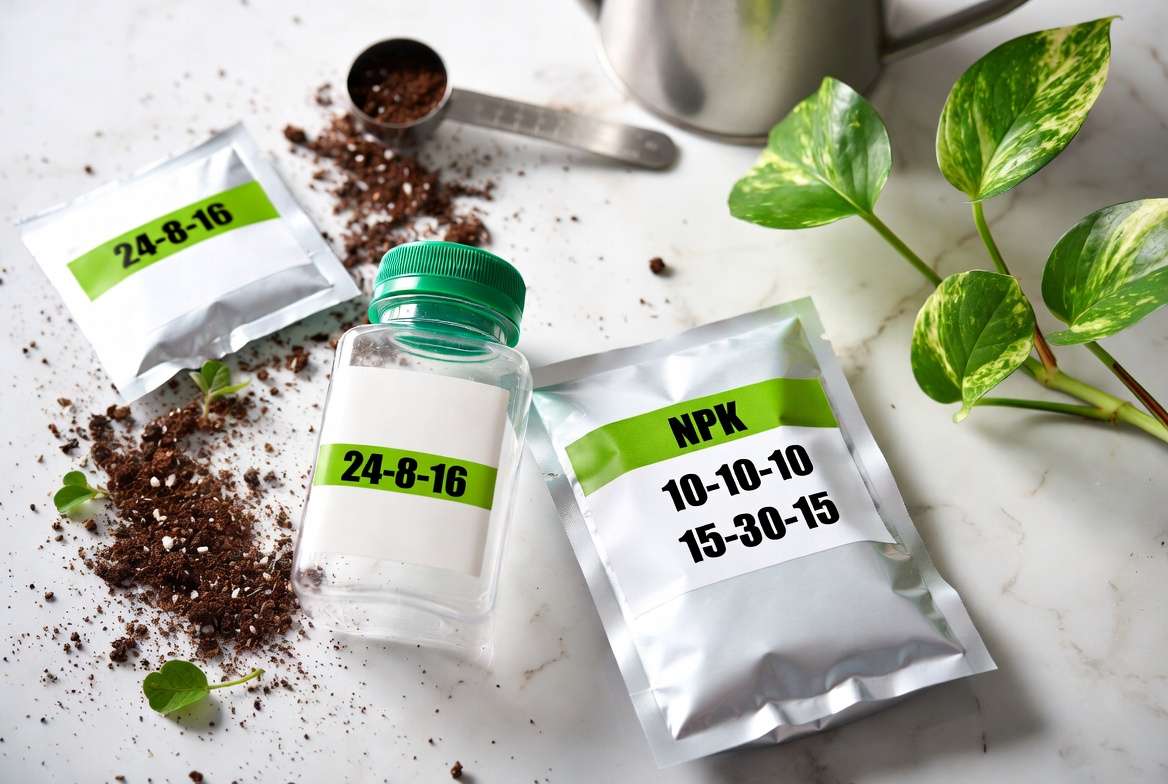
Look for the “Guaranteed Analysis” section for secondary nutrients (calcium, magnesium, sulfur) and micronutrients (iron, manganese, zinc, boron, copper, molybdenum). These “trace elements” prevent hidden deficiencies that balanced NPK alone can’t fix.
Fertilizers come in different forms:
- Liquid concentrates — easy to dilute, fast-acting.
- Granular or slow-release — convenient for long-term feeding.
- Water-soluble powders — great for precise control.
- Organic options — fish emulsion, seaweed, worm castings, compost tea (usually lower and slower-release NPK).
Pro tip: Always check if the product is formulated specifically for houseplants or indoor use — outdoor garden fertilizers can be too strong and salt-heavy for pots.
(Section word count so far: ~650 | Total: ~830)
Why NPK Ratios Matter for Houseplants (More Than You Think) 🌿
Unlike plants in garden soil, houseplants live in a confined pot with limited soil volume and no natural nutrient recycling from falling leaves or microbial activity. Every watering can leach nutrients out of the drainage holes, making regular, balanced feeding essential.
Light levels play a huge role too. Plants in bright indirect light grow faster and need more nutrients than those in lower light. During the active growing season (spring through early fall in most climates), uptake increases dramatically. In winter, most houseplants enter a semi-dormant state and require little to no fertilizer.
Research and long-term grower experience show that most houseplants uptake macronutrients in roughly a 3-1-2 ratio (N:P:K). That’s why fertilizers like 9-3-6, 12-4-8, or 24-8-16 work so well across a wide variety of tropicals.
Using the wrong ratio wastes money and can cause imbalances: too much nitrogen delays blooms, too much phosphorus can lock out other minerals, and insufficient potassium leaves plants vulnerable to stress.
Choosing the Right NPK Ratio for Your Houseplants – The Ultimate Matching Guide 🪴
Here’s the practical heart of understanding NPK ratios for houseplants — matching the numbers to your plant’s lifestyle.
H3: Foliage Plants (Monstera, Pothos, Philodendron, Fiddle Leaf Fig, Snake Plant, ZZ Plant) These prioritize lush leaves over flowers. Choose a foliage-leaning or balanced formula with higher nitrogen:
- Ideal ratios: 3-1-2 multiples such as 9-3-6, 24-8-16, or 12-4-8.
- Popular products: Many “All-Purpose” or “Foliage” houseplant fertilizers fall here. A 5-2-3 or similar also works beautifully for Monsteras and Pothos.
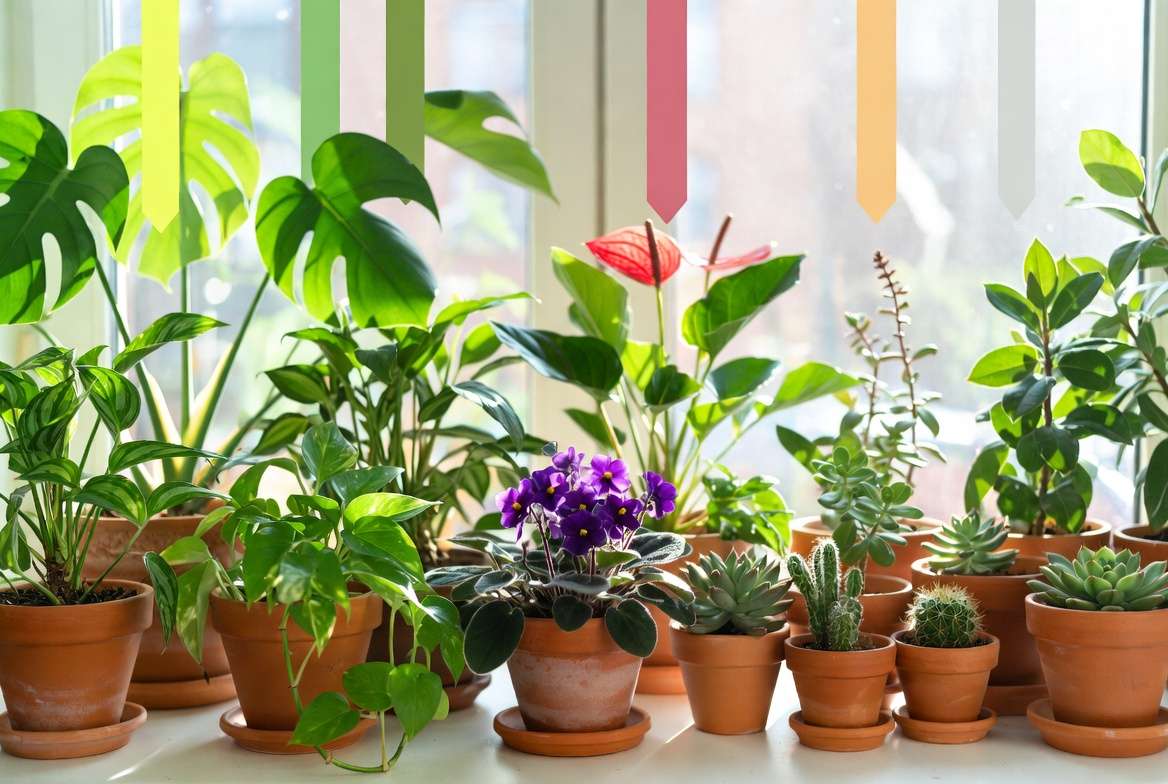
H3: Flowering Houseplants (African Violets, Orchids, Peace Lily, Anthurium, Begonias, Christmas Cactus) Switch to or supplement with higher phosphorus during bud formation:
- Ideal: 15-30-15, 5-10-5, or 10-20-10 bloom boosters.
- For African Violets, specialized formulas like 14-12-14 or Optimara blends often perform exceptionally well.
H3: Succulents & Cacti 🌵 These are slow growers adapted to nutrient-poor soils. Use a low-strength, balanced or slightly potassium-leaning formula at half or quarter strength:
- Examples: 2-7-7 or diluted 10-10-10.
- Fertilize sparingly — once or twice during the growing season is often enough.
H3: Tropicals & Aroids (Alocasia, Caladium, Colocasia, many Hoyas) Balanced to slightly nitrogen-leaning works best. Stick close to 3-1-2 or 10-10-10.
H3: Ferns, Calatheas, Prayer Plants & Humidity Lovers Gentle, balanced formulas prevent leaf tip burn. Avoid high-salt synthetic options; organic or lower-concentration liquids are kinder.
Here’s a quick reference table (imagine this beautifully designed with plant icons):
| Plant Type | Recommended NPK Ratio | Example Products | Feeding Frequency (Growing Season) |
|---|---|---|---|
| Foliage (Monstera, Pothos) | 3-1-2 or 9-3-6 | 24-8-16, Foliage Pro | Every 1–2 weeks (weakly weekly) |
| Flowering (African Violet) | 15-30-15 or similar | Bloom boosters, Optimara | Every 1–2 weeks during bloom |
| Succulents & Cacti | Low balanced or 2-7-7 | Schultz Cactus, diluted all-purpose | Every 4–8 weeks |
| General Mixed Collection | 10-10-10 or 20-20-20 | Miracle-Gro All Purpose (diluted) | Every 2 weeks |
H2: Balanced vs. Specialized Fertilizers – Which Should You Choose? A true balanced fertilizer (20-20-20) is excellent when you have a diverse collection and want simplicity. However, specialized formulas let you fine-tune:
- Pros of specialized: Targeted growth (more leaves or more flowers).
- Cons: Requires switching bottles seasonally.
Many experienced growers use one good 3-1-2 formula year-round for foliage plants and add a bloom booster only when buds appear.
Organic options (fish emulsion ~5-1-1, seaweed ~1-0-1, worm castings ~1-0-0) release nutrients slowly, improve soil microbiology, and are gentler on roots. They usually have lower NPK numbers but add valuable humic acids and trace elements. Synthetic fertilizers deliver precise, fast results but can build up salts if overused. A hybrid approach — synthetic during peak growth, organic for maintenance — often yields the healthiest plants.
(Section word count so far: ~950 | Total: ~1,780)
How to Fertilize Houseplants the Right Way: Step-by-Step 💧
H3: Best Season for Fertilizing Feed actively from early spring through early fall when days are longer and plants push new growth. Reduce or stop completely in winter unless you have strong grow lights and warm temperatures.
H3: The “Weakly Weekly” Method (My Favorite Approach) Instead of full-strength monthly feeding, dilute fertilizer to ¼–½ strength and apply every 1–2 weeks during the growing season. This provides steady nutrition without shocking roots or building up salts.
H3: Application Techniques
- Water first — Never fertilize dry soil; it can burn roots.
- Mix precisely — Follow label instructions or go weaker for safety.
- Apply evenly — Pour until it drains out the bottom (this prevents salt buildup).
- Foliar feeding (optional) — Mist diluted fertilizer on leaves for quick absorption, but avoid in direct sun.
- Top-dress slow-release — Granules or spikes for set-it-and-forget-it convenience.
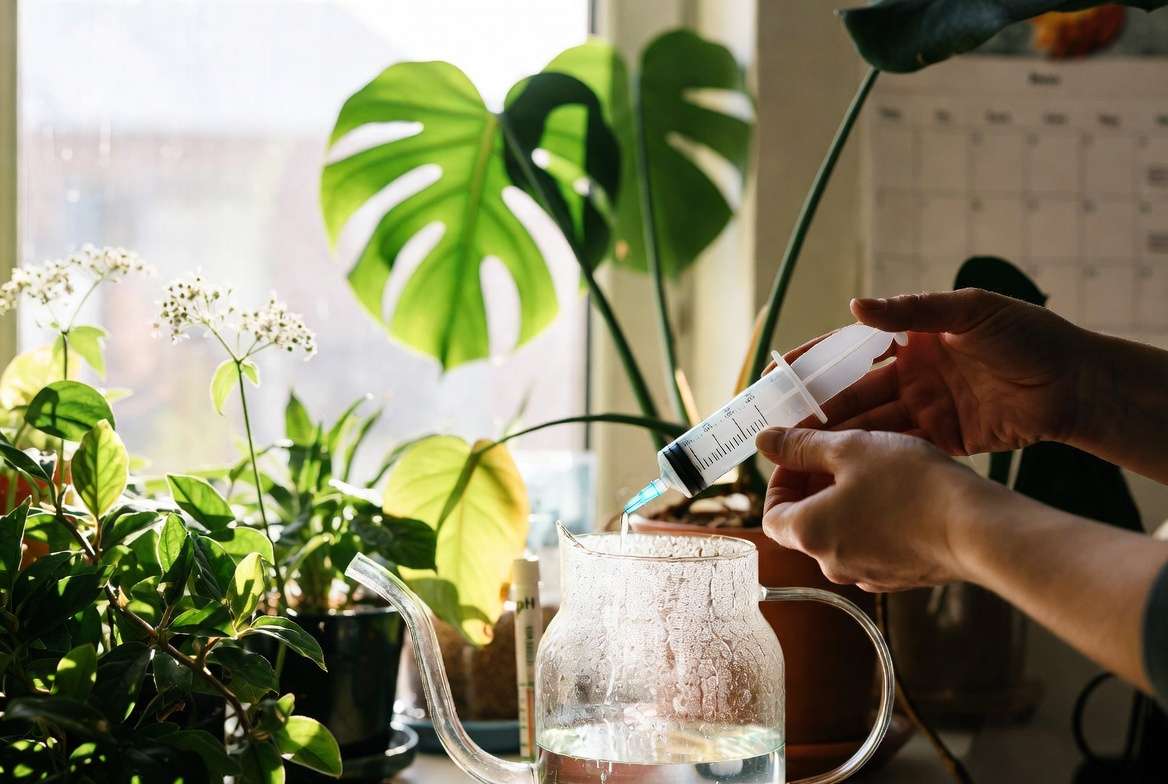
Tools you’ll need:
- Measuring syringe or spoon
- Watering can dedicated to fertilizer
- Distilled or rainwater if your tap water is hard/high in minerals
Safety tips: Flush pots with plain water every 2–3 months to leach accumulated salts. Watch for white crust on soil surface — a sign it’s time to flush.
H2: Common NPK Mistakes That Kill Houseplants (And How to Avoid Them) ❌
- Over-fertilizing — “More is better” is a myth. Excess salts cause root burn, crispy leaf tips, and wilting despite moist soil.
- Wrong ratio — Feeding high-phosphorus bloom food to foliage plants all year can reduce leaf size and vigor.
- Fertilizing dormant plants — Winter feeding in low light leads to weak, leggy growth.
- Applying to dry soil — Concentrated nutrients scorch roots instantly.
- Ignoring water quality — Hard tap water + synthetic fertilizer can raise soil pH and lock out nutrients.
- Forgetting micronutrients — Yellowing between veins often signals iron or magnesium shortage even when NPK looks perfect.
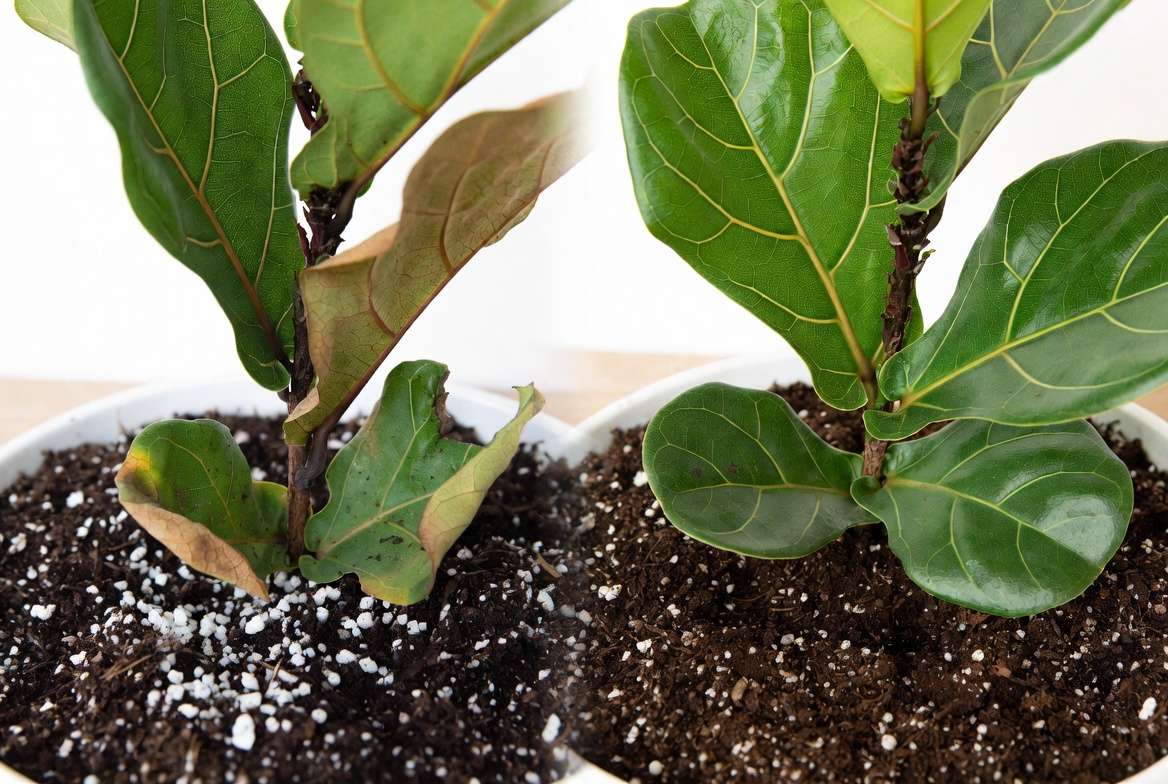
Real grower story: One client’s Fiddle Leaf Fig had brown edges for months. We discovered she was using a high-nitrogen lawn fertilizer at full strength. Switching to a proper 3-1-2 houseplant formula at half strength + monthly flushing brought the plant back to glossy perfection within six weeks.
H2: Troubleshooting NPK Issues: Diagnosing Deficiencies and Toxicities 📸
Visual Guide to Nutrient Problems
- Nitrogen Deficiency: Older leaves uniformly yellow, starting from the bottom. Plant looks pale overall. Solution: Increase nitrogen or overall feeding strength.
- Phosphorus Deficiency: Older leaves turn dark green/purplish, poor blooming, stunted new growth. Solution: Use bloom booster temporarily or ensure soil pH is 5.5–6.5.
- Potassium Deficiency: Brown scorching on leaf margins and tips, weak stems. Solution: Balanced or potassium-leaning formula + consistent moisture.
- Toxicity (Fertilizer Burn): Crispy brown tips/edges on many leaves, wilting, white salt crust on soil. Solution: Flush thoroughly with plain water several times, then pause feeding for 4–6 weeks.
Always consider other causes first (underwatering, pests, low light, wrong soil pH) before blaming nutrients. A simple soil pH test kit is a worthwhile investment.
Advanced Tips from a Plant Expert
- Custom blending: Start with a base 3-1-2 and add small amounts of bloom booster when needed.
- Adjust for water type: RO or distilled water users may need slightly higher doses or Cal-Mag supplement.
- Propagation feeding: Use very dilute (¼ strength) for cuttings and seedlings.
- Sustainable practices: Incorporate worm castings or compost tea monthly for long-term soil health.
Frequently Asked Questions (FAQs) ❓
What is the best NPK ratio for all houseplants? A 3-1-2 ratio (or multiples like 9-3-6 or 24-8-16) works excellently for the majority of foliage houseplants.
Can I use outdoor fertilizer on indoor plants? Generally no — outdoor formulas are often too concentrated and lack the gentle balance needed for pots.
Is 20-20-20 good for Monstera? Yes, especially diluted. Many growers prefer it or a 24-8-16 for strong foliage growth.
How do I switch between different NPK ratios? Do it gradually over 2–3 waterings to avoid shocking the plant.
Organic vs. synthetic – which is better? Both have strengths. Synthetic offers precision and speed; organic builds better long-term soil biology. Many successful growers use both.
How often should I fertilize in winter? Usually skip or use ¼ strength once a month only if plants are actively growing under lights.
Why are my leaves turning yellow after fertilizing? Could be fertilizer burn (too strong or applied to dry soil), salt buildup, or coincidental nitrogen deficiency if feeding was previously absent.
Conclusion: Become a Confident Houseplant Fertilizer Pro 🌟
Mastering understanding NPK ratios for houseplants removes the biggest guesswork from indoor plant care. You now know how to decode labels, match ratios to your plants’ needs, apply fertilizer safely, and troubleshoot problems before they become serious.
The most important takeaway? Observe your plants closely. They will tell you what they need through their leaves and growth habits. Start with a reliable 3-1-2 or balanced formula, feed weakly and consistently during the growing season, flush periodically, and adjust based on results.
Your houseplants will reward you with vibrant foliage, stronger stems, and — when the time is right — beautiful blooms. Happy growing! 💚











