
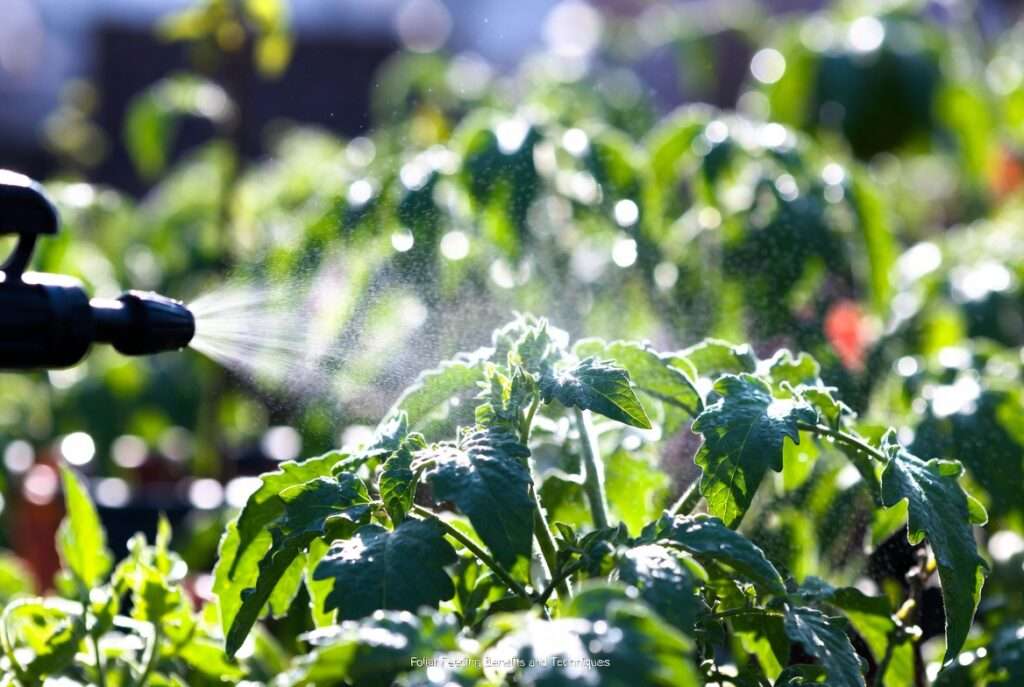
Imagine walking into your garden one morning and noticing your tomato plants looking pale and stunted, even though the soil seems perfect. Or your favorite fruit tree suddenly showing yellowing leaves in the middle of the growing season. What if you could deliver essential nutrients directly to the plant and see visible improvements in just days instead of weeks? 🌿
That’s the power of foliar feeding. By applying liquid nutrients straight to the leaves, gardeners and tree care enthusiasts can achieve rapid, targeted results that complement healthy soil practices. In this comprehensive guide, we’ll explore foliar feeding benefits and techniques in detail — from the science behind leaf absorption to step-by-step application methods that deliver faster, stronger plant growth naturally and efficiently. Whether you grow vegetables, ornamentals, houseplants, or manage trees, this approach can help solve common problems like nutrient deficiencies, slow growth, and stress from weather or poor soil conditions.
As a plant care expert with years of hands-on experience in both home gardens and larger landscapes, I’ve seen foliar feeding transform struggling plants when used correctly. It’s not a magic replacement for soil health, but a smart, supplementary tool that offers quick wins while minimizing waste and environmental impact. Let’s dive in and equip you with everything you need for success. 💧🚀
(Word count so far: ~180)
What Is Foliar Feeding? Understanding the Science Behind Leaf Nutrition 🧪
The Basics of Foliar Feeding
Foliar feeding is the practice of spraying diluted liquid fertilizers or nutrient solutions directly onto plant leaves. Unlike traditional soil applications, which rely on roots to take up nutrients, foliar sprays allow absorption through the leaf surface. This method has roots in mid-20th-century research that first demonstrated leaves can take in minerals efficiently.
Plants primarily absorb nutrients through their roots, but leaves offer a fast-track alternative under certain conditions. The process bypasses soil barriers such as pH imbalances, compaction, cold temperatures, or root damage from disease or transplant shock.
How Plants Absorb Nutrients Through Leaves
Leaves have two main pathways for nutrient uptake:
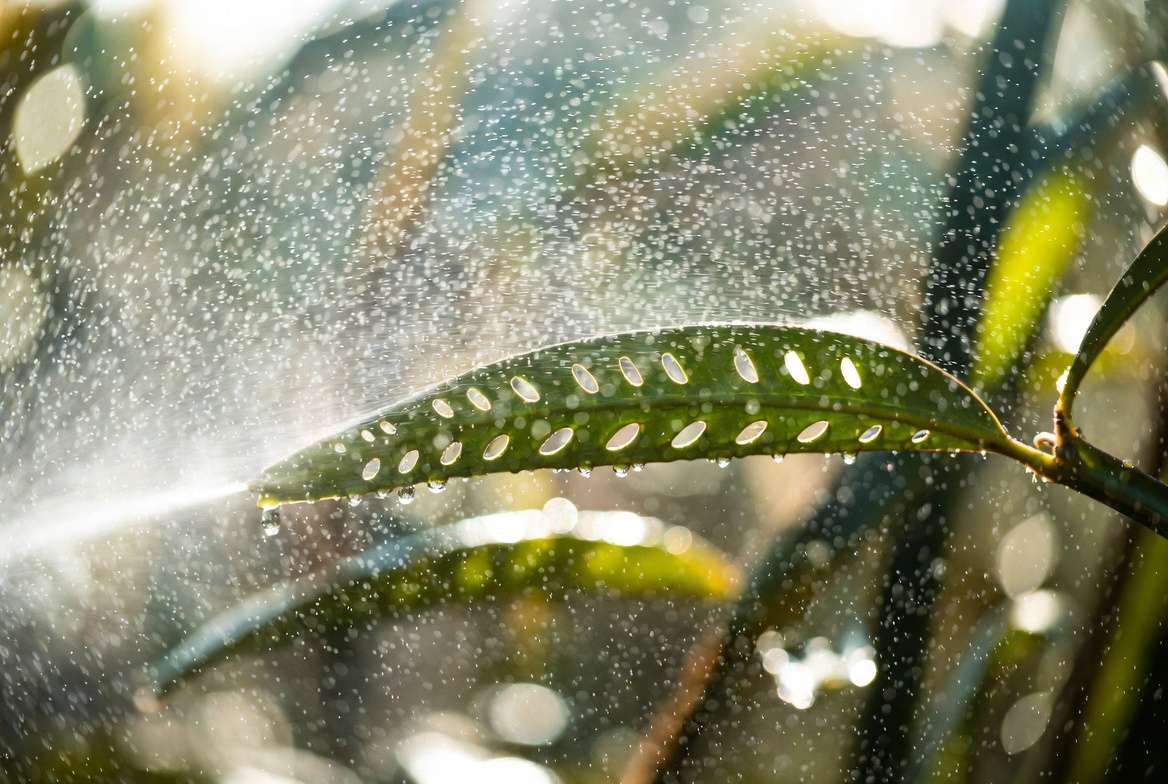
- Stomata: Tiny pores primarily on the underside of leaves that open for gas exchange (CO₂ in, O₂ and water vapor out). When open — typically in cooler, humid conditions — they can also let in dissolved nutrients. However, stomata are not always the primary route, as they may close under stress or at night.
- Cuticle and Micropores: The waxy cuticle covering the leaf has microscopic pores and cracks that allow penetration, especially for small, properly formulated molecules. Surfactants (wetting agents) help solutions spread and stick better, improving contact and absorption.
Absorption can occur within hours, and mobile nutrients (like nitrogen, potassium, and magnesium) move quickly through the plant’s vascular system. Immobile nutrients (such as calcium or iron) tend to stay more localized where sprayed, making repeated or targeted applications useful.
Studies show foliar uptake can be highly efficient for micronutrients, with some research indicating leaves absorb certain elements faster than roots in stressed conditions. Yet, the total amount delivered per spray is limited compared to soil applications, so foliar feeding works best as a supplement rather than a complete replacement.
Foliar Feeding vs. Soil Feeding: A Balanced Comparison
Here’s a clear breakdown to help you decide when each method shines:
| Aspect | Foliar Feeding | Soil Feeding |
|---|---|---|
| Speed of Results | Fast (hours to days) | Slower (days to weeks) |
| Best For | Micronutrients, quick fixes, stressed plants | Macronutrients, long-term soil building |
| Efficiency | High for targeted delivery; less waste in poor soils | Can have losses from leaching/runoff |
| Environmental Impact | Lower runoff risk when applied carefully | Higher potential for nutrient pollution |
| Limitations | Limited volume; risk of leaf burn | Affected by soil pH, temperature, compaction |
| Cost | Economical for small quantities | Often cheaper for bulk macronutrients |
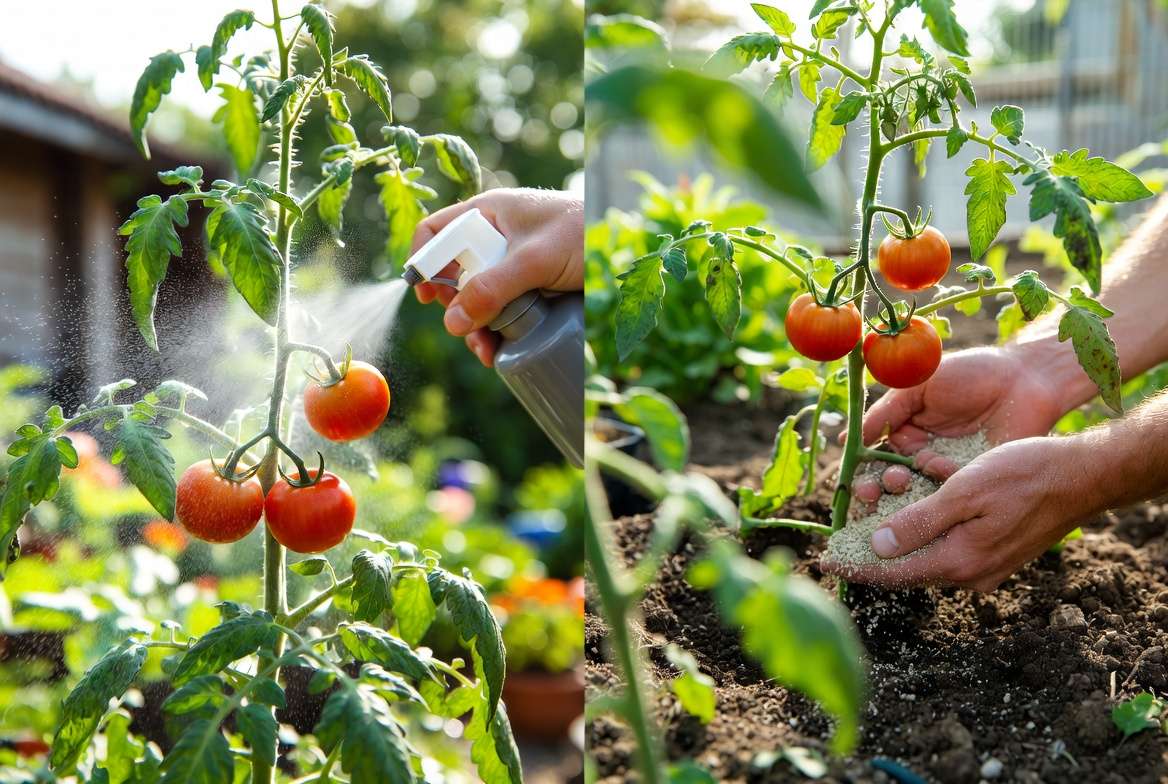
Foliar feeding excels when soil is cold (slowing root activity), alkaline (locking up iron/manganese), or when roots are compromised (transplant shock, disease). Soil feeding remains the foundation for overall plant health, building microbial life and providing sustained nutrition. The smartest approach? Combine both — healthy soil as the base, foliar sprays for rapid boosts.
Many university extension services note that while some marketing claims exaggerate foliar benefits (e.g., “20x more effective”), real-world value appears in specific scenarios like correcting deficiencies or supporting crops under stress. Always base decisions on observation and, ideally, soil or tissue tests.
Key Benefits of Foliar Feeding for Plants and Trees 🌟
Rapid Correction of Nutrient Deficiencies
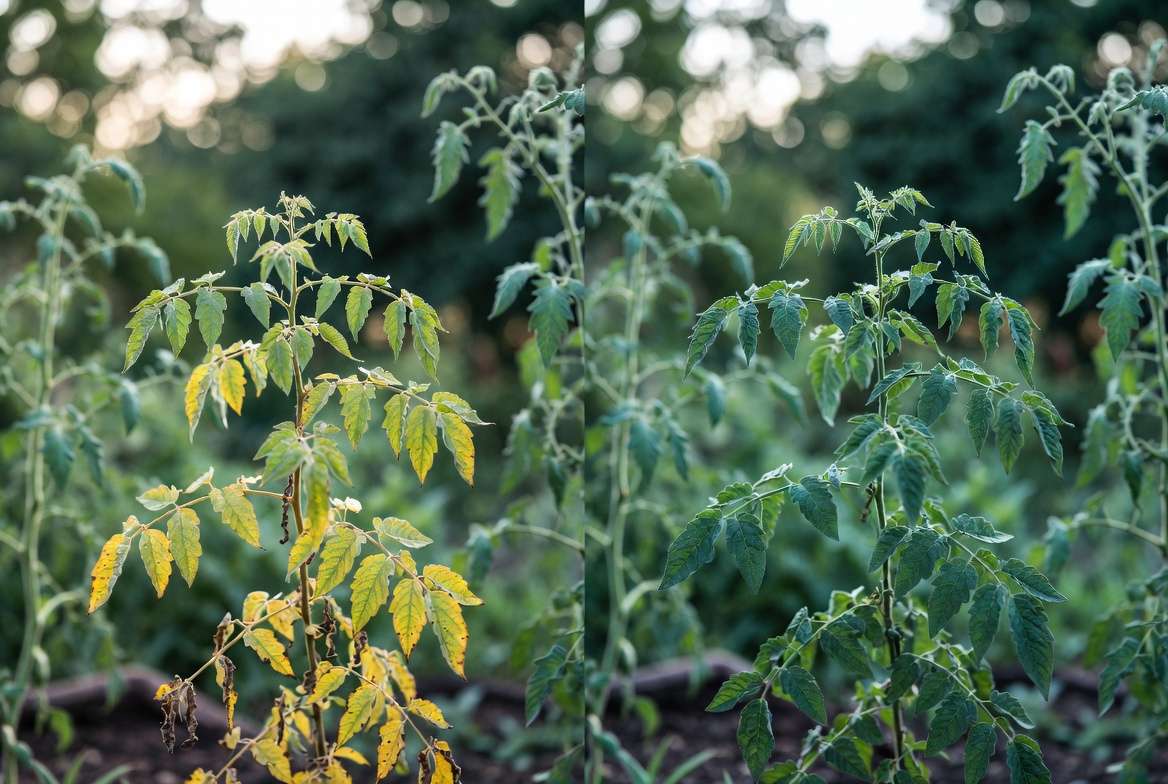
One of the biggest foliar feeding benefits is speed. Visible symptoms like interveinal chlorosis (yellow leaves with green veins — often iron or magnesium deficiency) can improve within days of a properly timed spray. Chelated forms of micronutrients (iron, zinc, manganese) are particularly effective because they stay available for absorption.
In fruit trees and vegetables, foliar applications have helped correct calcium-related issues (like blossom end rot in tomatoes) or boron deficiencies affecting fruit set.
Faster, Healthier Growth and Higher Yields
Foliar sprays can enhance photosynthesis by supplying magnesium (central to chlorophyll) and other elements quickly. Studies on melons, almonds, and other crops show improvements in fruit quality, size, and yield when foliar micronutrients or amino acids are added alongside soil programs. Increases of 10–25% in certain quality parameters have been reported in targeted trials.
For home gardeners, this translates to lusher foliage, more flowers, and bigger harvests — all while using smaller amounts of product.
Improved Stress Resistance
Plants facing drought, heat, cold, or transplant stress benefit greatly. Foliar feeding can help maintain turgor and support recovery by delivering nutrients when roots struggle to uptake them. Some biostimulants (seaweed extracts, humic/fulvic acids) sprayed on leaves also boost natural defenses against pests and diseases by strengthening cell walls.
Urban trees with compacted soil or container plants often respond dramatically to foliar applications during stressful seasons.
Environmental and Efficiency Advantages
Foliar feeding reduces the risk of nutrient leaching into groundwater compared to heavy soil applications. It’s especially useful for micronutrients that are needed in tiny quantities — you apply only what the plant needs directly where it’s needed. This makes it cost-effective and more eco-friendly when used judiciously.
Bonus Benefits for Specific Plants
- Vegetables: Faster recovery from nutrient lockout, better fruit set.
- Fruit Trees: Improved bloom, fruit quality, and storage life.
- Houseplants: Quick greening and vigor without overwatering soil.
- Lawns and Ornamentals: Enhanced color and resilience.
In my experience, combining foliar sprays with good cultural practices consistently yields healthier, more productive plants than either method alone.
(Word count so far: ~1,050)
Essential Foliar Feeding Techniques: Step-by-Step Guide 🛠️
Choosing the Right Foliar Fertilizers
Select products based on your plants’ needs:
- Organic Options: Seaweed/kelp extracts (rich in trace minerals, hormones, and biostimulants), compost tea, fish emulsion, or diluted worm castings tea. These are gentle and feed beneficial leaf microbes too.
- Synthetic/Chelated: Targeted micronutrient mixes (e.g., chelated iron for chlorosis). Look for formulations designed for foliar use.
- DIY Recipes: Simple and effective — e.g., 1–2 tbsp kelp meal steeped in water, or Epsom salts (magnesium sulfate) at 1 tbsp per gallon for magnesium boost. Always test on a small area first.
Avoid high-salt or incompatible mixes that can burn leaves.
Best Timing and Frequency
Timing is critical for success:
- Apply in early morning or late afternoon/evening when temperatures are cooler (<75–80°F / 24–27°C) and stomata are more likely to be open or absorption conditions favorable. Avoid midday sun and hot, dry, or windy days.
- Never spray just before heavy rain, which would wash off the solution.
- Frequency: Every 7–14 days during active growth. Reduce in dormant seasons or when plants show no stress. For trees, focus on key stages like pre-bloom or fruit set.
Application Methods and Equipment
- Tools: Handheld pump sprayer, backpack sprayer, or hose-end for larger areas. Fine mist setting is best.
- Technique: Spray both upper and (especially) lower leaf surfaces until just before dripping — thorough coverage matters. Add a natural surfactant (like a few drops of castile soap or yucca extract) to help the solution spread and stick.
- For tall trees, use a professional mist blower if needed, but prioritize safety.
Mixing and pH Guidelines
- Aim for a spray solution pH of roughly 5.5–6.5 (or closer to 7 for some mixes) for optimal uptake. Test with pH strips or a meter and adjust with mild acids (vinegar, citric acid) or bases if necessary.
- Use clean, preferably rainwater or dechlorinated water. Start with lower concentrations and follow label rates.
- Agitate the mixture well to prevent settling.
Proper technique prevents common issues and maximizes the foliar feeding benefits.
Advanced Tips and Expert Insights for Maximum Success 💡
Tailoring to Plant Type and Growth Stage
- Vegetative Stage: Focus on nitrogen-rich or balanced sprays for leafy growth.
- Flowering/Fruiting: Switch to phosphorus, potassium, calcium, and micronutrient blends to support blooms and fruit development.
- Trees vs. Tender Plants: Trees tolerate slightly stronger mixes; delicate houseplants or seedlings need more dilution.
Combining Foliar Feeding with Other Practices
Always pair foliar sprays with soil testing and amendments. Add biostimulants like fulvic acid or amino acids to improve uptake and plant resilience. Some gardeners integrate foliar applications with pest control (e.g., neem) for efficiency, but check compatibility.
Common Mistakes to Avoid (and How to Fix Them)
- Leaf Burn: Caused by high concentration, hot weather, or wrong timing. Solution: Dilute more, spray in shade/cool hours, and test small areas.
- Over-Reliance: Foliar feeding won’t fix underlying soil problems. Address pH, compaction, or drainage first.
- Poor Coverage or Wrong pH: Leads to disappointing results. Use a surfactant and check pH.
- Incompatible Mixes: Some nutrients precipitate; mix carefully and use fresh solutions.
Safety and Environmental Considerations
Protect beneficial insects by spraying early/late when they’re less active. Avoid drift onto non-target plants or water bodies. For edible crops, respect pre-harvest intervals on product labels. Organic options are generally safer for pollinators and the environment.
With these expert insights, you can confidently integrate foliar feeding into your plant care routine for noticeable, sustainable results.
Real-World Examples and Case Studies 🌳📈
To bring foliar feeding benefits and techniques to life, let’s look at practical examples from gardens, orchards, and landscapes. These demonstrate how targeted leaf feeding delivers faster results when soil conditions limit root uptake.
Reviving Nutrient-Deficient Citrus Trees
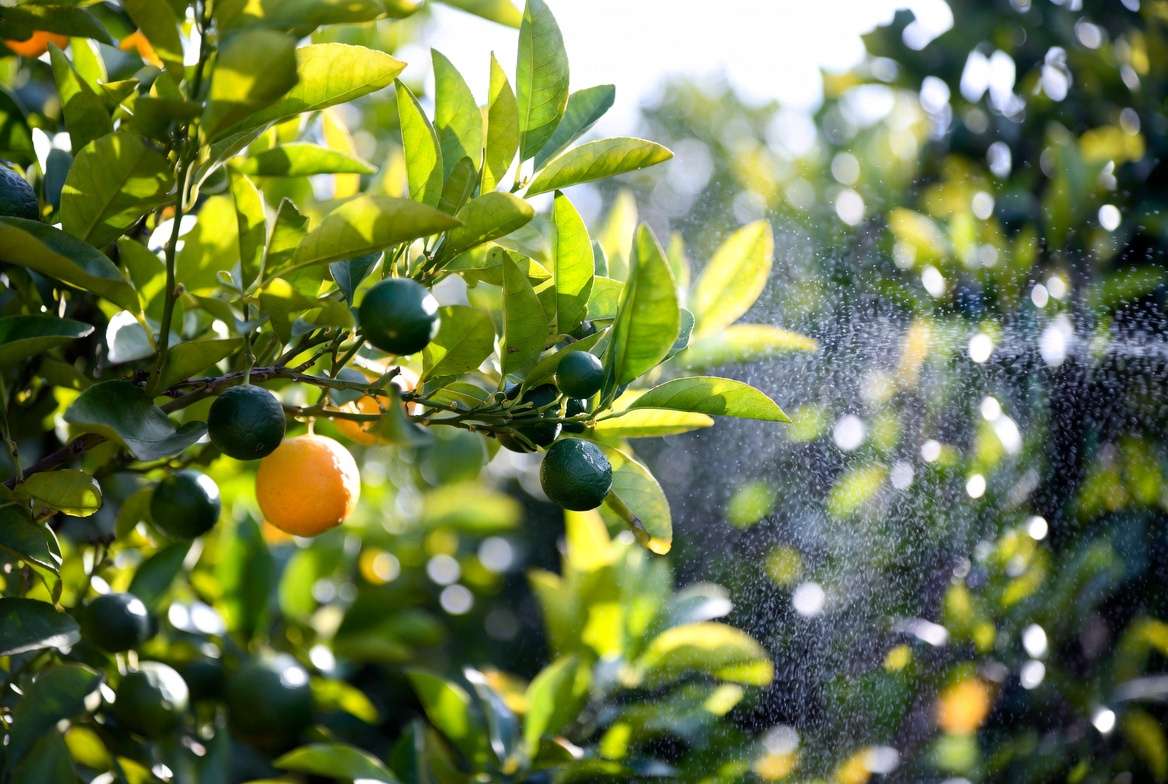
In many warm-climate regions, citrus trees struggle with iron, zinc, or magnesium deficiencies due to alkaline or compacted soils. One common scenario involves mature orange or lemon trees showing interveinal chlorosis (yellow leaves with green veins). A gardener I advised applied a chelated iron foliar spray (0.5–1% solution with a surfactant) early in the morning every 10–14 days for three applications.
Within 7–10 days, new growth emerged noticeably greener. By the end of the season, fruit set improved and leaf color normalized. This aligns with extension recommendations where foliar micronutrients correct deficiencies rapidly without altering soil pH dramatically. The key? Combining the spray with long-term soil amendments like sulfur or organic matter for sustained health.
Home Vegetable Garden Success: Tomatoes and Peppers
A home gardener dealing with blossom end rot (calcium-related) on tomatoes despite decent soil calcium levels tried a foliar spray of calcium nitrate or chelated calcium plus boron during flowering and early fruit set. Applied in the late afternoon at 1–2 tablespoons per gallon (pH adjusted to ~6.0), the plants showed reduced rot incidence and firmer fruit within two weeks.
Studies on melons and similar fruiting vegetables confirm that foliar applications of micronutrients, secondary nutrients, and amino acids improve fruit quality — including weight, firmness, total soluble solids (sweetness), and color — compared to soil-only programs. Yield and quality gains of 10–25% in certain parameters appear in targeted trials when foliar feeding supplements a solid soil base.
Urban Tree Care Example
Street-planted maples or lindens in compacted urban soil often suffer drought stress and micronutrient lockup. An arborist used a seaweed-based biostimulant foliar spray (kelp extract rich in cytokinins and trace minerals) during early spring flush and again in mid-summer. Trees exhibited better leaf retention, darker green color, and improved drought tolerance during heat waves. The foliar approach helped while root-zone improvements (mulching and aeration) took effect over time.
These examples highlight a consistent theme: foliar feeding shines as a quick-response tool for stressed or deficient plants, delivering visible boosts in days rather than weeks.
Suggested Image Placement Here: Insert a high-quality photo with alt text: “Before and after foliar feeding on chlorotic citrus leaves showing greener new growth” (Or: “Gardener applying fine mist foliar spray to tomato leaves at dusk” 🌿)
Troubleshooting Foliar Feeding Problems ❓🔧
Even with the best foliar feeding techniques, issues can arise. Here’s how to diagnose and fix common problems for reliable results.
Leaf Burn or Phytotoxicity
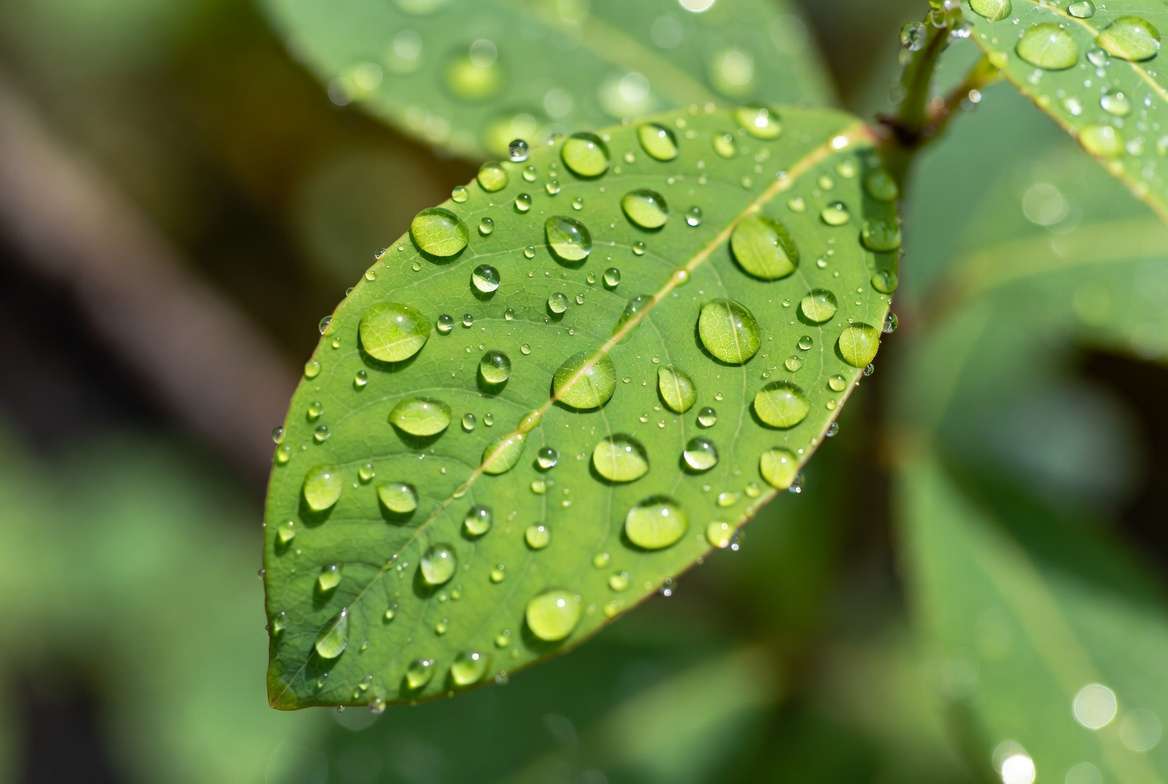
The most frequent complaint is spotting, scorching, or marginal necrosis on leaves. Causes include:
- Too-high concentration of salts or nutrients
- Application during hot, sunny, or windy conditions (droplets act like magnifying glasses)
- Wrong pH (outside 5.5–6.5 range for most mixes)
- Incompatible tank mixes that cause precipitation
Fixes and Prevention:
- Always test a small branch first and wait 24–48 hours.
- Dilute more than the label suggests when temperatures exceed 75–80°F (24–27°C).
- Spray only in early morning or late afternoon/evening on overcast or cooler days.
- Use a surfactant sparingly and ensure thorough agitation.
- Rinse leaves with plain water the next morning if burn appears mild.
Research and extension guides consistently warn that spraying under direct sun or above 85°F dramatically increases burn risk.
No Visible Results
If plants show no improvement after 1–2 applications:
- Underlying soil issue (low pH, compaction, root damage) may prevent overall recovery — address this first.
- Nutrient choice may not match the deficiency (confirm with tissue test if possible).
- Poor coverage — ensure undersides of leaves receive spray.
- Weather washed it off or stomata were closed.
Solution: Combine foliar with soil testing and amendments. Foliar feeding is a supplement, not a standalone fix.
Clumping or Uneven Spray
Caused by hard water, improper mixing, or expired products. Use rainwater or dechlorinated water, add products in the correct order (wettable powders first, then liquids), and agitate constantly.
Pest or Disease Flare-Ups
Excessive leaf wetness can encourage fungal issues. Allow foliage to dry quickly and avoid over-frequent sprays in humid conditions.
By troubleshooting proactively, you’ll maximize the benefits of foliar feeding while keeping your plants safe and thriving.
Frequently Asked Questions (FAQs) ❔
Here are answers to the most common questions about foliar feeding benefits and techniques to help you apply this method confidently.
Is foliar feeding safe for all plants? Most plants tolerate it well when diluted properly and applied at the right time. Delicate seedlings, succulents, or plants with very waxy leaves may need extra dilution. Always test first.
Can I use foliar sprays on edible crops like vegetables and fruit trees? Yes — many organic options (seaweed, compost tea, fish emulsion) are safe. Respect pre-harvest intervals on labels, and rinse produce before eating. Foliar calcium and potassium sprays are popular for tomatoes and fruiting crops.
How soon will I see results? For mobile nutrients like nitrogen or magnesium, greening or vigor can appear in 3–7 days. Micronutrient corrections (iron, zinc) often show in 7–14 days on new growth. Results vary with weather, plant health, and product quality.
Is foliar feeding better than soil fertilizers? Not better — complementary. Soil feeding builds long-term structure and microbial life. Foliar provides rapid uptake when roots are stressed or soil conditions limit availability (cold soil, high pH, compaction). The best programs use both.
What’s the best homemade foliar spray? A simple, gentle recipe: 1–2 tablespoons kelp meal or liquid seaweed per gallon of water, plus 1 teaspoon Epsom salts for magnesium. Or compost tea diluted 1:10. Add a drop of castile soap as a surfactant. Always pH test and try on one plant first.
Can foliar feeding replace soil feeding entirely? No. Leaves can only absorb limited quantities per application, and immobile nutrients stay localized. Soil remains the foundation for macronutrients and root health.
Best time for indoor vs. outdoor plants? Indoors: Just before or during lights-off (stomata open in the dark cycle). Outdoors: Early morning or late afternoon/evening. Avoid midday heat and direct sun in both cases.
Any risks for large trees? Minimal when using proper equipment and dilutions. Focus on key growth flushes (spring and early summer). Professional arborists often use mist blowers for even coverage on tall canopies.
Suggested Image Placement Here: Insert an infographic or chart with alt text: “Foliar feeding timing guide – best hours and conditions illustrated” (Or: “Common foliar spray equipment for home gardeners and tree care” 🛠️)
Conclusion: Start Boosting Your Plants Naturally Today 🌿🚀
Foliar feeding benefits and techniques offer a powerful, natural way to accelerate plant growth, correct deficiencies quickly, and build resilience against stress — all while being efficient and environmentally thoughtful. When integrated thoughtfully with healthy soil practices, it helps home gardeners, vegetable growers, and tree enthusiasts achieve lusher foliage, better yields, and happier plants in less time.
Remember the core principles:
- Use it as a supplement, not a replacement.
- Prioritize proper timing, dilution, pH, and coverage.
- Observe your plants and adjust based on real needs.
This week, try a simple seaweed or micronutrient foliar spray on a few struggling plants or trees during the cool evening hours. You’ll likely notice greener leaves and stronger growth sooner than you expect.
Have you tried foliar feeding in your garden or landscape? Share your experiences, successes, or questions in the comments below — I’d love to help refine your approach! For more plant care guidance, explore our guides on soil testing, organic amendments, and seasonal tree care.
Healthy, vibrant plants are within reach with smart, science-backed techniques like foliar feeding. Happy gardening! 🌱💚











