
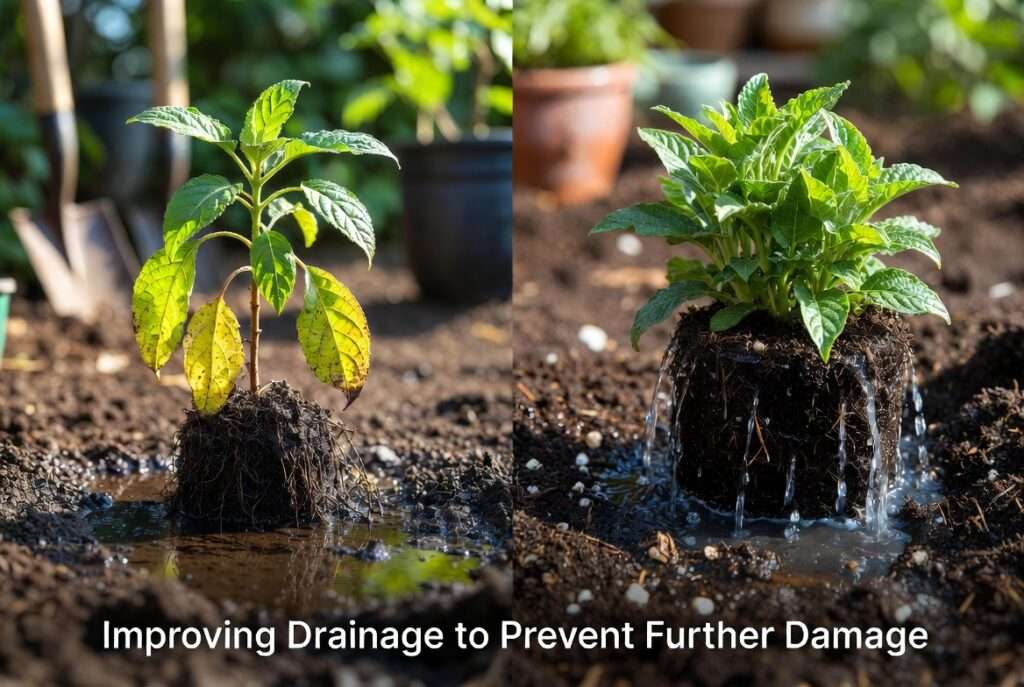
Imagine stepping into your garden after a heavy rain, only to find your once-vibrant rose bush wilting with yellow leaves, or your favorite fruit tree showing signs of branch dieback despite your careful watering routine. The hidden culprit? Poor soil drainage that’s quietly suffocating roots and inviting root rot. If you’ve ever lost a beloved plant or watched a tree decline despite your best efforts, you’re not alone. Improving drainage to prevent further damage is one of the most effective ways to rescue and protect your green companions — whether they’re in pots on your balcony or established trees in your backyard.
As a plant care specialist with years of hands-on experience helping gardeners in various climates (including heavy monsoon-prone areas like parts of Bangladesh), I’ve seen firsthand how addressing drainage issues can turn struggling plants into thriving ones. Poor drainage leads to waterlogged soil, reduced oxygen to roots, fungal diseases like Phytophthora and Pythium, nutrient deficiencies, and eventual plant death. The good news? You can take practical steps today — from simple soil amendments to more advanced fixes — to stop further damage and promote strong, resilient growth.
In this comprehensive guide, you’ll learn to diagnose problems early, understand your soil type, implement quick fixes for containers and garden beds, explore long-term solutions for severe cases, and avoid common mistakes. By the end, you’ll have expert-backed strategies to keep your plants and trees healthy for years to come. Let’s dive in and give your roots the breathing room they deserve! 💧🌱
Why Proper Drainage Is Essential for Plants and Trees 🌿
Healthy roots are the foundation of every thriving plant and tree. Roots need a balanced environment of moisture, air (oxygen), and nutrients. When drainage is poor, excess water fills soil pores, displacing oxygen and creating anaerobic conditions. This stresses roots, making them susceptible to rot and disease.
Key benefits of good drainage include:
- Stronger root systems — Roots can grow deeper and wider, improving drought tolerance and stability (especially important for trees).
- Better nutrient uptake — Oxygen-rich soil allows beneficial microbes to thrive and break down organic matter.
- Disease prevention — Reduces risk of root rot, fungal infections, and bacterial issues that thrive in soggy conditions.
- Improved plant resilience — Plants handle heat, pests, and seasonal changes better when roots aren’t drowning.
University extension services, such as those from Iowa State and Maryland, emphasize that adding organic matter like compost is one of the most reliable ways to improve soil structure and drainage without causing compaction. In clay-heavy regions, this can dramatically change plant performance.
For trees, proper drainage during planting and ongoing care prevents long-term issues like canopy thinning or sudden decline. In short, improving drainage to prevent further damage isn’t just maintenance — it’s preventive care that saves time, money, and heartbreak.
Signs of Poor Drainage — Don’t Ignore These Red Flags! 🚩
Early detection is crucial. Catching problems before they escalate can save your plants from irreversible harm.
In Garden Beds and Lawns
- Persistent puddles or standing water hours (or days) after rain.
- Soggy, mushy soil that feels spongy underfoot.
- Yellowing or wilting leaves even when the soil feels moist (plants look “overwatered” but aren’t getting enough oxygen).
- Growth of moss, algae, or mushrooms.
- Erosion, washed-out mulch, or exposed roots.
- Slow or stunted growth, patchy grass, or foul, mildew-like odors.
In Potted Plants and Containers
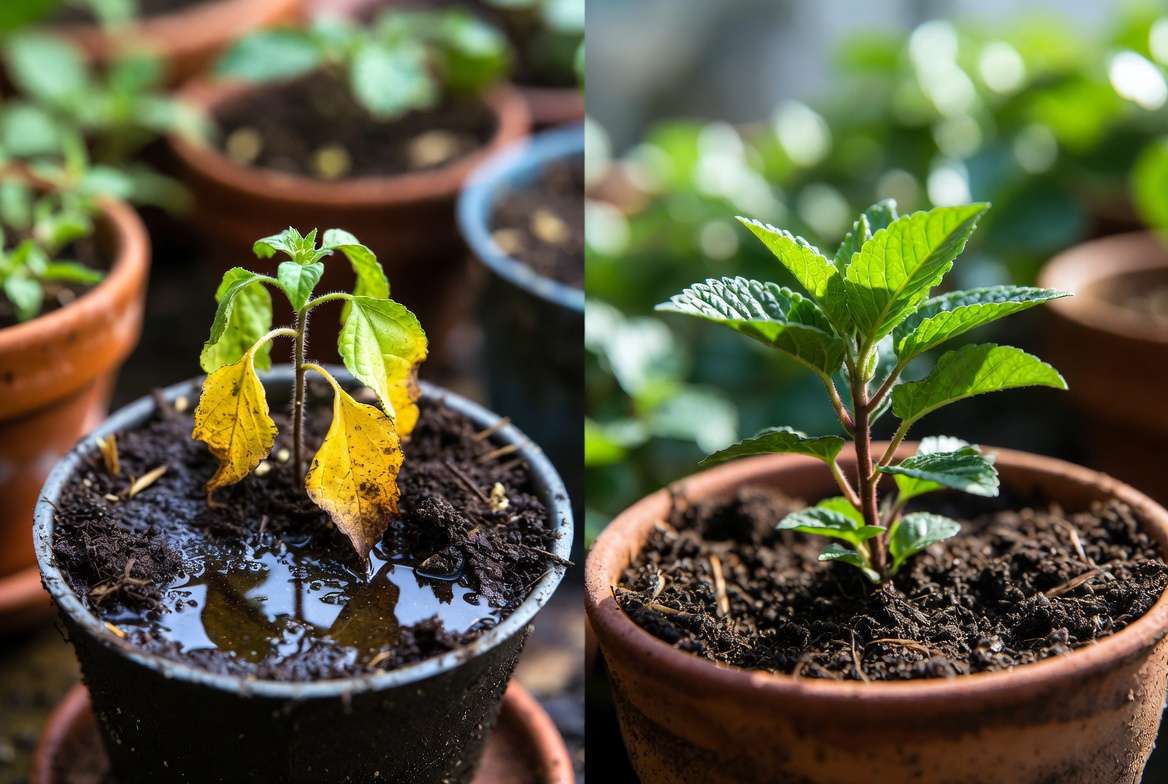
- Water pooling on the soil surface long after watering.
- Soil that stays wet for days, with slow or no drainage from bottom holes.
- Yellow lower leaves, wilting despite moist soil, or a sour/foul smell from the pot.
- Fungus gnats swarming around the base.
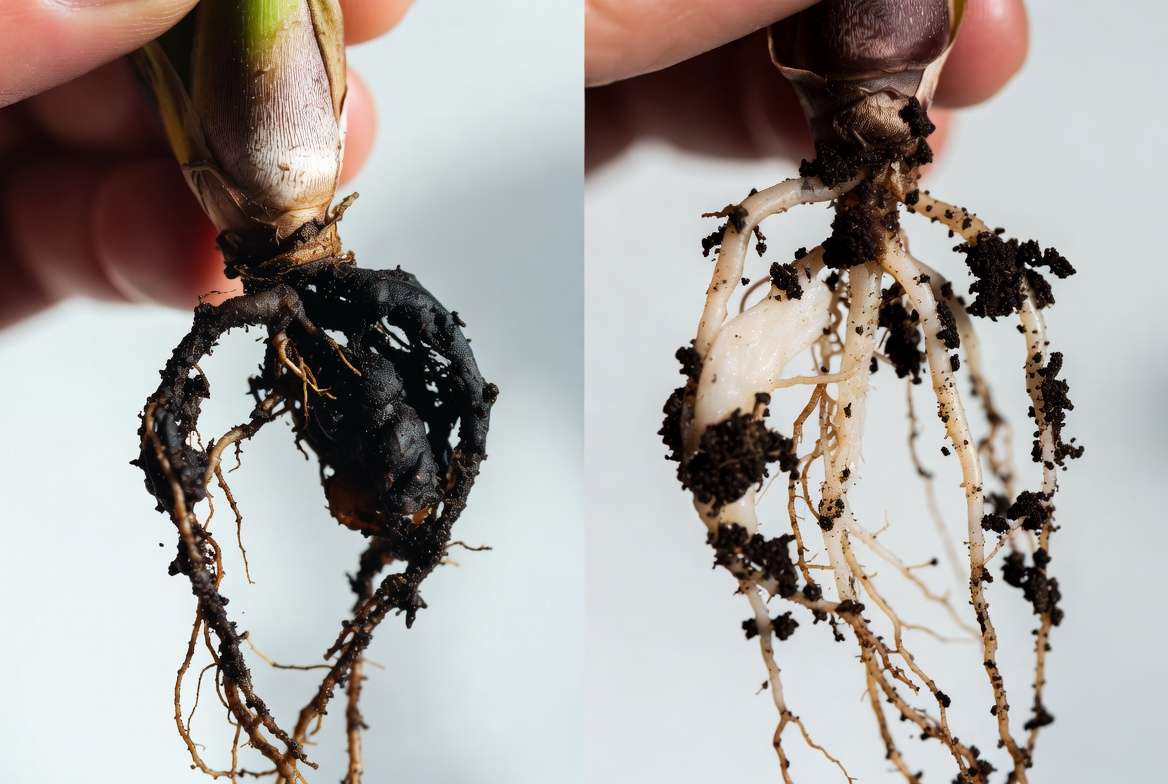
- When repotting, black, soft, or mushy roots (healthy roots are firm and white/tan).
In Established Trees and Shrubs
- Thinning canopy or premature leaf drop.
- Dieback on branches (starting from tips).
- Fungal growth or mushrooms at the base.
- Stunted new growth or leaves smaller than normal.
- In severe cases, the tree may lean or show stress during dry periods (because damaged roots can’t uptake water efficiently).
Quick Diagnostic Test: The Percolation (Perk) Test This simple home test, recommended by many extension services, helps quantify drainage:
- Dig a hole about 12 inches deep and 12 inches wide with straight sides.
- Fill it with water and let it drain completely (this saturates the soil).
- Refill the hole with water the next day.
- Measure the water level drop every hour using a ruler.
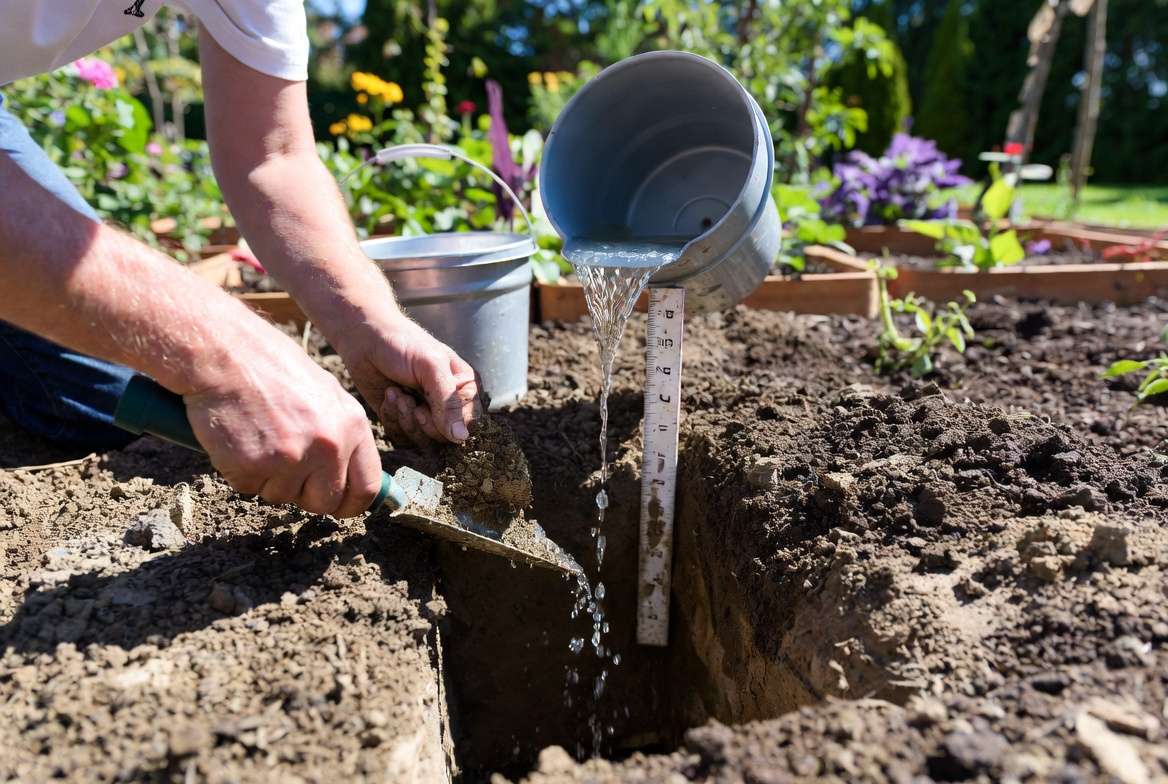
Ideal drainage is about 1–2 inches per hour. Less than ½ inch per hour indicates poor drainage needing improvement. Test multiple spots in your yard for accuracy.
Acting on these signs early is the best way to improve drainage to prevent further damage.
Understanding Your Soil Type and Its Drainage Challenges 🧪
Soil type directly affects how water moves. Knowing yours helps tailor solutions.
Clay Soils
Heavy and dense, clay particles pack tightly, holding water for long periods and limiting air. Common in many regions, including parts of South Asia. Symptoms: slow drainage, cracking when dry, compaction.
Sandy Soils
Drain too quickly, often losing nutrients and moisture before roots can use them. They may need amendments to retain balance while still providing good drainage.
Loamy or Compacted Soils
Loam is ideal (balanced sand, silt, clay), but urban or post-construction soils often become compacted, mimicking clay issues.
Home Jar Test for Soil Texture Fill a clear jar ⅓ with soil, add water to the top, shake vigorously, and let settle for 24–48 hours. Layers will form: sand at bottom, silt in middle, clay on top. This helps you understand your starting point.
Expert Tip: Never add sand alone to clay soil — it can create a concrete-like mix. Always prioritize organic matter.
Quick and Easy Ways to Improve Drainage in Pots and Containers 🪴
Container gardening is popular for balconies, patios, and indoor plants, but pots can trap water easily.
- Choose or Modify Pots Correctly — Use containers with multiple drainage holes. If your decorative pot lacks them, carefully drill holes (use a masonry bit for ceramic). Elevate pots with feet or saucers that allow water to escape.
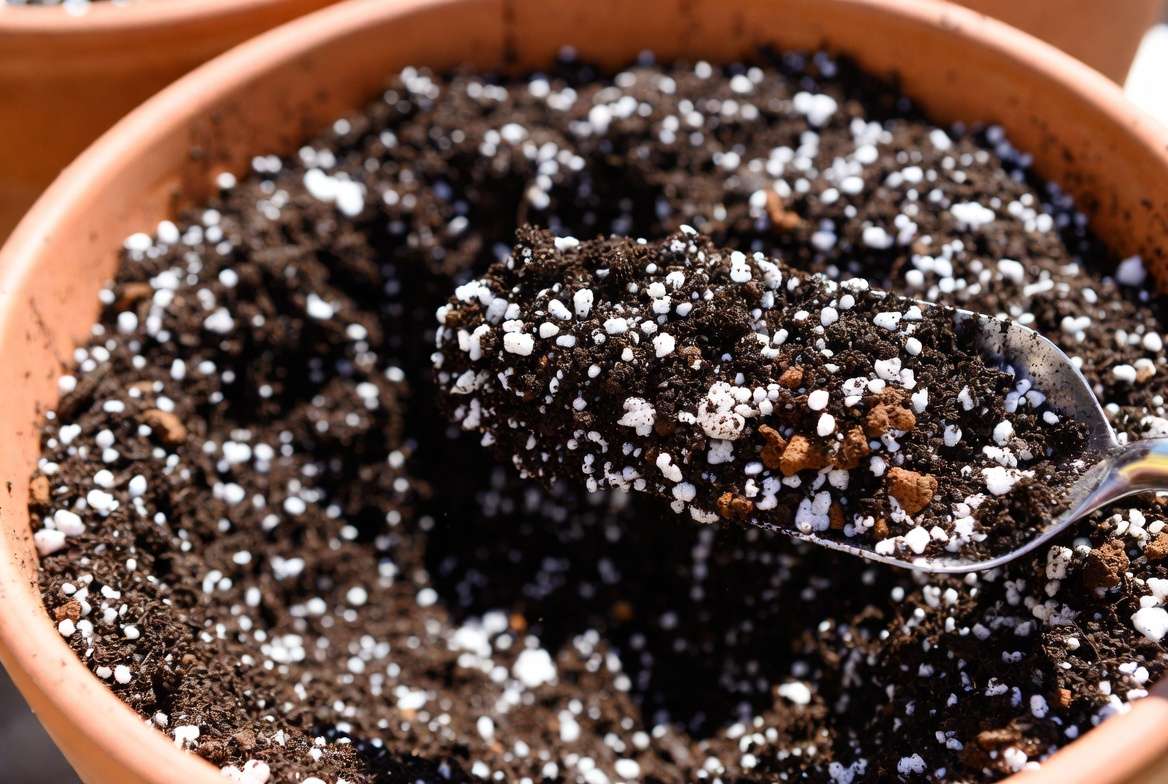
- Optimal Potting Mixes — Standard potting soil often retains too much moisture. Amend with 20–40% drainage materials:
- Perlite — Lightweight, creates air pockets, excellent for fast drainage and aeration. Ideal for succulents, cacti, and most houseplants.
- Pumice — Similar to perlite but heavier and more durable; great for larger pots or bonsai as it doesn’t float.
- Coarse orchid bark or horticultural charcoal — Adds aeration and some antimicrobial benefits.
- Avoid — A bottom layer of gravel or rocks (it often creates a “perched water table” where water sits above the rocks instead of draining).
Comparison Table: Drainage Amendments for Pots
| Material | Drainage Benefit | Weight | Best For | Notes |
|---|---|---|---|---|
| Perlite | Excellent | Very light | Succulents, houseplants | Can float; dust when dry |
| Pumice | Excellent | Medium | Bonsai, larger containers | Long-lasting, mineral-rich |
| Vermiculite | Moderate | Light | Moisture-loving plants | Holds water; not for fast drain |
| Coarse Sand | Good | Heavy | General mixes | Use builder’s sand cautiously |
Step-by-Step Repotting for Rescue
- Gently remove the plant and inspect roots — trim any rotten ones with sterilized scissors.
- Clean the pot and add fresh amended mix.
- Position the plant at the same depth, fill, and water thoroughly until it drains out the bottom.
- Place in bright indirect light and avoid fertilizing until new growth appears.
Myth Busted: Adding rocks at the bottom does not improve drainage in most cases — it can actually worsen waterlogging.
Improving Drainage in Garden Beds and Landscapes 🌱
For in-ground plantings and landscapes, improving drainage to prevent further damage often requires a combination of organic amendments, physical improvements, and smart design. This section provides the most comprehensive, long-term solutions that go beyond quick fixes.
Amending Soil Organically (The Most Recommended Long-Term Solution)
Organic matter is widely regarded by experts as the best way to improve drainage in almost any soil type, especially heavy clay. Adding compost, well-rotted manure, leaf mold, or shredded leaves helps create soil aggregates — small clumps that improve structure, increase pore space for air and water movement, and support beneficial microbes and earthworms.
How to do it effectively:
- Spread a 2–4 inch layer of high-quality compost or aged organic material over the bed surface.
- Work it gently into the top 6–12 inches using a garden fork or shovel (avoid over-tilling to preserve soil structure).
- Repeat annually or every few seasons as organic matter naturally breaks down.
- In clay soils common in many regions (including parts of Bangladesh and South Asia), this gradually transforms dense, water-holding soil into a more friable, well-aerated medium.
Benefits include better water infiltration, reduced compaction, improved nutrient availability, and enhanced root growth. Cover the soil with mulch afterward to protect the amendments and prevent erosion.
Pro Tip: Use no-till or minimal-disturbance methods where possible. Frequent tilling can break down soil aggregates and worsen long-term drainage.
Inorganic Amendments for Faster or Specific Results
While organic matter is primary, certain inorganic options can provide targeted help:
- Gypsum (calcium sulfate): Especially useful for sodic or compacted clay soils. It helps flocculate (clump) clay particles, improving structure and drainage without changing pH significantly.
- Coarse builder’s sand or pumice: Can be mixed in moderation, but never add fine sand alone to clay (it can create a concrete-like texture). Use with organic matter for best results.
- Perlite or horticultural grit: Better suited for smaller beds or raised areas.
Always test a small area first and combine with organics for balanced results.
Physical Fixes and Raised Beds
- Aeration and double-digging: Use a garden fork to poke holes or gently loosen compacted layers without turning the soil completely.
- Raised beds: One of the most effective solutions for persistently poor drainage. Build beds 8–12 inches (or higher) above ground level using untreated wood, stone, or metal. Fill with a custom mix of garden soil, compost, and drainage materials. Raised beds warm faster in spring, drain excellently, and make gardening easier on the back.
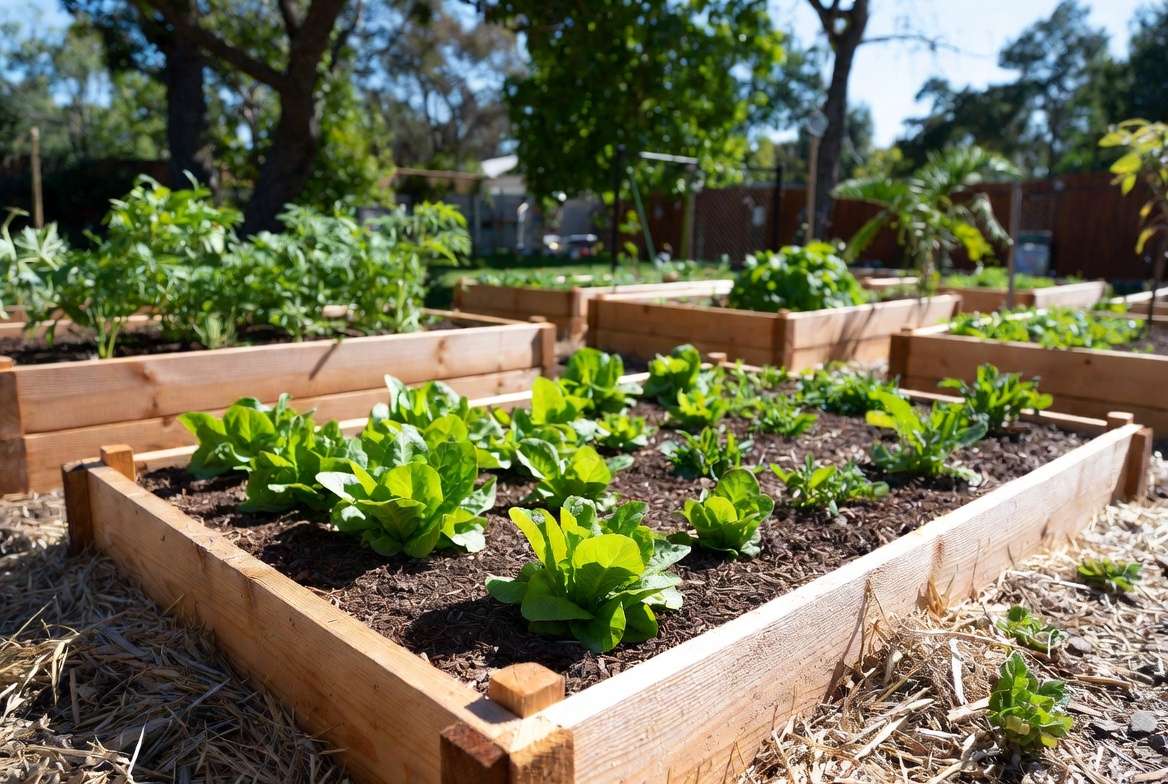
Mulching best practices: Apply 2–3 inches of organic mulch (wood chips, straw, or bark) around plants. It moderates soil temperature, reduces evaporation, suppresses weeds, and slowly adds organic matter as it decomposes — all while protecting soil structure.
Advanced Solutions for Severe Drainage Problems 🛠️
When basic amendments aren’t enough — such as in low-lying areas, heavy clay yards, or during monsoon seasons — more engineered approaches may be necessary.
French Drains and Subsurface Drainage
A French drain is a proven DIY or professional solution to redirect excess water away from plant roots.
Basic step-by-step DIY guide (always check local regulations and consider professional help for large-scale projects):
- Identify the problem area and plan the drain path with a slight slope (at least 1% grade) leading to a lower outlet point, swale, or storm drain.
- Dig a trench 12–18 inches deep and 6–12 inches wide.
- Line the trench with water-permeable landscape fabric (geotextile) to prevent silt from clogging the system.
- Add a 2–3 inch base layer of gravel or crushed stone.
- Lay perforated PVC or corrugated drain pipe (holes facing down) on the gravel.
- Surround the pipe with more gravel, then wrap the fabric over the top.
- Backfill with soil and top with sod, mulch, or ground cover.
This system collects and channels water quickly, protecting nearby plants and trees from waterlogging. For trees, consider installing vertical “dry wells” or French drains around the drip line if needed.
When to call a professional: For extensive yard issues, foundation proximity, or if you’re unsure about slope and outlet points.
Berms, Swales, and Grading
- Create gentle berms (raised mounds) or swales (shallow channels) to redirect surface water flow away from sensitive plant roots or low spots.
- Re-grade small areas to ensure water moves away from planting zones rather than pooling.
These landscape features can be beautifully integrated with rain gardens or native plants that tolerate occasional wet feet.
For Trees Specifically
Established trees are more challenging because major digging can damage roots. Options include:
- Mounding soil or creating raised planting areas around the base (without piling against the trunk).
- Installing vertical drains in planting holes during new tree installation.
- Improving surface drainage around the drip line with mulch and avoiding compaction from foot traffic or vehicles.
- In severe cases, consult a certified arborist for root collar excavation or specialized drainage systems.
Early intervention is key — once root rot sets in (indicated by thinning canopy, dieback, or mushrooms at the base), recovery is much harder.
Plant Selection and Maintenance Tips to Support Good Drainage 🌳
Prevention is always better than cure. Choose plants suited to your site’s natural conditions.
- Wet-tolerant species: For areas that stay moist longer, consider willows, river birch, bald cypress, or certain ferns and bog plants.
- Well-drained lovers: Succulents, lavender, rosemary, and many Mediterranean herbs or drought-tolerant trees prefer fast drainage.
- Research local native plants — they are often better adapted to regional soil and rainfall patterns.
Watering best practices: Water deeply but infrequently. This encourages deep root growth and allows soil to dry out between waterings, improving oxygen availability. Use the “finger test” or a moisture meter — water only when the top few inches of soil feel dry.
Ongoing care:
- Top-dress beds annually with compost.
- Monitor after heavy rains or monsoons.
- Use cover crops or green manures in vegetable/flower beds to naturally build soil structure.
- Avoid walking on wet soil to prevent compaction.
Common Mistakes to Avoid When Improving Drainage ❌
Even well-intentioned efforts can backfire:
- Adding sand alone to clay soil (creates brick-like texture).
- Using a gravel layer at the bottom of pots (creates a perched water table).
- Over-tilling or working soil when it’s wet (destroys structure and causes compaction).
- Planting in low spots without addressing grading.
- Ignoring established tree roots during major drainage work.
- Overwatering after amendments (give the soil time to adjust).
Always start small, observe results, and scale up. Safety note: Wear gloves and eye protection when handling amendments; use proper tools for digging to avoid injury.
Real-World Examples and Case Studies 🌟
Seeing real transformations helps illustrate how improving drainage to prevent further damage works in practice. Here are practical before-and-after examples drawn from common gardener experiences.
Case 1: Clay Backyard Rescue in a Monsoon-Prone Area A homeowner in a heavy clay soil region noticed persistent puddling and dying vegetable plants every rainy season. After performing the percolation test (drainage slower than ¼ inch per hour), they implemented a multi-step approach: built several raised beds filled with a 50/50 mix of native soil and compost, incorporated gypsum into the existing ground beds, and added a simple swale to redirect water. Within one growing season, tomato plants that previously yellowed and rotted at the base produced abundant fruit, and the soil felt crumbly instead of sticky. Annual compost top-dressing has kept the improvement consistent for three years now.
Case 2: Potted Fiddle Leaf Fig Recovery An indoor plant enthusiast watched their prized fiddle leaf fig develop brown spots and drop leaves despite consistent care. Upon inspection, the roots were black and mushy due to a dense, peat-heavy potting mix with inadequate drainage holes. They repotted into a fresh mix containing 30% perlite and pumice, added extra drainage holes to the decorative outer pot, and switched to watering only when the top 2 inches of soil were dry. New healthy growth appeared within 4–6 weeks, and the plant has remained vibrant since.
Case 3: Saving a Mature Mango Tree In a home orchard, a mature mango tree began showing canopy thinning and leaf yellowing after unusually heavy rains. A certified arborist identified poor surface drainage around the drip line causing root stress. The solution involved careful mulching with wood chips (kept away from the trunk), creating a gentle berm to redirect water, and avoiding any foot traffic or heavy equipment near the roots. Combined with reduced supplemental watering, the tree stabilized and produced a good harvest the following year. This case highlights that even established trees benefit greatly from surface-level drainage improvements without invasive digging.
These examples show that whether you’re dealing with container plants, garden beds, or valuable trees, targeted drainage improvements deliver noticeable results and prevent costly replacements.
FAQs About Improving Drainage to Prevent Further Damage ❓
Here are answers to the most common questions gardeners and tree owners ask when tackling drainage issues:
How long does it take for soil amendments to improve drainage? Organic amendments like compost begin showing benefits within a few weeks to months as microbes get to work, but significant, lasting improvement in heavy clay soils often takes 1–3 seasons of consistent application. Inorganic fixes (like French drains) provide faster results, sometimes immediately after installation.
Can I fix poor drainage without digging up my entire garden? Yes! Start with surface-level solutions: add compost as top-dressing, improve mulching, create berms or swales, aerate with a garden fork, or switch to raised beds in problem areas. These methods minimize disruption while delivering excellent results.
Is perlite or sand better for my succulents and cacti? Perlite is usually superior for succulents and cacti because it’s lightweight, creates excellent air pockets, and doesn’t compact over time. Coarse sand can work but is heavier and less effective at aeration. A mix of perlite and pumice often gives the best drainage and stability.
What should I do if my tree already shows signs of root rot? First, improve drainage around the tree immediately (mulch, redirect water, avoid overwatering). For mild cases, carefully expose the root collar if buried and remove severely rotten roots if accessible. In advanced cases, consult a certified arborist — they may recommend root zone treatments or soil injections. Prevention through good drainage is always easier than treatment.
How often should I test drainage in my yard? Perform the percolation test annually or after major landscaping changes. Also re-test after heavy monsoon seasons or flooding events, as soil conditions can shift over time.
Will raised beds solve drainage problems permanently? Raised beds significantly reduce drainage issues by elevating roots above poor native soil, but they still require quality fill mix and occasional top-dressing with compost to maintain performance over years.
Can over-improving drainage harm plants? Yes — extremely fast-draining soils (like pure sand) can cause plants to dry out too quickly and lose nutrients. The goal is balanced drainage: water moves through but enough moisture and nutrients remain available to roots. Always match amendments to your plant types.
Is it safe to add gypsum to vegetable gardens? Gypsum is generally safe and non-toxic for edible gardens. It improves structure in clay or sodic soils without significantly altering pH. Always follow application rates recommended on the package or by local soil test results.
Conclusion: Take Action Today to Protect Your Plants and Trees 💚
Improving drainage to prevent further damage stands as one of the smartest, most impactful steps you can take as a plant and tree caregiver. From understanding the early warning signs and testing your soil, to choosing the right amendments for pots or garden beds, implementing raised beds or French drains when needed, and selecting suitable plants — these strategies address the root cause of many common plant health problems.
Remember: healthy roots equal healthy plants. By ensuring proper oxygen flow, preventing root rot, and creating resilient growing conditions, you’ll enjoy stronger growth, more vibrant foliage, better flowering and fruiting, and greater longevity for your green investments.
Start small today — perform a simple percolation test in your garden or check the drainage holes of your potted plants. Add a layer of compost where needed, elevate a few containers, or plan a raised bed for your next planting season. Consistent, thoughtful action yields the best results over time.
Your plants and trees will thank you with lush growth and fewer problems. Have you successfully improved drainage in your garden or rescued a struggling tree? Share your experiences, tips, or before-and-after stories in the comments below — I’d love to hear how these methods worked for you!
For more expert plant care guidance, explore our related articles on soil testing, choosing the right potting mixes, and caring for trees in challenging climates. Sign up for our newsletter to receive seasonal tips directly to your inbox.
Thank you for reading. Happy gardening, and may your roots always breathe easy! 🌿🌳💧











