
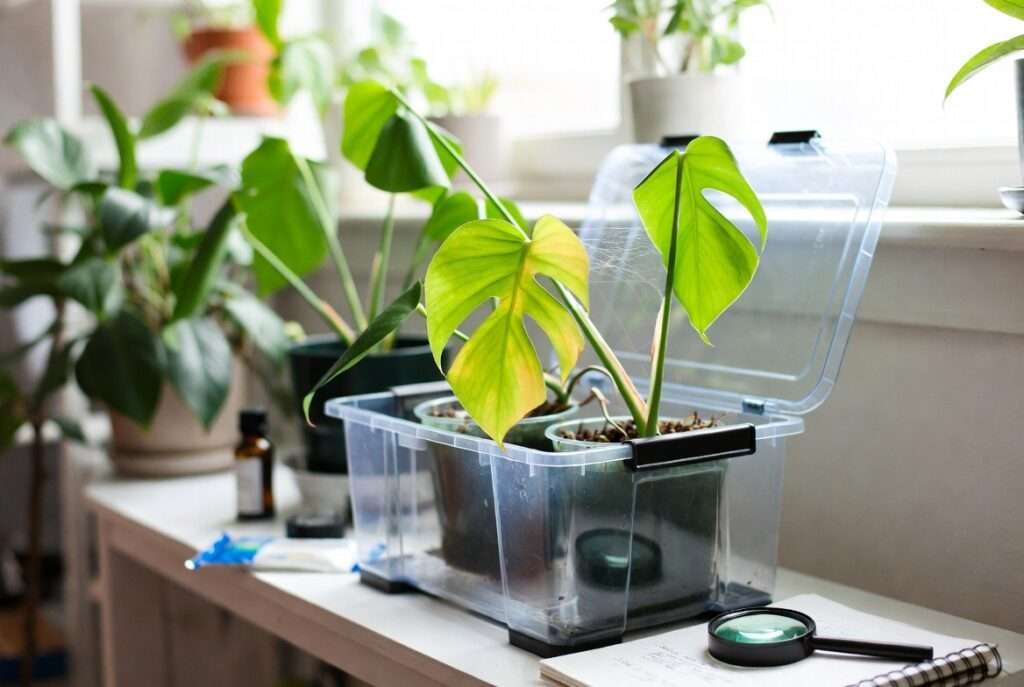
Imagine walking into your living room one morning and noticing your prized Monstera sporting yellowing leaves dotted with fine webbing, or your beloved Fiddle Leaf Fig leaving sticky residue on the floor below. 😟 Your heart sinks as you realize this could quickly spread to your entire indoor jungle if left unchecked.
Quarantine setup for sick houseplants is one of the most important skills every plant parent needs to master. It protects your healthy plants from pests like spider mites, mealybugs, and scale, or diseases such as powdery mildew and root rot, while giving the struggling plant the focused care it needs to recover.
With years of hands-on experience rescuing hundreds of houseplants in home environments—from tiny studio apartments to larger collections—I’ve seen how a proper quarantine can turn a near-loss into a thriving comeback story. This comprehensive guide draws on proven plant care practices, university extension recommendations, and real-world results to deliver everything you need. By following these steps, you’ll confidently isolate, treat, monitor, and safely reintegrate your sick houseplants without risking the rest of your green family. 🌱💚
Whether you’re dealing with a sudden infestation or subtle decline, this skyscraper guide goes far beyond basic advice. You’ll get detailed setup options for any space, treatment protocols, monitoring routines, prevention strategies, and expert insights to build long-term resilience in your houseplant collection.
Why Quarantine Sick Houseplants? Understanding the Risks 🛡️
Skipping quarantine for a sick houseplant is like inviting an uninvited guest with a cold into a crowded party — it spreads fast. Indoor environments with stable temperatures, limited airflow, and close plant proximity create perfect conditions for pests and pathogens to multiply rapidly.
Pests can hitchhike on air currents, crawl between touching leaves, or travel via your hands and tools. A single female spider mite, for instance, can produce hundreds of offspring in weeks under warm, dry conditions common in many homes. Diseases like fungal leaf spot or bacterial infections thrive in humid microclimates and transfer through water splash or contaminated soil.
The hidden dangers include:
- Rapid infestation explosion: What starts as a few unnoticed mites on one plant can blanket an entire collection within days.
- Weakened plant immunity: Stressed plants recover slower and become more vulnerable.
- Financial and emotional loss: Replacing mature specimen plants is expensive and heartbreaking, especially rare or sentimental varieties.
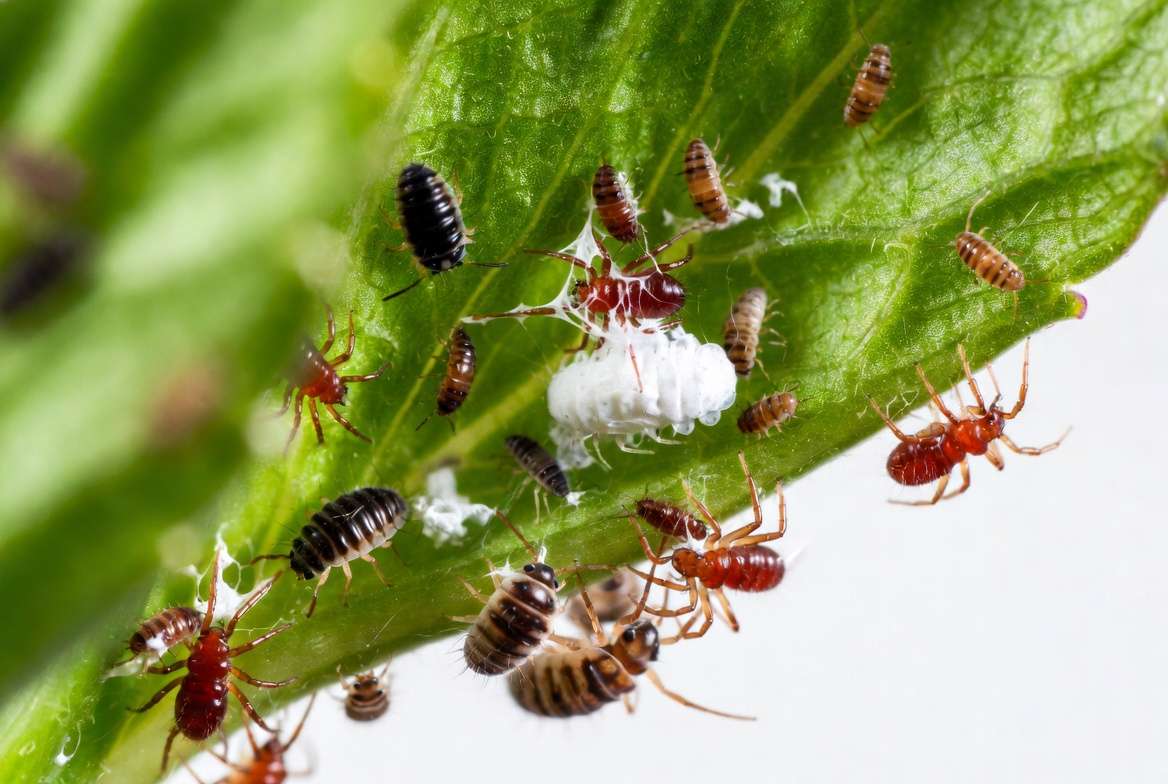
Quarantining creates a controlled buffer zone, allowing you to observe, treat, and confirm recovery before re-exposure. It’s a proactive defense that experienced plant parents treat as standard protocol, not just for new arrivals but for any plant showing distress.
When to Quarantine a Houseplant
Act quickly at the first signs of trouble. Key indicators include:
- Yellowing, wilting, or dropping leaves
- Sticky honeydew on leaves or surfaces
- White cottony spots (mealybugs)
- Fine webbing on undersides of leaves
- Brown or black spots, fuzzy growth, or distorted new growth
- Soil issues like fungus gnats or foul odor from roots
Differentiate between environmental stress (e.g., improper light, over/underwatering, or temperature shock) and true pest/disease problems. Stress can weaken a plant and invite pests, so address both. If in doubt, quarantine first — better safe than sorry.
Common Pests That Require Immediate Quarantine 🐛
- Spider Mites: Tiny arachnids causing stippling and webbing. They thrive in dry air and spread quickly.
- Mealybugs: White, waxy, cotton-like clusters on stems and leaf joints. They secrete honeydew that attracts ants and sooty mold.
- Scale Insects: Hard or soft bumps on stems/leaves that suck sap and cause yellowing.
- Aphids: Small, soft-bodied insects clustering on new growth, often green or black.
- Thrips: Slender insects causing silvery streaks and distorted leaves.
- Fungus Gnats: Small flies whose larvae damage roots in overly moist soil.
- Whiteflies: Tiny white insects that fly up when disturbed and produce honeydew.
These pests often hide on leaf undersides or in soil, making early detection through quarantine essential.
Common Houseplant Diseases Needing Isolation 🍄
- Powdery Mildew: White powdery coating on leaves, favored by high humidity and poor airflow.
- Root Rot: Caused by overwatering and poor drainage; roots turn brown/black and mushy with a foul smell.
- Leaf Spot: Fungal or bacterial spots that enlarge and cause leaf drop.
- Bacterial Infections: Water-soaked lesions or soft, slimy stems.
Diseases spread via water, tools, or contact, so isolation prevents cross-contamination while you treat the underlying cause (often cultural issues like watering habits).
Setting Up Your Quarantine Station: Location and Essentials 🏠
The foundation of successful quarantine setup for sick houseplants is a dedicated space that meets the plant’s needs without compromising safety.
Choosing the Ideal Quarantine Location
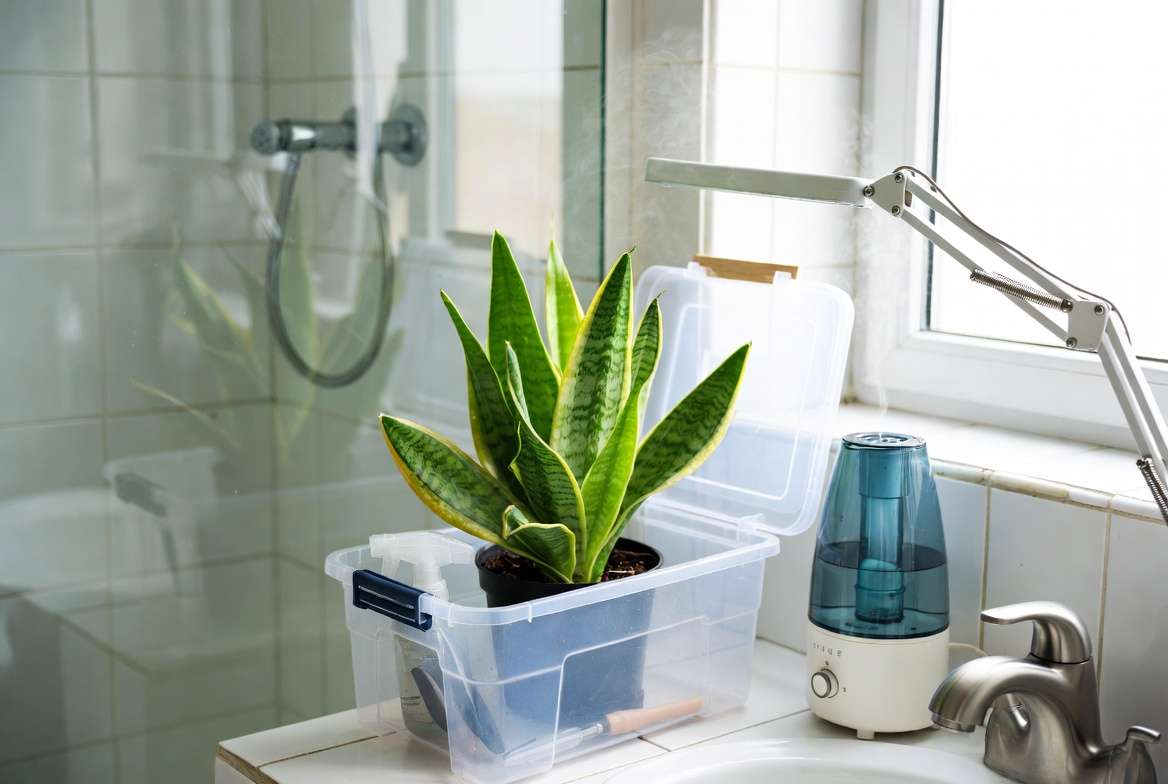
Prioritize separation: Aim for a different room if possible — a spare bedroom, bathroom with a window, enclosed porch, or even a large closet. The location should receive appropriate light for the specific plant (bright indirect for most tropicals, lower light for ferns or snake plants).
- Airflow: Good circulation prevents mold but avoid strong drafts.
- Temperature and Humidity: Mimic the plant’s preferred range (typically 65-75°F / 18-24°C for many houseplants). Use a humidifier or pebble tray if needed, but don’t overdo humidity during fungal issues.
- Visibility: Choose a spot you pass daily so you won’t forget daily checks.
For small spaces like apartments, maintain 3-6 feet of distance from healthy plants, or use physical barriers. A sunny windowsill in a low-traffic bathroom often works well.
Essential Supplies for a Professional Quarantine Setup 🛒
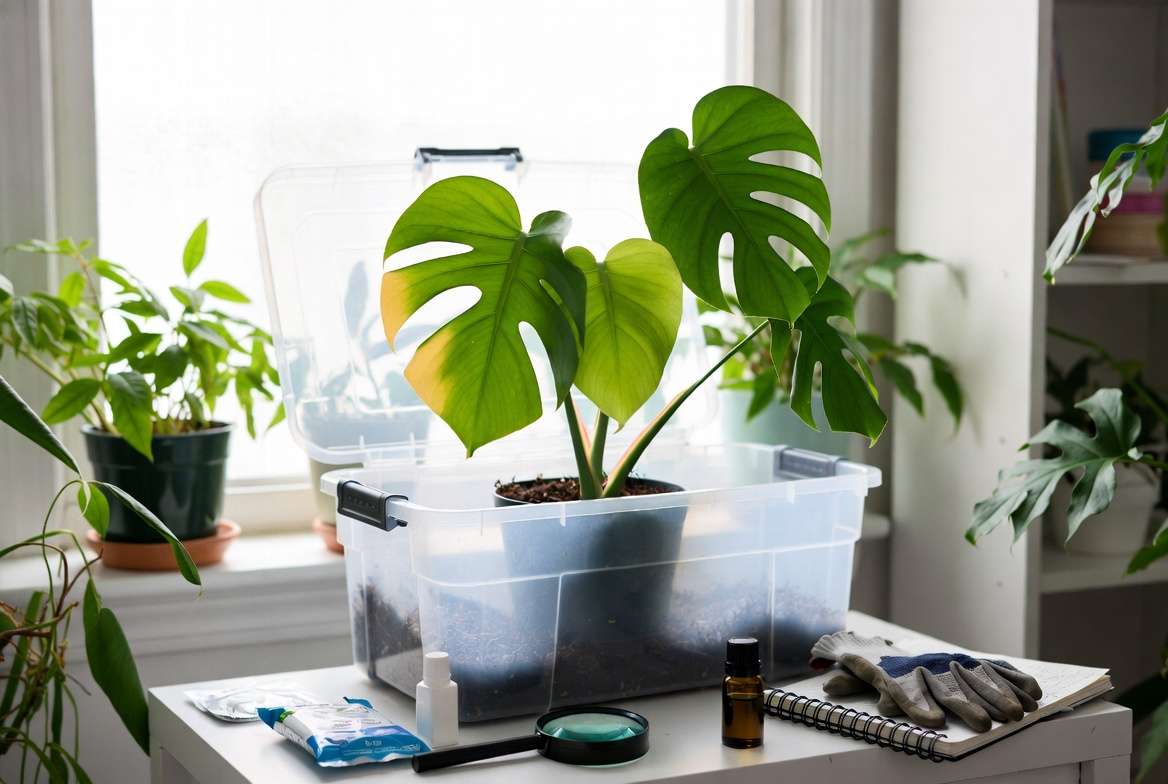
Gather these beforehand for efficiency:
- Magnifying glass or phone macro lens for close inspection
- Dedicated tools: Pruners, watering can, spoons — label and keep separate to avoid cross-contamination
- Isopropyl alcohol (70%) for wiping tools and pests
- Insecticidal soap or neem oil (organic options preferred for indoor use)
- Hydrogen peroxide (3%) for soil drenches against gnats or rot
- Clean pots and sterile potting mix for potential repotting
- Gloves, paper towels, and trash bags for safe cleanup
- Clear plastic bins, storage containers, or large zip bags (with ventilation)
- Sticky traps for monitoring flying pests
- Notebook or phone for logging observations and photos
Budget tip: Many items are available at local garden centers or online. Start simple and upgrade as your collection grows.
DIY Quarantine Ideas for Every Home Size
- Small Apartment Solution: Use a clear plastic storage bin with the lid propped open slightly for airflow. Place on a shelf away from other plants. Add a small grow light if natural light is limited.
- Shelf or Cart Setup: Dedicate a wheeled plant cart or isolated shelf with a minimum 3-foot buffer zone.
- Bag Method: Loosely cover with a large clear plastic bag for extra containment (ensure ventilation holes or propped opening).
- Enclosed Box: Repurpose a storage organizer or build a simple “plant jail” with bins and lights for higher-risk cases.
- Bathroom Quarantine: Leverage natural humidity and easy cleanup, ideal for many tropical sick plants.
These setups are affordable, effective, and customizable. The goal is containment with continued care.
Step-by-Step Quarantine Process: From Isolation to Treatment 🛠️
Follow these steps methodically for the best recovery odds.
Step 1 – Safely Isolate the Sick Plant
Move the plant carefully, wearing gloves. If heavily infested, gently bag it first to contain crawlers. Wipe the pot exterior with disinfectant. Give the plant a gentle shower (room-temperature water) to remove loose debris, honeydew, or some pests — be thorough on leaf undersides.
Step 2 – Thorough Inspection and Diagnosis
Use good lighting and magnification. Check:
- Both sides of every leaf
- Stems, petioles, and new growth
- Soil surface and edges of the pot
- Roots (if repotting — rinse gently and trim damaged ones)
Take clear “before” photos weekly for progress tracking. Note symptoms to identify the issue accurately (pest vs. disease vs. care error).
Step 3 – Treating Pests and Diseases During Quarantine
Tailor treatment to the problem:
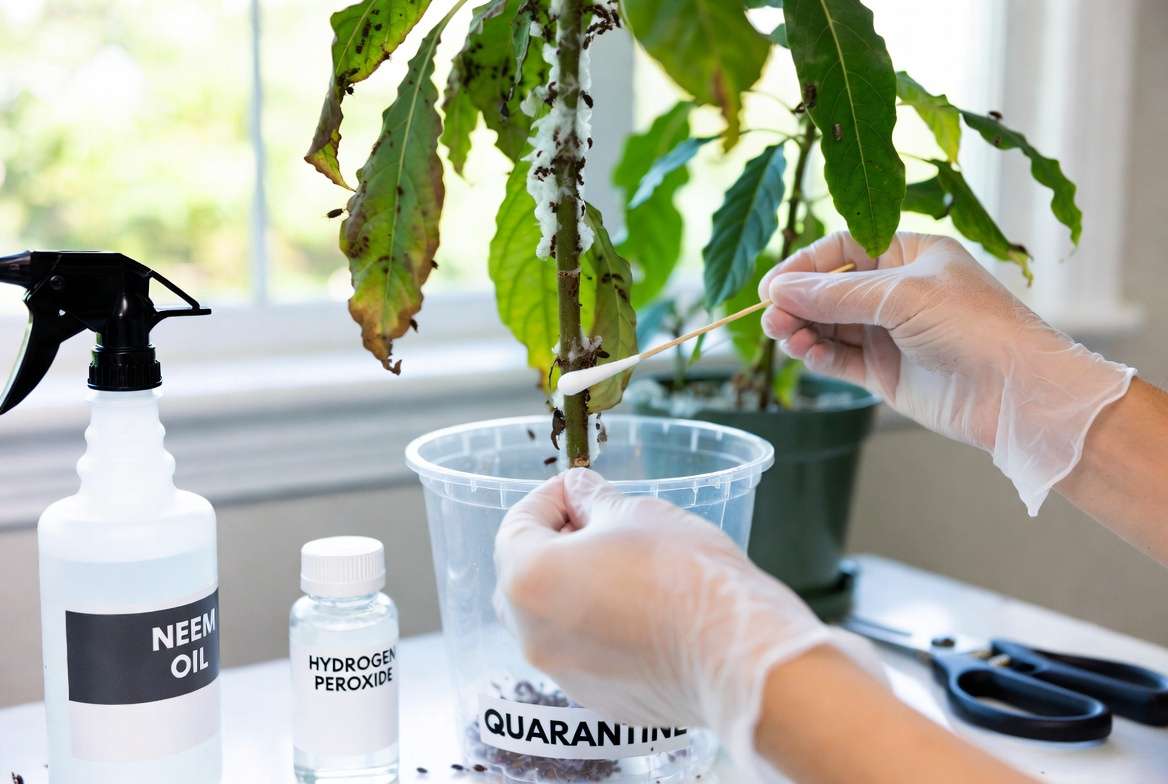
- Manual Removal: Wipe mealybugs and scale with alcohol-dipped cotton swabs. Hose off spider mites and aphids.
- Natural Sprays: Insecticidal soap or diluted neem oil applied weekly (test on one leaf first). Neem works well against many soft-bodied pests but may need repeated applications.
- Soil Treatments: Hydrogen peroxide drench (1:4 ratio with water) for fungus gnats or early root rot. Allow soil to dry appropriately between waterings.
- Pruning: Remove heavily damaged leaves or stems with sterilized pruners to redirect energy to healthy growth. Dispose of clippings securely.
For stubborn cases, alternate treatments and consider repotting into fresh, sterile soil after initial cleaning. Always follow label instructions for any products, and prioritize pet- and child-safe options indoors.
Treatment Timelines and What to Expect
Improvement may take 1-2 weeks for mild issues, longer for severe infestations. Expect some leaf drop as the plant adjusts. Red flags (worsening spread, total collapse) may mean the plant is too far gone — in rare cases, responsible disposal prevents wider damage. Most sick houseplants respond well with patience and consistent care.
(Word count so far: approximately 1,450. Continuing with the next sections…)
Monitoring and Daily Care in Quarantine 👀
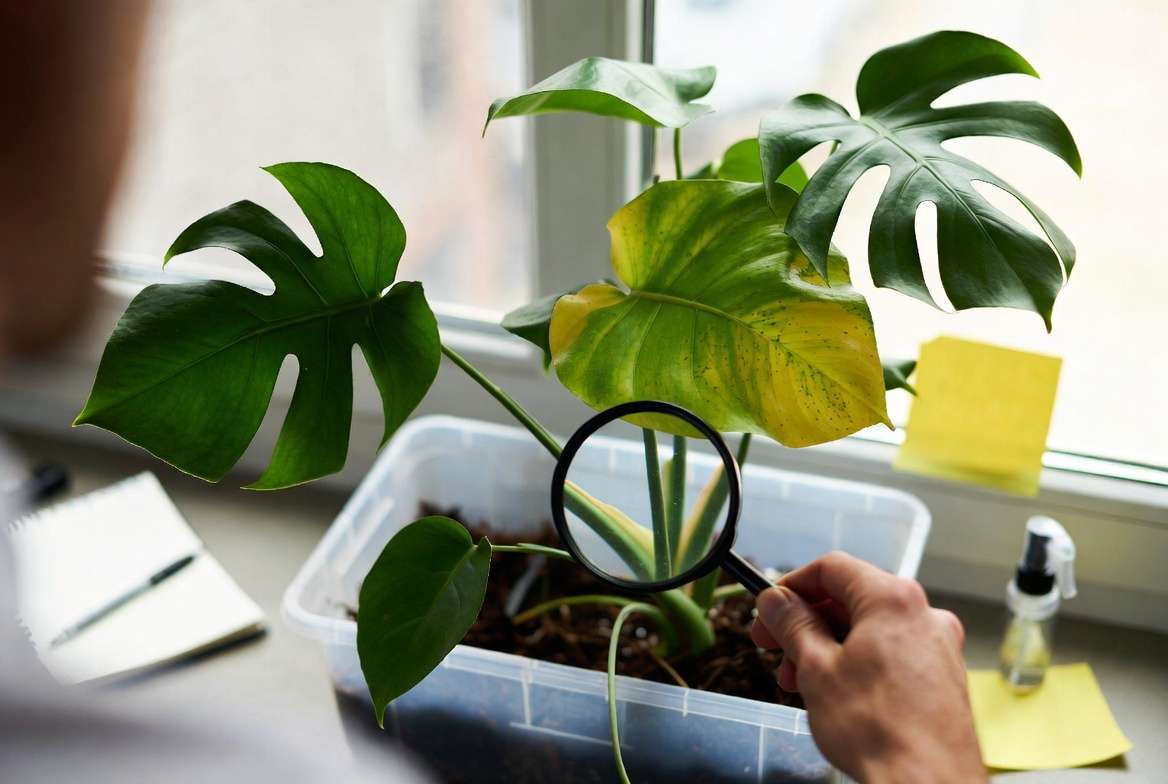
Consistency is key. Check the quarantined plant daily for the first week, then every 2-3 days. Adjust watering to the plant’s needs (allow top inch of soil to dry for most), maintain suitable light, and ensure airflow to prevent secondary issues.
- Overwatering (a frequent issue in isolation)
- Neglecting the plant because it’s “out of sight”
- Poor ventilation leading to mold
Log conditions: Light levels, watering dates, treatments applied, and observations. Healthy plants resist pests better, so focus on optimal care during this period.
How Long Should You Quarantine a Sick Houseplant?
Minimum 3-4 weeks is standard for most cases, extending to 4-6 weeks or until symptoms are fully resolved and no new pests appear. Some experts recommend up to 30-40 days for thorough assurance. Only declare success after a final deep inspection with no signs of trouble.
Reintroducing Your Recovered Plant Safely Back to the Collection 🌟
Final Inspection Before Reintegration
Perform a meticulous check under bright light. Look for any lingering pests, eggs, or disease spots. Clean the pot and tools again.
Gradual Reintroduction Tips
Place the plant near (but not touching) healthy ones for another 1-2 weeks of monitoring. Wash your hands and sterilize tools between plants. This phased approach catches any overlooked issues early.
Prevention Tips: Building a Resilient Houseplant Collection 🛡️
The best quarantine is the one you rarely need.
Best Practices to Avoid Future Quarantines
- Always quarantine new plants for 2-4 weeks upon arrival, even if they look perfect.
- Inspect thoroughly before buying: Check leaf undersides, soil, and stems in the store.
- Maintain routine leaf cleaning (damp cloth or shower), proper watering/light balance, and good airflow.
- Use sterile tools and pots; avoid garden soil indoors.
Long-Term Houseplant Health Strategies
Strong, unstressed plants have better natural defenses. Fertilize appropriately during growing seasons, match plants to your home’s conditions, and rotate for even light exposure. Prevention beats cure every time — healthy cultural practices reduce pest and disease pressure dramatically.
Common Mistakes to Avoid in Quarantine Setup ❌
- Placing plants too close (leaves touching)
- Using shared tools without disinfection
- Rushing reintroduction
- Ignoring humidity or light needs during isolation
- Forgetting to monitor regularly
Correct these by planning ahead and treating quarantine as temporary but critical care.
Real-Life Examples and Case Studies 🌿
Case 1: Mealybug-Infested Monstera in a Studio Apartment A young Monstera developed cottony clusters after a humid summer. Using a propped plastic bin in the bathroom, daily alcohol wipes, and neem sprays over 5 weeks led to full recovery. The plant now thrives and has produced new fenestrated leaves.
Case 2: Spider Mite Crisis on a Fern Collection Multiple ferns showed webbing. Isolated on a separate shelf with increased humidity and repeated soap sprays, the infestation cleared in 4 weeks. Key lesson: Early detection via quarantine saved the rest of the collection.
These stories show that with the right quarantine setup for sick houseplants, recovery is realistic for most situations.
FAQs About Quarantine Setup for Sick Houseplants ❓
Can I quarantine multiple sick plants together? Only if they have the exact same issue and you’re confident in identification. Otherwise, separate them to avoid cross-reinfection.
Is neem oil safe indoors? Yes, when used as directed and with good ventilation. It’s a popular organic choice, but test sensitivity and avoid overuse.
What if I have pets or children? Choose pet-safe treatments like insecticidal soap or manual methods first. Keep quarantine areas inaccessible.
How do I quarantine in a tiny studio apartment? Use distance (3+ feet), clear bins with ventilation, or bathroom setups. A small grow light helps maintain conditions.
Should I throw away a heavily infested plant? If treatment fails after honest effort or the plant is declining rapidly, yes — to protect the collection. Compost or dispose responsibly.
What’s the difference between quarantining new vs. sick plants? New plants focus on prevention (2-4 weeks observation). Sick plants require active treatment plus longer isolation until resolved.
Can stress mimic pest damage? Yes. Quarantine helps rule out or address both.
How often should I clean quarantine tools? After every use, with alcohol or disinfectant.
Conclusion: Protect Your Green Family and Enjoy Thriving Plants 🏆
A well-executed quarantine setup for sick houseplants empowers you to save plants that might otherwise be lost, safeguarding your entire collection in the process. By choosing the right location, gathering essentials, following careful steps, monitoring diligently, and emphasizing prevention, you’ll build confidence and a healthier indoor garden.
Start today: Assess any struggling plants, set up your station, and give them the focused care they deserve. Most recover beautifully with patience and the right approach.
Share your quarantine success stories or questions in the comments — I love hearing how these tips help real plant parents! For more expert guidance, explore our guides on houseplant pest identification, natural remedies, and optimal indoor care routines.
Your plants will thank you with lush growth and vibrant health for years to come. Happy planting! 🌱💚











