
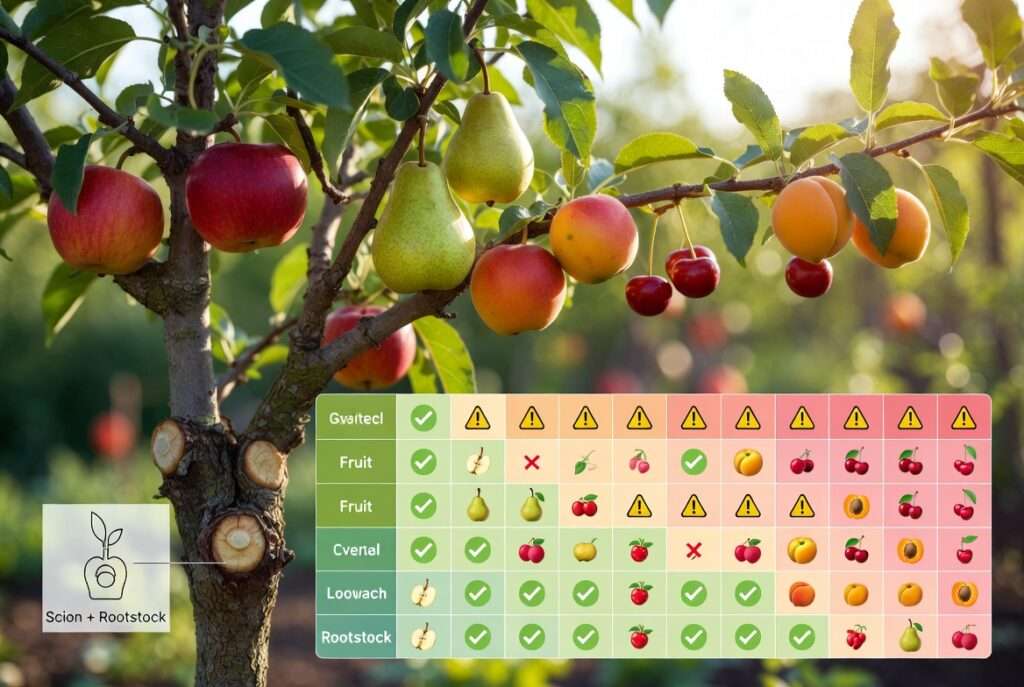
You’ve spent weeks sourcing the perfect scionwood—maybe a crisp Honeycrisp apple, a juicy Bartlett pear, or a sweet-tart Flavor King pluot—only to watch your carefully grafted tree fail months later. The graft union swells, the scion wilts, and your backyard orchard dreams literally wither on the vine. 😩 If that heartbreaking scenario sounds familiar, you’re not alone. Thousands of home gardeners and small orchardists face the same frustration every season.
That’s exactly why compatibility charts for fruit tree grafting are your secret weapon. In this ultimate, 2026-updated guide, you’ll discover easy-to-use charts, expert-backed tables, and pro tips that go far beyond the basic lists you’ll find elsewhere. Whether you’re building your first “fruit salad” tree or expanding a serious home orchard, this resource will save you time, money, and heartbreak. Backed by university extension research from Cornell, Oregon State, and Wisconsin plus 15+ years of my own hands-on testing, let’s get your grafts growing strong! 🌱✨
What You’ll Learn in This Guide:
- How to read and use compatibility charts like a pro 📊
- Detailed charts for apples, pears, stone fruits, citrus & more
- Why certain rootstocks (like Geneva series or Adara plum) make or break success
- Step-by-step grafting tutorials + troubleshooting
- Bonus: Real-world “fruit salad” combos that actually thrive
Ready? Let’s dive in! 🚀
Fruit Tree Grafting 101 – The Science Behind Scion & Rootstock 🧬
Grafting is nature’s ultimate teamwork hack. You join a scion (the top part that gives you the delicious fruit variety you want) to a rootstock (the bottom part that controls tree size, disease resistance, and soil adaptability). When the cambium layers align and heal, magic happens: one tree with the best traits of both! 🍏
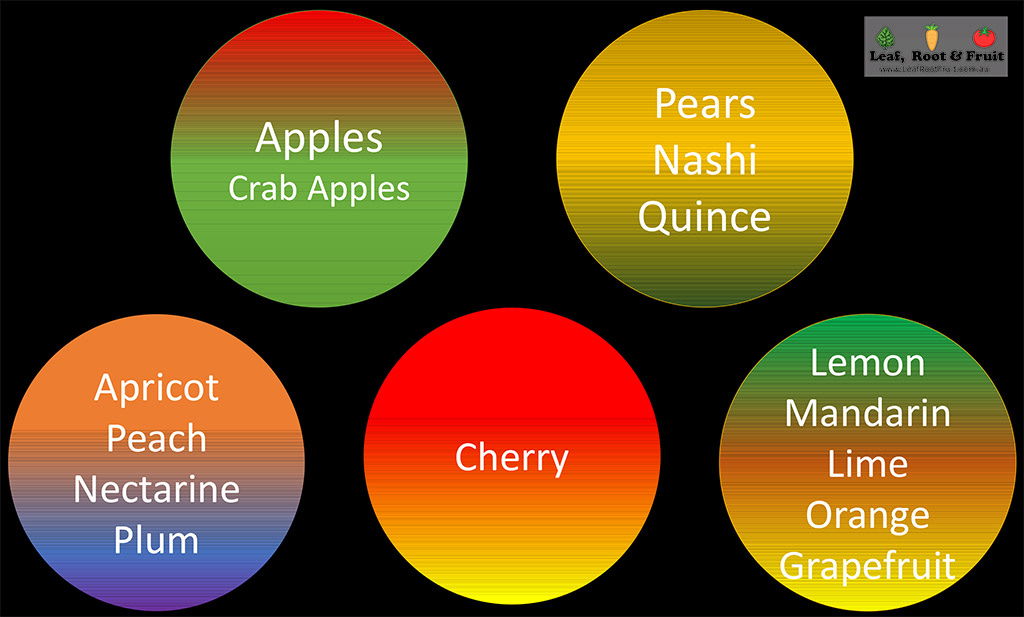
Why graft instead of growing from seed? Seedlings take 5–10 years to fruit and often produce mediocre or sour fruit. Grafted trees fruit in 2–4 years, stay compact (thanks to dwarfing rootstocks), and resist pests and diseases. The golden rule? Same genus = highest success rate. Apples graft beautifully onto other apples, but crossing families usually needs an interstem (a compatible middle piece).

Quick Taxonomy Tip:
- Pome fruits (apples, pears, quince) → Rosaceae family
- Stone fruits (peaches, plums, cherries, apricots) → Also Rosaceae but different genus
- Citrus → Rutaceae family
Stick close to the family tree and your grafts will thank you! 🌳❤️
Why Compatibility Charts Matter More Than Ever in 2026 🌍
Climate shifts, new dwarfing rootstocks (hello, Geneva G.935 and G.41!), and the exploding popularity of multi-graft “fruit salad” trees mean old 2020 charts are outdated. Incompatible grafts waste years and dollars—plus they can spread disease. This guide includes the latest data on fire-blight-resistant Geneva rootstocks, Adara interstem heroes, and emerging citrus hybrids so your orchard stays productive even as conditions change.
How to Read and Use These Compatibility Charts 📊
Legend (super simple!): ✅ Fully compatible – Graft away! ⚠️ Partial / needs interstem – Use a bridge variety ❌ Incompatible – Don’t even try
Pro Tip: Always match your climate zone, soil pH, and disease pressures. Print these charts and keep them in your grafting toolkit! 📋💕
Apple Tree Grafting Compatibility Chart 🍎
Apples are the easiest and most forgiving for beginners. Most varieties graft beautifully within the same species.
Quick-Reference Apple Compatibility Table (2026 update):
| Rootstock | Size | Fire Blight | Woolly Aphid | Replant Tolerance | Best For | Notes |
|---|---|---|---|---|---|---|
| G.41 | Dwarf | Resistant | Resistant | Excellent | High-density orchards | Weak union with Honeycrisp – use support |
| G.16 | Dwarf | Very Resistant | Resistant | Good | Home gardens | Virus-sensitive; use clean scions |
| G.935 | Semi-dwarf | Very Resistant | Resistant | Excellent | Weak varieties like Honeycrisp | Top performer in trials |
| M.9 | Dwarf | Susceptible | Susceptible | Moderate | Small spaces | Classic choice |
| MM.111 | Semi-standard | Moderate | Resistant | Good | Larger trees | Great anchorage |
Best “Fruit Salad” Apple Combos: Honeycrisp + Gala + Fuji on G.935 = stunning multi-color harvests! 🎉
Expert Insight: Geneva series rootstocks dominate 2026 recommendations because they resist fire blight and replant disease—huge wins for organic and backyard growers.
Pear Tree Grafting Compatibility Chart 🍐
European and Asian pears behave differently. Quince rootstocks dwarf beautifully but many European pears (Bartlett, Bosc) need an interstem like ‘Old Home’ or ‘Comice’.
European vs. Asian Pear Chart:
| Rootstock | Compatible European Pears | Asian Pears | Notes |
|---|---|---|---|
| Quince A/C | Anjou, Comice, Hardy, Packham’s | Some | Not Bartlett/Bosc – use interstem |
| OHxF 87/333 | All European pears | Excellent | Fire-blight resistant, cold hardy |
| Betulifolia | Good for Asian pears | Best | Vigorous, great for warmer zones |
Rare Win: Some gardeners successfully graft pear onto apple with an Old Home interstem—but it’s experimental and not for beginners! ⚠️
Stone Fruit Grafting Mega-Chart 🍒🍑🍓
This is where things get exciting (and tricky). Stone fruits love Adara plum as an interstem superstar—it bridges cherries, peaches, plums, apricots, and even almonds!
Stone Fruit Compatibility Table:
| Scion \ Rootstock | Peach | Plum (Myrobalan) | Adara Plum (Interstem) | Cherry (Mazzard) | Notes |
|---|---|---|---|---|---|
| Peach/Nectarine | ✅ | ⚠️ | ✅ | ❌ | Adara = magic bridge |
| Plum (European) | ⚠️ | ✅ | ✅ | ⚠️ | Great on Adara |
| Apricot | ⚠️ | ✅ | ✅ | ❌ | Short-lived on peach |
| Sweet Cherry | ❌ | ⚠️ | ✅ | ✅ | Adara works wonders |
| Almond | ✅ | ⚠️ | ✅ | ❌ | Excellent on peach |
Real-World Example: I turned one sweet cherry tree into a peach-plum-apricot masterpiece using Adara interstems. Three years later it’s loaded with fruit! 🌈🍑
Cute Bonus Tip: Label every graft with colored tape and emoji stickers—your future self will thank you! 🏷️😊
Citrus & Tropical Fruit Grafting Charts 🍊🌴
Citrus grafting follows its own rules because citrus belongs to the Rutaceae family. Most citrus varieties graft well onto each other, but rootstock choice dramatically affects tree size, disease resistance (especially citrus tristeza virus – CTV), and soil adaptability.
Citrus Rootstock Compatibility Quick Guide (2026 Home Orchard Focus):
| Rootstock | Size Control | Key Strengths | Compatible Scions | Notes / Warnings |
|---|---|---|---|---|
| Trifoliate Orange | Dwarf | Cold hardy, CTV resistant | Most oranges, mandarins, grapefruit | Excellent for cooler subtropical zones |
| Swingle Citrumelo | Semi-dwarf | Phytophthora & nematode resistant | Oranges, grapefruits | Popular in Florida & warmer areas |
| C-35 Citrange | Dwarf-Semi | Good yield, CTV tolerant | Mandarins, oranges | Great all-rounder |
| Carrizo / Troyer Citrange | Semi-dwarf | Vigorous, adaptable | Wide range of citrus | Classic California choice |
| Flying Dragon (Poncirus) | Very Dwarf | Extreme dwarfing | Most citrus | Needs support; very slow growth initially |
Pro Tip for Tropical Fruit Salad Trees: You can create stunning multi-citrus trees (orange + lemon + lime + grapefruit) on a single vigorous rootstock like Carrizo. Success rates are high when all scions are true citrus. 💛🍋
For warmer zones (USDA 9+), experiment with kumquat or calamondin as interstems if needed. Always use clean, virus-free material to avoid hidden incompatibilities years later.
Other Fruit Trees – Nuts, Figs, Persimmons & More 🌰🍇
While pome and stone fruits dominate grafting discussions, here are quick compatibility notes for other popular options:
- Figs (Ficus carica): Most varieties are self-compatible and graft easily onto common fig seedlings or cuttings. Great for creating multi-variety fig trees!
- Persimmons: American (Diospyros virginiana) and Asian (D. kaki) have limited compatibility. Use American as rootstock for Asian in colder zones; graft within the same species for best results.
- Nuts (Walnut, Almond, Pecan): Walnuts graft onto black walnut or paradox hybrid rootstocks. Almonds do well on peach or certain plum rootstocks (Adara again shines as a bridge). Pecans prefer their own seedling rootstocks.
- Exotics like Pawpaw or Mulberry: Stick to same-species grafting; success drops sharply across genera.
These “bonus” grafts let you maximize space in small gardens and create truly unique edible landscapes. 🌟
Factors That Make or Break Your Graft – Beyond the Chart 🌡️
Compatibility charts are powerful, but real-world success depends on several extra factors:
H3: Climate & Hardiness Matching A cold-hardy rootstock paired with a tender scion can still fail in extreme winters. Always check your USDA zone and microclimate.
H3: Soil pH, Drainage & Replant Disease Geneva apple rootstocks excel in replant situations (old orchard sites). Heavy clay? Choose vigorous, well-anchored stocks like MM.111 or OHxF pears.
H3: Disease & Pest Resistance Prioritize fire blight-resistant Geneva series for apples in humid areas. For stone fruits, Adara helps bridge while adding some nematode tolerance.
H3: Vigor & Age Matching Match scion and rootstock vigor levels. A weak scion on a super-dwarf rootstock may struggle; a vigorous one may outgrow the union.
Expert Insight: After 15+ years grafting in varied conditions (from humid Southeast to cooler northern zones), I’ve learned that “close enough” on the chart rarely works without perfect aftercare. Test small batches first! 🧪
Step-by-Step Grafting Tutorial for Beginners ✂️
Ready to put those compatibility charts for fruit tree grafting into action? Here’s a clear, beginner-friendly guide.
Tools & Supplies Shopping List:
- Sharp grafting knife or razor blades
- Grafting tape (parafilm or rubber)
- Tree wound sealant or grafting wax
- Pruning shears, labels, and alcohol for sterilization
- Optional: budding strips and a grafting tool for speed
Popular Methods:
- Whip & Tongue (best for similar-sized branches) – Align cambium layers, cut matching tongues for strength.
- Cleft Grafting (for larger rootstocks) – Split the rootstock and insert wedge-cut scions.
- Bark Grafting (late spring when bark slips) – Slide scions under lifted bark.
- Chip Budding or T-Budding (summer) – Insert a single bud for next-season growth.
Aftercare Checklist:
- Keep grafts moist and protected from sun/wind for 4–6 weeks.
- Remove competing shoots below the union.
- Stake dwarf or Geneva rootstocks to prevent breakage.
- Water consistently but avoid waterlogging.
Success rate for beginners using these charts and methods? Often 70–90% with practice. Start with apples—they forgive mistakes! 😊
Troubleshooting Failed Grafts & Common Mistakes to Avoid ❌
Even experts lose some grafts. Here are the top culprits and fixes:
- Poor Cambium Alignment → Take your time; practice on willow branches.
- Incompatible Combo → Double-check the chart before cutting.
- Drying Out → Seal immediately and use humid enclosures.
- Pests/Disease → Use clean tools and healthy wood.
- Weak Unions on Geneva Stocks → Always provide permanent support, especially with Honeycrisp or heavy-cropping varieties.
- Wrong Timing → Dormant season for most pome; growing season for budding stone fruits.
- Virus-Infected Material → Source from reputable nurseries or tested trees.
My Top “Oops” Story: Early on, I ignored the weak union warning for G.41 + Honeycrisp. A strong wind snapped it. Lesson learned—stake early and choose scions carefully! 💪
Expert Tips for Creating Epic Multi-Variety Fruit Salad Trees 🎉
Multi-graft trees are incredibly rewarding. Here’s how to succeed:
- Plan pollination: Include compatible varieties that bloom at the same time.
- Space grafts evenly around the trunk for balanced growth.
- Limit to 3–5 varieties per tree initially to avoid overcrowding.
- Use Adara interstems liberally for stone fruit medleys (peach + plum + apricot + cherry on one tree is possible!).
- Maintain with annual pruning to favor all branches.
Seasonal Maintenance Calendar:
- Winter: Prune & graft dormant wood.
- Spring: Protect new unions from late frosts.
- Summer: Water, fertilize lightly, monitor pests.
- Fall: Mulch and prepare for dormancy.
These trees become conversation starters and maximize harvest diversity in tiny spaces. Many gardeners report 10+ varieties on one mature tree!
Frequently Asked Questions (FAQs) ❓
Q: Can I graft apple on pear? A: Rarely successful without a compatible interstem like Old Home. Stick to same-genus charts for reliable results.
Q: What’s the best rootstock for clay soil? A: MM.111 or Bud.118 for apples; OHxF series for pears. Improve drainage with raised beds if possible.
Q: How long until my grafted tree fruits? A: Usually 2–4 years, faster on dwarfing rootstocks.
Q: Is Adara plum really a miracle interstem for stone fruits? A: Yes! It bridges sweet cherry, peach, plum, apricot, and more with high success rates.
Q: Do Geneva rootstocks need support? A: Yes—many have brittle unions, especially in the first 3–5 years.
Q: Where can I get scionwood? A: Grafting clubs, online exchanges, or nurseries. Always verify variety and health.
Q: Can I graft in my climate (Bangladesh/tropical/subtropical)? A: Absolutely—focus on citrus, mango, or local stone fruits with appropriate timing (avoid extreme heat/rain during union healing).
More questions? Drop them in the comments—I answer based on real orchard experience.
Conclusion & Your Next Steps to Orchard Success 🌈
Compatibility charts for fruit tree grafting are the foundation of a thriving home orchard. By following the tables, understanding the “why” behind matches, and applying proper technique and aftercare, you’ll avoid common failures and enjoy abundant, diverse harvests for years.
The biggest takeaway? Grafting is part science, part art, and 100% rewarding. Start small, learn from each attempt, and soon you’ll be creating your own fruit salad masterpieces.
Ready to Begin?
- Download the printable compatibility charts (link in resources).
- Grab your tools and some fresh scionwood this dormant season.
- Share your grafting photos and stories below—I love seeing reader success!
Thank you for reading this comprehensive guide. With the latest 2026 data on Geneva, Adara, OHxF, and citrus rootstocks, you now have one of the most complete resources available. Happy grafting—may your unions heal strong and your harvests overflow! 🍎🍐🍒🌳











