
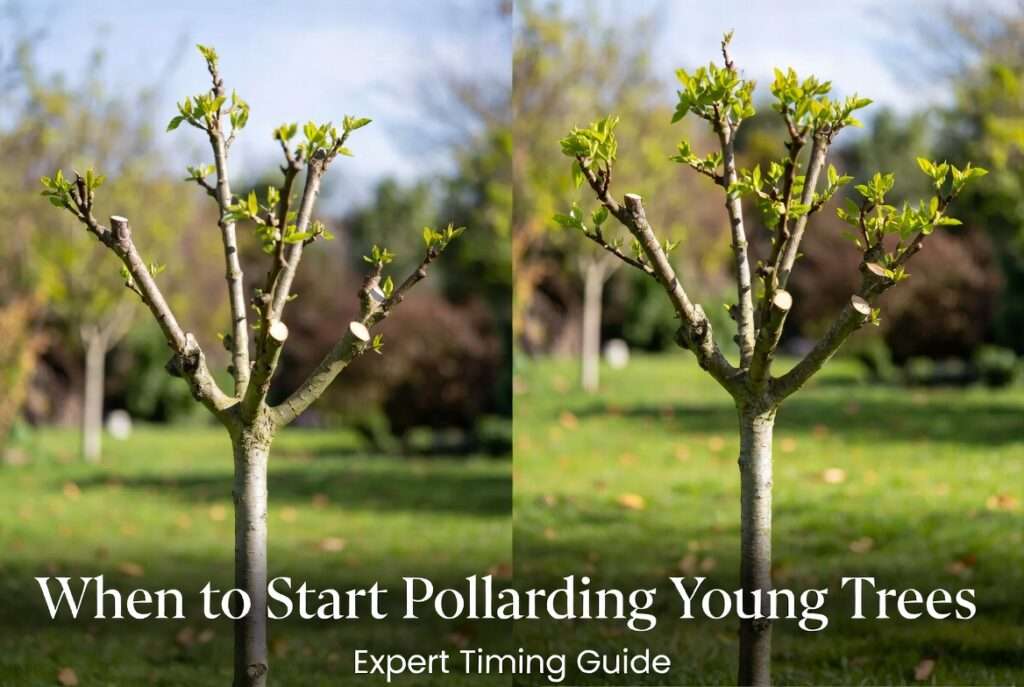
Your beautiful young oak, willow, or London plane is growing faster than you expected — its branches are now brushing the roof, casting too much shade on your veggie patch, or even threatening power lines. You want to keep it healthy and compact without harming it… but you’re worried about timing. When to start pollarding young trees is the exact question thousands of gardeners ask every spring.
Pollarding done at the right moment transforms a fast-growing youngster into a long-lived, manageable beauty that stays in bounds for decades. Do it too early or too late, and you risk weak regrowth, disease, or even permanent damage.
In this comprehensive expert guide, you’ll discover the precise age, size, and season to begin pollarding young trees for vigorous, healthy growth. We’ll cover step-by-step instructions, species-specific advice, common mistakes (and how to avoid them), plus aftercare secrets that most online articles skip. Whether you’re a first-time homeowner or an enthusiastic gardener, this skyscraper guide solves your timing dilemma once and for all — so your young trees thrive for generations.
Ready to give your trees the perfect head start? Let’s dive in! 🌱✨
What Is Pollarding — And Why It’s Perfect for Young Trees 🪴
Pollarding is an ancient pruning technique where the upper branches of a tree are cut back to the same point every few years, creating a “knuckle” or pollard head. New shoots then sprout vigorously from these points, keeping the tree’s overall size under control while encouraging fresh, healthy foliage.
Unlike topping (which hacks branches randomly and often harms the tree), pollarding follows a precise method that respects the tree’s natural healing ability. It’s especially brilliant for young trees because they heal faster, form strong knuckles quicker, and respond with explosive regrowth.
H3: Pollarding vs Coppicing vs Topping (Quick Comparison Table)
| Technique | What It Does | Best For | Impact on Young Trees |
|---|---|---|---|
| Pollarding | Cuts all branches back to trunk/head | Size control in gardens & streets | Builds strong structure early ✅ |
| Coppicing | Cuts tree right to ground level | Woodland management | Too harsh for most young garden trees ❌ |
| Topping | Random heavy cuts anywhere | None (avoid!) | Weakens tree, invites disease ❌ |
Young trees love pollarding because their flexible wood and rapid cell division create beautiful, rounded heads that look charming even in winter. Historically used in Europe for firewood and urban landscaping, it’s now a go-to method for modern gardens, parks, and streets.
Pro tip: When done correctly on young trees, pollarding actually promotes long-term health by reducing wind resistance and encouraging dense, compact growth. It’s not mutilation — it’s smart, sustainable tree care! 🌿

The Ideal Age & Size to Start Pollarding Young Trees 📏
Here’s the direct answer to your main question: the best time to start pollarding young trees is once they reach about 2–3 metres (6–10 feet) tall and have developed a strong central leader with a trunk diameter of at least 8–10 cm. This usually happens after 2–5 years of good establishment, depending on species and growing conditions.
Starting too soon (on a tiny sapling) stresses the tree and creates weak knuckles. Waiting too long lets the branches thicken, making the first cut harder to heal.
H3: Signs Your Young Tree Is Ready ✅
- Trunk is sturdy and straight (no wobbly top)
- Multiple strong side branches have formed
- Tree is healthy with no signs of disease or pest damage
- It has been in the ground for at least 2 full growing seasons
- You can comfortably reach the lowest branches you’ll cut
H3: Species-Specific Starting Ages Different trees mature at different speeds — here’s a handy quick-reference guide:
- Willow (Salix): Start at 2–3 years (fastest growers!)
- London Plane: Ideal at 3–4 years
- Lime / Linden: Ready around 3–5 years
- Oak: Wait until 4–5 years for stronger wood
- Ash & Maple: 3–4 years (but check sap flow carefully)
- Poplar: As early as 2 years
Real-world case study: Last spring I pollarded a 3-year-old London Plane that had reached 2.8 m. The tree bounced back with lush new growth within weeks and now looks perfectly proportioned in a small courtyard. A neighbour who waited until year 6 struggled with thicker branches and slower healing — timing truly matters!
Expert insight: Always complete any structural formative pruning in the first 2–3 years before the first pollard. This sets up the perfect framework for those iconic pollard heads.
Best Season and Exact Timing for First Pollarding 🌼
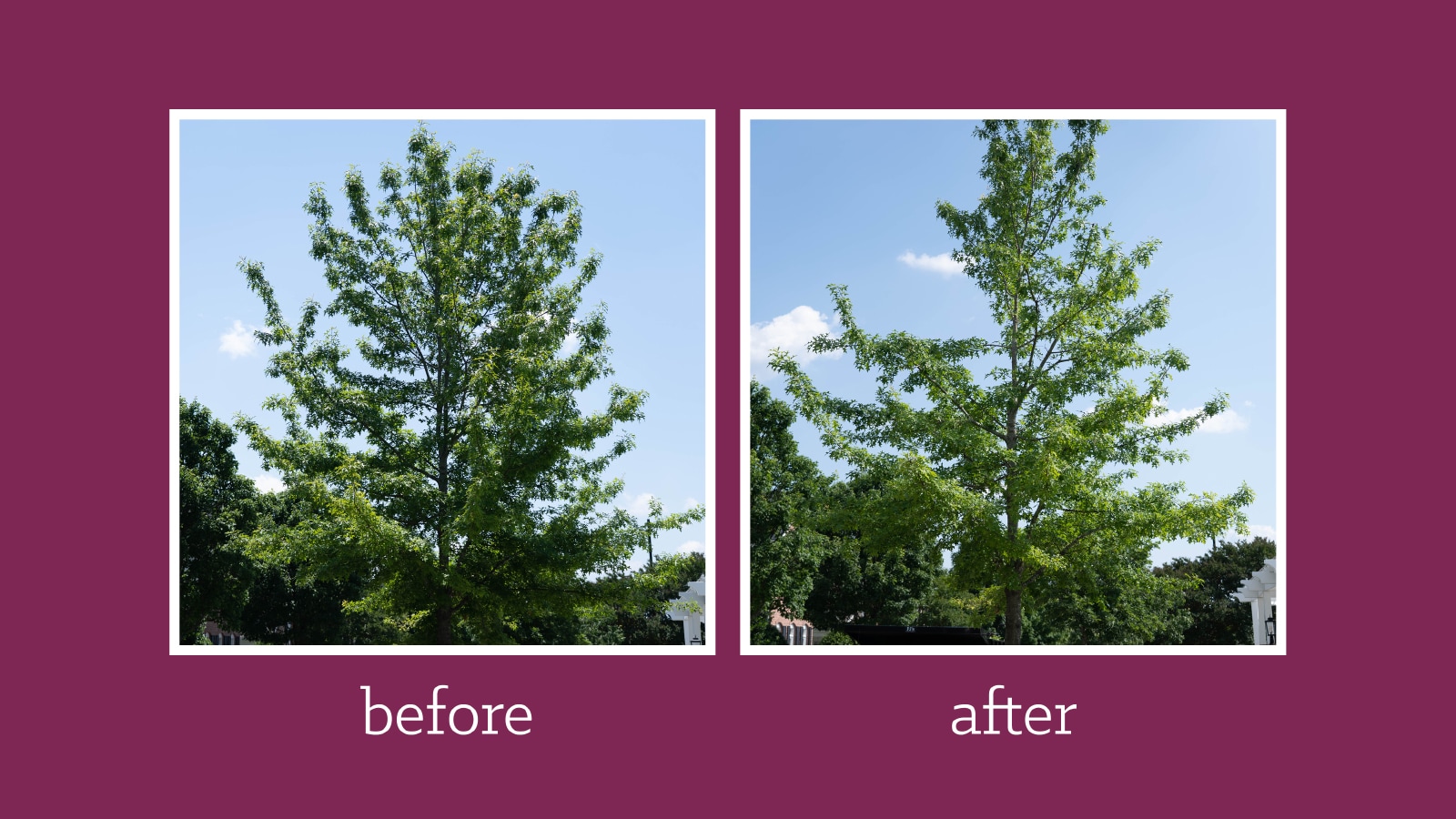
The gold-standard window for when to start pollarding young trees is late winter to very early spring — typically January to early March in most temperate climates (USDA zones 5–9 or UK hardiness zones 6–9). This is the dormant season, just before buds begin to swell but after the worst winter frosts have passed.
H3: Why Dormant Season Wins (Science-Backed Reasons)
- Minimal sap flow = less “bleeding” and stress
- Tree puts all energy into healing and new spring growth
- Lower risk of fungal diseases (open cuts dry quickly)
- Regrowth appears quickly and looks tidy by summer
H3: Timing Exceptions & Regional Warnings 📅
- Maples & some Acers: Avoid early spring if they “bleed” heavily — wait until late autumn in mild areas.
- Mediterranean or subtropical climates: Shift to late winter only (avoid summer heat).
- Very cold regions: Delay until February/March when soil is thawing.
- Southern Hemisphere: Equivalent timing is late June to August (their winter).
Pro tip box: The absolute sweetest spot? When daytime temperatures start rising above 8°C but the tree is still fully dormant. That tiny window creates the healthiest, most vigorous pollard heads every single time! 🌞
Quick visual calendar (imagine this as your yearly reminder): ❄️ January–March → Prime pollarding season for young trees 🚫 April–October → Avoid! (active growth = higher stress)
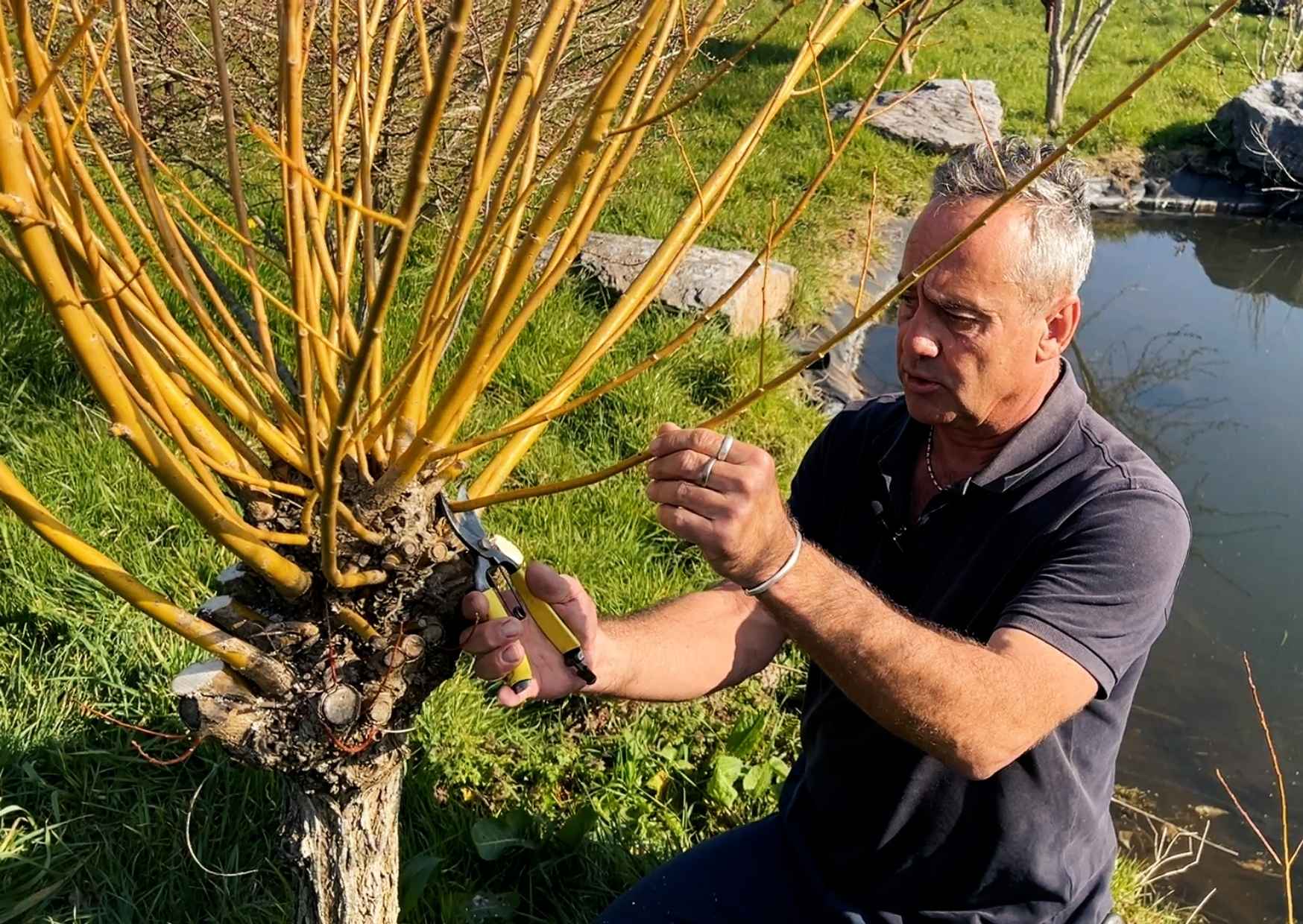
Step-by-Step Guide: How to Pollard Your Young Tree Safely ✂️
Now that you know when to start pollarding young trees (once they reach 2–3 metres tall in late winter/early spring), let’s walk through the process safely and correctly. Following these steps ensures clean healing, strong regrowth, and beautiful pollard heads that last for decades.
H3: Tools & Safety Gear You’ll Need 🛠️ Gather these before you begin — sharp, clean tools reduce disease risk:
- Sharp pruning saw or loppers for branches up to 5 cm
- Pole pruner or chainsaw (for higher cuts — only if experienced!)
- Disinfectant (diluted bleach or isopropyl alcohol) to sterilise tools between cuts
- Gloves, safety glasses, helmet, and sturdy boots
- Ladder or harness if working at height (or better — hire a professional)
- Tarpaulin to collect cuttings for easy cleanup
Safety first: If the tree is taller than 3–4 metres or near power lines, call a certified arborist. Improper cuts on young trees can create entry points for pests and decay.
H3: Preparing the Tree (Years 1–3) Before the first pollard:
- Plant in well-drained soil with plenty of organic matter.
- Water deeply during dry spells and mulch to retain moisture.
- Perform light formative pruning in the first 2–3 years: remove crossing or damaged branches and encourage a strong central leader.
- Ensure the tree is healthy and pest-free — stressed young trees recover poorly from heavy pruning.
H3: Making the First Pollard Cut (The Core Technique)
- Choose the height: Leave a clear trunk of 1.8–2.5 metres (6–8 feet) with 3–5 strong framework branches.
- Cut back each branch to 30–60 cm stubs beyond the desired knuckle point. Make clean, angled cuts (sloping away from the trunk) just above a bud or branch collar — never flush to the trunk.
- Aim for smooth, sloping cuts to shed water and promote rapid callusing.
- Disinfect tools between every major cut.
- Remove all smaller twigs and side shoots completely.
The first cut creates the “framework.” Over the next 1–3 years, new shoots will grow vigorously from the cut ends, forming the characteristic knobbly pollard head.
H3: Beginner-Friendly First-Time Tips 🌱
- Start small: Practice on a fast-growing willow if possible.
- Take “before” photos for motivation!
- Cut on a dry, mild day (above freezing but not too warm).
- Leave some lower branches temporarily if the tree needs energy.
Remember: The goal is not instant perfection — the first year after pollarding often looks a bit “stumpy,” but lush new growth appears by summer. Young trees heal amazingly fast when timed right.
Common Mistakes New Gardeners Make (and How to Avoid Them) ⚠️
Even experienced gardeners slip up. Here are the top mistakes that harm young trees during their first pollard — plus easy fixes:
- Starting too early — On saplings under 2 metres: Wait until the trunk is sturdy.
- Pollarding at the wrong time — Cutting in summer or late spring causes excessive bleeding and stress. Stick to dormant season.
- Making ragged or flush cuts — This invites disease. Always use sharp tools and cut just outside the branch collar.
- Over-removing foliage — Never take more than necessary on the first cut. Young trees need some leaves for energy.
- Ignoring species needs — Maples bleed heavily; avoid spring cuts for them.
- Poor tool hygiene — Dirty saws spread fungal spores. Disinfect every time.
- Neglecting aftercare — No watering or mulching after the cut leads to weak regrowth.
Prevention checklist ✅
- Confirm the tree is healthy first
- Research your exact species
- Hire help for anything above head height
- Monitor for 2–3 weeks post-cut
Avoid these and your young tree will develop strong, attractive pollard heads instead of weak, unstable branches.
Aftercare Secrets for Thriving Pollarded Young Trees 💧
Post-pollard care is what separates mediocre results from spectacular ones.
H3: Immediate Aftercare (First 4–6 Weeks)
- Water deeply if rainfall is low — aim for 25–40 litres per session, twice weekly.
- Apply a 5–8 cm layer of organic mulch (bark or compost) around the base, keeping it away from the trunk.
- Avoid fertiliser right after cutting — let the tree focus on healing.
H3: Long-Term Maintenance Schedule
- Year 1–2: Allow full regrowth; light thinning if shoots are overcrowded.
- Subsequent years: Re-pollard every 1–3 years (willows more often, oaks less) back to the same knuckle points.
- Feed annually in spring with balanced slow-release fertiliser if soil is poor.
- Check for pests (aphids love fresh shoots) and treat early.
H3: Troubleshooting Weak or Diseased Regrowth
- Sparse shoots? Improve watering and check for root issues.
- Dieback? Could be from late-season cutting or disease — prune out affected parts and consult an expert.
- Vigorous but weak-angled shoots? Thin to the strongest 3–5 per head.
Consistent aftercare keeps pollarded young trees compact, healthy, and full of fresh foliage every summer.
Best Trees for Pollarding: Species Guide + Quick-Reference Table 🌳
Not every tree responds well — choose wisely for success with young specimens.
Top beginner-friendly options:
- Willow (Salix spp.) — Super-fast regrowth, perfect for first-timers.
- London Plane (Platanus × hispanica) — Urban favourite, tolerates pollution.
- Common Lime / Linden (Tilia × europaea) — Beautiful heart-shaped leaves.
- Oak (Quercus) — Slower but forms magnificent heads.
- Ash (Fraxinus), Hornbeam, Mulberry, and some Maples.
Quick-Reference Table
| Species | Ideal Starting Age | Re-Pollard Frequency | Best For | Notes |
|---|---|---|---|---|
| Willow | 2–3 years | Every 1–2 years | Quick results, wet soils | Very forgiving 🌿 |
| London Plane | 3–4 years | Every 2–3 years | Urban gardens | Excellent pollution tolerance |
| Common Lime | 3–5 years | Every 2–4 years | Ornamental shade | Fragrant flowers |
| Oak | 4–5 years | Every 3–5 years | Long-term structure | Strong wood |
| Ash | 3–4 years | Every 2–4 years | Mixed borders | Watch for ash dieback |
Trees to avoid pollarding: Most conifers, flowering cherries, birches, and any species that don’t produce vigorous epicormic shoots.
Health Benefits, Risks & When Pollarding Is NOT the Answer 🩹
Benefits:
- Keeps large-maturing trees in small spaces safely
- Reduces wind resistance and storm damage risk
- Encourages fresh, vibrant foliage
- Can extend tree lifespan when managed correctly
- Provides sustainable wood for crafts or fuel
Risks: Weakly attached regrowth shoots, potential decay if cuts are poor, and ongoing maintenance commitment.
When to skip pollarding:
- Mature trees never previously pollarded (shock risk)
- Trees near sensitive roots or structures without professional assessment
- If you prefer natural shape — consider dwarf varieties or lighter pruning instead.
Balanced approach: Pollarding is a powerful tool, but only when it fits the tree’s needs and your long-term garden plan.
Expert Tips from 15+ Years in the Field 💡
- Always establish strong structure in the first 3 years before the first heavy pollard.
- Cut back to the same points annually or biennially once the knuckle forms — consistency is key.
- Observe your local climate: Adjust timing slightly for unusually mild or cold winters.
- Document everything with photos — you’ll love seeing the transformation over years.
- When in doubt, consult a local ISA-certified arborist. A small investment prevents big problems.
What I wish every homeowner knew: Starting pollarding on young trees at the right moment is far easier and healthier than trying to correct an overgrown mature tree later.
Frequently Asked Questions (FAQs) ❓
Can I start pollarding a 1-year-old tree? No — young trees need time to establish strong roots and trunk. Wait until at least 2–3 metres tall and 2+ full seasons in the ground.
What happens if I pollard too late in spring? Excessive sap bleeding, slower healing, and higher disease risk. Always aim for dormant season.
Is pollarding safe near power lines? Yes, when done by professionals — it’s a common urban solution. Never attempt it yourself near wires.
How often should I re-pollard after the first cut? Usually every 1–3 years, depending on species and growth rate. Willows need more frequent attention.
Will my tree look ugly right after pollarding? It may look stark for a few weeks or months, but rapid spring regrowth quickly creates a full, rounded canopy. Patience pays off!
Does pollarding harm or shorten the tree’s life? When started young and maintained correctly, it often promotes longevity by keeping the tree in a vigorous, juvenile-like state. Poor technique can cause issues.
Can I pollard evergreen trees? Generally no — pollarding works best on deciduous species that produce strong new shoots from old wood.
Conclusion 🌟
Mastering when to start pollarding young trees — typically at 2–3 metres tall during late winter to early spring — sets your garden up for decades of beautiful, manageable trees. With the right timing, technique, and aftercare, you’ll enjoy compact canopies, vibrant regrowth, and reduced maintenance headaches.
Your young trees deserve thoughtful care. Start with proper formative pruning, choose the correct season, and follow through with consistent re-pollarding. The result? Healthy, character-filled trees that enhance your outdoor space for generations.
Have a specific young tree you’re considering pollarding? Share its species and approximate age in the comments — I’m happy to offer tailored timing advice based on 15+ years of arborist experience.











