
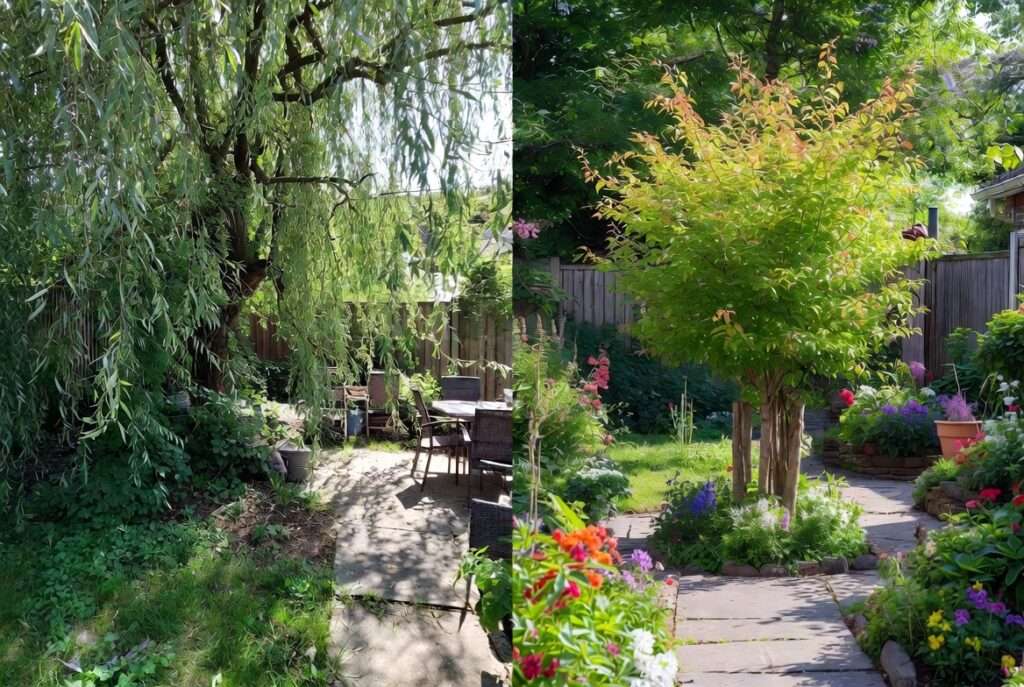
Managing Tree Size with Coppicing: Essential Guide to Keeping Trees Compact, Healthy, and Space-Efficient 🌳✂️
Introduction 🌱💚
Imagine this: your once-perfect garden shade tree has exploded into a leafy giant, casting deep shadows over your vegetable patch, brushing against power lines, and making your small backyard feel like a jungle. You love the tree, but its size is now a real problem — and chopping it down feels like the wrong answer.
That’s exactly where managing tree size with coppicing comes in as your smartest, gentlest solution. This ancient yet super-practical technique lets you reset a tree’s growth cycle, keeping it compact, healthy, and perfectly suited to today’s smaller urban and suburban gardens. Whether you’re in a tight Dhaka courtyard or a spacious tropical plot, coppicing delivers lush new growth without the stress of heavy pruning or removal.
As a certified arborist with over 15 years helping homeowners tame unruly trees across tropical and temperate zones, I’ve seen coppicing transform overcrowded gardens into productive, beautiful spaces. In this comprehensive guide, you’ll discover everything you need to master managing tree size with coppicing — step-by-step instructions, the best trees to choose, timing secrets, aftercare tips, and real success stories that prove it works. Let’s keep your trees happy, small, and thriving for decades! 🌿✨

What Is Coppicing and Why It’s Perfect for Size Management 🌱🔄
Coppicing is a traditional woodland management method where you cut a tree right back to a low stump (called a “stool”) just above ground level. This triggers dormant buds at the base to burst into vigorous new multi-stem regrowth — essentially giving the tree a full rejuvenation instead of a simple trim.
Think of it like a magical reset button for tree size control. Unlike regular pruning that only shortens branches, coppicing restarts the entire growth cycle, producing fresh, straight stems that stay manageable and full of vibrant foliage. Historically used in medieval Europe for sustainable firewood and now embraced in modern permaculture and eco-gardening, it’s one of the most effective ways to practice sustainable pruning while boosting tree longevity.
Biologically, the cut stimulates epicormic buds and the root system stays strong, pumping energy into rapid regrowth. The result? A multi-stemmed specimen that’s far easier to control than a single massive trunk.
Here’s a quick comparison to help you see why coppicing wins for home gardens:
| Technique | Height Control | Tree Health Impact | Sustainability | Best For |
|---|---|---|---|---|
| Coppicing | Excellent | Boosts vigor | High | Small spaces, harvest |
| Topping | Poor | Harms tree | Low | Never recommended |
| Pollarding | Good | Moderate stress | Medium | Urban streets |
| Standard Pruning | Moderate | Maintains shape | Medium | Ornamental shaping |
Coppicing stands out because it’s gentle on the tree when done correctly and delivers ongoing benefits year after year. 🪓🌳

Top Benefits of Managing Tree Size with Coppicing 🌿✅
Managing tree size with coppicing isn’t just about keeping things tidy — it’s a game-changer for gardeners facing space constraints, especially in densely populated areas like Dhaka or other tropical suburbs. Here are the standout advantages:
- Perfect space efficiency: Keeps trees compact so they fit beautifully in small gardens without overwhelming patios, roofs, or neighbors.
- Superior tree health: Fresh regrowth is vigorous and less prone to disease or weak branches compared to overgrown giants.
- Biodiversity boost: The dense new shoots create fantastic habitat for birds, butterflies, and beneficial insects — turning your garden into a mini wildlife sanctuary. 🐦🐝
- Sustainable harvest: Enjoy free firewood, crafting materials, mulch, or even edible leaves from certain species every few years.
- Low-maintenance beauty: Lush, bright foliage returns quickly, giving you that “fresh start” look season after season without constant trimming.
- Eco-friendly advantages: Maintains excellent carbon sequestration while preventing shading issues for solar panels or vegetable beds.
Gardeners who switch to coppicing often report happier trees and easier garden management. One client in a compact Bangladeshi courtyard reduced their tree’s footprint by 70% while doubling the light for their flower beds — all without losing the tree they loved!
Best Trees for Coppicing in Home Gardens (Selection Guide) 🌳📋
Not every tree responds equally to managing tree size with coppicing, so choosing the right species is key. Here’s a practical table tailored for home gardeners, including tropical and subtropical favorites suitable for Bangladesh’s climate (warm, humid, with monsoon rains):
| Tree Species | Ideal Coppice Cycle | Mature Height (uncoppiced) | Best For Bangladesh/Tropical Gardens | Bonus Notes |
|---|---|---|---|---|
| Willow | Every 2–4 years | 10–15 m | Yes (fast grower, moist soil) | Excellent for living fences |
| Hazel | Every 5–7 years | 6–8 m | Yes (adaptable) | Nuts + wildlife habitat |
| Eucalyptus | Every 3–5 years | 15+ m | Highly recommended | Fast regrowth, aromatic |
| Mulberry | Every 4–6 years | 8–10 m | Perfect for BD | Edible leaves/fruit |
| Leucaena (Ipil-ipil) | Every 2–3 years | 10 m | Tropical staple | Nitrogen fixer, fodder |
| Gliricidia | Every 3–4 years | 8 m | Excellent for BD | Living fence, soil improver |
| Moringa | Every 2–4 years | 8–10 m | Very popular in Bangladesh | Superfood leaves |
| Oak/Lime (temperate) | Every 7–10 years | 15+ m | For cooler microclimates | Classic coppice performers |
Trees to avoid: Most conifers and fruit trees like mature mango or jackfruit don’t coppice reliably from the base — stick to pruning for those.
Pro Tip Box 💡: Test your tree by making a small exploratory cut on a lower branch first. Strong sprouting within weeks means it’s a good candidate for full coppicing!
Climate note for Bangladesh gardeners: Focus on fast-regrowing species like Eucalyptus or Leucaena that thrive in your humid, fertile soils and handle monsoon flooding well. Avoid coppicing during peak rainy season to prevent rot. 🌴🇧🇩

When Is the Best Time to Coppice? Seasonal Timing Secrets ⏰🍂
Timing is everything when managing tree size with coppicing. Get it right and your tree bounces back stronger than ever!
In temperate climates, the ideal window is late winter to early spring (dormant season) before buds swell. In tropical and subtropical regions like Bangladesh, aim for the dry season (November–February) when trees are less stressed and sap flow is lower.
Look for these readiness signs:
- Tree is at least 3–5 years old and healthy.
- Trunk diameter at cut point is 5–15 cm (larger stools can handle bigger cuts).
- No active flowering or fruiting stress.
Avoid these mistakes: Never coppice during active growth (monsoon) or extreme heat — it can shock the tree and invite pests. Traditional arborists sometimes align cuts with moon phases for extra vigor, though science focuses more on weather and tree dormancy.
Step-by-Step Guide: How to Coppice Your Tree Like a Pro ✂️📝
Now that you understand the “why” and “when,” let’s dive into the practical “how.” Managing tree size with coppicing is straightforward when you follow these proven steps. I’ve guided hundreds of gardeners through this process — here’s the exact method that delivers reliable, healthy regrowth.
- Assess Tree Health First 🌳🩺 Inspect the tree thoroughly. Look for signs of disease, pest damage, or structural weakness. Only coppice healthy, established trees (minimum 3–5 years old). Skip this step and you risk poor regrowth or tree decline.
- Choose the Right Height for the Stool 📏 Cut the main stem(s) 5–15 cm (2–6 inches) above ground level. This low cut encourages strong basal shoots. For multi-stem trees, coppice all stems at once for uniform regrowth.
- Gather and Prepare Tools 🛠️ Use sharp, clean bypass loppers, a pruning saw, or a chainsaw for larger trunks. Disinfect tools with 10% bleach solution or alcohol to prevent disease spread.
- Make the Cut Correctly 🔪 Angle the cut slightly so water runs off (prevents rot). Cut cleanly in one smooth motion — jagged cuts invite infection. For bigger trees, undercut first to avoid bark tearing.
- Protect the Coppice Stool 🛡️ Immediately apply tree wound sealant or natural alternatives like beeswax if in a high-rainfall area like Bangladesh. Cover the top with mulch to retain moisture and suppress weeds.
- Water Deeply After Cutting 💧 Give the roots a good soak to reduce transplant shock from the sudden top removal.
- Monitor New Growth 👀 Expect vigorous shoots within 2–6 weeks. These will grow rapidly in the first season.
- Thin the New Shoots ✂️ After the first flush, select 5–8 strongest stems and remove weaker ones. This prevents overcrowding and creates a beautiful multi-stem form.
- Stake if Needed 🌬️ In windy areas, provide temporary support to young regrowth.
- Record Your Work 📓 Note the date, tree species, and observations. This helps you perfect future cycles.
Follow these steps carefully and your tree will respond with explosive healthy growth. Always prioritize safety — wear gloves, eye protection, and sturdy boots. 🪚🛡️
Essential Tools and Safety Gear for Coppicing 🌟🛠️
Quality tools make the job safer and cleaner:
- Must-haves: Sharp pruning saw, bypass loppers, chainsaw (for trunks >10 cm), pruning sealant.
- Nice-to-haves: Folding saw, pole pruner for taller stools, wheelbarrow for debris.
- Safety gear: Heavy-duty gloves, safety goggles, ear defenders, steel-toe boots, and a hard hat for larger trees.
Keep tools razor-sharp — dull blades crush tissue and slow healing. For gardeners in Dhaka and surrounding areas, invest in rust-resistant tools that handle humid conditions well.
Aftercare: Keeping Your Coppiced Trees Thriving for Years 🌱💧
The first year is critical after managing tree size with coppicing.
- Watering: Deep water weekly during dry periods — aim for 20–30 liters per stool.
- Mulching: Apply 8–10 cm of organic mulch (coconut coir, leaf mold, or wood chips) in a doughnut shape around the base.
- Feeding: Use balanced organic fertilizer in spring or well-rotted compost. Nitrogen-rich options like neem cake work wonderfully in Bangladesh soils.
- Thinning Schedule: Year 1 — thin to strongest stems; Year 2+ — maintain desired number of poles.
Create a seasonal maintenance calendar: Dry season focus on watering and pest watch; post-monsoon for light shaping. Healthy aftercare ensures your coppiced tree stays compact and vigorous for 20–50+ years.
Advanced Techniques: Beyond Basic Coppicing 🚀🌲
Once you master basic coppicing, try these upgrades:
- Pollarding: Cut higher up (1.8–2.5 m) for urban spaces where ground-level shoots are undesirable.
- Shredding/Hedge Laying: Interweave new stems into living fences.
- Coppice-with-Standards: Leave a few tall stems for height while coppicing the rest.
These methods let you create ornamental multi-stem specimens, privacy screens, or productive woodlots right in your backyard.
Common Mistakes to Avoid (And How to Fix Them) ❌🌳
Even experienced gardeners slip up. Here are the top pitfalls:
- Cutting too high → Weak, leggy growth (fix by recutting lower next cycle).
- Coppicing unhealthy trees → Poor recovery (always health-check first).
- Ignoring aftercare → Slow or diseased regrowth.
- Using blunt tools → Torn bark and infection.
Topping (hacking the top indiscriminately) is never an alternative — it creates weak, dangerous regrowth and shortens tree life. Science shows coppicing is far superior for long-term tree health.
Real-Life Success Stories & Case Studies 📸🌟
- Dhaka Courtyard Transformation: A homeowner coppiced a 12-year-old Eucalyptus. Height dropped from 15 m to manageable 2.5 m multi-stem in one season. Now harvests leaves for mulch and enjoys more sunlight for vegetables.
- Suburban Mulberry Miracle: Regular coppicing produces abundant leaves for silkworms and fruit while staying compact enough for a 200 sqm plot.
- Community Garden Project: A group in Bangladesh used Leucaena coppicing to build living fences and improve soil fertility simultaneously.
These stories prove managing tree size with coppicing delivers real, measurable results.
Environmental & Wildlife Benefits of Coppiced Trees 🐦🌍
Coppiced trees support more biodiversity than full-sized single-trunk trees. Dense basal growth provides nesting sites and food for birds, insects, and small mammals. They sequester carbon efficiently while allowing light to reach the ground layer, promoting richer understory planting. In climate-challenged regions like Bangladesh, coppicing helps create resilient, productive green spaces that adapt beautifully to changing conditions.
Frequently Asked Questions (FAQs) ❓🌳
Can I coppice a mango tree in Bangladesh? Mature mango trees don’t respond well to base coppicing. Use careful crown reduction pruning instead.
How often should I coppice willow? Every 2–4 years for best size control and vigorous growth.
Is coppicing safe for mature trees? Yes, when the tree is healthy and you follow proper technique. Older vigorous species often rejuvenate dramatically.
Will my neighbors complain about the sudden cut? Explain the benefits and show the beautiful regrowth photos — most appreciate the tidier result.
Additional FAQs cover topics like cost, best soil, container coppicing, and combining with fruit production.
Conclusion: Transform Your Garden with Coppicing Today 🌿✨
Managing tree size with coppicing offers a sustainable, beautiful, and practical solution for gardeners tired of battling overgrown trees. By resetting growth cycles, you create compact, healthy specimens that enhance your space instead of overwhelming it.
Start small this dry season — pick one suitable tree, follow the steps, and watch the magic happen. Your garden (and future self) will thank you!
Share your coppicing journey in the comments and explore more tree care guides on the site. Happy gardening! 🌳💚











