
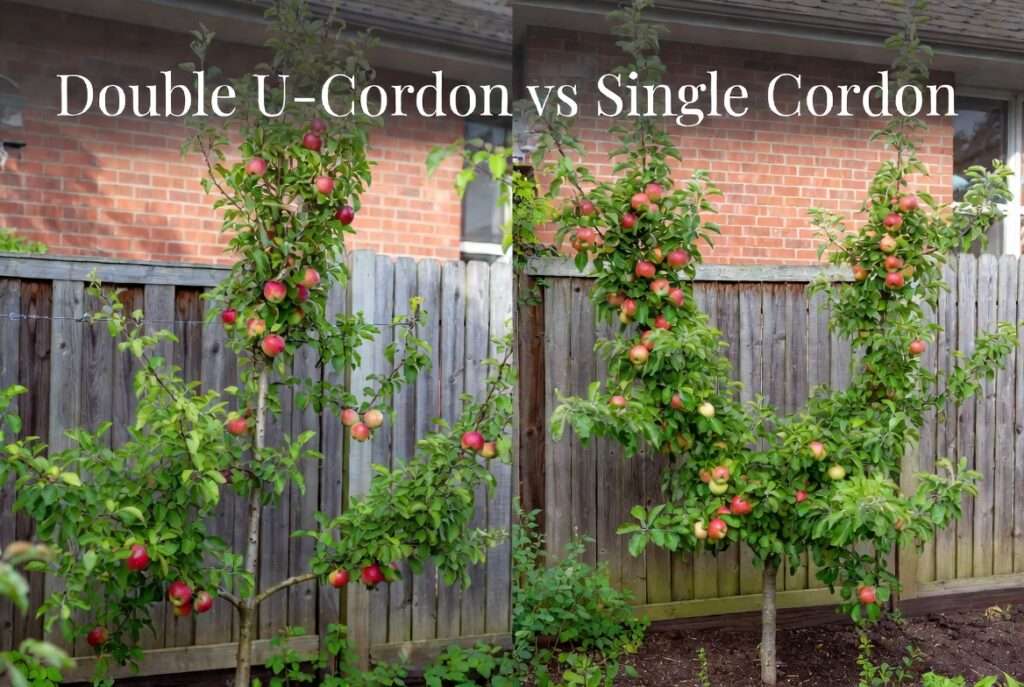
Tired of your fruit trees hogging half the backyard yet still giving you disappointing harvests? Imagine harvesting basket after basket of juicy apples, pears, or plums from a slim, elegant “living fence” that fits neatly along a path or against a sunny wall — without sacrificing your lawn or patio space! 🌳🍎
If you’re weighing double U-cordon vs. single cordon styles for your fruit trees, you’re already thinking like a pro. These two cordon training methods are the secret weapons used by expert orchardists and clever home gardeners worldwide to squeeze maximum yield from tiny plots.
In this ultimate guide, we’ll compare the simple single cordon against the higher-yielding double U-cordon, complete with step-by-step instructions, honest pros and cons, and a crystal-clear decision framework so you can pick the perfect style for your garden size, experience level, and harvest dreams. No guesswork, no wasted effort — just healthy, productive trees that look gorgeous too!
Whether you’re a balcony gardener or have a spacious backyard, this expert breakdown will solve your space vs. yield dilemma once and for all. Let’s get your fruit trees trained for success! 🪴✨

What Are Cordon Training Styles and Why Do They Matter? 🍎🌳
Cordon training is an ancient yet ultra-modern technique that keeps fruit trees compact by restricting growth to one or more straight stems (the “cordons”) covered in short fruiting spurs. Originating in European orchards centuries ago, it’s now a go-to method for small-space gardeners because it maximizes sunlight, improves airflow (reducing disease), and lets you pack more trees into limited areas.
Key perks include:
- Higher yields per square foot — up to 3–4 times more fruit than a standard bush tree in the same space
- Easier harvesting — no ladders needed
- Stunning visuals — perfect for espalier-style garden art or living fences
- Faster fruiting — trees often produce in year 2 or 3
- Better pest and disease control thanks to open structure
Best suited for apples, pears, plums, cherries, and even some apricots on dwarfing rootstocks like M9, M26 (apples) or Quince C (pears). Ready to choose your style? Let’s break them down.
Understanding the Single Cordon Style 🌱
What Exactly Is a Single Cordon?
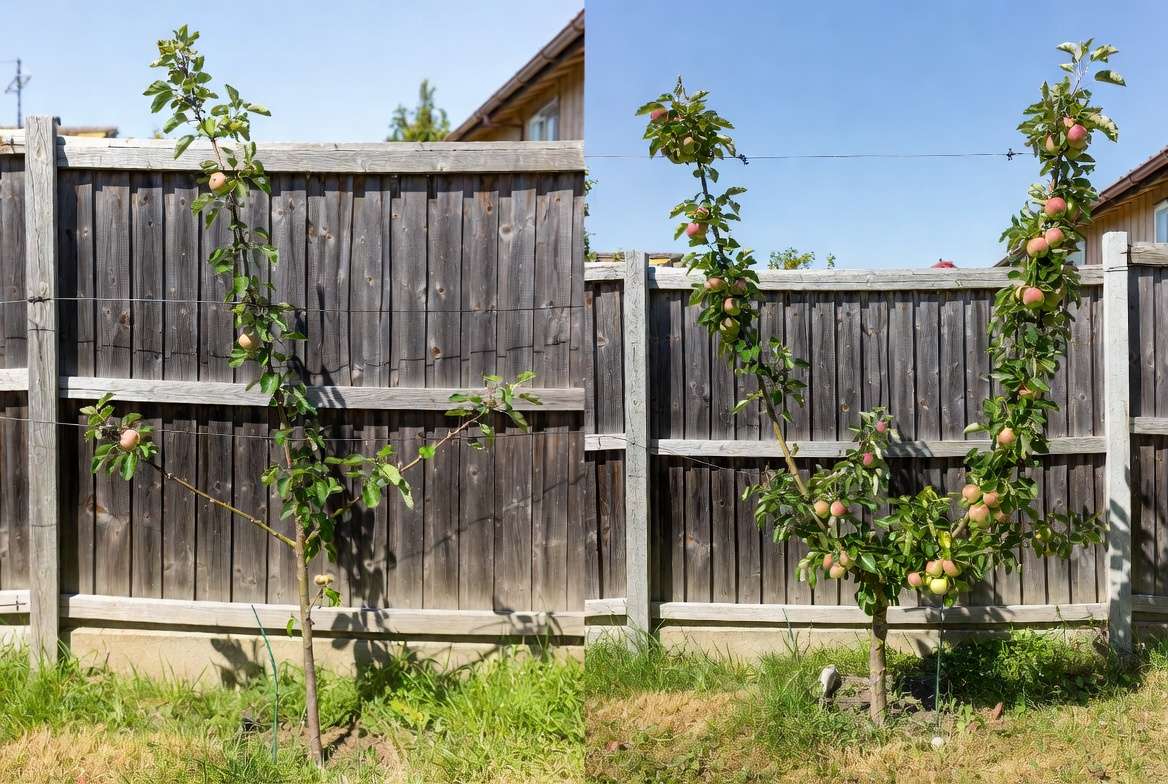
A single cordon is the simplest form: one main stem (usually trained at a 45° angle or vertically) with fruiting spurs along its length. It creates a tidy “living fence” that’s perfect for narrow borders, raised beds, or even containers. Think of it as a minimalist, high-efficiency fruit producer!
Step-by-Step: How to Train a Single Cordon from Scratch
- Choose the right young tree — Grab a one-year-old “maiden whip” on a dwarf rootstock.
- Plant and initial prune — Plant against wires or a fence, cut the leader just above the lowest wire, and tie it at 45°.
- Annual maintenance — Follow a simple seasonal schedule (more on this below 🗓️).
- Support — Use sturdy posts and horizontal wires spaced 18–24 inches apart.
Pros of the Single Cordon Style ✅
- Beginner-friendly and forgiving
- Takes up the least space (ideal for tiny gardens or balconies)
- Quick to establish — first fruit in 2 years
- Super easy to harvest and maintain
Cons of the Single Cordon Style ⚠️
- Lower total yield than multi-arm systems
- Less dramatic visual impact in bigger gardens
- Limited fruiting wood means fewer fruits overall
Understanding the Double U-Cordon Style 🪴✨
What Is a Double U-Cordon (and How Does It Differ from a Basic U)?
The double U-cordon takes things up a notch: the main stem splits into two horizontal arms, each then sending up two vertical “U” arms — giving you four productive vertical leaders in one compact footprint. It’s like upgrading from a bicycle to a sports car for fruit production! The extra arms create way more spur-covered wood, dramatically boosting yields.
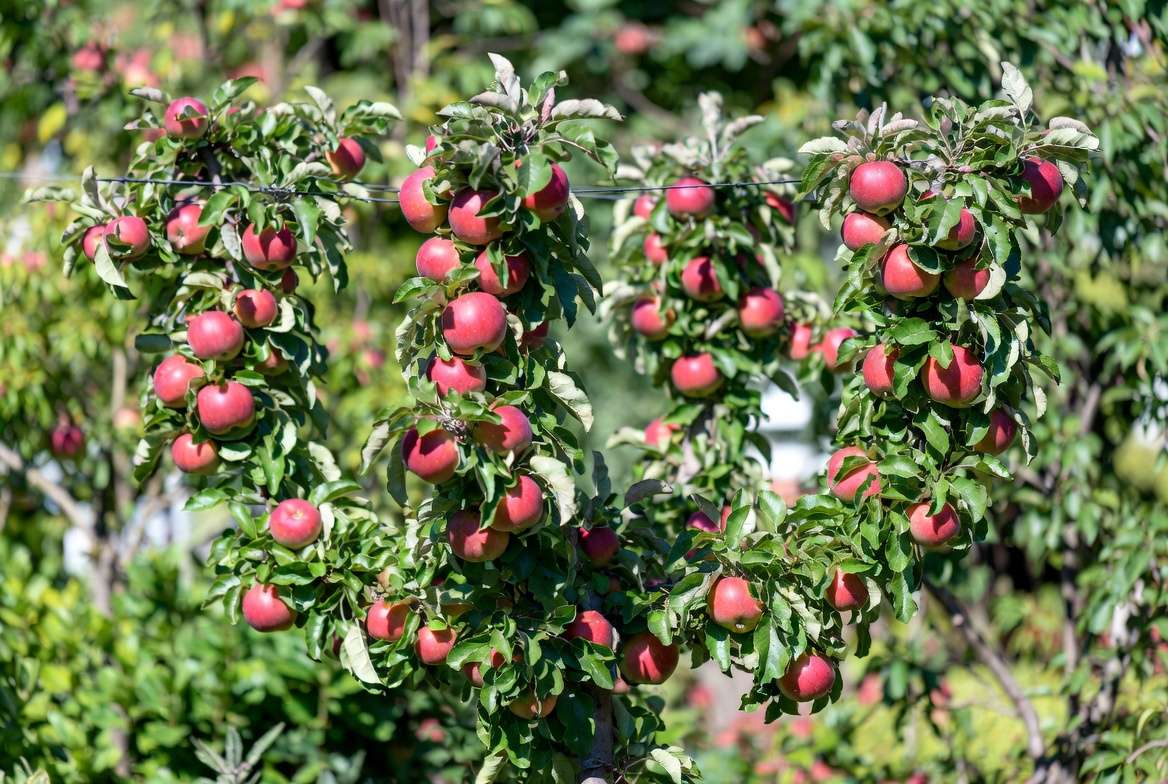
Step-by-Step: How to Train a Double U-Cordon (Detailed Guide)
- Select a stronger tree — Start with a robust maiden or 2-year-old on dwarf rootstock.
- First-year framework — Build the base “U” shape by pinching and tying.
- Second- and third-year shaping — Develop the second pair of arms with precise cuts (I’ll share exact angles and timing later).
- Advanced support — Heavy-duty tensioned wires and posts are a must for this beauty.
Pros of the Double U-Cordon Style 🌟
- Much higher fruit yield in the same space
- Beautiful symmetrical look that wows visitors
- Excellent balance and vigor once established
- Perfect for medium gardens wanting maximum production
Cons of the Double U-Cordon Style ❌
- Steeper learning curve for beginners
- Requires stronger supports and more initial patience (3 years to full shape)
- Slightly more summer pruning time in the early years
Double U-Cordon vs. Single Cordon – Head-to-Head Comparison 📊
Choosing between double U-cordon vs. single cordon styles comes down to understanding their real-world differences. Here’s a clear, side-by-side breakdown to help you decide:
| Feature | Single Cordon | Double U-Cordon |
|---|---|---|
| Space Required | Very small (1–1.5m width) | Moderate (1.5–2.5m width) |
| Time to First Harvest | 2 years | 3 years |
| Expected Yield | Good (10–20kg mature tree) | Excellent (25–40kg+ mature tree) |
| Difficulty Level | Beginner (1–2/5) | Intermediate (3–4/5) |
| Aesthetic Appeal | Clean & minimalist | Dramatic & symmetrical |
| Maintenance | Low | Medium (more summer pruning) |
| Best For | Balconies, tiny plots, absolute beginners | Medium gardens, max yield lovers |
This comparison shows why many experienced gardeners eventually upgrade to the double U for bigger harvests without needing a larger garden.
How to Choose the Right Style for YOUR Fruit Trees (Decision-Making Framework) 🤔
Not sure which cordon style fits your garden? Use this practical 7-factor framework — developed from years of training hundreds of fruit trees in small urban and suburban plots.
7 Key Factors to Consider Before You Start
- Available Space & Microclimate — Single cordon wins in tight spots or windy areas; double U needs more width and strong support.
- Fruit Tree Variety & Rootstock — Dwarfing rootstocks (M9, M26, Quince C) work beautifully for both, but vigorous varieties like some pears love the extra arms of a double U.
- Your Experience Level — New to pruning? Start with single cordon. Confident with secateurs? Go double U.
- Time Commitment — Single cordon needs quick summer checks; double U requires more detailed shaping in years 2–3.
- Desired Harvest Volume — Dreaming of jam-making quantities? Double U-cordon delivers. Just want fresh snacks? Single is plenty.
- Aesthetic Goals — Want a simple living fence? Single. Want a show-stopping garden feature? Double U.
- Budget for Supports — Double U needs heavier posts and tensioned wires — plan for that upfront.
Quick Decision Tree
Answer these questions:
- Do you have less than 1.5m width? → Single Cordon
- Are you a complete beginner? → Single Cordon
- Do you want maximum fruit in limited space? → Double U-Cordon
- Ready to invest 3 years of shaping? → Double U-Cordon
Pro tip: Many gardeners start with single cordons on a few trees, then expand to double U as skills and confidence grow.
Expert Maintenance Tips to Keep Any Cordon Thriving Year After Year 🌼
Proper ongoing care is what separates struggling cordons from heavy-cropping champions.
Seasonal Pruning Calendar 🗓️
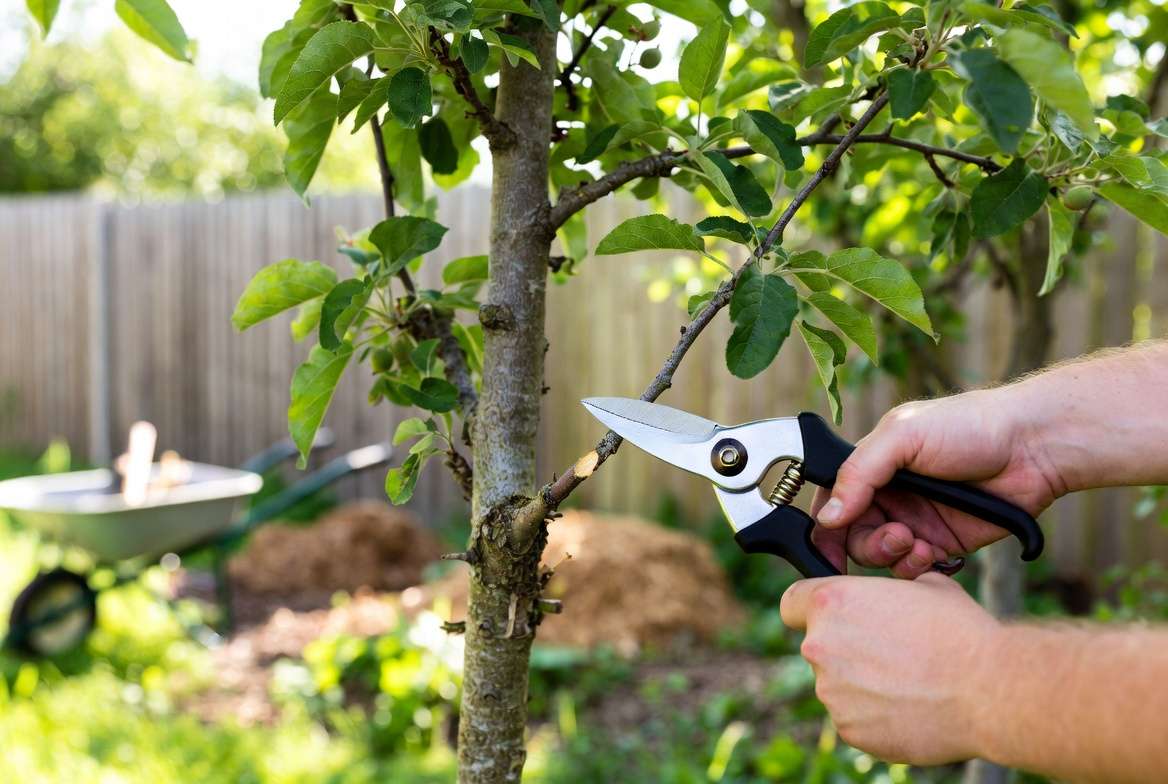
- Winter (Dormant Season): Remove any unwanted growth, shape the framework, and shorten laterals to 3–4 buds to build fruiting spurs.
- Summer (Growing Season): Pinch or cut back new shoots to 3–4 leaves above the last fruit. This is crucial for both styles but especially important for double U-cordon to maintain shape.
Feeding & Watering Secrets
- Apply a high-potassium feed (like tomato fertilizer) every 2–3 weeks from spring to late summer.
- Mulch generously with compost each spring to retain moisture and feed the roots slowly.
- Water deeply but infrequently — cordons hate soggy roots.
Pest & Disease Prevention Open structure helps, but still watch for aphids, codling moth, and fire blight. Use organic sprays early and encourage beneficial insects with companion planting (nasturtiums, marigolds).
Rejuvenation for Older Trees After 8–10 years, you can carefully cut back older wood to encourage fresh spurs — both single and double U-cordon respond well with proper technique.
Common Mistakes New Gardeners Make (and How to Avoid Them) 🚫
Even experienced hands slip up sometimes. Here are the top pitfalls:
- Over-pruning in year one — Be gentle; let the tree establish first.
- Weak supports — Double U-cordon especially needs rock-solid wires.
- Ignoring summer pruning — This is where shape and future fruiting are made.
- Wrong angle training — Keep single cordons at consistent 45° for best sap flow.
- Planting too deep or shallow — Rootstock union should sit just above soil level.
- Forgetting to thin fruit — Overloading young cordons can stunt growth.
Avoid these and your trees will thank you with years of reliable harvests!
Real-Life Success Stories & Case Studies 🌍
Story 1: Sarah’s Balcony Apples (London, UK) Sarah started with two single cordons on her tiny 6th-floor balcony. After two years she harvested 12kg of ‘Gala’ apples. Happy with the simplicity, she later converted one to double U and doubled her yield in the same space.
Story 2: Raj’s Backyard Pear Paradise (Dhaka-inspired small plot) In a compact urban garden, Raj chose double U-cordon for his Asian pears. Now in year 4, his four-arm system produces over 35kg annually — enough for fresh eating, drying, and sharing with neighbors.
Story 3: Community Garden Triumph (Australia) A group of beginners planted 12 single cordons along a fence line. Within three seasons they expanded half to double U, creating a beautiful, productive edible screen that boosted garden morale and output dramatically.
These real examples prove both styles work beautifully when matched to the gardener’s situation.
Frequently Asked Questions (FAQ) ❓
Can I convert a single cordon into a double U-cordon later? Yes! In early years it’s possible by carefully encouraging side shoots and reshaping over 1–2 seasons. Older trees are harder but not impossible with patience.
Which rootstock works best for each style? M9 or M26 for apples, Quince C for pears. These dwarfing stocks keep both single and double U-cordon manageable.
How long do cordon-trained trees live? With good care, 15–25+ years is common — many productive cordons in historic gardens are decades old.
Is one style better for organic growing? Both work well organically. The open structure of cordons helps with airflow and reduces fungal issues naturally. Double U gives more fruit to share if you lose some to pests.
Do double U-cordons need more water and fertilizer? Slightly more in the first three years while establishing the framework, but once mature, needs are similar per square meter.
Can I grow cordons in pots? Single cordons yes — choose large containers (at least 50L). Double U is trickier but possible with very sturdy pots and careful watering.
What’s the best variety for beginners? ‘Gala’, ‘Braeburn’, or ‘Conference’ pear — reliable, spur-bearing, and forgiving.
Conclusion: Ready to Train Your Dream Fruit Trees? 🎉
Whether you choose the straightforward single cordon for simplicity and speed or the impressive double U-cordon for higher yields and beauty, both styles solve the biggest problem facing modern gardeners: getting abundant fruit from limited space.
By understanding the double U-cordon vs. single cordon styles, you now have the knowledge to make an informed choice that matches your garden, skills, and goals. Start small, prune with confidence, and watch your trees transform into productive, space-saving beauties.
Grab your secateurs, pick your young trees, and begin training today — your future self (and your harvest baskets) will thank you!
Which style are you leaning toward? Share your garden size and favorite fruit tree variety in the comments below — I’d love to give personalized tips.
Happy gardening! 🌳🍏✨











