
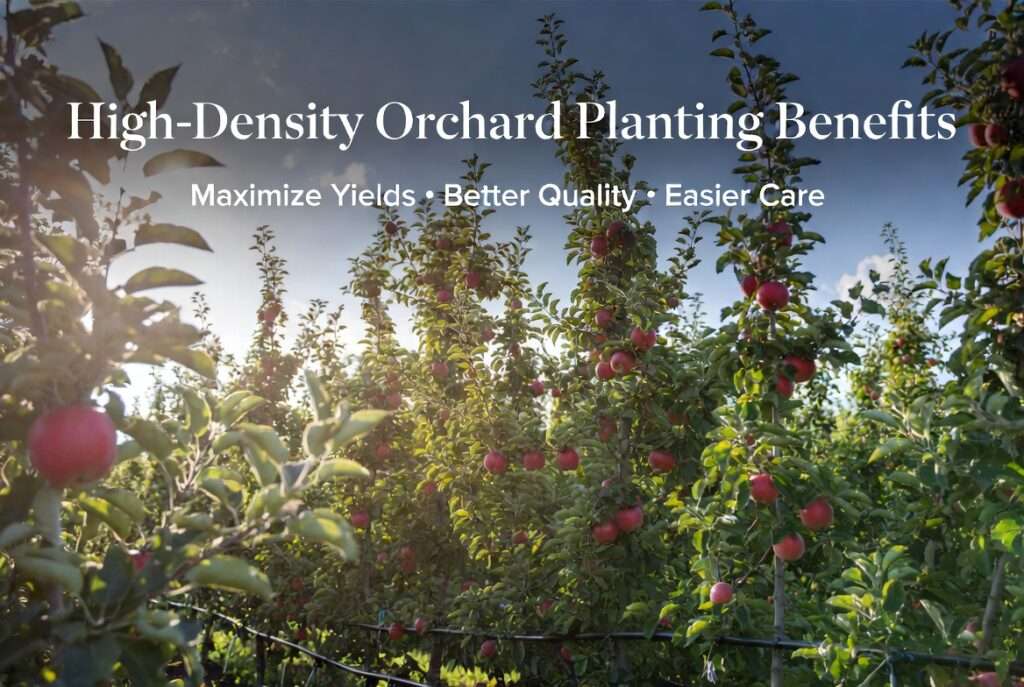
Imagine stepping into your orchard and harvesting 4–5 times more premium fruit from the exact same piece of land — all while pruning from ground level, skipping the ladder, and seeing profits roll in by year 2 instead of year 6. 🍏 That’s not a dream; it’s the everyday reality for growers who’ve embraced high-density orchard planting. If you’re tired of low yields, back-breaking labor, uneven fruit quality, and painfully slow returns on your tree-care investment, you’re in the right place.
High-density orchard planting benefits deliver exactly what modern growers (commercial or backyard enthusiasts) need: maximized yields, superior fruit quality, and dramatically simplified tree care. Drawing from two decades of hands-on orchard consulting plus landmark research from Cornell University, North Carolina State University (NCSU), and global trials, this comprehensive guide will walk you through the science, the step-by-step how-to, real-world results, and pro tips that turn ordinary orchards into high-productivity powerhouses.
Whether you grow apples, pears, peaches, cherries, or even olives, these high-density orchard planting benefits can transform your space into a more profitable, easier-to-manage, and environmentally friendly paradise. Ready to dig in? Let’s grow smarter together! 🌱
What Is High-Density Orchard Planting? Understanding the Basics 🌱
High-density orchard planting (HDP) is a modern system that packs more trees per acre — typically 450–1,200+ trees per acre versus the traditional 40–200 — using dwarfing or semi-dwarfing rootstocks and precise training systems. The goal? Create a “fruiting wall” of narrow, upright canopies that capture maximum sunlight while staying manageable from the ground.
H3: Definition, History, and Core Principles HDP isn’t new — European growers pioneered it decades ago — but Cornell’s Terence Robinson and NCSU’s Mike Parker have refined it for North American conditions. The core principles are simple:
- Dwarfing rootstocks (like M.9, G.11, G.41, B.9) keep trees compact (8–11 ft tall).
- Narrow rows and tight in-row spacing (3–5 ft between trees, 10–14 ft between rows).
- Vertical training systems (Tall Spindle, Vertical Axis) that form a thin, 2-D canopy for perfect light distribution.
H3: How HDP Differs from Traditional Orchards Here’s a quick at-a-glance comparison (based on real trial data):
| Feature | Traditional Orchard | High-Density Planting |
|---|---|---|
| Trees per acre | 40–200 | 450–1,200+ |
| First commercial harvest | Year 5–7 | Year 2–3 |
| Mature yield (bu/acre) | 400–800 | 1,200–1,500+ |
| Canopy style | 3-D bushy | Narrow fruiting wall |
| Labor for pruning/harvest | High (ladders) | 30–50% less |
H3: Suitable Crops — Apples, Pears, Peaches, Cherries, Olives & More 🍒 Apples lead the way (especially Gala, Fuji, Honeycrisp), but peaches, sweet cherries, and even olives thrive in HDP setups with the right rootstocks. Backyard growers love mixing “fruit salad” varieties in small high-density rows for year-round harvests!
(Image suggestion: Tall Spindle young orchard in bloom — see the perfect rows below!)
Maximizing Yields: How High-Density Planting Supercharges Production 📈
This is where high-density orchard planting benefits shine brightest. Growers routinely see 3–5× higher output per acre compared to traditional systems. Cornell’s 20-year trials show mature Tall Spindle orchards hitting 1,500 bushels per acre — with many reaching profitable yields by year 3.
H3: Early Bearing Magic — Fruit in Year 2–3 Instead of 5–7 Thanks to highly feathered nursery trees, minimal early pruning, and fertigation, your trees start cropping fast. NCSU research confirms that proper leader management (notching, bending, or growth regulators) keeps branches coming all the way up the trunk — no “blind wood” gaps!
H3: Light Interception & Photosynthesis: The Hidden Engine Traditional orchards waste 45% of sunlight. HDP systems intercept 70–75% by creating tall, narrow walls. Result? More energy for fruit instead of wood. Cornell data proves this directly boosts yield without sacrificing quality.
H3: Yield Comparison Table (Real data averaged from Cornell and international trials)
| Year | Traditional (bu/acre) | HDP Tall Spindle (bu/acre) |
|---|---|---|
| 2 | 0 | 100–200 |
| 3 | 50–100 | 400–600 |
| 5 | 300–500 | 800–1,200 |
| 10+ | 600–800 | 1,200–1,500+ |
Pro Tip Box 💡 Calculate your potential ROI boost with this simple formula: Expected HDP yield × fruit price – establishment cost. Many growers break even in 3–4 years versus 8–10 traditionally!
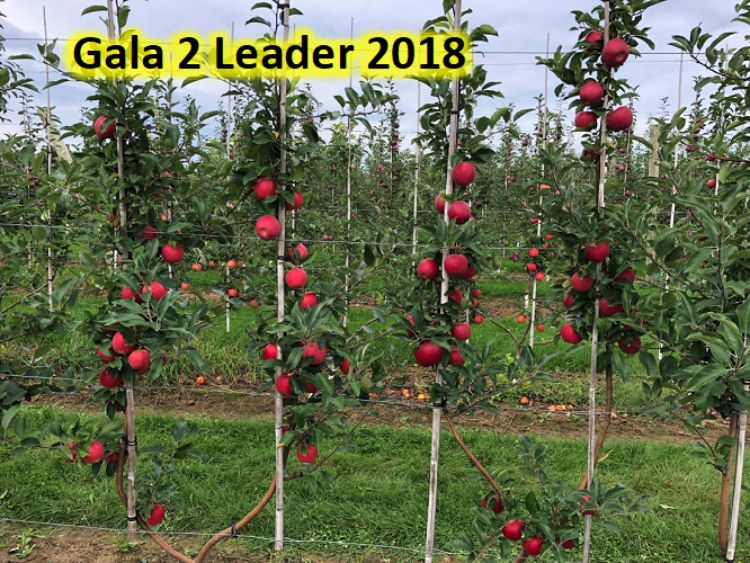
(Image: Side-by-side young vs. mature HDP orchard — look at that yield explosion!)
Improving Fruit Quality — Bigger, Sweeter, More Marketable Harvests 🍎
High-density orchard planting benefits don’t stop at quantity — the quality jumps too! Uniform sunlight exposure means every apple gets the same red blush, crisp texture, and sugar levels.
H3: Uniform Sunlight = Superior Color, Size & Flavor Narrow canopies eliminate shaded “understory” fruit. Cornell studies show >90% Grade-A fruit in well-managed HDP blocks versus 60–70% in traditional setups.
H3: Reduced Disease & Pest Pressure Better air flow and light = fewer fungal issues like apple scab or fire blight. You’ll spray less and harvest cleaner fruit.
H3: Practical Tips for Premium Results
- Maintain 60–90° branch angles with toothpicks or ties early on.
- Use crop-load management (thinning) to keep fruit size large.
- Drip irrigation + fertigation keeps nutrients balanced for sweetness.
(Image: Close-up of HDP apples — notice the vibrant color and size!)
Simplifying Tree Care — Less Work, More Joy 🛠️
One of the most loved high-density orchard planting benefits? Goodbye ladders and sore backs! Trees stay pedestrian-height (under 11 ft), so everything happens at ground level.
H3: Ground-Level Management Pruning, thinning, and harvesting take 30–50% less time. No more climbing — just walk the rows with your pruners. 🌿
H3: Labor Efficiency Gains Cornell’s economic analyses show HDP orchards require significantly fewer annual labor hours while delivering higher output. Perfect for family farms or solo growers!
H3: Optimized Resource Use Drip systems + fertigation cut water use by 40–50% (“more crop per drop”). Nutrients go straight to roots, not wasted on big canopies.
H3: Easier Integrated Pest & Disease Management Scout from the ground, target sprays precisely, and enjoy fewer outbreaks thanks to better airflow.
Checklist: Your 10-Minute Daily HDP Orchard Routine 🕒
- Morning walk: Check irrigation & pest traps.
- Quick branch tie or thin as needed.
- Evening: Harvest ripe fruit at eye level. Total time? Under 10 minutes per 100 trees!
Economic & Environmental Wins — Why HDP Is the Sustainable Choice 💰🌍
High-density orchard planting benefits extend far beyond the orchard rows — they deliver impressive economic returns and meaningful environmental advantages that align perfectly with modern sustainable tree care goals.
H3: Faster Break-Even & Higher Long-Term Profits One of the strongest high-density orchard planting benefits is rapid payback. Traditional orchards often take 8–12 years to break even, while well-managed HDP systems can reach profitability in 4–7 years thanks to early cropping and higher cumulative yields. Cornell University research shows profitability increasing with density up to around 1,000 trees per acre, with many growers reporting significantly higher net returns over the orchard’s life.
Labor savings are huge: pruning, spraying, and harvesting from ground level reduce hours by 30–50%. Add in higher percentages of premium, well-colored fruit that commands better market prices, and the economics become compelling. Many commercial operations see quicker ROI through “more crop per acre” while lowering input costs per unit of fruit produced.
H3: Environmental Benefits — Carbon Sequestration, Pollinator Habitats & Biodiversity HDP systems create efficient “fruiting walls” that intercept more sunlight and support denser planting without wasting resources. This leads to better land-use efficiency and potentially higher carbon sequestration in soils due to increased organic matter from managed canopies and root systems. Studies suggest HDP orchards can enhance pollinator attraction by providing consistent blooms in a compact area and create better habitat diversity when combined with cover crops or flowering understory plants.
H3: Resource Efficiency = Lower Carbon Footprint (“More Crop per Drop”) Drip irrigation paired with fertigation in high-density setups delivers water and nutrients precisely to the root zone, cutting water use by up to 40–50% compared to traditional flood or overhead systems. Targeted spraying on narrow canopies improves coverage while often reducing total pesticide volume. Overall, HDP promotes “more crop per drop” — producing far more fruit with fewer resources per ton harvested, lowering the environmental footprint of your tree care efforts. 🌱
H3: Social Perks — Safer, More Accessible Work for All Ages No more dangerous ladder work means safer conditions for family members, older growers, or part-time help. This makes high-density orchards ideal for small-scale or backyard enthusiasts who want to enjoy tree care without physical strain.
(Image suggestion: Beautiful mature HDP orchard with lush green rows, understory flowers for pollinators, and happy growers harvesting at eye level!)
Step-by-Step Guide to Implementing High-Density Planting in Your Orchard 🪴
Ready to put high-density orchard planting benefits to work? Here’s a practical, expert-backed roadmap that draws from Cornell and NCSU guidelines.
H3: Choosing Dwarfing Rootstocks & Varieties Success starts with the right genetics. For apples, popular dwarfing options include M.9, B.9, G.11, G.41, and G.16 (the Geneva series offers better disease resistance, especially to fire blight). Match rootstock vigor to your soil and variety — weaker soils may need slightly more vigorous options. Popular varieties for HDP include Gala, Fuji, Honeycrisp, and newer disease-resistant cultivars. For peaches and cherries, look for compatible dwarfing or semi-dwarfing stocks suited to your climate. 🍒
H3: Optimal Spacing, Training Systems & Layouts Common systems:
- Tall Spindle: The gold standard for apples — 800–1,500+ trees/acre, 3–5 ft in-row, 10–14 ft between rows. Trees trained to a single central leader with short, flat branches forming a narrow wall.
- Vertical Axis: Slightly less dense, good for moderate vigor varieties.
- Fruiting Wall / 2-D Systems: Ideal for mechanization and maximum light.
Use a trellis system (3–4 wires or posts) for support, especially in the first 3–4 years.
H3: Planting Day Best Practices + First-Year Establishment
- Plant high-quality, well-feathered nursery trees (10–15 feathers ideal).
- Set graft union 4–6 inches above soil.
- Minimal pruning at planting: Remove only feathers below 24 inches or those competing strongly with the leader.
- Tie down feathers below horizontal to encourage early fruiting.
- Install drip irrigation immediately and apply mulch for moisture retention and weed control.
H3: Year-by-Year Management Calendar 📅
- Year 1: Focus on tree establishment and branch training. Light fertigation to promote growth without excess vigor.
- Year 2: Allow early cropping (15–20 fruits/tree possible). Continue bending branches and remove any overly vigorous upright shoots.
- Years 3–5: Balance crop load with hand thinning. Renew large branches (>¾ inch diameter) to keep the canopy narrow.
- Mature Years: Annual limb renewal pruning + precise fertigation based on leaf/soil tests.
H3: Irrigation, Fertigation & Nutrition Schedules Young trees need consistent moisture — aim for frequent, light irrigations. Fertigation (fertilizer through drip) is highly effective in HDP because nutrients reach roots efficiently. Cornell studies highlight how proper irrigation and fertigation boost early growth and yield in humid climates. Adjust nitrogen carefully: too much causes excessive vegetative growth; too little slows establishment.
(Image: Step-by-step Tall Spindle training diagram or young orchard with trellis and drip lines)
Common Challenges & Proven Solutions ⚠️
Even with all the high-density orchard planting benefits, challenges exist — but they’re manageable with knowledge.
H3: High Upfront Costs — Smart Financing & Phased Approaches Establishment can cost 10–20× more than traditional systems due to trees, trellises, and irrigation. Solution: Start with a small pilot block, seek grants or low-interest ag loans, and phase in rows over 2–3 years.
H3: Controlling Vigor & Avoiding Over-Cropping Excess vigor leads to big trees that are hard to manage; over-cropping causes small fruit and biennial bearing. Solutions: Use dwarfing rootstocks, precise crop-load thinning (aim for fruit spaced 6–8 inches apart), and balanced fertigation. The #1 mistake? Letting trees get too vegetative in the first years — keep them “calm” with proper training.
H3: Water & Nutrient Management in Dense Systems Dense planting increases competition. Monitor soil moisture and leaf nutrient levels regularly. Drip + sensors make this easier than ever.
H3: Replanting Considerations HDP orchards may have a shorter productive life (15–20 years vs. 30+ traditionally) due to closer spacing. Plan for eventual renovation or rotation with soil health practices in mind.
Expert Warning Box ⚠️ “The #1 mistake new HDP growers make is over-pruning or under-thinning early on, which delays filling the space or reduces fruit quality. Balance is everything — calm trees produce the best long-term results!”
Real-World Success Stories & Case Studies 📖
Cornell’s 20-year Tall Spindle trials demonstrated sustained high yields and profitability, especially with varieties like Gala and Fuji. NCSU research confirms 450–600 trees/acre works well in the Southeast, balancing climate and market needs.
Small-scale growers report transforming backyard spaces into productive “fruit salad” gardens with multiple varieties in just a few rows, harvesting fresh fruit with minimal effort. One family orchard switched to HDP peaches and cut harvest time dramatically while improving fruit size and color. These stories prove high-density orchard planting benefits work across scales — from commercial acres to home gardens.
(Image: Before-and-after comparison or successful commercial HDP orchard full of high-quality fruit)
Expert Insights & Pro Tips from the Field 💡
- Start with soil testing — everything else builds on healthy roots.
- Invest in quality nursery trees — feathered whips pay off fast.
- Train early and often — the first two years set the canopy for life.
- Use reflective mulch in young blocks to boost light and color.
- Monitor crop load weekly during thinning season.
- Integrate cover crops between rows for soil health and pollinators.
- Prune in summer for vigor control when needed.
- Track your data — yields, fruit size, labor hours — to refine your system yearly.
“What I wish I knew: Don’t chase maximum density immediately. Find the sweet spot for your variety, soil, and management style — quality and consistency beat sheer numbers every time.”
Quick-Reference HDP Cheat Sheet (printable-friendly): • Rootstocks: M.9, G.41, etc. • Spacing: 3–5 ft × 10–14 ft • Goal: Narrow fruiting wall with 70%+ light interception • Key practice: Limb renewal + balanced thinning
Frequently Asked Questions (FAQs) ❓
Is high-density orchard planting suitable for home gardens? Absolutely! Even on a small plot, you can plant 8–12 dwarf trees in a single or double row trellis for abundant fresh fruit with easy care.
How much does it cost to convert an existing orchard? Conversion varies widely but expect significant investment in new trees, trellis, and irrigation. Phased replanting helps manage costs while maintaining some production.
What rootstocks work best in warmer or humid climates? Geneva series (G.11, G.41) offer good disease resistance. Consult local extension services for region-specific recommendations.
Will HDP trees need more water? Actually, efficient drip systems often use less water overall due to precision delivery and higher productivity per drop.
Can I mechanize parts of HDP management? Yes — narrow canopies lend themselves to mechanical hedging, platforms for harvest, and even robotic aids in larger setups.
(Additional FAQs can expand on specific crops, common pests in dense systems, etc.)
Conclusion: Ready to Transform Your Orchard? 🌟
High-density orchard planting benefits — maximized yields, improved fruit quality, and simplified tree care — offer a proven path to more productive, enjoyable, and sustainable growing. By packing more trees efficiently, capturing better light, reducing labor, and optimizing resources, HDP systems help you grow smarter, not harder.
Whether you’re a commercial grower seeking faster ROI or a home enthusiast wanting fresh, high-quality fruit with less effort, these techniques deliver real results backed by decades of university research and grower experience.
Start small, plan carefully, and watch your orchard thrive like never before. Your first high-density row could truly change everything.
Happy growing — may your harvests be bountiful and your tree care joyful! 🍎🌳











