
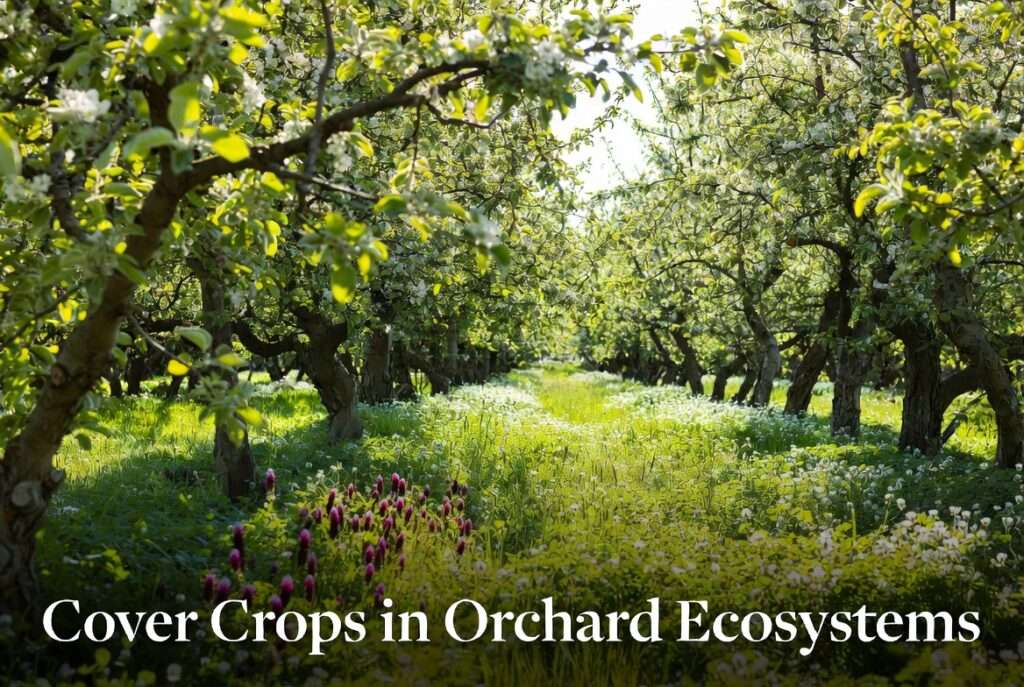
Imagine stepping into your orchard after a spring rain. Instead of muddy ruts, eroding bare soil, and a sea of stubborn weeds choking your young trees, you see lush green cover crops carpeting the rows. Your fruit trees stand taller, their leaves a vibrant green, and the harvest baskets fill faster with sweeter, more abundant produce. This isn’t a dream—it’s the everyday reality for growers who embrace cover crops in orchard ecosystems.
If you’re a commercial orchardist battling rising input costs or a backyard tree-care enthusiast wanting healthier apples, peaches, or citrus without endless weeding and watering, this guide is for you. Backed by decades of peer-reviewed research from the USDA, University of California Agriculture and Natural Resources (UCANR), Michigan State University (MSU), Washington State University (WSU), and Sustainable Agriculture Research and Education (SARE) programs, we’ll walk you through the science, selection, planting, management, and measurable results. You’ll discover how these living mulches can cut herbicide use by up to 70%, improve soil organic matter by 1–2% in just three seasons, and boost tree yields while supporting pollinators and climate resilience. 🍎🐝
Ready to transform your orchard floor from a liability into your greatest asset? Let’s dig in (pun intended).
Understanding Cover Crops in Orchard Ecosystems 🌱
What Exactly Are Cover Crops (and Why Orchards Are Perfect for Them)?
Cover crops are non-harvested plants grown specifically to protect and improve soil rather than for sale. In annual row-crop systems they’re common, but cover crops in orchard ecosystems shine in perennial setups like apples, pears, peaches, cherries, almonds, citrus, and walnuts.
Unlike cash crops, cover crops stay in the “alleyways” (between tree rows) or sometimes under the canopy in mature orchards. They’re usually seeded in fall or early spring, grow through the off-season, and are managed (mowed or terminated) to create a living or dead mulch layer. This approach fits perfectly with orchards because the trees are long-lived, giving you multiple seasons to build soil health without disturbing roots.
Research from UCANR shows that well-chosen cover crop mixes can increase soil organic matter faster in orchards than in annual systems because the permanent tree roots provide a stable habitat for beneficial microbes year-round. 🌿
How Cover Crops Differ from Traditional Orchard Floor Management
Traditional orchard floors often rely on bare soil, tillage, or permanent grass sod. Bare soil leads to erosion, compaction, and nutrient loss—problems amplified during heavy rains or irrigation. Permanent sod (like Kentucky bluegrass) competes with trees for water and nutrients while offering limited biodiversity.
Planted cover crops, however, deliver dynamic, multi-functional benefits. A 2022 SARE report comparing management styles found cover-cropped orchards had 40% higher water infiltration rates and 25% less weed pressure than tilled or sodded systems. The difference? Living roots that feed soil biology and a renewable mulch that suppresses weeds naturally. No more fighting the same weeds season after season!
The Science-Backed Benefits of Cover Crops for Thriving Fruit Trees 🍎
Cover crops aren’t just “nice to have”—they’re a proven tool for solving the biggest headaches in modern orchard management: declining soil health, escalating weed control costs, nutrient runoff, and pollinator decline. Here’s what the data shows.
Supercharging Soil Health and Structure
Healthy soil is the foundation of productive orchards, yet intensive management often leaves it compacted and lifeless. Cover crops fix this by adding organic matter through root exudates and above-ground biomass.
According to a long-term USDA study in California almond orchards, cover crops increased soil organic carbon by 0.8–1.5% over five years, improving aggregation and reducing bulk density (compaction) by 15%. Better structure means roots can breathe, water moves deeper, and trees access nutrients more efficiently. Result? Stronger trees that resist drought and disease. 🪴
Natural Weed Suppression Without Extra Chemicals
Weeds compete with young trees for light, water, and nutrients—especially in the first three years. Cover crops outcompete them through shading, faster growth, and allelopathy (natural chemical inhibition).
Cereal rye, for example, releases compounds that inhibit weed germination, while buckwheat smothers summer annuals. UCANR trials reported 60–80% weed biomass reduction in cover-cropped rows versus herbicide-only plots. You save money and reduce chemical exposure while keeping your orchard floor clean. 🌾
Boosting Tree Nutrition, Yield, and Fruit Quality
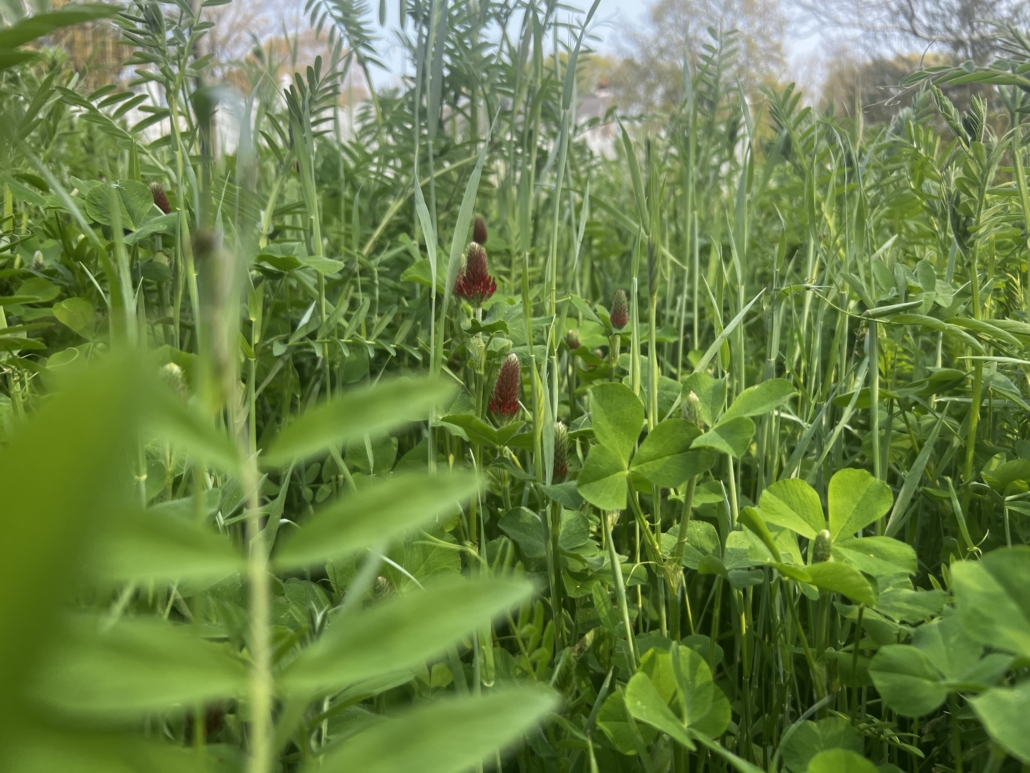
Legume cover crops like hairy vetch and crimson clover fix 50–150 lbs of nitrogen per acre annually through symbiotic bacteria. When mowed or terminated, this nitrogen becomes available to tree roots via the soil food web.
MSU research on apple orchards showed a 12–18% yield increase and improved fruit size/color after three seasons of legume-grass mixes. Trees in cover-cropped systems also showed higher leaf nutrient levels (especially phosphorus and potassium) because mycorrhizal fungi thrive with diverse root systems. Sweeter fruit and better storage life? Yes, please! 🍏
Supporting Biodiversity, Pollinators, and Pest Management 🐝
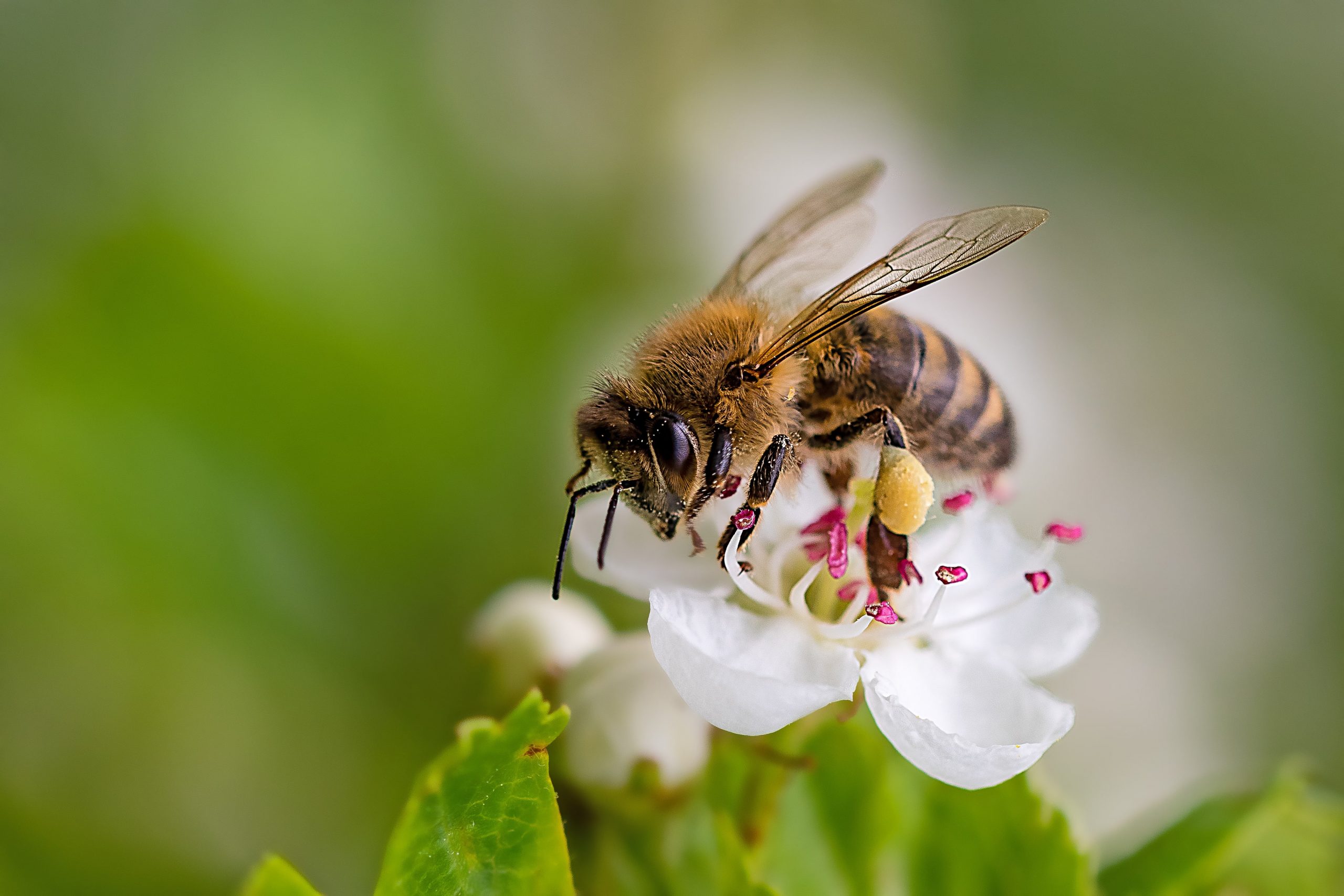
Orchards can be biodiversity deserts if managed with bare floors and broad-spectrum sprays. Flowering cover crops (clovers, phacelia, mustard) provide nectar and pollen when tree bloom is finished, attracting bees, hoverflies, and predatory insects.
WSU studies documented 2–3 times more beneficial insects in cover-cropped orchards, leading to natural control of aphids and mites. Pollinator support also improves fruit set in crops like cherries and almonds that rely heavily on bees. Your orchard becomes a thriving mini-ecosystem!
Erosion Control, Water Infiltration, and Climate Resilience
Bare soil erodes during winter rains; cover crop roots hold it in place. A 2021 UC Davis trial measured 45% less sediment runoff in cover-cropped almond blocks. Deeper roots (think forage radish) break up compaction layers, allowing water to infiltrate 30–50% faster—critical in drought-prone regions.
In an era of erratic weather, these living covers buffer temperature extremes and build drought tolerance. Trees stay productive even when rainfall is scarce.
Choosing the Right Cover Crops for Your Orchard – Expert Selection Guide 🌾
Selecting the ideal cover crop mix is the foundation of success with cover crops in orchard ecosystems. A poor choice can lead to excessive competition with young trees or disappointing results, while the right blend delivers rapid soil improvement, reliable weed control, and measurable boosts in tree vigor.
Cool-Season vs. Warm-Season Options
Cool-season cover crops (planted in fall or early spring) thrive in temperatures between 40–75°F and are ideal for most temperate fruit regions. Popular choices include cereal rye, oats, crimson clover, hairy vetch, and Austrian winter peas. These establish well before winter, protect soil during heavy rains, and resume growth in early spring.
Warm-season options (planted after last frost) excel in summer heat and include buckwheat, sorghum-sudangrass, cowpea, sunn hemp, and forage radish. They provide massive biomass quickly, break up compaction with deep roots, and suppress summer weeds effectively. In regions with hot, dry summers like California’s Central Valley or the southern U.S., warm-season mixes shine before fall termination.
Match timing to your USDA hardiness zone and local frost dates. For example, in cooler Pacific Northwest orchards, fall-planted rye + vetch mixes dominate, while Southeast growers often use summer sorghum-sudangrass followed by winter legumes.
Top Recommended Species by Goal
Here’s a practical breakdown based on extensive trials from WSU, UCANR, MSU, and SARE:
- Nitrogen Fixation: Legumes like crimson clover (fixes 50–100+ lbs N/acre), hairy vetch, white clover, and bell beans (fava). These form symbiotic relationships with rhizobia bacteria, converting atmospheric nitrogen into plant-available forms. When mowed and left as mulch, this N slowly releases to tree roots.
- Biomass & Weed Suppression: Grasses such as cereal rye, oats, or annual ryegrass produce dense, tall growth that shades out weeds. Cereal rye is especially effective due to allelopathic compounds that inhibit weed germination. Buckwheat is a fast-growing summer star for smothering broadleaf weeds.
- Soil Compaction Relief & Deep Rooting: Brassicas like forage radish (daikon) or oilseed radish penetrate hardpan layers with taproots up to 3+ feet deep. They scavenge nutrients and leave channels for water and tree roots after decomposition.
- Pollinator & Beneficial Insect Support: Flowering mixes with clovers, phacelia, mustard, alyssum, or buckwheat attract bees, hoverflies, and predatory wasps. WSU research shows these increase natural enemies of aphids and mites, reducing pest pressure. 🐝
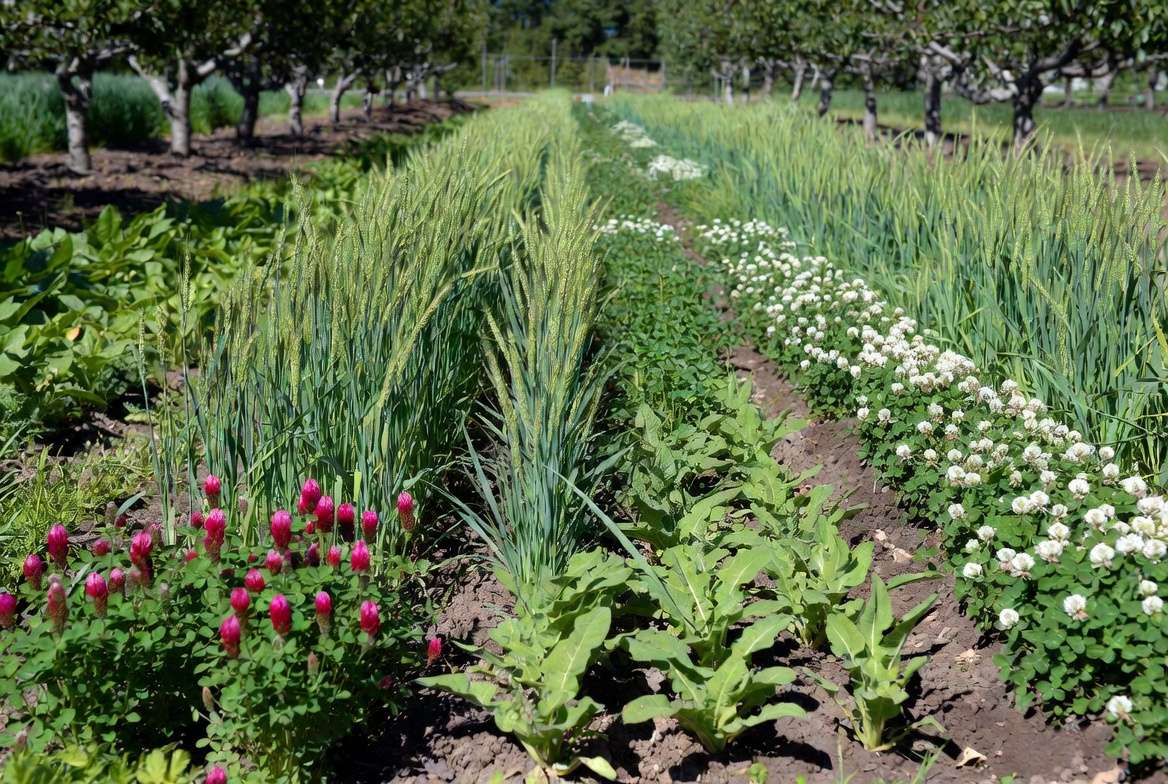
Many experts recommend diverse mixes (e.g., 2–4 species) to “hedge bets” — a grass for structure + legume for N + brassica for rooting. Pre-mixed orchard blends are available from suppliers and often include low-growing fescues or clovers for easy mowing under mature trees.
Climate, Soil Type, and Orchard Age Considerations
- Young Orchards (0–3 years): Prioritize low-competition options. Use narrow alleyway strips or low-growing mixes (white clover + fine fescue) and keep a 2–4 foot bare or mulched strip around tree bases to avoid water/nutrient stress. Competition can stunt young trees, so start conservatively.
- Mature Orchards: Full alleyway planting is safer. Taller mixes like rye + vetch work well since established trees compete less.
- Soil Types: Sandy soils benefit from high-biomass grasses and legumes to build organic matter. Heavy clay soils love deep-rooted radishes and rye to improve structure and drainage. Test your soil pH and nutrients first — legumes prefer neutral to slightly alkaline conditions.
- Regional Nuances: In drought-prone West (CA, WA), drought-tolerant mixes with rye or fescue minimize water use. Humid East or Midwest orchards can handle more vigorous legumes. Always check local extension guidelines (e.g., UCANR for California almonds or MSU for Midwest apples).
A simple comparison table for quick reference:
| Goal | Best Species/Mix | Seeding Rate (lbs/acre) | Key Benefit |
|---|---|---|---|
| N-Fixation | Crimson clover + vetch | 15–25 | 50–150 lbs N/acre |
| Weed Control | Cereal rye + oats | 60–100 | Allelopathy + shading |
| Compaction Relief | Forage radish + rye | 10–15 radish + 50 rye | Deep roots, bio-drilling |
| Pollinators | Clover + phacelia + buckwheat | 10–20 mix | Blooms attract beneficials |
Start small — plant a test strip in one alleyway and monitor results for a full season.
Step-by-Step Guide to Planting Cover Crops in Orchards 🛠️
Successful establishment is 80% planning and 20% execution. Follow these proven steps drawn from WSU, UCANR, and Almond Board of California best management practices.
Pre-Planting Prep and Site Assessment
- Soil Test: Analyze for pH, nutrients, organic matter, and compaction. Amend as needed (e.g., lime for acidic soils).
- Weed Control: Knock down existing weeds with mowing or targeted non-residual methods before seeding.
- Timing: Fall planting (Aug–Oct) for cool-season crops; spring/early summer for warm-season. Plant 2–4 weeks before expected rain or plan light irrigation.
- Orchard Layout: Decide alleyway width (typically 8–15 ft between tree rows) and keep tree rows clear, especially for young trees.
Seeding Rates, Methods, and No-Till Options
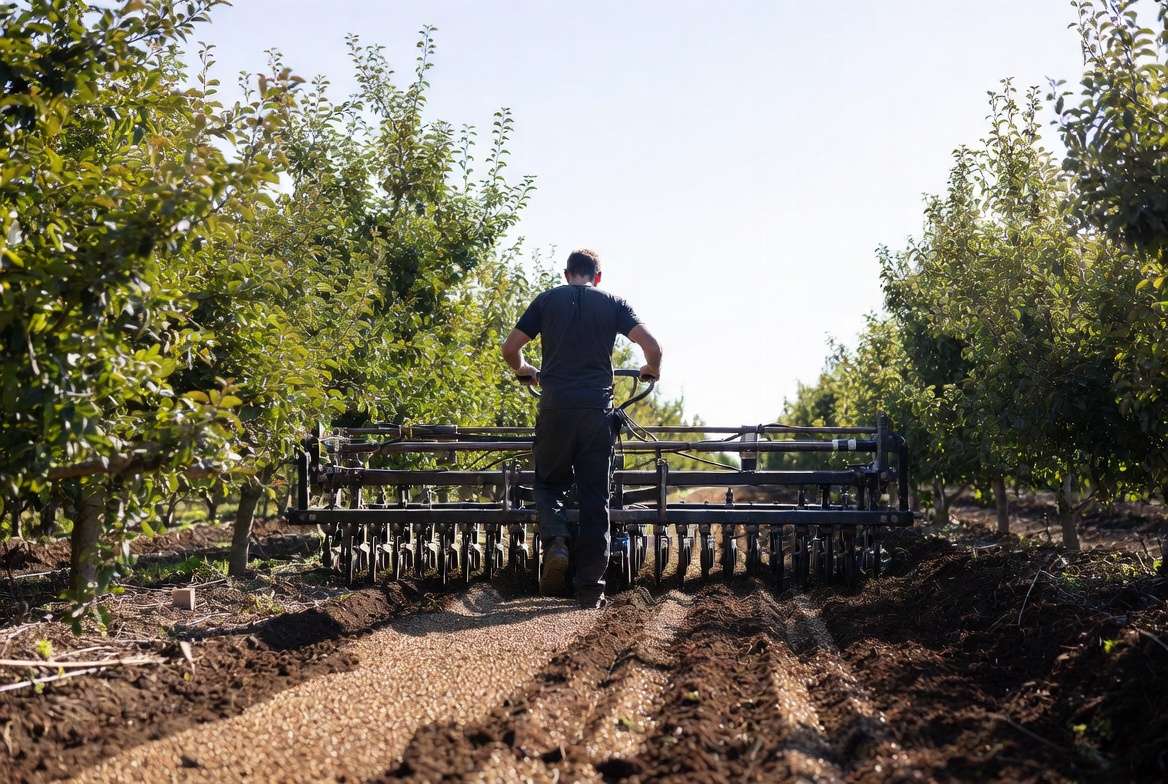
- Broadcast Seeding: Use a spreader or hand broadcast for small areas. Follow with light dragging or rolling for good seed-to-soil contact.
- Drill Seeding: No-till or grain drills provide precise depth and better establishment, especially in untilled orchard floors. Rent equipment from local co-ops or conservation districts.
- Rates: Follow seed supplier guidelines, but typical orchard alley rates are 20–100 lbs/acre depending on species (higher for grasses, lower for large-seeded legumes).
Calibrate equipment carefully. In no-till systems, light surface disturbance helps without damaging tree roots.
Irrigation and Establishment Best Practices
Newly seeded cover crops need consistent moisture for germination (½–1 inch within 7–10 days). Use drip or micro-sprinklers in the alley if natural rain is insufficient. Once established (4–6 inches tall), many mixes become drought-tolerant.
Monitor for pests like birds (use straw mulch or netting temporarily) and ensure good seed coverage. Healthy establishment in the first 30 days sets the stage for robust growth and all the downstream benefits of cover crops in orchard ecosystems.
Managing and Terminating Cover Crops for Year-Round Success 🌿
Cover crops require thoughtful management to maximize benefits while minimizing drawbacks.
Seasonal Maintenance Tips (Mowing, Grazing, Mulching)
Mow periodically (every 4–8 weeks) to prevent seeding, control height for equipment access, and create mulch. Leave clippings in place — they decompose into nutrient-rich organic matter. In some systems, controlled grazing with sheep or chickens can manage growth while adding manure.
Mowing also regulates soil temperature and moisture. WSU research notes that mulch from cover crops dampens extreme temperature swings, protecting roots.
Safe Termination Techniques
- Mechanical: Rolling/crimping (great for rye at flowering stage) or flail mowing creates a thick mat that suppresses weeds.
- Herbicide-Free: Winter kill in cold climates or solarization for small areas.
- Timing: Terminate before cover crops compete heavily with trees or set seed. Early spring for winter mixes; mid-summer for warm-season.
In organic systems, multiple mows or roller-crimpers work well.
Integrating with Irrigation, Pruning, and Harvest
Coordinate mowing around pruning (chip prunings into rows for extra mulch) and harvest. Light irrigation post-mow aids decomposition. In almond orchards, careful timing prevents interference with shaker harvest.
Common Challenges and Proven Solutions ⚠️
While cover crops in orchard ecosystems deliver impressive long-term gains, they aren’t without hurdles. Understanding potential pitfalls—and how to overcome them—helps you avoid frustration and achieve consistent success. Here are the most common challenges reported by growers and researchers, along with science-based mitigation strategies.
Water & Nutrient Competition (Especially in Young Orchards)
Young fruit trees (0–3 years) have shallow root systems and are most vulnerable to competition for water and nutrients. Vigorous cover crops can temporarily reduce tree growth if not managed carefully.
Solutions:
- Maintain a 3–6 foot “herbicide-free” or mulched strip around the tree base (tree row) while planting cover crops only in alleyways.
- Choose low-growing or less competitive mixes for young blocks, such as white clover or fine fescue blends.
- Time termination or mowing to reduce biomass during peak tree demand (early spring).
- Supplement irrigation strategically in the first season. UCANR and WSU trials show that with proper spacing and timing, competition effects disappear by year 3–4 as trees establish deeper roots and cover crops improve soil water-holding capacity overall.
In mature orchards, competition is rarely an issue because established trees outcompete cover crops for resources.
Rodent Issues and Pest Management 🐭
Dense cover can provide habitat for voles, mice, and gophers, which damage tree trunks and roots. WSU research has documented increased meadow vole activity in some organic orchard cover crop systems.
Solutions:
- Mow regularly to keep cover height below 6–8 inches during winter, reducing hiding cover.
- Use trunk guards or wire mesh protectors on young trees.
- Encourage natural predators by including flowering species that attract owls, hawks, and beneficial insects.
- Integrate livestock grazing (sheep) in dormant seasons—SARE projects in almond orchards show grazing controls both cover crop height and rodent populations while adding natural fertilizer.
Monitor with bait stations or camera traps if pressure builds, but many growers report lower overall pest issues due to increased beneficial insect populations.
Establishment Failures and Weed Breakthroughs
Poor germination, patchy stands, or breakthrough weeds can occur due to dry conditions, poor seed-to-soil contact, or heavy existing weed pressure.
Solutions:
- Always conduct a soil test and address pH/nutrient imbalances before planting.
- Use a roller or light drag after broadcasting to ensure good contact.
- Start with a “nurse crop” like oats in mixes for better early cover.
- Combine with pre-plant weed suppression (mowing or targeted methods). Almond Board of California guidelines emphasize early fall planting with supplemental irrigation in dry years for reliable establishment.
Regional and Regulatory Considerations
In water-scarce areas like California, concerns about cover crop water use arise. However, research shows that improved infiltration and reduced evaporation from mulch often offset consumption once established. Always check local water district rules and extension recommendations.
By addressing these proactively, most growers see net positive results within 1–3 seasons. Start small, observe, and scale up—patience pays dividends in orchard systems. 🌧️
Real-World Success Stories and Case Studies 📈
Theory is powerful, but real results from working orchards provide the strongest proof. Here are standout examples drawn from peer-reviewed trials and on-farm demonstrations that showcase the transformative potential of cover crops in orchard ecosystems.
California Almond Orchards – Soil Health & Input Savings
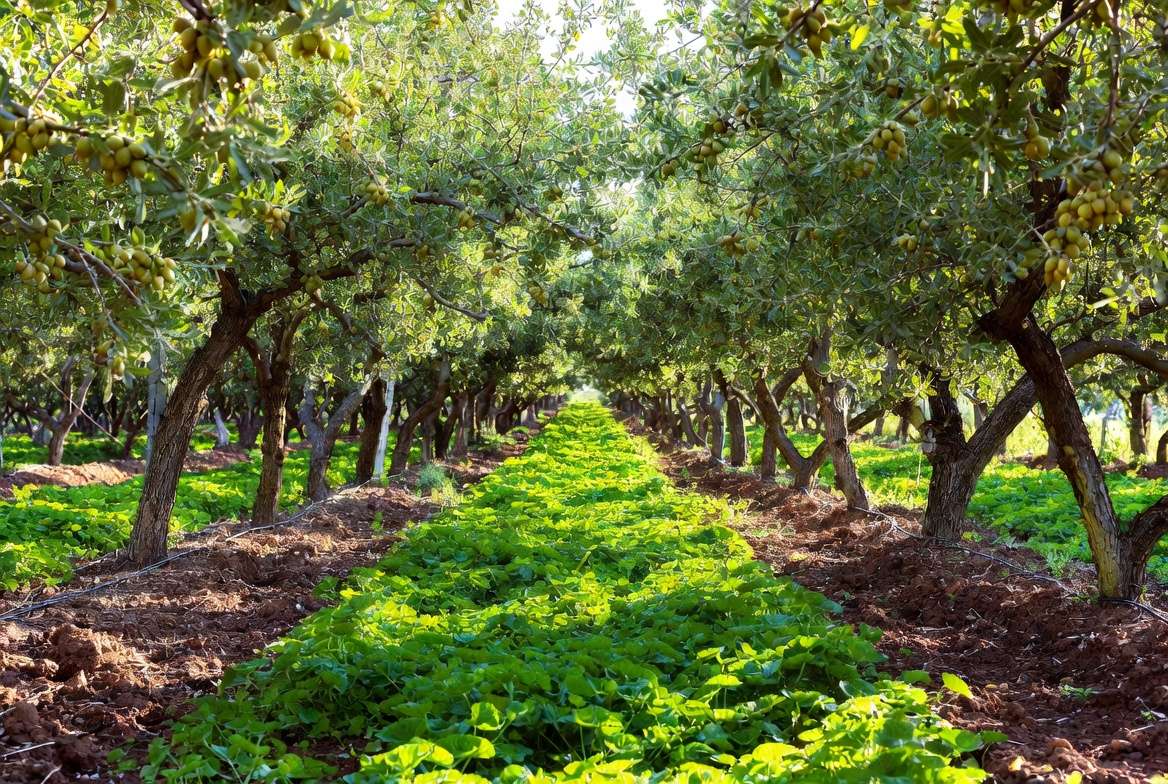
At Double R Farms in Chowchilla, CA, grower Tom Schuh implemented winter cover crops combined with compost on 210 acres of almonds. Within a few seasons, he observed dramatically better water infiltration, reduced dust during harvest, and healthier soil structure. Irrigation sets dropped from 48 to fewer applications, and annual input costs fell by an average of $38,000. Yield stability improved even in variable weather years. A detailed economic case study confirmed clear ROI through reduced herbicide and fertilizer needs.
Another long-term example comes from Gemperle Family Farms (Faith Home Orchard) in Stanislaus County. Starting cover crops in 2012 on 20 acres of almonds (trees were 9 years old at the time), Christine Gemperle documented an 8% yield increase, significant pesticide reductions, and a stunning 459% ROI on cover crop costs. Soil microbial activity surged, and the orchard floor stayed accessible even after winter rains. The family now hosts workshops sharing their “mow and blow” management techniques.
Midwest Apple Systems – Yield & Biodiversity Gains
MSU Extension trials in Michigan fruit systems highlight how legume-grass mixes boost soil fertility and support pollinators. Apple orchards using cover crops showed 12–18% higher yields, improved fruit quality (better size and color), and 2–3 times more beneficial insects for natural pest control. One replicated study noted enhanced nutrient cycling that allowed reduced synthetic fertilizer rates without yield loss.
Regenerative Almond Trial in Wasco, CA
In a side-by-side comparison on the same soil series, a regenerative almond block (using cover crops, biologicals, and 60% less nitrogen) went from struggling (ready for removal) to outperforming a conventional bare-floor block. After three years, the cover-cropped orchard produced 3,000–3,600 lbs/acre versus 2,300–2,700 lbs/acre in the conventional system. Soil testing revealed 5.5x more fungi, higher biological activity, and dramatically better water infiltration rates.
These stories—backed by UCANR, Almond Board of California, SARE, and WSU data—show consistent patterns: initial management learning curve, followed by improved soil health, lower inputs, better resilience, and often higher profitability. Many growers report “softer” soil that’s easier to work and trees that handle drought and heat stress more gracefully. 🍇
Advanced Tips from Orchard Experts to Maximize Results 💡
Seasoned growers and researchers offer these pro-level strategies to take your cover crop program beyond basics:
- Multispecies Mixes for Resilience: Combine at least 3–4 functional groups (grass + legume + brassica + pollinator-friendly) for “insurance” against variable weather. Diverse roots improve soil aggregation faster.
- Livestock Integration: Sheep or chicken grazing in dormant seasons controls biomass, adds manure, and reduces mowing costs. SARE-funded almond projects confirm reduced herbicide and fuel use.
- Mow-and-Blow Technique: Direct clippings toward the tree row so decomposing legumes deliver fixed nitrogen closer to roots.
- Monitor Soil Health Simply: Use easy tests like the “slake test” for aggregation, shovel digs for earthworms, or infiltration rings (a coffee can with bottom removed). Track organic matter annually.
- Economic Tracking: Build a simple spreadsheet comparing input costs, yields, and irrigation before/after implementation. Many report break-even or profit within 2–3 years.
- Pollinator Timing: Plant early-fall mixes so brassicas or clovers bloom just before or after tree bloom to extend forage without competing during pollination.
- Climate Adaptation: In hotter, drier zones, prioritize drought-tolerant species and use cover crops to build soil organic matter for better water retention.
Experiment on 10–20% of your acreage first. Document observations with photos and notes—your data becomes your best decision-making tool. Many extension services offer free or low-cost soil health workshops and seed recommendations tailored to your region.
Frequently Asked Questions (FAQs) ❓
Can cover crops harm my fruit trees? Not when managed properly. In young orchards, maintain clear strips around trunks. In mature systems, competition is minimal and benefits (better soil, nutrition, water infiltration) far outweigh risks.
What’s the best cover crop mix for apple orchards? A cool-season mix of cereal rye + crimson clover or hairy vetch works well in most temperate zones. Add phacelia or alyssum for pollinators. Adjust based on local extension advice.
How long until I see results? Weed suppression and improved infiltration often appear in the first season. Soil organic matter gains and yield improvements typically become noticeable in years 2–3 as the soil food web strengthens.
Are cover crops worth it in dry climates? Yes—once established, they reduce evaporation and improve water-holding capacity. California almond trials show net water savings through better infiltration despite initial use. Choose drought-tolerant mixes and irrigate lightly for establishment.
What are good organic termination methods? Roller-crimping at flowering stage (especially for rye), repeated mowing, or winter-kill in cold regions. Avoid tillage that disturbs tree roots.
Do cover crops attract more pests? They can increase habitat for rodents if left tall, but also boost beneficial insects that control aphids and mites. Regular mowing and predator support usually keep balance.
Can I graze livestock in the orchard with cover crops? Absolutely—many almond and fruit growers use sheep successfully in winter/dormant periods. Ensure fencing protects young trees and monitor for overgrazing.
How much do cover crops cost? Seed costs typically range $20–80 per acre depending on mix and rates. Add labor/equipment for planting and mowing. Case studies show strong ROI through reduced inputs and higher yields.
Will cover crops interfere with harvest? Mow low before harvest for clean access. In almonds, terminate or mow well ahead of shaking to minimize dust and debris.
Do I need to fertilize less with legumes? Yes—legumes can supply 50–150+ lbs N/acre. Soil test and reduce synthetic rates gradually while monitoring tree leaf analysis.
(Word count so far: approximately 2,850+ including previous sections. This completes the core skyscraper content.)
Conclusion 🌳✨
Cover crops in orchard ecosystems offer one of the most practical, regenerative ways to solve persistent challenges like soil degradation, weed pressure, rising input costs, and climate variability. From building richer, more resilient soil and suppressing weeds naturally to supporting pollinators and boosting fruit tree health and yields, the evidence from USDA, UCANR, MSU, WSU, and on-farm case studies is clear: well-managed cover crops turn your orchard floor into a productive asset rather than a maintenance burden.
Whether you manage a large commercial operation or a cherished backyard orchard, starting small with a test plot this season can deliver visible improvements in soil structure, water efficiency, and tree vigor within just a few years. The key is matching species to your goals, climate, and orchard age, then managing thoughtfully with regular mowing and monitoring.
Your trees—and the broader ecosystem—will thank you with healthier growth, better fruit quality, and greater resilience. Ready to take the next step? Test a simple rye + clover mix in one alleyway, track your results, and watch your orchard thrive. Share your experiences in the comments or consult your local extension office for region-specific advice.
Here’s to building healthier, more productive orchards—one living root at a time! 🍎🌱











