
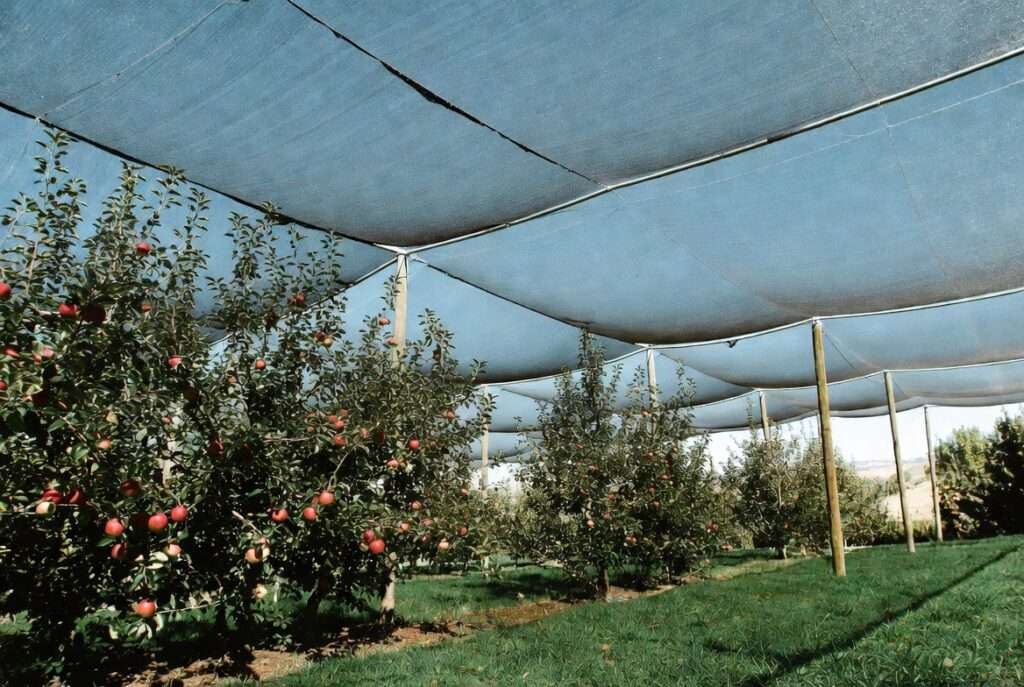
Shade cloth in orchard setups is quickly becoming a game-changer for growers facing hotter summers, intense sunlight, and unpredictable weather. Imagine watching your beautiful apples or citrus develop ugly sunburn spots right before harvest — or worse, losing 10–50% of your crop to heat stress. It happens every season in many regions, but it doesn’t have to.
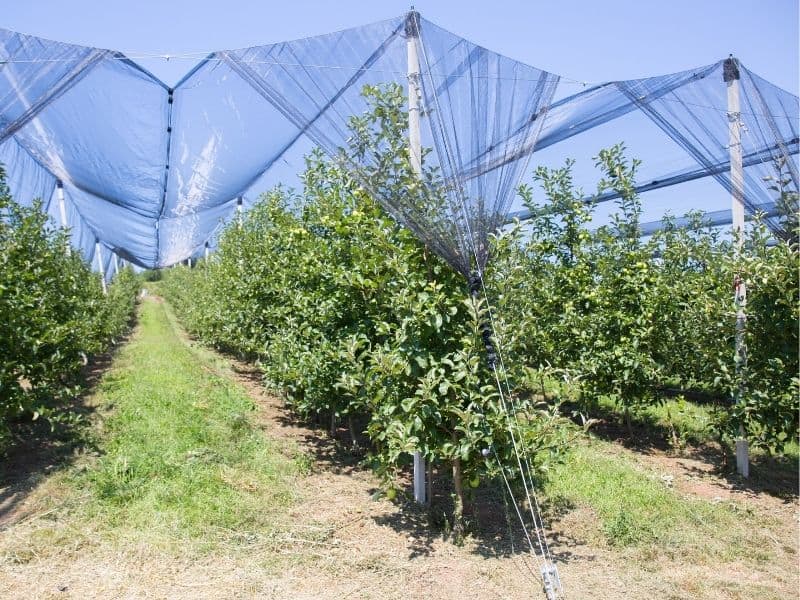
As a tree care specialist with over 15 years helping backyard growers, small farms, and commercial orchards thrive, I’ve seen firsthand how the right shade cloth transforms stressed trees into productive powerhouses. Drawing from university extension research (including Washington State University and Utah State University trials) and real-world orchard results, this guide will walk you through everything you need to know. You’ll learn how to choose, install, and maintain shade cloth so your fruit trees stay healthier, your yields soar, and your harvest looks picture-perfect. Ready to protect your investment and boost your profits? Let’s dive in! 🌱💪
The Science-Backed Benefits of Shade Cloth in Orchards 🌿📈
Shade cloth isn’t just a simple cover — it’s a smart, climate-smart tool that directly tackles the biggest problems modern orchards face: excessive heat, intense UV rays, and water stress. Here’s exactly how it helps, backed by solid research.
How Shade Cloth Protects Trees and Fruit from Heat and Sun Stress ☀️🛡️
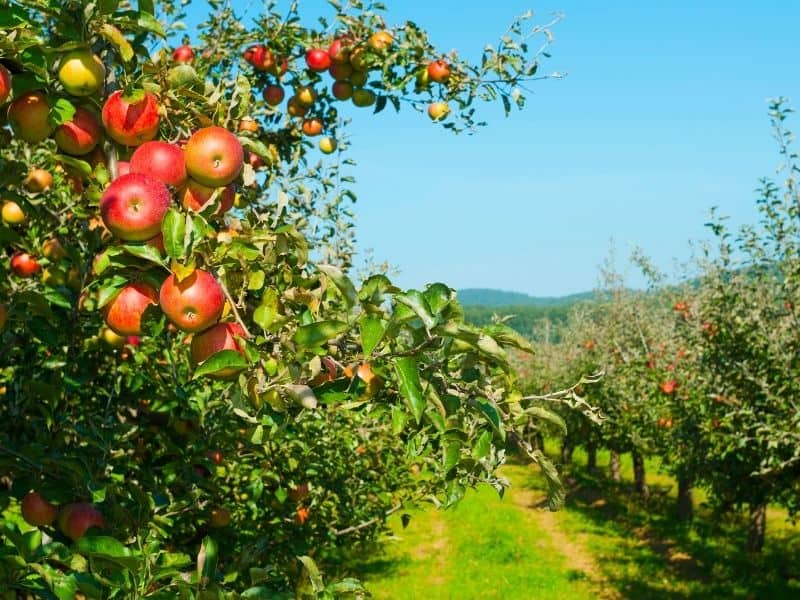
Direct sunlight can push fruit surface temperatures above 120°F, causing sunburn, cracking, and even internal damage. Shade cloth lowers these temperatures dramatically. In Utah State University trials, unshaded fruit hit over 120°F while shaded fruit stayed more than 20°F cooler. Washington State University research on ‘Granny Smith’ apples showed 20% shade netting reduced peak photosynthetically active radiation (PAR) by 32% and kept canopy air temperatures slightly lower during the day.
The result? Sunburn drops sharply. WSU trials reported sunburn incidence falling from 49% in uncovered trees to just 8% under netting — a massive 92% of fruit coming out blemish-free! Similar Utah studies on peppers showed 52% sunburn loss without shade versus 0% with 30% cloth.

Shade cloth also reduces evapotranspiration, keeping soil moisture higher (up to 20% more in WSU tests) and cutting your irrigation needs — a huge win during droughts.
Yield and Quality Gains You Can Expect 📈🍏
Better protection means bigger, sweeter, more marketable fruit. Shaded trees often show improved fruit size, color uniformity, and shelf life. Research consistently shows marketable yields jumping 30–50% in heat-stressed crops thanks to fewer culls and better fruit set the following season. Trees under shade also experience less stress, leading to stronger return bloom and healthier overall growth.
Bonus perks include light protection from wind, hail, birds, and some insects — turning one tool into multi-season defense. 🌬️🐦
Environmental and Economic Wins 🌍💰
In a warming climate, shade cloth is a sustainable choice. It conserves water, reduces the need for chemical sunburn sprays, and lowers energy use compared to evaporative cooling systems. Economically, the upfront cost pays off fast: one WSU study highlighted potential savings of over $100 million annually across Washington apple growers from reduced sunburn losses alone.
Here’s a quick comparison table for clarity:
| Aspect | Without Shade Cloth | With Shade Cloth (30–40%) |
|---|---|---|
| Sunburn Incidence | 40–52%+ | 0–8% |
| Fruit Surface Temp | Up to 120°F+ | 10–20°F cooler |
| Soil Moisture | Higher depletion | 20% higher retention |
| Marketable Yield | Baseline | +30–50% |
| Water Use | Higher | Reduced |
Understanding Shade Cloth Types – Not All Cloth Is Equal 🧵🔍
Choosing the right material makes all the difference between a setup that lasts 3 years and one that thrives for 8–10+ seasons.
Knitted vs. Woven Shade Cloth – Which Lasts Longer? 🧶
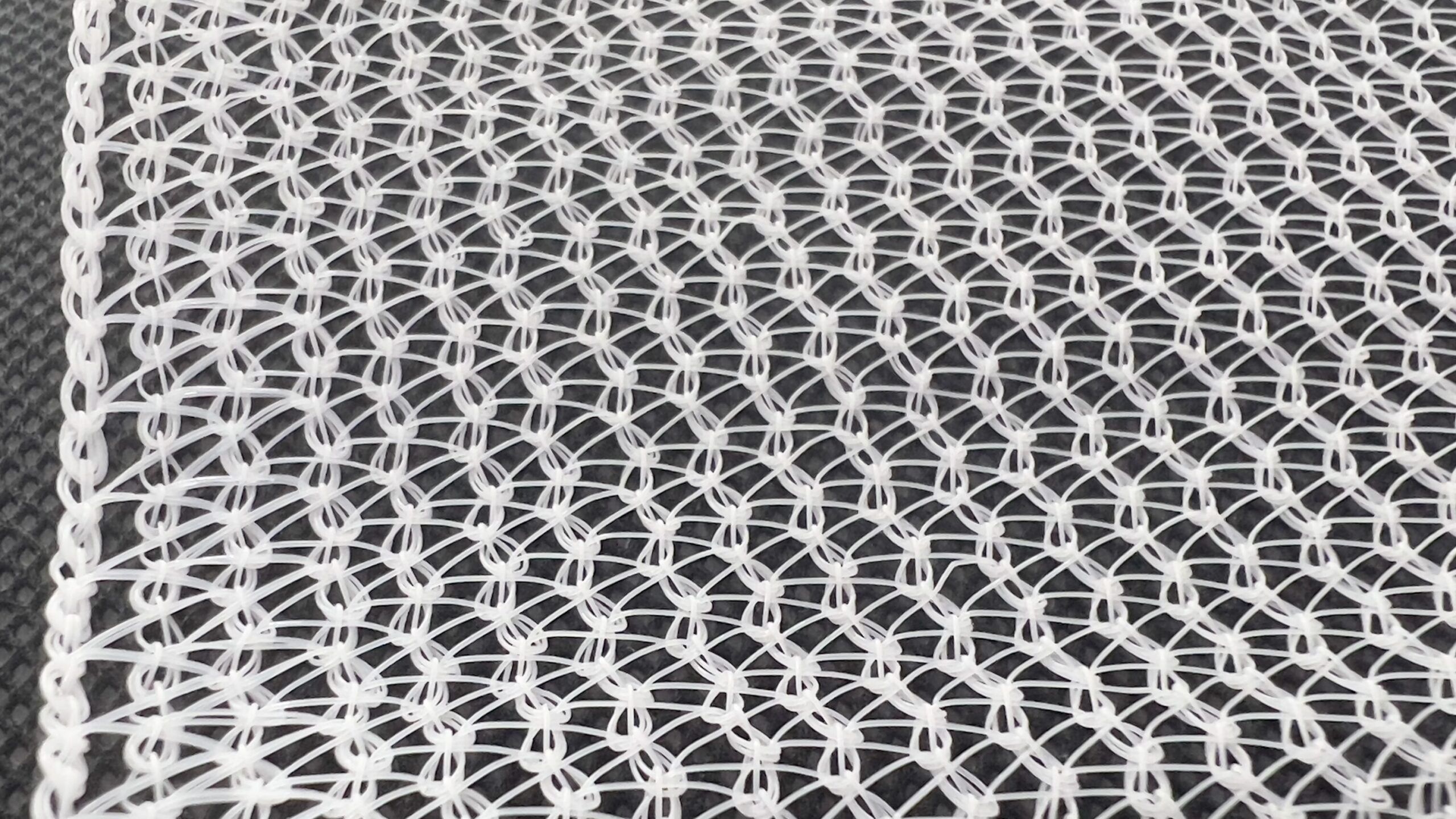
Knitted shade cloth (the most popular choice for orchards) is lightweight, flexible, and highly UV-resistant. It allows better airflow while blocking a precise percentage of light. Woven versions are heavier and more durable in high-wind areas but can be stiffer and slightly more expensive. For most orchard setups, knitted is the go-to for easier installation and longevity.
Shade Percentages Explained (20–40% Is Usually Ideal) 📊
- 20–30%: Great for berries, young trees, or cooler climates.
- 30–40%: Sweet spot for most apples 🍎, pears, and stone fruits.
- 40–50%: Ideal for citrus, tropical fruits, or very hot regions.
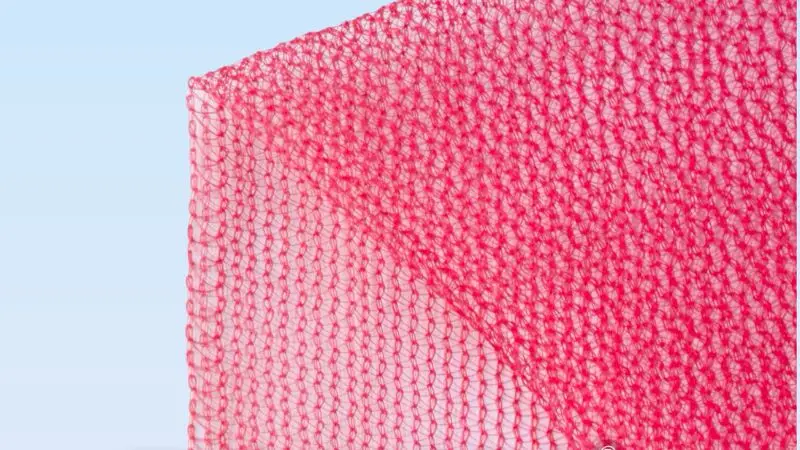
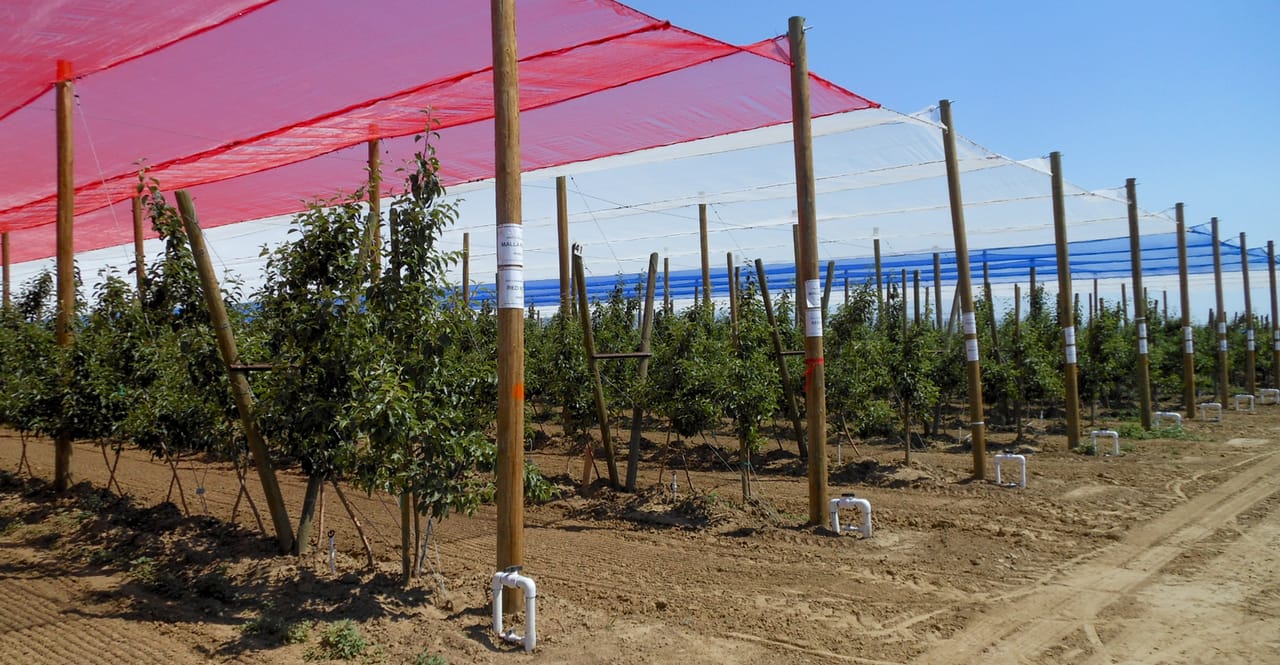
Color matters too! Black is standard and cost-effective. White reflects more heat for cooler microclimates. Red or photoselective cloths can even enhance fruit color and quality in some crops.
UV-Resistant Materials and Lifespan Ratings
Always check for high UV stabilization ratings (at least 5–10 years). Cheap imports often fade and tear quickly — invest in quality from trusted suppliers and you’ll save money long-term.
How to Choose the Perfect Shade Cloth for Your Orchard Setup 🛒🌳
Follow these simple steps to match the cloth to your exact needs.
Step 1 – Assess Your Local Climate and Tree Varieties
Hot, dry summers? High elevation or southern exposure? Note your USDA zone and typical peak heat days.
Step 2 – Match Shade % to Your Fruit Trees (Detailed Chart)
- Apples & Pears: 30–40%
- Citrus: 40–50%
- Stone Fruits (peaches, cherries): 30–40%
- Berries: 20–30%
Step 3 – Size, Durability, and Budget Considerations
Measure your orchard area and add 10% for overlaps and wind. Expect $0.50–$2 per square foot depending on quality. Pro tip: Factor in labor and structure costs for true ROI.
Bonus: When to Combine Shade Cloth with Bird Netting or Hail Nets
Many growers layer shade cloth with bird netting for all-in-one protection — a smart, space-saving combo.
![Installation Guideline of Agrotextile [2024]- EYOUAGRO](https://eyouagro.com/nitropack_static/GhaDBUVOndLsFPXiTFGggwyXxhpvLBrk/assets/images/optimized/rev-44b8d99/eyouagro.com/wp-content/uploads/2021/04/Netting-structure.png)
Planning Your Orchard Shade Structure – Design Like a Pro 🛠️📐
Great shade starts with smart planning.
Site Evaluation – Sun Path, Wind, and Tree Spacing
Map your sun trajectory and prevailing winds. Allow at least 2–3 feet of clearance above trees for air flow and equipment.
DIY vs. Permanent vs. Temporary Setups
- Temporary: Easy hoop or frame systems for small orchards.
- Permanent: Overhead cable systems for larger commercial setups.
- DIY: Affordable for backyard growers using PVC or wood frames.
Tools and Materials You’ll Actually Need (Shopping List)
Poles/posts, cables/wires, grommets, tensioners, clips, and your chosen shade cloth. Safety first — wear gloves and work with a partner!
Step-by-Step Installation Guide – Get It Right the First Time 🔧🌤️
Installation is straightforward when you follow these steps.
Preparing the Site and Building the Frame
Clear the area and install sturdy posts every 10–15 feet.
Securing Shade Cloth – Clips, Wires, Grommets, and Tensioning
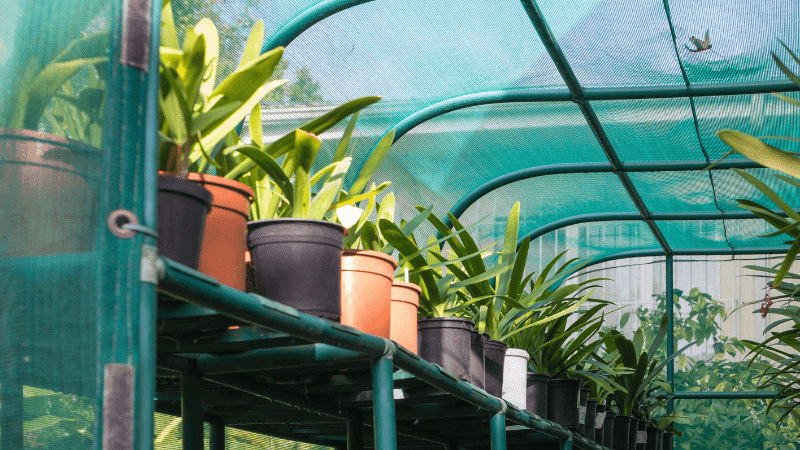
Stretch the cloth taut (no sagging!) and secure edges properly to prevent tearing. Leave gaps for airflow.
Timing – When to Install and When to Remove Shade Cloth Seasonally
Install after bloom but before peak heat (usually late spring). Remove in fall to allow full winter light and hardening.
Quick Visual Checklist
- Check tension weekly
- Ensure 2–3 ft clearance
- Monitor for tears after storms
Maintenance and Care – Make Your Shade Cloth Last 8+ Years 🧼🔄
Proper maintenance turns a good investment into a long-term asset. High-quality knitted shade cloth can easily last 8–12 years with the right care.

Cleaning, Storage, and Seasonal Care Routine
At the end of each season:
- Gently hose down the cloth with mild soap and water to remove dust, bird droppings, and sap.
- Allow it to dry completely before rolling or folding.
- Store in a cool, dry, shaded area (never in direct sun or on concrete).
During the growing season, inspect monthly for debris buildup that can reduce light transmission or cause mold in humid climates.
Repairing Tears and Fixing Sagging Issues
Small tears? Use shade cloth repair tape or sew on patches with UV-resistant thread. For sagging:
- Re-tension wires and cables.
- Add extra support clips every 3–4 feet along edges.
- Replace damaged sections promptly to prevent wind from tearing larger areas.
Monitoring for Pests or Mold Under the Cloth
Shade cloth creates a slightly more humid microclimate — excellent for trees but watch for fungal issues. Ensure good airflow (minimum 2–3 ft clearance) and consider occasional ventilation on calm days. Early detection keeps problems small. 🌿
Measuring Success – Track Healthier Trees and Better Yields 📊
Don’t guess — measure!
Simple Metrics to Monitor
- Fruit surface temperature (use an infrared thermometer)
- Sunburn percentage before and after harvest
- Marketable yield per tree
- Water usage from your irrigation logs
- Fruit quality scores (size, color, Brix/sweetness)
Keep a simple orchard journal or spreadsheet. Many growers see ROI within the first or second season.
Troubleshooting Common Problems and Solutions
- Yellowing leaves? → Too much shade for your crop. Switch to lower percentage next season.
- Still seeing sunburn? → Insufficient coverage, poor tension, or wrong timing.
- Cloth tearing in wind? → Improve anchoring and add wind vents.
- Reduced fruit color? → Try white or red photoselective cloth instead of black.
Real Orchard Success Stories and Case Studies 🌟🍏
Washington State apple growers using 20–30% shade cloth reported up to 92% reduction in sunburn and significantly higher pack-out rates (marketable fruit). One commercial operation saved thousands by avoiding cull losses and earned premium prices for better-colored fruit.
In hotter regions like California and Australia, citrus and stone fruit growers using 40–50% shade report sweeter fruit, larger sizes, and extended harvest windows. Small backyard growers in Texas and Florida consistently share stories of saving heat-stressed trees that previously struggled to produce.
![Installation Guideline of Agrotextile [2024]- EYOUAGRO](https://eyouagro.com/nitropack_static/GhaDBUVOndLsFPXiTFGggwyXxhpvLBrk/assets/images/optimized/rev-44b8d99/eyouagro.com/wp-content/uploads/2022/04/%E5%AE%89%E8%A3%85%E5%9B%BEA-1024x718.jpg)
These results aren’t luck — they come from following the exact principles in this guide.
Advanced Tips from Orchard Experts for Maximum Results 🚀
- Integrate with drip irrigation: Place emitters under the shade for maximum water efficiency.
- Use during critical stages only: Many pros install just for the 6–8 hottest weeks around fruit sizing and coloring.
- Photoselective cloths: Red and blue-tinted versions can boost anthocyanin (red color) in apples and cherries.
- Combine systems: Shade cloth + reflective mulch + proper pruning = next-level results.
- Future-proofing: As summers get hotter, shade cloth is becoming essential climate adaptation for sustainable orchards.
Frequently Asked Questions (FAQs) ❓
What shade percentage is best for apple orchards? 30–40% is the sweet spot for most varieties in temperate climates.
Will shade cloth reduce pollination? Minimal impact if installed after bloom. Bees still navigate easily under properly hung cloth.
How much does a full orchard setup cost? $0.80–$3.50 per square foot installed, depending on system type and size. Expect payback in 1–3 seasons.
Can I use shade cloth on mature trees? Absolutely! Just ensure your structure is tall and strong enough.
Is shade cloth better than whitewash? Yes — reusable, consistent protection, and no residue on fruit.
How do I remove it for winter? Roll carefully, label sections, and store flat or on reels.
Conclusion: Transform Your Orchard This Season – Healthier Trees, Sweeter Profits 🌳💰
Shade cloth in orchard setups offers one of the highest-ROI improvements you can make right now. By protecting your trees from heat and sun stress, you’ll enjoy healthier foliage, dramatically better fruit quality, higher yields, and lower water bills.
Start small if you’re nervous — try one or two rows this season and measure the difference. You’ll likely wonder why you waited so long.
Ready to get started? Grab quality shade cloth, follow the steps above, and watch your orchard thrive like never before. 🌱🍎











