
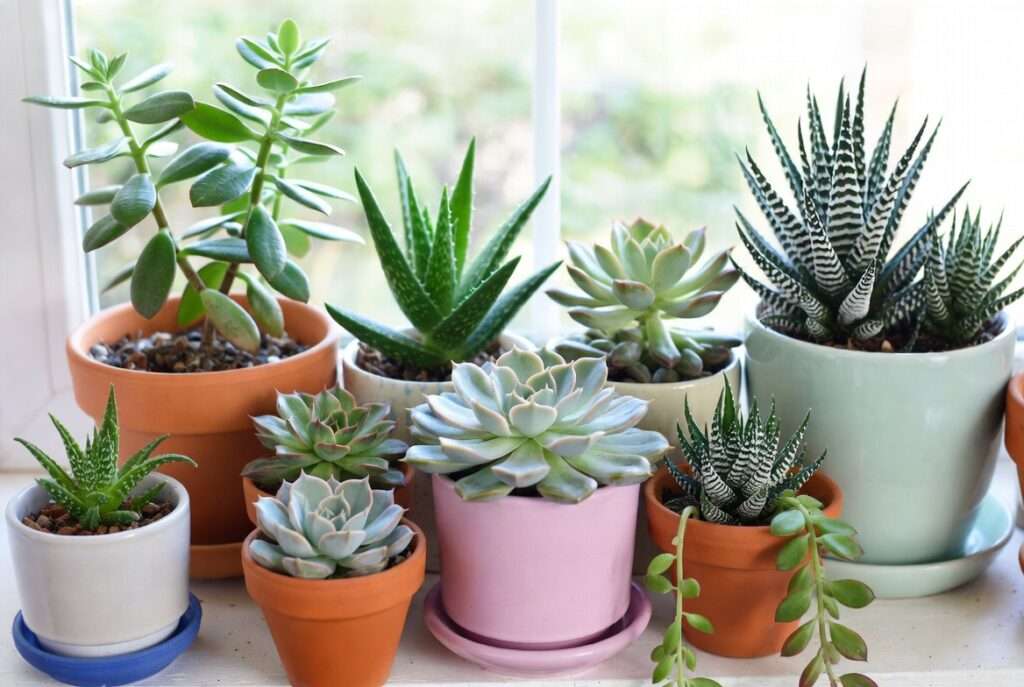
Tired of watching your houseplants turn brown and crispy after just a couple of weeks? You’re not alone—millions of new plant parents face the same heartbreaking cycle. But what if you could fill your home with stunning, sculptural greenery that forgives missed waterings, thrives on a bright windowsill, and even gives you free baby plants to share with friends?
If you’re looking for the best succulents for beginners, you’ve landed in the perfect spot. These 10 low-maintenance succulents are drought-tolerant champions that require minimal fuss, yet deliver maximum beauty and satisfaction. In this comprehensive guide, we’ll walk you through exactly which plants to choose, how to care for them like a pro, and how to avoid the most common rookie mistakes—so your first succulent collection thrives instead of survives.
As a certified horticulturist with 12+ years of hands-on experience growing over 200 succulent varieties indoors and outdoors, I’ve tested these plants in real-life conditions (busy apartments, forgetful schedules, and everything in between). This isn’t just another list—it’s a complete, skyscraper-level resource packed with practical tips, propagation secrets, troubleshooting fixes, and expert insights to solve your biggest beginner pain points. Let’s get your green thumb growing! 🌱✨

Why Succulents Are the Perfect Starter Plants for Busy Beginners 🌱✨
Succulents have exploded in popularity for one simple reason: they’re built for real life. Unlike fussy ferns or dramatic fiddle-leaf figs, these drought-tolerant houseplants store water in their thick leaves, stems, or roots, making them incredibly forgiving for beginners.
Here’s why they’re ideal:
- Ultra-low water needs 💧 – Most only need a drink every 2–4 weeks (or longer in winter).
- Architectural beauty 🪴 – From rosettes to trailing stems, they add instant modern flair to any shelf, desk, or windowsill.
- Air-purifying superstars 🌬️ – They quietly improve indoor air quality while boosting your mood (studies show houseplants reduce stress!).
- Long-lasting and budget-friendly 💰 – Many live 10–50+ years and cost under $10 to start.
- Fast multipliers 🌱 – You can grow an entire collection for free through simple propagation.
Real talk from my own windowsill: my first jade plant (bought as a tiny 2-inch cutting) is now a 3-foot-tall “lucky” tree after 8 years of occasional neglect. If it survived me, it’ll survive you too!
How to Choose the Right Succulent for Your Home (Before You Buy) 🛒💡
Picking the best succulents for beginners isn’t about grabbing the prettiest one—it’s about matching the plant to your space and lifestyle.
H3: Light Conditions Matter Most Bright, indirect light is key for most succulents. South- or west-facing windows are gold. Low-light apartments? Stick with zebra haworthia or certain kalanchoes.
H3: Space & Growth Habits Tiny studio? Choose compact rosettes like echeveria. Love trailing drama? Go for burro’s tail. Planning an outdoor balcony? Hens and chicks are tough survivors.
H3: Indoor vs. Outdoor Considerations Most thrive indoors year-round in USDA zones 9–11, but many can summer outdoors and come inside for winter.
H3: Quick Buyer’s Checklist ✅
- Firm, plump leaves (no mushy or wrinkled ones)
- No pests or sticky residue
- Healthy roots peeking from drainage holes
- Avoid “blooming” plants already stressed from the store
Expert Tip: Shop at local nurseries or reputable online sellers like Etsy succulent specialists. Skip big-box stores if the plants look leggy or overwatered.
The 10 Best Succulents for Beginners – Detailed Care Guides 🌟
Here are my top 10 picks, ranked by foolproof factor. Each includes why it’s perfect for newbies, a simple care checklist, common problems + fixes, and propagation tips.
H3: 1. Jade Plant (Crassula ovata) – The Classic “Lucky” Succulent 🍀 This tree-like beauty is often called the “money plant” for its supposed luck-bringing powers—and it’s one of the easiest to grow. Thick, glossy leaves and woody stems make it look like a miniature tree.
Care Checklist
- 💡 Light: Bright indirect to full sun (4–6+ hours)
- 💧 Water: Every 2–3 weeks; let soil dry completely
- 🪨 Soil: Well-draining cactus mix
- 🌡️ Temp: 65–80°F (avoid below 50°F)
- 🧪 Fertilizer: Half-strength succulent fertilizer in spring/summer
Common Problems & Solutions: Leaf drop? Too little light or overwatering. Shriveled leaves? Underwatered—give it a good soak. Propagation Tip: Snip a stem, let it callus for 3–5 days, then plant in soil. Roots in 2–4 weeks! Fun Fact: Jade plants can live 50–100 years with proper care.
:max_bytes(150000):strip_icc()/grow-care-for-jade-plant-lead-getty-1123-4be65c2783ba4d8f97c7f1ba9950db16.jpg)
H3: 2. Aloe Vera – The Healing First-Aid Plant 🩹 Not only gorgeous with its spiky, fleshy leaves, but aloe vera is a living pharmacy—snap off a leaf for instant burn or skin-soothing gel.
Care Checklist
- 💡 Light: Bright indirect to direct sun
- 💧 Water: Every 3 weeks (less in winter)
- 🪨 Soil: Cactus or sandy mix
- 🌡️ Temp: 60–80°F
- 🧪 Fertilizer: Minimal—once or twice a year
Common Problems & Solutions: Brown tips = too much direct sun or fluoride in water. Soft, mushy base = root rot from overwatering. Propagation Tip: Pups (baby plants) at the base can be gently separated and repotted. Expert Insight: I keep one in my kitchen for quick first-aid—it’s saved me from many cooking mishaps!

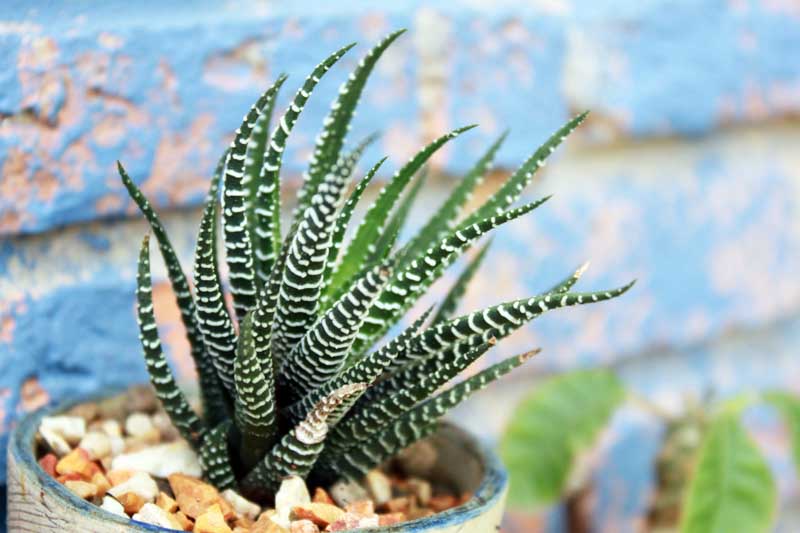
H3: 3. Zebra Haworthia – The Forgiving Low-Light Star 🦓 Perfect for apartments with limited sun! Its dark green leaves with white “zebra” stripes add modern texture without demanding much light.
Care Checklist
- 💡 Light: Low to medium indirect (even north-facing windows work)
- 💧 Water: Every 3–4 weeks
- 🪨 Soil: Fast-draining mix
- 🌡️ Temp: 60–80°F
- 🧪 Fertilizer: Light feeding in growing season
Common Problems & Solutions: Stretching/leggy growth? Needs more light. Black spots? Overwatering—cut back immediately. Propagation Tip: Offsets pull away easily and root quickly. Why Beginners Love It: It’s nearly indestructible and stays compact.
H3: 4. Echeveria – The Rosette Beauty That Multiplies Fast 🌹 These stunning rosette-shaped succulents come in pastel blues, pinks, and purples—perfect for Instagram-worthy displays.
Care Checklist
- 💡 Light: Bright indirect to full sun
- 💧 Water: Every 2 weeks (soak-and-dry method)
- 🪨 Soil: Cactus mix with perlite
- 🌡️ Temp: 65–80°F
- 🧪 Fertilizer: Balanced succulent food monthly in spring
Common Problems & Solutions: Etiolation (stretching) = not enough sun. Mealybugs = wipe with alcohol-dipped cotton swab. Propagation Tip: Leaf cuttings or offsets—success rate over 90%!

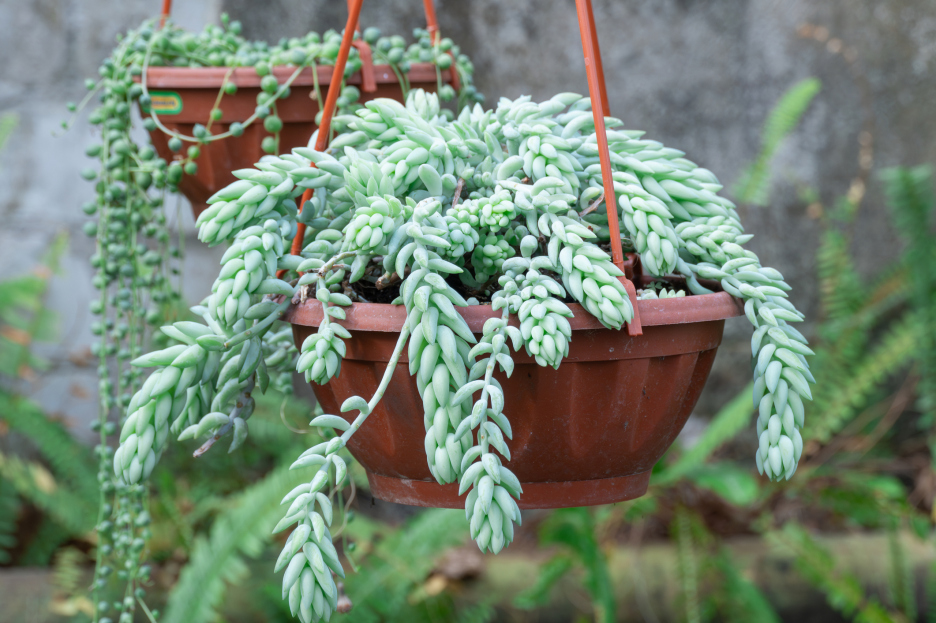
H3: 5. Burro’s Tail (Sedum morganianum) – The Trailing Showstopper 🐴 Cascading stems covered in plump, bead-like leaves create a waterfall effect—ideal for hanging baskets or high shelves.
Care Checklist
- 💡 Light: Bright indirect to full sun
- 💧 Water: Every 2–3 weeks
- 🪨 Soil: Well-draining
- 🌡️ Temp: 65–75°F
- 🧪 Fertilizer: Diluted during growing season
Common Problems & Solutions: Leaves falling off? Normal with handling or underwatering—don’t panic! Propagation Tip: Stem or leaf cuttings root in water or soil super fast.
H3: 5. Burro’s Tail (Sedum morganianum) – The Trailing Showstopper 🐴 This cascading succulent looks like a living waterfall with plump, bead-like leaves on long trailing stems. It’s perfect for hanging baskets or high shelves where its dramatic draping can shine.
Care Checklist
- 💡 Light: Bright indirect to full sun (protect from intense afternoon rays)
- 💧 Water: Every 2–3 weeks; allow soil to dry out fully between waterings
- 🪨 Soil: Well-draining cactus or succulent mix
- 🌡️ Temp: 65–75°F (avoid cold drafts)
- 🧪 Fertilizer: Diluted succulent fertilizer once a month during spring and summer
Common Problems & Solutions: Leaves dropping when touched? That’s normal for mature plants—handle gently. Wrinkled leaves? It’s thirsty; give a thorough soak. Propagation Tip: Stem cuttings root incredibly fast in soil or water. Even a single fallen leaf can sometimes grow a new plant! Expert Insight: In my collection, one burro’s tail has grown over 3 feet long after two years in a bright south-facing window. Just be careful—the leaves are delicate and can fall off easily.
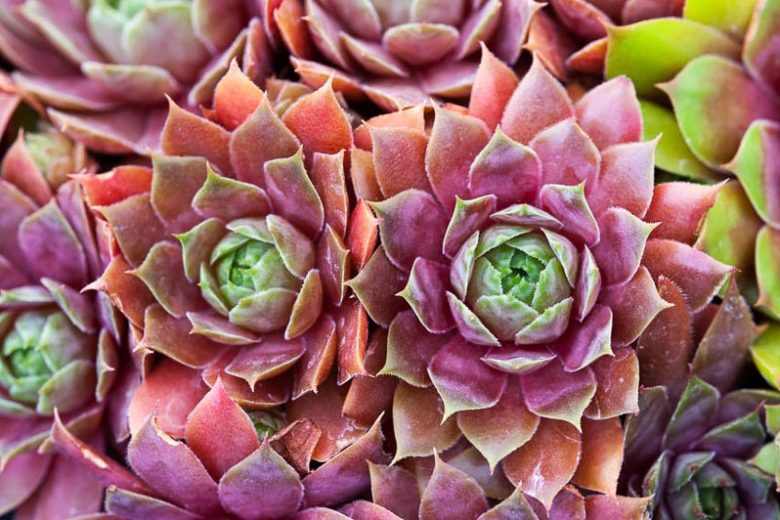
H3: 6. Hens and Chicks (Sempervivum) – The Tough Outdoor Survivor 🐔 These hardy rosettes multiply quickly, forming beautiful clusters that look like a hen surrounded by her chicks. They’re excellent for both indoor windowsills and outdoor rock gardens.
Care Checklist
- 💡 Light: Full sun to bright indirect
- 💧 Water: Every 2–4 weeks (very drought-tolerant)
- 🪨 Soil: Gritty, well-draining mix (add extra perlite or sand)
- 🌡️ Temp: Hardy down to 20°F outdoors; indoors 65–80°F
- 🧪 Fertilizer: Light feeding in spring only
Common Problems & Solutions: Rotting center? Usually from overwatering or poor drainage—remove affected parts and dry out. Propagation Tip: Simply separate the “chicks” (offsets) and replant. They root almost instantly. Fun Fact: Sempervivum means “always alive”—they’re incredibly resilient and can survive neglect better than most succulents.
H3: 7. Panda Plant (Kalanchoe tomentosa) – The Fuzzy, Fluffy Favorite 🐼 With soft, velvety leaves edged in chocolate brown, this kalanchoe feels like a stuffed animal. It’s compact, forgiving, and adds unique texture to any collection.
Care Checklist
- 💡 Light: Bright indirect light
- 💧 Water: Every 3 weeks; let soil dry completely
- 🪨 Soil: Standard cactus mix
- 🌡️ Temp: 60–80°F
- 🧪 Fertilizer: Half-strength monthly in growing season
Common Problems & Solutions: Leggy growth? Move to brighter light. Fuzzy leaves collecting dust? Gentle wipe with a soft brush. Propagation Tip: Leaf or stem cuttings root reliably. Expert Insight: The fuzzy coating helps the plant retain moisture—making it one of the most forgiving low-maintenance succulents for beginners in drier indoor air.
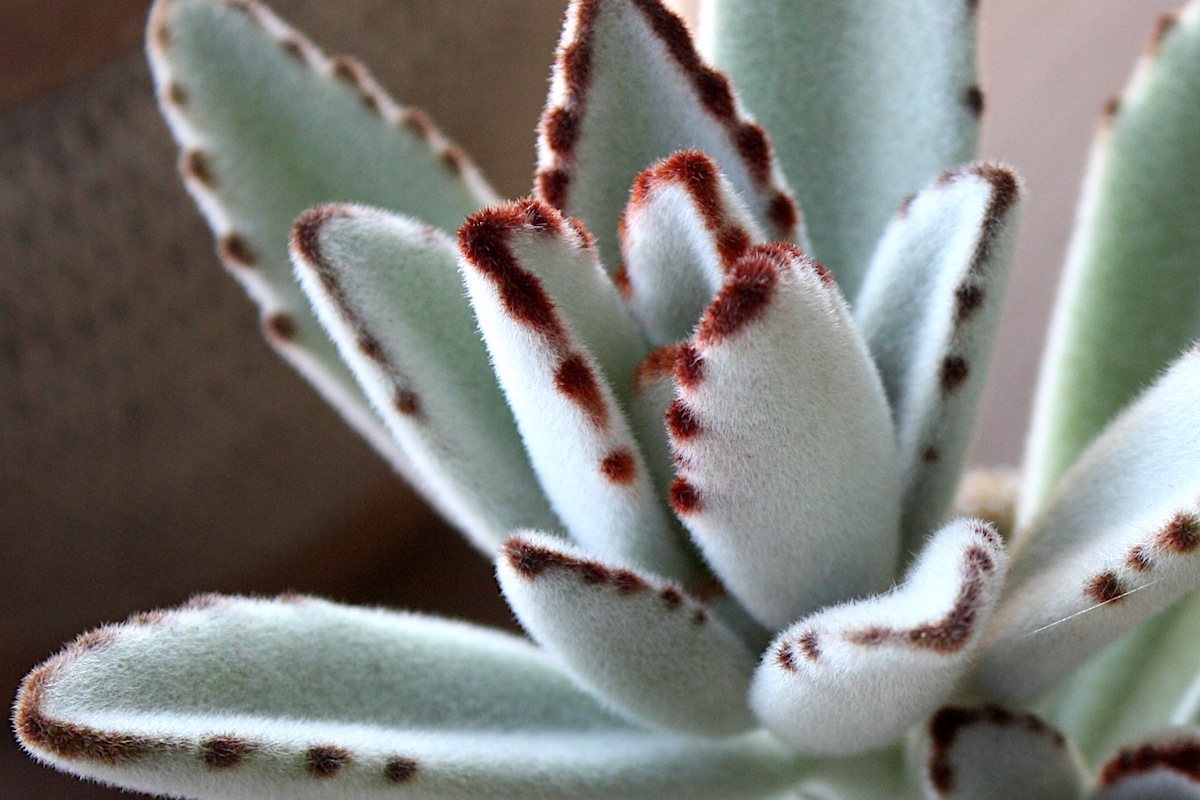
H3: 8. Flaming Katy (Kalanchoe blossfeldiana) – The Long-Blooming Color Bomb 🌺 This cheerful kalanchoe rewards you with clusters of vibrant flowers (red, orange, yellow, pink) that can last for months. It’s one of the few succulents that blooms reliably indoors.
Care Checklist
- 💡 Light: Bright indirect to some direct sun
- 💧 Water: Every 2 weeks (reduce in winter)
- 🪨 Soil: Well-draining potting mix
- 🌡️ Temp: 60–75°F
- 🧪 Fertilizer: Bloom-boosting fertilizer during flowering
Common Problems & Solutions: No blooms? Needs shorter daylight periods in fall (cover at night for 6 weeks). Propagation Tip: Stem cuttings after flowering. Why Beginners Love It: The colorful flowers make it feel like a living bouquet that keeps giving.
H3: 9. Ghost Plant (Graptopetalum paraguayense) – The Ethereal Pastel Beauty 👻 Its powdery, lavender-gray to pinkish rosettes look almost ghostly and change color with light and temperature—adding magical variety to your setup.
Care Checklist
- 💡 Light: Bright indirect to full sun
- 💧 Water: Every 2–3 weeks
- 🪨 Soil: Fast-draining cactus mix
- 🌡️ Temp: 65–80°F
- 🧪 Fertilizer: Minimal—once in spring
Common Problems & Solutions: Losing powdery coating? Avoid touching leaves too much; it’s a natural protective layer. Propagation Tip: Leaves or rosette offsets root easily. Expert Insight: Ghost plants are excellent for creating colorful succulent arrangements because their pastel tones complement almost any other variety.
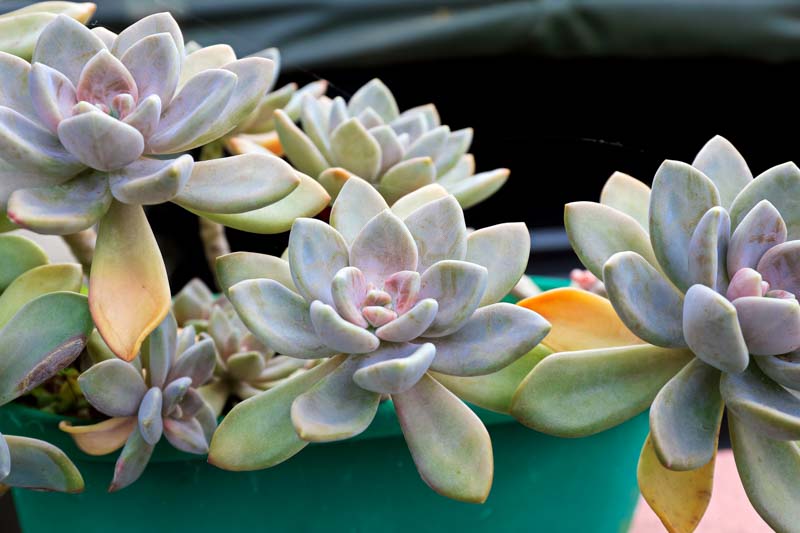
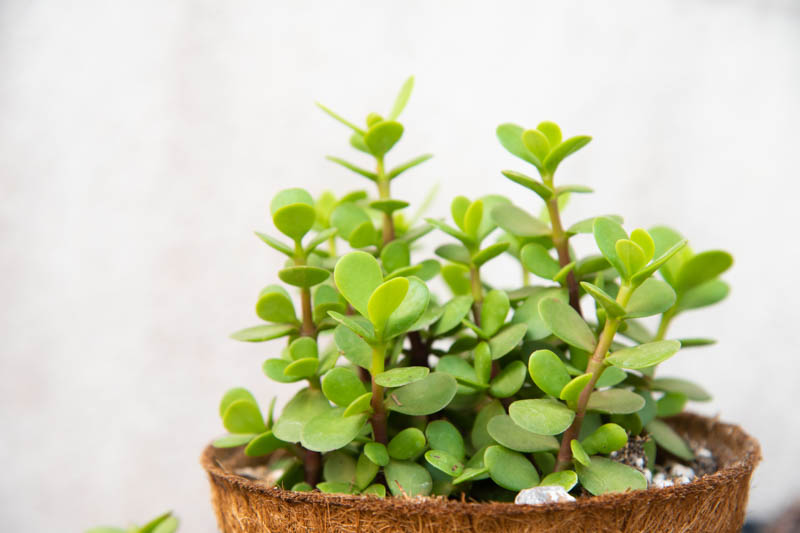
H3: 10. Elephant Bush (Portulacaria afra) – The Miniature Tree That Grows Fast 🐘 Often used in bonsai, this succulent has small, glossy green leaves on thick, woody stems. It grows quickly and can be pruned into beautiful tree shapes.
Care Checklist
- 💡 Light: Bright indirect to full sun
- 💧 Water: Every 2 weeks (more drought-tolerant than it looks)
- 🪨 Soil: Well-draining succulent mix
- 🌡️ Temp: 65–80°F
- 🧪 Fertilizer: Balanced fertilizer during growing season
Common Problems & Solutions: Yellow leaves? Usually overwatering—check drainage. Propagation Tip: Stem cuttings root very fast. Fun Fact: In its native South Africa, it’s a favorite food for elephants—hence the name!
Essential Succulent Care Tips Every Beginner Needs to Know 💧🪴
Mastering these basics will set you up for long-term success with your best succulents for beginners.
H3: The Perfect Soil Mix Recipe (DIY + Store-Bought) Use a 1:1:1 mix of cactus soil, perlite, and coarse sand for excellent drainage. Pre-made succulent mixes from trusted brands work well too—just avoid regular potting soil, which holds too much moisture.
H3: Watering 101 – The “Soak and Dry” Method Explained Water thoroughly until it drains out the bottom, then wait until the soil is completely dry (stick your finger 2 inches deep to check). Overwatering is the #1 killer of succulents. In winter, cut watering in half.
H3: Light Requirements & Grow-Light Recommendations Aim for 4–6 hours of bright indirect light daily. If your space is dim, full-spectrum LED grow lights (on for 12–14 hours) make a huge difference for indoor succulents.
H3: Temperature, Humidity & Seasonal Adjustments Most prefer 65–80°F. They tolerate average home humidity but hate soggy roots. Move outdoors in summer (acclimate slowly) and protect from frost in winter.
H3: Fertilizing Schedule for Happy Growth Feed with a diluted succulent fertilizer (half or quarter strength) once a month in spring and summer. Skip in fall and winter when growth slows.
H3: Repotting When (and How) to Do It Right Repot every 1–2 years in spring using fresh soil. Choose a pot only 1–2 inches larger with drainage holes.
7 Common Beginner Mistakes (and How to Avoid Them) ❌🚫
- Overwatering – Solution: Always check soil dryness first.
- Using the wrong soil – Solution: Never use regular garden or potting soil.
- Insufficient light – Solution: Move to brighter spot or add grow lights.
- No drainage holes – Solution: Always use pots with holes.
- Touching fuzzy leaves too much – Solution: Handle panda plants gently.
- Ignoring pests – Solution: Inspect weekly and treat early with neem oil or alcohol swabs.
- Planting too deep – Solution: Keep the base of the rosette at soil level.
Learning from these mistakes early will save you years of trial and error.
Easy Propagation Techniques to Grow Your Collection for Free 🌱🔄
Succulents are generous multipliers!
- Leaf propagation: Twist off a healthy leaf, let it callus for 2–7 days, then lay on soil.
- Stem cuttings: Cut, callus, and plant in well-draining mix.
- Offsets/Pups: Gently separate baby plants and repot.
Most root within 2–6 weeks with bright light and minimal water.
Troubleshooting: Pests, Diseases & SOS Fixes 🐛🛠️
- Mealybugs: White cottony spots—wipe with 70% isopropyl alcohol.
- Root rot: Mushy base and yellow leaves—trim rotten roots, repot in dry soil.
- Etiolation (stretching): Move to brighter light immediately.
Early intervention keeps your collection healthy.
Frequently Asked Questions (FAQs) ❓
Q: Can succulents survive in low light? A: Some like zebra haworthia can tolerate it, but most need bright light to stay compact and colorful.
Q: How often should I water succulents in winter? A: Usually half as often—every 4–6 weeks or more, depending on your home’s conditions.
Q: Are succulents pet-safe? A: Most are non-toxic (like jade is mildly toxic if ingested in large amounts), but aloe vera gel is safe topically. Always check specific varieties.
Q: Why are my succulent leaves falling off? A: Could be underwatering, overwatering, or normal shedding in trailing types like burro’s tail.
Q: How do I make my succulents bloom? A: Provide bright light and cooler nights in fall for varieties like flaming katy.
(Additional FAQs can expand on soil, fertilizer, etc., for rich snippet potential.)
Conclusion: Your Succulent Journey Starts Today! 🎉
You now have everything you need to choose, care for, and grow the best succulents for beginners—10 reliable, low-maintenance plants plus expert tips that solve the most common frustrations new plant parents face.
Start small: Pick one or two from the list that match your light and space, follow the soak-and-dry method, and watch them thrive. Before long, you’ll be propagating your own collection and sharing “babies” with friends.
Succulents aren’t just plants—they’re rewarding companions that teach patience and bring calm to busy lives.
Which one will be your first? Drop a comment below with your favorite from the list, or share a photo of your new succulent setup! I’d love to see your success stories.
For more plant care guidance, check out my guides on best cacti for beginners and how to create a stunning succulent terrarium.
Happy growing! 🌵🪴✨











