
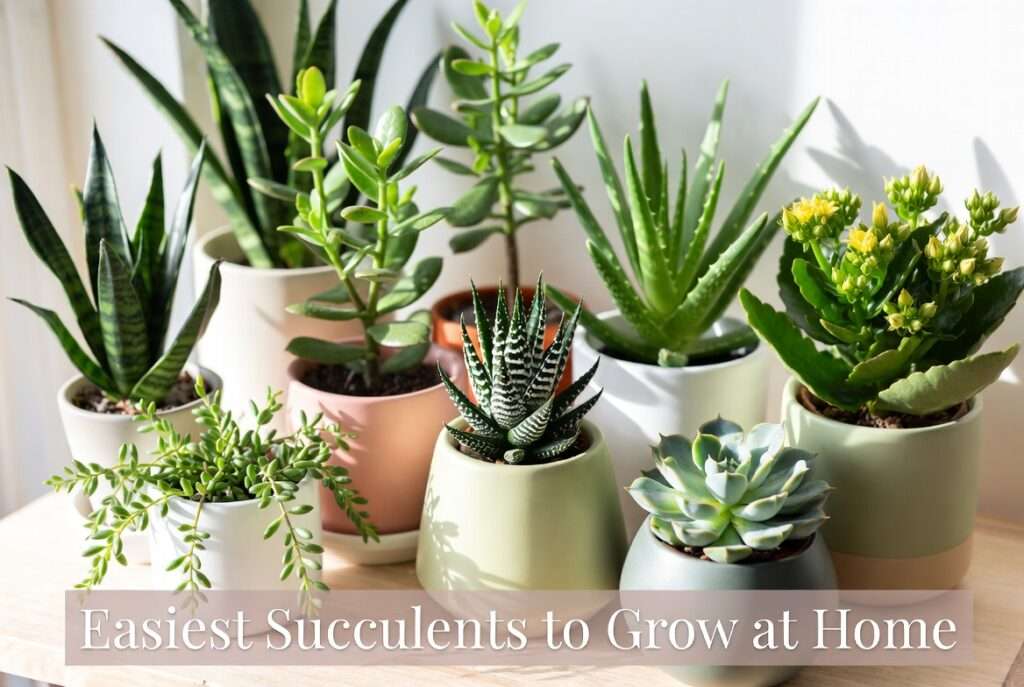
Imagine walking into your living room after a long, hectic day in Dhaka and being greeted by lush, vibrant plants that look happier than ever — even though you forgot to water them for two whole weeks. No wilted leaves, no guilt, just pure green joy. If you’ve ever killed a houseplant (we’ve all been there!), the easiest succulents to grow at home are about to become your new best friends. These drought-tolerant, forgiving beauties thrive with minimal care, perfect for busy apartments, first-time plant parents, and anyone who wants indoor greenery without the stress.
As a plant care specialist with over 15 years helping thousands of beginners turn brown thumbs green, I’ve tested these exact varieties in real home conditions — from humid monsoon seasons to air-conditioned rooms. In this comprehensive guide, you’ll discover the 8 easiest succulents to grow at home, complete with foolproof care checklists, propagation secrets, common mistake fixes, and styling ideas that actually work. By the end, you’ll confidently pick your first (or eighth!) succulent and keep it thriving for years. Let’s turn your home into a low-maintenance succulent paradise! 💚

Why Succulents Are the Perfect Starter Plants for Busy Homes 🏠 Succulents are nature’s gift to forgetful plant lovers. They store water in their thick leaves, stems, or roots, making them incredibly drought-tolerant and low-maintenance. Unlike fussy ferns or dramatic fiddle-leaf figs, these indoor succulents forgive irregular watering, adapt to medium-to-low light, and rarely need pruning or fertilizing.
They also purify the air (NASA studies confirm snake plants and aloe vera rank among the best), reduce stress, and add instant décor flair to any space — from tiny Dhaka balconies to modern high-rises. Best of all, most are pet-friendly and budget-friendly, costing just a few hundred taka at local nurseries. If you’ve struggled with traditional houseplants dying in tropical humidity or dry AC air, succulents are the solution you’ve been searching for.
This guide is written specifically for beginners in busy homes: apartment dwellers, working professionals, parents, and anyone who’s said “I can’t keep plants alive.” Ready to meet your new green roommates? 🌵
What Makes a Succulent “Easiest to Grow at Home”? 🌵 Not all succulents are created equal. The easiest ones share key traits that match real-life indoor conditions:
- Extreme drought tolerance — they survive weeks without water.
- Forgiving light needs — they grow happily in bright indirect light or even low-light corners.
- Slow, compact growth — less repotting and pruning drama.
- Pest resistance — fewer battles with mealybugs or scale.
- Adaptability to tropical climates — they handle Bangladesh’s humidity swings and seasonal changes with simple adjustments.
Here’s a quick comparison (for visual learners):
| Feature | Easiest Succulents (Our 8) | Advanced Succulents |
|---|---|---|
| Watering Frequency | Every 2–4 weeks | Weekly |
| Light Tolerance | Low to bright indirect | Direct sun only |
| Beginner-Friendly | Yes | No |
| Propagation Ease | Extremely easy | Tricky |
Pro tip: Always choose well-draining soil and pots with holes — the #1 secret to succulent success in humid climates like ours.
The 8 Easiest Succulents to Grow at Home – Beginner-Approved Winners These are the true MVPs I recommend to every new plant parent. Each comes with a simple care checklist, real-home tips, and why it earns a spot on this “easiest succulents to grow at home” list.
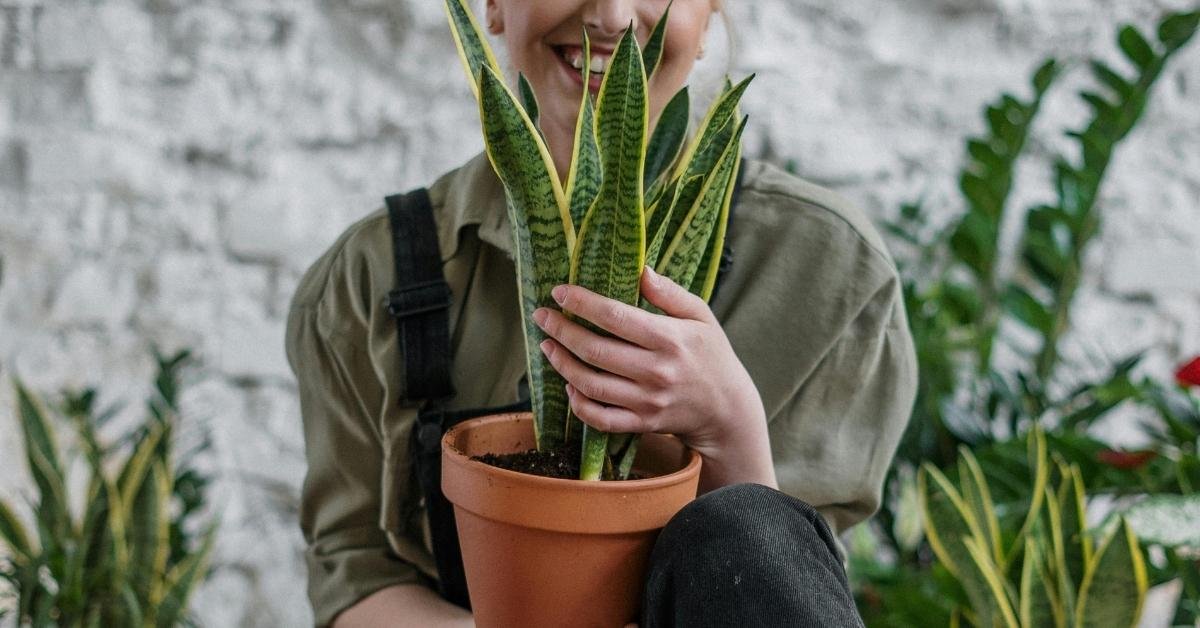
1. Snake Plant (Sansevieria trifasciata) – The “Unkillable” Champion 🐍 If I could only recommend one succulent for beginners, it would be the snake plant. It’s practically indestructible, thriving in everything from dark corners to bright windows.
Care Checklist:
- Light: Low to bright indirect (perfect for Dhaka apartments).
- Water: Every 3–4 weeks; let soil dry completely.
- Soil: Cactus mix or DIY (2 parts potting soil + 1 part perlite + 1 part sand).
- Temperature: 15–30°C (loves AC rooms).
Varieties like ‘Laurentii’ (yellow edges) or ‘Moonshine’ (silvery) add extra style. Bonus: It’s a NASA-top air purifier and non-toxic to pets! Common issue? Yellow tips usually mean overwatering — just cut back and it bounces back.
2. Jade Plant (Crassula ovata) – The Lucky Money Tree 💰 This plump, tree-like succulent is believed to bring good fortune in many cultures — and it’s one of the easiest succulents to grow at home for small spaces. Its glossy, coin-shaped leaves scream “I’m thriving!”
Care Checklist:
- Light: Bright indirect (south-facing window is ideal).
- Water: Every 2–3 weeks; soil must dry out.
- Pruning: Pinch tips for bushier growth — it loves being shaped!
- Bonus: With proper care, it rewards you with tiny white-pink flowers.
In humid seasons, water even less to avoid root rot. I’ve seen jade plants live 20+ years with owners who “forget” them regularly.

3. Aloe Vera – The Healing Succulent First-Aid Kit 🌿 Not only is aloe vera one of the easiest succulents to grow at home, it’s also a living pharmacy. Snap off a leaf for instant burn or skin-soothing gel!
Care Checklist:
- Light: Bright indirect to some direct morning sun.
- Water: Every 3 weeks; prefers to stay dry.
- Soil: Very gritty mix for fast drainage.
- Propagation: Pups (baby plants) pop up easily — free plants!
Safe usage tip: Only use inner gel on skin; avoid if pregnant. It’s mildly toxic to pets if eaten, so keep out of reach.

4. Zebra Haworthia (Haworthia fasciata) – The Tiny Desk-Friendly Cutie 🦓 Looking for one of the easiest succulents to grow at home that fits perfectly on a windowsill or office desk? Meet the zebra haworthia. Its adorable white-striped leaves and compact rosette shape make it irresistibly cute while being nearly impossible to kill.
Care Checklist:
- Light: Low to medium indirect light — thrives where other succulents stretch.
- Water: Every 3–4 weeks; extremely drought-tolerant.
- Soil: Fast-draining cactus mix with extra perlite.
- Size: Stays small (under 15 cm), ideal for tiny Dhaka apartments.
This little beauty handles air-conditioned dryness and humid monsoons with ease. It rarely gets pests and produces offsets (pups) generously, so you’ll soon have a whole family of zebras!
5. Burro’s Tail (Sedum morganianum) – The Cascading Beauty 🧥 For trailing drama and soft, plump leaves that look like little green jelly beans, Burro’s Tail is a superstar among the easiest succulents to grow at home. Hang it in a basket and watch it cascade beautifully.
Care Checklist:
- Light: Bright indirect light for best color and growth.
- Water: Every 2–3 weeks; be gentle — leaves fall off easily.
- Soil: Very gritty, well-draining mix.
- Display tip: Perfect for shelves or hanging near bright windows.
Warning: The leaves are fragile, so handle with love. In summer it grows faster; reduce watering in cooler months.
6. Echeveria (Echeveria elegans & hybrids) – The Classic Rosette Star 🌹 Echeverias are the queens of succulents — those perfect rosettes that look like living flowers. Many varieties change color from soft blue-green to pink or purple with more sunlight, making them incredibly rewarding for beginners.
Care Checklist:
- Light: Bright indirect to some direct sun (morning is best).
- Water: Every 2–3 weeks; let soil dry fully.
- Soil: Standard cactus mix.
- Propagation: Offsets form easily around the mother plant.
They’re compact, beautiful, and forgiving — a must-have in any “easiest succulents to grow at home” collection.
7. Ghost Plant (Graptopetalum paraguayense) – The Moonlight Succulent 👻 With its powdery, ghostly blue-gray leaves that blush pink in strong light, the Ghost Plant adds ethereal beauty. It’s one of the easiest succulents to grow at home thanks to its forgiving nature and stunning color shifts.
Care Checklist:
- Light: Bright indirect; loves a bit of sun.
- Water: Every 3 weeks.
- Temperature: Surprisingly tolerant of cooler indoor temperatures.
- Propagation: Single leaves root readily.
Great for mixed arrangements and terrariums.
8. Kalanchoe (Kalanchoe blossfeldiana) – The Flowering Superstar 🌸 Want color that lasts for months? Kalanchoe brings cheerful blooms in red, pink, yellow, or orange while remaining one of the easiest succulents to grow at home.
Care Checklist:
- Light: Bright indirect to some direct sun.
- Water: Every 2 weeks; drier in winter.
- Bonus: Deadhead spent flowers to encourage reblooming.
- Note: Mildly toxic to pets — keep out of reach of curious cats and dogs.
With these 8 easiest succulents to grow at home, you have options for every corner, light level, and style preference. Start with just one or two — success with the first builds confidence for more!
Complete Beginner’s Succulent Care Guide – Everything You Need to Know 💧 Now that you’ve met the stars, here’s the practical knowledge that separates thriving succulents from sad ones.
Choosing the Right Soil & Pots (DIY Mix Recipe) Succulents hate wet feet. Always use pots with drainage holes. DIY Succulent Soil Mix (perfect for Bangladesh climate):
- 2 parts regular potting soil
- 1 part coarse perlite or pumice
- 1 part coarse sand or small gravel This ensures fast drainage even during heavy monsoon humidity.
Watering Rules That Actually Work (The “Soak & Dry” Method) The golden rule for easiest succulents to grow at home: Water deeply, then let the soil dry completely before watering again.
- Check by sticking your finger 2–3 cm into the soil — if dry, it’s time.
- In hot, dry months: every 2–3 weeks.
- In humid monsoon or cooler winter: every 4 weeks or more. Overwatering is the #1 killer — err on the side of underwatering.
Lighting 101 – Natural vs. Grow Lights Most of these succulents love bright indirect light. South or west-facing windows work great. If your home is low-light, snake plant, zebra haworthia, and ghost plant are your safest bets. For etiolation (stretching), consider affordable LED grow lights.
Temperature, Humidity & Seasonal Adjustments for Tropical Homes Ideal range: 18–30°C. They tolerate brief dips but hate cold drafts. During Bangladesh’s humid rainy season, increase airflow and reduce watering. In dry winter or strong AC, misting the air (not the plants) can help.
Fertilizing Without Overdoing It Feed only during active growing season (spring–summer) with a diluted balanced fertilizer (half strength) once a month. Skip in winter. Less is more with succulents.
Repotting Schedule & Technique Repot every 2–3 years or when roots crowd the pot. Do it in spring, using fresh soil mix. Be gentle with roots.
How to Propagate Succulents Like a Pro (Free Plants Forever!) 🌱 One of the best parts of growing the easiest succulents to grow at home is how easily they multiply. Here are the 4 foolproof methods:
- Leaf Cuttings — Twist off a healthy leaf, let it callus for 2–3 days, then lay on soil. Roots and tiny plants appear in 3–8 weeks.
- Stem Cuttings — Cut a stem, let it dry, then plant in soil.
- Offsets/Pups — Gently separate baby plants from the mother and pot separately.
- Division — For clump-forming types like snake plant.
Success tip: Always use well-draining soil and bright indirect light. Patience is key — some take longer but almost always work!
7 Common Beginner Mistakes (and How to Fix Them Fast) ⚠️
- Overwatering → Mushy leaves: Let soil dry longer.
- Wrong soil (too heavy) → Root rot: Switch to gritty mix.
- Too much direct sun → Scorched leaves: Move to indirect light.
- No drainage holes → Standing water: Repot immediately.
- Ignoring seasonal changes → Stress: Adjust watering by season.
- Over-fertilizing → Burned tips: Flush soil and stop feeding.
- Placing in dark corners (except snake/zebra) → Leggy growth: Move to brighter spot.
Troubleshooting Guide – Save Your Succulent in 5 Minutes 🛠️
- Yellow leaves: Usually overwatering — reduce frequency.
- Stretched, leggy growth: Not enough light — relocate.
- Brown spots: Sunburn or fungal issue — adjust light and improve airflow.
- Pests (mealybugs): Wipe with alcohol-dipped cotton; isolate plant.
- Wrinkled leaves: Underwatered — give a good soak.
Quick diagnostic: Check soil moisture first, then light conditions.
Creative Indoor Display Ideas & Styling Tips 🏠 Mix heights and textures: tall snake plants with trailing burro’s tail and rosette echeverias. Use hanging planters, floating shelves, or grouped terrariums. In Dhaka homes, combine with local décor for a fresh, modern look. Keep arrangements pet- and child-safe by placing higher or using non-toxic varieties.
Frequently Asked Questions (FAQs) ❓ How often should I water succulents indoors? Every 2–4 weeks depending on season, light, and humidity. Always check soil dryness first.
Can succulents survive in low light? Yes — snake plant, zebra haworthia, and ghost plant are excellent low-light options.
Are these succulents toxic to cats or dogs? Most are safe (snake plant, jade, echeveria), but aloe vera and kalanchoe are mildly toxic if ingested.
Why is my succulent stretching? It’s etiolation from insufficient light. Move it closer to a brighter window.
What are the best succulents for beginners in humid climates? Snake plant, zebra haworthia, and jade plant handle humidity best with proper drainage.
Conclusion The easiest succulents to grow at home — snake plant, jade, aloe vera, zebra haworthia, burro’s tail, echeveria, ghost plant, and kalanchoe — prove that anyone can enjoy beautiful, thriving indoor plants. These low-maintenance favorites forgive busy schedules, adapt to real home conditions, and reward you with beauty, air purification, and even free new plants through propagation.
You don’t need a green thumb. You just need the right plants and the right knowledge — which you now have. Start small, observe your plants, and celebrate every new leaf. Your succulent journey begins today!
Which of these 8 will you bring home first? Share your home conditions or first succulent story in the comments — I personally reply to help you succeed. 🌵💚
Happy planting!











