
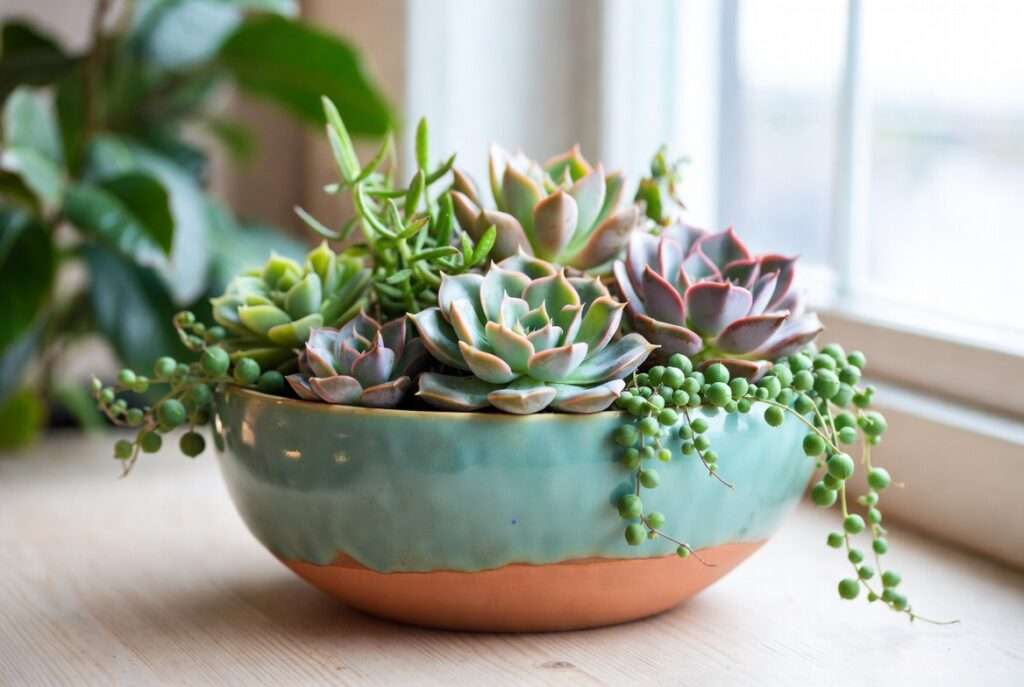
Imagine this: You’ve just brought home a stunning Echeveria or a charming String of Pearls. You carefully place it in a beautiful new decorative pot that perfectly matches your home decor. It looks absolutely Instagram-worthy… until a few weeks later when the lower leaves start turning mushy and black. The sad truth? Your plant is suffering from root rot.
This heartbreaking scenario happens to thousands of succulent lovers every month. The problem usually isn’t overwatering — it’s choosing decorative pots for succulents that prioritize looks over the plant’s critical need for excellent drainage and airflow.
After more than 12 years of growing, propagating, and experimenting with over 300 different succulent varieties in my home nursery and client projects across various climates, I’ve learned one undeniable truth: the right pot can mean the difference between a thriving, multiplying succulent collection and a constant cycle of disappointment and plant loss.
In this comprehensive guide, we’ll walk through everything you need to know about choosing decorative pots for succulents that are both breathtakingly beautiful and genuinely plant-friendly. You’ll discover how to balance stunning aesthetics with proper functionality, which materials work best, how to match pot size and shape to specific succulent types, and professional secrets that most beginner guides miss.
Whether you’re a new succulent parent or a seasoned collector looking to upgrade your display, this article will help you create arrangements that not only look amazing but actually support long-term plant health and growth. Let’s dive in and turn those “cute but deadly” pots into healthy, long-lasting succulent homes! ✨🪴
Why Drainage Is Non-Negotiable for Succulent Survival 🌱
Succulents are masters of survival, originally adapted to thrive in arid, rocky environments with infrequent rainfall. Their leaves store water, but their roots are surprisingly sensitive to excess moisture. This is why proper drainage is the single most important factor when choosing decorative pots for succulents.
The Science Behind Succulent Water Needs (xerophyte adaptations explained simply) Succulents are xerophytes — plants specifically adapted to dry conditions. Unlike typical houseplants, they have shallow root systems designed to quickly absorb water after rare rains and then go dormant. When water sits around the roots for too long, it creates an anaerobic environment that suffocates root tissues and invites harmful fungi and bacteria.

How Poor Drainage Leads to Root Rot, Pests, and Sudden Death Root rot is the #1 killer of succulents. Early signs include yellowing or softening lower leaves, a mushy stem base, and an unpleasant smell from the soil. Once advanced, it can spread quickly and kill the plant within days. Poor drainage also attracts pests like fungus gnats and can cause edema (blisters on leaves from over-absorption of water).
Signs Your Current Pots Are Secretly Killing Your Plants (visual checklist with emojis) Look for these warning signs: 🍃 Leaves turning translucent or black at the base 🪴 Soil staying wet for more than 4–5 days after watering 🌱 Soft, mushy roots when you gently tug the plant 🐛 Increased presence of tiny flying gnats around the pot
Understanding these fundamentals is the foundation for making smart choices when selecting pots. The good news? With the right knowledge, you can prevent these issues entirely while still having gorgeous decorative displays.
Choosing the Right Material: Beauty Meets Function 🪨
Not all decorative pots for succulents are created equal. The material directly impacts breathability, temperature regulation, weight, and long-term plant health. Here’s a breakdown based on real-world performance in my own collection and client installations.
Terracotta & Clay Pots – The Breathable Classic Terracotta remains the gold standard for succulents. Its porous nature allows excess moisture to evaporate through the walls, reducing the risk of root rot. Perfect for beginners and outdoor setups. Pros: Excellent airflow, affordable, develops beautiful patina over time. Cons: Can dry out soil faster in very hot climates; heavier when large. Best uses: Echeverias, sedums, and most rosette varieties.

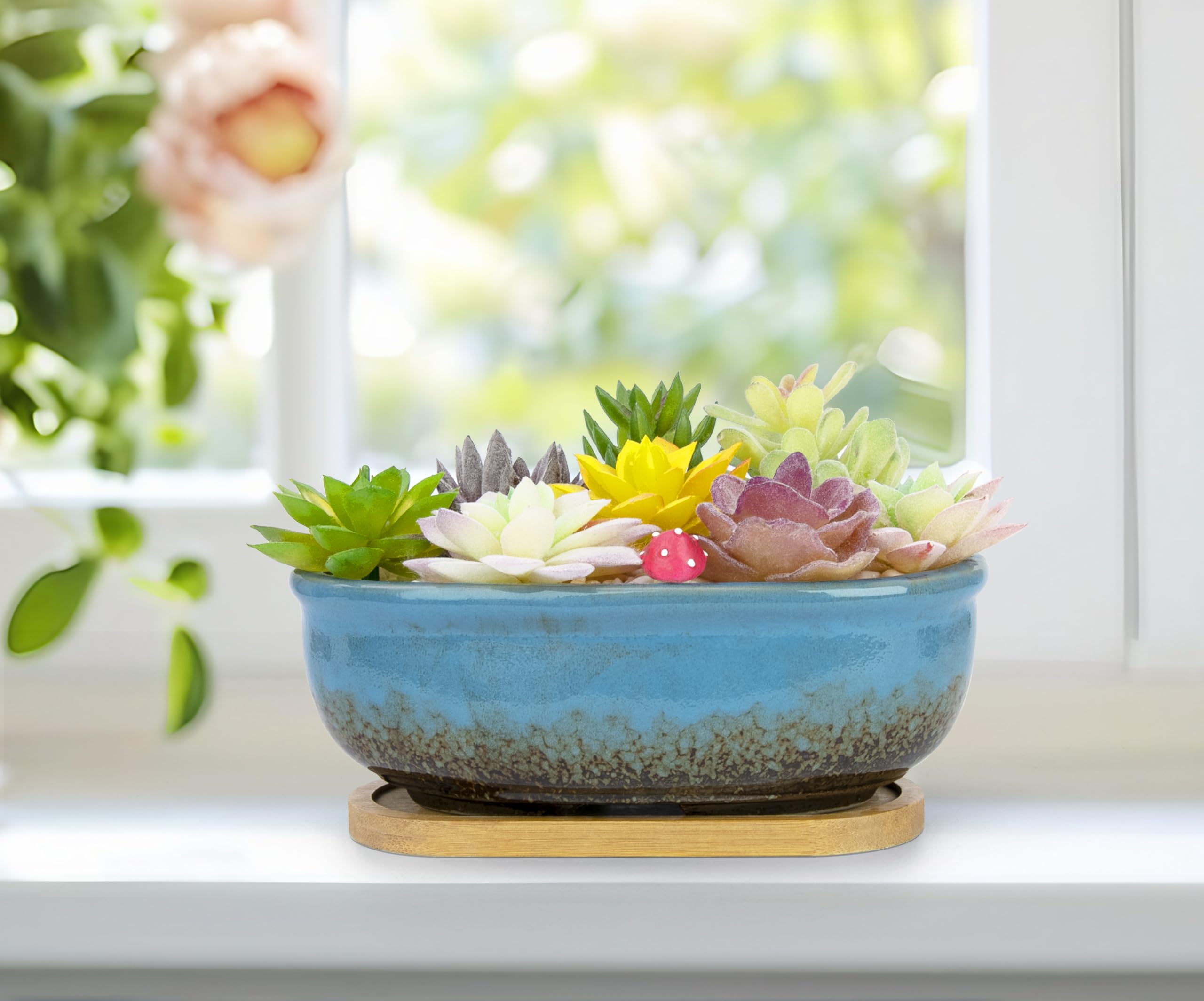
Ceramic & Glazed Decorative Pots – Style Without Sacrifice Glazed ceramic offers the beauty you crave while still functioning well — as long as it has drainage holes. The glaze seals the exterior but the unglazed base or interior still allows some breathability. How to spot quality: Look for thick walls, true drainage holes (not just decorative indents), and a stable base. Pro tip: Double-potting (placing a nursery pot inside a decorative ceramic one) is a game-changer for high-style indoor displays.

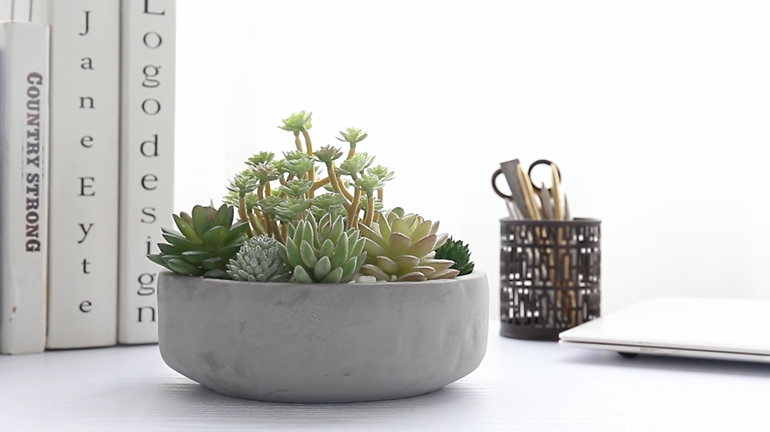
Concrete & Cement – Modern Industrial Vibes Concrete pots bring that trendy, minimalist look and provide excellent thermal insulation, protecting roots from temperature swings. Weight and temperature tips: They stay cooler in summer but can crack in freezing conditions — ideal for indoor or mild-climate patios. Best for: Larger statement pieces with jade plants or agave.
Plastic & Resin – Lightweight & Budget-Friendly Modern plastic and resin pots have come a long way. Choose ones with multiple drainage holes and UV-resistant finishes. When they actually work: Great for hanging setups or balconies where weight matters. Avoid cheap thin plastic that cracks easily.
Glass, Metal & Wood – Trendy Options (with honest caveats) Glass looks stunning but retains too much heat and moisture — use only with extreme caution and perfect drainage. Metal can rust or overheat; wood is beautiful but requires sealing to prevent rot.
Quick comparison table (material | drainage | aesthetics | price | durability | best for)
| Material | Drainage Level | Aesthetics | Price Range | Durability | Best For |
|---|---|---|---|---|---|
| Terracotta | Excellent | Rustic & natural | $ | High | Beginners & outdoors |
| Ceramic/Glazed | Good | Colorful & modern | $$ | Very High | Indoor displays |
| Concrete | Good | Industrial chic | $$–$$$ | High | Statement pieces |
| Plastic/Resin | Good (if holed) | Versatile | $ | Medium–High | Hanging & budget setups |
Choosing the Right Material: Beauty Meets Function 🪨
The comparison table above gives you a quick snapshot, but remember: no single material is universally “best.” Your climate, indoor vs. outdoor setup, and specific succulent varieties all play a role. In my experience working with clients in humid tropical areas like Dhaka and drier indoor environments, terracotta and quality glazed ceramics consistently deliver the best long-term results when drainage is prioritized.

Size & Shape Secrets That Keep Succulents Happy 📏
One of the most overlooked aspects when choosing decorative pots for succulents is getting the size and shape right. Too big, and the soil stays wet too long. Too small, and roots become cramped, stunting growth and making the plant top-heavy.
Why “Just a Little Bigger” Is the Golden Rule When repotting, choose a pot only 1–2 inches (2–5 cm) wider in diameter than the current root ball. This prevents excess soil from holding unnecessary moisture while giving roots room to expand. Over-potting is one of the top reasons succulents struggle in beautiful decorative containers.
Shallow vs. Deep Pots – Matching Root Systems (examples: echeveria vs. haworthia) Most popular succulents have shallow, fibrous roots rather than deep taproots. Shallow, wide bowls work beautifully for rosette-forming types like Echeveria, Sempervivum, and Sedum. These allow the soil to dry out faster from the surface and sides.
Deeper pots suit taller, upright varieties such as Jade plants (Crassula ovata), Aloes, or certain Agaves that develop more vertical root systems. However, even in deeper pots, ensure the width is generous so the plant doesn’t become unstable.

Width Matters More Than Height for Most Succulents A wide, shallow pot promotes better airflow around the base and reduces the risk of stem rot. Aim for a pot where the diameter is at least as wide as the spread of the plant’s lowest leaves when fully grown.
Pro tip box: “How to Measure the Perfect Pot Size in 30 Seconds”
- Gently remove the succulent from its current pot.
- Measure the root ball’s widest point.
- Add 1–2 inches for width and choose a pot with that diameter.
- Check that the depth is roughly equal to or slightly more than the root ball height. This simple rule has saved hundreds of my own plants and those of my clients!
Design Styles That Wow While Protecting Your Plants ✨
You don’t have to sacrifice style for health. Here are proven design approaches that look stunning while supporting succulent needs:
Minimalist & Scandinavian Looks (clean lines + drainage hacks) Think matte white, soft gray, or light beige ceramics. Pair with a functional inner nursery pot that has excellent drainage. This “double potting” technique lets you enjoy sleek aesthetics without compromising on functionality.
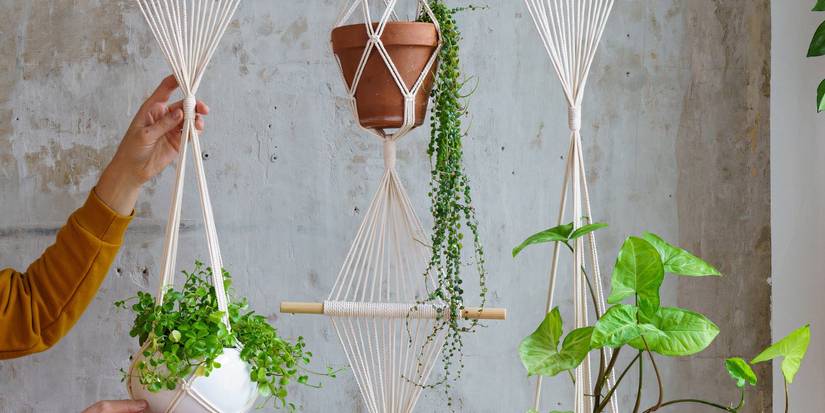
Bohemian & Macramé Hanging Pots (indoor jungle vibes) Hanging setups are perfect for trailing succulents. Choose lightweight resin or plastic inner pots with multiple drainage holes, then slip them into stylish macramé hangers. This keeps weight manageable and allows air circulation.
Colorful & Patterned Ceramics (how to coordinate without clashing) Bold glazes and patterns can make your succulent display pop. Stick to a cohesive color palette (e.g., earth tones with terracotta or soft pastels) so the plants remain the stars. Group 3–5 pots of varying heights for visual interest.
Vintage & Upcycled Finds (thrift-store wins with modern upgrades) Old teacups, wooden crates, or metal tins can become charming homes — but only after adding proper drainage holes and using a well-draining succulent mix. Always test for stability and seal wood to prevent rot.
Visual inspiration section Here are real examples of successful decorative succulent arrangements:

(These images show how modern concrete bowls and colorful ceramics can create eye-catching yet healthy displays.)
Indoor vs. Outdoor Decorative Pots – Key Differences ☀️🌧️
Location dramatically changes what makes a good pot.
Light, Temperature & Humidity Considerations Indoors, glazed ceramics and lightweight resin perform well because they retain less heat and handle lower airflow. Outdoors, terracotta and concrete excel as they handle temperature swings and heavy rain better (with proper drainage).
Weatherproof Materials for Balconies & Gardens For outdoor use in places with monsoon seasons, choose frost-resistant or fully weatherproof options. Elevate pots slightly off the ground using feet or saucers with pebbles to prevent water pooling underneath.
Pest & Frost Protection Tips for Outdoor Displays Add a layer of gravel on top of the soil to deter slugs and improve drainage. In colder months, move sensitive succulents to protected spots or use frost cloths.
Matching Pots to Specific Succulent Types (Expert Plant Pairing Guide) 🌼
Not every succulent thrives in the same pot style. Here’s my field-tested pairing guide:
Rosette Succulents (echeveria, sempervivum) Wide, shallow bowls in terracotta or glazed ceramic. These plants spread outward, so width prevents crowding and promotes offsets (pups).
Tall & Upright Varieties (aloe, jade plant) Sturdy, deeper pots with a wide base for stability. Concrete or thick ceramic handles the weight of mature jade plants beautifully.
Trailing & Cascading Succulents (string of pearls, burro’s tail) Hanging or elevated pots with excellent drainage. Macramé or lightweight resin prevents the long stems from becoming too heavy.
Rare & Sensitive Species (lithops, cacti) Smaller, very well-draining terracotta or specialized shallow dishes. Lithops (living stones) prefer tight fits to mimic their natural rocky habitats.
Bonus: Quick reference chart (with emojis) 🌸 Echeveria → Shallow wide ceramic 🌵 Jade → Deep sturdy concrete 📿 String of Pearls → Hanging resin/terracotta 🪨 Lithops → Tiny terracotta
This targeted matching prevents common mismatches and helps your collection flourish.
Step-by-Step Guide: How to Choose & Prepare Your Perfect Decorative Pot (Actionable Checklist) ✅
Ready to shop and set up? Follow this proven process:
Step 1 – Assess Your Succulent’s Needs Note the species, current root ball size, and growing location (indoor/outdoor, light levels).
Step 2 – Shop Smart (what to look for in-store or online) Always check for existing drainage holes. Prioritize pots with at least one central hole (ideally ½ inch or larger). Feel the weight and thickness for quality.
Step 3 – Test for Drainage (the pencil trick + bonus methods) Insert a pencil or chopstick into the soil after watering. If it comes out wet after 2–3 days, drainage needs improvement.
Step 4 – Add Drainage Holes Safely (DIY tools & techniques) For pots without holes:
- Use a masonry drill bit for ceramic/concrete (go slow with water to prevent cracking).
- Start with a small pilot hole and gradually enlarge. Always place a saucer or tray underneath.
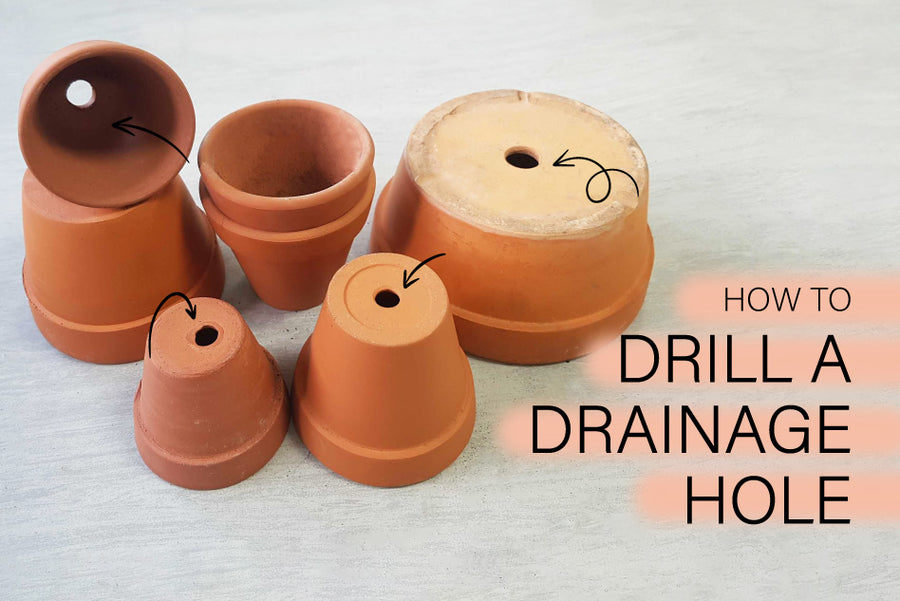
Step 5 – Layering for Extra Protection (rocks, mesh, soil mix tips) Add a thin layer of coarse gravel or broken terracotta pieces at the bottom, followed by a mesh screen to prevent soil from clogging holes. Fill with a gritty, well-draining succulent/cactus mix (never regular potting soil).
Printable/downloadable checklist Keep this list handy when shopping: drainage holes? ✅ | Material breathability? ✅ | Size match? ✅ | Style harmony? ✅
Pro Tips & Common Mistakes to Avoid (From 10+ Years of Trial & Error) ⚡
Here are my top expert insights:
- Never use pots without drainage — even “cute” ones.
- Avoid covering drainage holes completely with rocks (it can create a false bottom that traps water).
- In humid climates, choose more porous materials like terracotta.
- Rotate pots occasionally for even growth.
- Clean pots between repottings to prevent disease carryover.
Top 6 mistakes I see repeatedly:
- Choosing purely decorative pots without checking drainage
- Over-potting “to give room to grow”
- Using regular garden soil
- Ignoring material properties for the climate
- Grouping plants with different water needs in one pot
- Forgetting to empty saucers after watering
Avoiding these will dramatically increase your success rate.
Real-Life Success Stories & Reader Transformations 📸
Sarah from a humid apartment in Bangladesh transformed her dying Echeveria collection by switching to wide terracotta bowls with proper soil — now she has over 20 offsets!
Another client upgraded a dark corner with double-potted glazed ceramics and hanging macramé — the String of Pearls now cascades beautifully without rot issues.
These stories prove that balancing beauty and function works in real homes.
Caring for Your Succulents in Decorative Pots (Ongoing Maintenance) 🧴
Once potted correctly:
- Water only when the top 1–2 inches of soil are completely dry (usually every 7–14 days indoors).
- Use the “lift test” — light pots need water; heavy ones can wait.
- Repot every 1–2 years or when roots circle the bottom.
- Adjust frequency seasonally: less in winter, more in active growing months.
Real-Life Success Stories & Reader Transformations 📸
One of my favorite transformations came from a reader in a small Dhaka apartment with high humidity. She replaced cheap plastic pots without drainage with wide terracotta bowls and switched to a gritty cactus mix. Within three months, her struggling Echeverias produced multiple pups and regained vibrant colors. Another client in a sunny balcony upgraded to concrete planters for her large Jade plant — the improved stability and temperature regulation prevented the previous leaf drop issues she faced every summer.
These real results show that thoughtful choosing decorative pots for succulents delivers both beauty and long-term plant health. Your collection can thrive too!
Caring for Your Succulents in Decorative Pots (Ongoing Maintenance) 🧴
Proper pot choice is only the beginning. Consistent care keeps your succulents happy for years.
- Watering Schedule Adjustments: In decorative pots, always check soil dryness with your finger or a moisture meter. Water thoroughly until it drains out the bottom, then empty any saucer immediately. Most indoor setups need watering every 10–21 days, depending on light, temperature, and pot material (terracotta dries faster than glazed ceramic).
- Repotting When & How: Repot every 12–24 months or when roots start circling the bottom or poking out of drainage holes. Do this in spring or early summer during the active growing season. Gently loosen old soil, trim any rotten roots, and refresh with fresh well-draining mix.
- Seasonal Care Tips: Reduce watering in winter when growth slows. In hot summers, provide afternoon shade for outdoor pots to prevent soil from overheating. Fertilize lightly with a balanced succulent fertilizer once or twice during the growing season — never overdo it, as excess nutrients can cause leggy growth.
Following these maintenance steps ensures your beautiful decorative pots continue supporting healthy root systems instead of becoming a hidden problem.
Conclusion
Choosing decorative pots for succulents doesn’t have to be a stressful compromise between style and survival. By prioritizing drainage, matching materials and sizes to your plants’ needs, and understanding the unique requirements of different succulent types, you can create displays that are both breathtaking and sustainable.
The key takeaway? Beauty and function can — and should — coexist. Whether you prefer rustic terracotta, modern concrete, or colorful glazed ceramics, the right choices will reward you with vibrant, multiplying succulents that bring joy for years.
Start small: Assess one or two of your current pots today using the checklists in this guide. Upgrade where needed, and watch your collection transform. Your succulents will thank you with healthy growth and stunning natural beauty.
Have you found the perfect decorative pot for your succulents? Share your favorite finds, successes, or challenges in the comments below! I personally reply to as many as possible and love seeing your creative setups. 🌿
Don’t forget to explore these related guides for even more plant success:
- Best Well-Draining Soil Mixes for Succulents
- How to Propagate Succulents Successfully
- Indoor Succulent Care Guide for Beginners
Thank you for reading! Happy planting and may your succulents thrive in their new beautiful homes. ✨🪴
FAQ Section ❓
Can I use decorative pots without drainage holes? It’s possible but risky. Use the double-potting method: keep your succulent in a nursery pot with holes and place it inside the decorative pot. Empty any collected water regularly to avoid root rot. For long-term health, pots with built-in drainage are always better.
What’s the best material for indoor succulents? Glazed ceramic or quality resin pots work beautifully indoors. They look elegant, hold moisture more evenly, and are lighter for shelves. Combine with excellent soil and careful watering for best results.
How often should I repot succulents in decorative pots? Every 1–2 years or when you notice roots emerging from drainage holes or the plant becoming top-heavy. Spring is the ideal time.
Are expensive designer pots worth it? Not necessarily. Focus on functionality first (drainage holes, breathable material, proper size). A mid-range ceramic pot with good drainage often outperforms a pricey designer pot without holes.
Do concrete pots get too hot or cold for succulents? Concrete provides good insulation and stays cooler than metal or dark plastic in direct sun. However, in freezing climates, move them indoors or insulate during winter.
Can I plant multiple succulents in one large decorative pot? Yes — create beautiful arrangements! Choose plants with similar water and light needs, ensure the pot is wide and shallow, and use plenty of gritty soil with excellent drainage at the bottom.
What should I put at the bottom of the pot for drainage? A thin layer of coarse gravel, activated charcoal, or broken terracotta shards plus a mesh screen works well. Avoid filling the bottom with a thick rock layer, as it can actually trap water higher up.
How do I add drainage holes to ceramic or concrete pots safely? Use a diamond-tipped masonry drill bit with water to keep it cool. Drill slowly from the outside in. Start small and enlarge gradually to avoid cracking.
Is terracotta always the best choice? It’s excellent for most situations due to its breathability, but glazed ceramics or resin may be better in very dry indoor environments where soil dries too quickly.
What size pot is ideal for a String of Pearls? A hanging pot or elevated container that’s wide but not too deep. The pot should allow the trailing stems to cascade freely while providing good airflow.
This FAQ covers the most common questions I receive from readers and clients. If your question isn’t answered here, feel free to ask in the comments!











