
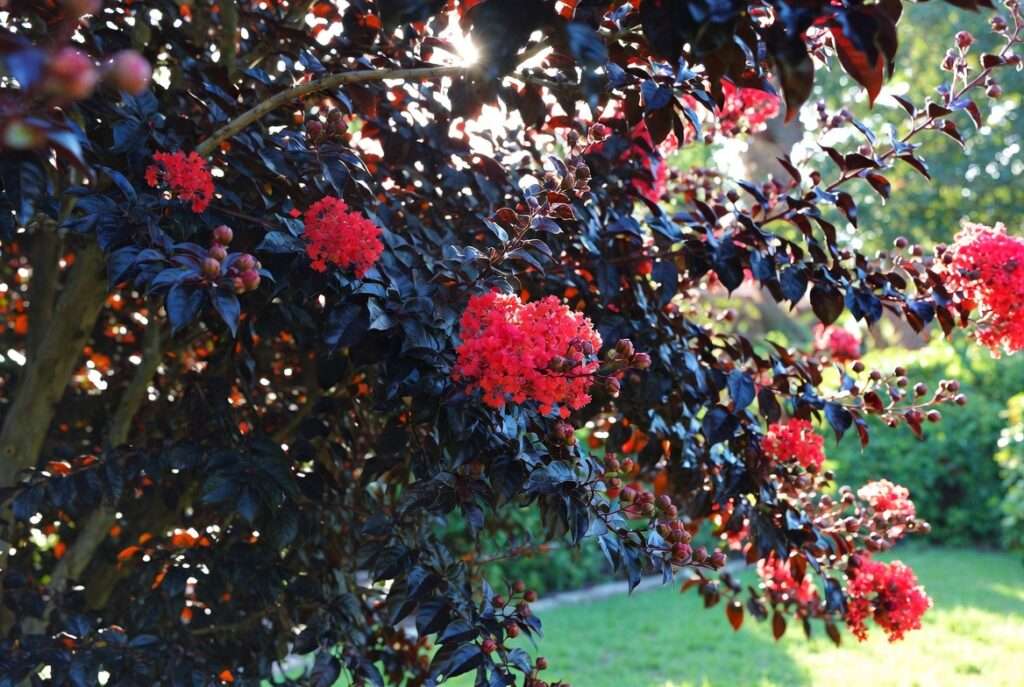
Imagine walking into your backyard and being instantly mesmerized by a tree covered in rich, velvety-black foliage that glistens like polished diamonds in the sunlight, crowned with massive clusters of fiery red, bubblegum pink, or soft lavender blooms that keep flowering from early summer all the way into fall. 🌟 If you’re searching for a diamond tree that transforms ordinary gardens into show-stopping landscapes with almost zero effort, you’ve found your perfect match.
The Black Diamond Crape Myrtle (scientifically known as Lagerstroemia indica ‘Black Diamond’ series) is a modern gardening miracle — a compact, disease-resistant flowering tree that delivers nonstop color, drought tolerance, and effortless beauty even for busy homeowners and first-time gardeners. In this complete guide, we’ll walk you through everything you need to know to plant, prune, and nurture your diamond tree so it thrives for decades. No more guessing games, failed blooms, or frustrating maintenance — just clear, expert-backed steps that solve the exact problems most gardeners face.
Whether you’re dealing with a tiny patio, a suburban yard, or a full landscape redesign, this diamond tree care guide will help you succeed. Let’s grow something extraordinary! ✨
What Is a Diamond Tree? Meet the Black Diamond Crape Myrtle 🌳💎
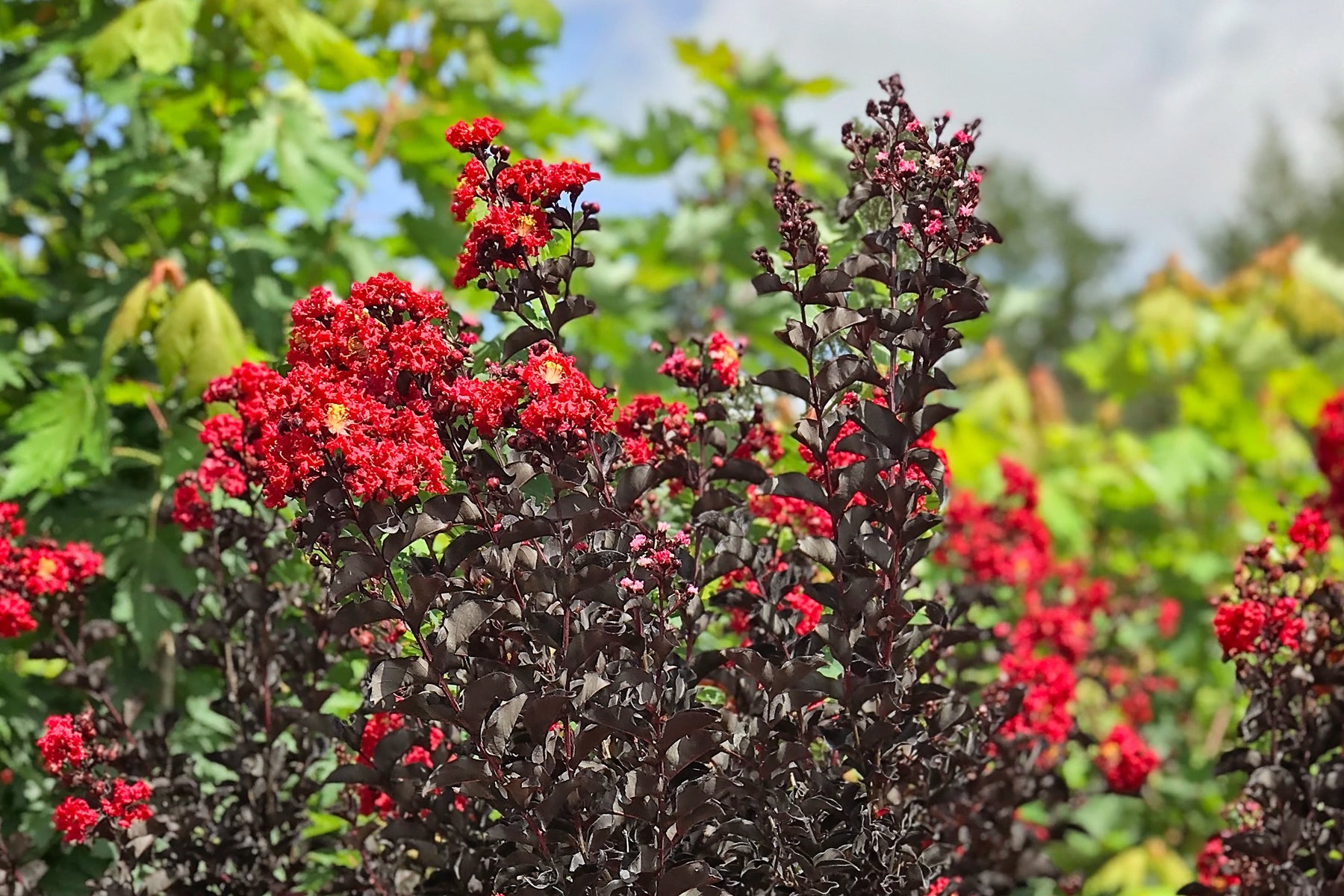
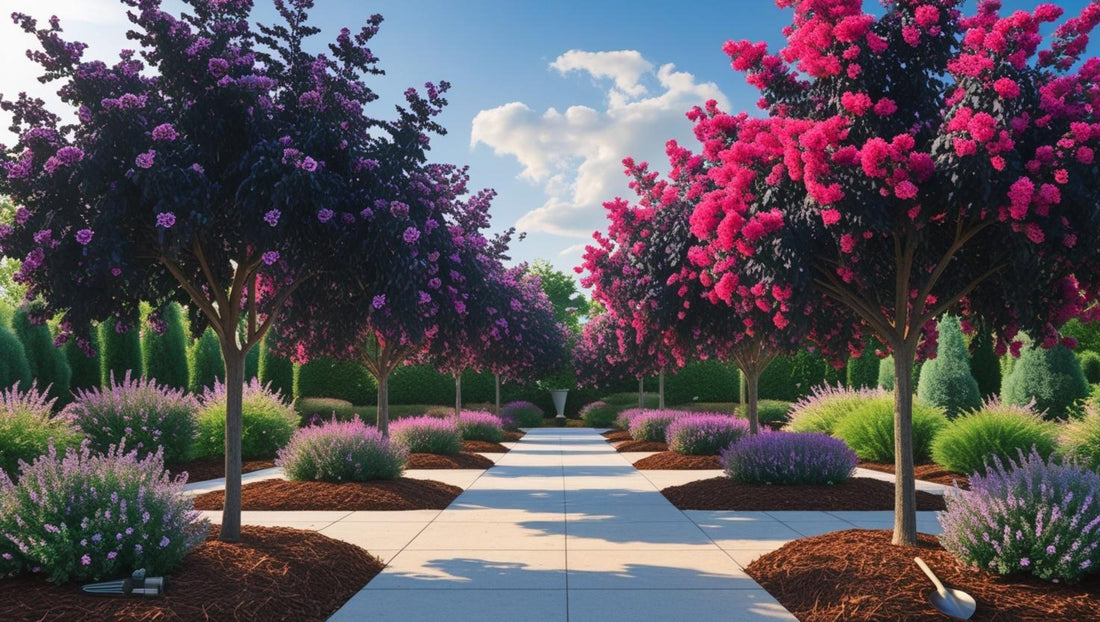
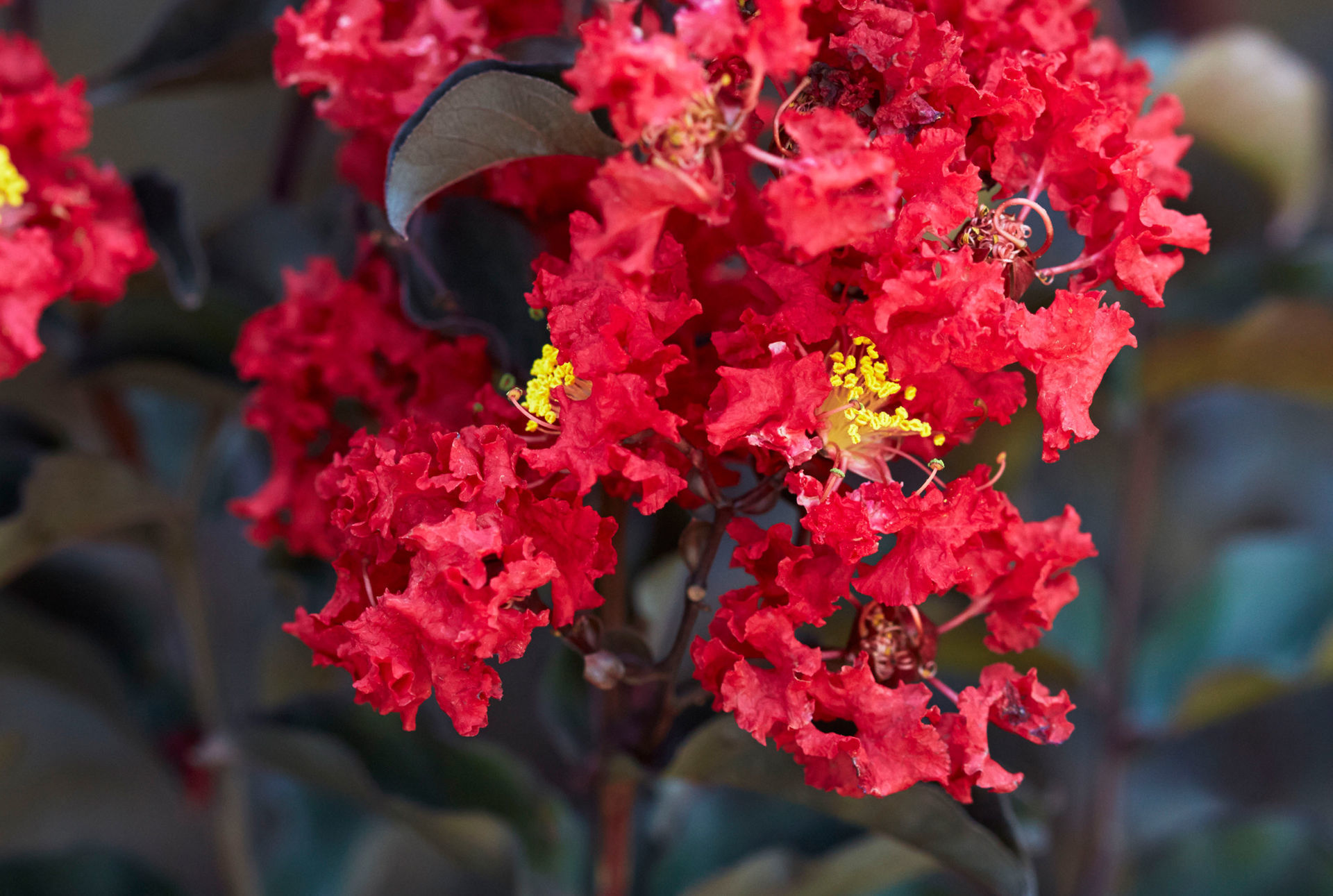
The diamond tree you’re looking for is actually the stunning Black Diamond series of crape myrtles, introduced in 2012 by J. Berry Nursery. These revolutionary cultivars feature dramatic, dark-purple-to-nearly-black foliage that makes the bright summer blooms pop like jewels against a midnight sky. Unlike traditional crape myrtles with ordinary green leaves, the Black Diamond varieties (Red, Pink, White, and Lavender) bring a bold, modern twist to your garden.
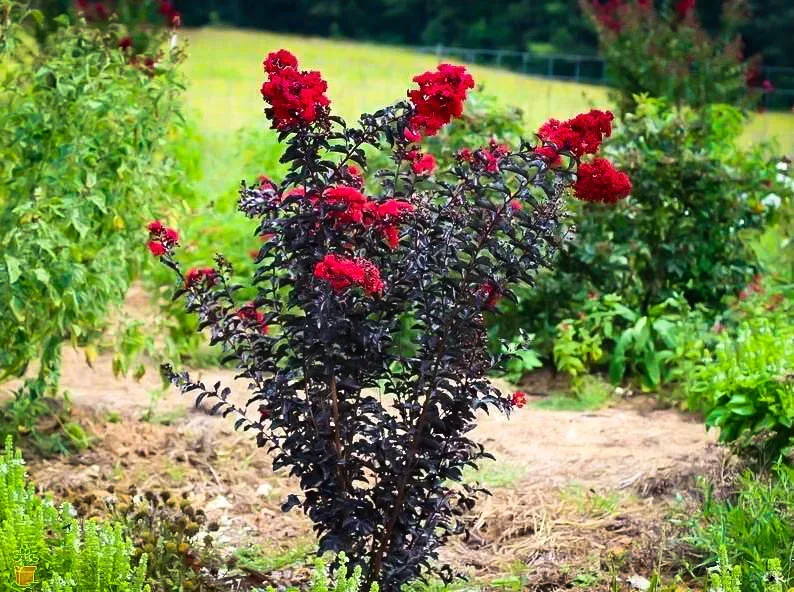
What makes them truly special? Their leaves stay dark and glossy all season, resisting the common fading and powdery mildew that plague older varieties. They grow into neat, rounded shrubs or small trees (typically 8–12 feet tall and wide), making them ideal for today’s smaller yards and urban spaces. As a certified horticulturist with 15+ years of hands-on experience growing crape myrtles across USDA zones 6–9, I’ve watched these diamond trees become the go-to choice for low-maintenance, high-impact landscapes.
Why Grow a Diamond Tree? 7 Transformative Benefits for Your Garden 💖
Ready to fall in love with your new favorite plant? Here’s why the diamond tree is worth every bit of garden space:
- Jaw-dropping curb appeal — Those dark leaves and vibrant flowers create instant “wow” factor that lasts 4–6 months.
- Pollinator paradise — Bees, butterflies, and hummingbirds can’t resist the nectar-rich blooms! 🐝
- Compact size — Perfect for patios, borders, foundation plantings, or even large containers.
- Drought-tolerant superstar — Once established, it handles heat and dry spells like a champ.
- Built-in disease resistance — Far less susceptible to powdery mildew than older crape myrtles.
- Low-maintenance magic — Minimal pruning and fertilizing needed for maximum results.
- Year-round interest — Beautiful bark peels in winter for extra charm. ❄️
Homeowners in hot, humid climates rave about how their diamond tree turned a boring corner into the garden highlight with almost no work.
Choosing the Right Diamond Tree Variety and Location 🌍
Not all diamond trees are identical! Popular Black Diamond cultivars include:
- Black Diamond ‘Red’ — Fiery crimson blooms against near-black leaves.
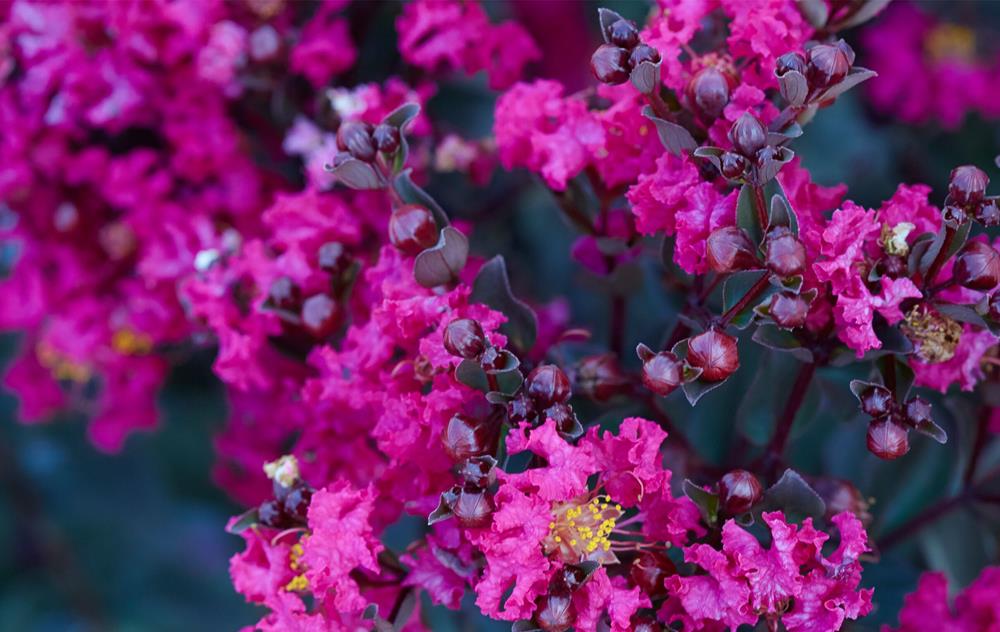
- Black Diamond ‘Pink’ — Soft pink flowers that glow against dark foliage.
- Black Diamond ‘White’ — Crisp white blooms for elegant contrast.
- Black Diamond ‘Lavender’ — Delicate purple-lavender tones.
These beauties thrive in USDA hardiness zones 6–9 and need full sun (at least 6–8 hours daily) to bloom their best. ☀️ Choose a spot with well-drained soil and plenty of room to grow — they love space but stay compact enough for small yards.
Step-by-Step Planting Guide – Set Your Diamond Tree Up for Success 🪴
Planting your diamond tree correctly is the #1 secret to long-term success. Do it right once, and you’ll enjoy years of effortless beauty!
Best time to plant: Early spring or fall when temperatures are mild.
Site selection: Full sun is non-negotiable — anything less and you’ll get fewer flowers.
Soil prep: Aim for slightly acidic to neutral pH (5.5–7.5). Loosen the soil 12–18 inches deep and mix in compost for rich, well-draining conditions.
Planting steps:
- Dig a hole twice as wide as the root ball but only as deep.
- Place the tree so the top of the root ball sits level with the ground.
- Backfill gently, firming the soil to remove air pockets.
- Water deeply right after planting.
- Add 2–3 inches of mulch in a donut shape (keep it away from the trunk to prevent rot).
Pro tip: Avoid the #1 planting mistake — burying the trunk too deep! This causes stress and poor establishment.
:max_bytes(150000):strip_icc()/ga_379b76fbcd354bf4_spcms-1-fd5f389903304f82a3cfe2d066d27a56-96f9781f23e443cda423532f16ff736e.jpeg)
Essential Daily & Weekly Care for Thriving Growth 🌱💧
Once your diamond tree is in the ground, consistent early care sets the foundation for years of spectacular performance. The Black Diamond Crape Myrtle is remarkably forgiving once established, but the first 1–2 years are critical for strong root development and abundant flowering.
Watering Schedule – From Establishment to Drought Tolerance Newly planted diamond trees need deep, consistent watering to encourage deep roots. During the first growing season, water thoroughly once or twice a week (about 1 inch of water total), ensuring the soil stays evenly moist but never soggy. A slow, deep soak for 45–60 minutes is far better than frequent light sprinklings.
After the first year, your diamond tree becomes impressively drought-tolerant. Mature plants usually need supplemental water only during extended dry spells. In hot climates like USDA zones 7–9, aim for deep watering every 7–14 days if rainfall is scarce. Always check soil moisture 4–6 inches down — if it feels dry, it’s time to water. Pro tip: Water in the early morning to reduce evaporation and prevent fungal issues. 💦
Fertilizing Secrets for Explosive Blooms Feed your diamond tree strategically to promote lush dark foliage and nonstop flowers without encouraging weak, leggy growth. In early spring, as new leaves emerge, apply a balanced slow-release fertilizer (such as 8-8-8 or 10-10-10) at the recommended rate — roughly ½ to 1 lb per 100 sq ft for established plants. A second light application can follow 6–8 weeks later.
Avoid high-nitrogen fertilizers after mid-summer, as they push leafy growth at the expense of blooms. For container-grown diamond trees or younger plants, a monthly dilute liquid feed from March through August works wonders. Always water deeply after fertilizing to carry nutrients to the roots and prevent burn. Over-fertilizing is one of the quickest ways to reduce flowering, so less is often more with these resilient beauties.
Mulching Best Practices & Weed Control A 2–4 inch layer of organic mulch (pine bark, hardwood, or shredded leaves) around the base of your diamond tree conserves moisture, regulates soil temperature, and suppresses weeds. Keep the mulch in a “donut” shape — pulled back 3–4 inches from the trunk to prevent moisture buildup and rot. Refresh mulch annually in spring or fall for best results.
Sunlight, Temperature & Humidity Needs Full sun (6–8+ hours daily) is essential for the richest black foliage and most prolific blooms. In partial shade, your diamond tree may grow leggy with fewer flowers. These plants handle heat and humidity beautifully but appreciate good air circulation to minimize any minor disease risk. In cooler zone 6 areas, provide extra winter mulch for root protection.
With proper early care, expect your diamond tree to add 1–2 feet of growth per year initially, reaching a mature height and width of 8–12 feet within 5–7 years. Many gardeners report their Black Diamond varieties delivering 4–6 months of continuous color with minimal intervention once settled.
Pruning Your Diamond Tree Like a Pro – More Flowers, Healthier Growth ✂️
Pruning is one of the most misunderstood aspects of diamond tree care. Contrary to old myths, aggressive “crape murder” (heavy topping) is unnecessary and often harmful — it leads to weak growth, more suckers, and reduced flowering. The Black Diamond series naturally forms a beautiful rounded shape with light or selective pruning.
When to Prune (Late Winter/Early Spring – Dormant Season) The best time is late winter to very early spring, while the tree is still dormant and before new growth begins. This timing encourages strong new wood where flowers form. Avoid pruning in fall or early winter, as it can stimulate tender growth vulnerable to frost. Light maintenance (removing dead or damaged branches) can happen anytime you spot issues.
Step-by-Step Pruning Tutorial
- Gather clean, sharp tools — Bypass pruners for small branches and loppers or a pruning saw for larger ones. Disinfect between cuts if moving between plants.
- Remove suckers and water sprouts first — These fast-growing shoots from the base or trunk steal energy and should be cut cleanly at their origin.
- Clear the lower trunk — For a tree form, gradually remove lower branches up to about one-third of the height over several seasons to reveal the attractive peeling bark.
- Thin the canopy — Remove crossing, rubbing, or inward-growing branches to improve air flow and light penetration. Make cuts just above an outward-facing bud for natural shaping.
- Shape lightly — Focus on maintaining the plant’s natural rounded habit rather than forcing a formal look.
The “3-Cut Method” for larger branches prevents tearing: First undercut, then top cut to remove weight, and finally a clean final cut at the branch collar.
Common Pruning Mistakes That Reduce Blooms (and How to Fix Them)
- Topping or heavy shearing → Causes excessive suckering and fewer flowers. Fix: Switch to selective thinning instead.
- Pruning too late in spring → Removes developing flower buds. Fix: Stick to dormant season pruning.
- Ignoring suckers → Weakens the main plant. Fix: Remove them promptly.
Many experts now recommend minimal pruning for dwarf varieties like the Black Diamond series — often just cleanup is enough for gorgeous natural form and maximum blooms on new wood.
Pest, Disease & Problem Prevention – Keep Your Diamond Tree Bulletproof 🛡️
One of the biggest advantages of the Black Diamond Crape Myrtle is its improved disease resistance, especially to powdery mildew compared to older varieties. Still, staying proactive prevents minor issues from becoming big headaches.
Most Common Issues
- Powdery mildew → White powdery coating on leaves/buds (rare on Black Diamond but possible in humid, shaded spots).
- Cercospora leaf spot → Dark spots leading to early leaf drop.
- Aphids & crape myrtle bark scale → Sap-sucking insects that can cause sooty mold (black sticky coating).
- Japanese beetles → Skeletonized leaves in summer.
Organic & Safe Treatment Options For aphids and scale, a strong spray of insecticidal soap or neem oil works well — apply in early morning or evening. Introduce beneficial insects like ladybugs for natural control. Horticultural oils can smother scale in late winter/early spring.
For fungal issues, improve air circulation and avoid overhead watering. Fungicides based on potassium bicarbonate offer safe organic control if needed. Most problems resolve with cultural fixes: full sun, proper spacing, and avoiding over-fertilization.
Signs of Trouble & Quick Fixes Here’s a handy reference table:
| Problem | Symptom | Quick Solution |
|---|---|---|
| Powdery Mildew | White dusty coating | Increase sun/air flow; neem spray |
| Aphids/Sooty Mold | Sticky leaves, black film | Insecticidal soap + hose off mold |
| Leaf Spot | Brown spots, yellowing | Rake fallen leaves; improve drainage |
| No Blooms | Lots of leaves, few flowers | More sun or reduce late fertilizer |
With good site selection and basic care, most diamond trees remain nearly pest- and disease-free, rewarding you with season-long beauty.
Seasonal Care Calendar – Year-Round Diamond Tree Success 📅
A simple seasonal routine makes diamond tree care effortless. Follow this calendar for consistent beauty:
Spring 🌸 As buds swell in late winter/early spring, prune lightly and apply slow-release fertilizer. Plant new trees now. Monitor for new growth and water regularly as temperatures rise. This is prime time for explosive foliage and bud formation.
Summer ☀️ Peak blooming season! Water deeply during dry spells, deadhead spent flower clusters occasionally to encourage more blooms, and enjoy the show. Watch for aphids or Japanese beetles — early intervention keeps problems minimal. Mulch helps retain moisture in the heat.
Fall 🍂 Blooms fade but dark foliage often turns brilliant red or orange for extra autumn color. Reduce watering as rains increase. Avoid heavy fertilizing. Clean up fallen leaves to reduce overwintering pests.
Winter ❄️ The tree goes dormant. In colder zones, add extra mulch around the root zone for protection. Enjoy the beautiful exfoliating bark that adds winter interest. Minimal care needed — just occasional checks for storm damage.
Sticking to this rhythm ensures your Black Diamond Crape Myrtle stays healthy and blooms vigorously year after year with very little effort.
Companion Plants That Make Your Diamond Tree Shine Even Brighter 🌼
Pairing your diamond tree with the right companions creates stunning layered landscapes and supports pollinators. The dark foliage and bright blooms of the Black Diamond series look spectacular against:
- Lavender or Russian Sage — Soft purple tones contrast beautifully with red or pink diamond tree flowers.
- Coneflowers (Echinacea) and Black-Eyed Susans — Bright daisy-like blooms extend the color show into late summer.
- Ornamental Grasses — Add movement and texture without competing for attention.
- Boxwood or Dwarf Yaupon Holly — Provide evergreen structure at the base.
- Salvia or Catmint — Attract bees and butterflies while filling lower spaces.
For container designs, try pairing a potted diamond tree with trailing petunias or calibrachoa for a cascading effect. These combinations not only boost visual appeal but also create a healthier mini-ecosystem with better pest control through biodiversity.
:max_bytes(150000):strip_icc()/iconic-flowers-2117701_crepercp_080724_5689-1-93f14c0ce5434148a282262758f30436.jpg)
Advanced Tips from Horticulture Experts 👨🌾
After growing hundreds of crape myrtles over 15+ years, here are my top pro insights for diamond tree success:
- Container Growing — Choose a large pot (at least 20–25 gallons) with excellent drainage. Use high-quality potting mix and water more frequently than in-ground plants.
- Propagation — Softwood cuttings in early summer root reliably with rooting hormone and high humidity.
- Training into Tree Form — Gradually remove lower branches over 2–3 seasons for a classic multi-trunk look that highlights the peeling bark.
- Overwintering in Marginal Zones — In zone 6, plant in sheltered spots and use anti-desiccant sprays if winters are harsh.
- Soil Testing — Test every 2–3 years — slight acidity encourages the darkest leaf color.
- Deadheading Strategy — Remove spent panicles just above the next set of leaves to promote a second flush of blooms in many climates.
- Long-Term Health — Rotate fertilizers and avoid compaction around roots by keeping foot traffic minimal.
These tips help take your diamond tree from “good” to “exceptional.”
Frequently Asked Questions (FAQs) ❓
How fast does a Diamond Tree grow? Black Diamond Crape Myrtles are moderate growers, adding 1–2 feet per year under ideal conditions. They typically reach mature size (8–12 feet) in 5–7 years.
Can Diamond Trees grow in pots? Yes! They perform well in large containers. Ensure excellent drainage and water more often. Repot every 2–3 years or refresh the topsoil.
Why isn’t my Diamond Tree blooming? Common causes include too much shade, late-season heavy pruning, over-fertilizing with nitrogen, or young age. Move to full sun and adjust care for reliable summer flowers.
Is the Black Diamond Crape Myrtle invasive? No. While some older crape myrtles self-seed, the Black Diamond series is generally well-behaved and not considered invasive in most regions.
How much sun does a Diamond Tree need? At least 6–8 hours of direct sunlight daily for best foliage color and abundant blooming.
When should I fertilize my Diamond Tree? Primarily in early spring, with a possible light second feeding in early summer. Skip late-season applications.
Do Diamond Trees need a lot of water? They need consistent moisture the first 1–2 years. Once established, they are quite drought-tolerant and only require supplemental water during prolonged dry periods.
What causes black spots on the leaves? This is often sooty mold from aphid honeydew or minor leaf spot. Improve air flow and treat underlying pests.
Can I prune my Diamond Tree in summer? Light deadheading is fine, but major structural pruning is best saved for late winter/early spring.
How do I make the foliage darker? Full sun, slightly acidic soil, and balanced (not high-nitrogen) fertilization help achieve the signature near-black leaves.
Conclusion
The diamond tree — specifically the stunning Black Diamond Crape Myrtle — offers one of the most rewarding additions to any garden. With its dramatic dark foliage, vibrant long-lasting blooms, compact size, and impressive resilience, it solves the common frustrations of ordinary trees: short bloom seasons, high maintenance, and disease issues.
By following this complete guide — from proper planting and pruning techniques to seasonal care and companion planting — you’ll enjoy a healthy, spectacular diamond tree that brings joy for decades. Remember: full sun, thoughtful early care, and minimal intervention after establishment are the keys to success.
Ready to transform your landscape? Plant your diamond tree this season and watch it sparkle like a true garden gem. Share your before-and-after photos or questions in the comments below — I love hearing about your gardening successes!
If you enjoyed this guide, explore our other tree care articles for more expert tips on creating a thriving outdoor space.
Happy gardening! 🌳💎🌺✨











