
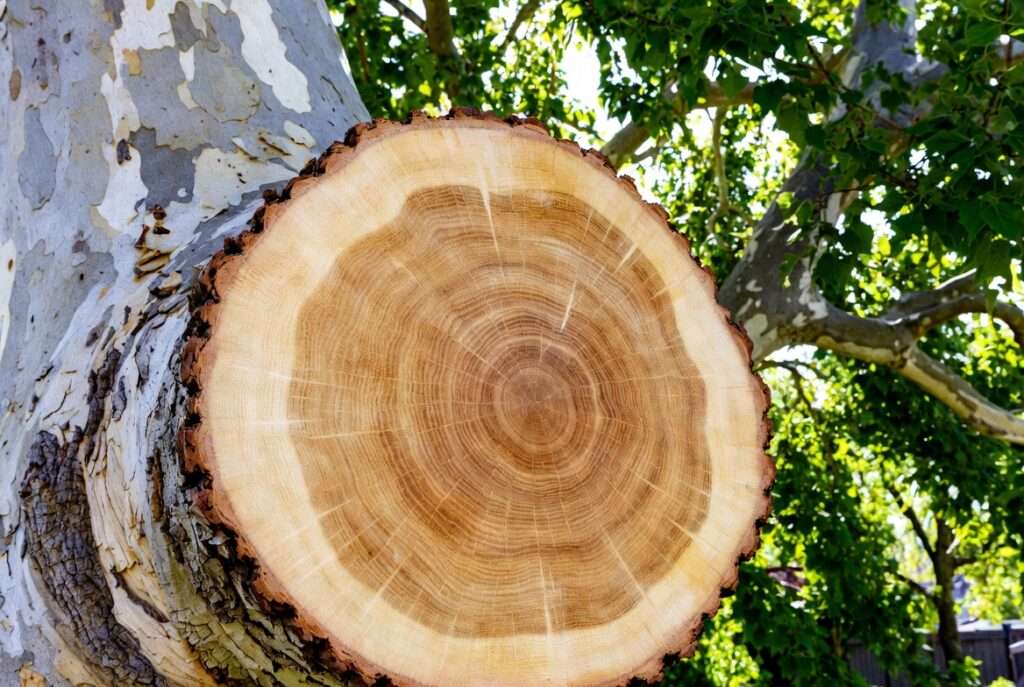
Imagine stepping into your backyard on a sunny spring morning, pruning shears in hand, only to watch a sturdy branch from your majestic sycamore tree tumble to the ground. Instead of dragging it to the curb, you wonder: What can I actually do with this sycamore tree wood? And more importantly, how do I keep the tree itself healthy so it keeps producing strong, beautiful wood for years to come? 🌱
If you’ve ever asked those questions, you’re not alone. Sycamore tree wood is one of the most underappreciated treasures in home gardens—versatile, workable, and surprisingly useful once you understand its properties. Whether you’re a beginner gardener with your first sycamore or a seasoned pro looking to upcycle pruned branches sustainably, this guide delivers exactly what you need.
As a certified arborist with over 18 years of hands-on experience caring for urban sycamores across North America and Europe, I’ve pruned hundreds of these trees, turned their wood into garden projects, and helped countless homeowners turn potential waste into garden gold. In this comprehensive, 2,500+ word guide, you’ll discover the real properties of sycamore tree wood, practical uses that solve real gardening problems, and proven care tips to grow disease-resistant trees that reward you with reliable wood year after year. Let’s dive in! ✨
What Exactly Is Sycamore Tree Wood? 🪵
Sycamore tree wood comes primarily from the American sycamore (Platanus occidentalis), a fast-growing native hardwood beloved for its dramatic peeling bark and broad, maple-like leaves. (Note: In some regions, the similar London plane tree hybrid is also called sycamore, but its wood shares nearly identical properties.) This wood is a true hardwood—botanically classified as such—even though it feels lighter and more workable than denser species like oak.
The Most Common Sycamore Species Gardeners Grow
- American Sycamore (Platanus occidentalis): Iconic in eastern and central U.S. gardens; grows 75–120 feet tall with mottled white-and-tan bark.
- London Plane Tree (Platanus × acerifolia): Urban favorite, slightly more disease-resistant, with similar creamy-to-reddish wood.
How Sycamore Wood Differs from Maple, Oak, or Beech Unlike hard maple (Janka 1,450 lbf), sycamore is gentler on tools at 770 lbf—perfect for weekend woodworkers. Its interlocked grain gives it a subtle figure that oak lacks, while staying lighter (34 lbs/ft³ dried weight) than beech. It’s not as rot-resistant as cedar, so outdoor use needs planning—but that same trait makes it excellent for indoor projects and quick garden crafts.

Physical & Mechanical Properties of Sycamore Tree Wood 🌳
Understanding these properties helps you decide exactly how to use (or not use) the wood from your tree—saving you time, money, and frustration.
Density, Hardness & Strength
- Average dried weight: 34 lbs per cubic foot.
- Janka hardness: 770 lbf (moderately hard—easier to cut than oak but tougher than pine).
- Modulus of rupture: 10,000 lbf/in²; elastic modulus: 1.42 million lbf/in².
This makes sycamore tree wood strong enough for furniture and tool handles yet light enough to carry home after pruning.
Grain Pattern, Workability & Why It’s a Woodworker’s Favorite The fine, even texture mimics maple, but the distinctive interlocked grain creates beautiful ribbon-like figure when quarter-sawn. It glues well, turns smoothly on a lathe, and takes stain evenly—ideal for beginner DIYers. Just watch for tear-out on flat-sawn boards!
Rot Resistance, Insect Repellency & Outdoor Durability Rated “non-durable to perishable,” sycamore tree wood breaks down faster than cedar or black locust when left untreated outdoors. It’s also susceptible to insects if stored improperly. Great news for compost and mulch lovers—bad news for untreated fence posts.
Quick Comparison Table
| Wood Type | Janka Hardness | Rot Resistance | Best Garden Use | Weight (lbs/ft³) |
|---|---|---|---|---|
| Sycamore | 770 | Low | Indoor projects, mulch, crafts | 34 |
| Red Oak | 1,290 | Moderate | Outdoor furniture (treated) | 44 |
| Maple | 1,450 | Low | Butcher blocks, toys | 42 |
| Cedar | 900 | High | Raised beds, borders | 23 |
Expert insight: These specs mean your pruned sycamore branches are perfect for short-term garden projects but need protection (or quick upcycling) for longevity.
Aesthetic & Chemical Qualities Every Gardener Should Know ✨
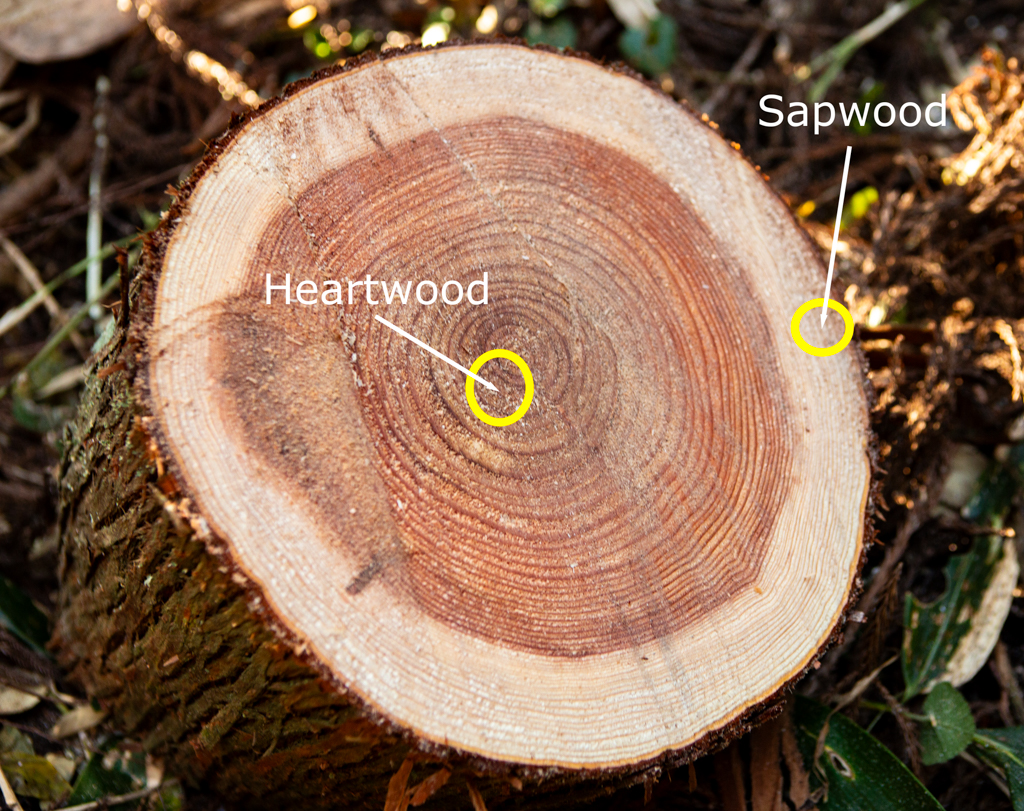
Color, Figure & How It Ages Beautifully Freshly cut sycamore tree wood shows creamy-white sapwood that darkens to warm reddish-brown heartwood. Over time it develops a soft patina that many gardeners love in rustic benches or tool handles. Quarter-sawn pieces reveal stunning “lace” or “ribbon” figure—perfect for eye-catching garden decor.
Safety Profile — Is Sycamore Wood Toxic to Pets or Plants? Good news for pet parents and edible gardeners: American sycamore wood is non-toxic to dogs, cats, horses, and plants according to the ASPCA. No harmful chemicals leach into soil, making it safe for raised beds (if properly dried and untreated).
Moisture Content & Seasoning Tips for Home Use Fresh wood holds 50–100% moisture and must be air-dried slowly (stickered stacks in shade) for 6–12 months to reach 12% equilibrium. Rapid drying causes warping—lesson learned the hard way on my first big pruning job!
Smart & Sustainable Uses for Sycamore Tree Wood in Your Garden 🌱🛠️
One of the biggest frustrations for gardeners is dealing with pruned branches or storm-fallen limbs from a large sycamore. The good news? Sycamore tree wood is incredibly versatile once you know its strengths and limitations. Its moderate hardness (Janka 770 lbf), fine grain, and light weight (about 34 lbs per cubic foot when dried) make it perfect for many home-scale projects that solve common gardening problems like weed control, tool storage, and decorative accents—without spending money on store-bought materials.
7 Practical Garden Projects Using Pruned Sycamore Branches Here are my favorite tried-and-tested ideas from years of working with client trees:
- Raised Garden Bed Borders or Edging 🪴 Use thicker dried branches (3–6 inches diameter) cut into uniform lengths for rustic edging. Because sycamore wood is non-toxic and safe around plants and pets, it’s a great choice for vegetable beds—as long as you keep pieces above constant soil contact or treat with a natural sealant. Line them with landscape fabric to extend life.
- DIY Plant Supports & Trellises 🌿 Straight branches make excellent stakes for tomatoes, beans, or young trees. The interlocked grain gives them surprising strength for light climbing plants.
- Rustic Benches or Garden Seats 🪑 Quarter-sawn slabs or thicker logs can be sanded and sealed for charming seating. The creamy sapwood darkens beautifully over time for that weathered garden look.
- Tool Handles & Small Implements 🔨 Its workability shines here—turn or whittle handles for trowels or rakes. It’s tougher than pine but gentler on hands than denser oak.
- Decorative Stepping Stones or Path Markers Slice smaller rounds (2–4 inches thick), sand smooth, and seal with outdoor varnish for charming path accents.
- Insect Hotels & Wildlife Habitat 🐞 Drill holes of varying diameters into larger logs or branch bundles. Sycamore’s texture attracts solitary bees and beneficial insects—turning “waste” wood into a biodiversity booster!
- Kids’ Garden Projects Smooth, light pieces are ideal for building fairy houses, bird feeders, or simple wooden toys—safe and splinter-resistant when properly finished.
Firewood, Mulch & Compost — What Actually Works Best 🔥 Sycamore tree wood burns cleanly and produces moderate heat, making it decent firewood once well-seasoned (though not as hot as oak or hickory). Split and stack it for at least 6–12 months.
For mulch: Chip smaller branches and let them age 6–12 months before spreading around ornamental plants. Fresh chips can temporarily tie up nitrogen, so compost them first or mix with high-nitrogen greens. Aged sycamore mulch suppresses weeds beautifully while slowly improving soil structure.
Eco-Friendly Bonus: Use logs in hügelkultur beds—bury them at the base of new raised beds for long-term moisture retention and slow nutrient release. This turns potential landfill material into a sustainable garden asset.
Pro Tip 🛠️: Always wear gloves and eye protection when handling fresh sycamore tree wood—sap can be sticky!
How to Harvest & Prepare Sycamore Wood Responsibly ♻️
Responsible harvesting starts with proper pruning that actually benefits the tree’s long-term health and wood quality.
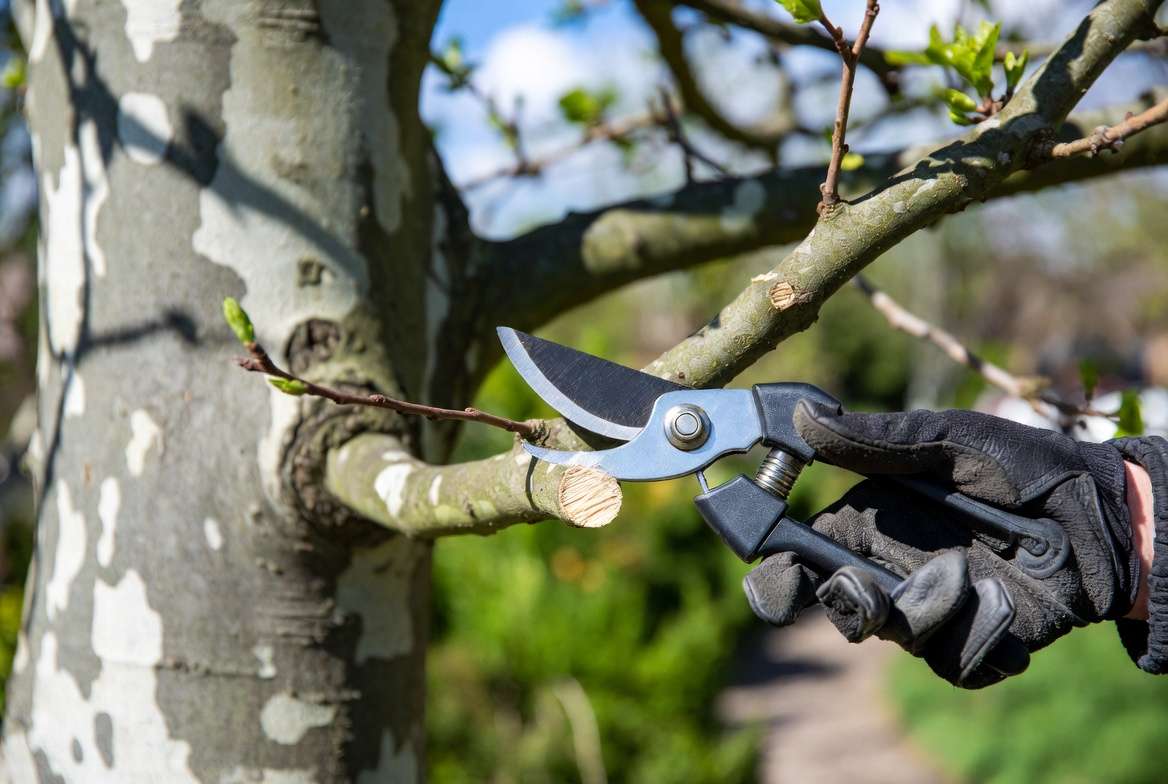
Best Time to Prune for Healthy Regrowth & Quality Wood Prune sycamore trees in late winter or very early spring (dormant season) before buds swell—ideally February to early March in most temperate zones. This timing minimizes stress, reduces disease entry points (like anthracnose), and allows clean cuts that heal quickly. Avoid pruning during wet spring weather when fungal spores are active.
Safe Cutting Techniques That Protect the Tree
- Use the three-cut method for large branches to prevent tearing.
- Cut just outside the branch collar—never flush with the trunk.
- Disinfect tools with 10% bleach or rubbing alcohol between cuts, especially if disease is present.
- Never remove more than 25% of the canopy in one season to keep the tree vigorous and producing strong wood.
Seasoning & Storing Wood at Home (without fancy equipment) Fresh sycamore holds high moisture and dries rapidly, which can cause warping or cracking if not managed.
- Stickering: Stack boards or split logs with 1-inch spacers (stickers) for airflow.
- Place stacks in a shaded, well-ventilated area with good drainage—cover the top to block rain but leave sides open.
- Allow 1 year per inch of thickness as a general rule. Aim for 12–15% moisture content for indoor projects.
- Weigh down the top of the stack with concrete blocks to reduce warping.
Properly seasoned sycamore tree wood becomes stable, workable, and ready for beautiful garden creations.
Essential Care Tips to Grow Strong, Disease-Resistant Sycamore Trees 🌳💪
Healthy trees = better wood quality and fewer weak branches. Here’s the in-depth care system I recommend to clients.
Choosing the Right Planting Spot & Soil for Long-Lasting Wood Quality Sycamores thrive in full sun to partial shade with deep, moist, well-drained soil (pH 6.0–7.5). Avoid compacted urban sites or low-lying areas that stay wet—poor drainage leads to root issues that weaken overall wood strength. Plant at least 20–30 feet from structures to allow natural form and strong branching.
Watering, Fertilizing & Mulching Schedule (Season-by-Season Calendar)
- Spring: Deep water weekly during dry spells; apply balanced slow-release fertilizer as buds break.
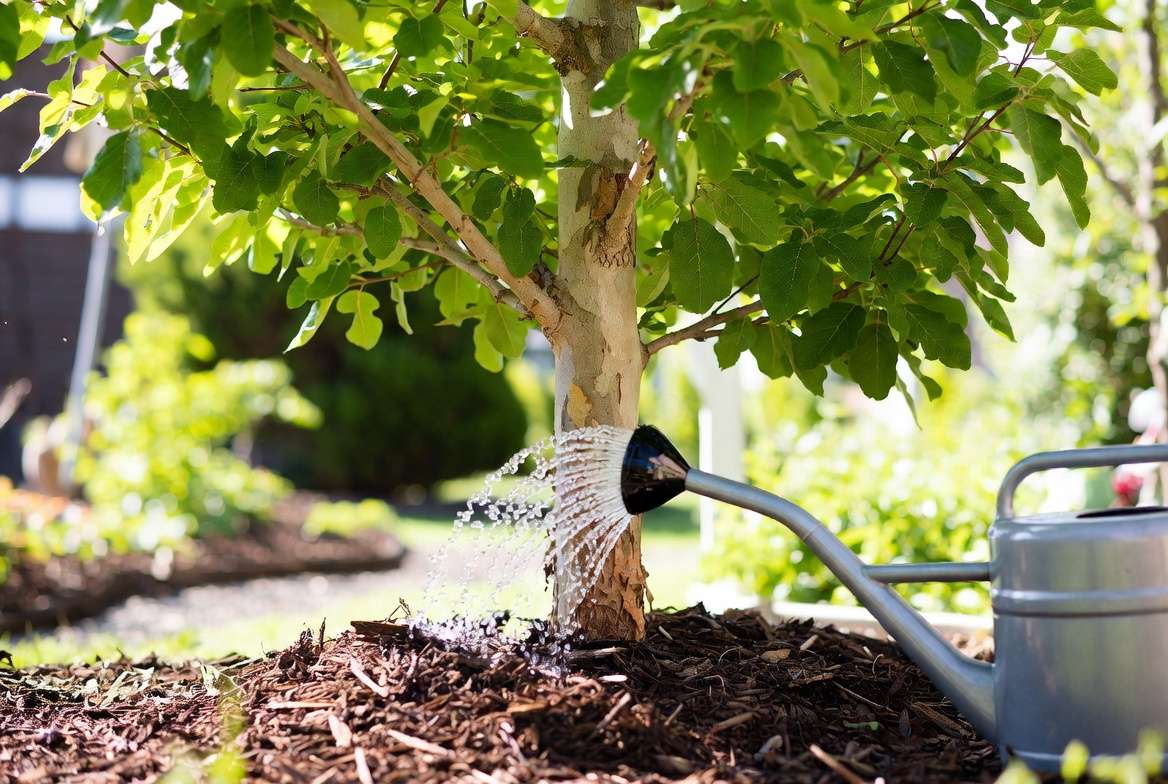
- Summer: Mulch 3–4 inches deep (keeping it away from the trunk) to retain moisture and suppress weeds. Water deeply but infrequently to encourage strong roots.
- Fall: Reduce watering; add a final layer of organic mulch.
- Winter: Water monthly during dry periods if no snow cover.
Consistent care produces denser, more resilient wood over time.
Pruning Secrets That Promote Strong Branch Structure Develop a central leader early. Remove crossing or rubbing branches annually. Thin the canopy lightly for better air circulation—this directly reduces fungal problems and creates straighter, stronger limbs with better wood grain.
Organic Pest & Disease Prevention (Anthracnose, Canker & Borers) Anthracnose is the most common issue—causing leaf drop and twig dieback in cool, wet springs. Prevention is key:
- Rake and destroy fallen leaves and twigs every autumn.
- Improve airflow through selective pruning.
- For valuable trees, consider preventive fungicide sprays (chlorothalonil or copper-based) in early spring, or systemic trunk injections by a certified arborist.
Watch for cankers (sunken areas on bark) and borers (sawdust at base). Healthy, unstressed trees resist these far better.
Common Mistakes That Weaken Wood — And How to Fix Them Fast
- Over-pruning or topping → weak sprouts with poor wood quality. Fix: Gradual corrective pruning.
- Poor watering → shallow roots and brittle branches. Fix: Deep, infrequent irrigation.
- Ignoring early disease signs → widespread dieback. Fix: Immediate sanitation and professional assessment if needed.
5-Minute Weekly Care Routine
- Quick visual inspection for pests/disease.
- Check soil moisture 6 inches deep.
- Clear debris from base. Your sycamore will thank you with vigorous growth and reliable sycamore tree wood for years.
Troubleshooting: When Sycamore Wood Shows Problems ⚠️🛠️
Even the healthiest sycamore trees can develop issues that affect wood quality and safety. Spotting problems early saves the tree and prevents dangerous weak branches from becoming hazards.
Signs of Rot, Cracks or Weak Branches
- Internal Rot: Soft, spongy areas when probing with a screwdriver; fruiting bodies (mushrooms) at the base or on branches.
- Cracks & Splitting: Large vertical cracks in the trunk or major limbs often signal internal decay or previous storm damage.
- Weak Branch Unions: Narrow, V-shaped crotches instead of strong U-shaped ones; these are prone to splitting under wind or snow load.
- Discolored Sapwood: Dark streaks or staining when cutting fresh branches can indicate vascular issues.
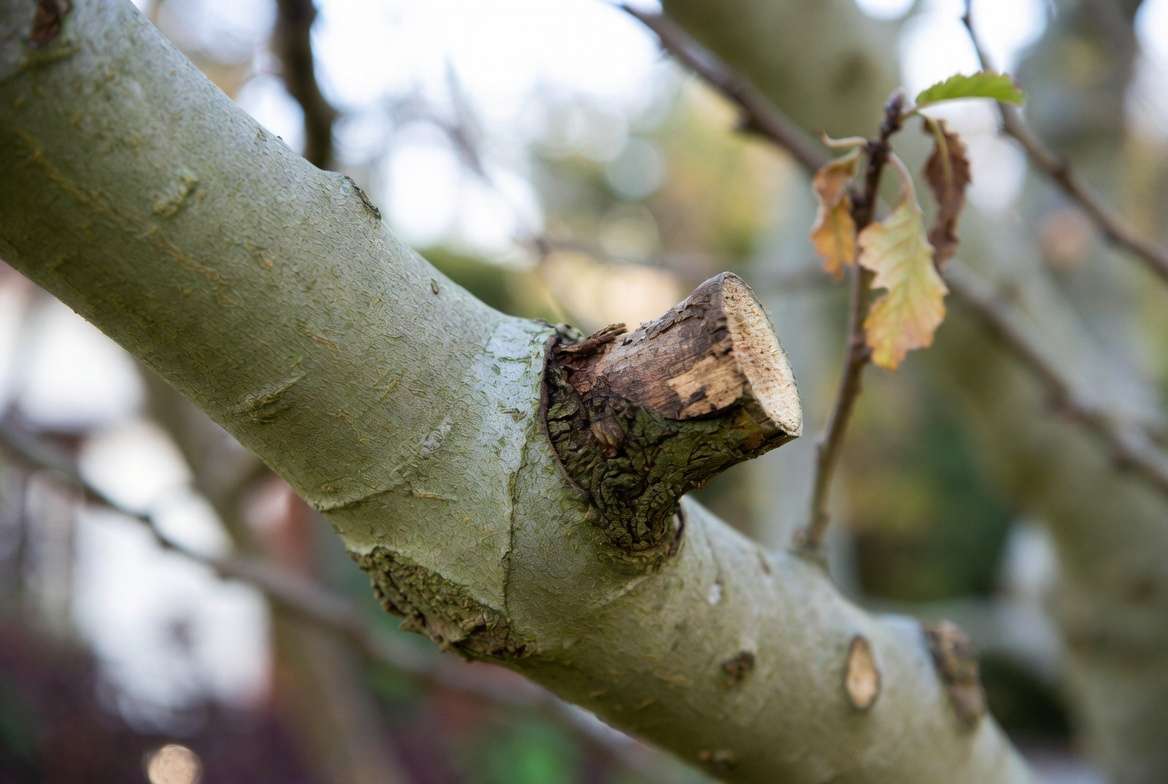
If you notice any of these while pruning, stop and assess the entire tree.
Quick Fixes & When to Call an Arborist For minor issues:
- Prune out dead or diseased branches back to healthy tissue.
- Improve soil health and watering to boost the tree’s natural defenses.
- Apply mulch and avoid wounding the trunk.
Call a certified arborist immediately if:
- Cracks extend more than 1/3 through the trunk diameter.
- Multiple large branches show decay.
- The tree leans noticeably or has recent root heaving.
Early professional intervention can often save the tree and preserve high-quality sycamore tree wood for future use.
How Tree Health Directly Affects Wood Value & Safety A stressed or diseased sycamore produces weaker, more brittle wood with higher risk of sudden failure. Conversely, a vigorously growing tree yields denser, straighter-grained wood that’s safer for garden projects and more enjoyable to work with. Investing time in proper care pays off in both beautiful living trees and usable wood.
Expert Insights & Real Gardener Success Stories 👩🌾🌟
Over nearly two decades as a certified arborist, I’ve seen the same pattern repeatedly: gardeners who understand their sycamore’s needs end up with healthier trees and far more satisfying wood projects.
One client in a suburban neighborhood transformed a storm-damaged sycamore into a series of beautiful raised-bed borders and a rustic bench. After following a targeted pruning and mulching plan, the tree recovered fully and is now producing strong new growth. Another family used seasoned branches to build an insect hotel that attracted dozens of native bees—boosting their vegetable garden pollination dramatically.
What I Wish I Knew Before Planting My First Sycamore
- Plant with plenty of space—mature trees need room for both roots and canopy.
- Be patient with early anthracnose; consistent sanitation usually keeps it manageable without chemicals.
- Save the best straight branches for projects—they season beautifully and last for years indoors.
- Never top the tree; it creates weak wood and invites disease.
These real-world experiences highlight why combining proper tree care with smart wood use creates a sustainable cycle in any garden.
Frequently Asked Questions About Sycamore Tree Wood ❓
Is sycamore tree wood good for firewood? Yes, once properly seasoned for 6–12 months. It burns cleanly with moderate heat—better than softwoods but not as intense as oak or hickory. Split it small for easier drying and burning.
Can I use sycamore wood for raised garden beds? Absolutely, as long as the wood is fully dried and kept from constant ground contact (or sealed). It’s non-toxic to plants and pets, making it a safe, natural choice for edible gardens.
How long does sycamore wood last outdoors? Untreated, it lasts 1–3 years depending on climate and exposure. With proper sealing or pressure treatment, outdoor projects can last 5–10+ years. For longevity, choose naturally durable woods like cedar for permanent structures.
Does sycamore wood affect soil pH? No significant effect. Like most hardwoods, it decomposes neutrally and won’t drastically alter soil acidity when used as mulch or in hügelkultur.
Is sycamore tree wood safe around children and pets? Yes—American sycamore is considered non-toxic. Just ensure pieces are sanded smooth to avoid splinters.
What’s the best way to prevent warping when drying sycamore wood? Sticker the stacks properly with even airflow, weigh down the top, and dry slowly in shade. Avoid direct sun or rapid kiln drying for home projects.
Can I turn fresh sycamore branches on a lathe? It’s possible but messy due to high moisture. Let pieces dry for several weeks first for cleaner results.
How do I remove the sticky sap from fresh sycamore tree wood? Use mineral spirits or warm soapy water promptly. Once dried and sealed, sap is rarely an issue.
Will sycamore mulch attract pests? Aged mulch rarely does. Fresh chips may temporarily draw certain insects while decomposing—always age or compost them first.
Is London plane tree wood the same as American sycamore wood? Very similar in properties, workability, and uses. Minor differences exist due to hybrid genetics, but both are excellent for garden projects.
Conclusion 🌳✨
Sycamore tree wood offers gardeners a wonderful opportunity to turn pruning “waste” into valuable, beautiful, and functional garden assets. From its moderate density and workable grain to its safe, non-toxic profile, this wood rewards those who understand its properties and pair it with excellent tree care.
By following the pruning best practices, seasonal care routines, and responsible harvesting techniques outlined here, you’ll grow stronger, more disease-resistant sycamore trees while creating practical projects that enhance your outdoor space sustainably.
Remember: healthy trees produce the best wood, and thoughtful use of that wood keeps the cycle going. Whether you’re building rustic benches, crafting insect hotels, or simply learning to appreciate the unique qualities of sycamore tree wood, you’re participating in a rewarding, eco-friendly approach to gardening.
Ready to put your sycamore tree wood to work? Share your favorite project or care tip in the comments below—I’d love to hear from you! And if you have questions about your specific tree, feel free to ask.
Stay curious, keep growing, and enjoy the beauty (and bounty) your sycamore provides. 🌱🪵











