
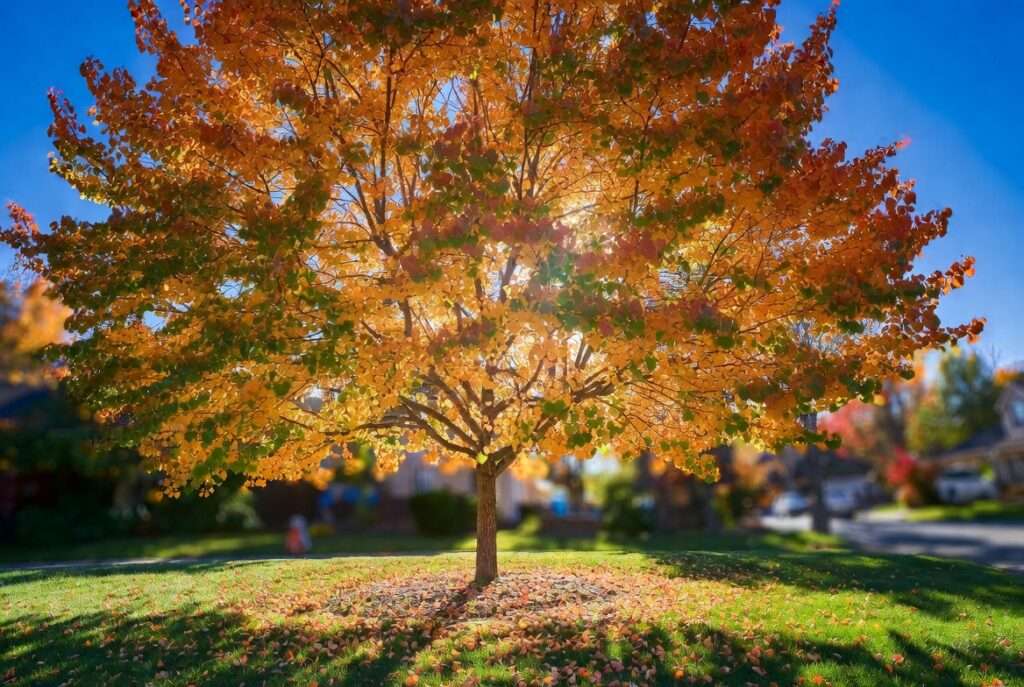
Imagine stepping into your backyard on a crisp October morning to see your redbud tree glowing like a living lantern—heart-shaped leaves shimmering in brilliant golden yellows, warm oranges, and soft reds against a clear blue sky. That breathtaking redbud tree fall foliage is exactly why so many gardeners plant Cercis canadensis (the Eastern redbud) and its cousins. Yet every year, thousands of homeowners watch in disappointment as their trees stay dull green, drop leaves too early, or offer only pale, washed-out color.
You’re not alone—and it’s not bad luck. With the right year-round tree care, you can unlock the most spectacular redbud tree fall foliage your yard has ever seen. As a certified arborist and tree-care specialist with 15+ years helping homeowners across USDA zones 4–9 turn ordinary redbuds into showstoppers, I’ve seen the difference proper care makes. This comprehensive guide shares every proven secret, from soil secrets to seasonal checklists, so your redbud delivers Instagram-worthy autumn glory for decades. Let’s dive in and transform your tree! 🍂✨
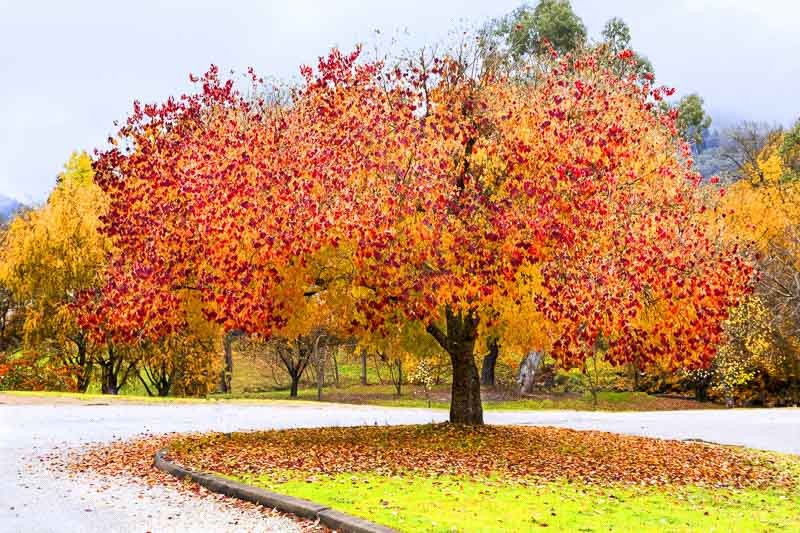
What Redbud Tree Fall Foliage Actually Looks Like (And Why Gardeners Love It) 🍂🌟
Redbud trees (Cercis species) deliver one of the most charming and reliable fall displays among small native trees. Unlike maples that scream fiery crimson, redbuds offer a softer, elegant palette that feels perfectly at home in woodland gardens, cottage yards, or modern landscapes.
Signature fall color palette
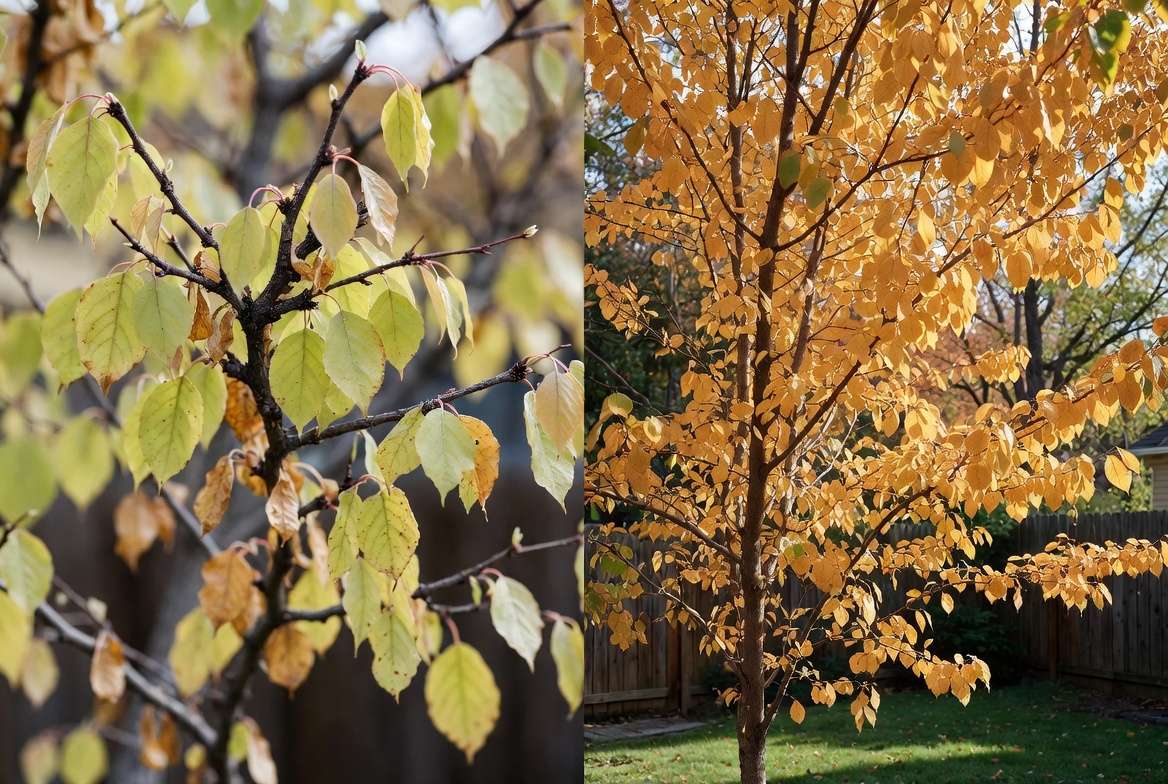
- Eastern Redbud (Cercis canadensis): Classic bright yellow to golden yellow, sometimes with subtle orange or peach undertones in perfect conditions.
- Western Redbud (Cercis occidentalis): Deeper golden hues with occasional reddish tints in cooler climates.
- Chinese Redbud (Cercis chinensis) and hybrids: Often richer yellow-orange with better consistency in warmer zones.
The show typically peaks in mid-to-late October (depending on your USDA zone) and lasts 2–4 glorious weeks. In warmer southern zones, colors may arrive a bit later but fade faster if summer drought stressed the tree.
Many gardeners expect “maple-level drama,” but redbud tree fall foliage is beloved precisely because it’s understated yet luminous—perfect for creating cozy, layered autumn scenes. University extension services note that while the color can be “unreliable” in stressed trees, healthy specimens consistently deliver that clear, glowing yellow that makes neighbors stop and stare.
Quick comparison table for context
| Tree | Fall Colors | Reliability | Best For |
|---|---|---|---|
| Redbud | Golden yellow, orange | High with care | Small yards, natives |
| Sugar Maple | Fiery red/orange | Very high | Large landscapes |
| Flowering Dogwood | Deep red/purple | Medium | Understory accents |
Pro tip: Take photos every year! Documenting your redbud tree fall foliage helps you spot patterns and fine-tune care. 🌳📸
The Science Behind Those Stunning Redbud Fall Colors 🔬🍁
Understanding the “why” behind the color change turns good gardeners into great ones. As chlorophyll (the green pigment) breaks down in autumn, two other pigments step into the spotlight:
- Carotenoids (always present but masked by green) → produce the warm yellows and golds redbuds are famous for.
- Anthocyanins (produced in response to cool nights and bright days) → add those occasional rosy reds and oranges in select cultivars or ideal weather.
Redbuds are particularly sensitive to day length and temperature swings. Shorter days trigger the shutdown of chlorophyll production, while cool (but not freezing) nights encourage sugar buildup in leaves—fueling those vibrant hues. Tree health is the real game-changer: a stressed redbud skips the party and drops dull green leaves early.
According to research from horticulture programs, healthy redbuds with balanced nutrients and consistent moisture show up to 30–40% more intense and longer-lasting fall color. That’s why proper tree care isn’t optional—it’s the secret ingredient!

(Visual tip: The life-cycle collage above shows exactly how healthy redbud leaves transition from summer green to glorious fall gold.)
7 Key Factors That Make or Break Redbud Tree Fall Foliage ⚠️🌡️
Don’t let these hidden culprits steal your autumn show! Here’s what matters most:
- Climate & Weather Patterns – Redbuds thrive in USDA zones 4–9. Sudden early freezes or prolonged summer heat waves can dull colors. Climate change is making displays more variable—consistent care helps buffer that.
- Soil pH & Nutrients – Aim for slightly acidic to neutral (pH 5.5–7.0). Poor drainage or nutrient deficiencies (especially phosphorus and potassium) lead to weak color.
- Sunlight Exposure – Full sun to part shade (6+ hours) produces the brightest foliage. Too much shade = pale leaves.
- Tree Age & Root Health – Young trees (under 5 years) focus energy on growth, not color. Mature, well-rooted specimens shine brightest.
- Watering Mistakes – Both drought and overwatering stress the tree and shorten the fall show.
- Overall Stress Levels – Pests, disease, or compacted soil silently rob vibrancy.
- Cultivar Choice – Some varieties (like ‘Forest Pansy’ or ‘Ruby Falls’) naturally deliver richer tones.
Quick diagnostic checklist 🌟
- Leaves turning brown at edges? → Possible drought or scorch.
- Early leaf drop? → Check watering and root health.
- Dull yellow instead of glowing gold? → Soil test time!
Year-Round Tree Care Blueprint for Spectacular Redbud Fall Foliage 💧🌳
Achieving vibrant redbud tree fall foliage starts long before October. A healthy tree with strong roots and minimal stress delivers the brightest, longest-lasting autumn display. Here’s your complete seasonal roadmap based on proven arborist practices.
Spring Care – Building Strong Roots and Buds 🌸 Spring is prime time for establishment. Plant new redbuds in early spring after the last frost. Choose a spot with full sun to partial shade (at least 6 hours of direct sunlight) and well-draining soil.
- Water deeply once or twice weekly during the first growing season to encourage deep root growth.
- Apply a 2–3 inch layer of organic mulch (keep it 3–4 inches away from the trunk) to retain moisture and suppress weeds.
- Fertilize lightly with a balanced slow-release formula (e.g., 10-10-10) in early spring to support healthy leaf development without forcing tender growth.
- Prune only if needed to shape young trees or remove damaged branches—do this right after flowering to avoid losing next year’s blooms.
Strong spring care sets the foundation for those heart-shaped leaves to turn glorious gold later.
Summer Care – Preventing Drought Stress That Kills Fall Vibrancy ☀️💦 Summer heat and dry spells are the biggest enemies of intense redbud tree fall foliage. Drought-stressed trees conserve energy by dropping leaves early or producing dull colors.
- Water deeply (1–2 inches per week) during dry periods, especially for trees under 5 years old. Use a soaker hose or drip irrigation to reach the root zone.
- Monitor for signs of stress: wilting, scorched leaf edges, or early yellowing.
- Avoid heavy nitrogen fertilizers in summer—they push leafy growth at the expense of root strength and fall color.
- Keep mulch refreshed to maintain even soil moisture and cool roots.
Consistent summer hydration helps the tree store sugars that fuel carotenoid production in autumn.
Fall Care – Gentle Cleanup That Protects Next Year’s Display 🍂 Ironically, fall is when you enjoy the show—but also prepare for next year.
- Rake fallen leaves gently to reduce disease risk (redbuds can be prone to leaf spot).
- Water deeply one last time before the ground freezes if you’re in a colder zone—this helps the tree overwinter successfully.
- Avoid heavy pruning or fertilizing in fall; it can stimulate new growth vulnerable to frost.
- Take notes on this year’s redbud tree fall foliage performance to adjust care next season.
Winter Care – Protecting Your Redbud from Freeze Damage ❄️ Young redbuds have thin bark that can crack in harsh winters.
- Wrap the trunk of trees under 3–4 years old with tree wrap or burlap for protection against sunscald and rodents. Remove it in early spring.
- Avoid piling snow or ice against the trunk.
- In very cold zones (4–5), choose hardier cultivars like ‘Heart’s Desire’ or ‘Northern Herald’ for better resilience.
Follow this year-round blueprint and your redbud will reward you with reliable, eye-catching fall color season after season.
(Seasonal care collage: Spring blooms → Summer green canopy → Fall golden foliage → Winter structure)
Soil, Fertilizer & Watering Secrets Top Arborists Use 🪴💦
Soil quality directly impacts pigment development in redbud leaves. Redbuds prefer slightly acidic to neutral soil (pH 5.5–7.0, though they tolerate up to 8.0). Poor drainage or nutrient imbalances often cause pale or short-lived fall color.
Ideal Soil Mix Test your soil first (kits available at garden centers or extension offices). Amend heavy clay with compost and perlite for better drainage. Sandy soils benefit from added organic matter to retain moisture.
Best Fertilizer Practices
- Young trees: Apply a balanced slow-release granular fertilizer (10-10-10 or similar) in early spring.
- Mature trees: Fertilize only if a soil test shows deficiencies—over-fertilizing can reduce fall color intensity.
- Organic options: Compost, well-rotted manure, or fish emulsion work wonderfully and improve soil biology.
Expert Formula Tip 🌟 Mix 1 part compost + 1 part aged bark mulch around the drip line each spring. This slowly releases nutrients while improving soil structure for better root health and vibrant carotenoids.
Watering Techniques That Boost Color
- New plantings: 1–2 deep waterings per week for the first 2–3 years.
- Established trees: Drought tolerant once rooted, but supplemental deep watering during dry summers prevents stress that dulls autumn hues.
- Mulch deeply (2–4 inches) to conserve water and moderate soil temperature.
Proper soil, fertilizer, and watering create the perfect environment for anthocyanins and carotenoids to shine when chlorophyll fades—resulting in that sought-after glowing redbud tree fall foliage.
Pruning, Pest & Disease Management for Healthier, Brighter Foliage ✂️🐛
Healthy trees = brighter fall color. Redbuds are relatively low-maintenance but can suffer from stress-related issues that rob vibrancy.
Pruning Best Practices
- Best time: Immediately after spring flowering (late spring/early summer). Avoid fall or winter pruning to prevent bloom loss and disease entry.
- What to prune: Dead, damaged, crossing, or rubbing branches. Thin crowded areas for better air circulation.
- Never top or heavily shear—redbuds have a graceful natural form.
Common Pests & Diseases
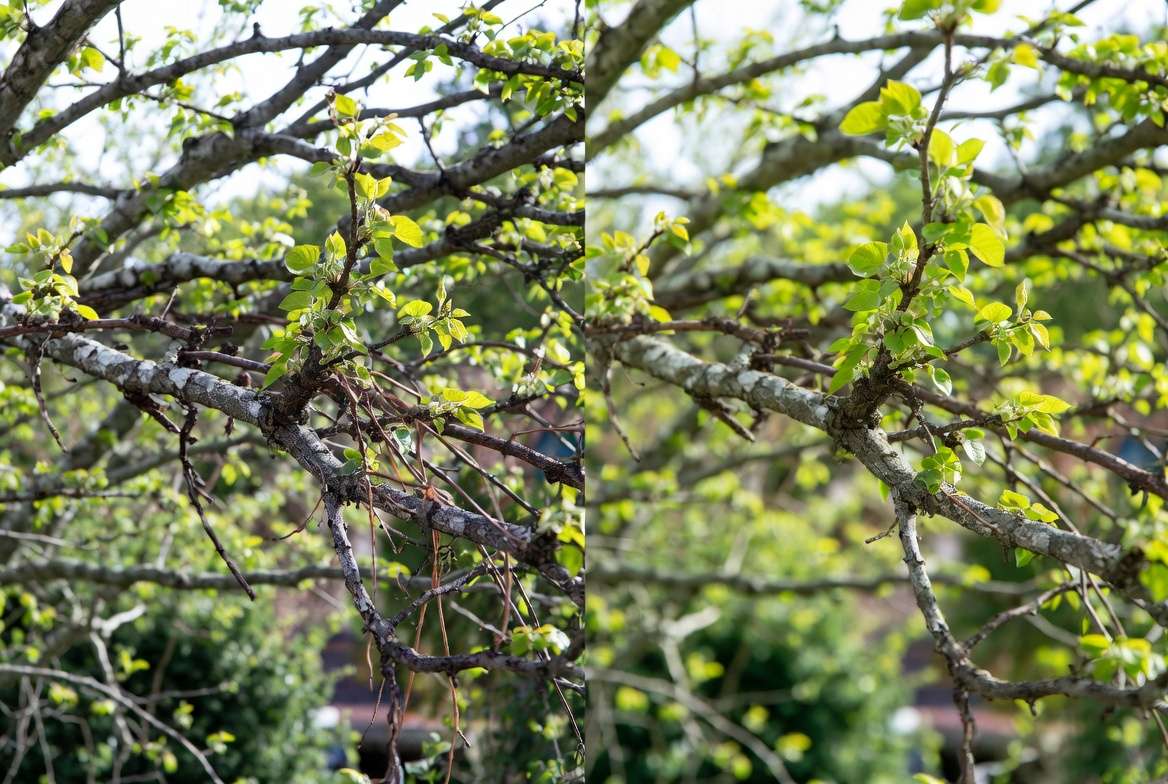
- Canker (Botryosphaeria): Often triggered by drought stress. Symptoms include dieback and sunken areas on branches. Prune infected parts well below the damage into healthy wood.
- Verticillium Wilt: Soil-borne fungus causing wilting and yellowing on one side. Improve soil health and avoid wounding roots.
- Leaf Spot & Powdery Mildew: Fungal issues in humid conditions. Good air flow and cleanup of fallen leaves help.
- Pests: Scale, aphids, or borers—treat early with horticultural oil or neem if needed.
Organic & Safe Treatments Use neem oil or insecticidal soap for pests. For fungal issues, improve cultural conditions first (watering, mulch, pruning). Healthy, unstressed redbuds resist problems better and deliver superior fall displays.
Troubleshooting Quick Guide
- Brown edges → Drought or scorch.
- Early leaf drop → Water stress or canker.
- Dull color → Nutrient deficiency or shade.
Best Redbud Varieties for Jaw-Dropping Fall Foliage 🌟🌸
Not all redbuds are created equal when it comes to redbud tree fall foliage. Choosing the right cultivar dramatically increases your chances of vibrant, reliable autumn color. Here are the top performers based on years of observation and university trial data:
Top 8 Cultivars Ranked by Color Intensity & Reliability
- ‘Forest Pansy’ – Deep purple spring foliage that turns brilliant gold-orange in fall. Excellent color even in warmer zones. One of the most popular for dramatic contrast.
- ‘Ruby Falls’ – Weeping form with burgundy leaves in spring that shift to glowing yellow-gold in autumn. Perfect for small spaces.
- ‘Eastern Redbud’ (straight species) – Classic golden yellow with good reliability when well cared for. Great for native plantings.
- ‘Appalachian Red’ – Bright pink flowers and strong yellow fall color. More heat tolerant.
- ‘Hearts of Gold’ – Chartreuse spring leaves mature to gold; fall display is consistently bright yellow.
- ‘Merlot’ – Compact growth, wine-red new leaves, and rich golden fall tones. Excellent disease resistance.
- ‘Northern Herald’ – Extra hardy for colder zones (down to zone 4). Reliable yellow-orange fall show.
- Western Redbud (Cercis occidentalis) – Native to drier western regions; delivers warm golden hues with reddish tints in cooler microclimates.
Eastern vs. Western vs. Hybrids
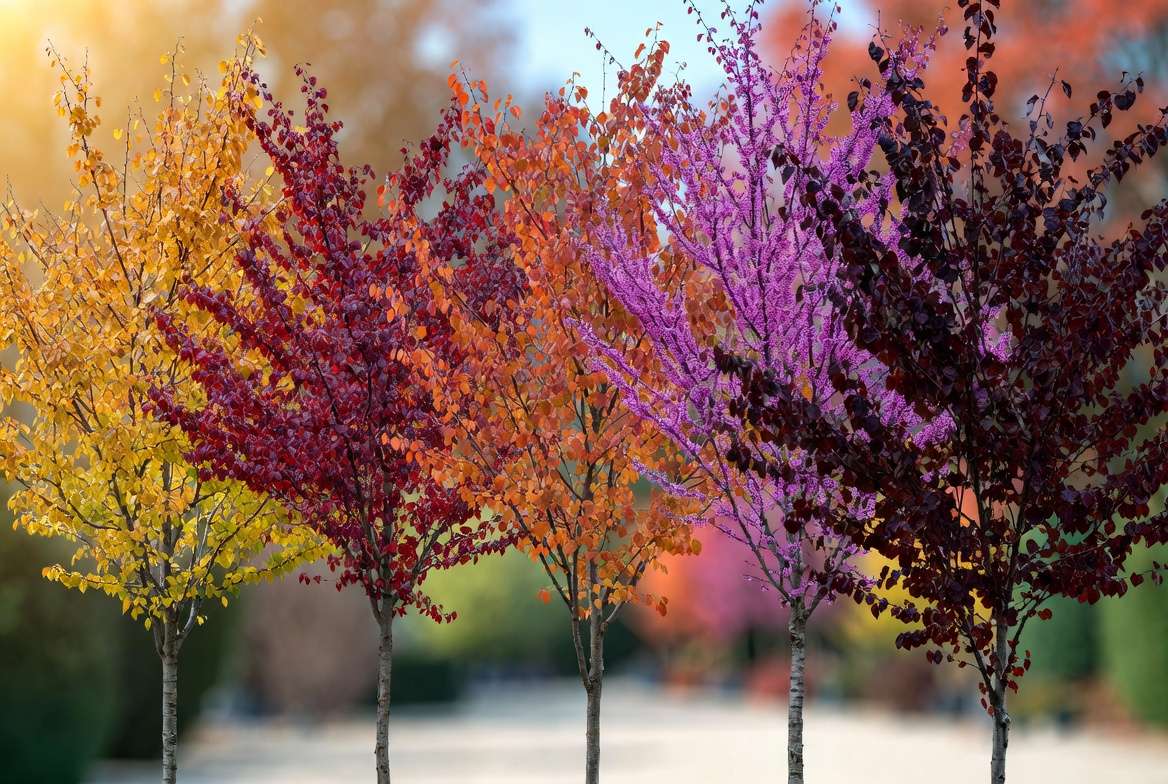
- Eastern types excel in moist, temperate areas with classic heart-shaped leaves and soft golden fall color.
- Western redbuds handle drought and heat better, often showing more orange-red hints.
- Hybrids like ‘Ruby Falls’ or ‘Merlot’ combine beauty with improved disease resistance and compact size—ideal for modern yards.
When buying, choose container-grown or balled-and-burlapped trees from reputable nurseries. Look for straight trunks, healthy foliage, and no signs of canker or wilt. Plant in spring or early fall for best establishment.
Comparison Table
| Variety | Fall Color Rating | Mature Size | Hardiness Zones | Best Feature |
|---|---|---|---|---|
| Forest Pansy | Excellent | 20–30 ft | 5–9 | Purple-to-gold contrast |
| Ruby Falls | Very Good | 6–8 ft | 6–9 | Weeping form, small space |
| Straight Species | Good–Excellent | 20–30 ft | 4–9 | Native reliability |
| Merlot | Excellent | 10–15 ft | 6–9 | Compact + disease resistant |
Selecting the right variety is one of the easiest ways to guarantee spectacular redbud tree fall foliage year after year.
Landscaping Ideas to Make Your Redbud Tree Fall Foliage the Star of the Yard 🏡🍁
A single redbud in peak fall color can transform an entire landscape. Here are proven ways to showcase it:
Perfect Companion Plants for Color Contrast
- Underplant with Japanese forest grass (golden hues echo the redbud) or autumn ferns.
- Pair with evergreens like boxwood or holly for year-round structure against the glowing foliage.
- Add purple asters, sedum, or black-eyed Susans for late-season color pops.
- Spring bulbs (daffodils, tulips) create beautiful contrast with redbud’s pink flowers.
Ideal Planting Spots
- Near patios or windows for close-up enjoyment.
- As a focal point in a mixed border or woodland edge.
- In front yards for maximum curb appeal.
- Group 2–3 together for a stunning grove effect (space 15–20 ft apart).
Container Growing & Small-Space Solutions Dwarf varieties like ‘Ruby Falls’ or ‘Merlot’ thrive in large containers. Use high-quality potting mix, ensure excellent drainage, and water consistently. Move pots to protected spots in winter if needed.
10 Ready-to-Copy Planting Combinations 🌟
- Redbud + ornamental grasses + stone path (modern natural look)
- Redbud + hostas + ferns (shady woodland garden)
- Redbud + boxwood hedge + chrysanthemums (formal fall display)
- Redbud underplanted with creeping phlox (spring + fall interest)
- Multi-stem redbud + Japanese maple (layered autumn colors)
These combinations not only highlight your redbud tree fall foliage but also create four-season interest.
Troubleshooting: Why Your Redbud Has Dull Fall Foliage (And How to Fix It Fast) 😩➡️😍
Even with good intentions, problems happen. Here are the 5 most common reasons for disappointing redbud tree fall foliage and exactly how to correct them:
- Drought Stress – Leaves turn pale yellow or brown and drop early. Fix: Deep water weekly during dry spells. Mulch heavily. Long-term: Improve soil with organic matter.
- Nutrient Deficiency – Especially low phosphorus or potassium. Colors stay muted. Fix: Get a soil test. Amend with bone meal or balanced organic fertilizer in early spring.
- Too Much Shade – Foliage remains green longer and turns weak yellow. Fix: Prune overhanging branches or relocate if possible. Choose shade-tolerant companions.
- Pest/Disease Pressure – Canker or leaf spot weakens the tree. Fix: Improve air circulation, prune affected parts, and maintain overall tree health. Severe cases may need professional arborist help.
- Young Tree – Energy goes to growth instead of pigment production. Fix: Be patient! Consistent care in years 3–5 usually brings dramatic improvement.
When to Call a Certified Arborist If you see sudden wilting on one side, large cankers, or widespread dieback, don’t wait—professional diagnosis can save the tree and restore future fall displays.
Real Gardener Success Story One client in zone 7 had a ‘Forest Pansy’ that stayed dull for three years. After soil correction, adjusted watering, and light spring fertilization, the fourth autumn produced the most vibrant orange-gold display they’d ever seen. Patience and targeted care make all the difference!
Expert Insights & Pro Tips from Certified Arborists 👩🌾🌳
After 15+ years working with redbuds, here are my favorite little-known tips that make the biggest impact on fall color:
- Test soil every 2–3 years—pH drift is a silent color killer.
- Water in the morning to reduce fungal risk and allow roots to absorb moisture efficiently.
- Avoid “lawn fertilizer” near redbuds; high nitrogen reduces fall pigment intensity.
- Leave some fallen leaves as natural mulch under the tree (after removing diseased ones).
- In hot climates, provide afternoon shade during peak summer to reduce stress.
- Plant redbuds with a slight “turtle shell” mound for better drainage in clay soils.
- Monitor weather forecasts—extra deep watering before a heat wave preserves sugar stores for autumn.
- Photograph your tree each October to track improvements over time.
- Combine redbud with serviceberry or spicebush for a native woodland palette that peaks together.
- Never use weed-and-feed products under redbuds; the chemicals can damage shallow roots.
- For container trees, refresh the top 2 inches of soil annually with compost.
- In zone 9, choose heat-tolerant selections and provide extra afternoon shade.
“What I wish every homeowner knew”: Redbud tree fall foliage isn’t just about October—it’s the result of 12 months of thoughtful care. Treat your tree well all year, and it will reward you with breathtaking beauty when the air turns crisp.
Conclusion 🎉🍂
Creating spectacular redbud tree fall foliage is one of the most rewarding experiences in tree care. That moment when your redbud’s heart-shaped leaves transform into a glowing canopy of golden yellow, warm orange, and soft red is pure garden magic—and it doesn’t happen by accident. It’s the beautiful result of consistent, thoughtful care throughout the entire year.
By following the year-round blueprint in this guide—building strong roots in spring, preventing drought stress in summer, gentle fall cleanup, and winter protection—you give your redbud everything it needs to produce vibrant, long-lasting autumn color. Remember the key factors: healthy soil with the right pH, balanced nutrients, proper sunlight, and minimal stress from pests or disease. Choose a strong cultivar suited to your climate, plant it thoughtfully, and maintain it with love.
Whether you have a young sapling just starting its journey or a mature tree that’s been underperforming, the techniques shared here can help you turn disappointment into delight. Many homeowners who once struggled with dull foliage now enjoy breathtaking displays that stop neighbors in their tracks and create lasting family memories under golden canopies.
Start implementing these practices today. Test your soil, adjust your watering routine, refresh the mulch, and watch your redbud respond with brighter, more reliable fall color season after season. Your future October mornings will thank you.
Ready to create your own redbud masterpiece? Share your before-and-after photos in the comments below—I love seeing how these tips transform gardens! For more expert tree care advice, explore our guides on pruning flowering trees, native plant landscaping, and seasonal garden maintenance.
Thank you for reading this comprehensive guide. Here’s to healthier trees and more stunning redbud tree fall foliage for years to come! 🌳🍁✨
FAQs About Redbud Tree Fall Foliage ❓
Here are answers to the most common questions gardeners ask when trying to achieve vibrant autumn color from their redbuds.
1. What color does a redbud tree turn in fall? Most redbud trees turn a beautiful golden yellow to bright chartreuse. In ideal conditions with cool nights and good tree health, some cultivars develop warm orange or soft reddish tones. The classic glowing yellow is the signature look of healthy redbud tree fall foliage.
2. How can I make my redbud leaves turn red instead of yellow? True deep red fall color is rare in redbuds (unlike maples). However, certain cultivars like ‘Forest Pansy’ or ‘Merlot’ can show stronger orange-red hues when grown in full sun with consistent moisture and slightly cooler autumn temperatures. Focus on overall tree health rather than forcing red—golden yellow is still stunning and more reliable.
3. When does redbud tree fall foliage peak? Peak color usually occurs from mid-October to early November, depending on your USDA zone and local weather. Warmer southern zones may see color later but shorter duration, while northern zones often enjoy earlier and longer displays. Watch for the first cool nights followed by sunny days—they trigger the best pigment development.
4. Do redbud trees need special fertilizer for better fall color? Not necessarily “special,” but balanced nutrition matters. A soil test is the best guide. Avoid high-nitrogen fertilizers late in the season, as they promote leafy growth instead of color pigments. Early spring applications of compost or slow-release balanced fertilizer support overall health that translates into brighter autumn foliage.
5. Can redbud trees survive poor fall foliage years? Yes! One off year due to extreme weather (drought, early freeze, or heat wave) usually doesn’t harm the tree long-term. Consistent care the following seasons helps the tree recover and return to vibrant displays. Healthy, established redbuds are quite resilient.
6. Is it too late to save my redbud’s color this season? If leaves are already turning dull or dropping early, focus on gentle care: deep watering if soil is dry, avoiding heavy pruning or fertilizing, and cleaning up fallen debris to reduce disease. The real improvements will show next year with better year-round practices.
7. What are the best redbud varieties for small yards with big fall impact? Compact options like ‘Ruby Falls’ (weeping), ‘Merlot’, and ‘Hearts of Gold’ deliver excellent golden fall color while staying under 15 feet tall. They’re perfect for patios, small gardens, or containers and still provide that eye-catching redbud tree fall foliage.
8. How often should I water a redbud tree in autumn? Water deeply once every 7–10 days if rainfall is low, especially for younger trees or those in drier climates. This final deep watering before winter helps the tree enter dormancy in good condition and supports stronger color the following fall. Reduce frequency once leaves drop.
9. Why is my redbud dropping leaves early without much color? Early leaf drop with little color change is often a sign of stress—most commonly drought, poor soil drainage, or canker disease. Check watering habits, improve soil health, and consider a professional inspection if symptoms persist.
10. Are redbuds good for wildlife and pollinators in fall? Absolutely. Even as leaves change, redbuds provide seeds that birds enjoy, and their structure offers winter shelter. Planting them as part of a native landscape supports local ecosystems year-round.
If you have additional questions about your specific redbud or climate, feel free to ask in the comments. I’m happy to help you achieve the stunning fall display you deserve!











