
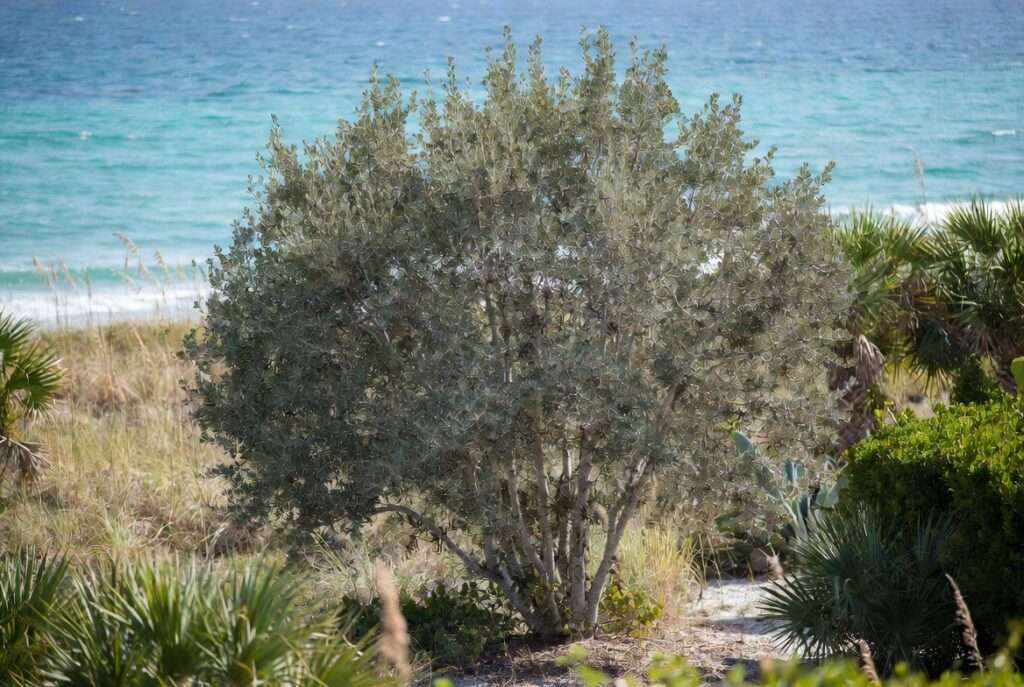
Imagine stepping into your backyard and being greeted by a shimmering, silvery-leaved tree that thrives where other plants wither—right in the face of salt spray, scorching sun, and relentless coastal winds. If you’re dreaming of a low-maintenance beauty that transforms ordinary landscapes into breezy beachside paradises, the silver buttonwood tree is your perfect match. This resilient Florida native (scientific name: Conocarpus erectus var. sericeus) is a true coastal superstar, offering stunning year-round appeal with minimal fuss.

Whether you’re a first-time gardener in South Florida, a beachfront homeowner battling salty soil, or simply someone seeking a tough-yet-gorgeous addition to your subtropical yard, this comprehensive guide has you covered. We’ll walk you through every step of silver buttonwood tree care—from planting secrets that ensure quick establishment to expert pruning tips that keep your tree looking its best for decades. Drawing on decades of horticultural research from the University of Florida IFAS Extension and real-world experience with coastal landscapes, you’ll discover why this tree is a go-to choice for sustainable, hurricane-resistant gardens.
By the end, you’ll have everything you need to plant, grow, and maintain a thriving silver buttonwood tree that not only survives but thrives in challenging conditions—saving you time, money, and frustration while boosting your property’s curb appeal and wildlife value. Let’s dive in! 🪴
What Is the Silver Buttonwood Tree? 🌳
The silver buttonwood tree is a captivating evergreen member of the Combretaceae family, prized for its soft, silvery-gray foliage that gives it a distinctive metallic sheen. Unlike the standard green buttonwood (Conocarpus erectus), the silver variety features dense, fine hairs on the leaves that reflect light beautifully and help the plant conserve moisture in harsh environments.
Botanical Profile and Distinctive Features 🪴
- Leaves: Silvery-green, oval to elliptical, 2–4 inches long with a velvety texture.
- Flowers and Fruit: Small, inconspicuous greenish-white blooms followed by button-like seed clusters (hence the name).
- Bark: Dark brown, scaly, and rugged—adding winter interest even in mild climates.
- Mature Size: Typically 15–30 feet tall and wide, though it can reach 40–50 feet in ideal conditions. It often grows as a multi-trunked shrub or small tree.
Native Habitat and Ecological Role 🌊 Native to the coastal edges of Florida, the Caribbean, and Central America, silver buttonwood trees naturally hug the upper edges of mangrove swamps and dune systems. They play a vital role in stabilizing shorelines, preventing erosion, and providing habitat for birds and pollinators. Their high salt tolerance makes them frontline defenders against ocean spray—perfect for your coastal garden!
Silver vs. Green Buttonwood: Key Differences
| Feature | Silver Buttonwood | Green Buttonwood |
|---|---|---|
| Foliage Color | Silvery-gray with velvety hairs | Deep green, smoother leaves |
| Height | 15–30 ft (shorter, denser) | Up to 50 ft |
| Salt Tolerance | Extremely high | High |
| Best For | Ornamental hedges & specimens | Larger shade trees |
| Inland Performance | Prone to sooty mold if humid | More forgiving |
This quick comparison helps you choose the right variety for your space—silver buttonwood shines as a showstopper in smaller yards or as a sculptural hedge.
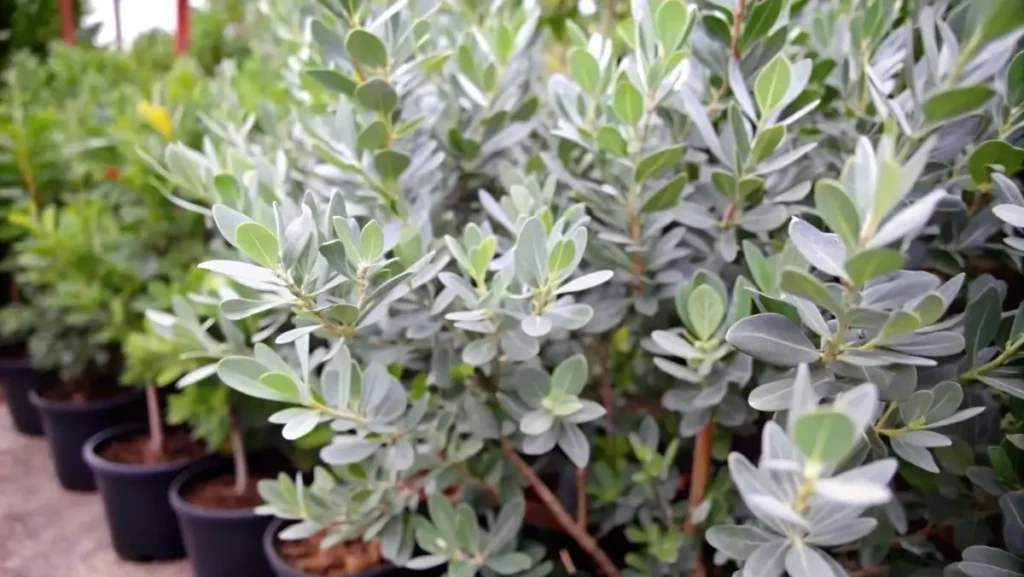
Growth Habits and Mature Size Expect moderate growth (1–2 feet per year once established). It’s naturally dense and bushy but responds beautifully to shaping, making it incredibly versatile for homeowners who want privacy without waiting years for results.
Why Choose a Silver Buttonwood for Your Landscape? ✨
Coastal gardeners face unique challenges: salty air, sandy soil, drought, and strong winds. The silver buttonwood tree solves them all with grace. Here’s why it deserves a prime spot in your yard:
Unmatched Salt, Wind, and Drought Tolerance 🛡️ This tree laughs at conditions that kill most ornamentals. It handles aerosol salt spray, hurricane-force winds, and extended dry spells like a pro—thanks to its evolutionary adaptations from mangrove edges. UF/IFAS research confirms its high tolerance, making it ideal for Zones 10B–11 (and marginally in 10A with protection).
Stunning Silvery Foliage and Year-Round Appeal That signature silver glow creates a cool, calming contrast against green lawns and tropical companions. It stays evergreen, providing consistent beauty through every season—no messy leaf drop in fall!
Wildlife Benefits and Eco-Friendly Advantages 🐦 Birds love the button-like seeds, and pollinators visit the tiny flowers. Plus, it’s a larval host for several butterflies. Choosing native plants like this supports local ecosystems while reducing your water and fertilizer needs.
Versatile Landscaping Uses
- Hedges & Privacy Screens: Shear it into a dense, silvery wall.
- Specimen Trees: Let it grow naturally for a focal point.
- Windbreaks: Protects other plants in exposed coastal spots.
- Containers: Great for patios or balconies in cooler microclimates.
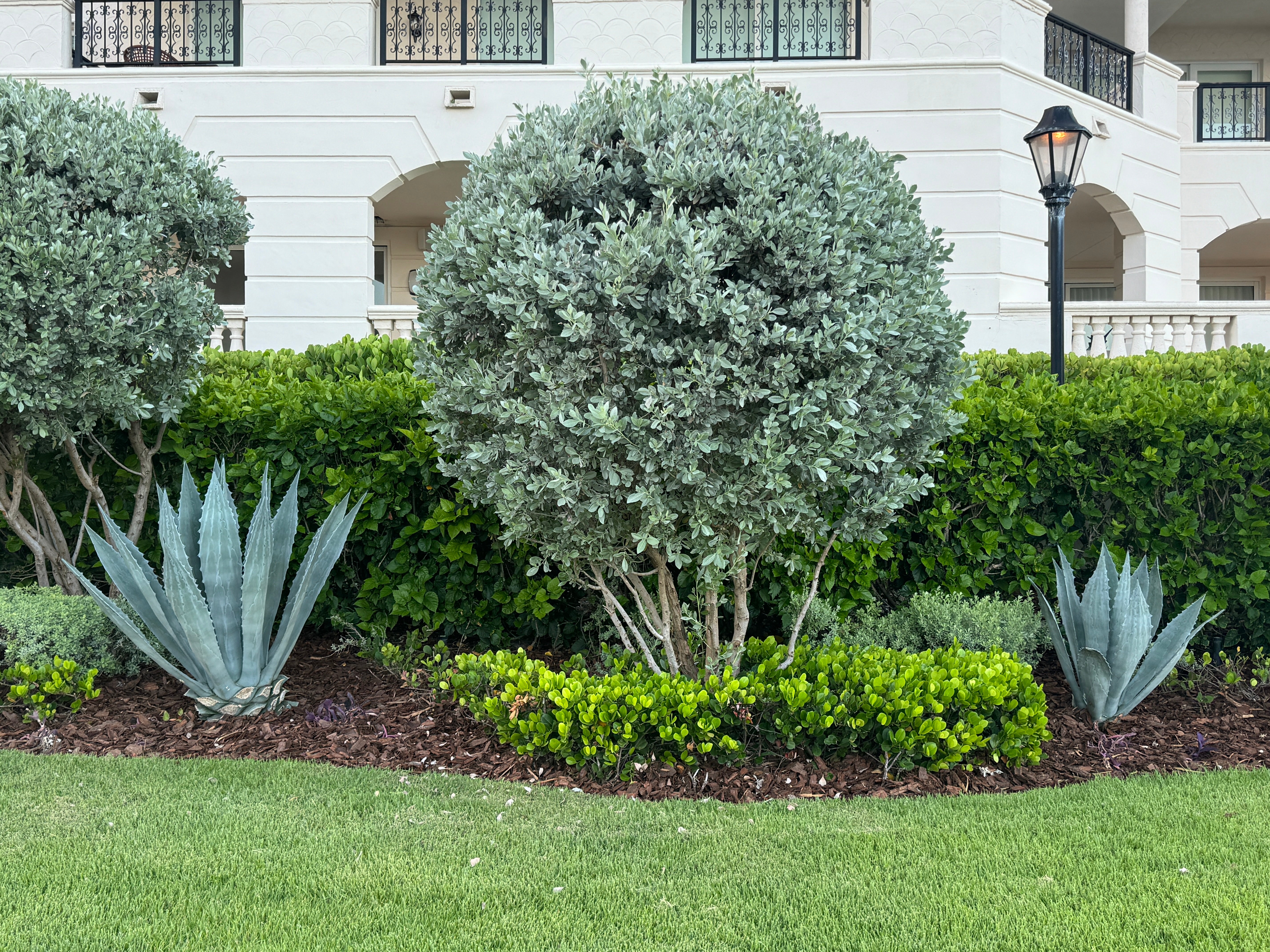
Low-Maintenance Perks for Busy Gardeners Once established, it needs little beyond occasional pruning and a light feeding schedule. Perfect for those who want beauty without the workload!
How to Plant Your Silver Buttonwood Tree Step-by-Step 🏡
Success starts with smart planting! Follow these proven steps for fast rooting and long-term health.
Best Time to Plant and USDA Hardiness Zones (10B–11) Plant in spring or early summer when soil is warm. Avoid winter to prevent cold stress in marginal areas.
Site Selection: Sunlight, Spacing, and Soil Prep ☀️
- Full sun (6+ hours) for the brightest silver glow.
- Space 10–20 feet apart for trees; 4–6 feet for hedges.
- Well-drained, sandy or loamy soil—amend heavy clay with sand if needed.

Planting Process (detailed steps with pro tips)
- Dig a hole twice as wide as the root ball, same depth.
- Gently loosen roots and position the tree so the top of the root ball is level with the ground.
- Backfill with native soil (no fertilizer at planting!).
- Water deeply and apply 2–3 inches of mulch, keeping it away from the trunk. Pro tip: Stake young trees only if in very windy spots—otherwise, let them strengthen naturally.
Container Growing for Patios or Colder Climates 🪴 Use a large pot with excellent drainage. Bring indoors during rare freezes for protection.
Ideal Growing Conditions for Thriving Silver Buttonwoods 🌍
Sunlight Requirements: Full Sun for Maximum Silver Glow Partial shade is tolerable but reduces the metallic sheen.
Soil Types and Drainage Essentials Tolerates poor, alkaline, or sandy soils beautifully—as long as it drains well to prevent root rot.
Climate and Coastal Adaptations Built for the beach! It excels in humid subtropical zones but watch for sooty mold inland where humidity traps moisture on the fuzzy leaves.
Watering and Irrigation Best Practices 💧
Establishment Phase: First-Year Watering Schedule Water deeply 2–3 times per week for the first 3–6 months, then taper off.
Mature Tree Care: Drought-Tolerant but Smart Watering Once established, it survives on rainfall. Supplemental water only during extreme droughts.
Signs of Overwatering vs. Underwatering Yellow leaves? Too wet. Wilting or leaf drop? Too dry. Adjust accordingly for happy roots!
Soil, Mulching, and Fertilization for Healthy Growth 🌱
Healthy soil is the foundation of a vigorous silver buttonwood tree. This tough coastal native adapts to a wide range of conditions, but smart soil management helps it develop deep roots and maintain that signature silvery glow.
Mulching Techniques to Conserve Moisture and Suppress Weeds Apply a 2–3 inch layer of organic mulch (such as pine bark, cypress, or eucalyptus) around the base of your tree, keeping it 4 inches away from the trunk to prevent rot. Mulch moderates soil temperature, retains moisture during dry spells, and reduces weed competition. Replenish it annually in spring for best results. In coastal areas, this practice also helps buffer against salt buildup in the soil.
Fertilizer Schedule and Recommendations Silver buttonwood is not a heavy feeder, but a light feeding program encourages lush, silvery foliage and strong structure.
- Young trees (first 2–3 years): Fertilize every 6–8 weeks during the growing season (spring through fall) with a balanced, slow-release granular fertilizer (e.g., 8-8-8 or 10-10-10).
- Mature, established trees: Apply 3 times per year — early spring, early summer, and early fall. Use a palm or tropical plant formula that includes micronutrients like magnesium and manganese, which support leaf color in alkaline coastal soils. Always water deeply after fertilizing to move nutrients into the root zone. Avoid over-fertilizing, as it can lead to weak, leggy growth and increased pest susceptibility.
pH and Nutrient Management in Coastal Soils This tree tolerates a broad pH range (acidic to alkaline, roughly 6.0–8.0) and performs well in sandy, nutrient-poor soils common along beaches. In highly alkaline conditions, occasional applications of chelated iron can prevent yellowing (chlorosis). Test your soil every 2–3 years to stay ahead of deficiencies. Because silver buttonwood expels excess salt through leaf glands, it handles saline soils gracefully, but good drainage remains essential to avoid salt accumulation at the roots.
Pruning and Maintenance for Shape and Vitality ✂️
Proper pruning transforms your silver buttonwood from a rangy shrub into a beautiful, well-structured tree or dense hedge. Its moderate growth rate (1–2 feet per year) makes it easy to manage.
When and How to Prune
- Light pruning/shearing: Can be done anytime during the growing season to maintain shape.
- Hard pruning: Limit to late March or early April (spring), removing no more than one-third of the canopy at once. This encourages bushier growth and prevents stress. Use clean, sharp bypass pruners or hedge shears. Remove dead, damaged, or crossing branches first, then shape as desired. The tree responds well to shearing for formal hedges.
Training as a Multi-Trunk Shrub, Hedge, or Single-Stem Tree
- Multi-trunk shrub: Leave lower branches intact for a natural, full look — ideal for windbreaks.
- Hedge or screen: Plant 4–6 feet apart and shear regularly to create a dense, silvery wall.
- Single-stem tree: Select the strongest central leader on young plants and remove lower branches gradually over 2–3 years for a clean trunk. This form works beautifully as a specimen or street tree.
Seasonal Maintenance Calendar
- Spring: Major pruning, fertilizing, and mulching refresh.
- Summer: Monitor for pests; water during extreme dry spells.
- Fall: Light shaping and final fertilizer application.
- Winter: Minimal care — just remove any storm damage and protect from rare freezes in marginal zones.
Consistent maintenance keeps your tree looking polished and prevents common issues like overcrowding that can trap humidity.
Common Pests, Diseases, and Organic Solutions 🛠️
The silver buttonwood tree is remarkably pest- and disease-resistant, especially in true coastal environments, thanks to its tough constitution. However, inland plantings face a few challenges.
Sooty Mold, Scale, Aphids, and Prevention The velvety hairs on silver leaves can trap honeydew excreted by sucking insects like aphids, wax scale, or Sri Lanka weevil. This leads to black sooty mold — a cosmetic fungal growth that blocks light and reduces photosynthesis.
- Solution: Control the underlying insects first. Use horticultural oil or insecticidal soap sprays (apply in early morning or evening). Neem oil works well as an organic option. Improve air circulation through pruning. In coastal areas with good breeze, sooty mold is rarely a problem. UF/IFAS notes that silver buttonwood is more prone to this inland than the green variety due to its fuzzy foliage holding moisture.
Root Rot and Other Issues in Poor Drainage Overwatering or heavy clay soils can cause root rot (Phytophthora or similar fungi). Symptoms include yellowing leaves, wilting, and stunted growth.
- Prevention: Always ensure excellent drainage. Amend planting holes with sand or perlite if needed. Once established, the tree is highly drought-tolerant and prefers to dry out between waterings.
Integrated Pest Management Tips from the Pros
- Scout regularly — check undersides of leaves weekly.
- Encourage beneficial insects like ladybugs and lacewings.
- Use sticky traps for early detection of pests.
- Avoid broad-spectrum chemicals that harm pollinators. With these practices, most silver buttonwoods remain nearly pest-free, requiring little intervention beyond good cultural care.
Propagation Methods: Grow More Silver Buttonwoods! 🌱
Want to expand your silvery collection? Propagation is straightforward, though results vary by method.
Cuttings and Air Layering (Best for True-to-Type Silver Foliage)
- Stem cuttings: Take 6–8 inch semi-hardwood cuttings in spring or summer. Remove lower leaves, dip in rooting hormone, and plant in a well-draining mix (perlite + peat). Keep moist and humid under indirect light. Roots form in 4–8 weeks with high success rates.
- Air layering: Ideal for larger branches. Wound the stem, apply rooting hormone, wrap with moist sphagnum moss and plastic. Once roots develop (several months), cut and pot up. This method preserves the exact silvery characteristics.
Seed Propagation (and Why It’s Less Reliable for the Silver Variety) Seeds from button-like fruits germinate readily, but the silver form (sericeus) does not come true from seed — most offspring revert to the green type. Use seeds only if you don’t mind variation or are growing the standard green buttonwood.
Step-by-Step Guides with Success Rates
- Select healthy, disease-free parent material.
- Maintain warm temperatures (75–85°F) and high humidity.
- Transplant rooted cuttings once they show new growth. Success rate: 70–90% with cuttings/air layering vs. variable with seeds.
Creative Landscaping Ideas with Silver Buttonwood 🌴
The shimmering foliage makes this tree incredibly versatile in subtropical and coastal designs.
Coastal Garden Designs and Beachfront Applications Plant as a frontline windbreak or dune stabilizer. Its salt tolerance makes it perfect for oceanfront properties where few other trees survive.
Companion Plants That Thrive Together Pair silver buttonwood with other salt- and drought-tolerant natives for stunning combinations:
- Sea oats or beach morning glory (for groundcover contrast)
- Lantana, plumbago, or ixora (for colorful flowers)
- Dwarf oleander, hibiscus, or yesterday-today-and-tomorrow (for layered interest)
- Sea grape or saltbush (for additional coastal texture)
These companions enhance biodiversity while sharing similar care needs.
Hedges, Privacy Screens, and Small-Space Solutions Space plants 4–6 feet apart for a fast-forming silvery hedge. In tighter spots, use containers on patios or balconies.
Bonsai and Container Inspirations The twisted, gnarled trunks and small leaves lend themselves beautifully to bonsai. Grow in large pots with excellent drainage for movable accents in colder microclimates.
Troubleshooting Common Problems and Quick Fixes 🔧
Even tough plants have occasional hiccups. Here’s how to diagnose and fix them quickly:
Yellowing Leaves, Leaf Drop, or Slow Growth
- Overwatering/root issues: Improve drainage and reduce frequency.
- Underwatering: Deep soak during dry periods.
- Nutrient deficiency: Apply balanced fertilizer or chelated iron.
Reversion to Green Foliage (and How to Avoid It) The silver trait can fade if the plant is stressed or if grown from seed. Maintain full sun, proper watering, and avoid heavy pruning that stimulates vigorous green shoots. Purchase verified silver cultivars from reputable nurseries.
Cold Damage Recovery for Marginal Zones In Zone 10A or during rare freezes, leaves may brown. Prune damaged parts in spring; the tree usually recovers from the base if roots are protected. Container plants can be moved indoors temporarily.
Silver Buttonwood vs. Other Coastal Natives: Expert Comparison 📊
For deeper context, here’s how it stacks up:
| Plant | Salt Tolerance | Mature Height | Maintenance | Best Use | Silvery Appeal |
|---|---|---|---|---|---|
| Silver Buttonwood | Extremely High | 15–30 ft | Low | Hedges, specimens | High |
| Green Buttonwood | High | 30–50 ft | Low | Larger shade/windbreak | Low |
| Sea Grape | High | 10–20 ft | Medium | Edible fruit, shade | Medium |
| Mangrove (various) | Very High | Varies | Medium | Wetland restoration | Low |
Silver buttonwood often wins for ornamental value and ease in residential landscapes.
Expert Insights and Pro Tips for Long-Term Success 🧠
Drawing from University of Florida IFAS Extension recommendations and decades of coastal horticulture experience:
- “Silver buttonwood is one of the toughest natives for South Florida — plant it once and enjoy it for decades with minimal input.” — UF/IFAS Master Gardener insights.
- Focus on establishment in the first year; after that, let its natural drought and salt tolerance take over.
- Integrate into xeriscapes for water-wise, sustainable yards that support local wildlife.
- Monitor inland plantings more closely for humidity-related issues.
Sustainable practices like mulching and reduced chemical use keep your garden eco-friendly while enhancing property value.
Frequently Asked Questions (FAQs) ❓
Can silver buttonwood survive frost? It is marginal in Zone 10A and sensitive to hard freezes. Protect young trees or grow in containers that can be moved.
How fast does silver buttonwood grow? Moderate rate of 1–2 feet per year once established. It fills in hedges relatively quickly with regular watering and feeding.
Is silver buttonwood invasive? No — it is a Florida native with low invasive potential when used appropriately. It is not considered problematic in landscapes.
What is the best fertilizer for silvery leaves? A balanced slow-release granular (8-8-8 or palm formula) applied 3 times yearly. Micronutrients help maintain the metallic sheen.
How do I fix sooty mold on my silver buttonwood? Treat the underlying insects (scale/aphids) with horticultural oil or neem. Improve airflow and the mold will naturally fade as honeydew stops.
Can I grow silver buttonwood in a container? Yes! Use a large pot with excellent drainage. It makes a great patio specimen and can be protected from cold.
Does it tolerate wet feet? Occasionally, but consistent poor drainage leads to root rot. Well-drained soil is preferred long-term.
Conclusion: Transform Your Landscape with This Resilient Beauty 🌟
The silver buttonwood tree stands out as one of the most adaptable, beautiful, and low-maintenance choices for coastal and subtropical gardens. With its shimmering foliage, exceptional salt and drought tolerance, and versatility as a hedge, specimen, or windbreak, it solves real landscaping challenges while delivering year-round curb appeal and ecological benefits.
Ready to add this coastal gem to your yard? Start with proper site selection and planting this spring, follow the care steps outlined here, and watch your silver buttonwood thrive with minimal effort. You’ll enjoy a stunning, resilient landscape that withstands Florida’s toughest conditions — and turns heads in the process.
Your 30-Day Action Plan
- Assess your site for full sun and drainage.
- Source a healthy nursery plant.
- Plant and mulch properly.
- Water consistently for the first month.
- Schedule your first light pruning and feeding.
For more expert tree care guides, explore our articles on other Florida natives like sea grape or mangrove alternatives. Happy planting — your beachy paradise awaits! 🪴✨











